Is Kitchenaid Immersion Blender Dishwasher Safe? Find Out Now
Is Kitchenaid Immersion Blender Dishwasher Safe?
Many kitchens today include an immersion blender, also called a hand blender or stick blender. If you own a KitchenAid immersion blender, you probably use it to make smoothies, soups, sauces, or baby food. After blending, the next step is cleaning. But is your KitchenAid immersion blender dishwasher safe? This question matters because you want to keep your appliance clean without damage, and you want to save time. In this article, we’ll explore everything you need to know about cleaning KitchenAid immersion blenders: which parts are dishwasher safe, how to clean them, mistakes to avoid, and tips for long-lasting performance. By the end, you’ll have clear answers and practical advice for safe, easy cleaning.
What Makes An Immersion Blender Unique?
Immersion blenders are different from traditional countertop blenders. They are hand-held and let you blend ingredients directly inside pots, bowls, or containers. This is especially helpful for hot soups or when you want fewer dishes to wash.
Kitchenaid’s Design And Features
KitchenAid immersion blenders stand out for their:
- Ergonomic handle for comfortable grip
- Removable blending arm with stainless steel blades
- Multiple speed settings for different tasks
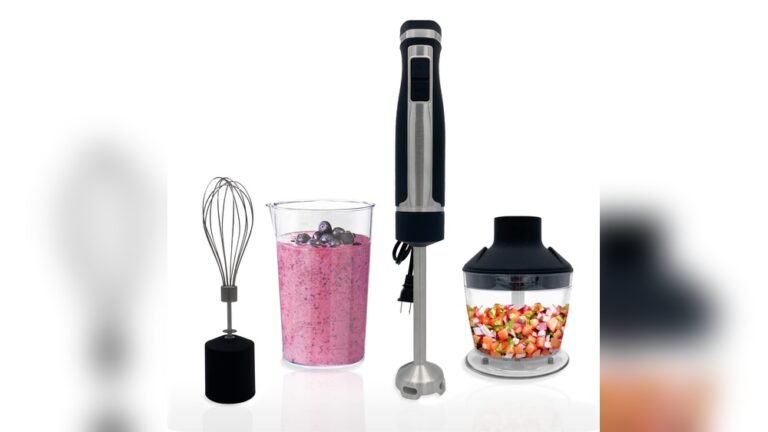
- Attachments like whisk, chopper, or milk frother (on some models)
These features make KitchenAid models both versatile and easy to use. But when it comes to cleaning, the removable parts are important.
Understanding Dishwasher Safety
Before you toss your blender parts into the dishwasher, it’s important to understand what “dishwasher safe” really means.
What Does “dishwasher Safe” Mean?
A product labeled dishwasher safe can handle the heat, water pressure, and detergents inside a dishwasher without warping, fading, or breaking. Manufacturers test their products to make sure parts won’t degrade or lose function after repeated washes.
However, not all parts of every kitchen appliance are safe for dishwashers. Electronic components, motors, and some plastics may get damaged. Always check the user manual or product label.
Why Does This Matter?
Putting the wrong part in the dishwasher can cause:
- Rust on metal blades
- Cracks in plastic components
- Damage to seals or gaskets
- Motor failure (if water gets inside)
Understanding which parts are safe is essential for keeping your blender working and hygienic.
:max_bytes(150000):strip_icc()/sea-primary-immersion-blenders-sep-24-rkilgore-0658-89167e1e4bd44afb93d9c847674b09e4.jpeg)
Credit: www.seriouseats.com
Which Kitchenaid Immersion Blender Parts Are Dishwasher Safe?
KitchenAid immersion blenders have several parts. Some are safe for dishwashers, others are not.
Main Components
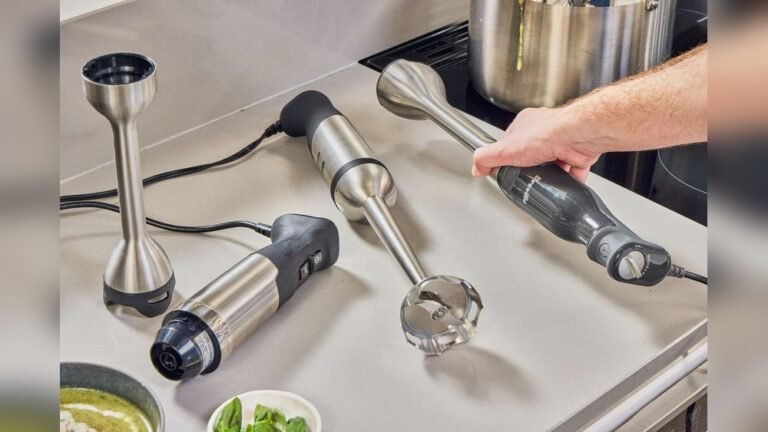
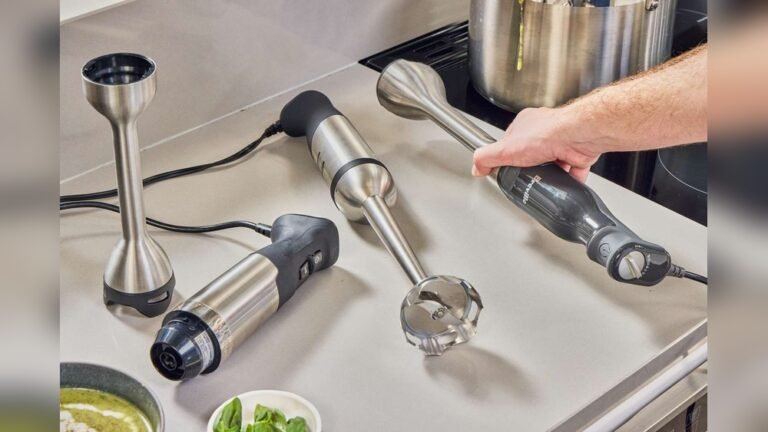
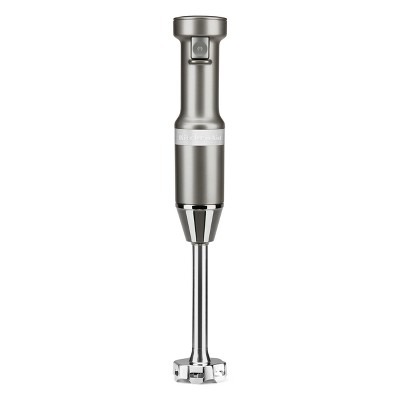
- Blending Arm: The detachable stick with blades at the end.
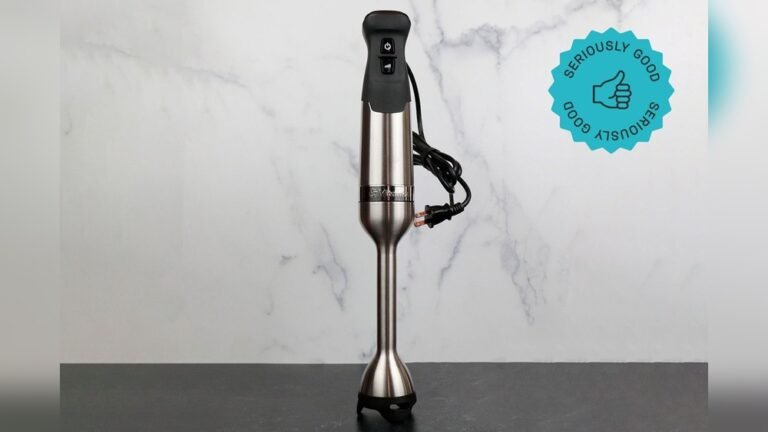
- Motor Body: The handle section, contains controls and the motor.
- Attachments: Whisk, chopper, milk frother, or others (depends on model).
- Mixing Cup: A cup or jar for blending ingredients.
Dishwasher Safe Vs. Unsafe Parts
Here’s a simple breakdown:
| Part | Dishwasher Safe? | Notes |
|---|---|---|
| Blending Arm | Yes (Top Rack) | Stainless steel arms are safe; plastic ones should be checked in manual. |
| Motor Body | No | Contains electrical parts; never immerse or wash in dishwasher. |
| Whisk Attachment | Yes (Top Rack) | Detachable metal whisk is safe; plastic gear housing, check manual. |
| Chopper Bowl/Lid | Yes/No | Bowl is usually safe; lid often contains gears, not safe. |
| Mixing Cup | Yes | Most are BPA-free plastic and safe for dishwasher. |
Key Insight: Always place dishwasher safe parts on the top rack. The top rack has lower heat and gentler water spray, reducing risk of warping or damage.
Model Differences
KitchenAid offers several immersion blender models (KHB1231, KHB2351, KHB2561, etc. ). Some older models may have different materials or attachment designs. Always check your manual for your exact model.
How To Safely Clean Your Kitchenaid Immersion Blender
Cleaning your immersion blender the right way keeps it working longer and prevents food buildup. Here’s a step-by-step guide:
Step-by-step Cleaning
- Unplug the Blender: Safety first. Never clean while plugged in.
- Detach Removable Parts: Remove the blending arm, whisk, mixing cup, and any other attachments.
- Rinse Immediately: If possible, rinse parts right after use to prevent food from drying.
- Dishwasher Cleaning: Place dishwasher safe parts on the top rack. Avoid overcrowding for proper cleaning.
- Hand Wash Motor Body: Wipe with a damp cloth. Do not immerse in water or use strong detergents.
- Dry Thoroughly: Let all parts air dry completely before reassembling.
Special Tips
- For stubborn stains, soak parts in warm soapy water before washing.
- Use a soft brush for blades to avoid injuries.
- Never force parts into place; check for proper fit after drying.
Common Cleaning Mistakes And How To Avoid Them
Many users damage their blenders by cleaning the wrong way. Here are frequent mistakes:
Mistake 1: Washing The Motor Body In The Dishwasher
This is the most serious error. The motor body contains electrical parts and should never get wet beyond surface wiping. Water can cause:
- Short circuits
- Rust inside the motor
- Permanent failure
Mistake 2: Using Harsh Detergents
Some dishwasher detergents are too strong. They can fade plastic parts or dull stainless steel. Use mild, non-abrasive detergents.
Mistake 3: Not Checking For Food Residue
Food stuck in crevices can lead to odors or bacteria. Always check blades, joints, and attachments for leftover food.
Mistake 4: Assembling While Wet
Reassembling parts before they’re fully dry can cause mold or rust. Let parts air dry.
Mistake 5: Ignoring The Manual
Each KitchenAid model may have unique cleaning instructions. Review the manual for your specific model.
Kitchenaid Immersion Blender Cleaning: Manual Vs. Dishwasher
Should you always use the dishwasher, or is hand washing better? Let’s compare:
| Cleaning Method | Pros | Cons |
|---|---|---|
| Dishwasher | Easy, time-saving, hygienic | Risk of warping, fading, or damage if used incorrectly |
| Hand Wash | Gentle, precise, protects longevity | Requires more effort, risk of injury (blades) |
Expert Tip: For frequent use, alternate between dishwasher and hand washing to extend the life of your blender parts.
How Dishwasher Cycles Affect Blender Parts
Dishwashers use hot water, strong jets, and detergent. Over time, these can impact blender parts.
Heat And Water Pressure
- High heat can warp plastic parts or loosen seals.
- Strong water jets can force water into crevices.
Detergent Residue
- Some detergents leave residue on plastic or metal.
- Residue can cause fading or dullness.
Frequency Of Washing
- Daily washing in dishwasher may shorten the lifespan of plastic components.
- Stainless steel blades usually withstand regular dishwasher cycles, but dullness can occur after many washes.
Non-obvious Insight: If your blender attachments start to look cloudy or dull, try hand washing for a few cycles and avoid strong detergents.
How To Identify Dishwasher Safe Kitchenaid Blender Parts
Not all KitchenAid immersion blender parts are clearly labeled. Here’s how to check:
Look For Symbols
Many parts have dishwasher safe symbols:
- Plate and water drops: Safe for top rack
- Hand and water: Hand wash only
Consult Your Manual
If you lost your manual, you can find it online. Search for your model number on KitchenAid’s official site.
Material Types
- Stainless steel: Usually dishwasher safe, but avoid overcrowding.
- BPA-free plastic: Top rack only.
- Rubber or silicone: Hand wash for best results.
Non-obvious Insight: Some lids or gear housings look like plastic but contain metal gears inside. These are usually not dishwasher safe.
Credit: www.target.com
Kitchenaid Immersion Blender Models: Dishwasher Safety Comparison
KitchenAid has several immersion blender models, each with specific parts and cleaning guidelines. Here’s a quick comparison:
| Model | Blending Arm | Whisk Attachment | Chopper Bowl | Motor Body | Mixing Cup |
|---|---|---|---|---|---|
| KHB1231 | Dishwasher Safe | Dishwasher Safe | N/A | Hand Wash Only | Dishwasher Safe |
| KHB2351 | Dishwasher Safe | Dishwasher Safe | Dishwasher Safe (Bowl) | Hand Wash Only | Dishwasher Safe |
| KHB2561 | Dishwasher Safe | Dishwasher Safe | Dishwasher Safe (Bowl) | Hand Wash Only | Dishwasher Safe |
Note: “N/A” means the model does not include that attachment.
How To Make Your Kitchenaid Blender Last Longer
Cleaning is just one part of caring for your immersion blender. Here are practical tips:
Regular Maintenance
- Clean immediately after use to avoid stains and odors.
- Inspect seals and gaskets for wear.
- Store in a dry place, away from moisture.
Avoiding Damage
- Never use abrasive pads on blades or plastic.
- Don’t force attachments; follow the alignment marks.
- Always unplug before cleaning.
Using The Blender Properly
- Avoid blending very hard ingredients that can dull blades.
- Don’t operate for long periods to prevent overheating.
Non-obvious Insight: If you notice any change in performance (strange sounds, slower blending, or leaks), check for buildup around the blade or inside attachment joints.
Real User Experiences: Dishwasher Vs. Hand Wash
Many KitchenAid owners share their experiences online. Here’s what users say:
Dishwasher Cleaning
- Most report good results when using the top rack.
- Some mention discoloration on plastic cups after many washes.
- Blades stay sharp but may lose shine after repeated dishwasher cycles.
Hand Washing
- Takes more time but keeps parts looking new.
- Some users prefer hand washing for the whisk and chopper lid due to delicate gear mechanisms.
Common Problems
- Water seeping into attachment joints (from dishwasher) can cause mold.
- Placing motor body in dishwasher ruins the appliance (common mistake by beginners).
Kitchenaid Official Recommendations
KitchenAid’s official cleaning instructions are clear:
- Only removable blending arms, whisk attachments, chopper bowls, and mixing cups are dishwasher safe.
- Always place dishwasher safe parts on the top rack.
- Motor body should only be wiped with a damp cloth.
- Never immerse motor body in water or dishwasher.
For the most accurate and up-to-date information, visit KitchenAid’s official support page or check your product manual.
kitchenaid Official Support
Environmental Impact: Dishwashing Vs. Hand Washing
Many people don’t consider the environmental impact of their cleaning method.
Dishwasher Use
- Uses more water and energy per cycle, but cleans many items at once.
- Modern dishwashers use less water than older models.
Hand Washing
- Can use less water if done carefully, but often uses more over time.
- Requires more manual effort and time.
Sustainable Cleaning Tips
- Only run dishwasher when full.
- Use eco-friendly detergents.
- Air dry parts instead of using heated dry cycle.
Non-obvious Insight: For small loads, hand washing is often more eco-friendly. For large loads, dishwasher is usually more efficient.
Common Questions From Kitchenaid Owners
Online forums and reviews show that many owners have similar questions about dishwasher safety. Here are the most frequent:
- Can I wash all attachments in the dishwasher?
- Only attachments without gears or electrical parts are safe. Check your manual.
- Will dishwasher cleaning dull the blades?
- Not immediately, but repeated cycles may reduce shine and sharpness.
- How do I clean stuck-on food?
- Soak attachments in warm soapy water, then use a soft brush.
- Is it safe to wash the motor body with water?
- No. Always wipe with a damp cloth. Never immerse or put in dishwasher.
- Can I use the bottom rack for blender parts?
- No. Use the top rack only; bottom rack is hotter and harsher.
The Importance Of Proper Storage After Cleaning
After cleaning, storing your blender correctly helps prevent damage and keeps it ready for use.
Storage Tips
- Let all parts dry fully before storage.
- Store attachments in a clean, dry container or drawer.
- Avoid stacking heavy items on top of plastic cups or bowls.
- Keep motor body away from moisture and heat.
Preventing Odors And Mold
- Air dry parts in a well-ventilated area.
- Check for water trapped inside attachment joints.
- Clean storage area regularly.
Non-obvious Insight: If parts smell musty, wipe with diluted vinegar and let air dry completely.
Kitchenaid Immersion Blender: Safety Precautions
Cleaning is important, but safety comes first. Here’s what to remember:
Electrical Safety
- Always unplug before cleaning or assembling.
- Never let water or detergent touch the motor body.
Blade Safety
- Blades are sharp. Use caution when handling.
- Never reach into the blending arm without checking for blade position.
Attachment Safety
- Check for cracks or wear on plastic parts.
- Replace damaged parts to avoid injury.
Expert Tip: Keep blender out of reach of children when not in use.
How To Clean Blender Attachments With Stubborn Stains
Sometimes, food sticks to blender parts and doesn’t come off easily. Here’s how to handle tough stains:
Steps
- Soak in Warm Soapy Water: Let parts soak for 10–20 minutes.
- Use Soft Brush: Gently scrub blades and joints.
- Rinse Well: Wash away soap and residue.
- Repeat if Needed: For tough stains, repeat soaking and scrubbing.
Avoid Harsh Chemicals
- Do not use bleach or abrasive cleaners.
- Avoid metal brushes or scouring pads.
Preventing Stains
- Rinse attachments immediately after blending sticky ingredients (peanut butter, hummus, etc. ).
- Clean regularly to prevent buildup.
How Dishwasher Use Affects Warranty
KitchenAid blenders come with a limited warranty. Does dishwasher cleaning affect your warranty?
Warranty Terms
- KitchenAid warranties cover defects in materials or workmanship.
- Damage from misuse (like washing motor body in dishwasher) is not covered.
- Using dishwasher for safe parts does not void warranty, but damage from improper cleaning is not covered.
What If Something Breaks?
- If a dishwasher safe part warps or breaks, contact KitchenAid support.
- If motor body fails due to water damage, warranty may not apply.
Non-obvious Insight: Keep your purchase receipt and register your product online for easier warranty claims.
Kitchenaid Immersion Blender: Comparison With Other Brands
How does KitchenAid compare to other immersion blender brands for dishwasher safety?
| Brand | Dishwasher Safe Parts | Motor Body Cleaning | Unique Features |
|---|---|---|---|
| KitchenAid | Blending arm, attachments, mixing cup (top rack) | Wipe with damp cloth | Ergonomic design, multiple attachments |
| Breville | Blending arm, attachments (top rack) | Wipe with damp cloth | High power, variable speed |
| Hamilton Beach | Blending arm, attachments (top rack) | Wipe with damp cloth | Budget-friendly, simple design |
| Cuisinart | Blending arm, attachments (top rack) | Wipe with damp cloth | Multiple speeds, sturdy build |
Key Insight: Most major brands have similar dishwasher safety guidelines—never wash motor body, always use top rack for attachments.
Expert Tips For Best Cleaning Results
Cleaning immersion blenders seems simple, but experts recommend a few extra steps:
Tip 1: Quick Rinse After Use
Rinse attachments immediately after blending. This prevents food from drying and makes cleaning easier.
Tip 2: Monthly Deep Clean
Once a month, deep clean attachments:
- Soak in warm water with baking soda.
- Scrub gently with a soft brush.
- Rinse and air dry.
Tip 3: Inspect For Wear
Check blades, seals, and plastic for cracks or dullness. Replace worn parts.
Tip 4: Store Separately
Store attachments and motor body apart to prevent moisture build-up.
Tip 5: Use Mild Detergents
Avoid harsh chemicals. Mild detergent protects plastic and metal finishes.
Credit: www.target.com
When To Replace Blender Attachments
Even with careful cleaning, blender attachments wear out. Here’s when to replace:
Signs You Need Replacement
- Blades are dull or rusty
- Plastic parts are cracked or warped
- Attachments don’t fit securely
- Mold or odors persist after cleaning
Where To Buy
- KitchenAid official website
- Authorized retailers
- Online marketplaces (Amazon, Walmart)
Non-obvious Insight: Replacing attachments is cheaper than buying a new blender. Always check for genuine parts.
Frequently Asked Questions
Is The Kitchenaid Immersion Blender Motor Body Dishwasher Safe?
No. The motor body contains electrical components and should never go in the dishwasher. Wipe it with a damp cloth.
Can I Put The Blending Arm In The Dishwasher?
Yes. The blending arm is usually dishwasher safe, but place it on the top rack. Check your manual for model-specific details.
Are All Kitchenaid Immersion Blender Attachments Dishwasher Safe?
Most are, including whisk and mixing cup, but parts with gears (like chopper lid) are often not safe. Always check the manual.
Will Repeated Dishwasher Cleaning Damage My Blender Attachments?
Over time, frequent dishwasher cleaning can cause dullness or discoloration, especially on plastic parts. Alternating with hand washing can help preserve them.
How Should I Clean Parts With Stuck-on Food?
Soak the parts in warm soapy water, then use a soft brush. Avoid harsh chemicals or abrasive pads.
Final Thoughts
Knowing which parts of your KitchenAid immersion blender are dishwasher safe makes cleaning easier and keeps your appliance in great shape. Most removable attachments—like the blending arm, whisk, and mixing cup—are safe for the top rack of your dishwasher. The motor body, with its electrical parts, must only be wiped with a damp cloth.
Always check your manual for specific guidance, follow safe cleaning practices, and avoid common mistakes. With proper care, your KitchenAid immersion blender will serve you well for years, making food prep faster and easier. Remember, a little attention to cleaning details can prevent costly damage and extend the life of your favorite kitchen tool.