How To Clean Ninja Blender Handle: Quick and Easy Guide
Cleaning your Ninja blender handle may seem like a simple task, but it’s often overlooked. Many people focus on the blades and jar, missing the handle completely. Yet the handle can hold bacteria, stains, and odors, making your blender less safe and less pleasant to use.
If you want your Ninja blender to last longer and stay hygienic, learning how to clean the handle properly is essential. This guide will show you step by step how to clean the handle, prevent damage, and keep your kitchen tool in top shape.
Whether you use your blender for smoothies, soups, or sauces, a clean handle helps keep everything fresh and safe.
Understanding The Ninja Blender Handle
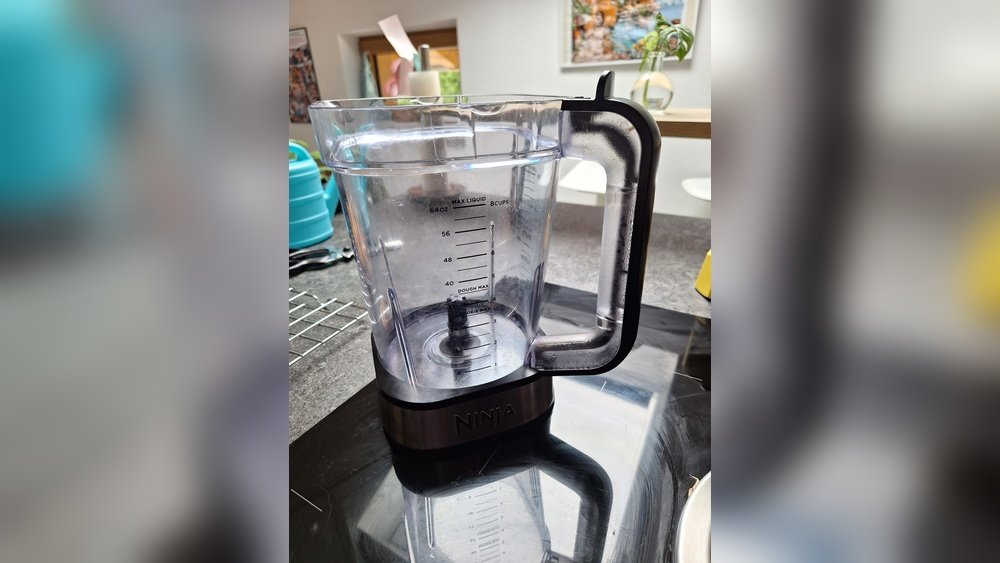
The Ninja blender handle is more than just a way to grip your blender. It connects you to the machine every time you use it. Handles are usually made of sturdy plastic, sometimes with rubber or silicone grips. They’re designed to withstand frequent use and moisture, but food residue and grime can still build up over time.
Ninja blender handles often have grooves, ridges, or textured surfaces. These details help you hold the blender securely, but they also collect crumbs, spills, and sticky liquids. Some handles are attached to the jar, while others are part of the base.
Knowing your blender’s handle type will help you clean it more effectively.
Why does the handle get dirty?
- Food spills: When pouring or blending, liquid can drip down and stick to the handle.
- Fingerprints: Oils and sweat from your hands leave marks.
- Dust and bacteria: Handles are exposed to air and kitchen surfaces.
- Cleaning mistakes: Many people wipe only the outside, missing hidden dirt.
Ignoring the handle can lead to bad smells, stains, and even germs. Regular cleaning is the best way to keep your blender safe and looking new.
Safety Precautions Before Cleaning
Before you start cleaning, it’s important to keep safety in mind. Ninja blenders are electrical devices, and water can damage their parts if not handled carefully.
Safety steps:
- Unplug the blender: Never clean the handle while the blender is plugged in. Electrical shock is possible.
- Remove the jar: If your handle is attached to the jar, take it off the base first.
- Check the manual: Ninja blenders come in different models. Look at your user manual for specific cleaning instructions.
- Avoid harsh chemicals: Some cleaning products can damage plastic or rubber. Stick to safe options.
If your handle is part of the base, never submerge it in water. Always use a damp cloth or soft brush instead.
Essential Cleaning Supplies
Cleaning your Ninja blender handle requires the right supplies. Using the wrong tools can scratch or damage the handle, while the right ones make the job easier and more effective.
Recommended supplies:
- Soft sponge or cloth: For gentle scrubbing.
- Mild dish soap: Removes grease and stains without harming plastic.
- Small brush: A toothbrush or small cleaning brush helps reach grooves.
- Cotton swabs: Useful for tight corners and seams.
- White vinegar: Natural disinfectant, removes odors.
- Baking soda: Lifts tough stains and neutralizes smells.
- Warm water: Helps dissolve dirt and grease.
Optional:
- Microfiber towel: For drying and polishing.
- Rubber gloves: Protects your hands if you have sensitive skin.
Many people miss the importance of a small brush. Handles often have tiny grooves that traps dirt. Using a brush will help you clean these areas without effort.
Step-by-step Cleaning Guide
Cleaning the Ninja blender handle doesn’t have to be complicated. Follow these steps for a thorough, safe clean.
Removing The Blender Jar
First, take off the jar from the base. If the handle is attached to the jar, you can wash it more freely. If the handle is part of the base, leave the jar aside.
Tip: Always handle the jar carefully to avoid dropping or cracking it.
Washing The Handle Attached To The Jar
- Rinse under warm water: Hold the jar so the handle faces the faucet. Let warm water flow over the handle to remove loose dirt.
- Apply dish soap: Put a few drops of mild dish soap on a sponge or cloth.
- Scrub gently: Rub the handle, paying special attention to grooves and textured areas. Use circular motions for stubborn stains.
- Use a brush: Dip a toothbrush in soapy water and scrub inside grooves, seams, and any textured spots.
- Clean tight corners: Use cotton swabs to get into small spaces where the handle connects to the jar.
- Rinse again: Wash off all soap with warm water. Make sure no residue remains.
- Dry thoroughly: Wipe with a microfiber towel. Let air dry before reassembling.
Non-obvious insight: Handles can trap water inside seams. Hold the jar upside down to let water drain fully.
Cleaning The Handle Attached To The Base
Some Ninja blenders have handles built into the base. These cannot go in water. Here’s how to clean them safely:
- Unplug the blender: Always unplug before cleaning.
- Wipe with damp cloth: Wet a cloth with warm water and mild soap. Wring out excess water.
- Scrub the handle: Wipe the handle, focusing on sticky spots or stains. Don’t let water drip into the base.
- Brush grooves: Use a dry toothbrush for textured areas.
- Spot clean corners: Dip a cotton swab in soapy water and clean small seams.
- Remove soap: Wipe again with a clean, damp cloth.
- Dry with towel: Use a dry towel to prevent water from entering the base.
Practical tip: Never spray water directly on the base. Always use a damp cloth.
Deep Cleaning For Tough Stains
If your Ninja blender handle has stubborn stains or sticky buildup, a deeper clean is needed.
- Make a paste: Mix baking soda with a little water until you have a thick paste.
- Apply to stains: Rub the paste onto stained spots on the handle.
- Let sit: Leave for 5-10 minutes. Baking soda breaks down grease and grime.
- Scrub gently: Use a sponge or brush to clean the area.
- Rinse or wipe: Wash off the baking soda or wipe with damp cloth.
- Dry completely: Ensure no moisture remains.
Non-obvious insight: Baking soda also removes odors. Handles sometimes smell after frequent use—this method solves both issues.
Disinfecting The Handle
For extra hygiene, disinfect the handle after cleaning.
- Mix solution: Combine equal parts water and white vinegar in a spray bottle.
- Spray handle: Lightly mist the handle (avoid electrical parts).
- Let air dry: Vinegar kills most bacteria and leaves no residue.
If you want stronger disinfecting, use a kitchen-safe disinfectant, but check that it won’t damage plastic.
Cleaning Frequency
How often should you clean your Ninja blender handle? It depends on how often you use the blender.
- Daily use: Clean handle every 2-3 days.
- Weekly use: Clean handle once a week.
- Occasional use: Clean handle every time after use.
Regular cleaning prevents buildup and keeps your kitchen safer.
Comparing Cleaning Methods
It’s helpful to compare different cleaning methods to see what works best for your blender handle. Here’s a quick overview:
| Cleaning Method | Effectiveness | Time Required | Best For |
|---|---|---|---|
| Soap & Water | Good | 5-10 min | Light dirt, daily cleaning |
| Baking Soda Paste | Excellent | 15-20 min | Tough stains, odors |
| Vinegar Solution | Very good | 5 min | Disinfecting, odor removal |
| Disinfectant Wipes | Good | 2-3 min | Quick sanitizing |
Most users find soap and water is enough for everyday cleaning. For deep stains or smells, baking soda or vinegar works better.
Common Mistakes To Avoid
Many people make errors when cleaning their Ninja blender handle. Avoid these mistakes to keep your blender working well and looking new.
- Using too much water: Handles attached to the base must not get wet inside. Water can damage electronics.
- Ignoring grooves: Dirt hides in textured surfaces. Always use a brush.
- Harsh chemicals: Bleach or strong cleaners can weaken plastic and rubber.
- Not drying: Moisture left on the handle can cause mold or odors.
- Forgetting to unplug: Cleaning with the blender plugged in is unsafe.
Non-obvious insight: Some cleaning wipes leave residue that makes handles slippery. Always rinse or wipe after using wipes.

Credit: www.ifixit.com
How To Remove Odors From Blender Handle
Sometimes, your blender handle smells bad even after cleaning. This is often caused by food residue, bacteria, or mold.
Odor removal steps:
- Wash with soap: Clean as usual.
- Apply baking soda paste: Rub and let sit for 10 minutes.
- Rinse thoroughly: Remove all baking soda.
- Spray vinegar solution: Mist the handle, then let air dry.
If the smell persists, check if the handle has hidden crevices. Use a brush and cotton swab to clean them.
Tip: Store your blender with the jar removed and handle exposed to air. Closed spaces trap moisture and odors.
Preventing Handle Stains And Damage
Keeping your Ninja blender handle clean is easier if you prevent stains and damage before they happen.
Preventive tips:
- Wipe after each use: Don’t wait for dirt to build up.
- Handle with dry hands: Wet or greasy hands leave marks.
- Keep away from colored liquids: Beet juice, tomato sauce, and curry can stain handles.
- Avoid rough scrubbing: Use soft brushes or sponges.
- Store properly: Don’t place the blender in damp or dirty areas.
If your blender handle is made of silicone, avoid exposing it to direct sunlight or harsh chemicals. Silicone can fade or crack.

Credit: www.youtube.com
Ninja Blender Handle Types And Their Cleaning Needs
Ninja blenders come in many models. Some have removable handles, others have fixed handles. Understanding your handle type helps you clean better.
| Handle Type | Cleaning Method | Can Be Submerged? | Special Care |
|---|---|---|---|
| Jar Handle | Soap, water, brush | Yes | Dry well |
| Base Handle | Damp cloth, brush | No | Avoid water on base |
| Silicone Grip | Soap, water, gentle brush | Yes | No harsh cleaners |
| Plastic Handle | Soap, water, vinegar | Yes | Prevent scratches |
Always check your manual for your specific model. Some handles have hidden screws or detachable parts—these can be removed for deeper cleaning.
Cleaning Tools: Comparing Brushes, Cloths, And Sponges
Choosing the right cleaning tool makes a big difference. Some tools work better for certain surfaces.
| Tool | Pros | Cons | Best Use |
|---|---|---|---|
| Sponge | Gentle, covers large area | May miss grooves | Flat surfaces |
| Cloth | Flexible, easy to wring | Not good for textured areas | Quick wipe-downs |
| Brush | Reaches grooves, removes stuck dirt | May scratch if too stiff | Grooves and seams |
| Cotton Swab | Precise, cleans tight spots | Slow, not for large areas | Corners, seams |
For most cleaning jobs, a combination of sponge, brush, and cotton swab works best. Avoid metal scrubbers—they can scratch plastic.
Troubleshooting Handle Cleaning Issues
Sometimes you face problems while cleaning the Ninja blender handle. Here’s how to solve common issues:
Sticky residue won’t come off: Try a baking soda paste or soak in warm soapy water.
Handle still smells bad: Use vinegar spray and let air dry. Repeat if needed.
Water trapped inside handle: Hold upside down and shake gently. Let dry in open air.
Stains won’t fade: Avoid harsh cleaners. Use baking soda, and repeat the process.
Handle feels slippery after cleaning: Rinse thoroughly to remove soap or wipe residue.
If you notice damage or cracks, check your warranty. Some Ninja blenders offer replacement parts.
Ninja Blender Handle Maintenance Tips
Keeping your Ninja blender handle clean is only part of good maintenance. Here are tips to help your handle last longer:
- Inspect regularly: Look for cracks, stains, or loose parts.
- Clean consistently: Don’t let dirt build up.
- Use proper tools: Avoid rough brushes or strong chemicals.
- Store safely: Keep the blender in a dry, clean area.
- Replace worn handles: If the handle is damaged, replace it to avoid injury.
Non-obvious insight: Handles can loosen over time. If your handle wiggles, tighten screws or contact Ninja support.
The Importance Of Cleaning The Ninja Blender Handle
Many people focus on cleaning the blade or jar, but the handle is just as important. Handles touch your hands and kitchen surfaces every day. Dirt, bacteria, and stains can transfer to your food or drink.
Statistics: According to a study by NSF International, kitchen blender handles often contain more bacteria than sinks or countertops. Regular cleaning reduces the risk of contamination.
Cleaning the handle also keeps your blender looking new. Stains and odors make your kitchen less appealing. A clean handle shows you care about hygiene and quality.
Eco-friendly Cleaning Solutions
If you want to protect the environment, choose eco-friendly cleaning solutions. Many chemical cleaners harm plastic and pollute water.
Eco-friendly options:
- White vinegar: Natural disinfectant, safe for most surfaces.
- Baking soda: Non-toxic, removes stains and odors.
- Plant-based soap: Gentle, biodegradable.
Mix your own cleaning solutions to avoid harsh chemicals. This is safer for your family and better for the planet.
For more eco-friendly kitchen tips, you can check resources at EPA Safer Choice.
Handling Different Blender Handle Materials
Ninja blender handles are usually made of plastic, rubber, or silicone. Each material needs special care.
Plastic handles: Use mild soap, avoid strong chemicals. Don’t scrub too hard.
Rubber handles: Clean with soap and water. Avoid bleach—rubber can break down.
Silicone grips: Use soft brush, mild soap. Never use rough scrubbing.
If your handle is metal, wipe with damp cloth and dry immediately to prevent rust.
Tip: Always dry handles well after cleaning. Moisture causes mold and stains.
Quick Cleaning After Each Use
If you use your Ninja blender often, a quick clean after each use keeps the handle in good shape.
Steps:
- Wipe handle with damp cloth.
- Dry with towel.
- Check grooves for crumbs or spills.
This takes only a minute but prevents buildup.

Credit: www.reddit.com
When To Replace The Blender Handle
Blender handles are strong, but they don’t last forever. If you notice cracks, deep stains, or loose parts, it may be time to replace the handle.
Signs to replace:
- Cracks or chips in the plastic.
- Handle feels loose or wobbly.
- Persistent smell that won’t go away.
- Stains that don’t fade even after deep cleaning.
Replacement handles are available for most Ninja models. Check the Ninja website or contact support.
Frequently Asked Questions
How Often Should I Clean The Ninja Blender Handle?
You should clean the handle every 2-3 days if you use the blender daily. For occasional use, clean after each session. This prevents bacteria and stains.
Can I Use Bleach To Clean The Handle?
No. Bleach is too strong for most blender handles and can damage plastic and rubber. Use mild soap, vinegar, or baking soda instead.
What Should I Do If Water Gets Inside The Handle?
Hold the blender upside down and let water drain out. Dry with a towel and leave to air dry completely. Avoid submerging the handle in water if it’s attached to the base.
Why Does My Blender Handle Smell Bad Even After Cleaning?
Odors can hide in grooves or seams. Use baking soda paste and vinegar spray to remove smells. Make sure the handle dries completely.
Can I Replace My Ninja Blender Handle?
Yes, most Ninja blenders allow handle replacement. Check your model’s manual and contact Ninja support for parts.
Cleaning your Ninja blender handle is simple but important. By following the steps above, you keep your blender hygienic, fresh, and safe for every use. Regular care helps your blender last longer and makes your kitchen a healthier place. Don’t forget—cleaning the handle is as important as cleaning the jar or blade.
With good habits, your Ninja blender will stay in perfect condition for years.