How To Clean Ninja Nutri Blender: Quick and Easy Steps
Keeping your Ninja Nutri Blender clean is more than just a matter of looks. It affects how your blender works, how long it lasts, and even the taste and safety of your smoothies. If you’ve ever wondered why your blender sometimes smells or looks cloudy, the answer is simple: it needs a good cleaning. Many people only rinse the cup or blade, but that’s not enough. Food particles, smoothie residue, and even bacteria can hide in small places. Learning the right way to clean your Ninja Nutri Blender will help you get the best results every time and avoid common mistakes.
A well-cleaned blender can make your kitchen routine easier and healthier. It prevents build-up that leads to hard-to-remove stains, keeps the flavors of your drinks pure, and protects your family from germs. If you’ve ever had a smoothie taste “off,” or noticed sticky residue after blending, you’ll see big improvements once you clean the right way.
Even if you’re busy, spending a few minutes on care pays off in smoother blends and longer appliance life.
Why Cleaning Your Ninja Nutri Blender Matters
The Ninja Nutri Blender is famous for blending tough ingredients quickly. But all that power means food gets pushed into tiny gaps. If you don’t clean these spots, you can face problems:
- Bad smells from old food or bacteria
- Cloudy cups that make your blender look old
- Stuck blades which reduce performance
- Shorter lifespan as dirt damages parts
A clean blender also keeps your food tasting fresh. Even small bits of old smoothie can change the flavor of your next drink. For families, a clean blender is safer—no hidden germs or mold.
Many people overlook the effect of leftover food on the blender’s motor and seals. Over time, trapped residue can cause seals to break or the motor to work harder, leading to costly repairs. Cleaning regularly is a simple way to protect your investment.
If you use your blender for multiple recipes—like soups, sauces, or nut butters—the risk of cross-contamination also increases, so thorough cleaning matters even more.
Understanding Your Ninja Nutri Blender Parts
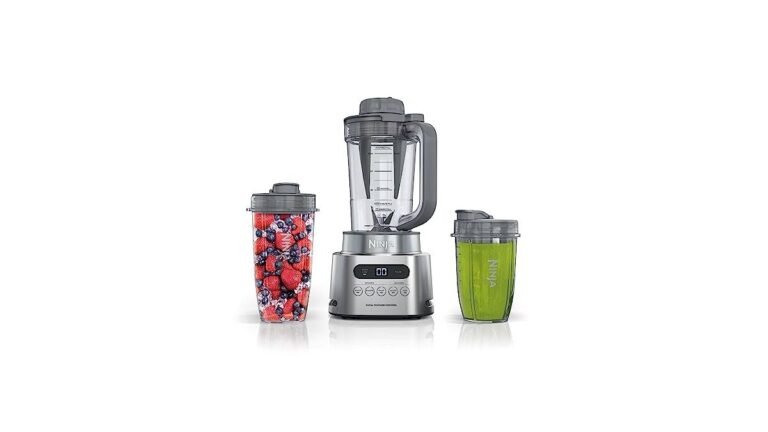
Before you start cleaning, it helps to know each part. The Ninja Nutri Blender comes with several pieces, and each needs different care:
| Part | Material | Dishwasher Safe? |
|---|---|---|
| Blender cup | BPA-free plastic | Top rack only |
| Blade assembly | Stainless steel & plastic | No |
| Lids | Plastic | Top rack only |
| Motor base | Plastic/Metal | No |
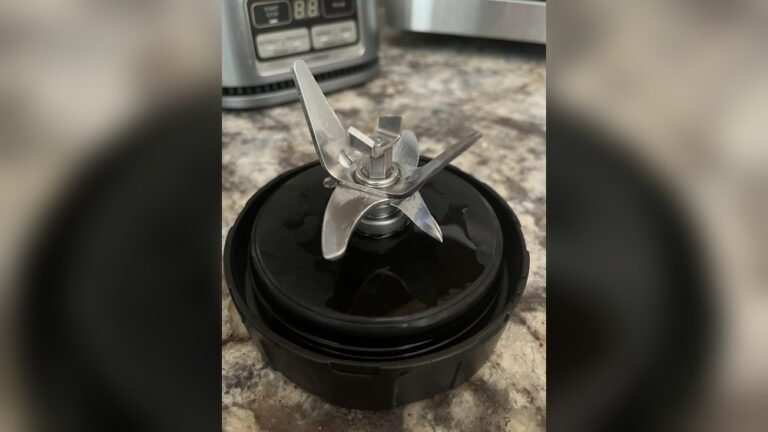
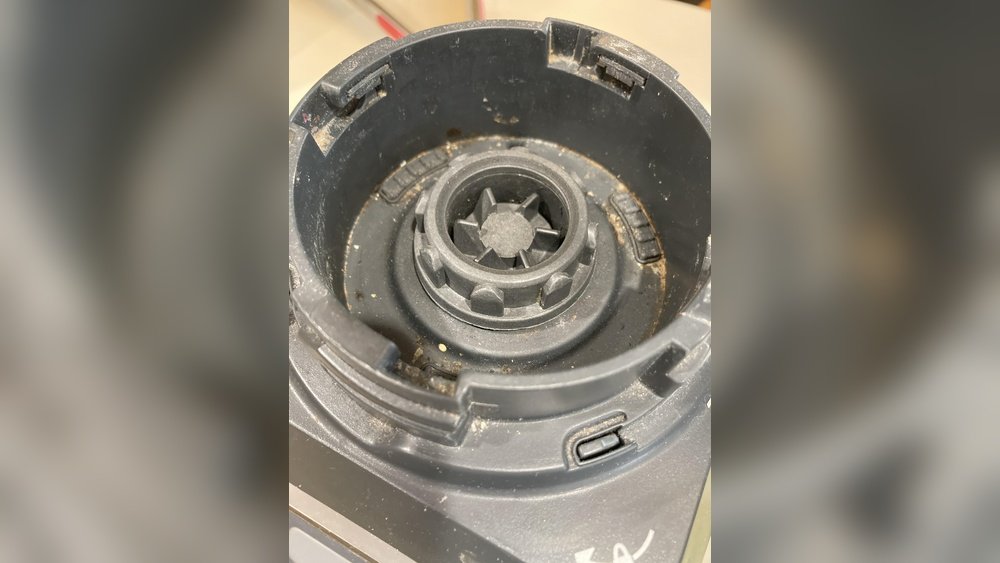
Blade assembly is the trickiest part—small bits can get stuck under the blade. The motor base should never be submerged; only wipe it. Cups and lids are easy to clean, but can become cloudy if not washed soon after use.
Some blenders also have extra accessories like travel lids or seal rings. These pieces often trap food and need special attention. For example, the seal ring (gasket) can be removed for cleaning, but many users forget this step, leading to hidden build-up.
Understanding where food hides helps you clean more effectively and keep your blender working smoothly.

Credit: www.youtube.com
Step-by-step: How To Clean Ninja Nutri Blender
Cleaning your blender isn’t just about rinsing. Follow these steps for the best results.
1. Unplug And Disassemble
Always unplug the blender before you start. Remove the cup, lid, and blade assembly. Take your time—forcing parts can break them.
If your blender feels stuck, avoid twisting too hard. Instead, rinse under warm water to loosen any dried food. This gentle approach prevents cracks and extends the life of your parts.
2. Rinse Immediately
If possible, rinse the cup and blade right after use. Smoothies dry fast, and dried bits are much harder to remove. Use warm water for better results.
Even a quick rinse can make deep cleaning later much easier. For sticky recipes, like peanut butter or protein shakes, rinse right away to prevent residue from hardening.
3. Wash Each Part Separately
Blender Cup And Lids
- Use warm, soapy water and a soft sponge
- Avoid rough scrubbers—they scratch the plastic
- For tough stains, let the cup soak for 10-15 minutes
If your cup has a narrow shape, use a bottle brush to reach the bottom and corners. A soft brush cleans without scratching and gets rid of stubborn particles.
Blade Assembly
- Hold the blade carefully; it’s sharp
- Use a brush (like a toothbrush) to reach under the blades
- Rinse well to remove all soap
For extra cleaning, swirl warm soapy water inside the blade assembly. Make sure to rinse until all soap is gone—soap residue can affect taste and leave a film.
Motor Base
- Wipe with a damp cloth; never submerge
- Clean the buttons and corners with a cotton swab if needed
If spills happen, unplug and wipe immediately. For dried spills, use a slightly damp cloth and gentle pressure. Avoid getting water near the motor opening.
4. Deep Cleaning For Stubborn Stains
If your cup is cloudy or smells, try a deep clean:
- Fill the cup with warm water and 1 tablespoon of baking soda
- Add a splash of vinegar
- Let it sit for 20 minutes, then scrub and rinse
This removes odors and stains. For the blade assembly, use vinegar and a brush. Baking soda is safe, but avoid strong chemicals.
For extra freshness, add a squeeze of lemon to the soak. Lemon helps cut through grease and leaves a pleasant scent. If stains remain, repeat the process or let it soak longer.
5. Dry Thoroughly
Moisture can cause mold or rust. Dry each part with a towel. Leave the blade and cup upside down to air dry completely.
For hard-to-reach areas, use a clean, dry cloth or paper towel. Make sure the gasket is dry before reassembling—moisture under the seal can cause hidden mold.
6. Reassemble And Store
Once dry, put the blender back together. Store with the cup off the base to avoid moisture buildup.
If your kitchen is humid, store parts separately and check for moisture before use. This prevents unwanted smells and keeps your blender ready for action.
Dishwasher Cleaning: What’s Safe And What’s Not
Many Ninja Nutri Blender parts are dishwasher safe, but not all. Here’s how to do it right:
| Part | Dishwasher? | Tips |
|---|---|---|
| Cup | Top rack only | Avoid bottom rack heat |
| Lids | Top rack only | Remove seals first |
| Blade | No | Hand wash for safety |
| Base | No | Wipe only |
Dishwashers can damage blades and seals. Always hand wash the blade assembly. If you use the dishwasher, check for leftover food after the cycle.
Many people don’t realize that high heat from dishwashers can warp plastic cups and lids, making them leak over time. Always use the top rack, and avoid running cups through very hot cycles. If you notice any warping, switch to hand washing to preserve the fit and seal.
Tips For Keeping Your Ninja Nutri Blender Like New
Cleaning is just one part of care. Here are tips to avoid common mistakes and keep your blender performing well:
- Clean after each use: Don’t wait; dried food is harder to remove.
- Avoid harsh chemicals: Bleach and strong cleaners can damage parts.
- Check seals and gaskets: These can trap food. Remove and clean regularly.
- Don’t overfill: Too much food makes cleaning difficult and can damage the blender.
- Use soft brushes: Metal brushes scratch plastic and can dull blades.
- Inspect blades: Look for wear or damage; replace if needed.
- Store dry: Moisture leads to mold and bad smells.
Many beginners miss the importance of cleaning the gaskets. These rubber rings keep the blender sealed, but food often gets trapped underneath. Remove them every week and wash separately.
Another tip: rotate your cups and lids if you have extras. This prevents wear on just one set and keeps all parts in good shape. Also, keep a small cleaning brush handy—having the right tool makes cleaning quick and thorough.
How Often Should You Clean Your Ninja Nutri Blender?
Frequency depends on use, but a general guide:
- After each use: Rinse and wash cup, lid, and blade
- Weekly: Deep clean with baking soda and vinegar
- Monthly: Inspect blades and gaskets for wear
If you blend sticky or strong-smelling foods (like garlic or protein shakes), deep clean more often. A clean blender also blends better—less friction means smoother smoothies.
If your blender is used for baby food or allergy-sensitive recipes, clean extra thoroughly to avoid cross-contamination. Even occasional use requires regular checks for hidden food or wear.

Credit: www.reddit.com
Common Cleaning Mistakes And How To Avoid Them
Even experienced users make mistakes. Here are some to watch out for:
- Skipping blade cleaning: Most people rinse the cup, but forget the blade. Leftover food here can cause smells and dull the blade.
- Using abrasive sponges: These scratch the cup and make it cloudy.
- Submerging the base: Water inside the motor can ruin your blender.
- Not drying fully: Moisture leads to mold and rust.
- Ignoring gaskets and seals: These trap food and bacteria.
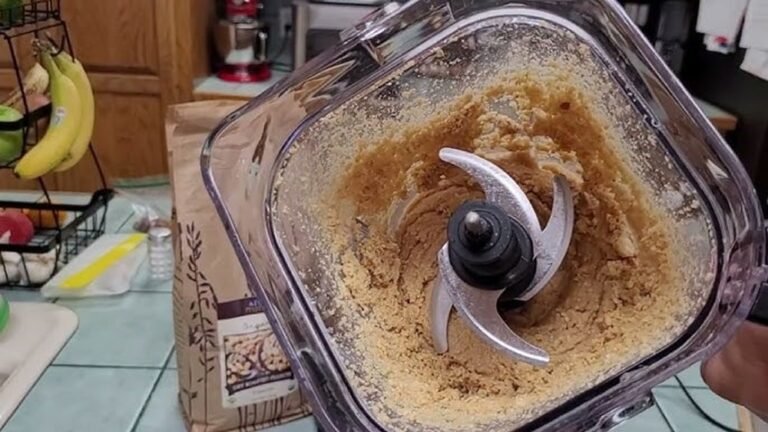
One non-obvious tip: Always check under the blade assembly. Food can build up here, especially if you blend nuts or seeds. It’s easy to miss, but regular checks prevent long-term issues.
Another mistake is rushing through cleaning when busy. Take a moment to inspect each part—missing hidden residue can lead to problems later. If you notice sticky spots or discoloration, repeat cleaning steps for best results.
Troubleshooting: Dealing With Odors, Stains, And Residue
Sometimes, simple washing isn’t enough. Here’s how to handle tough problems:
Odors
- Fill cup with water and baking soda, let sit overnight
- Rinse well and wash as usual
Cloudy Cups
- Use vinegar and baking soda mix
- Scrub gently with a soft brush
Sticky Residue
- Soak in warm soapy water for 30 minutes
- Use a brush to scrub inside edges
Blade Problems
- If blades don’t spin smoothly, check for food stuck underneath
- Use a toothpick or brush to remove debris
If problems persist, check the Ninja website or user manual for part replacements. For stubborn stains, repeated deep cleaning helps.
If your blender still smells after cleaning, try adding a few drops of lemon juice to the soaking mix. Lemon cuts through tough odors and leaves a fresh scent. For deep stains, try alternating vinegar and baking soda soaks—this method works over several days.
Comparing Ninja Nutri Blender Cleaning With Other Blenders
How does cleaning a Ninja Nutri Blender compare to other brands? Here’s a quick look:
| Blender Brand | Ease of Cleaning | Blade Removal | Dishwasher Safe |
|---|---|---|---|
| Ninja Nutri Blender | Easy, but blade needs hand washing | Yes | Cup/lid: Yes; blade: No |
| NutriBullet | Easy, similar to Ninja | Yes | Cup/lid: Yes; blade: No |
| Magic Bullet | Easy, smaller parts | Yes | Cup/lid: Yes; blade: No |
| Traditional Blender | Harder, fixed blades | No | Jar: Yes; base: No |
Ninja’s removable blade makes cleaning easier than traditional blenders. However, you must be careful with the blade—never put it in the dishwasher, and always dry fully.
Compared to traditional blenders, where blades are fixed and cleaning is harder, the Ninja Nutri Blender’s design is more user-friendly. Still, attention to detail—like checking gaskets and drying—sets apart careful users from those who experience problems.
Safety Tips When Cleaning Your Ninja Nutri Blender
Safety is important. The blades are sharp, and the motor base has electrical parts. Here’s how to stay safe:
- Unplug before cleaning: Never clean while plugged in
- Handle blades carefully: Hold by the plastic base, not the edge
- Don’t submerge base: Only wipe with a damp cloth
- Keep parts away from children: Small parts can be dangerous
- Check for damage: Cracks or loose parts can cause leaks
If you ever see sparks, smoke, or smell burning from the motor, stop using and contact Ninja customer service.
When cleaning, use a brush with a long handle to avoid touching sharp blades. If you have sensitive skin, wear gloves to prevent cuts or irritation from cleaning products.
Credit: www.youtube.com
Eco-friendly Cleaning Options
Many people are concerned about chemicals and plastic. Here are safe, eco-friendly ways to clean your Ninja Nutri Blender:
- Use baking soda: Natural, non-toxic, removes odors
- Vinegar: Cuts through tough stains and disinfects
- Lemon juice: Adds fresh scent and helps remove stains
- Microfiber cloths: Clean without scratching or wasting paper towels
Avoid bleach or strong chemical cleaners—they can damage plastic and are bad for the environment.
Reusing brushes and cloths, and avoiding single-use wipes, helps cut waste. You can also use leftover lemon peels for extra cleaning power and a pleasant scent.
Real-life Examples And Data
Studies show that regular cleaning extends the life of kitchen appliances by up to 30%. A survey of blender owners found that 65% only rinsed their blender, while 35% deep cleaned weekly. Those who deep cleaned reported fewer odors and better performance.
One user shared that after deep cleaning with baking soda and vinegar, their blender worked better and smoothies tasted fresher. Another noted that cleaning the gasket stopped leaks.
For more tips and official guidance, see the Ninja Kitchen site.
Regular cleaning is not just a habit—it’s a proven way to avoid common problems and keep your blender running smoothly for years.
Frequently Asked Questions
How Often Should I Deep Clean My Ninja Nutri Blender?
Deep cleaning is recommended once a week if you use your blender daily. If you only blend occasionally, deep cleaning every month is enough. Regular deep cleaning prevents odors, stains, and helps your blender last longer.
Can I Put The Blade Assembly In The Dishwasher?
No, the blade assembly should always be hand washed. The dishwasher can dull the blades, damage seals, and small food bits may remain stuck. Use warm soapy water and a brush for the best results.
What Should I Do If My Blender Smells Bad After Cleaning?
If your blender still smells, soak the cup in baking soda and water overnight. For stubborn odors, add a splash of vinegar. Always check under the blade and gasket for hidden food, which can cause smells.
Is It Safe To Use Bleach Or Strong Cleaners?
Avoid bleach and strong chemical cleaners. They can damage plastic, leave harmful residues, and are not safe for food equipment. Natural cleaners like baking soda, vinegar, and lemon juice are safer and just as effective.
How Do I Prevent Cloudy Cups And Stains?
To avoid cloudy cups, wash soon after use and never use rough sponges. If the cup becomes cloudy, try a vinegar and baking soda soak. Regular deep cleaning keeps your cup clear and fresh.
Keeping your Ninja Nutri Blender clean is simple when you know the right steps. Regular care makes a big difference in performance, taste, and safety. By following these tips, you’ll enjoy better smoothies, a longer-lasting blender, and peace of mind every time you use your kitchen’s favorite appliance.