
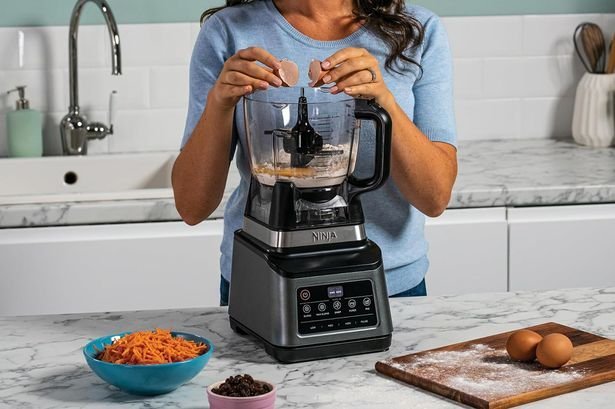
How To Puree With Ninja Blender: Simple Steps for Smooth Results
To achieve a smooth texture when pureeing with these blenders, add at least 1/4 cup of liquid for every 2 cups of soft, cooked food and run the machine on Low for 15 seconds before switching to High or Puree for 45 seconds. The multi-blade stacked assembly cuts quickly, but it needs enough liquid to pull dense pieces down toward the bottom blades.
Your exact blending time and speed depend on three things: the moisture inside the food, the total volume in the pitcher, and whether you use a stacked blade pitcher or the smaller single-serve Nutri Ninja cup with bottom blades.
Who needs this blending guide
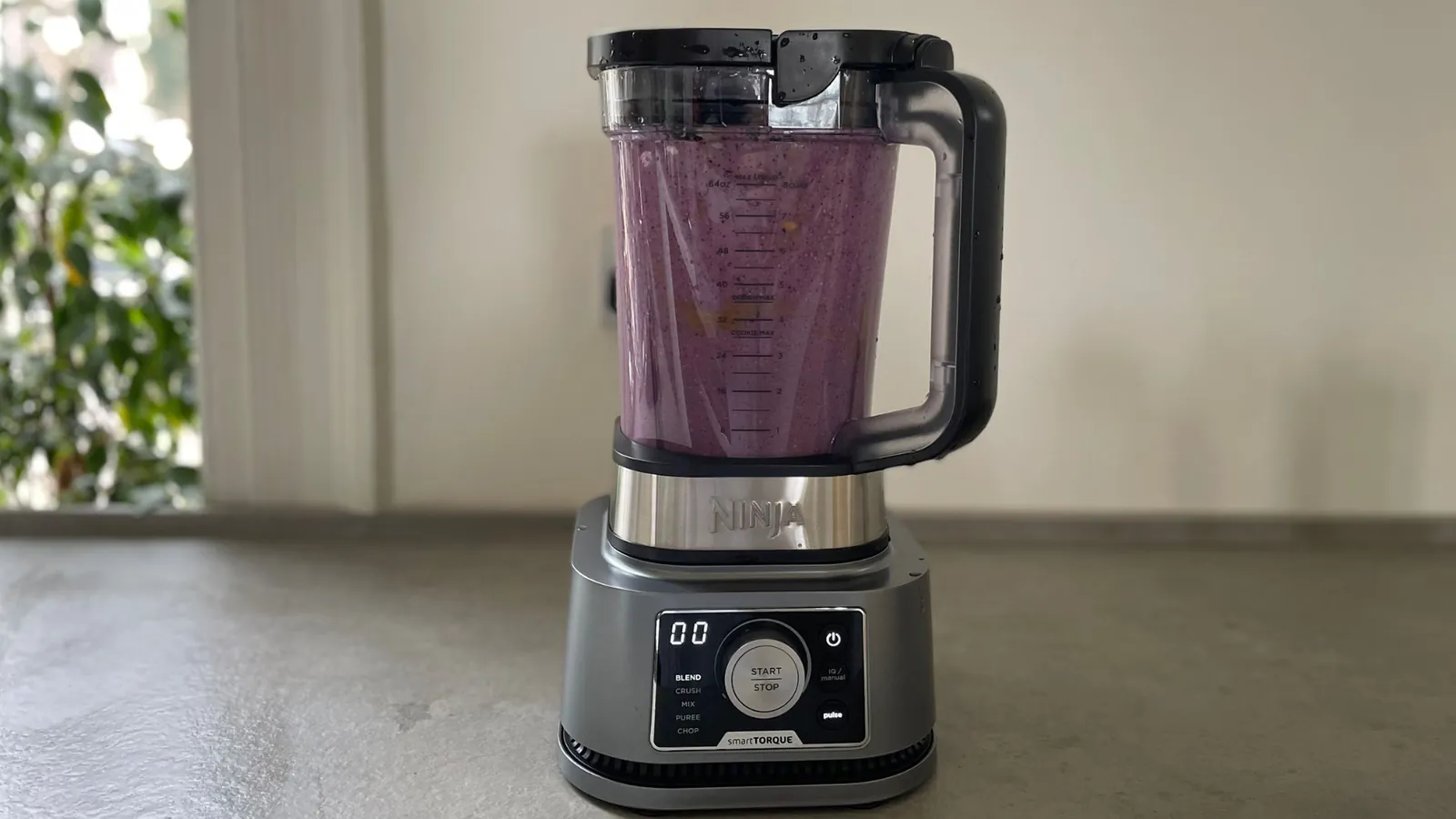
This guide is for people who own a full-size Ninja kitchen system or a single-serve Ninja cup and want completely smooth baby food, vegetable soups, or fruit purees without leaving hard chunks behind.
If you already own a high-end blender with bottom-vortex blades like a Vitamix or Blendtec, you don’t need these steps. Those machines pull dry solids downward naturally, whereas the Ninja stacked blade pushes dense food outward into the jar corners. This guide assumes you’re working with standard cooked produce or soft canned ingredients, not raw root vegetables or dry grains.
What shapes your puree texture
Liquid ratio is the biggest factor in how your food turns out. Purees need fluid to circulate across the tall, multi-blade shaft. If you add cooked squash or sweet potatoes with zero liquid, the blades simply carve a hollow tunnel through the middle. Add 1/4 cup of broth, milk, or cooking water per 2 cups of food to keep the vortex moving.
Food temperature is the second detail that changes your outcome. Hot liquids build rapid steam pressure inside tightly sealed Ninja containers. In standard stacked-blade pitchers, steam can force hot soup past the lid seal and cause severe burns.
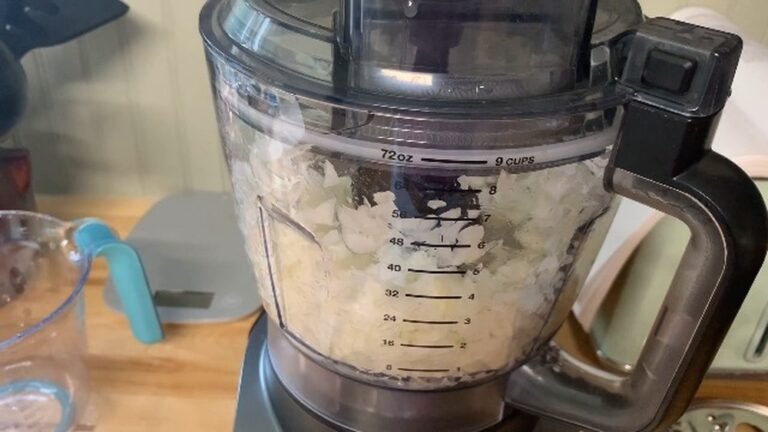
Batch size also dictates your results. The 72-ounce Ninja pitcher needs ingredients filled at least past the second tier of blades—roughly 3 cups of total volume—to blend properly. If you want to puree a single 4-ounce portion of baby food, the tall stacked blade won’t reach it; use the Nutri Ninja single-serve cup instead.
Blade design causes the most confusion for new users. The removable multi-tier blade column in standard pitchers chops evenly from top to bottom, but it doesn’t create the bottom suction of traditional commercial blenders. Expect a tiny bit of texture on fibrous vegetables unless you blend for a full 60 seconds on the highest speed.
Pureeing your food step by step
- Cook all firm vegetables, such as carrots, squash, or potatoes, until a dinner fork slides completely through them with zero resistance.
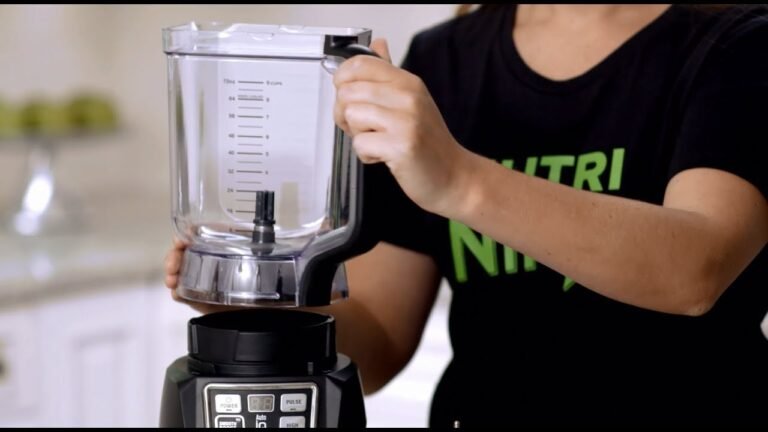
- Drop the tall stacked blade assembly straight down onto the center drive shaft inside the 72-ounce pitcher, pressing down gently until it rests flat on the base.
- Add your soft, cooked solids into the pitcher first, putting in at least 3 cups to ensure the mixture reaches the middle set of blades.
- Pour in 1/4 cup of liquid—such as vegetable stock, breast milk, or water—for every 2 cups of solid food in the pitcher.
- Align the lid markings with the pitcher handle, press the handle down until the locking latch clicks audibly into place, and make sure the pour spout flap is snapped shut.
- Press the Power button on the motor base so the control panel lights turn solid.
- Press the Low button for 15 seconds to break down large chunks without splattering the mixture across the upper lid.
- Press High or the Auto-iQ Puree button and let the machine run for 45 seconds until you see a uniform color and no chunks tumbling against the clear walls.
- Turn the power off, wait 3 seconds for the blades to stop spinning entirely, lift the pitcher off the base, and carefully remove the center blade tower before pouring your food.
The single judgement call that separates a truly silky puree from a pulpy mash is stopping the motor at 30 seconds to scrape down the corners with a silicone spatula. The stacked blades throw thick food against the walls, where it clings out of reach unless you manually push it back down into the cutting path.
If you plan to process hot liquids straight from a simmering stovepot without cooling them first, stop here. A home blender pitcher with a non-vented lid is the wrong tool for boiling liquids; use a stainless steel immersion hand blender directly inside the hot stockpot to avoid burn injuries.
Puree settings for common foods
Use this reference table to match your ingredients to the correct prep, liquid amount, and run time.
| Food Type | Prep and Liquid | Blender Speed and Time | What to Check |
|---|---|---|---|
| Steamed Carrots | 1/4 cup water per 2 cups carrots | Low 15s, then High 45s | Completely smooth with no orange flecks |
| Cooked Sweet Potatoes | 1/2 cup broth per 2 cups potato | Pulse 5 times, then High 60s | Scrape corners once; thick paste |
| Fresh Berries | Wash and trim; 2 tbsp water total | High for 30s | Strain seeds through mesh if needed |
| Baby Pea Puree | Steamed soft; 1/3 cup liquid per 2 cups | Puree program or High 45s | Check for remaining pea skins |
| Black Bean Dip | Canned, rinsed; 1/4 cup oil and lime | Low 20s, then High 40s | Glossy surface with zero whole beans |
| Roasted Squash Soup | 1 cup stock per 3 cups squash | Low 10s, then High 60s | Liquid vortex forms in pitcher center |
Getting a smooth texture every time
Loading ingredients in the right order
Experienced cooks always put their softest ingredients and a portion of their liquid into the jar before dense items. If you pack heavy sweet potatoes against the bottom of a Ninja pitcher and pour thin broth on top, the liquid sloshes around the upper blades while the bottom stays stuck.
Put half your cooking liquid in first, drop in your soft cooked food, and pour the rest of the liquid over the top. This coats the entire central blade tower before the motor even turns on.
Never pack the pitcher past the maximum liquid line stamped on the plastic wall. For purees, staying at or below 6 cups of volume in the standard 72-ounce jar gives the ingredients enough air space to circulate instead of packing into a dead zone near the lid.
Controlling motor speed and scraping the sides
Beginners often hit the highest speed immediately, which throws solid chunks up onto the dry lid where they stick for the rest of the run. Start with 3 to 5 quick pulses, or run the Low setting for 15 seconds. This initial chop reduces the solids into pea-sized bits that easily sink back into the cutting path.
Once the initial chop finishes, switch the machine to High for 45 to 60 continuous seconds. If the food forms a dome with an air pocket over the lower blades, turn off the motor, remove the pitcher from the base, and tap the bottom firmly on a folded dish towel. Open the lid, scrape down the interior walls, add one tablespoon of liquid, and restart on High.
Fixing common pureeing problems
Use these practical checks when your mixture isn’t blending evenly or the machine acts up.
| What you notice | What it usually means | What to do first | How to stop it happening again |
|---|---|---|---|
| Blades spin, food doesn’t move | Air pocket formed around lower blades | Add 2 tablespoons liquid and shake jar | Put liquid in jar before dense solids |
| Grainy, rough texture left behind | Food wasn’t cooked soft enough initially | Run High speed for 30 extra seconds | Steam vegetables until fork-tender before blending |
| Food splashes up through lid spout | Pour flap wasn’t locked tight | Wipe lid clean and click latch down | Press flap firmly until it audibly snaps |
| Motor smells warm and shuts off | Motor base thermal protection sensor tripped | Unplug machine and wait 15 minutes | Blend thick pastes in smaller volume batches |
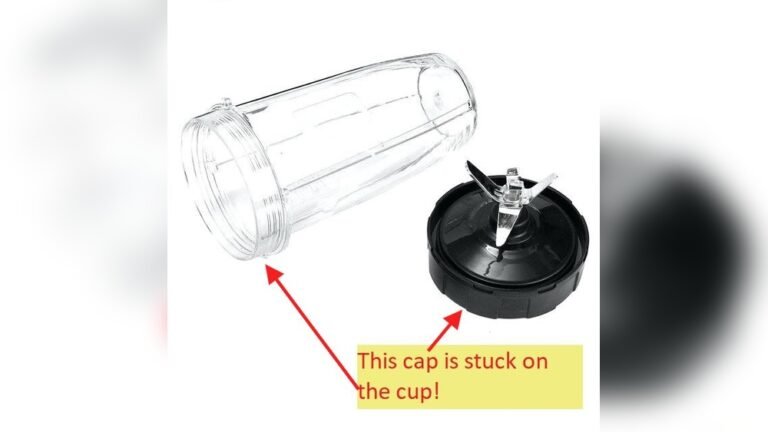
| Liquid leaks from the pitcher base | Locking collar isn’t tightened (cup models) | Unscrew blade base, wipe threads, re-tighten | Check rubber gasket sits flat in groove |
| Power lights flash, blender won’t start | Pitcher or lid handle isn’t locked | Align handle arrow to right front corner | Press handle down until lock icon clicks |
Safety standards for food preparation
Food safety rules matter when pureeing large batches of food, especially for baby purees or long-term meal prep. The United States Department of Agriculture (USDA) Food Safety and Inspection Service states that perishable foods should never sit at temperatures between 40°F and 140°F for more than two hours, as bacteria grow rapidly in this range. If you cool cooked vegetables before pureeing, monitor the time so the food doesn’t sit out on the counter too long.
Never blend boiling liquids inside sealed single-serve cups like the Nutri Ninja. The internal steam has no escape route, which can build enough pressure to crack the plastic cup or blow hot liquid into your face when you unscrew the blade base. The instruction manual from SharkNinja explicitly warns against processing hot liquids in sealed Nutri Ninja personal cups.
If your blender’s power cord shows frayed casing, or if the drive gear under the pitcher is stripped and shedding black plastic dust, don’t attempt to repair the electrical internals yourself. Household appliances carry high electrical currents; contact an authorized small-appliance technician or replace the damaged component directly through the manufacturer.
Puree prep time and equipment costs
Pureeing at home saves money compared to buying pre-made purees, but it requires an investment in prep time. A typical batch of vegetable puree takes about 20 minutes from raw ingredients to finished storage: 15 minutes of steaming on the stove, 2 minutes of cooling, 1 minute of blending, and 2 minutes of scraping and packing.
In terms of money, a standard Ninja blender is quite affordable compared to professional-grade alternatives, while replacement blade assemblies are also inexpensive to purchase. Preparing homemade vegetable purees from fresh squash or sweet potatoes is significantly more cost-effective than buying commercial organic baby food pouches at the grocery store.
To keep costs low, avoid running the blender completely dry, which dulls the edges of the multi-blade stack and strips the plastic drive socket under the pitcher.
Storing and keeping your puree fresh
Once your puree is completely smooth, transfer it immediately into clean, airtight containers. For infant feeding, spoon the mixture into silicone freezer trays with individual 1-ounce or 2-ounce compartments, freeze until solid, and pop the cubes into a labeled freezer-safe storage bag.
According to USDA food storage guidelines, cooked vegetable purees keep safely in a refrigerator set at or below 40°F for 3 to 4 days. If kept frozen at 0°F, vegetable and fruit purees maintain their quality and flavor for up to 6 months.
When you notice ice crystals forming across the surface of frozen puree, or if the color darkens noticeably from exposure to air, the food is experiencing freezer burn. It’s still safe to eat, but the texture and flavor will be degraded. To fix a separated or watery puree after thawing, whisk it vigorously with a fork or stir in a spoonful of infant cereal to restore a thick consistency.
When a Ninja blender is the wrong tool
A full-size Ninja blender is the wrong tool when you need to puree hot soup directly inside a deep, simmering stockpot. Pouring gallons of hot broth into a countertop blender pitcher creates splash risks and kitchen mess. In this situation, use a stainless steel immersion hand blender instead, which purees the soup directly in the hot pan.
It’s also the wrong choice for making ultra-smooth nut butters without added oil. The stacked blade column chops nuts into a fine dry meal, but it lacks the bottom vortex suction needed to release natural oils and turn peanuts or almonds into butter. For nut butters, a heavy-duty food processor with a low, wide S-blade or a high-end Vitamix is far more effective.
Finally, don’t use the large 72-ounce pitcher if you only want to puree two or three tablespoons of food for an infant’s single meal. The ingredients will sit under the first tier of blades and never touch a cutting edge. Use an infant food mill or a small 2-cup chopper attachment instead.
Frequently asked questions
Can you puree raw vegetables in a Ninja blender?
No, hard raw vegetables like carrots or squash won’t puree properly without cooking. The blades will chop raw root vegetables into coarse, grainy crumbs rather than a smooth paste. Always steam, boil, or bake firm produce until fork-soft before adding it to the jar.
Why is my Ninja puree still chunky?
Your mixture is chunky because there wasn’t enough liquid to circulate the solids past the tall blades. Add liquid 1 tablespoon at a time through the lid opening, tap the jar base down, and blend on High speed for another 30 seconds.
How long does it take to puree in a Ninja?
It takes between 45 and 60 seconds of blending on High speed to turn soft cooked food into a completely smooth puree. Running the motor longer than 60 seconds at one time creates excess heat and can whip unwanted foam into the mixture.
Is it safe to put hot food in a Ninja blender?
Never put boiling liquids into the single-serve cups, as trapped steam expands rapidly inside the sealed container and can blow hot liquid everywhere when opened.
What happens if I don’t use liquid?
Without liquid, the blades quickly fling thick ingredients against the jar walls and spin freely in empty air. The motor works harder, the blades get hot, and your ingredients stay in large, unblended chunks. Always add at least 1/4 cup liquid.
Can you use the pulse button to make a puree?
Pulse is only meant for the first 10 seconds to break large pieces down into manageable chunks. To get a smooth puree, you must run the blender on continuous High speed or press the automated Auto-iQ Puree program for 45 seconds.
Start your first blend
To get started, steam your chosen vegetables until a fork easily pierces through to the center, and let them cool on the counter for 10 minutes. You’ll know your puree is finished when the mixture runs in a smooth, continuous ribbon off a rubber spatula without any visible lumps or dry specks. If your blender base begins to emit a burning electrical smell or grinds with a high-pitched screech, stop blending immediately and contact an authorized repair shop.
The stacked-blade system requires liquid to pull ingredients into a vortex, so keep your levels balanced and monitor food temperatures to ensure silky results. For your next session, try adding a small amount of broth to your base ingredients to see how it improves the consistency of your puree.

One Comment