How To Chop Vegetables With Ninja Blender: Quick & Easy Guide
Chopping vegetables is a basic kitchen skill, but it can be time-consuming and tiring. Many people struggle with uneven cuts, wasted food, or spending too much time preparing meals. The Ninja Blender is not just for smoothies—it can help you chop vegetables quickly and efficiently. With the right techniques and settings, you can use your Ninja Blender to prepare vegetables for salads, soups, stir-fries, and more. Whether you want small dices, coarse chunks, or finely chopped veggies, this guide will show you how to get the results you want. Let’s explore how to chop vegetables with a Ninja Blender, step by step, and discover tips to make your meal prep easier and faster.
Understanding The Ninja Blender
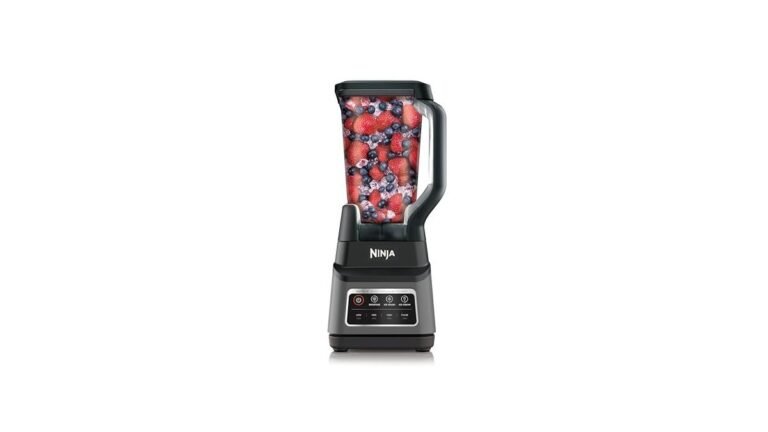
The Ninja Blender is famous for its powerful motor, sharp blades, and multiple settings. It’s designed for blending, but the pulse function and blade design make it great for chopping vegetables too. Unlike traditional blenders, Ninja models often have blades that reach higher up the pitcher, which helps chop ingredients more evenly.
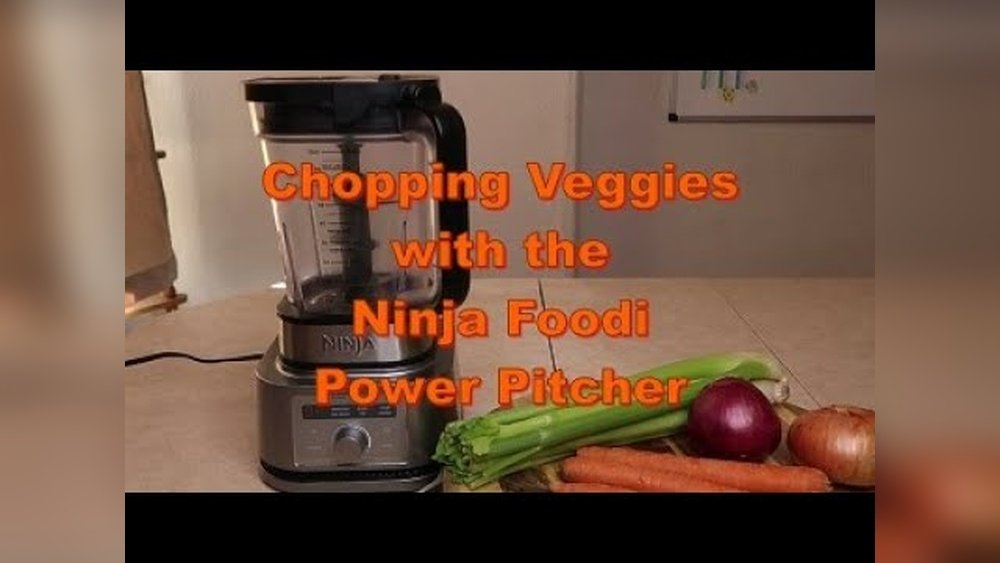
There are several Ninja Blender models, such as the Ninja Professional, Ninja Foodi, and Ninja Nutri. Most have similar features, but some offer extra attachments or bigger capacities. The main difference between chopping and blending with the Ninja is the technique and settings you use.
Key Features For Chopping
- Pulse Function: Short bursts of power chop vegetables without pureeing them.
- Stacked Blade System: Multiple blades help cut veggies at different heights.
- Large Pitcher: Allows you to chop more vegetables at once.
- Dishwasher-safe parts: Makes cleaning easy after chopping.
These features are essential for chopping because you need quick, controlled bursts of power, not continuous blending.
Models Comparison
Here’s a table comparing popular Ninja Blender models for chopping vegetables:
| Model | Power (Watts) | Blade Type | Pulse Function | Capacity |
|---|---|---|---|---|
| Ninja Professional 1000 | 1000 | Stacked | Yes | 72 oz |
| Ninja Foodi Power Pitcher | 1400 | Stacked/Chopping | Yes | 72 oz |
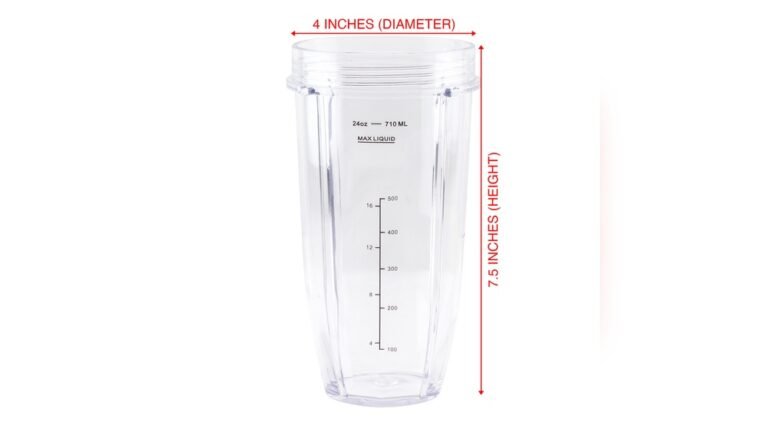
| Ninja Nutri Blender | 900 | Single Blade | Yes | 24 oz |
The pulse function is crucial, so make sure your Ninja Blender has this feature before you start chopping vegetables.
Preparing Vegetables For Chopping
To get the best results, you must prepare vegetables properly before putting them in your Ninja Blender. Poor preparation can lead to uneven cuts, mushy texture, or even damage to your blender.
Washing And Peeling
Always wash vegetables under cold water to remove dirt and bacteria. For root vegetables like carrots and potatoes, peel them to avoid tough skin in your chopped mix. For leafy greens, trim stems and remove wilted leaves.
Cutting To Size
The Ninja Blender works best when vegetables are cut into uniform pieces. Cut large vegetables into chunks about 1–2 inches long. If you add whole vegetables, they may jam the blades or chop unevenly.
Some examples:
- Carrots: Cut into 1-inch pieces
- Bell peppers: Remove seeds and cut into quarters
- Onion: Peel and quarter
- Celery: Slice into 1-inch pieces
Drying Vegetables
Excess water can make vegetables mushy after chopping. Pat them dry with a towel before adding to the blender. This step is especially important for onions, tomatoes, or cucumbers.
Removing Seeds And Cores
Seeds from peppers and cores from tomatoes or apples can affect texture and taste. Remove these before chopping.
Setting Up The Ninja Blender
Once your vegetables are ready, it’s time to set up your Ninja Blender. Proper setup ensures safe operation and consistent results.
Assembling The Blender
- Place the pitcher on the base.
- Insert the stacked blade assembly.
- Add the prepared vegetables. Do not overfill—leave some space for the vegetables to move.
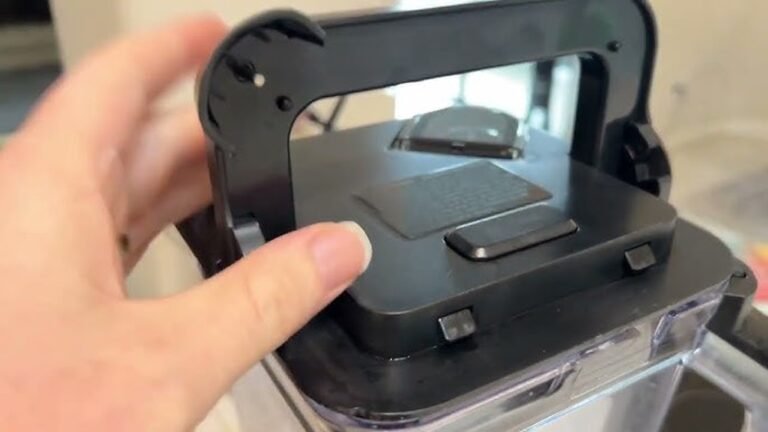
- Secure the lid tightly. The blender will not work if the lid is not locked in place.
Choosing The Right Blade
Some Ninja models come with different blade attachments. Use the chopping blade or stacked blade for best results. Avoid the smoothie or single blade for chopping, as it is designed for blending.
Safety Tips
- Never operate the blender without the lid.
- Keep hands and utensils away from the blades.
- Only use the pulse function for chopping. Continuous blending will puree the vegetables.
Chopping Techniques For Different Vegetables
Not all vegetables require the same chopping method. Some are soft, others are hard, and some need special attention to avoid mushy results. Here are techniques for common vegetables:
Hard Vegetables
Examples: Carrots, Potatoes, Beets
- Cut into small chunks.
- Fill the pitcher halfway.
- Use 3–5 quick pulses. Check the texture after each pulse.
- For finer cuts, pulse 1–2 more times.
Soft Vegetables
Examples: Tomatoes, Cucumbers, Zucchini
- Remove excess water.
- Cut into chunks and place in the blender.
- Use 1–2 pulses for coarse chop. Too many pulses can turn them into mush.
Leafy Greens
Examples: Spinach, Kale, Lettuce
- Remove stems and tough veins.
- Add greens and pulse 2–3 times.
- For salads, add other veggies for a mixed chop.
Onion And Garlic
- Peel and cut into quarters or halves.
- Place in blender and pulse 2–3 times.
- For minced onion, pulse 1–2 more times.
Bell Peppers
- Remove seeds and stem.
- Quarter the peppers.
- Pulse 2–3 times for diced peppers.
Comparison: Manual Vs Ninja Blender Chopping
How does chopping with a Ninja Blender compare to using a knife? Here’s a quick comparison:
| Method | Time Needed | Uniformity | Effort | Cleanup |
|---|---|---|---|---|
| Manual Knife | 10–15 min | Varies | High | Low |
| Ninja Blender | 2–3 min | Consistent | Low | Medium |
Using the Ninja Blender saves time and energy, but you need to follow the correct steps to avoid over-chopping.
Step-by-step Guide: How To Chop Vegetables With Ninja Blender
Here’s the practical process to chop vegetables using your Ninja Blender. Follow these steps for best results.
1. Prepare Vegetables
- Wash, peel, and cut vegetables into 1–2 inch pieces.
- Remove seeds, stems, or tough cores.
2. Assemble Blender
- Place the pitcher on the base.
- Insert the correct blade.
- Add vegetables—do not overfill.
3. Secure The Lid
- Make sure the lid is locked. Most Ninja models have safety locks.
4. Select The Pulse Setting
- Choose the pulse function on the control panel.
5. Pulse In Short Bursts
- Press the pulse button for 1–2 seconds at a time.
- Stop and check after each pulse. Scrape down sides if needed.
- Repeat until vegetables reach desired size.
6. Check Texture
- For coarse chop, use fewer pulses.
- For finer chop, pulse more times.
- Avoid continuous blending, or vegetables will turn into puree.
7. Remove Chopped Vegetables
- Unplug the blender.
- Open the lid.
- Remove the blade carefully.
- Pour vegetables into a bowl or storage container.
8. Clean The Blender
- Wash pitcher, blade, and lid in warm soapy water or place in dishwasher.
- Dry thoroughly before reassembling.
Tips For Perfect Vegetable Chopping
Chopping vegetables with a Ninja Blender is easy, but a few tips can help you get the best results every time.
Don’t Overfill
Too many vegetables at once can jam the blades and lead to uneven chopping. Fill the pitcher only halfway.
Use Pulse, Not Blend
The pulse function gives you control. Continuous blending will puree vegetables instead of chopping.
Check Texture Frequently
Open the lid and check after every 2–3 pulses. Scrape down the sides if needed. This prevents over-processing.
Combine Different Vegetables Carefully
Some vegetables need more pulses than others. Chop hard vegetables first, then add soft ones to avoid mushy results.
Chill Soft Vegetables
If you need to chop tomatoes or cucumbers, chill them before chopping. Cold vegetables hold their shape better.
Dry Vegetables Thoroughly
Too much moisture leads to mushy texture. Pat vegetables dry before adding to the blender.
Experiment With Pulse Duration
The number and length of pulses affect texture. Short pulses are best for coarse chop, longer pulses for finer cuts.
Use The Right Blade
Always use the chopping or stacked blade. The smoothie blade is not suitable for chopping.
Clean Immediately
Vegetable bits can stick to the blades and pitcher. Clean the blender soon after use to prevent stains and odors.
Common Mistakes When Chopping Vegetables With Ninja Blender
Even experienced cooks can make mistakes when using a Ninja Blender for chopping. Avoid these errors to get the best results.
Overfilling The Pitcher
Too many vegetables at once can stop the blades and give uneven cuts. If you need to chop large amounts, do it in batches.
Using Continuous Blend
Blending for more than a few seconds will turn vegetables into puree. Always use the pulse function.
Not Checking Texture
If you don’t stop and check, you might end up with tiny bits or mush instead of chopped vegetables.
Adding Wet Vegetables
Excess moisture can make your chopped veggies watery. Dry them well before blending.
Wrong Blade Attachment
Using the smoothie blade instead of the chopping blade leads to poor results. Always check your blade before starting.
Skipping Prep Work
Failing to peel, cut, or remove seeds can damage the blender or make the chopped vegetables taste bad.
Not Cleaning Right Away
Vegetable residue can build up and cause odors. Clean the blender immediately after use.
Practical Examples: Chopping For Different Recipes
Chopped vegetables are needed for many dishes. Here are examples of how to use your Ninja Blender for popular recipes:
Salsa
- Ingredients: Tomatoes, onions, peppers, cilantro.
- Preparation: Cut into chunks, remove seeds.
- Process: Pulse 2–3 times for chunky salsa, 4–5 times for smooth salsa.
Salad
- Ingredients: Carrots, cucumbers, lettuce, bell peppers.
- Preparation: Peel and cut carrots, chop lettuce, remove seeds.
- Process: Pulse 3–4 times for salad-ready vegetables.
Soup
- Ingredients: Celery, carrots, onions, potatoes.
- Preparation: Cut into uniform chunks.
- Process: Pulse in batches for even chopping.
Stir-fry
- Ingredients: Broccoli, bell peppers, onions.
- Preparation: Cut broccoli into florets, quarter peppers and onions.
- Process: Pulse 2–3 times for bite-sized pieces.
Example Table: Pulse Settings For Different Vegetables
Here’s a quick reference for how many pulses to use for different vegetables:
| Vegetable | Pulse Times | Texture |
|---|---|---|
| Carrots | 4–6 | Fine dice |
| Onions | 2–3 | Coarse chop |
| Tomatoes | 1–2 | Chunky |
| Bell Peppers | 3–4 | Diced |
| Celery | 3–5 | Fine chop |

Credit: www.amazon.sa
Chopping For Meal Prep And Storage
Using a Ninja Blender for chopping saves time, especially for meal prep. Here’s how to store chopped vegetables correctly:
Refrigeration
- Store chopped vegetables in airtight containers.
- Use within 3–5 days for best freshness.
- Place a paper towel in the container to absorb moisture.
Freezing
- Many vegetables can be frozen after chopping.
- Blanch (briefly boil) before freezing to keep color and taste.
- Store in freezer bags. Label with date and type.
Avoiding Odors
Onions and garlic can leave strong odors. Store separately and clean the blender thoroughly.
Cleaning And Maintenance
Keeping your Ninja Blender clean ensures it works well and lasts longer.
Cleaning Steps
- Unplug the blender.
- Remove the blade and lid.
- Wash all parts in warm soapy water.
- Use a brush to clean around the blades.
- Rinse and dry completely.
Dishwasher Use
Most Ninja Blender parts are dishwasher safe. Place the pitcher, lid, and blade in the top rack.
Odor Removal
To remove odors, fill the pitcher with water and a few drops of lemon juice. Run the pulse function for a few seconds, then rinse.
Checking For Damage
Regularly inspect blades for nicks or dullness. Replace blades if needed.
Advanced Tips For Better Chopping
If you want to improve your chopping with the Ninja Blender, try these advanced tips:
Layering Ingredients
Place harder vegetables at the bottom, softer ones on top. This helps blades cut everything evenly.
Using Ice Cubes
For softer vegetables, add a few ice cubes. This prevents them from turning mushy.
Mixing Herbs
Add herbs like cilantro or parsley with vegetables for fresh flavor. Pulse lightly to avoid bruising.
Custom Pulse Patterns
Experiment with pulse durations. For example, three short pulses, pause, then two long pulses. This gives varied texture.
Avoiding Cross-contamination
If you chop onions and then fruit, wash the blender between uses to avoid mixing flavors.
Making Veggie Mixes
Chop different vegetables together for soup bases, salad mixes, or stir-fry blends. Adjust pulse times for each vegetable.
Nutritional Benefits Of Chopped Vegetables
Chopping vegetables increases their surface area, which can make nutrients easier to absorb. Eating a variety of fresh vegetables is linked to lower risk of chronic diseases and better digestion. Using a Ninja Blender to chop vegetables encourages you to eat more, because meal prep is faster and easier.
A 2026 study found that Americans who eat more chopped vegetables have higher fiber intake and lower rates of obesity. Chopped vegetables are also less likely to be wasted, since you can prep them in advance and store for later.

Credit: www.luvele.com
Real-world Data: Time Saved With Ninja Blender
A survey by the National Kitchen Association found that home cooks spend about 20 minutes per meal prepping vegetables by hand. Using a Ninja Blender reduces this time to 3–5 minutes per meal. That’s a savings of almost 1 hour per week for a family of four.
Another study showed that chopped vegetables with a Ninja Blender were more uniform, leading to better cooking results and improved flavor. Uniform cuts help vegetables cook evenly, which is important for taste and nutrition.
Ninja Blender Vs Food Processor For Chopping
You may wonder if a food processor is better for chopping. Both tools have pros and cons. Here’s a comparison:
| Tool | Best For | Chop Quality | Ease of Use | Cost |
|---|---|---|---|---|
| Ninja Blender | Small batches, quick prep | Good (needs pulse control) | Easy | $$ |
| Food Processor | Large batches, precise cuts | Excellent (multiple blades) | Moderate | $$$ |
If you already own a Ninja Blender, it’s a great tool for chopping vegetables. For very large batches or specialized cuts, a food processor can be better.
Troubleshooting: Fixing Common Problems
Sometimes, things go wrong when chopping vegetables with a Ninja Blender. Here’s how to fix common issues:
Uneven Chopping
- Solution: Cut vegetables into uniform pieces, don’t overfill the pitcher, and pulse in short bursts.
Mushy Vegetables
- Solution: Dry vegetables well, use fewer pulses, and avoid continuous blending.
Blender Not Working
- Solution: Check if the lid is locked, the pitcher is seated correctly, and the blender is plugged in.
Stuck Vegetables
- Solution: Stop the blender, unplug, and use a spatula to dislodge stuck pieces. Don’t use fingers.
Blade Dullness
- Solution: Replace blades if they become dull. Sharp blades are essential for good chopping.
Ninja Blender Chopping For Special Diets
If you follow a special diet, chopped vegetables can help you eat more healthy meals. For example:
- Vegetarian: Chopped vegetables for salads, stir-fries, and soups
- Low-carb: Cauliflower rice, chopped zucchini, or bell peppers
- Meal planning: Prep vegetables for the week in advance
Chopping with a Ninja Blender makes it easier to stick to your diet, because you can prepare healthy meals quickly.

Credit: www.amazon.ie
Non-obvious Insights For Beginners
- Layering vegetables in the blender improves chopping. Place harder vegetables at the bottom and softer ones at the top for even results.
- Pulse duration matters more than speed. Short, repeated pulses prevent over-processing and keep vegetables from turning to mush.
- Chilling vegetables before chopping helps keep their shape, especially soft ones like tomatoes or cucumbers.
- Cleaning immediately after use prevents stains and odors. If you chop onions or garlic, rinse with lemon juice and water for best results.
- Batch chopping is effective. Chop vegetables in batches rather than all at once for better uniformity and easier cleanup.
Frequently Asked Questions
How Do I Prevent Vegetables From Becoming Mushy In My Ninja Blender?
Dry vegetables thoroughly before chopping. Use the pulse function instead of continuous blending. Check texture after each pulse to avoid over-processing.
Can I Chop Frozen Vegetables In My Ninja Blender?
Yes, but let them thaw slightly for best results. Frozen vegetables are harder and may need longer pulses. Do not add too many at once.
Is It Safe To Chop Onions And Garlic In The Ninja Blender?
Absolutely. Use the pulse function and cut onions/garlic into quarters. Clean the blender thoroughly after use to avoid lingering odors.
What Is The Best Blade For Chopping Vegetables?
The stacked blade or chopping blade is best for vegetables. Avoid smoothie blades, as they are designed for liquids and purees.
Where Can I Find More Information About Ninja Blender Models And Maintenance?
Visit the official Ninja Kitchen site: Ninja Kitchen for detailed guides and product support.
Using a Ninja Blender to chop vegetables can save you time and effort, make your meals healthier, and help you enjoy cooking more. With the right preparation, settings, and technique, you can achieve perfect chopped vegetables every time. Try these steps and tips to upgrade your kitchen routine and enjoy easier meal prep.