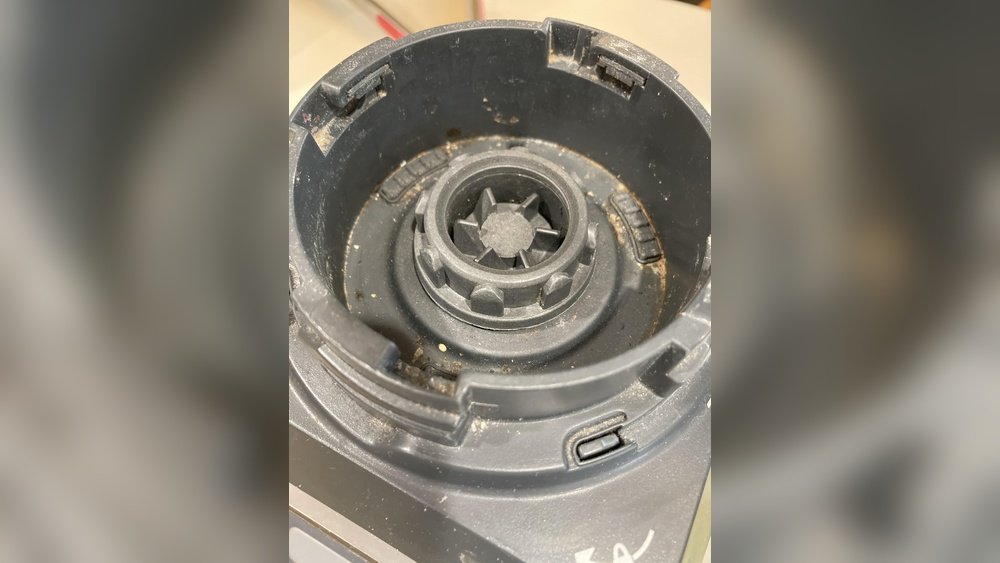
How To Clean Ninja Blender Motor: Easy Steps for a Spotless Machine
Keeping your Ninja blender motor clean is more than just about looks—it’s essential for your blender’s life and your kitchen’s safety. Many people focus on the jar and blades, but forget that the motor base collects dust, splatters, and food particles over time. A dirty motor base can lead to smells, stuck buttons, or even mechanical problems. If you’ve ever noticed sticky buttons or odd noises, your Ninja blender’s motor may need some attention. The good news? Cleaning the motor doesn’t require technical skills, just a little care, the right tools, and a few smart techniques.
In this guide, you’ll learn how to clean your Ninja blender motor safely and effectively. We’ll cover everything from the tools you need to simple cleaning methods, drying tips, and even what to do if you spill liquid inside the base.
You’ll also find common mistakes to avoid, maintenance advice, and helpful answers to frequent questions. By the end, you’ll feel confident that you can keep your Ninja blender running smoothly for years.
Understanding The Ninja Blender Motor Base
The motor base is the heart of your Ninja blender. It houses the motor, control panel, and sometimes additional features like suction feet or storage for cords. While the pitcher and blade assembly handle food, the motor base powers everything. Most Ninja blenders have a plastic or metal motor base with buttons or a touchscreen, air vents, and a rotating drive gear.
Understanding the motor base’s design helps you clean it correctly. The base is not waterproof—never submerge it in water. The buttons, vents, and seams can collect dust and spills, so regular surface cleaning is vital. Inside, the motor and electronics are sealed, but liquid spills or heavy buildup can eventually reach sensitive parts if not cleaned up quickly.
Why Clean The Motor Base?
- Prevents odors: Food particles or liquid spills can cause smells over time.
- Avoids sticky buttons: Splashes from blending can dry and make buttons hard to press.
- Keeps vents clear: Dust and crumbs can block vents, making the motor work harder.
- Improves safety: Cleaning reduces the chance of electrical issues or overheating.
Tools And Supplies You Will Need
Gathering the right cleaning tools ahead of time saves effort and protects your blender. Here’s what you’ll need:
- Soft microfiber cloths: For wiping surfaces without scratching.
- Small brush or old toothbrush: To clean around buttons, seams, and vents.
- Cotton swabs (Q-tips): For getting into tight spots.
- Mild dish soap: Gentle on surfaces but effective on grease.
- Spray bottle with water: For moistening cloths or spraying tough spots.
- White vinegar or isopropyl alcohol: For stubborn stains or disinfecting.
- Compressed air (optional): To blow dust from vents.
- Dry towel: For drying the motor base.
Avoid harsh chemicals, bleach, or abrasive sponges—they can damage the finish and labels.

Credit: www.amazon.com
Preparing To Clean Your Ninja Blender Motor
Safety comes first when working with electrical appliances.
- Unplug the blender: Never clean the motor base while it’s plugged in.
- Remove the pitcher and blades: Set aside all removable parts.
- Let the motor base cool: If you just used the blender, wait at least 10 minutes so it’s not warm.
Place the motor base on a stable, dry surface. Gather your tools within reach. If cleaning after a spill, act quickly to prevent liquid from drying or seeping inside.
Step-by-step: How To Clean Ninja Blender Motor Base
Cleaning the Ninja blender motor is straightforward if you follow these steps. This process works for all Ninja models, including Nutri Ninja, Ninja Professional, and Auto-iQ series.
1. Wipe The Exterior
Dampen a microfiber cloth with water or a mix of water and a drop of dish soap. Wring out excess moisture—the cloth should be damp, not wet.
- Gently wipe all sides of the motor base.
- Pay attention to the control panel, especially around buttons.
- For sticky spots, hold the damp cloth on the area for 10-15 seconds, then wipe.
If needed, use a little white vinegar on tough stains, especially near the base or feet.
2. Clean Crevices And Buttons
Dust and grime often hide in tight spaces.
- Dip a cotton swab or small brush in soapy water.
- Carefully clean around each button, the seams, and the gear shaft (the metal part that spins the blade).
- For touchscreens, wipe gently with a damp cloth—never let water drip inside.
If you see crumbs or buildup in air vents, use compressed air or a dry brush to remove debris.
3. Clean Air Vents
The air vents cool the motor and must stay open.
- Hold the base upright.
- Use a brush or compressed air to clear out dust.
- If vents are greasy, use a cotton swab slightly dampened with vinegar, then dry with a towel.
Don’t spray water or cleaner directly into the vents.
4. Address Stains Or Odors
For stubborn stains or smells:
- Mix equal parts white vinegar and water.
- Dampen a cloth and wipe the stained area.
- For odors, leave the damp cloth on the area for a few minutes, then wipe dry.
Never pour liquid directly on the motor base.
5. Dry Thoroughly
After cleaning, use a dry towel to remove moisture. Let the base air dry for 20-30 minutes before plugging back in. Moisture inside the buttons or vents can cause problems, so be patient.
What To Do If Liquid Gets Inside The Motor Base
Spills happen, especially during fast-paced cooking. If you accidentally pour liquid onto the motor base, don’t panic. Here’s how to respond:
- Immediately unplug the blender.
- Turn the base upside down to let liquid drain out.
- Wipe the exterior thoroughly with a dry towel.
- Leave the base upside down in a dry, warm spot (not direct sunlight) for at least 24 hours.
- Do not use a hair dryer or heater—this can damage the motor or electronics.
- After 24–48 hours, inspect for moisture. If completely dry, plug in and test.
If the blender smells burnt, won’t turn on, or makes unusual noises, contact Ninja customer support before using it again. Attempting to open the base yourself can void the warranty.
Deep Cleaning: When And How To Do It
A regular wipe-down is enough for most users. However, if your Ninja blender is used daily or you notice sticky residue, a deeper clean every 1–2 months is smart.
Signs You Need A Deep Clean
- Sticky or unresponsive buttons
- Visible grime in seams or vents
- Unpleasant odors
- Frequent overheating
How To Perform A Deep Clean
- Unplug and disassemble the blender as usual.
- Remove stubborn buildup by gently scrubbing with a toothbrush dipped in vinegar.
- Clean the bottom and feet: Food can hide underneath—wipe thoroughly.
- Polish with a dry cloth to finish.
Never try to open the motor base with tools unless you are a qualified technician. Internal cleaning should be left to professionals.
Special Care For Ninja Blender Digital Controls And Touchscreens
Many newer Ninja blenders feature digital controls or touch screens. These need special attention to avoid damage.
- Always use a barely damp, soft cloth.
- Never spray cleaner directly onto the screen.
- Wipe gently—excess pressure can damage the display.
- Dry immediately with a microfiber towel.
If the screen seems unresponsive after cleaning, check for moisture and let it air dry before using.
Cleaning The Cord And Underside
Don’t forget the power cord and the bottom of the motor base. Dust or grease here can affect performance and safety.
- Wipe the cord with a damp cloth, avoiding the plug.
- Clean the underside, especially around suction cups or feet.
- If your blender has suction feet, remove them if possible and clean underneath.
A clean cord and bottom help keep your blender stable and safe on the counter.

Credit: practicalmechanic.com
Keeping Your Ninja Blender Motor Clean Longer
A little prevention goes a long way. These habits will keep your motor base cleaner, longer:
- Wipe after each use: A quick wipe prevents buildup.
- Keep blender away from stove: Steam and grease from cooking can settle on the base.
- Always use on dry surfaces: Water on the counter can damage the underside.
- Cover when not in use: A simple towel or cover keeps out dust.
Small steps now mean less deep cleaning later.
Comparison: Cleaning Ninja Blender Motor Vs Other Blenders
Blender motor bases are similar, but Ninja models have some unique design features. Here’s a quick comparison:
| Feature | Ninja Blender | Other Brands |
|---|---|---|
| Air vent size | Medium-large, often on sides | Smaller, sometimes on bottom |
| Button style | Raised or touchscreen | Flat membrane or dials |
| Motor base shape | Wider, more stable | Taller or narrower |
| Ease of cleaning | Easy, wide access | Varies by model |
Ninja blenders usually offer easier access for cleaning, but the larger vents can collect more dust if not maintained regularly.
Common Mistakes To Avoid
Even careful users make errors when cleaning their blender motor base. Here’s what to watch out for:
- Submerging the motor base: This can destroy the electronics.
- Using too much water: Dripping water can seep inside and cause shorts.
- Spraying cleaner directly onto the base: Always apply to the cloth, not the appliance.
- Forgetting the air vents: Blocked vents can lead to overheating.
- Ignoring the cord and feet: Dirt here can affect performance and safety.
These mistakes can shorten your blender’s life or even cause safety hazards.
How Often Should You Clean The Ninja Blender Motor?
The right frequency depends on how often you use your blender and your kitchen environment.
- Light use (1–2 times per week): Wipe the base every 1–2 weeks, deep clean every 2–3 months.
- Heavy use (daily): Wipe after each use, deep clean monthly.
- Dusty/kitchen with pets: Check air vents weekly.
Consistent care is better than rare, intense cleaning sessions.
Troubleshooting: If Your Blender Motor Isn’t Working After Cleaning
Sometimes, a motor base won’t work after cleaning. Here’s what you can try:
- Double check for moisture: Even a little water can cause problems. Let the base dry another 24 hours.
- Inspect the power cord and plug: Look for frays or damage.
- Reset the blender: Some Ninja models have a reset button under the base.
- Try another outlet: The problem may be with your kitchen socket, not the blender.
- Contact support: If all else fails, reach out to Ninja’s customer service.
Avoid opening the motor base yourself—this can void warranties and cause injury.
Ninja Blender Motor Maintenance Tips
Keeping your blender running well isn’t just about cleaning. Here are some key maintenance strategies:
- Don’t overload: Overfilling the jar makes the motor work harder and can cause spills.
- Use correct assembly: Make sure the pitcher and lid are properly locked before blending.
- Let the motor rest: After heavy use, allow the motor base to cool for a few minutes.
- Store in a cool, dry place: Heat and humidity can harm the motor.
Routine cleaning and smart usage extend your blender’s life.
Signs You Need Professional Help
Sometimes, cleaning isn’t enough. Call for help if you notice:
- Burning smell during or after use
- Motor makes grinding or rattling noises
- Blender shuts off unexpectedly
- Visible smoke or sparks
These signs suggest internal problems that cleaning can’t fix. Contact Ninja’s official support or a qualified appliance repair service. Never attempt major repairs unless you’re trained.
Data: How Long Do Ninja Blender Motors Last?
Most Ninja blender motors last 3–5 years with regular use and proper care. Some users report 7+ years when cleaning and maintenance are consistent.
| Motor Lifespan | Usage Level | Cleaning Frequency |
|---|---|---|
| 3–5 years | Daily | Wipe after each use, deep clean monthly |
| 5–7 years | Weekly | Wipe weekly, deep clean every 2–3 months |
| 2–4 years | Heavy, with poor cleaning | Rarely cleaned |
Proper cleaning can almost double the life of your blender’s motor.
Environmental And Safety Considerations
Cleaning your Ninja blender motor isn’t just about performance—it also helps the environment. Well-maintained appliances last longer and keep electronic waste out of landfills.
Safety tip: Always unplug before cleaning. Never use the blender if the motor base is wet inside or smells like burning.
Choose eco-friendly cleaners—mild soap, vinegar, or isopropyl alcohol are effective and safe for most surfaces.
Real User Experiences
Many long-time Ninja blender owners share stories of how regular cleaning saved their machines from early failure. For example, one user found that after a smoothie spill, quick cleaning and drying kept their Auto-iQ running for years without a problem.
Another reported that clearing dust from vents stopped their overheating issues.
Neglect, on the other hand, often leads to sticky buttons or burnt smells—problems that regular care could have prevented. Even simple habits, like wiping the base after each use, make a big difference.
Ninja Blender Models: Are There Differences In Cleaning?
Most Ninja blender motor bases clean the same way, but there are small differences:
- Ninja Professional Series: Raised buttons are easier to clean with a brush.
- Ninja Auto-iQ and Foodi Series: Touchscreens require more gentle wiping.
- Nutri Ninja personal blenders: Smaller bases, fewer vents, but can still collect dust around the gear shaft.
Always check your model’s manual for unique cleaning notes. If you lost your manual, Ninja’s official website has digital copies and care instructions.
For additional product details, see the Ninja Kitchen Support page.
Frequently Asked Questions
How Do I Get Sticky Residue Off The Motor Base?
Use a damp microfiber cloth with a drop of dish soap. For stubborn spots, a little white vinegar on a cloth works well. Hold the cloth on the sticky area for 30 seconds, then wipe. Avoid scrubbing with abrasive pads.
Can I Put The Motor Base In The Dishwasher?
No, the motor base is not waterproof and should never go in the dishwasher. Only wipe with a damp cloth, and never submerge in water.
What If I Spilled Liquid Inside The Motor Base?
Unplug immediately and turn the base upside down to drain. Let it air dry for at least 24–48 hours before using. If there’s a smell or the blender won’t start, contact Ninja support.
How Can I Clean The Air Vents On My Ninja Blender?
Use a small brush or compressed air to remove dust. For greasy vents, a cotton swab with vinegar works. Don’t spray cleaner directly into the vents.
How Often Should I Deep Clean My Ninja Blender Motor?
For daily users, deep clean once a month. For lighter use, every 2–3 months is enough. Regular wiping after each use reduces the need for deep cleaning.
Keeping your Ninja blender motor clean is simple but powerful. A few minutes of care each week keeps your machine safe, efficient, and ready for smoothies, soups, and more. With these tips, your blender will last for years, saving you money and hassle. Regular attention to the motor base isn’t just about hygiene—it’s a smart investment in your kitchen’s best helper.

Credit: simplicityandastarter.com