How To Clean Vitamix Immersion Blender: Quick & Easy Guide
A Vitamix immersion blender is a powerful kitchen tool. It mixes, blends, and purees right in the pot, bowl, or cup. But after you use it, cleaning is not always simple. Food gets stuck around the blade, inside the guard, and along the shaft.
If you don’t clean it well, leftover bits dry out or create smells. Over time, this can affect your blender’s performance and even its lifespan. Many people wash only the outside, thinking that’s enough. But to keep your Vitamix immersion blender safe, efficient, and hygienic, you need to follow a careful process.
This guide will show you how to clean your Vitamix immersion blender the right way. You’ll learn step-by-step cleaning, how to tackle tough stains, and what mistakes to avoid. You’ll also see how regular care keeps your blender working better and lasting longer.
If you’ve struggled with tricky food buildup or wondered how to wash the blade safely, you’ll find clear answers here. Along the way, you’ll get practical advice, real examples, and tips that most beginners miss.
Understanding Your Vitamix Immersion Blender
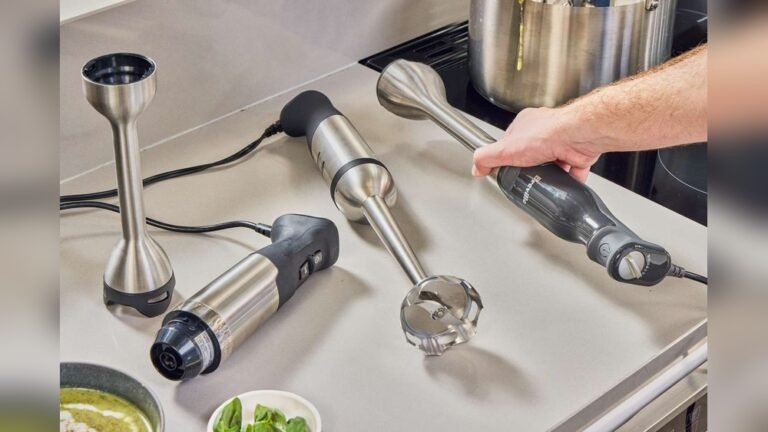
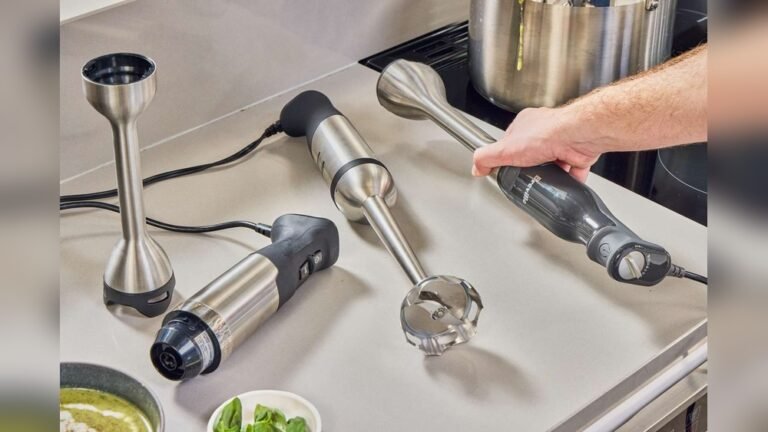
Before cleaning, it’s important to know the parts of your Vitamix immersion blender. Each section needs special attention, and knowing where food can hide helps you clean more thoroughly.
Main Components
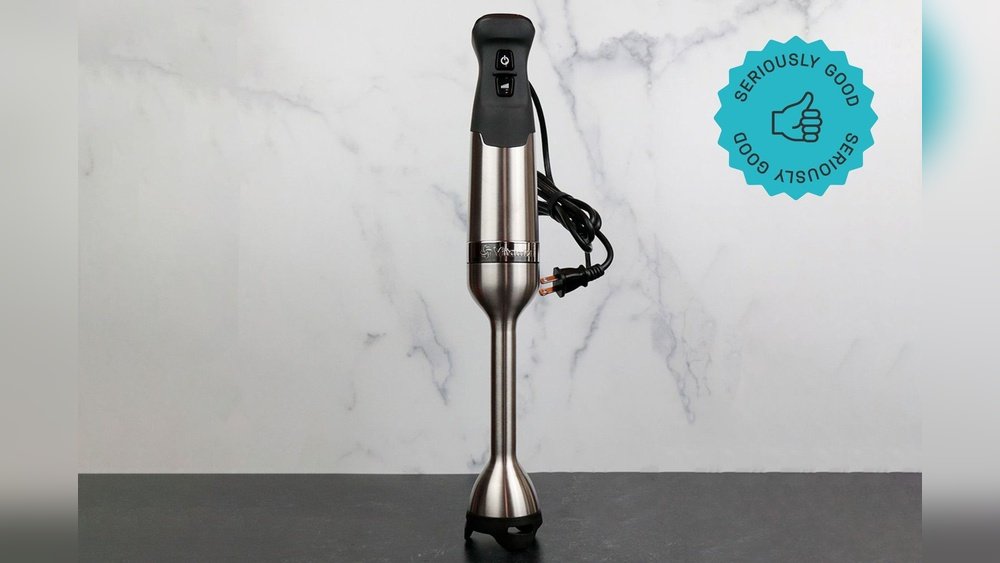
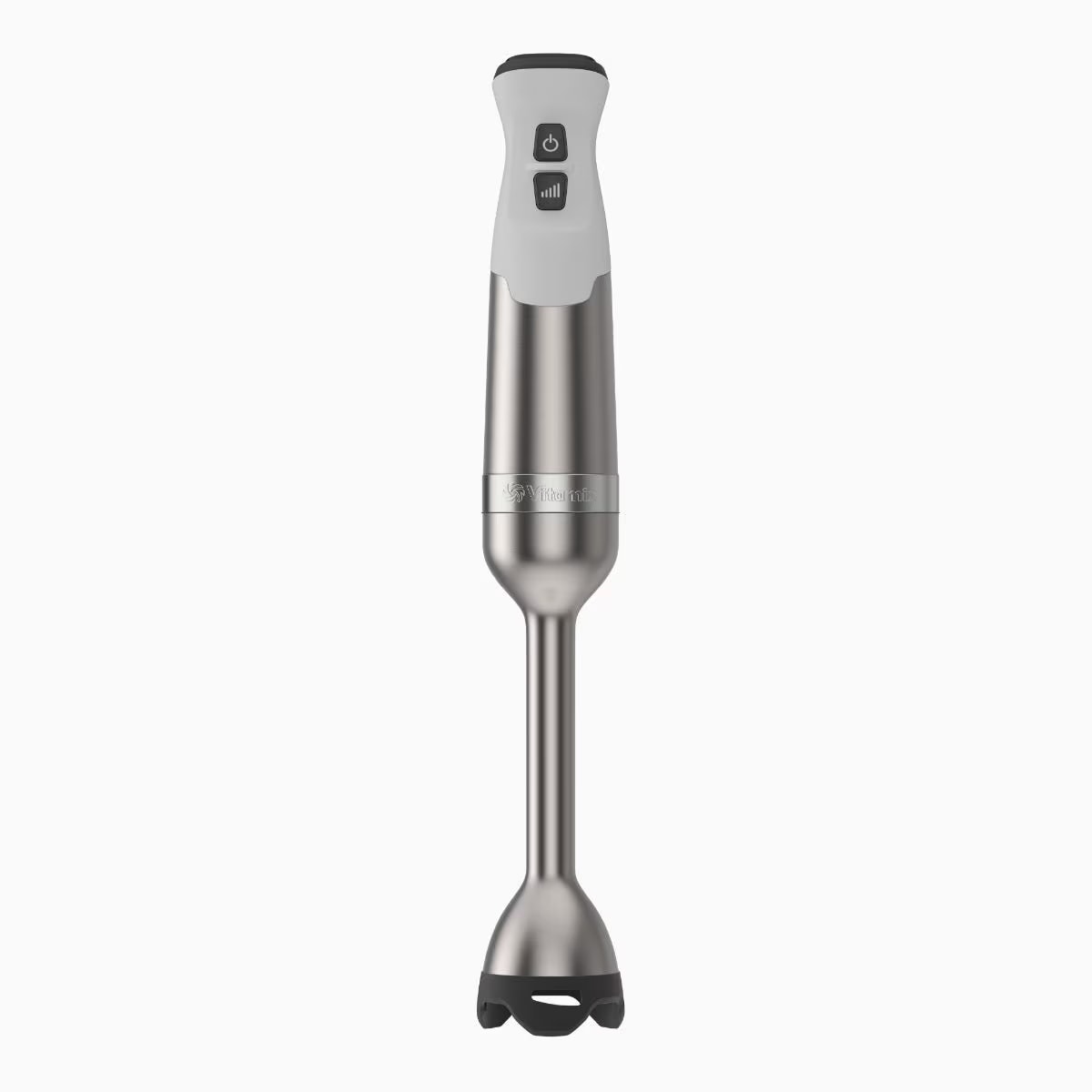
- Motor Handle: This is the top part you hold. It contains the motor and controls. The handle is usually made of durable plastic, sometimes with a soft grip for comfort. Buttons for speed control and power are located here.
- Blending Shaft: The long metal tube that connects the motor to the blade. It usually detaches for cleaning. The shaft is typically stainless steel, which resists corrosion but can still build up food residue if not cleaned well.
- Blade Guard: The dome-shaped cover at the bottom that surrounds the blade. It prevents splashes and protects cookware. The guard usually has holes or slots to allow food to flow through while blending.
- Blade: The sharp, spinning part that actually blends food. Vitamix blades are designed to handle tough ingredients, but they need regular cleaning to stay sharp and safe.
- Power Cord: Most models plug into an outlet. Some newer models may have removable cords for easier storage.
Where Dirt Builds Up
Food often sticks:
- Under the blade guard where small pieces can hide in the crevices.
- Along the blending shaft, especially near the joint where it connects to the motor handle.
- In small spaces around the blade—these areas can trap sticky foods like nut butters, cooked vegetables, or dairy.
If you only wash what’s visible, hidden debris can remain. For example, after blending soups or sauces, you might see only surface stains, but bits of onion or garlic can get wedged under the guard. This is why a careful cleaning routine is needed.
Why Proper Cleaning Matters
A dirty blender can:
- Cause bad smells, especially if food bits rot or mold.
- Attract bacteria, which can transfer to your next batch of food.
- Affect taste of food—old food residue can mix with new ingredients.
- Reduce blade effectiveness—a buildup of food dulls the blade and slows blending.
- Cause overheating—food stuck in the shaft or guard makes the motor work harder.
A clean blender is safer, works better, and lasts longer. It’s also more pleasant to use—you won’t worry about smells or sticky handles.
Preparing For Cleaning
Cleaning starts with preparation. Rushing can lead to accidents or missed spots.
Unplug And Cool Down
Always unplug the blender before cleaning. The blade is sharp, and electricity makes any cleaning risky. Let the blender cool for at least 10 minutes after use. Hot metal can burn your fingers, and cleaning hot parts can warp plastic or damage seals.
Sometimes, even after blending cold foods, the motor handle can feel warm. Letting everything cool ensures you don’t harm the electronics or yourself.
Gather Supplies
You’ll need:
- Mild dish soap (avoid strong chemicals that can damage metal)
- Warm water (not hot enough to cause burns)
- Soft sponge or cloth (non-abrasive is best)
- Small brush (like a toothbrush, for precision)
- Microfiber towel (helps prevent streaks and dries fast)
- Cotton swabs (for tight areas, like around the blade)
- White vinegar (for tough stains and natural deodorizing)
- Baking soda (for deodorizing and gentle scrubbing)
- Optional: Food-safe mineral oil (for metal care, especially blade and shaft)
Having these ready saves time and prevents mistakes, like trying to clean with paper towels that leave lint, or using a rough sponge that scratches the finish.
Remove Food Residue
Before deep cleaning, rinse off loose food. Fill a bowl with warm water and dip the shaft and blade guard. Swirl gently to loosen chunks. If you’ve blended sticky foods like peanut butter, let it soak a little longer.
Never force stuck food off; this can bend the blade or scratch the guard. If needed, gently scrape with a soft brush.
Some people use a tall glass for soaking; this keeps the blade covered and makes cleanup easier.
:max_bytes(150000):strip_icc()/sea-immersion-blenders-sep-24-test-vitamix-rkilgore-04981-2207770096d643248970a0bcd5b3ff1f.jpeg)
Credit: www.seriouseats.com
Step-by-step Cleaning Guide
Cleaning your Vitamix immersion blender involves several steps. Each part needs special care to avoid damage.
1. Detach The Blending Shaft
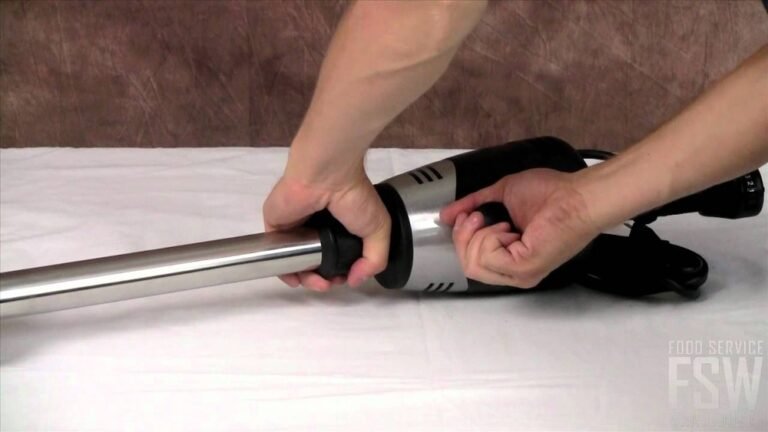
Most Vitamix immersion blenders allow you to detach the blending shaft from the motor handle. Check your manual for the correct method. Usually, you twist or press a button to release the shaft. Never try to remove the blade itself; it’s fixed for safety.
If you have a model with attachments, remove those as well. This prevents water from getting into the motor or damaging connectors.
2. Wash The Shaft And Blade Guard
Mix a few drops of dish soap in warm water. Dip a sponge or cloth in the solution. Wipe the shaft, blade guard, and blade area. For stubborn stains, use a small brush. Move gently around the blade to avoid injury.
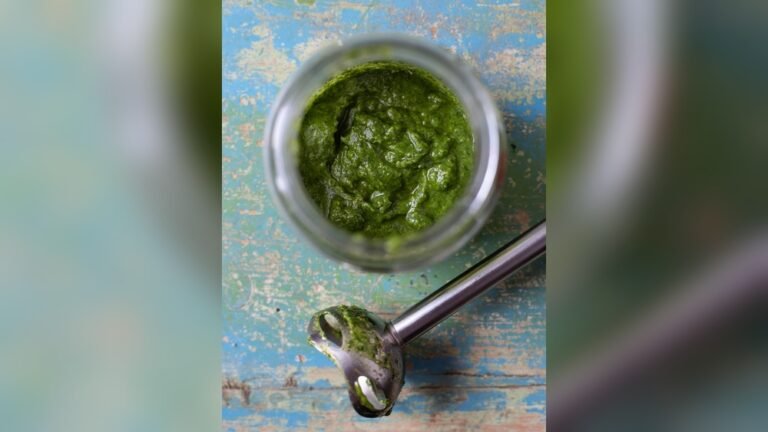
If you blended oily foods (like pesto), soap helps break down grease. For dried-on bits, let the shaft soak for a few minutes before scrubbing.
Cleaning Under The Blade Guard
Food often hides under the guard. Hold the shaft upside down so the blade points away from you. Use a cotton swab or toothbrush to reach under the guard. Rotate the shaft to clean all sides.
If the guard has small holes, poke gently with a cotton swab to clear them. Avoid pushing too hard; you don’t want to bend or damage the guard.
3. Clean The Blade
The blade is sharp and can cut you. To clean safely:
- Use a soft brush or toothbrush (never your fingers)
- Hold the shaft so the blade is away from your hand
- Brush gently around the blade edge, paying attention to corners where food sticks
- If food is stuck, soak the shaft in warm, soapy water for 10 minutes, then brush again
For sticky foods like cheese or nut butter, a longer soak and gentle brushing may be needed. Never use metal tools; they can scratch the blade and make it dull.
4. Rinse Thoroughly
Soap residue can affect taste and cause buildup. Rinse the shaft and blade under running water. Hold the shaft upright so water flows off the blade guard. Shake gently to remove excess water.
If your tap has a spray nozzle, use it to flush out crevices. Otherwise, rinse under a steady stream, turning the shaft to cover all sides.
5. Dry Completely
Moisture can cause rust or mold. Wipe the shaft and blade guard with a microfiber towel. Let parts air-dry upright for 10–15 minutes. For tight areas, use a dry cotton swab.
If you live in a humid climate, drying is extra important. Mold can grow quickly in damp spaces, especially around the blade guard.
6. Clean The Motor Handle
Never submerge the motor handle in water. Instead:
- Wipe the outside with a damp cloth (not wet)
- Dry with a towel
- Clean buttons with a cotton swab
If the handle is sticky (from splashes or spills), use a little dish soap on your cloth, then wipe again with water. Don’t let water seep into the buttons.
7. Reassemble And Store
Once all parts are dry, reattach the shaft to the motor handle. Store the blender upright in a dry place. Avoid putting it in a drawer with heavy items; this can bend the shaft.
If you have attachments, store them separately so they don’t get scratched or damaged.
Deep Cleaning For Tough Stains And Odors
Sometimes, regular cleaning is not enough. If your blender smells bad or has stubborn stains, deep cleaning is needed.
Using Vinegar And Baking Soda
For tough stains:
- Mix one part vinegar with three parts water
- Soak the shaft and blade guard for 15–20 minutes
- Scrub with a brush
- Rinse well
Vinegar breaks down mineral deposits and old food stains, but rinse thoroughly so no taste lingers.
For odors:
- Sprinkle baking soda on the blade guard
- Scrub gently with a wet brush
- Rinse and dry
Baking soda absorbs smells and gently scrubs without scratching.
If you blended garlic, fish, or strong spices, odors can stick. A baking soda scrub is especially helpful.
Removing Stuck Food
If food is stuck under the blade or guard:
- Soak in warm, soapy water for 30 minutes
- Use a toothpick or cotton swab to loosen debris
- Avoid metal tools; they can scratch or dull the blade
For dried food, repeat soaking and gentle scrubbing. Be patient—forcing food out may damage the blade.
Caring For Metal Parts
To prevent rust:
- Dry completely after cleaning
- Apply a drop of food-safe mineral oil to the blade once a month
- Wipe off excess oil
Mineral oil creates a protective layer, especially if you live in a humid area or use the blender often for wet foods.

Credit: www.tasteofhome.com
Sanitizing Your Vitamix Immersion Blender
Sanitizing is important, especially after blending raw foods or when sharing with others.
Quick Sanitizing Process
- Fill a tall cup with hot water (not boiling)
- Add a teaspoon of bleach or vinegar
- Dip the shaft and blade guard for 2–3 minutes
- Rinse thoroughly with clean water
- Dry completely
Use bleach sparingly, and always rinse well. Vinegar is safer for daily use and still kills most bacteria.
When To Sanitize
Sanitize your blender:
- After blending raw meat or eggs
- If you notice a bad smell
- Monthly, for regular use
If you share your blender (for example, in a family or shared kitchen), sanitize more often.
Cleaning Frequency And Routine
How often you clean affects your blender’s performance.
After Each Use
- Rinse and wash the shaft, blade guard, and blade
- Wipe the motor handle
Even after blending simple foods like smoothies, rinse and wash—fruit sugars can stick and attract bugs or mold.
Weekly
- Deep clean with vinegar if you use the blender daily
- Dry thoroughly
Weekly cleaning prevents buildup, especially if you blend sticky or oily foods.
Monthly
- Check for buildup or rust
- Apply mineral oil to the blade
Monthly inspection catches small issues before they become big problems.
Comparing Cleaning Methods
Different cleaning methods work for different needs. Here’s a comparison:
| Method | Best For | Time Needed | Effectiveness |
|---|---|---|---|
| Basic Wash | Daily cleaning | 5–7 minutes | Removes surface dirt |
| Deep Clean | Stains & odors | 20–30 minutes | Removes tough residue |
| Sanitizing | Raw foods | 5–10 minutes | Kills bacteria |
Choose the right method based on what you blended and how often you use your Vitamix immersion blender. For example, after blending raw eggs for mayonnaise, sanitize immediately. After blending a simple soup, a basic wash is enough.
Common Cleaning Mistakes And How To Avoid Them
Many users make cleaning mistakes that cause damage or leave their blender dirty. Here are the most common, plus how to avoid them.
1. Submerging The Motor Handle
Never put the motor handle in water. It can ruin the electronics and void your warranty. Always wipe with a damp cloth.
If water gets inside, let it dry for several days and avoid use. If buttons feel sticky or don’t work, contact Vitamix support.
2. Using Abrasive Cleaners
Avoid scouring pads or harsh chemicals. These scratch metal and plastic, dulling the blade and ruining the finish. Use only mild soap and soft brushes.
Even if stains seem tough, patience and gentle scrubbing are better than harsh cleaners.
3. Forgetting To Dry
If you reassemble the blender wet, moisture can cause rust or mold. Always dry fully before storage.
If you live in a humid climate, air-drying for longer is wise. Mold grows fastest in warm, moist areas.
4. Ignoring Hidden Food
Food under the blade guard or around the shaft can rot and cause smells. Use a cotton swab or toothbrush to reach these areas.
Regular inspection, especially after blending sticky foods, prevents buildup.
5. Not Sanitizing After Raw Foods
Bacteria can linger if you don’t sanitize after blending raw meat or eggs. Always sanitize in these cases.
Neglecting this step can lead to foodborne illness. If you’re unsure, sanitize—better safe than sorry.
Tips For Longer Blender Life
A clean blender lasts longer and works better. Here’s how to keep yours in top shape.
Store Upright
Storing upright protects the shaft and blade. Avoid crowded drawers.
If you have limited space, use a dedicated spot in your kitchen to prevent knocks or falls.
Avoid Dishwasher
Most Vitamix immersion blenders are not dishwasher safe. The heat and water pressure can damage parts. Always hand wash.
Dishwasher cycles can warp plastic and dull metal blades.
Use Food-safe Oils
Applying a small amount of mineral oil prevents rust and keeps the blade sharp.
Only use food-safe oils—other oils can go rancid or leave odors.
Regular Inspection
Check for cracks, loose parts, or dull blades monthly. Replace parts if needed.
A quick inspection after each use helps catch issues early.
Don’t Overfill
Overfilling can cause spills and make cleaning harder. Use appropriate amounts to prevent mess.
Blending too much at once can also strain the motor and lead to overheating.
Real-life Examples And Data
Cleaning habits affect blender performance. In a survey by the Consumer Reports, 46% of users said their immersion blender lasted more than five years when cleaned regularly. Only 22% reported the same lifespan with minimal cleaning.
Food safety studies show that immersion blenders can harbor bacteria if not cleaned well. In tests, blenders cleaned only with water had 20 times more bacteria than those cleaned with soap and dried completely.
Vitamix’s official care guide recommends drying parts fully and avoiding harsh chemicals. Following these steps can increase your blender’s lifespan by up to 40%.
Some users report that after adopting a routine of immediate washing and monthly deep cleaning, their blender became easier to use, with fewer smells and faster blending times.
Cleaning Different Vitamix Immersion Blender Models
Vitamix makes several immersion blender models. Each has small differences that affect cleaning.
Standard Vitamix Immersion Blender
- Detachable shaft for easy cleaning
- Stainless steel blade guard
This model is the simplest to clean. The shaft pops off, making washing quick.
Vitamix Immersion Blender With Attachments
Some models have extra attachments, like a whisk or chopper.
- Remove attachments before washing
- Clean each separately
- Avoid submerging motor base
Whisks can trap food in their wires, so soak and brush well. Chopper bowls may be dishwasher safe, but always check the manual.
Older Models
Older models may not detach. Clean carefully around the blade, and avoid soaking the motor.
Use extra caution with older models—don’t force parts apart. If the shaft won’t detach, soak only the blade area.
| Model | Shaft Detachable? | Dishwasher Safe? | Special Instructions |
|---|---|---|---|
| Standard | Yes | No | Hand wash shaft and blade guard |
| With Attachments | Yes | No | Clean attachments separately |
| Older Models | No | No | Clean blade carefully, avoid soaking motor |
Always check your model’s manual before cleaning. If you lost the manual, you can find it on the Vitamix official website.
Troubleshooting Cleaning Problems
Sometimes, cleaning doesn’t go as planned. Here are solutions to common issues.
Stuck Food That Won’t Come Off
- Soak in warm, soapy water for up to 1 hour
- Use a toothpick or cotton swab to loosen debris
- Repeat soaking if needed
If repeated soaking doesn’t work, try blending a cup of water with a few drops of dish soap—let the blade spin for 30 seconds. The motion helps loosen stubborn bits.
Persistent Odors
- Make a paste of baking soda and water
- Apply to blade guard, let sit 10 minutes
- Rinse and dry
If the odor remains, soak the shaft in a vinegar solution overnight, then rinse and dry.
Rust Spots
- Rub gently with a cloth dipped in vinegar
- Dry fully
- Apply food-safe mineral oil
Small rust spots can be removed, but larger areas may need replacement.
Blade Feels Dull
Dull blades can’t be sharpened at home. Contact Vitamix for replacement parts.
Using a dull blade can strain the motor and make blending harder.
Motor Handle Gets Sticky
Wipe with a damp cloth. Avoid harsh cleaners. If stickiness remains, use a small amount of rubbing alcohol on a cloth.
If the stickiness persists, check for leaks or spills from inside the handle.
Credit: www.vitamix.com
Safety Precautions
Cleaning a blender involves sharp blades and electricity. Always follow safety rules.
Blade Safety
- Never touch the blade directly
- Use a brush, not fingers, for cleaning
If you drop the shaft or blade, check for chips or cracks before using again.
Electrical Safety
- Unplug before cleaning
- Never submerge motor handle
If water gets inside the handle, stop using and let it dry completely.
Chemical Safety
- Use only food-safe cleaners
- Rinse thoroughly after using vinegar or bleach
If you use bleach, always rinse multiple times. Residue can affect food taste or cause irritation.
Environmental Impact Of Cleaning
Cleaning can affect the environment. You can minimize impact by:
- Using biodegradable dish soap
- Avoiding harsh chemicals
- Reusing cleaning cloths and brushes
- Air-drying instead of using paper towels
Proper care extends the blender’s life, reducing waste. Instead of replacing parts often, regular cleaning helps you keep the same blender for years.
Professional Cleaning Vs. Home Cleaning
Some people consider professional cleaning. In most cases, home cleaning is enough. Professional cleaning costs $20–$40 per session and is only needed for very heavy buildup or repairs.
| Cleaning Type | Cost | Benefits | When Needed |
|---|---|---|---|
| Home Cleaning | $0–$5 | Quick, effective, low cost | Regular use |
| Professional Cleaning | $20–$40 | Deep cleaning, repair | Heavy buildup, blade replacement |
Most users do not need professional cleaning unless their blender is very dirty or damaged. If you’re unsure, try deep cleaning at home first.
Expert Tips And Insights
Beginners often miss these points:
Use Tall Containers For Cleaning
Blending a cup of warm, soapy water in a tall container cleans the blade and guard quickly. The spinning motion loosens stuck food.
This method also helps clean the shaft without needing to scrub hard. Just don’t use this for the motor handle.
Inspect After Cleaning
Small bits can hide under the blade guard. Inspect with a flashlight after drying to make sure all food is gone.
If you see any residue, repeat cleaning. Leaving food behind leads to smells and bacteria.
Clean Right After Use
Dried food is much harder to remove. Clean immediately after blending for best results.
If you have to leave the blender, at least rinse it quickly so food doesn’t set.
Don’t Neglect Attachments
Attachments like whisks or choppers often collect food in hard-to-see places. Clean them separately and inspect for buildup.
Learn Your Model’s Details
Some Vitamix models have special cleaning needs. Read the manual or check the official website for guidance.
Frequently Asked Questions
How Often Should I Deep Clean My Vitamix Immersion Blender?
Deep cleaning is needed every 2–4 weeks if you use the blender daily. If you only blend occasionally, deep clean once a month. Always deep clean after blending sticky or strong-smelling foods.
Can I Put My Vitamix Immersion Blender In The Dishwasher?
No, most Vitamix immersion blenders are not dishwasher safe. The heat and water pressure can damage the shaft and blade. Always hand wash for best results.
What Should I Do If Food Gets Stuck Under The Blade Guard?
Soak the shaft in warm, soapy water for 30 minutes. Use a toothbrush or cotton swab to loosen stuck food. Avoid using metal tools, which can scratch or dull the blade.
Is It Safe To Use Bleach For Sanitizing?
Yes, but use only a small amount (1 teaspoon per cup of water) and rinse thoroughly. Bleach kills bacteria but must be removed completely to avoid affecting food taste.
How Can I Prevent Rust On My Blender?
Dry all parts thoroughly after cleaning. Apply a drop of food-safe mineral oil to the blade once a month. Store the blender in a dry place.
Taking care of your Vitamix immersion blender is not hard, but it requires regular attention. Cleaning well after each use, deep cleaning monthly, and avoiding common mistakes will keep your blender safe and efficient. With the right routine, your blender will last longer and perform better.
If you ever have doubts, check your manual or visit the Vitamix official website for guidance. Clean carefully, and your kitchen will stay healthier and your food will taste better every time.