How To Use Nutribullet Blender: Fill, Lock, Blend
Using a Nutribullet blender comes down to three things: fill the cup in the right order, don’t go past the MAX line, and twist the cup until it locks. Then press down and hold the cup. Most drinks are ready in 30-60 seconds. Hard foods like frozen fruit or ice take longer than soft ones like banana.
Three things change that answer for different readers. Your motor size decides how long you can run it. Your cup size decides how much you can load. And what you’re blending decides the order you add things.
Who should use a Nutribullet blender
Three people type this query, and they don’t need the same thing. The first just unboxed a Nutribullet and wants to know which way the cup goes on. They need the order of steps, nothing else.
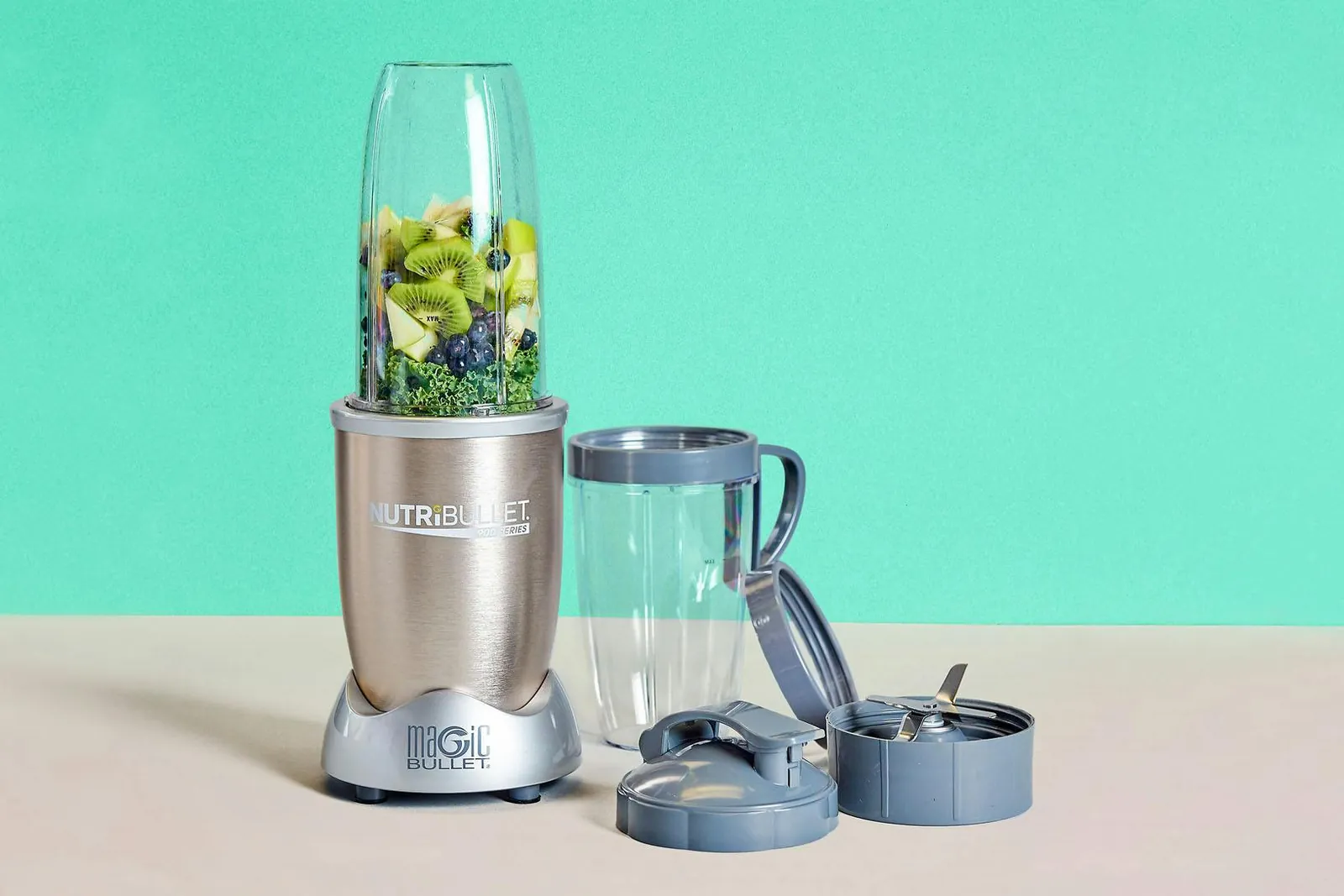
This page serves the first two best. If you own any Nutribullet model — the Original 600, the Pro 900, the Magic Bullet, or the newer Pro 1000 and 1200 — the steps below work the same way on all of them. The motor wattage changes how long you run it, not how you load it.
If you’re still shopping, read the last two sections first. They tell you what this machine won’t do, and that’s the part that decides whether it’s right for you.
One assumption runs through everything here: you have a working motor base and a clean cup with its blade assembly. If the base is dead or the blades are dull, no technique will fix that.
What decides how your blend turns out
Motor wattage is the first thing that matters. A 600-watt base and a 1200-watt base both spin blades, but the stronger one pushes through frozen fruit and ice without stalling. Check the bottom of your base or its label — the number is printed there. If you can’t find it, the model name on the box tells you.
Load order comes second, and it’s the one people get wrong most. Soft, wet ingredients go in first, near the blades. Hard, dry, or frozen things go on top. This isn’t a style choice — it’s what keeps the blades in contact with the ingredients instead of spinning in an air pocket and stopping cutting.
Fill level is third. Every Nutribullet cup has a MAX line printed on the side. Going past it by even a little pushes liquid up into the blade assembly and out through the seal. The line assumes you’ve left the headspace the cup was designed for.
Liquid amount is fourth. Too little liquid and thick ingredients pack around the blades and won’t move. Too much and you’re making juice, not a smoothie. Start with liquid covering the blades, then add solids.
Ingredient temperature is last. Frozen fruit straight from the freezer is much harder on the motor than fresh or thawed fruit. If your base smells hot or cuts out mid-blend, this is usually why.
Step-by-step: how to use a Nutribullet
Set the base on a flat, dry counter. Wipe the surface first — a wet counter lets the base slide while it’s running. The rubber feet should sit flat with no wobble. If it rocks, move it.
Add liquid first, up to the first mark on the cup. For a 24 oz cup, that’s about 1 cup of water, milk, or juice. This covers the blades so they start moving freely.
Add soft ingredients next. Fresh fruit, yogurt, leafy greens, nut butter — anything wet or soft goes in right after the liquid. Pack greens down loosely; don’t cram them.
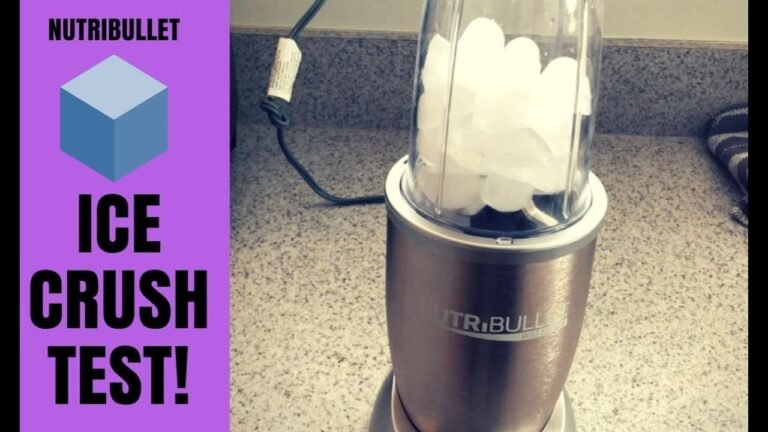
Add hard and frozen ingredients last. Ice, frozen berries, nuts, and seeds go on top of everything else. Keep ice to about 1 cup per 24 oz cup. More than that and the motor works too hard.
Stop at the MAX line. Leave at least half an inch of space below it. The cup needs that headspace so contents can move when the blades spin.
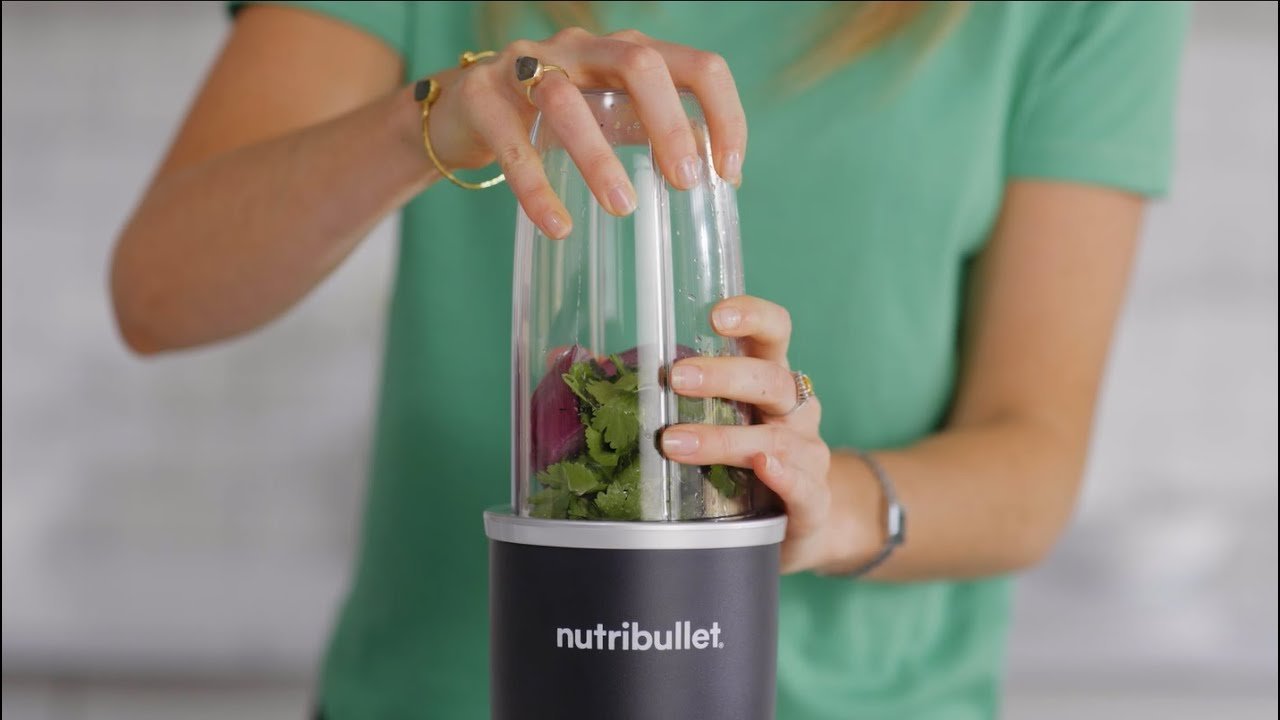
Twist the blade assembly onto the cup. Turn it clockwise until it stops and feels snug. Don’t force it past that point — the gasket does the sealing, not tightness.
Flip the cup onto the base and push down to lock. Line up the tabs, then press and twist until you feel it click into place. Tug the cup gently upward — if it moves, it’s not locked.
Press down and hold. The motor runs only while you push the cup down. Hold for 30 seconds for soft ingredients, or up to 60 seconds for frozen fruit and ice. Release to stop.
Check the texture, then pulse if needed. If chunks remain, press in short 2-3 second bursts rather than one long run. This keeps the motor from overheating.
Unplug the base, then twist the cup off. Always unplug before removing the cup. Twist counterclockwise, lift the cup straight up, then unscrew the blade assembly.
The judgement call that separates a good blend from a bad one is when to stop. A smoothie that looks slightly chunky at 30 seconds often smooths out completely by 45. Running it for 2 minutes straight won’t get you there faster — it just heats the motor and warms your drink.
What changes with your model and cup
The steps stay the same across models, but the numbers shift. Here’s how the common situations play out.
| Your situation | What to do | What it takes | What to watch for |
|---|---|---|---|
| 600W base, frozen fruit | Run 45-60 seconds, pulse at the end | Slightly longer run | Motor smell or cut-out |
| 900W or higher base | Run 30-45 seconds | Shorter run | Over-blending warm drinks |
| Small 18 oz cup | Cut solid ingredients smaller | Extra prep time | Hitting MAX too fast |
| Large 32 oz cup | Add liquid to first mark only | More headspace | Seal leaks if overfilled |
| Leafy greens only | Liquid first, greens packed loose | 30 seconds | Dry leaves stuck on walls |
| Nuts or seeds | Grind alone first, then add liquid | Two short runs | Dull blades over time |
| Ice-heavy drinks | Max 1 cup ice per 24 oz | 60 seconds, pulses | Stalling or loud knocking |
What experienced users do differently
They load in layers, not all at once
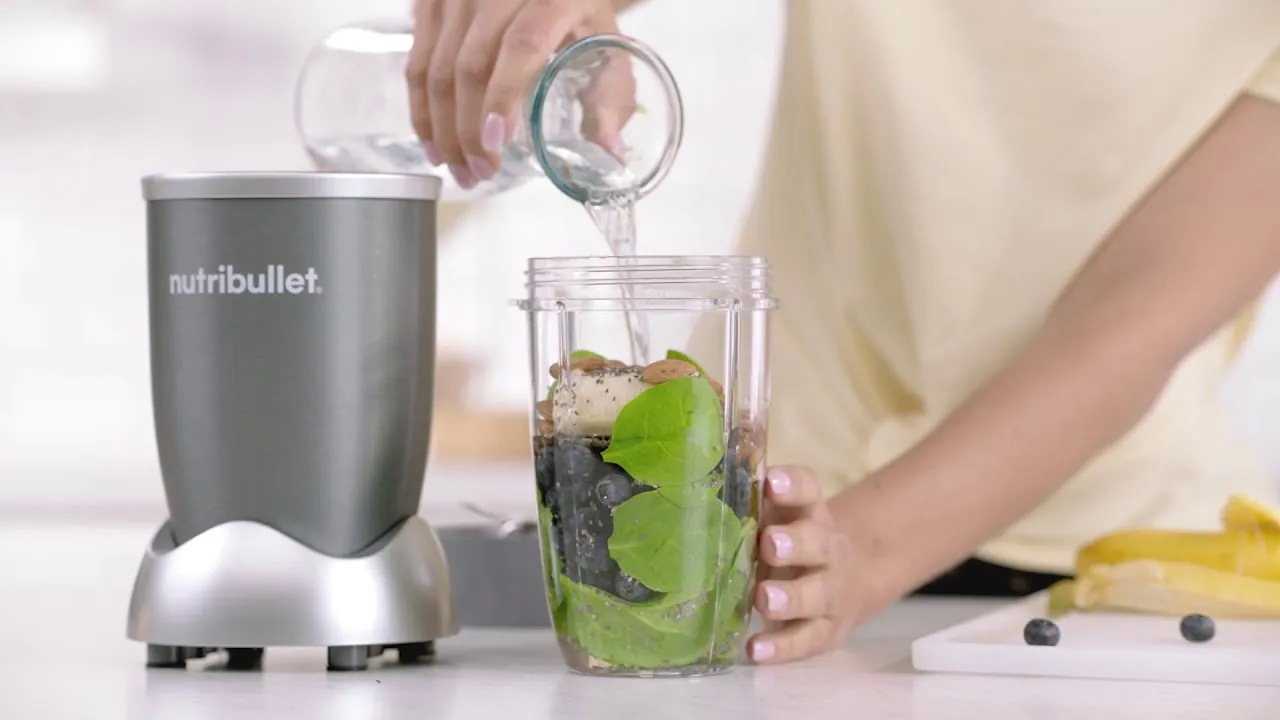
Beginners dump everything in and press. People who blend daily add liquid, then soft items, then hard items — in that order, every time. This one habit prevents most stalling and gritty results. It takes about 10 extra seconds and saves you from stopping to shake the cup.
The order matters most with leafy greens and frozen fruit. Greens go in after the liquid so they get pulled down into the blades instead of plastering the walls. Frozen fruit goes last, on top, where it can settle as it breaks up.
The blades need something to grab, and a cup of liquid on top of a solid chunk just spins.
They stop before the motor complains
A burning smell, a grinding noise, or the base cutting out mid-blend all mean the same thing: the motor is working harder than it should. Experienced users release the cup the moment they notice any of these and let the base rest for a few minutes. Beginners push through, and that’s how motors die early. If your base shuts off on its own, it has a thermal cutout — let it cool fully before running it again.
A base that’s warm after a normal blend is fine. If it’s too hot to hold your palm on for a few seconds, stop and let it cool fully before running it again.
What goes wrong, and what to do
Most problems with a Nutribullet come down to load order, fill level, or a worn gasket. Here’s how to match what you’re seeing to the fix.
| What you notice | What it usually means | What to do first | How to stop it happening again |
|---|---|---|---|
| Liquid leaking from the cup | Blade assembly not tight or gasket worn | Retighten, check gasket | Replace gasket when cracked |
| Smoothie comes out gritty | Not enough blending time | Run 15-30 seconds more | Pulse at the end |
| Motor smells hot or burns | Overloaded or ran too long | Stop, let it cool 10 minutes | Smaller loads, shorter runs |
| Base won’t start | Cup not locked or base unplugged | Check lock and outlet | Push down until it clicks |
| Contents stuck on cup walls | Too little liquid | Add 2-3 tablespoons liquid | Liquid always goes in first |
| Loud knocking sound | Ice or frozen chunks too big | Stop, break pieces up | Cut fruit before freezing |
| Blades feel dull | Normal wear after heavy use | Replace blade assembly | Avoid ice with hard seeds |
The rules that apply
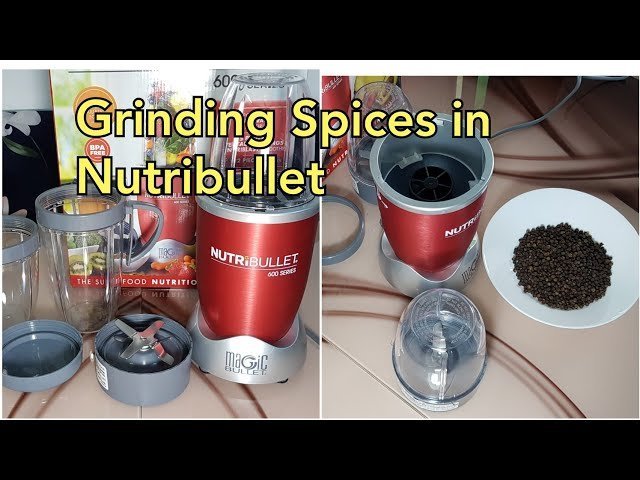
Nutribullet’s own user guide is the source that decides what’s allowed with your machine. It lists which parts are dishwasher-safe, which cups fit which base, and the maximum run time for your model. Read the guide that came in your box, or find your model’s guide on the Nutribullet website — the numbers differ between the Original, Pro, and Magic Bullet lines.
Never put the motor base in water or in a dishwasher. Wipe it with a damp cloth only. The base holds electrical parts, and water inside it’s a shock risk.
The blade assembly is the other limit. Blades are sharp, and the gasket inside can wear out. Replace the whole assembly when the gasket cracks or the blades stop cutting cleanly — don’t try to repair it.
One more thing: if your base sparks, smokes, or trips your breaker, stop using it. That’s not a do-it-yourself repair. Contact Nutribullet support or a qualified appliance technician.
What it costs you
The machine itself is the only upfront cost, and prices vary by model and by where you buy. Check Nutribullet’s own site or a major retailer for today’s price on the model you want — those numbers change with sales and bundles.
The ongoing cost is replacement parts. Blade assemblies and gaskets wear out, and they’re sold separately. A worn gasket causes leaks; dull blades cause gritty drinks. Both are cheap compared to a new base.
Your real cost is time. Loading a cup properly takes about 1 minute. Blending takes 30-60 seconds. Rinsing the cup and blade right after use takes 30 seconds. Skip that rinse and dried residue builds up around the gasket, which shortens its life.
Electricity is minor — these run for under a minute at a time.
The thing that moves your cost up most is running the motor too hard. Long runs on frozen loads wear the base faster than anything else.
Keeping it right afterwards
Rinse the cup and blade assembly with warm water within a few minutes of blending. Residue that dries around the gasket is the main cause of leaks later. A drop of dish soap and a quick shake usually does it.
Check the gasket every few weeks. Look for cracks, stiffness, or a flattened shape. A gasket that no longer sits proud in its groove won’t seal, no matter how hard you twist.
The sign it’s time to replace the blade assembly is simple: drinks that used to come out smooth now come out gritty, even after longer blending. That’s worn blades, not bad technique.
If the base starts smelling hot on normal loads, or cuts out sooner than it used to, the motor is telling you something. Let it cool fully between uses and keep loads smaller. If it keeps happening, contact Nutribullet support — that’s past what you can fix at home.
When a Nutribullet is the wrong choice
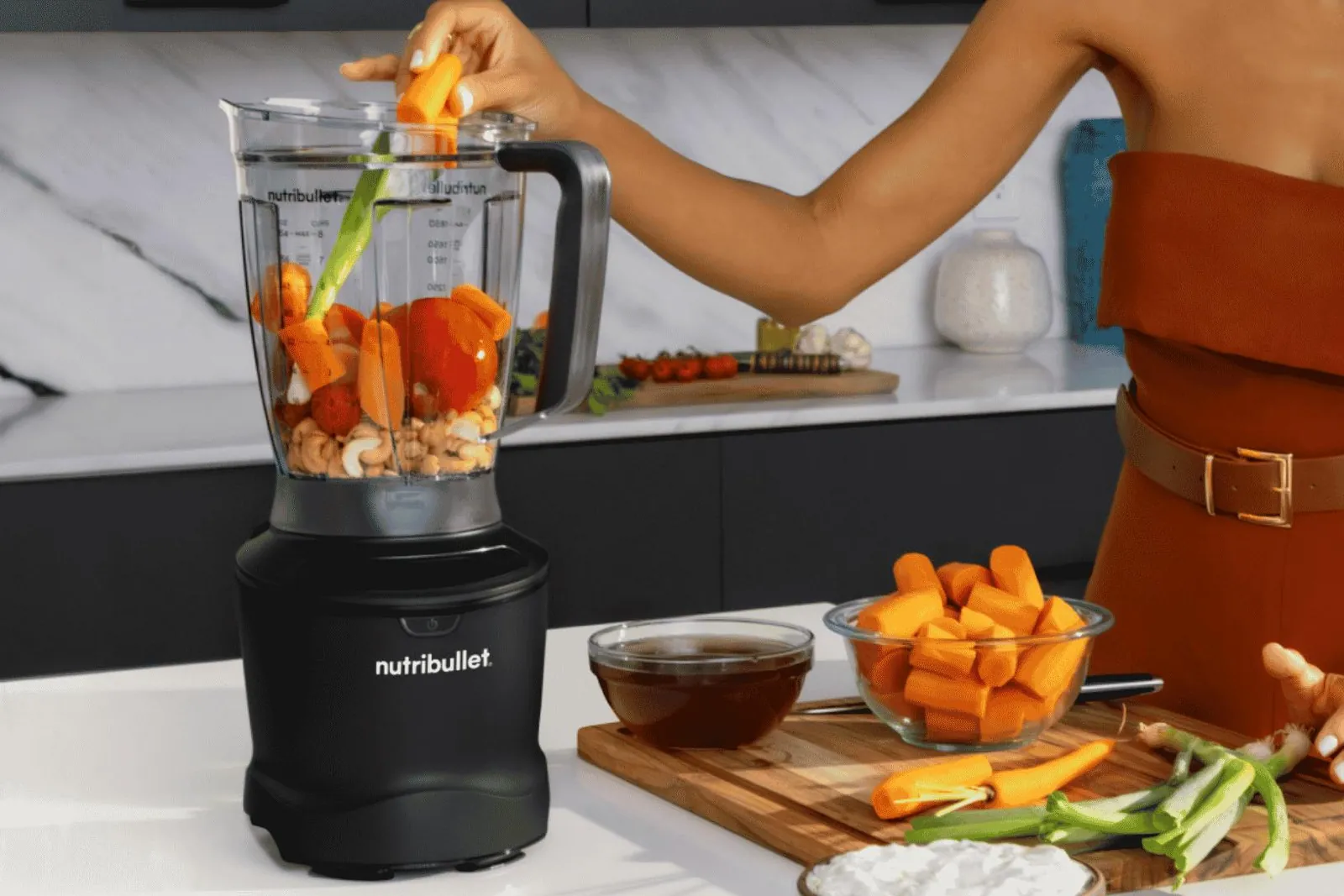
A Nutribullet won’t work for you if you need to blend hot liquids. The cups aren’t built for hot contents, and pressure can build up. Use a countertop blender designed for hot soup instead.
It’s also the wrong tool for large batches. If you’re making smoothies for four people at once, a full-size blender with a 64 oz pitcher does it in one run. A Nutribullet means three or four separate blends.
And skip it if you mainly want to crush ice for cocktails. The motor can handle about 1 cup of ice per 24 oz cup, but it’s hard on the blades over time. A dedicated ice crusher or a high-power blender handles that job better.
Think about how you actually eat before you buy. If most of your blending is one banana, a handful of spinach and some milk for yourself, the small cup is an advantage, not a compromise. You drink straight from it and wash one part. If you’re regularly feeding a family, cooking soups or filling a pitcher for a party, that same small cup turns every recipe into a chore.
If your base has an electrical fault, don’t open it. Take it to a qualified technician or contact Nutribullet support.
Related guides
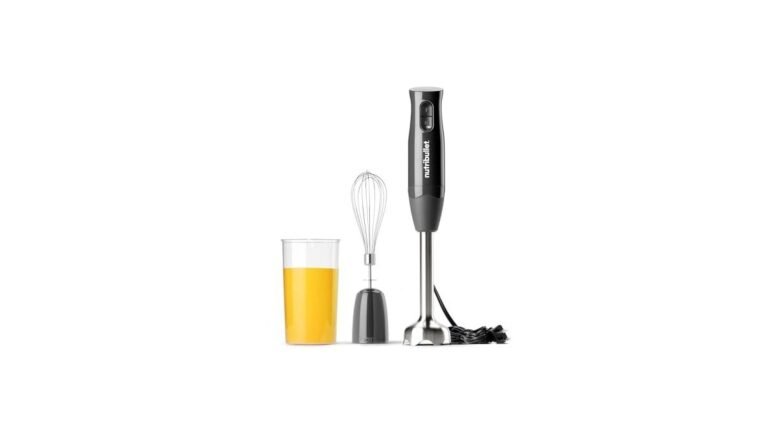
- Nutribullet Hand Blender Review
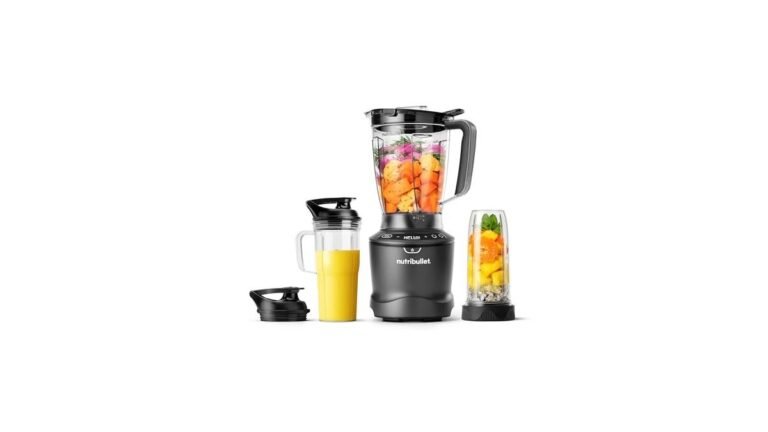
- Nutribullet Powercore Blender Review
- NutriBullet 500 Series Blender Review
Frequently asked questions
How long do you blend a Nutribullet?
30 seconds for soft ingredients like banana and yogurt, 45-60 seconds for frozen fruit and ice. These times assume you’re holding the cup down the whole time. If chunks remain after 60 seconds, use short 2-3 second pulses instead of one long run.
Can you put hot liquids in a Nutribullet?
No. The cups aren’t designed for hot contents, and steam builds pressure inside a sealed cup. Let hot food cool to room temperature first, or use a blender made for hot liquids. This is a safety limit, not a preference.
Why is my Nutribullet not turning on?
The cup isn’t locked onto the base, or the base isn’t plugged in. Press the cup down and twist until you feel it click, then tug it gently — if it lifts, it’s not locked. Check the outlet and the breaker too.
Is it safe to put the Nutribullet cup in the dishwasher?
The cup and blade assembly are usually dishwasher-safe on the top rack, but check your model’s user guide first. The motor base is never dishwasher-safe — wipe it with a damp cloth only. Water inside the base is a shock risk.
What happens if you go past the MAX line?
Liquid pushes up into the blade assembly and leaks out through the seal. It can also spray out when you unscrew the cup. Stay at least half an inch below the line, and remember the line assumes you left that headspace.
How much ice can a Nutribullet crush?
About 1 cup of ice per 24 oz cup, added last on top of the other ingredients. More than that strains the motor and dulls the blades faster. If your base stalls or knocks loudly, you’ve added too much.
Does the order you add ingredients really matter?
Yes. Liquid goes in first, then soft items, then hard and frozen items on top. This stops the blades from spinning in an air pocket. Wrong order is the most common reason for gritty smoothies and stalling motors.
How often should you replace the blades?
There’s no fixed schedule — it depends on how much ice and frozen food you blend. Replace the blade assembly when drinks come out gritty even after longer blending, or when the gasket cracks or stiffens. Both are signs of wear, not technique.
Conclusion
Start with one blend: liquid to the first mark, soft items next, frozen items last, then hold for 45 seconds. You’ll get a smooth drink with no chunks, and the cup will rinse clean in seconds. If the base smells hot, cuts out, or sparks, stop and contact Nutribullet support — that’s a technician’s job, not yours.