Can The Nutribullet Chop Ice? Yes, With The Right Model
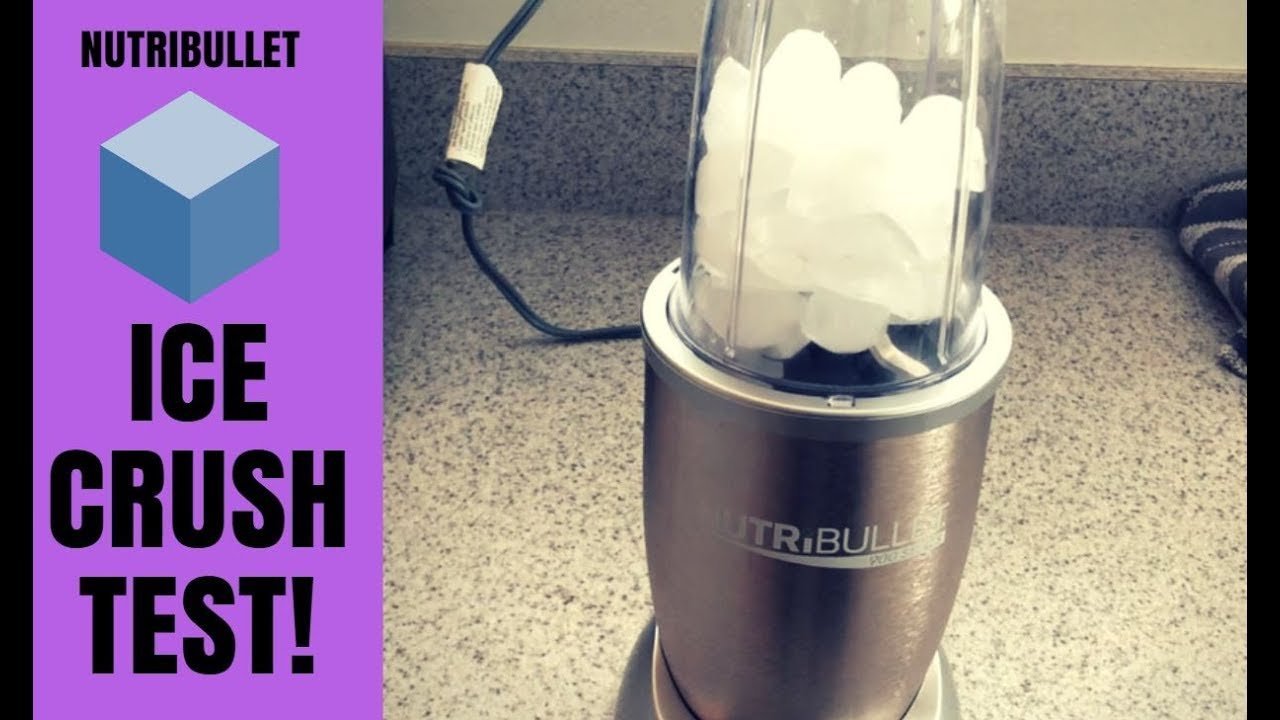
Yes — a Nutribullet can chop ice, but only the models with a strong enough motor and a blade made for it. The regular Nutribullet blender can crush ice into small pieces for smoothies and cold drinks. The smaller, cheaper models can’t do it well, and pushing them too hard can burn out the motor. If you own a standard 600-watt or 900-watt Nutribullet, ice is fine. If you own a small personal model, skip the ice. Check your model’s wattage on the base before you add any cubes.
When a Nutribullet can chop ice
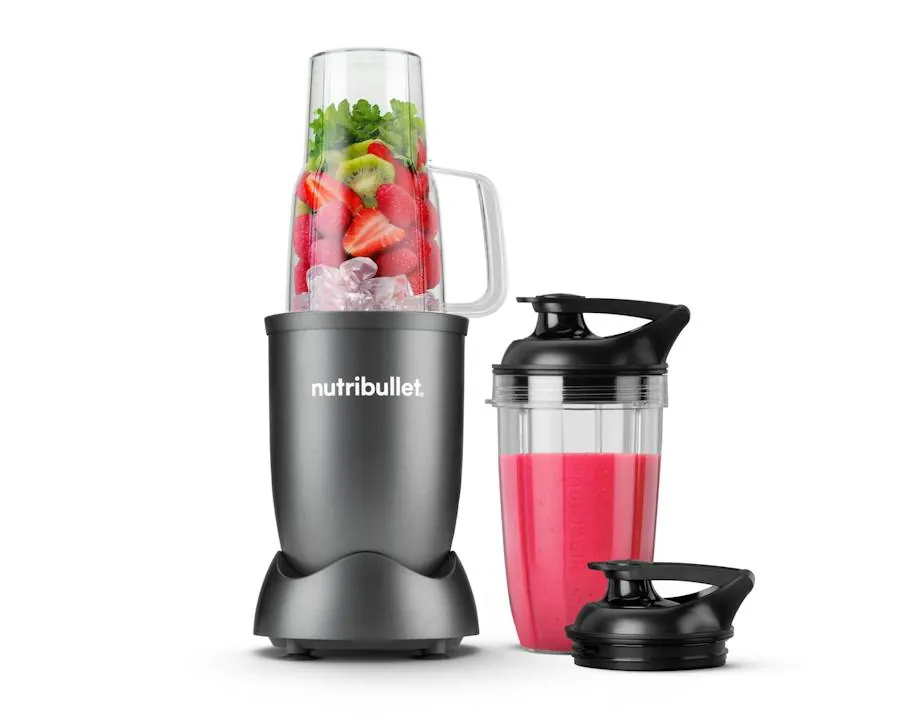
Your model decides this, not the brand. Nutribullet makes several blenders, and they don’t all handle frozen things the same way. The wattage printed on the bottom of the base is the number that matters most. Higher wattage means more force to break hard cubes. Blade type matters too — the extractor blade that comes with most models is built for frozen fruit and ice, but a milling blade is not.
The table below sorts the common situations. Find the one closest to yours.
| Your situation | Answer | Why |
|---|---|---|
| Nutribullet 900 or 1200 watt | Yes | Motor and blade are made for ice |
| Nutribullet 600 watt | Yes, small amounts | Works with 4-6 cubes and liquid |
| Nutribullet 500 watt or less | No | Motor stalls or overheats |
| Using a milling blade | No | Flat blade can’t crush cubes |
| Ice with no liquid | No | Blade spins free, nothing to pull ice down |
| Ice plus frozen fruit | Yes, with liquid | Needs water, juice, or milk to move |
| Baby Bullet or small personal model | No | Built for soft food only |
If your row says no, don’t try it anyway. A stalled motor is a repair bill, not a warning.
Two things trip people up even on the yes rows. The first is ice that has partly melted and refrozen into one block. That slab is denser than loose cubes, so a 600-watt machine that handles six cubes will strain against it. Break it up first, or leave it out for a few minutes.
The second is overfilling. Ice needs room to move, so keep the cup at about two-thirds full and add liquid to just above the ice line. Pack it to the top and the blade has nothing to grab.
Order matters as well. Put liquid in first, then ice, then anything soft. Ice sitting on a dry blade at the start is the most common cause of a machine that seems to do nothing.
If you hear the motor slow without the ice breaking, stop. Pressing the button longer doesn’t help, and that’s the sound that ends in a burnt-out base.
What actually decides if your Nutribullet handles ice
Wattage is the first gate. A Nutribullet 900-watt model spins its blade fast enough to shatter a cube before the motor slows down. The 600-watt version can do the same job in smaller batches — around 4 to 6 cubes at a time with liquid. Below 500 watts, the motor loses speed the moment it hits hard ice, and that’s when it heats up and shuts down or burns out.
Blade shape is the second gate. The extractor blade has angled edges that pull food down and cut it. The milling blade is flat and meant for dry things like grains, coffee, and nuts. Ice under a milling blade just rattles around. If you’re not sure which blade you have, look at the shape: angled and curved means extractor, flat and straight means milling.
The third gate is what’s in the cup with the ice. Ice alone doesn’t blend. The blade needs liquid or soft food to create a vortex that drags the cubes into the blades. Without it, the cubes sit on top and the blade spins in air. Add at least enough liquid to cover the blade, then add ice.
If your Nutribullet is 600 watts or higher and you’re using the extractor blade with liquid in the cup, ice is fine; if it’s under 600 watts or you only have the milling blade, leave the ice out.
How to crush ice in a Nutribullet without wrecking it
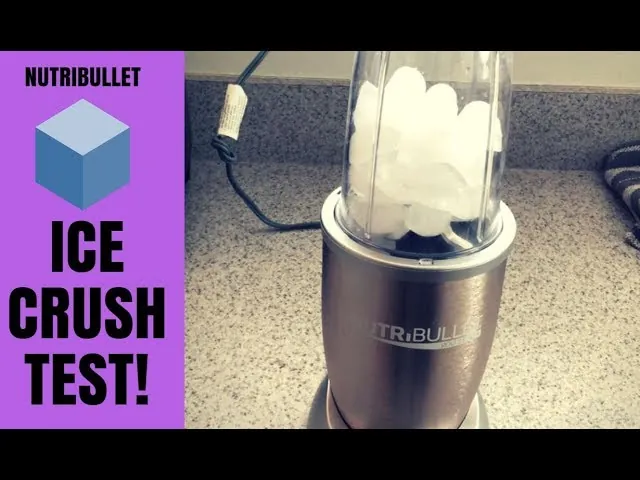
Follow these steps in order. Each one has a sign that tells you it worked.
Check the wattage on the base. Look at the label on the bottom of the motor unit. If it says 900W or more, you’re clear; a 600W model can handle only small amounts. If it’s lower, stop here and use crushed ice from a tray instead.
Fill liquid first, then ice. Pour in 1 cup (240 ml) of water, juice, or milk. Add 4 to 6 ice cubes on top. The liquid must cover the blade. Sign it worked: the cubes sit in liquid, not piled dry above it.
Lock the extractor blade onto the cup. Twist until it clicks. Check the blade is the angled one, not the flat milling blade. Sign it worked: the cup seals and doesn’t wobble when you shake it.
Pulse in 2-second bursts, 5 to 8 times. Press and release. Don’t hold the button down. Let the motor rest between bursts. Sign it worked: the ice drops to the bottom and turns to slush.
Shake the cup between bursts. Take the cup off the base and shake it so the ice moves toward the blade. Sign it worked: you hear loose pieces, not a stuck chunk.
Stop when the ice is small. Around 20 to 30 seconds of total pulsing is enough. Sign it worked: no whole cubes left, and the motor sounds steady, not strained.
If you hear the motor slow down or smell something hot, stop right away. That’s the motor working too hard, and it’s the moment before damage.
The mistake that kills the motor
Holding the button down on hard ice is the fastest way to ruin a Nutribullet. People fill the cup with cubes, press the button, and wait. The blade jams, the motor stalls, and the heat builds inside the housing. In a few seconds of stall, the windings can overheat. That’s a dead blender, not a slow one.
The cost is real. You’re out the price of a new base, and you still don’t have crushed ice.
The fix is pulsing. Short bursts let the blade bite into the ice, then coast. Between bursts, the motor cools. Shaking the cup keeps the cubes moving so the blade always has something to grab. That rhythm — pulse, shake, pulse — is what separates a blender that lasts years from one that dies in a month.
Small cubes are the difference between a jam and a clean crush. Lay them in a zip bag and tap with the back of a spoon, or leave them on the counter for a few minutes. Ice that has sweated slightly crushes faster than ice straight from the freezer.
Watch the sound. A healthy crush is a steady grind that drops in pitch as the ice breaks down. A stalled blade goes quiet, then hums. The moment you hear the hum, stop and shake.
One more check before you start: read your manual’s ice section. If it says ice isn’t recommended for your model, believe it. The manual knows the motor better than any review does.
When to stop and get help
Crushing ice in a Nutribullet is a kitchen job, not a repair job. The moment it stops being safe to do yourself is when the machine shows damage. Here are the signs.
- The blade is bent, cracked, or loose. A damaged blade can fly apart at speed. Stop using it and contact Nutribullet support for a replacement blade.
- The motor smells burnt or won’t spin. This means the windings are damaged. Don’t open the base — it holds no user-serviceable parts, and opening it voids the warranty. Contact the manufacturer.
- The cup leaks at the seal. A worn gasket lets liquid into the motor. Replace the gasket or the cup through the brand’s parts service.
- The base gets hot within seconds. That points to a failing motor or a jammed blade. Unplug it and get it looked at.
- You’re tempted to use a knife or tool to break up jammed ice. Never put anything but food in the cup while the blade is attached.
Electric motors and sharp blades are the two things here that can hurt you. If the fix needs the base opened, new wiring, or a blade swap you’re not sure about, that’s a job for Nutribullet’s service team or a qualified appliance repair shop — not a home fix.
One distinction matters more than any other: a part you can unclip versus a part you have to unscrew. Gaskets, cups, and blades come off by hand, so replacing them is ordinary ownership. Anything behind the base’s screws is not.
If the machine is under warranty, do nothing but call. A repair you attempt yourself can turn a free replacement into a paid one, and the burnt smell that started it will still be there.
If it’s out of warranty, price the part before you price the repair. A gasket or a blade usually costs less than an hour of a technician’s time, so buy the part and fit it yourself. A motor or a switch is the reverse.
When a shop quotes you, ask what happens if the fix doesn’t hold. A fair answer includes a window to bring it back. If the quote is close to what a new unit costs, put the money toward the new one instead.
And if you live with anyone who might switch it on while it sits broken on the counter, unplug it and move it out of reach. A damaged blade doesn’t announce itself.
Frequently asked questions
Can you put ice in a Nutribullet?
Yes, if your model is 900 watts or higher, or a 600-watt model used with small amounts of ice and liquid, and you use the extractor blade with liquid in the cup. Add 4 to 6 cubes at a time, not a full cup. Models under 500 watts, and the milling blade, aren’t made for ice. Check the wattage on the base and the blade shape before you start.
Why does my Nutribullet stop when I add ice?
It stops because the motor is stalling under a load it can’t handle. Hard ice slows the blade, the motor draws more current, and the motor overheats. This usually means too much ice, too little liquid, or a model below 600 watts. Let it cool, then use less ice and more liquid.
How long does it take to crush ice in a Nutribullet?
About 20 to 30 seconds of total pulsing, done in 2-second bursts with a shake between them. That timing assumes a 600-watt or higher model with 1 cup of liquid and 4 to 6 cubes. If it’s still chunky after 30 seconds, stop — more time won’t help.
Is it safe to crush ice in a Nutribullet?
It’s safe when you follow the model’s limits and keep your hands out of the cup. The risks are a burnt-out motor from overloading and cuts from the blade. Never reach into the cup while the blade is attached, and never run the machine with the lid off. If the blade is damaged, stop and replace it.
What happens if I blend ice with no liquid?
Nothing good. The blade spins without pulling the cubes down, so the ice just rattles and the motor runs hot. You need at least enough liquid to cover the blade — around 1 cup (240 ml) for 4 to 6 cubes. Ice alone won’t turn into slush, no matter how long you run it.
Does the blade type matter for ice?
Yes, it’s the second thing that decides it after wattage. The extractor blade has angled edges that pull ice in and cut it. The milling blade is flat and made for dry goods like grains and nuts. Ice under a milling blade just bounces around. Use the extractor blade for anything frozen.
Can a Nutribullet crush ice into snow?
No, not into fine snow. A Nutribullet makes small, uneven pieces — good for smoothies and drinks, not for snow cones. For fine, even ice you’d need a dedicated ice shaver or a high-power blender with a snow setting. A Nutribullet gets you slush, not powder.
Does crushed ice damage the Nutribullet over time?
Yes, if you stay within the model’s limits. Ice is normal use in a 600-watt or higher unit with the right blade, but overloading a weak motor, running it dry, or holding the button until it stalls causes damage.
Conclusion
Before you toss in a handful of cubes, take a second to check your model’s wattage and blade type. If it’s built for ice, go ahead and enjoy that cold smoothie. If it isn’t, you’ll save yourself a burnt-out motor and a sad cleanup.