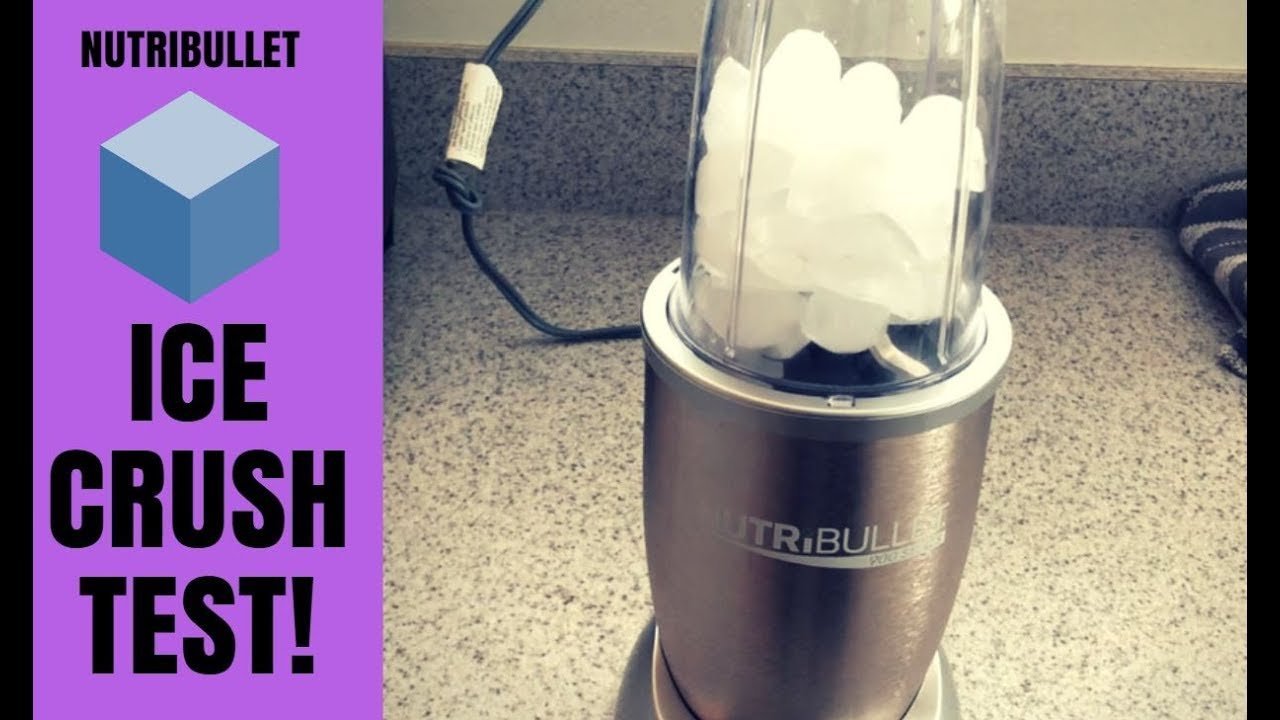
Can I Blend Ice In The Nutribullet? Yes, With The Right Blade
Yes, you can blend ice in the Nutribullet, as long as you add enough liquid and don’t fill the cup past the max line. The one thing that flips this answer is the blade: the standard extractor blade handles ice cubes fine, but the milling blade and the short cup won’t crush ice well. So in the next minute, check which blade is in your cup before you drop in any cubes.
When blending ice works in a Nutribullet
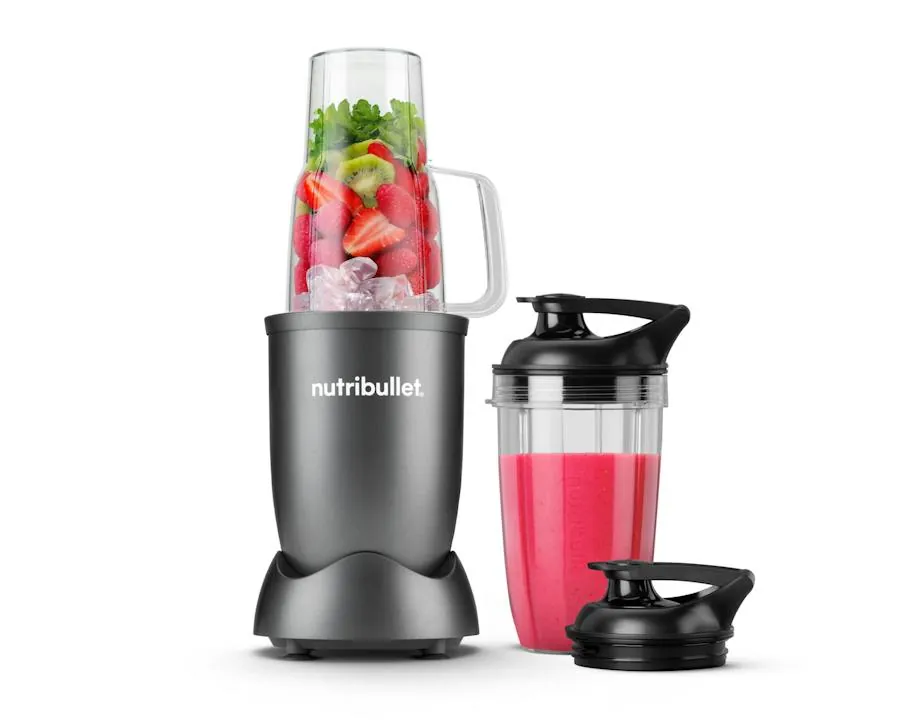
Ice behaves differently depending on your cup, blade, and what else is in there. The table below sorts the common setups, so you can find yours fast.
| Your situation | Answer | Why |
|---|---|---|
| Tall cup, extractor blade, liquid added | Yes | Blade spins fast, liquid carries ice down |
| Short cup, milling blade | No | Blade is flat, ice just bounces |
| Ice only, no liquid | No | Nothing moves the ice into the blade |
| Frozen fruit plus 3-4 cubes | Yes | Fruit softens, ice breaks with it |
| Ice filled to the max line | Risky | No room for liquid or movement |
| Hot liquid plus ice | No | Pressure builds, lid can pop |
| Hard cubes straight from freezer | Usually yes | Small cubes crush easier than big ones |
The pattern is simple: ice needs liquid around it and a blade that can reach it. Take away either one and you’re just shaking a cup.
The liquid does two jobs at once. It carries cubes down into the blade, and it gives them somewhere to go once they break. Without it, crushed ice packs against the walls and the blade spins in a pocket of air.
How much liquid matters more than people expect. Enough to cover the blades is the floor, not the target. If you can see the blade tips poking through, add more before you start.
Order counts too. Liquid first, then ice, then anything soft. Ice dropped in last sits on top of the liquid and gets pulled down as the blade spins. Ice packed in first can wedge against the walls before the liquid ever reaches it.
Stop and check if the sound changes. A steady grind means the ice is still feeding into the blade. A high whine with no grinding means the blade is spinning free and the ice has bridged above it. Open the lid, break the bridge with a spoon, add a splash of liquid, and go again.
Two cases where the answer flips. Soft ice from a countertop tray crushes in almost any cup, even a short one, because it fractures on contact. And a tall cup with the wrong blade still fails, since the blade never reaches the ice no matter how much liquid you pour in.
If your cup is short, use crushed or soft ice and skip the cubes. If your cup is tall, cubes are fine as long as liquid covers the blade.
What actually decides whether ice crushes
Liquid is the deciding factor. A Nutribullet blade doesn’t smash ice on contact — it creates a vortex, and that spinning liquid pulls the cubes down into the blades. Without enough liquid, the ice sits on top, the blade spins in air, and nothing happens.
A common approach is to add liquid first, then soft ingredients, then hard ones like ice on top. That order matters more than most people think. Ice at the bottom sits below the blade and doesn’t get pulled into it.
How much liquid is enough? Half a cup is the working minimum for a tall cup holding a normal load of ice. Below that, the vortex never forms properly and you get the spin-in-air problem no matter how long you run it.
Ice size matters too. Standard tray cubes, roughly 1 inch (2.5 cm), crush well in a tall cup. Large cubes or blocks from a big tray are too heavy for the motor to spin through, and they put strain on the motor. If your cubes are bigger than about 1.5 inches (4 cm), break them first.
How full you fill the cup decides how well it works. Leave at least 1 inch (2.5 cm) of space below the max line. Ice expands as it breaks, and a full cup has nowhere for the pieces to go. The blade jams, the motor heats up, and you’ll smell it.
The blade type is the last piece. The extractor blade has angled blades that pull ingredients down. The milling blade is flat and meant for dry goods like grains and coffee. Ice in a milling blade cup does nothing but wear the blade down.
The common mistake is adding ice to a nearly dry cup and pulsing harder to compensate. That’s the fastest way to dull a blade and cook a motor, and it rarely produces crushed ice anyway — you get shaved snow at the bottom and whole cubes riding on top.
If your cup is tall, your blade is the extractor, and you have at least half a cup of liquid, then ice is fine; if any of those is missing, then skip the ice or use frozen fruit instead.
How to crush ice without wrecking your cup
Follow these steps and you’ll get smooth, slushy ice every time. Each step has one sign that tells you it worked.
Add liquid first, at least ½ cup (120 ml). Water, milk, or juice all work. The liquid is what pulls ice into the blade, so don’t skip it. Sign it worked: you can see the blade sitting under liquid.
Drop in 3-4 ice cubes, no more. That’s about ¼ cup of ice for a tall cup. More than that and the motor has to work too hard. Sign it worked: the cubes sink partway into the liquid.
Leave 1 inch (2.5 cm) of space below the max line. Ice expands when it breaks, so you need room. Sign it worked: you can see a clear gap at the top of the cup.
Twist the extractor blade on tight and pulse 3-4 times. Short bursts of 1-2 seconds each. Pulsing lets the ice fall back onto the blade between bursts. Sign it worked: you hear the ice crack and the sound gets smoother.
Run it 20-30 seconds, then stop and check. If chunks remain, shake the cup and pulse again. Don’t run it longer than 60 seconds without a break. Sign it worked: the ice is slushy with no big pieces.
Stop if the motor sounds strained or you smell hot plastic. Unplug it, let it cool for 10 minutes, and use less ice next time. Sign it worked: the motor runs at a steady pitch, not a grinding one.
The Nutribullet user guide shows the correct loading order for each cup size, and it’s worth a look before your first ice batch. One note: this method isn’t for anyone using the milling blade or the short cup — those setups aren’t built for ice at all.
The mistake that kills motors
The most common mistake is running the machine with too little liquid and too much ice. People fill the cup with cubes, add a splash of water, and hold the button down. The blade spins in air, the ice never reaches it, and the motor overheats while nothing gets crushed.
The cost is real. A motor that overheats often enough will burn out, and a replacement base costs more than a new bag of ice ever would. You also waste the batch — you’re left with whole cubes and a warm cup.
The check that avoids all of this takes five seconds. Before you press the button, look at the cup from the side. You should see liquid covering the blade and ice floating above it, with a gap at the top. If you see dry ice at the bottom or a full cup, fix it before you blend.
The ratio that works: fill the cup about halfway with ice, then pour liquid until it sits roughly an inch above the cubes. If your machine stalls or the blade starts whining, you went too thick — stop, pull the cup, and add water rather than pulsing harder. Pulsing a stalled blade is what actually overheats the motor.
One more version of the same mistake: adding ice to a hot drink. Sealing a hot liquid in a closed cup traps steam, and the pressure can push the lid off. Let hot drinks cool first, then add ice.
If you’re blending frozen fruit with no ice at all, the same rule holds. Frozen chunks need liquid around them too, or the blade spins free and the fruit sits in a block at the bottom.
When ice blending needs a different tool
The motor smells hot or won’t spin. That’s a burned-out base, not a technique problem. Contact Nutribullet support or a repair shop — don’t keep pressing the button. Pressing it again can turn a cheap fix into a dead motor.
You need ice for a crowd. A countertop blender with a wider jar handles 2-3 cups of ice at once. A personal cup can’t, and pushing it will cost you the motor. If you’re filling more than two glasses, switch machines before you start, not after the cup stalls.
The blade is dull or bent. A damaged blade won’t crush ice properly and can damage the cup. Replace it with a new extractor blade from the maker, not a third-party copy. A copy may not seat right and can damage the blade assembly or cup.
You’re crushing ice for a medical or feeding need. Texture matters there, and a dietitian or speech therapist should set the standard, not a blender manual. If you’re blending for someone with swallowing trouble, get the texture target in writing first.
Any repair that means opening the base is past the DIY line — the capacitor inside can hold a charge even when unplugged. Unplug it, then leave it alone.
Frequently asked questions
Can you put ice in a Nutribullet?
Yes, in a tall cup with the extractor blade and at least ½ cup (120 ml) of liquid. Add 3-4 cubes, leave 1 inch (2.5 cm) below the max line, and pulse in short bursts. Ice in a short cup or with the milling blade won’t crush and can damage the blade.
Why won’t my Nutribullet crush ice?
It usually means there’s not enough liquid. The blade needs a vortex to pull ice down, and without liquid the cubes just sit there. Add more water or juice, use smaller cubes, and make sure the extractor blade is fitted, not the milling blade.
How long does it take to crush ice in a Nutribullet?
About 20-30 seconds of pulsing for 3-4 cubes in a tall cup with ½ cup of liquid. Run it in 1-2 second bursts, not one long press. If chunks remain after 30 seconds, shake the cup and pulse again rather than running it longer.
Is it safe to crush ice in a Nutribullet?
Yes, if you follow the loading order and don’t overfill. Never blend hot liquid with ice in a sealed cup, since steam pressure can pop the lid. Stop right away if the motor strains or smells hot, and let it cool for 10 minutes before the next batch.
What happens if I blend ice with no liquid?
The blade spins without grabbing anything, the motor overheats, and the ice stays whole. Run it this way often enough and the base burns out. You’ll notice a hot plastic smell and a grinding sound — unplug it and let it cool.
Does it matter which blade I use for ice?
Yes, it’s the difference between working and not working. The extractor blade has angled edges that pull ice into the blades. The milling blade is flat and made for dry goods. Ice against a milling blade does nothing but wear it down.
Can I use frozen fruit instead of ice?
Yes, and it’s often the better choice. Frozen berries or banana give you the same cold, thick texture and crush more easily than plain cubes. Use the same rule: at least ½ cup of liquid and 1 inch of space below the max line.
How much ice can I put in at once?
About ¼ cup, or 3-4 standard cubes, in a tall cup. That’s the amount the motor can handle without straining. For more ice than that, work in batches or use a full-size blender with a wider jar.
Your next step with ice
Start with one small batch: ½ cup of water, 3-4 cubes, tall cup, extractor blade, and pulse for 20 seconds. You should get slushy ice with no whole cubes left, and the motor should sound steady the whole way through.
If it grinds, smells hot, or won’t spin at all, stop and get help from Nutribullet support or a repair shop — that’s a motor problem, not a technique one.
If the motor sounds fine but cubes survive, the fix is order, not power. Add the water first, then the ice, so the blades have liquid to pull down. Ice on the bottom just spins.
Pulse in two-second bursts instead of holding the button. Ten short pulses beat one long run, and the motor stays cooler.
Hard cubes straight from the freezer are the usual culprit. Let them sit on the counter for a few minutes so they soften slightly.
One more thing: fill only to the max line. Overfilling stalls the blade and makes the motor work harder than it should.