How To Work Cuisinart Immersion Blender: Quick Start Guide
The Cuisinart immersion blender has become a staple in kitchens all over the world. With its compact design and versatile abilities, this tool makes blending, pureeing, and mixing easier than ever. For many, understanding how to work the Cuisinart immersion blender is not just about pressing a button—it’s about mastering smooth soups, creamy sauces, and perfectly blended drinks.
Whether you’re new to immersion blenders or want to unlock more from your Cuisinart, you’ll find practical steps and expert tips here.
What Is A Cuisinart Immersion Blender?
An immersion blender, sometimes called a stick blender, is a handheld kitchen tool used for blending ingredients directly in the container. The Cuisinart brand is known for its reliability, power, and user-friendly design.
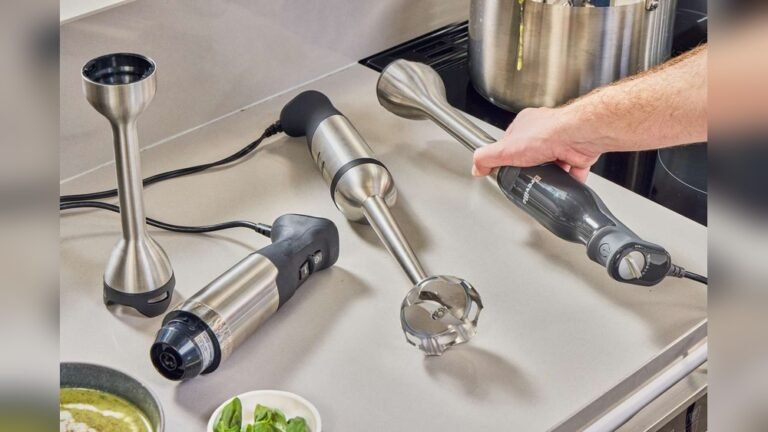
Unlike traditional countertop blenders, immersion blenders are small and easy to handle. You can blend soup right in the pot, whip up smoothies in your glass, or puree sauces without transferring them to another bowl. The Cuisinart immersion blender comes in several models, including cordless and corded versions, with varying speeds and attachments.
Main Features
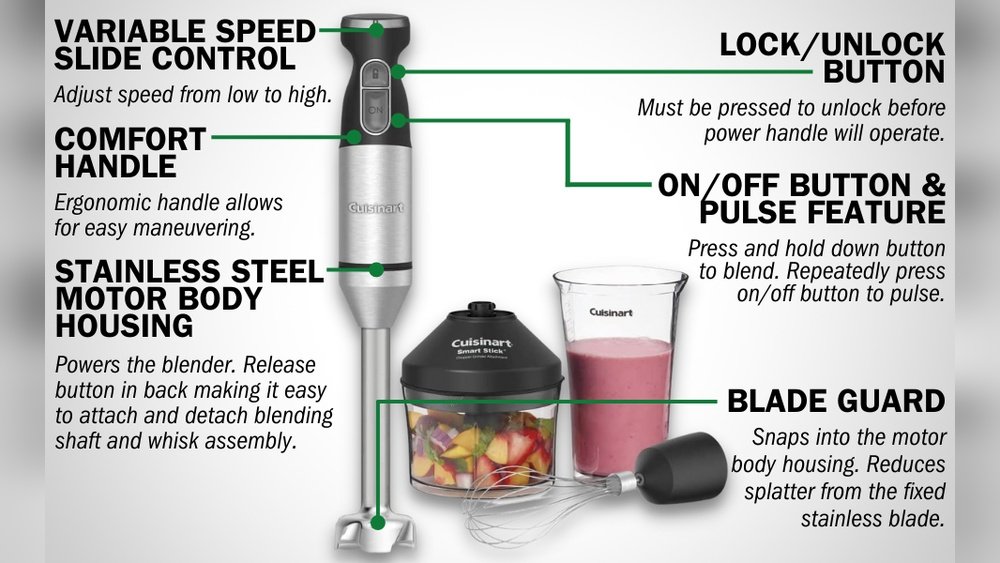
- Ergonomic handle for comfortable grip
- Variable speeds for control over texture
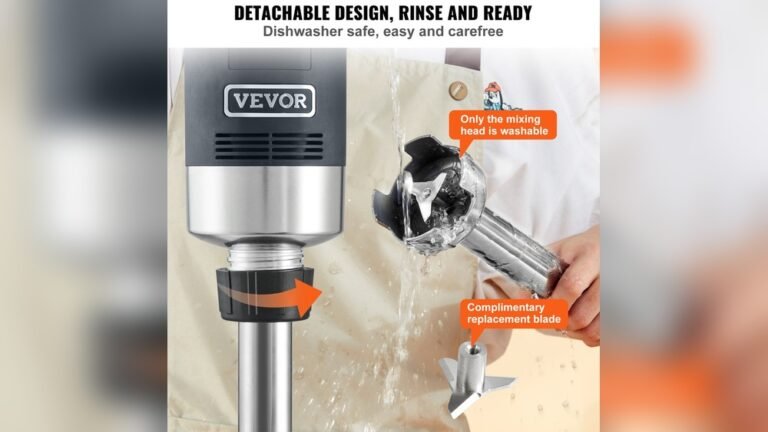
- Detachable shaft for easy cleaning
- Multiple attachments (whisk, chopper, etc.)
- Powerful motor (typically 200–300 watts)
Why Choose Cuisinart?
Cuisinart stands out for three reasons: durability, consistent performance, and ease of use. Their immersion blenders have strong motors, sharp blades, and attachments that help with many tasks. For those who want quick results without complicated steps, Cuisinart is a trusted choice.
Getting Started: Unboxing And Setup
Before you start blending, it’s important to set up your Cuisinart immersion blender correctly. This section will guide you step-by-step.
Unboxing
When you open your Cuisinart immersion blender box, you’ll find:
- The main blender body
- Blending shaft (metal or plastic)
- Whisk attachment (sometimes included)
- Chopper bowl and blade (for some models)
- Measuring/mixing cup
- Instruction manual
- Warranty card
Check all parts to ensure nothing is missing or damaged. If you find any issues, contact Cuisinart customer service.
Assembly
- Attach the blending shaft: Align the shaft with the motor body. Push until it clicks securely.
- Choose your attachment: For blending, use the shaft. For whisking, use the whisk. For chopping, use the chopper bowl.
- Plug in or charge: If your model is corded, plug it into a safe outlet. For cordless models, fully charge before first use.
Safety Checks
- Ensure the blender is off before attaching or detaching parts.
- Keep hands away from blades.
- Use dry hands when plugging in.
Cleaning Before First Use
Wash all detachable parts (shaft, whisk, chopper bowl, mixing cup) with warm, soapy water. Wipe the motor body with a damp cloth. Never immerse the motor body in water.
Understanding Controls And Attachments
Using the Cuisinart immersion blender starts with knowing its controls and attachments.
Controls
Most Cuisinart models have:
- On/Off button: Starts and stops blending.
- Speed control: Often a dial or button for low and high speed.
- Turbo/Pulse function: For extra power when needed.
Some advanced models offer more speeds or digital controls. Always check your manual for specific instructions.
Attachments
- Blending shaft: For soups, smoothies, sauces.
- Whisk: For whipping cream, beating eggs, mixing batters.
- Chopper bowl: For chopping nuts, herbs, onions, garlic.
Which Attachment To Use?
- For smoothies: Blending shaft.
- For whipped cream: Whisk.
- For chopped vegetables: Chopper bowl.
Switch attachments only when the blender is off and unplugged.
How To Use: Step-by-step Guide
Here’s how to work your Cuisinart immersion blender for the most common kitchen tasks.
1. Blending Soups
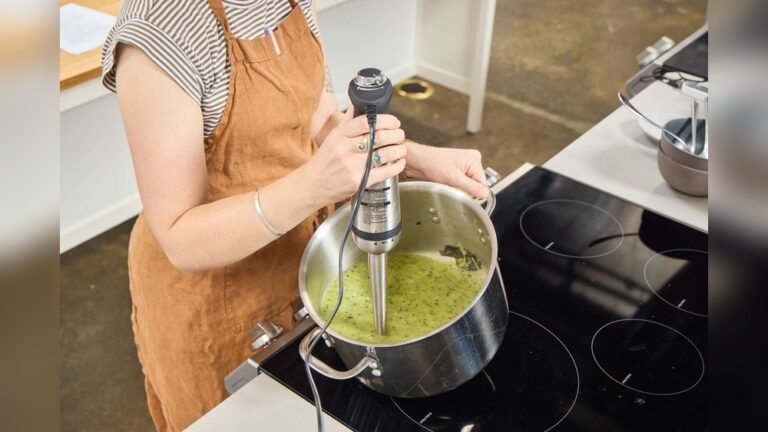
Immersion blenders are famous for making soups smooth without transferring hot liquid.
Steps
- Cook your soup until vegetables are soft.
- Turn off the heat.
- Insert the blending shaft into the pot, keeping the blade below the surface.
- Hold the blender vertically and press the On button.
- Move the blender up and down slowly for even blending.
- Use the speed control for texture—start low, increase as needed.
Tips
- Let hot soup cool slightly before blending to avoid splattering.
- Keep the blade submerged to prevent mess.
2. Making Smoothies
You can blend fruits, yogurt, and ice in the mixing cup or a tall glass.
Steps
- Add ingredients to cup.
- Insert blending shaft, keep blade below surface.
- Press On and blend until smooth.
- Pulse for thicker texture.
Tips
- Use frozen fruit for cold, thick smoothies.
- Don’t overload the cup—blend in batches if needed.
3. Whipping Cream Or Eggs
The whisk attachment is perfect for light, airy textures.
Steps
- Attach whisk to motor body.
- Place cream or eggs in mixing bowl.
- Start on low speed, increase as mixture thickens.
- Move whisk in circles for even whipping.
Tips
- Chill bowl and cream for faster whipping.
- For egg whites, ensure bowl is clean and dry.
4. Chopping Vegetables And Nuts
The chopper bowl helps with quick prep.
Steps
- Place blade in bowl.
- Add vegetables or nuts.
- Attach motor body, lock securely.
- Pulse until desired size.
Tips
- Don’t overfill bowl.
- Use short pulses for even chopping.

Credit: www.youtube.com
Cleaning And Maintenance
Proper care extends the life of your Cuisinart immersion blender.
Cleaning After Use
- Unplug blender.
- Detach shaft, whisk, chopper bowl.
- Wash parts with warm soapy water.
- Rinse and dry thoroughly.
- Wipe motor body with damp cloth.
Dishwasher Safety
Most detachable parts are dishwasher safe. Check your manual for specifics.
Deep Cleaning
If residue sticks to the blade, soak in warm water for 10 minutes. Use a brush to remove stubborn bits.
Storage
- Dry all parts before storing.
- Keep attachments in a safe place.
- Store motor body upright.
Maintenance Tips
- Check blades for wear.
- Don’t run blender empty—it can damage motor.
- Charge cordless models regularly.
Troubleshooting Common Problems
Sometimes, even a reliable blender faces issues. Here’s how to solve common problems.
Blender Won’t Start
- Check if plugged in or charged.
- Attachments may not be locked properly.
- Try another outlet.
Motor Stops Mid-use
- Overheating: Let blender cool for 15 minutes.
- Too much food: Reduce load and try again.
Blades Not Spinning
- Food may be stuck. Unplug and clear blockage.
- Shaft may not be fully attached.
Excessive Noise Or Vibration
- Hard foods can cause noise—cut into smaller pieces.
- Shaft may be loose. Reattach securely.
Poor Blending Performance
- Blade may be dull—replace if needed.
- Food too dense—add liquid.
Using Cuisinart Immersion Blender For Different Recipes
The real power of the Cuisinart immersion blender comes from its ability to handle varied recipes.
Soups
- Tomato soup: Blend cooked tomatoes and onions for smooth texture.
- Potato leek soup: Puree potatoes and leeks directly in pot.
Smoothies
- Berry smoothie: Blend berries, banana, yogurt, ice.
- Green smoothie: Spinach, apple, cucumber, water.
Sauces
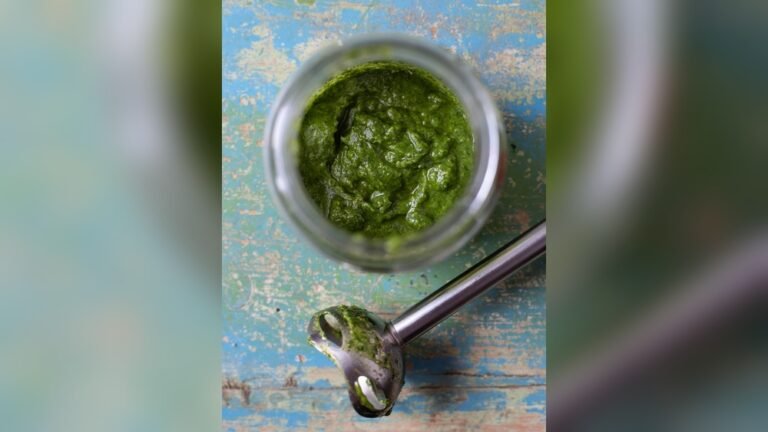
- Pesto: Blend basil, olive oil, pine nuts, Parmesan.
- Hollandaise: Blend egg yolks, butter, lemon juice.
Dips
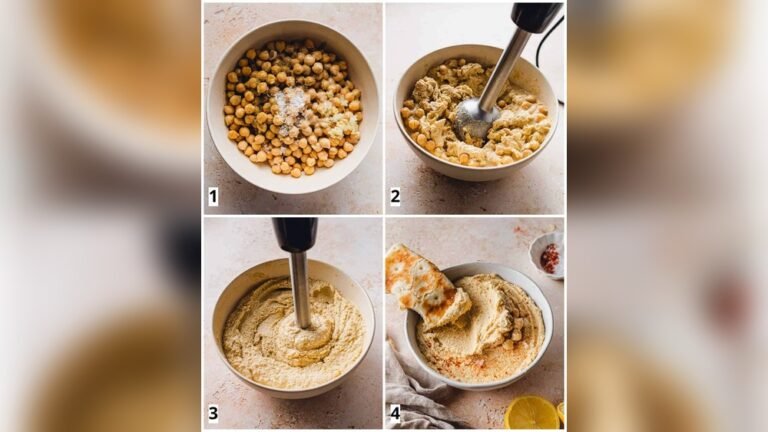
- Hummus: Blend chickpeas, tahini, lemon juice, garlic.
- Guacamole: Blend avocado, lime, onion, cilantro.
Desserts
- Whipped cream: Use whisk attachment.
- Mousse: Whip eggs and chocolate.
Practical Insight
Many beginners overlook the importance of blending in short bursts. Continuous blending can overheat the motor and change the texture. For most recipes, pulsing gives better control and prevents accidents.
Another common mistake is ignoring blade position. Keeping the blade submerged avoids splattering, especially with hot liquids.
Comparing Cuisinart Models
Cuisinart immersion blenders come in various models. Here’s a quick comparison to help you choose the right one.
| Model | Power (Watts) | Speeds | Corded/Cordless | Attachments |
|---|---|---|---|---|
| Smart Stick CSB-75 | 200 | 2 | Corded | Blending shaft |
| Smart Stick Plus CSB-79 | 200 | 2 | Corded | Whisk, chopper bowl |
| Smart Stick Cordless CSB-400 | 200 | 5 | Cordless | Blending shaft, whisk, chopper |
| CSB-100 | 300 | Variable | Corded | Blending shaft, whisk, chopper |
Which Model Fits Your Needs?
- For simple blending, CSB-75 is enough.
- For multiple tasks, CSB-79 or CSB-100.
- For cordless convenience, CSB-400.

Credit: www.amazon.com
Safety Tips For Using Cuisinart Immersion Blender
Safety is key with any kitchen appliance, especially with sharp blades and powerful motors.
Basic Safety
- Always unplug before changing attachments.
- Keep fingers away from blades.
- Don’t operate blender in water.
Hot Liquids
Blending hot soup can be risky. Cool slightly before blending and keep blade submerged.
Children And Pets
Keep immersion blender out of reach of children and pets. Don’t leave plugged in unattended.
Blade Maintenance
Check blades regularly for damage. Replace if needed.
Cord Management
Keep cord away from water and hot surfaces.
Using Cordless Models
Charge fully before use. Don’t use while charging.
Advanced Techniques And Pro Tips
Once you master basic blending, you can try advanced techniques to get more from your Cuisinart immersion blender.
Layered Blending
For recipes with multiple textures, blend one ingredient at a time. For example, in salsa, blend tomatoes first, then pulse onions and peppers for a chunky finish.
Emulsifying Sauces
Immersion blenders are great for emulsifying sauces like mayonnaise or vinaigrette. Start with liquids, then slowly add oil while blending.
Crushing Ice
Some models can crush ice. Use short pulses and avoid overloading. Always check if your model supports ice crushing.
Aerating
For airy batters or foams, use the whisk attachment and blend at high speed.
Blending Directly In Cookware
You can blend directly in pots or bowls, but avoid nonstick surfaces to prevent scratching.
Cleaning Hack
Fill mixing cup with water and dish soap, blend for 10 seconds. This cleans the blade quickly.

Credit: www.youtube.com
Comparing Immersion Blender Vs. Countertop Blender
Many people wonder how immersion blenders compare to traditional countertop blenders.
| Feature | Immersion Blender | Countertop Blender |
|---|---|---|
| Portability | High | Low |
| Cleanup | Easy | More steps |
| Batch Size | Small to medium | Large |
| Power | Moderate | High |
| Versatility | High (with attachments) | High (with settings) |
Practical Insight
Immersion blenders are best for quick tasks, small batches, and easy cleanup. Countertop blenders handle bigger jobs and tough ingredients but require more space and cleaning.
Common Mistakes Beginners Make
If you’re new to immersion blenders, it’s easy to make mistakes. Here are some to avoid:
- Not keeping blade submerged: This causes splattering.
- Overfilling container: Leads to spills.
- Using wrong attachment: Results in poor performance.
- Ignoring speed control: Too fast can over-blend.
- Not cleaning immediately: Residue dries and is harder to remove.
- Blending hot liquids too quickly: Can cause burns.
How To Avoid These Mistakes
- Start blending slowly.
- Use correct attachment.
- Clean right after use.
- Blend in small batches.
- Let hot liquids cool.
Real-world Examples And Data
Immersion blenders are used in homes, restaurants, and by food bloggers. According to a 2022 survey by Consumer Reports, immersion blenders are among the top 5 most-used kitchen appliances in the US. About 68% of users blend soups, 51% make smoothies, and 35% use them for sauces and dips.
Professional chefs prefer immersion blenders for their speed and versatility. For example, Chef Amanda Freitag uses a Cuisinart immersion blender for pureeing vegetables and emulsifying dressings. In a busy kitchen, quick cleanup and easy storage make immersion blenders ideal.
Case Study
A home cook, Maria, switched from a countertop blender to a Cuisinart immersion blender. She reported saving 10 minutes per meal due to less transfer and faster cleaning. She also noticed less kitchen mess and improved texture in her soups.
Tips For Better Blending Results
To get smooth, consistent results, follow these tips:
- Use fresh ingredients for best taste.
- Cut food into small pieces before blending.
- Add liquid if mixture is too thick.
- Move blender slowly around container.
- Pulse instead of continuous blending.
- Clean blade after every use.
Non-obvious Insight
Many recipes improve with the addition of a small amount of oil or yogurt—it helps emulsify and smooth the blend. Also, letting the blender sit for a few seconds between pulses gives the motor time to cool and avoids overheating.
How To Use Attachments Effectively
Attachments are a big reason to choose Cuisinart. Here’s how to get the most from them.
Blending Shaft
- Good for liquids and soft foods.
- Avoid hard, dry ingredients.
Whisk
- Use for light mixtures.
- Don’t try to blend thick dough.
Chopper Bowl
- Use for nuts, herbs, onions.
- Don’t overload—leaves uneven results.
Practical Example
For salsa, use chopper bowl for onions and peppers, then blend tomatoes with shaft. For whipped cream, chill bowl and whisk.
Cuisinart Immersion Blender In Meal Prep
Immersion blenders speed up meal prep, making it easier to stick to healthy eating.
Soup Prep
Cook vegetables, blend directly in pot.
Breakfast Smoothies
Blend fruits and yogurt in seconds.
Salad Dressings
Emulsify oil and vinegar with blending shaft.
Dessert
Whip cream for cakes, blend fruit for purees.
Batch Cooking
Blend large pots of soup for freezing.
How To Store And Maintain Your Blender
Storing and maintaining your blender is as important as using it.
Storage Tips
- Store in dry, cool place.
- Keep attachments together.
- Use storage bag if included.
Maintenance Routine
- Clean after every use.
- Check blades monthly.
- Charge cordless models weekly.
Blade Replacement
Blades dull over time. Replace every 1–2 years if used often.
Environmental Impact And Sustainability
Cuisinart immersion blenders are energy efficient. Using a 200-watt blender for five minutes uses about 0. 017 kWh—much less than a countertop blender.
Recycling
Most parts are recyclable. Check local rules for disposal.
Longevity
Durable design means less waste. Proper care extends life.
Buying Guide: What To Look For
If you’re buying a Cuisinart immersion blender, consider these factors:
Power
Higher wattage blends tougher foods.
Speed Settings
More speeds give better control.
Attachments
Choose models with extra attachments for versatility.
Cord Vs. Cordless
Cordless is more portable, but check battery life.
Budget
Cuisinart immersion blenders range from $35 to $120.
Warranty
Look for at least 2-year warranty.
Practical Insight
Don’t get distracted by extra features you won’t use. Focus on power, speed, and attachments that fit your cooking style.
Cuisinart Immersion Blender Vs. Other Brands
Cuisinart is not the only brand for immersion blenders, but it’s a top performer.
| Brand | Price Range | Power | Attachments | Warranty |
|---|---|---|---|---|
| Cuisinart | $35–$120 | 200–300W | Multiple | 2–3 years |
| KitchenAid | $40–$140 | 180–220W | Multiple | 1–2 years |
| Braun | $60–$150 | 200–350W | Multiple | 2 years |
| Hamilton Beach | $25–$70 | 175–225W | Basic | 1 year |
Practical Guidance
If you want reliability and good customer support, Cuisinart is a solid choice. For more power, Braun offers high wattage, but at a higher price. KitchenAid and Hamilton Beach are good for entry-level use.
Accessories And Upgrades
Cuisinart immersion blenders can be upgraded with extra accessories.
Accessories
- Extra mixing cups
- Storage bags
- Replacement blades
- Extended shafts
Upgrades
- New attachments (whisk, chopper)
- Larger mixing bowls
Where To Buy
Purchase accessories from official stores or authorized retailers. For genuine parts, visit the official Cuisinart website or trusted outlets like Consumer Reports.
Making The Most Of Your Cuisinart Immersion Blender
The Cuisinart immersion blender is more than a kitchen gadget. With the right approach, it becomes an essential tool for healthy eating, quick meals, and creative recipes.
Practice Makes Perfect
The more you use your blender, the better you’ll get at controlling texture and avoiding mistakes. Try new recipes and experiment with attachments.
Non-obvious Insight
Many people don’t realize that immersion blenders can help with meal planning. By prepping soups, sauces, and smoothies in advance, you can save hours each week and eat healthier.
Community Support
Join cooking forums or follow Cuisinart’s official social media for recipe ideas and troubleshooting tips.
Avoiding Overuse
Let the motor rest between batches. Too much continuous blending can reduce lifespan.
Frequently Asked Questions
How Do I Prevent Splattering When Blending?
Keep the blade submerged in the food before turning on the blender. Start at low speed and increase slowly. Use tall containers to keep liquids contained.
Can I Use The Immersion Blender For Hot Liquids?
Yes, but let hot liquids cool slightly before blending. Always keep the blade below the surface and avoid blending in shallow containers.
Is The Cuisinart Immersion Blender Dishwasher Safe?
Most detachable parts are dishwasher safe. Check your model’s manual to confirm. Never put the motor body in the dishwasher.
What Should I Do If The Blender Stops Working?
First, check if it’s plugged in or charged. Make sure attachments are locked. If it still doesn’t work, let it cool, then try again. Contact Cuisinart support for help if needed.
How Often Should I Replace The Blades?
Blades last 1–2 years with regular use. Replace if you notice dullness or poor blending performance.
Every kitchen can benefit from a Cuisinart immersion blender. Whether you’re making soups, smoothies, or sauces, this tool offers speed and convenience. With careful setup, regular maintenance, and creative use, you’ll unlock new ways to cook and eat. Enjoy experimenting with flavors and textures—and let your Cuisinart immersion blender become your kitchen partner for years to come.