Is Immersion Blender Good For Smoothies? Pros, Cons & Tips
Blending smoothies is a favorite morning routine for millions. But not everyone owns a powerful countertop blender. Many kitchens have an immersion blender instead. Is this tool good enough for your smoothie cravings? This question comes up often, especially for people who want quick, healthy drinks without a lot of equipment. Let’s explore everything you need to know before you blend your next smoothie with an immersion blender.
What Is An Immersion Blender?
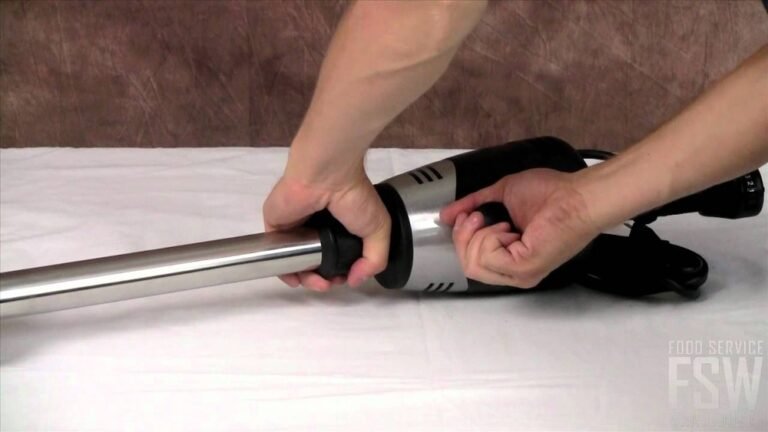
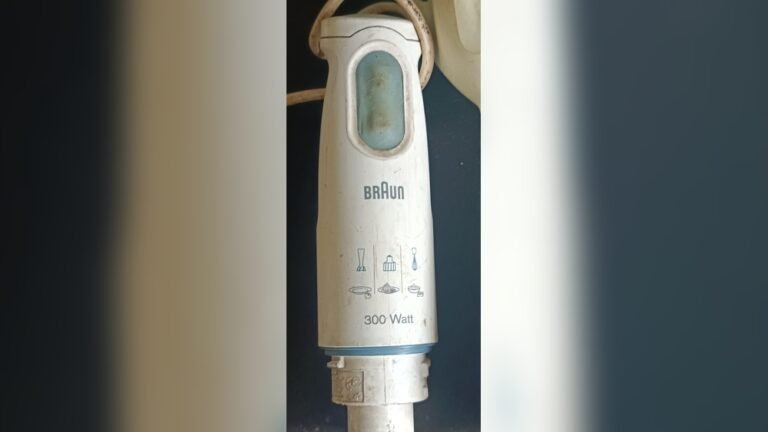
An immersion blender (also called a hand blender or stick blender) is a simple kitchen tool. It has a long handle with blades at the end. You hold it in your hand and dip the blades directly into a bowl, cup, or pot. Unlike traditional blenders, immersion blenders do not have a jar or container attached.
Key Features
- Portable and lightweight
- Easy to clean
- Fits in most kitchen drawers
- Works with different containers
Immersion blenders are popular for soups, sauces, and baby food. But can they handle the thick, cold, and chunky ingredients of a smoothie? This is the real test.
The Science Behind Smoothie Blending
Smoothies are made by blending fruits, vegetables, liquids, and often ice or frozen ingredients. The goal is a smooth, creamy texture. A good blender needs to break down tough fibers and blend everything evenly.
Why Texture Matters
If your blender is not strong enough, smoothies can be:
- Chunky or gritty
- Unevenly mixed
- Less enjoyable to drink
Immersion blenders are designed for softer foods. But they are getting better every year, with stronger motors and sharper blades. Let’s look at how they compare to countertop blenders.
Immersion Blender Vs. Countertop Blender: What’s Different?
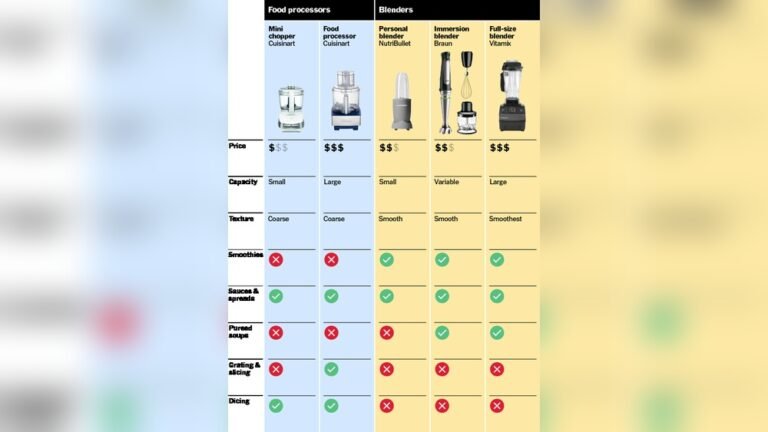
Most people think of countertop blenders when they make smoothies. These machines are powerful and have large jars. Immersion blenders are smaller and less powerful, but more flexible.
Here’s a comparison that shows the main differences:
| Feature | Immersion Blender | Countertop Blender |
|---|---|---|
| Motor Power | 100-300 watts | 300-1000+ watts |
| Capacity | Depends on container | 1-2 liters |
| Portability | High | Low |
| Cleaning | Easy | More parts to clean |
| Price Range | $20-$100 | $60-$300 |
| Best For | Soups, sauces, small batches | Smoothies, ice crushing, large batches |
Power Makes A Difference
The motor power is important. Countertop blenders usually have more than double the wattage. This lets them crush ice, blend frozen fruit, and make thick drinks. Immersion blenders are less powerful but can still blend soft ingredients well.
How Immersion Blenders Make Smoothies
Can you make a smoothie with an immersion blender? Yes, but there are a few key points to remember.
What Works Best
Immersion blenders are great for:
- Soft fruits: Bananas, berries, peaches, mango
- Leafy greens: Spinach, kale (chopped small)
- Liquid bases: Milk, yogurt, juice
- Protein powders: Mixes easily
What Can Be Challenging
They struggle with:
- Hard or frozen ingredients: Frozen berries, ice cubes
- Large chunks: Apples, carrots, raw beets
If you want a creamy smoothie with soft fruits and liquids, immersion blenders do the job. For thick, icy smoothies, you may need a countertop blender.
:max_bytes(150000):strip_icc()/sea-primary-immersion-blenders-sep-24-rkilgore-0658-89167e1e4bd44afb93d9c847674b09e4.jpeg)
Credit: www.seriouseats.com
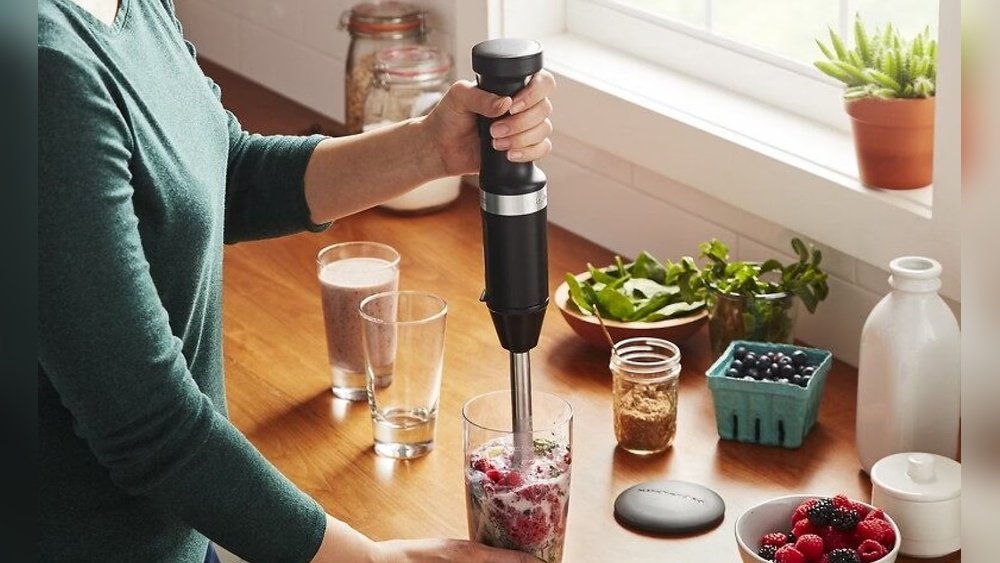
Step-by-step: Making A Smoothie With An Immersion Blender
Making a smoothie with an immersion blender is simple, but a few tricks make it even better. Here’s a step-by-step guide:
1. Choose Your Container
Pick a tall, narrow cup or pitcher. This helps ingredients move toward the blades for even blending.
2. Add Ingredients In Order
Start with liquids at the bottom. Then add soft fruits and vegetables. Put protein powders or seeds next. If using frozen fruit, let it thaw for 5-10 minutes.
3. Cut Ingredients Small
Slice fruits and vegetables into small pieces. This helps the immersion blender work better.
4. Blend In Short Bursts
Move the blender up and down slowly. Blend for 30-60 seconds. Pause and check the texture. If needed, blend again.
5. Check Texture And Add Liquid
If the smoothie is too thick, add more liquid and blend again.
6. Serve Right Away
Immersion blender smoothies are best enjoyed fresh.
Real-life Example: Immersion Blender Smoothie Recipe
Here’s a classic smoothie recipe you can try. It works well with immersion blenders.
Ingredients
- 1 banana (ripe, sliced)
- 1/2 cup strawberries (fresh or thawed, sliced)
- 1/2 cup yogurt (plain or flavored)
- 1/2 cup milk (or almond milk)
- 1 tablespoon honey (optional)
- 1 tablespoon chia seeds (optional)
Instructions
- Place the milk and yogurt in a tall cup.
- Add banana and strawberries.
- Sprinkle in chia seeds and honey.
- Insert the immersion blender and blend for 45 seconds.
- Move the blender up and down to mix evenly.
- Pour into a glass and enjoy.
Tip: If you want to add frozen fruits, let them sit at room temperature for 10 minutes. Slice them smaller for easier blending.

Credit: lifeboostcoffee.com
Advantages Of Using An Immersion Blender For Smoothies
There are many reasons to use an immersion blender for smoothies. Here are some benefits:
1. Easy Clean-up
Cleaning is fast. You only need to rinse the blender head and your cup. No big jars or blades to take apart.
2. Small Batch Friendly
You can make a smoothie for one person directly in your cup. This saves time and reduces waste.
3. Portable And Space-saving
Immersion blenders are light and fit in small kitchens. Great for apartments, dorm rooms, and RVs.
4. Quick To Use
No need to set up big machines. Just grab the blender and blend.
5. Affordable
Prices start at $20. Good for people on a budget.
6. Versatile
You can use it for soups, sauces, and other recipes too.
Limitations You Should Know
Immersion blenders are not perfect for every smoothie. Here are some limits:
1. Struggles With Ice And Frozen Ingredients
Most immersion blenders cannot crush ice or hard frozen fruit. The blades are smaller and motors less powerful.
2. Texture May Not Be Completely Smooth
If you use tough greens or seeds, the smoothie can be a bit gritty.
3. Small Batches Only
It’s hard to make large quantities at once. Blending works best in smaller cups or pitchers.
4. Not Ideal For Thick, Dense Smoothies
If you love thick, spoonable smoothies, immersion blenders may not give the same results as a countertop blender.
5. Risk Of Splashing
If you use a shallow container, the blender can splash. Always use a tall cup.
Immersion Blender Smoothie Tips: Getting The Best Results
You can improve your smoothies by following these tips:
- Let frozen fruit thaw before blending
- Cut everything small—smaller pieces blend easier
- Blend in a tall, narrow container for less splashing
- Add liquid first—milk, juice, yogurt
- Pulse, don’t blend nonstop—move blender up and down
- Don’t overload—blend in batches if needed
Non-obvious tip: Some immersion blenders have special attachments for smoothies. If yours does, use the smoothie cup or whisk accessory for better results.
Popular Immersion Blender Models For Smoothies
Not all immersion blenders are the same. Here are some models that work well for smoothies:
| Model | Power | Features | Approx. Price |
|---|---|---|---|
| Breville Control Grip | 280 watts | Ergonomic, blending cup | $90 |
| KitchenAid KHB2351 | 200 watts | Multiple attachments | $60 |
| Braun MultiQuick 5 | 350 watts | Turbo boost, splash control | $80 |
| Cuisinart CSB-179 | 300 watts | Variable speed, blending cup | $65 |
| Hamilton Beach 2-Speed | 200 watts | Simple, budget-friendly | $25 |
Experience-based tip: Models with higher wattage and splash control features blend smoothies better. Look for blending cups included, as they help avoid mess.
Comparing Smoothie Results: Immersion Vs. Countertop Blender
How do smoothie results compare between these two tools? Here’s a side-by-side look:
| Test Ingredient | Immersion Blender Result | Countertop Blender Result |
|---|---|---|
| Banana + Milk + Berries | Very smooth, creamy | Very smooth, creamy |
| Frozen Mango + Yogurt | Small chunks left unless thawed | Fully blended, no chunks |
| Ice Cubes + Fruit | Ice remains, uneven | Ice crushed, smooth |
| Raw Spinach + Fruit | Slightly gritty | Smooth, no grit |
| Seeds (Chia, Flax) | Some whole seeds remain | Seeds blended in |
Non-obvious insight: If you soak chia or flax seeds in liquid for 10 minutes before blending, immersion blenders can break them down better.
Common Mistakes When Using An Immersion Blender For Smoothies
Beginners often make these mistakes:
- Trying to blend ice or hard frozen fruit—this can damage the blades.
- Using a shallow bowl—causes splashing.
- Adding too many ingredients at once—leads to uneven blending.
- Not cutting ingredients small enough—makes blending harder.
- Over-blending—can make the smoothie too thin or heat it up.
If you avoid these mistakes, your smoothies will be much better.

Credit: food52.com
Practical Uses: Who Should Choose An Immersion Blender For Smoothies?
Immersion blenders are not for everyone. Here’s who benefits most:
- People living alone—easy to make a single serving
- Small kitchens or dorms—saves space
- Budget-conscious buyers—cheaper than full blenders
- Those who dislike cleaning big machines
- Travelers or RV owners—portable and light
If you make smoothies daily with hard or frozen ingredients, a countertop blender is better. But for quick, simple smoothies, immersion blenders are a good choice.
Health And Nutrition: Does The Blender Affect Smoothie Quality?
Some people worry that immersion blenders might not blend ingredients enough, leaving chunks. Does this change the nutrition?
Fact: The main nutrition comes from the ingredients themselves. If you blend fruits, greens, and seeds—even if a bit chunky—you still get the vitamins, fiber, and protein.
However, smoother texture can help with digestion. A fully blended smoothie is easier to swallow and may help your body absorb nutrients faster.
Statistic: According to the USDA, blending fruits and vegetables does not reduce their vitamin content. Texture is a matter of preference, not nutrition.
Cleaning And Maintenance: What’s Easier?
Cleaning is one of the biggest reasons people choose immersion blenders.
Cleaning Steps
- Detach the blender head
- Rinse under warm water
- Wash with soap if needed
- Dry and store
Countertop blenders need you to take apart the jar, blades, and seals. This takes more time and can be tricky.
Non-obvious tip: Some immersion blender heads are dishwasher safe. Check your manual for details.
Safety: Using Immersion Blenders Properly
Immersion blenders have sharp blades. Here are safety tips:
- Always unplug before cleaning
- Don’t touch the blades when plugged in
- Keep blender head under liquid while blending
- Use a tall container to avoid splashing
Experience-based advice: Hold the blender with one hand and the cup with the other for stability.
Environmental Impact: Which Blender Is Greener?
Immersion blenders use less electricity. Their motors are smaller and more efficient. They also last a long time if cared for.
Countertop blenders use more power and usually have bigger, heavier parts. If you want an eco-friendly kitchen, immersion blenders are a good choice.
Statistic: A typical immersion blender uses about 0.2 kWh per hour. A countertop blender can use up to 0.6 kWh per hour.
Price And Value: Is It Worth Buying An Immersion Blender For Smoothies?
Immersion blenders cost less than most countertop blenders. Prices start around $20 and go up to $100 for premium models.
What To Look For
- Power (watts): More power for tougher ingredients
- Attachments: Blending cups, whisks, choppers
- Splash control: Reduces mess
- Brand reputation: Look for reliable brands
Common mistake: Buying the cheapest model and expecting it to crush ice or hard frozen fruit. Invest in a mid-range model for better smoothie results.
User Reviews: What Do Real People Say?
People who use immersion blenders for smoothies often mention:
- “Easy to clean and store.”
- “Works well with bananas, berries, yogurt.”
- “Not great for frozen fruit unless you thaw first.”
- “Perfect for single servings.”
- “Wish it could crush ice, but still happy with results.”
Non-obvious insight: Some users blend fruit first, then add ice cubes separately to cool the smoothie without blending the ice.
Immersion Blender Smoothie Recipes For Beginners
Here are three simple recipes that work well with immersion blenders.
Berry Banana Smoothie
- 1 banana (sliced)
- 1/2 cup blueberries (fresh or thawed)
- 1/2 cup yogurt
- 1/2 cup almond milk
- Blend for 45 seconds.
Green Spinach Smoothie
- 1 cup spinach (chopped)
- 1/2 apple (peeled, chopped)
- 1/2 cup pineapple (fresh or thawed)
- 1/2 cup water
- Blend for 60 seconds.
Peach Mango Smoothie
- 1/2 cup peaches (fresh or thawed)
- 1/2 cup mango (fresh or thawed)
- 1/2 cup orange juice
- 1 tablespoon honey
- Blend for 45 seconds.
Tip: For all recipes, cut fruits small and thaw frozen ingredients for best texture.
How To Choose The Right Immersion Blender For Smoothies
Not all immersion blenders are equal. Here’s what matters most:
1. Motor Power
Look for models with at least 200 watts.
2. Blade Quality
Sharp, stainless steel blades blend better.
3. Container Compatibility
A tall, narrow cup helps avoid splashing.
4. Attachments
Some models have blending cups or whisks.
5. Splash Control
Special blade guards reduce mess.
6. Brand Reputation
Choose brands with good reviews.
7. Warranty
Longer warranty means less risk.
Non-obvious tip: If possible, test the blender before buying. Check how easy it is to hold and control.
Immersion Blender Maintenance: Keeping It Working Smoothly
A good immersion blender can last years if you care for it.
- Clean after every use
- Dry before storing
- Avoid blending very hard or frozen items
- Check for wear on blades
- Store in a safe place
Non-obvious insight: Regularly check the blade for nicks or dullness. A sharp blade makes smoother smoothies.
The Verdict: Is An Immersion Blender Good For Smoothies?
So, is an immersion blender good for smoothies? Here’s the bottom line:
- For soft, simple smoothies: Yes, immersion blenders are great.
- For thick, icy, or tough ingredient smoothies: Countertop blenders are better.
- For quick, single servings: Immersion blenders are perfect.
- For easy cleaning and storage: Immersion blenders win.
If you want to blend soft fruits, yogurt, and liquids, immersion blenders are a smart choice. They are affordable, easy to use, and clean up fast. If you want to crush ice or blend hard frozen fruit, invest in a countertop blender.
For more details on blender types and nutrition, see Wikipedia’s Blender Article.
Frequently Asked Questions
Can An Immersion Blender Crush Ice For Smoothies?
No, most immersion blenders cannot crush ice. Their motors and blades are not strong enough. Trying to blend ice can damage the blades. It’s best to use thawed fruit or add ice cubes after blending.
Is An Immersion Blender Good For Green Smoothies?
Yes, if you chop greens like spinach or kale small. The blender can handle soft greens and mix them well. For tougher greens or large amounts, a countertop blender gives smoother results.
How Do I Prevent Splashing When Making Smoothies With An Immersion Blender?
Use a tall, narrow container. Keep the blender head under the liquid while blending. Start at low speed, then increase if needed. Move the blender slowly up and down.
What Ingredients Work Best With Immersion Blenders For Smoothies?
Soft fruits (bananas, berries, peaches), yogurt, milk, and protein powders blend easily. Thawed frozen fruits and chopped greens also work well. Avoid hard or frozen chunks.
How Do Immersion Blenders Compare To Countertop Blenders For Smoothie Quality?
Immersion blenders make good smoothies with soft ingredients. Countertop blenders make smoother, thicker drinks and can handle ice or tough ingredients. Choose based on your needs and kitchen space.
Smoothie lovers can enjoy tasty drinks with an immersion blender—just choose your ingredients wisely and follow smart blending tips. If you keep your recipes simple and soft, you may never miss a countertop blender.