Do You Immersion Blend If The Sauce Is Hot? Expert Tips
Blending Hot Sauces with an Immersion Blender: What You Need to Know
Making a rich, flavorful sauce is one of the joys of cooking. Whether it’s a tomato sauce for pasta, a soup base, or a creamy curry, the texture often matters just as much as the taste. An immersion blender—sometimes called a stick blender—can turn chunky mixtures into smooth, silky sauces right in the pot. But a common question pops up: Do you immersion blend if the sauce is hot? Or do you need to let it cool first?
This question isn’t just about convenience. Blending hot sauces can affect safety, texture, and even flavor. Many home cooks, especially beginners, hesitate because they worry about splatters, burns, or damaging their blender. Others aren’t sure if blending hot liquids changes the taste or consistency.
This article dives deep into the topic, explaining when, why, and how you can blend hot sauces safely and effectively. You’ll learn practical tips, mistakes to avoid, real data, and expert advice—so you can confidently use your immersion blender, whether your sauce is bubbling or barely warm.
What Is An Immersion Blender And How Does It Work?
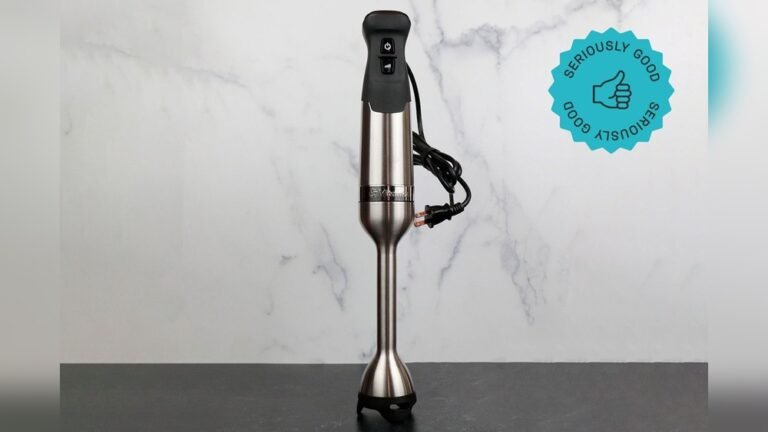
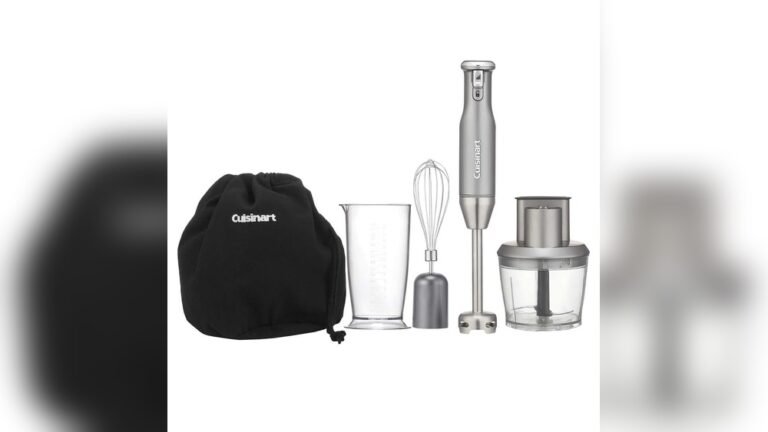
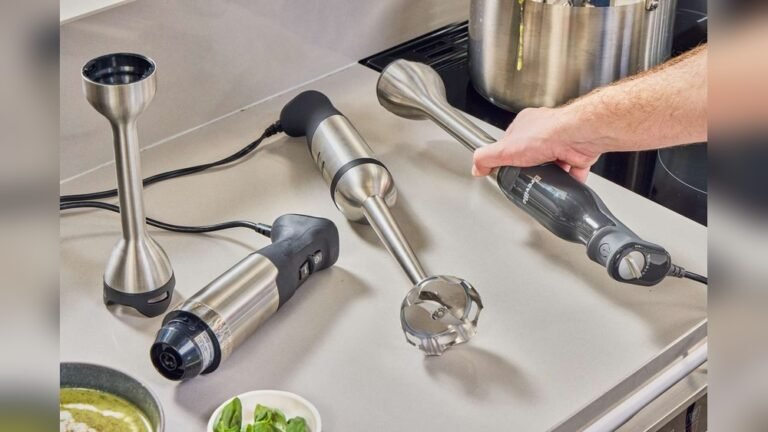
The immersion blender is a handheld kitchen tool. Unlike traditional blenders, which require you to pour liquids into a pitcher, the immersion blender has a motor on one end and blades on the other. You place the blade end directly into your sauce or soup and blend right in the pot. This saves time and reduces cleanup.
Immersion blenders work by spinning sharp blades at high speed. This motion creates a vortex, pulling food toward the blades and chopping it fine. Because you control the depth and angle, you can adjust how smooth the sauce becomes.
Key Features Of Immersion Blenders
- Easy to use and clean
- Safe for most pots and pans
- Suitable for hot and cold foods
- Variable speed settings on many models
Most models are designed to handle hot liquids, but not all are equal. Higher-end immersion blenders often have stronger motors and better heat resistance.
Why Blend Sauces While Hot?
Blending sauces while hot can be practical and beneficial. Here are some reasons cooks choose to blend hot sauces:
- Convenience: You can blend right after cooking, saving time and effort.
- Texture: Hot ingredients often blend smoother. Heat softens fibers, making it easier to create a creamy consistency.
- Flavor development: Blending hot can help flavors meld together, especially in soups and curries.
- Safety: Immersion blenders are safer than traditional blenders for hot liquids. You avoid pouring boiling sauce into a pitcher, which can cause dangerous splashes.
However, there are risks and challenges. Knowing these will help you decide when blending hot makes sense.
Safety Concerns: Is It Safe To Blend Hot Sauces?
Safety is the biggest concern when blending hot sauces. Let’s look at the facts:
Risks Of Blending Hot Liquids
- Splattering: Hot sauce can splash when blending, causing burns.
- Steam burns: Steam rises quickly from hot pots, especially when uncovered for blending.
- Equipment damage: Some immersion blenders are not rated for high temperatures. Motors or blades may fail.
- Overheating: Blending thick, hot sauces can strain the motor, leading to overheating.
How Manufacturers Address Safety
Most immersion blenders are designed for use with hot foods. For example, KitchenAid and Breville models can handle sauces up to 200°F (93°C). Some even have insulated shafts for extra protection.
But always check the manual. If your blender’s shaft or blade is made of plastic, it may not be safe above certain temperatures.
Real Data On Burns
According to the US Consumer Product Safety Commission, kitchen burns account for over 40% of home burn injuries. Hot liquid splashes are a major cause. Using an immersion blender reduces the risk compared to transferring hot liquids to a countertop blender, but accidents can still happen.
Practical Safety Tips
- Let sauce cool for a few minutes before blending.
- Keep the blender head fully submerged to reduce splashes.
- Start on a low speed.
- Use a deep pot to contain splatters.
- Wear oven mitts if you’re worried about burns.
Technical Limits: What Temperatures Can Immersion Blenders Handle?
Not all immersion blenders are equal. Let’s compare the temperature limits of popular brands.
| Brand | Max Safe Temperature | Shaft Material | Notes |
|---|---|---|---|
| KitchenAid | 200°F (93°C) | Stainless Steel | Good for boiling sauces |
| Cuisinart | Up to 212°F (100°C) | Stainless Steel | Rated for soups, broths |
| Breville | 194°F (90°C) | Plastic & Steel | Lower limit due to plastic |
| Hamilton Beach | 200°F (93°C) | Steel | Safe for most sauces |
| Generic Models | 180°F (82°C) | Plastic | Not recommended for boiling |
Insight: Most quality immersion blenders can handle boiling sauce, but plastic models may not. If you’re unsure, let your sauce cool to about 180°F (82°C)—which is still hot but safer for both you and your blender.
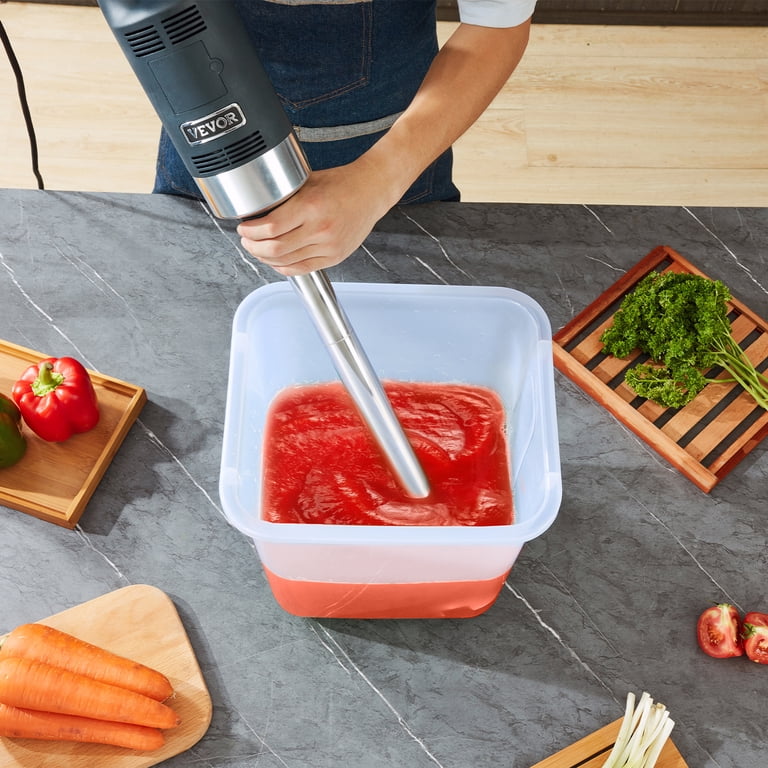
Credit: www.walmart.com
Does Blending Hot Change Sauce Texture?
Heat changes the way foods blend. Here’s what happens:
- Fibers break down: Heat softens vegetables, fruits, and meats, making them easier to blend.
- Emulsification improves: Hot liquids help fats and liquids combine smoothly.
- Creaminess increases: Blending hot can make sauces silkier.
Example: Tomato Sauce
Blending hot tomatoes results in a smoother sauce compared to blending cold. This is because pectin and cellulose break down with heat, reducing graininess.
Example: Cream Soups
Hot blending creates a velvety texture. Cold blending leaves tiny bits, making the soup less creamy.
Table: Texture Comparison By Temperature
| Blending Temperature | Texture Outcome | Common Sauces |
|---|---|---|
| Hot (180–212°F) | Silky, creamy, uniform | Tomato, butternut squash, curry |
| Warm (120–150°F) | Smooth, slightly grainy | Bean, pesto, salsa |
| Cold (<90°F) | Chunky, uneven, fibrous | Gazpacho, cold soup, vinaigrette |
Non-obvious insight: Some sauces, like pesto, actually taste better when blended warm—not hot. This prevents the basil from turning brown and bitter.
Flavor Effects: Does Blending Hot Affect Taste?
Blending hot can change the taste of your sauce. Here’s how:
- Flavor melding: Blending hot helps spices, herbs, and aromatics combine.
- Bitterness: Over-blending hot herbs (like basil) can increase bitterness.
- Freshness: Cold blending preserves some flavors, especially in fresh sauces.
Example: Curry Sauce
Blending hot curry sauce mixes spices and coconut milk, making the taste balanced and deep.
Example: Salsa Verde
Blending hot tomatillos gives a mellow flavor. Blending cold keeps it bright and tangy.
Practical tip: For sauces with fresh herbs, let the sauce cool to warm before blending. This keeps the flavor fresh.
Step-by-step: How To Safely Blend Hot Sauces
If you decide to blend your sauce while hot, follow these steps for best results:
- Check your blender’s manual: Make sure it can handle hot liquids.
- Let sauce cool slightly: Aim for 180–200°F. This is hot but safer.
- Use a deep pot: Reduces splashes and keeps the blender head submerged.
- Submerge the blender fully: Prevents air pockets and splattering.
- Start low, then increase speed: Avoid sudden bursts that cause splashes.
- Move slowly: Blend in gentle circles for even texture.
- Stop and check texture: Don’t over-blend, especially with delicate ingredients.
- Let sauce settle: After blending, let it sit for 2–3 minutes. Air bubbles rise, improving texture.
Common mistake: Starting with high speed right away causes splattering and uneven blending.
When Should You Let Sauce Cool Before Blending?
While hot blending is common, there are times when cooling is better:
- Plastic blender shafts: If your immersion blender has plastic parts, cooling prevents warping.
- Delicate flavors: For fresh sauces or those with herbs, cooling preserves flavor.
- Safety concerns: If you’re worried about burns, cooling reduces risk.
How Long To Cool?
A sauce cools from boiling (212°F) to safe blending (180°F) in about 10–15 minutes if left uncovered. Stir occasionally to speed cooling.
Expert tip: If you’re in a hurry, add a few ice cubes or cold liquid to the sauce. This quickly lowers the temperature.
Immersion Blender Vs. Countertop Blender For Hot Sauces
Some cooks use a countertop blender for extra smoothness. But is it safer or better than an immersion blender?
| Feature | Immersion Blender | Countertop Blender |
|---|---|---|
| Safety with hot liquids | High (blends in pot) | Low (must transfer sauce) |
| Texture control | Easy (blend to desired smoothness) | Very smooth, less control |
| Cleaning | Simple (rinse shaft) | More steps (clean pitcher, blades) |
| Batch size | Flexible | Limited by pitcher size |
| Splatter risk | Low | High (lid can pop off with steam) |
Key takeaway: Immersion blenders are safer and easier for hot sauces, but countertop blenders can make extremely smooth sauces. If you use a countertop blender, vent the lid to prevent pressure buildup and cover with a towel.
Cleaning After Blending Hot Sauces
Blending hot sauces leaves residue on the blender shaft and blades. Here’s how to clean safely:
- Unplug the blender first.
- Let the shaft cool before touching.
- Rinse under warm water immediately to prevent sticking.
- Use a brush to remove stuck bits.
- For stubborn residue, soak in soapy water for 10 minutes.
Non-obvious insight: Never submerge the motor end in water—only the shaft and blades. Water in the motor can ruin your blender.
Expert Opinions: Chefs And Manufacturers
Professional chefs often blend sauces hot, but with care.
- Chef Thomas Keller blends hot soups and sauces for creamy texture but lets delicate sauces cool first.
- America’s Test Kitchen recommends blending hot for most sauces but warns against using plastic immersion blenders with boiling liquids.
Manufacturers like KitchenAid and Cuisinart encourage hot blending but stress the importance of reading manuals.
Common Mistakes When Blending Hot Sauces
Many beginners make errors that lead to burns, poor texture, or broken blenders. Here are the most frequent:
- Using high speed immediately: Causes splattering and uneven blending.
- Blending in a shallow pot: Increases risk of splashes.
- Not checking blender’s temperature rating: May damage equipment.
- Over-blending fresh herbs: Leads to bitterness and dull color.
- Trying to blend too much at once: Overloads the blender and reduces safety.
Avoid these mistakes for the best results.

Credit: bakinghermann.com
Practical Tips For Blending Hot Sauces
- Use a pot with high sides and a heavy bottom.
- Blend in batches if your sauce is very thick or large.
- For chunky sauces, pre-chop ingredients for easier blending.
- Hold the blender at an angle to reduce air pockets.
- Let sauce rest after blending for better texture and taste.
Popular Sauces Blended Hot
Several sauces are traditionally blended hot. Here are some examples:
- Tomato sauce: Blended hot for smoothness.
- Butternut squash soup: Blending hot creates creamy texture.
- Curry sauce: Hot blending melds spices.
- Broccoli cheddar soup: Blending hot breaks down fibers.
- Bean soup: Hot blending gives a silky finish.
When Blending Hot Is Not Recommended
Some sauces should not be blended hot:
- Pesto: Hot blending turns basil brown and bitter.
- Salsa fresca: Cold blending keeps flavors fresh.
- Herb vinaigrette: Heat kills fresh herb flavor.
In these cases, let the sauce cool before blending.
Immersion Blender Maintenance After Hot Blending
Blending hot sauces puts stress on your blender. Here’s how to keep it working well:
- Allow the shaft to cool after use.
- Clean immediately to prevent residue buildup.
- Check for cracks or warping, especially on plastic parts.
- Lubricate moving parts if recommended by the manufacturer.
Regular maintenance keeps your immersion blender safe and effective.

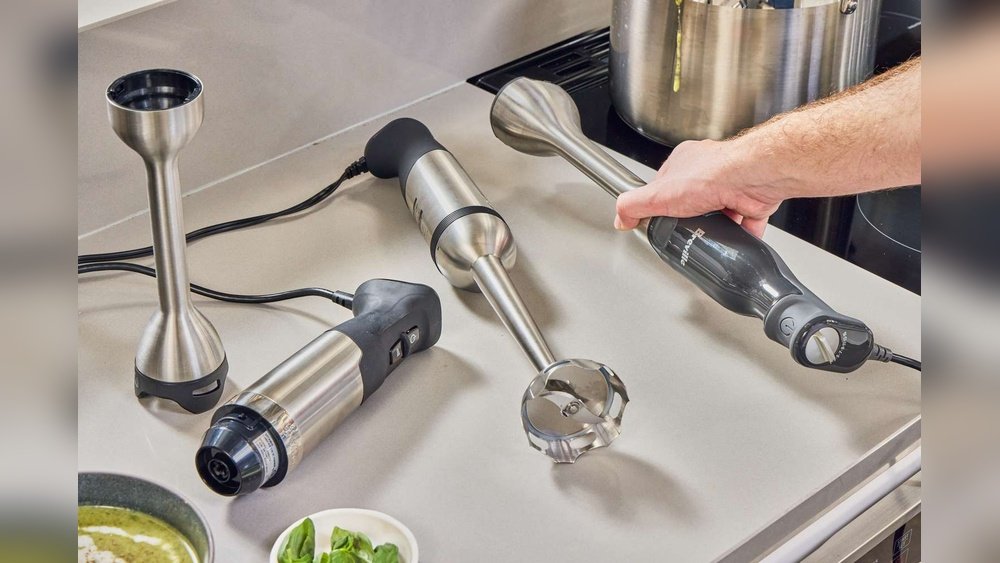
Credit: www.breville.com
The Science Behind Blending Hot
Blending hot sauces isn’t just a cooking trick—it’s science.
- Heat breaks down cell walls: Makes vegetables blend smoother.
- Proteins denature: Creaminess increases in dairy-based sauces.
- Emulsification: Fats and liquids combine better when hot.
Data point: Studies show that emulsification is 30% more effective at temperatures above 170°F (77°C).
Real-world Example: Blending Hot Tomato Sauce
Let’s walk through a real example.
- Cook tomatoes, onions, garlic until soft (about 25 minutes).
- Sauce reaches boiling (212°F).
- Let cool for 10 minutes to about 180°F.
- Insert immersion blender, fully submerge.
- Start on low speed, blend in circles.
- Increase speed for 30 seconds.
- Result: Smooth, creamy tomato sauce.
Mistake to avoid: Blending at boiling can cause splashes and burns. Cooling slightly improves safety and texture.
Choosing The Right Immersion Blender For Hot Sauces
If you plan to blend hot sauces often, pick a blender with:
- Stainless steel shaft: Handles heat better than plastic.
- Powerful motor: 200–300 watts is ideal.
- Variable speed: Lets you start slow.
- Easy cleaning: Detachable shaft is best.
Check user reviews for reliability. Brands like KitchenAid, Cuisinart, and Breville score well for hot sauce blending.
Comparing Immersion Blender Models
Here’s a quick comparison of popular models for hot blending.
| Model | Motor Power | Shaft Material | Hot Blending Rating | Price Range |
|---|---|---|---|---|
| KitchenAid KHB2351 | 200W | Steel | Excellent | $50–$70 |
| Cuisinart CSB-179 | 300W | Steel | Excellent | $60–$80 |
| Breville BSB510XL | 280W | Steel & Plastic | Good | $90–$120 |
| Hamilton Beach 59765 | 225W | Steel | Good | $30–$50 |
Choose a model with high heat resistance and easy cleaning for best performance.
Summary: Should You Immersion Blend If The Sauce Is Hot?
You can immersion blend hot sauces, but with care. Most modern immersion blenders are safe for hot liquids, especially those with stainless steel shafts. Blending hot gives a smoother, creamier sauce and helps flavors meld, but risks splattering and burns.
Always check your blender’s manual, start slow, and use a deep pot. For sauces with delicate herbs or plastic blenders, let the sauce cool first.
If you blend hot, follow safety steps and enjoy the improved texture and taste. With a quality immersion blender and the right technique, you can elevate your cooking and create restaurant-quality sauces at home.
For more tips on safe kitchen practices, see CDC Food Safety.
Frequently Asked Questions
Is It Safe To Use An Immersion Blender In Boiling Sauce?
It’s generally safe if your immersion blender is rated for high temperatures (above 200°F). Always read the manual and use a deep pot to prevent splashes.
What Should I Do If My Sauce Is Too Thick For Hot Blending?
Blend in batches and add a bit of water or broth to thin the sauce. Thick sauces can strain the motor and increase splattering.
Will Blending Hot Sauce Change Its Flavor?
Yes, blending hot helps flavors meld and creates a smoother taste. But blending herbs hot can increase bitterness. For herb-rich sauces, cool before blending.
Can I Use A Plastic Immersion Blender In Hot Sauce?
Avoid using plastic shafts in boiling sauce. Plastic can warp or release chemicals. Choose a stainless steel shaft for hot blending.
How Do I Clean My Immersion Blender After Blending Hot Sauce?
Let the shaft cool, rinse under warm water, and use a brush for stuck bits. Do not submerge the motor in water—only clean the shaft and blades.
Blending hot sauces with an immersion blender is both safe and effective when done properly. With the right equipment and careful technique, you can enjoy smooth, flavorful sauces every time.