Is An Immersion Blender The Same As A Food Processor? Key Differences
Is An Immersion Blender The Same As A Food Processor?
Many people love cooking at home, but choosing the right kitchen tools can be confusing. You might wonder if an immersion blender is just another name for a food processor. They both help you prepare food, but are they really the same? Understanding their differences is important, especially if you want to make your kitchen more efficient or avoid buying tools you don’t need.
This guide explores how immersion blenders and food processors work, their strengths and weaknesses, and which one is best for different tasks. You’ll get clear examples, practical advice, and useful comparisons to help you make smart choices. Whether you’re a beginner or someone looking to upgrade your kitchen, you’ll find answers to questions that most people miss.
Let’s make it easy to understand the real differences between these two popular kitchen tools.
What Is An Immersion Blender?
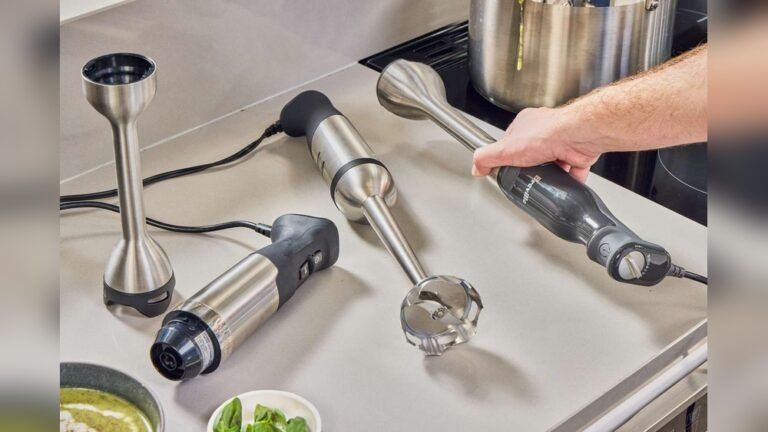
An immersion blender, also known as a stick blender or hand blender, is a small handheld device. It has a motor in the handle and a blade at the end. You hold it and dip the blade directly into your bowl, pot, or cup.
Key Features
- Handheld and lightweight: Easy to carry and use.
- Blade at the tip: Blends food in the container.
- Simple controls: Usually just on/off, sometimes speed settings.
- Easy cleaning: Most have detachable blades.
Immersion blenders are typically made with ergonomic handles, so you can grip them comfortably, even when blending for several minutes. Many models have a soft-touch surface, which makes them easy to hold even if your hands are wet or oily.
Some immersion blenders come with variable speed controls, allowing you to adjust the blending speed depending on the ingredients. For example, you can use a low speed to mix liquids gently, or a higher speed to puree tougher vegetables.
Typical Uses
Immersion blenders are great for tasks like:
- Blending soups: You can puree hot soup right in the pot.
- Making smoothies: Blend fruit and liquids in a glass.
- Mixing sauces: Create creamy or smooth sauces quickly.
- Whipping cream: Some models have whisk attachments.
Immersion blenders are also useful for making salad dressings. You can blend oil, vinegar, herbs, and spices in a mixing cup for a quick, fresh dressing. They are practical for making mayonnaise, where you need to blend egg yolks and oil slowly to get a creamy texture.
Practical Example
Imagine making tomato soup. After cooking the vegetables, you use the immersion blender to puree everything inside the pot. There’s no need to transfer hot soup to another device, which saves time and avoids spills.
Another example is preparing a milkshake. You can add ice cream, milk, and flavorings to a tall glass, then use the immersion blender to mix everything together. This method is fast and creates less mess compared to using a traditional blender.
Non-obvious Insight
Many people think immersion blenders can replace all other blenders. But they are not good for thick doughs or dry ingredients. Their design is best for liquids and soft foods.
A less obvious tip: If you want to blend a small amount, such as a single egg or a small cup of sauce, an immersion blender is more effective than a large blender. It lets you process directly in the container and gives you more control.
What Is A Food Processor?
A food processor is a countertop machine with a large bowl, lid, and different blades or discs. It’s designed for mixing, chopping, slicing, and even kneading.
Key Features
- Large bowl: Holds more food.
- Multiple attachments: Blades, discs, and sometimes dough hooks.
- Powerful motor: Handles tough ingredients.
- Safety locks: Prevents operation if not assembled correctly.
Food processors often have a feeding chute, which lets you add ingredients while the machine is running. This is useful for grating cheese or slicing cucumbers quickly. Some models have pulse functions, so you can control how finely ingredients are chopped.
The different blades and discs allow for a variety of cuts and textures. For example, you can use a slicing disc for thin potato slices, or a shredding disc for grated carrots.
Typical Uses
Food processors excel at:
- Chopping vegetables: Fast and uniform results.
- Making doughs: Kneads bread or pastry dough.
- Slicing and shredding: Cheese, carrots, potatoes, etc.
- Pureeing: Smooth hummus, dips, or nut butters.
Food processors are also used for making pesto, salsa, and spreads. You can use the S-blade to combine ingredients for quick dips, or mix flour and butter for pie crusts.
Some people use food processors to grind nuts into flour, or pulse oats for homemade granola bars. They are helpful for making energy balls, where you need to chop dates, nuts, and seeds into small pieces.
Practical Example
Suppose you want to make coleslaw. You put cabbage and carrots in the food processor, and use the slicing or shredding disc. The vegetables are cut quickly and evenly, saving you from manual chopping.
Another real-life example is preparing pizza dough. You place flour, yeast, and water in the processor, attach the dough blade, and let the machine knead for a few minutes. This saves effort and ensures a consistent dough texture.
Non-obvious Insight
Food processors can process dry foods and thick mixtures, which is hard for most immersion blenders. Many beginners don’t realize that food processors can also help with prepping ingredients—like slicing onions or shredding cheese—even if you don’t need to blend.
One extra benefit: You can use the food processor to quickly chop herbs or nuts for garnishes, which can be time-consuming with a knife.

Credit: www.youtube.com
How Do Immersion Blenders And Food Processors Differ?
It’s easy to confuse these tools because both help with food preparation. But their differences are clear when you look at their design, function, and results.
Main Differences
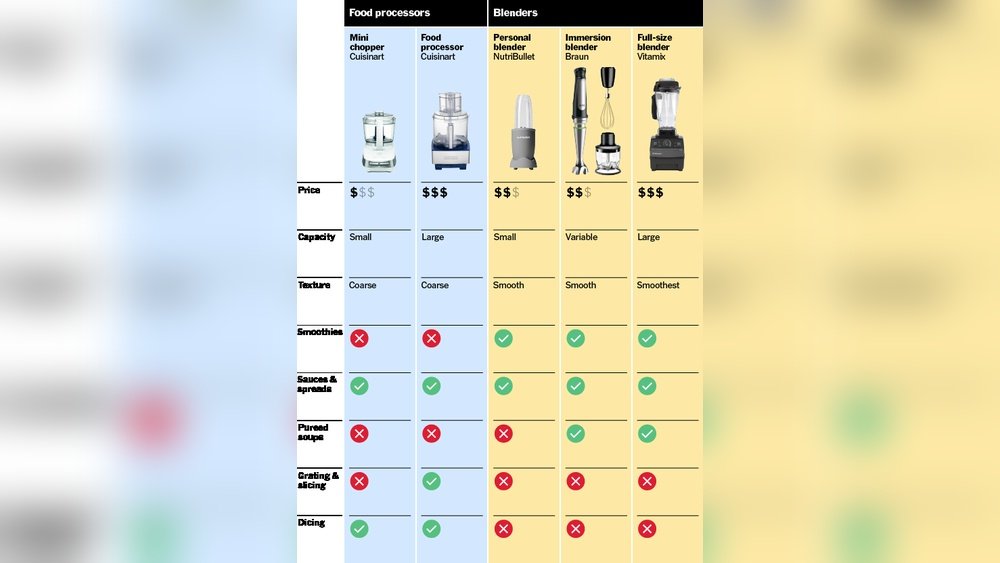
| Feature | Immersion Blender | Food Processor |
|---|---|---|
| Design | Handheld, compact | Countertop, bowl-based |
| Best for | Liquids, soups, sauces | Chopping, slicing, doughs |
| Capacity | Small batches | Large quantities |
| Cleaning | Easy, fewer parts | More parts to clean |
| Control | Manual, direct | Automatic, pre-set |
Functionality
Immersion blenders are perfect for blending liquids right where they are cooked. Food processors are better for preparing solid ingredients, like chopping onions or making dough.
Immersion blenders rely on you to move the blender around in the pot, which gives you control over how smooth the mixture becomes. Food processors, however, process everything in their own bowl and can handle large batches at once.
Common Mistake
Some people buy an immersion blender hoping to chop vegetables or knead dough. These tasks are difficult, or even impossible, for immersion blenders. Their blades and motors are designed for softer foods and liquids.
Another mistake is thinking a food processor can easily make smoothies. While it can process fruits, it usually does not blend liquids as smoothly, especially if you want a creamy, fine texture.
Which Is Better For Specific Tasks?
Choosing between an immersion blender and a food processor depends on what you want to do. Here are some typical kitchen tasks and which tool works best for each:
Soup And Sauce
- Immersion Blender: Excellent for pureeing hot soup or making smooth sauces. You can blend directly in the pot, which saves time.
- Food Processor: Possible, but you must transfer hot liquid into the processor bowl. This is less convenient and can be messy.
You can use an immersion blender for tomato sauce, cream-based soups, or even mashed potatoes. If you want a chunky soup, blend only part of the mixture. For sauces, it helps achieve a silky texture.
Chopping Vegetables
- Immersion Blender: Not suitable. The blade is too small and doesn’t chop evenly.
- Food Processor: Ideal. It chops vegetables quickly and evenly.
If you need diced onions, chopped carrots, or sliced cucumbers, the food processor saves you time. It also reduces the risk of cutting yourself with a knife.
Making Dough
- Immersion Blender: Not recommended. The motor is not powerful enough, and the blade isn’t designed for thick doughs.
- Food Processor: Excellent. Many food processors have special dough blades.
Food processors can handle bread dough, pizza dough, or pie crust. The dough blade mixes and kneads ingredients without overworking them.
Whipping And Mixing
- Immersion Blender: Good for whipping cream or mixing light batters if there is a whisk attachment.
- Food Processor: Good for mixing and combining ingredients, but not as convenient for whipping.
For whipped cream, an immersion blender with a whisk attachment makes it fast and easy. For cake batters, a food processor can mix ingredients, but it might not whip as much air into them.
Slicing And Shredding
- Immersion Blender: Cannot slice or shred.
- Food Processor: Designed for these tasks with special discs.
Food processors slice potatoes for gratin, shred carrots for salad, or grate cheese for pizza. These tasks are hard to do by hand and impossible with an immersion blender.
Making Smoothies
- Immersion Blender: Works well for single servings.
- Food Processor: Can make smoothies, but not as smooth as a blender.
An immersion blender can process frozen fruit and yogurt in a tall glass. Food processors can mix ingredients but may leave chunks unless you add more liquid.
Pros And Cons Of Each Tool
Understanding the strengths and weaknesses of each tool can help you decide which to buy.
Immersion Blender
Pros:
- Compact and easy to store
- Blends hot liquids safely
- Simple to clean
- Lower price
Cons:
- Not good for hard or dry foods
- Limited to blending and mixing
- Less power
Immersion blenders are portable and can be used directly in cookware, which is useful if you have limited space or want to avoid extra dishes.
Food Processor
Pros:
- Versatile: Chops, slices, shreds, blends, kneads
- Handles large amounts
- Powerful motor
Cons:
- Takes up more space
- More parts to clean
- Can be expensive
Food processors are more suited for batch cooking and meal prep. They save a lot of time for families and frequent cooks.
Data: Popularity And Usage
According to a survey by Statista, 34% of US households own a food processor, while 22% own an immersion blender. This shows food processors are more common, possibly because of their versatility.
A non-obvious insight: In smaller households or among people who cook simple meals, immersion blenders are more popular. Food processors are favored in households that bake or cook large meals often.
Real-life Examples Of Usage
To help you see the differences, here are two real kitchen scenarios:
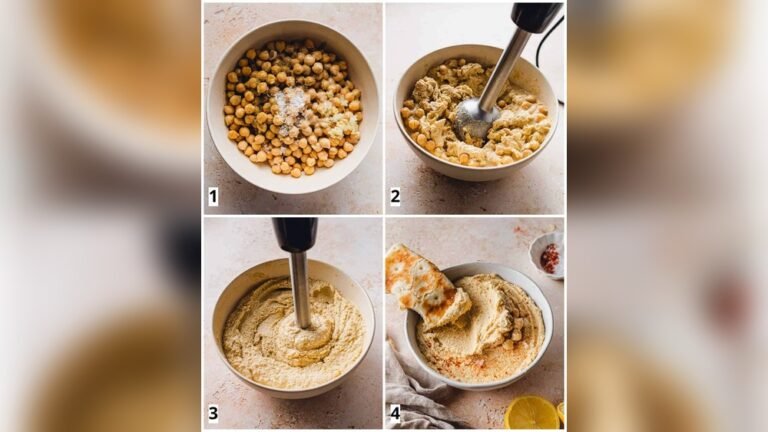
Example 1: Making Hummus
You want to make hummus from chickpeas. You need to blend chickpeas, olive oil, lemon juice, and tahini into a smooth paste.
- Food Processor: Place all ingredients in the bowl, attach the S-blade, and blend until smooth. The processor handles thick mixtures well.
- Immersion Blender: You can use it if the mixture is soft and moist, but it may struggle with thick or dry chickpeas.
If your chickpeas are not fully cooked and soft, the immersion blender will have trouble blending them. The food processor can handle firmer ingredients because its motor is stronger.
Example 2: Preparing Vegetable Soup
You cook a big pot of vegetable soup and want it creamy.
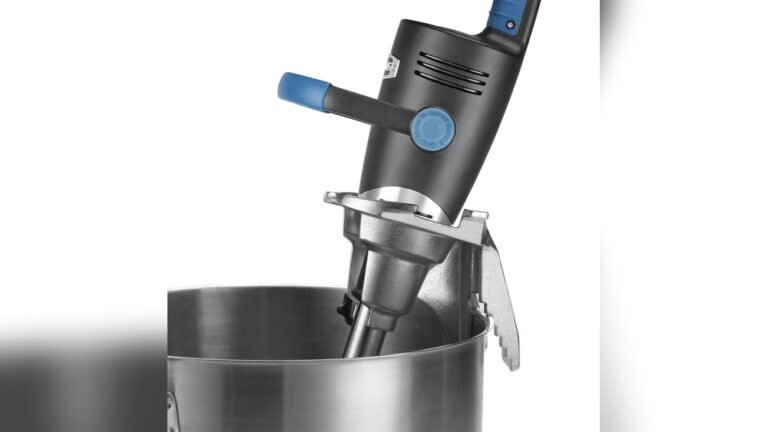
- Immersion Blender: After cooking, you blend directly in the pot. This saves time and avoids transferring hot soup.
- Food Processor: You must cool the soup, transfer it in batches to the bowl, and blend. This takes more time and risks spills.
Immersion blenders are safer for hot liquids, as traditional blenders and food processors can splash if not sealed properly.
Choosing The Right Tool For Your Kitchen
So, which tool should you buy? It depends on your cooking style, kitchen space, and budget.
Key Factors To Consider
- Type of food you prepare: If you often cook soups and sauces, an immersion blender is more useful. If you love salads, baked goods, or meal prep, a food processor is better.
- Kitchen space: Immersion blenders are small and easy to store. Food processors need more space.
- Budget: Immersion blenders are cheaper, usually $20–$60. Food processors range from $80–$300.
- Cleaning: If you dislike cleaning, immersion blenders are easier to wash.
Also, consider how often you cook. If you cook daily and prepare complex meals, a food processor pays off. If you only need to blend occasionally, an immersion blender is enough.
Common Buyer Mistake
Some buyers choose based only on price, thinking a cheaper tool will do everything. But a $30 immersion blender won’t replace a food processor for chopping or slicing.
Another mistake is buying a large food processor when you only cook for yourself. It might take up space and rarely get used.
Can They Replace Each Other?
It’s tempting to think you can buy just one tool and skip the other. But their functions are different.
When Can An Immersion Blender Replace A Food Processor?
- If your main goal is blending soups, sauces, and smoothies.
- If you rarely need to chop, slice, or knead.
Immersion blenders are perfect for students, small kitchens, or anyone who mostly cooks simple meals.
When Can A Food Processor Replace An Immersion Blender?
- If you do a lot of meal prep, baking, or need to chop large amounts.
- If you don’t mind transferring liquids for pureeing.
Food processors are more useful for families or people who want to prepare food in bulk.
Limitations
Neither tool fully replaces the other. For example, an immersion blender can’t knead dough, and a food processor can’t blend hot soup directly in the pot.
Some tasks, like making nut butter or grinding spices, are easier in a food processor. For pureeing baby food or hot soup, an immersion blender is safer and faster.
Attachments And Accessories
Many modern immersion blenders and food processors come with extra attachments. These can increase their usefulness, but also add complexity.
Immersion Blender Attachments
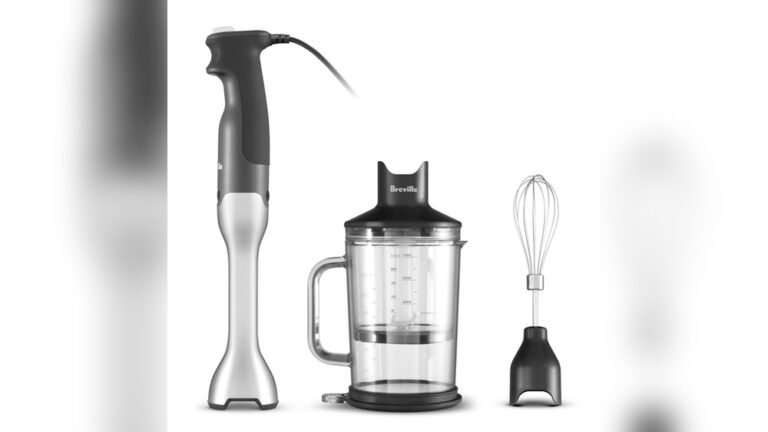
Some models include:
- Whisk: For whipping cream or eggs.
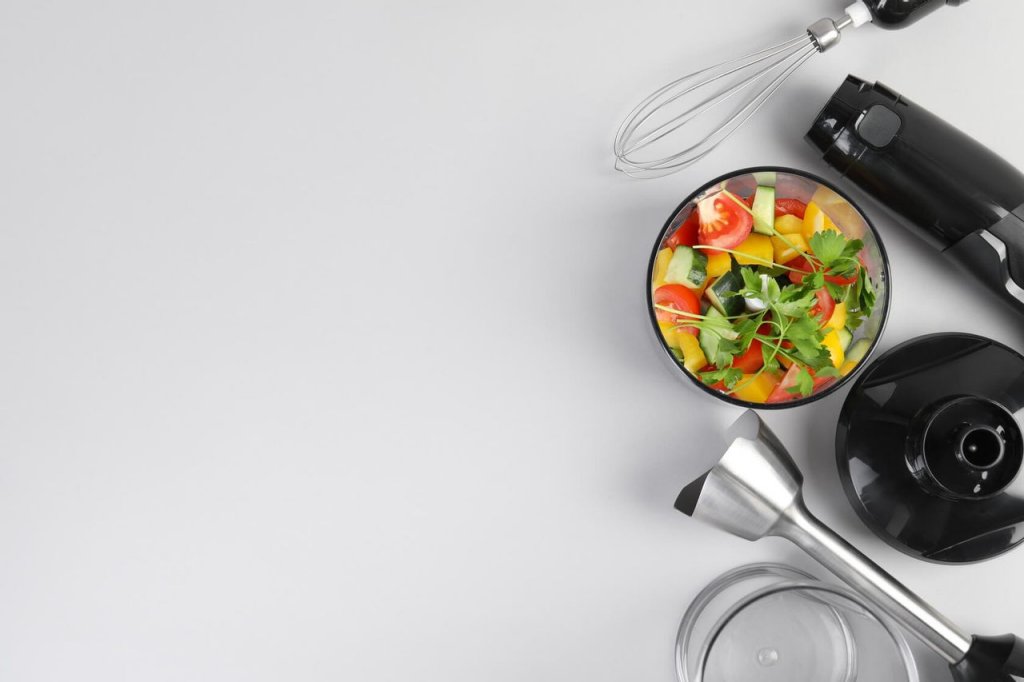
- Chopper bowl: For small chopping tasks.
- Beaker: For blending drinks.
However, these accessories have limited capacity compared to a food processor.
Some immersion blenders even include a mini food processor attachment, which can chop small quantities of nuts or herbs. While handy, these are not as powerful or large as a true food processor.
Food Processor Attachments
Common accessories:
- Dough blade: For kneading.
- Slicing discs: For thin or thick slices.
- Shredding discs: For cheese or vegetables.
These attachments make the food processor more versatile, but also require more cleaning and storage.
Some high-end food processors include juicer attachments, citrus presses, or extra bowls for different tasks. Before buying, check which accessories are included and which ones you might actually use.
Cleaning And Maintenance
Cleaning is an important factor. If a tool is hard to clean, you might avoid using it.
Cleaning An Immersion Blender
- Most have detachable blades.
- Rinse immediately after use to prevent food from sticking.
- Some parts are dishwasher safe.
You can clean an immersion blender by blending soapy water in a cup, then rinsing. This is quick and effective.
Cleaning A Food Processor
- Bowl, lid, and blades must be washed.
- Food can get stuck in crevices.
- Takes more time, especially after kneading dough.
For sticky foods, like dough or nut butter, the processor bowl may need scrubbing. Some food processors have dishwasher-safe parts, but always check the manual.
Data: Cleaning Time
A typical immersion blender takes 2–3 minutes to clean. A food processor takes 6–10 minutes, depending on attachments.
A practical tip: Clean the food processor immediately after use. Dried food is much harder to remove and can damage the blades.

Credit: www.breville.com
Safety And Usage Tips
Both tools are safe if used correctly, but there are risks.
Immersion Blender Safety
- Always unplug before cleaning.
- Keep fingers away from the blade.
- Do not operate in empty containers.
If the blade spins without food, it can overheat or damage the motor. Always make sure the blade is fully immersed in liquid or soft food.
Food Processor Safety
- Do not operate without the lid.
- Blades are sharp—handle with care.
- Use the pusher tool when adding ingredients.
Never put your hands in the bowl while the processor is running. Use the pusher for safety.
Non-obvious Tip
Never immerse the motor part of an immersion blender in water. Only clean the detachable blade and shaft.
For food processors, avoid washing the motor base. Wipe it with a damp cloth instead.
Cost Comparison
Price is often a deciding factor. Here’s how the costs compare:
| Tool | Entry Price | Mid-range | High-end |
|---|---|---|---|
| Immersion Blender | $20 | $40–$60 | $100+ |
| Food Processor | $80 | $120–$200 | $300+ |
Value For Money
Immersion blenders offer good value for simple tasks. Food processors are more expensive but give you more functions.
If you only need to blend soups, an immersion blender is enough. For meal prep, baking, or larger batches, a food processor is worth the investment.
Space And Storage
Kitchen space is often limited. Here’s how each tool fits in your kitchen:
Immersion Blender
- Fits in a drawer or small cupboard.
- Easy to move and store.
Immersion blenders are also lightweight, so you can take them to another room or even travel with them.
Food Processor
- Needs counter space or a large cupboard.
- Heavy and bulky.
Some food processors have cord storage or stackable parts, but they still require a dedicated space.
Non-obvious Insight
If you live in a small apartment, an immersion blender is more practical. But if you have a big kitchen and cook often, a food processor is worth the space.
If you have limited counter space, consider a compact food processor model. They are smaller but still perform many tasks.
Nutrition And Food Quality
These tools can affect the texture and nutrition of your food.
Immersion Blender
- Blends ingredients finely, making soups and smoothies smoother.
- Good for baby food and purees.
- Does not heat food, preserves vitamins.
Immersion blenders help you make healthy meals quickly, as you can blend cooked vegetables for a nutritious soup or smoothie.
Food Processor
- Chops and slices without crushing.
- Good for salads and prep, keeps texture.
- Can help with meal planning and healthy eating.
Food processors let you prep vegetables for salads, which encourages healthier eating. You can also make nut butters or energy bars at home.
Example
Making salsa in a food processor gives you chunky, fresh texture. Using an immersion blender makes it too smooth, changing the taste and look.
If you want a creamy soup, use the immersion blender. If you want a crunchy salad, use the food processor.
Environmental Impact
Kitchen appliances use electricity and materials. Here’s how immersion blenders and food processors compare:
Power Usage
Immersion blenders use less power—usually 200–500 watts. Food processors use more—500–1200 watts.
If you cook often, the energy savings add up. Immersion blenders are better for quick, small tasks.
Material And Longevity
Both use plastic and metal parts. Food processors usually last longer but are harder to recycle.
Immersion blenders are easier to repair or recycle, as they have fewer parts.
Practical Tip
Choosing quality tools and using them often reduces waste. Avoid buying cheap models that break quickly.
Look for products with good warranties and replaceable parts.
Technology And Innovations
Modern kitchen tools are improving every year. Here are some recent innovations:
Immersion Blender
- Cordless models: Rechargeable batteries make them portable.
- Variable speed: More control over blending.
- Smart controls: Some models adjust speed automatically.
Cordless immersion blenders are useful for outdoor cooking or parties. Some models have LED displays or digital timers.
Food Processor
- Digital displays: Easier to set speed and time.
- Improved blades: Sharper, more durable.
- Quieter motors: Less noise in the kitchen.
Some food processors now have touch controls and auto-clean functions. They are quieter, so you can cook without disturbing others.
Example
A cordless immersion blender can make smoothies anywhere, even outside. A modern food processor can slice vegetables for a salad in seconds, with less mess.
Popular Brands And Models
Knowing which brands are trusted can help you make a good choice.
Immersion Blender Brands
- Braun: Known for durability.
- KitchenAid: Stylish and reliable.
- Cuisinart: Good value.
Braun immersion blenders are strong and last many years. KitchenAid offers colorful models with strong motors. Cuisinart immersion blenders are affordable but still reliable.
Food Processor Brands
- Cuisinart: Popular for home use.
- Breville: High-end, powerful.
- Hamilton Beach: Affordable models.
Cuisinart food processors are widely used and have many attachments. Breville is known for powerful motors and advanced features. Hamilton Beach makes good entry-level models.
Non-obvious Insight
Some brands offer both tools. You can compare their quality and see which fits your needs best.
If you already have a good immersion blender from a brand, check their food processor models—they might match in quality.
Using Both Tools Together
Some kitchens have both an immersion blender and a food processor. They can work together, making cooking easier.
Example: Meal Preparation
- Use the food processor to chop vegetables for a stew.
- Cook the stew, then use the immersion blender to blend some of it for a creamy texture.
Another example: Use the food processor to knead dough for bread, then use the immersion blender to blend fruit for jam.
Practical Advisor Tip
If you cook for a family, having both tools saves time. Use the food processor for prep and the immersion blender for finishing.
It’s also helpful for parties or meal prep days. You can process large amounts with the food processor and finish dishes with the immersion blender.
Credit: www.breville.com
Summary: Are They The Same?
An immersion blender and a food processor are not the same. They have different designs, functions, and best uses. An immersion blender is best for blending liquids and purees, while a food processor is great for chopping, slicing, and kneading.
Most kitchens benefit from having both, but you can choose based on your cooking style, space, and budget. It’s important to understand their limits to avoid disappointment.
If you want more information about kitchen appliances, you can check Wikipedia’s food processor page.
Frequently Asked Questions
What Is The Main Difference Between An Immersion Blender And A Food Processor?
The main difference is in their design and function. Immersion blenders are handheld and work best for blending liquids directly in the pot or bowl. Food processors are countertop machines with a large bowl and different blades, used for chopping, slicing, and kneading solid foods.
Can I Use An Immersion Blender To Chop Vegetables Like A Food Processor?
No, immersion blenders are not suitable for chopping hard vegetables. Their blades are designed for blending soft foods or liquids. Food processors are better for chopping vegetables quickly and evenly.
Is It Possible To Knead Dough With An Immersion Blender?
You cannot knead dough with an immersion blender. The motor is not strong enough, and the blade is not designed for thick mixtures. For kneading dough, a food processor with a dough blade is the right tool.
Which Is Easier To Clean, An Immersion Blender Or A Food Processor?
Immersion blenders are easier to clean because they have fewer parts. You only need to clean the detachable blade and shaft. Food processors have bowls, lids, and blades that take more time to wash.
Are Immersion Blenders And Food Processors Interchangeable For Making Smoothies?
Both can make smoothies, but immersion blenders are better for single servings and liquids. Food processors can make smoothies but may not blend as smoothly. For thick, creamy smoothies, an immersion blender or a traditional blender works best.
By understanding these differences, you can choose the right tool for your kitchen and enjoy cooking with less stress and more success.