What To Make With Immersion Blender: 15 Easy Recipes to Try
If you own an immersion blender, you might wonder what it can really do. This small kitchen tool is often called a “stick blender” or “hand blender.” It looks simple, but it offers great power and flexibility. Many people only use it for soups, but an immersion blender can help make smoothies, sauces, desserts, and even homemade mayonnaise. It saves time and space compared to traditional blenders, and cleanup is much easier.
This article is your practical guide to unlocking the full potential of your immersion blender. You’ll discover recipes, cooking techniques, and ideas that go far beyond pureeing soup. We’ll explore how to use it for breakfast, lunch, dinner, and even snacks.
You’ll also learn about common mistakes, smart tips, and the best ways to get smooth, tasty results. Whether you’re new to kitchen gadgets or looking for creative ways to use your immersion blender, this guide will help you cook smarter and faster.
Understanding The Immersion Blender
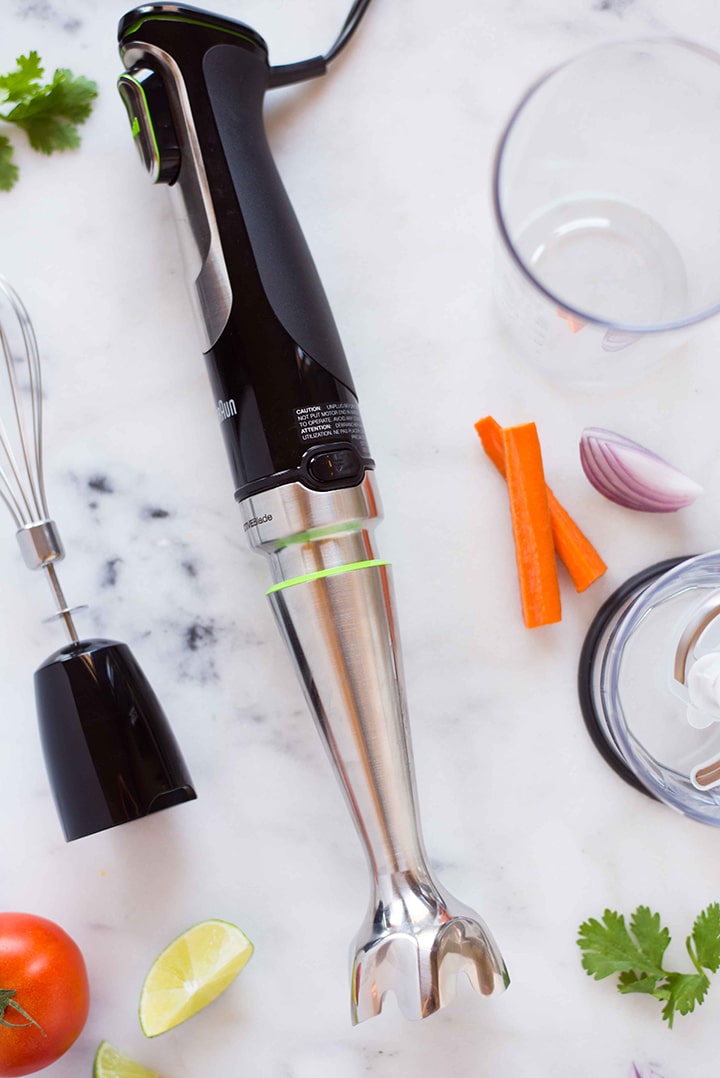
The immersion blender is a handheld kitchen tool with a blending blade at the end. You hold it directly over your food, press a button, and it blends right inside the bowl, pot, or cup. This makes it different from a traditional countertop blender, which has a fixed container.
Key Features And Benefits
- Portability: Easy to move around and store.
- Ease of Cleaning: You can wash the blade and shaft quickly.
- Versatility: Blends, purees, whips, and chops.
- Control: You decide how smooth or chunky your food becomes.
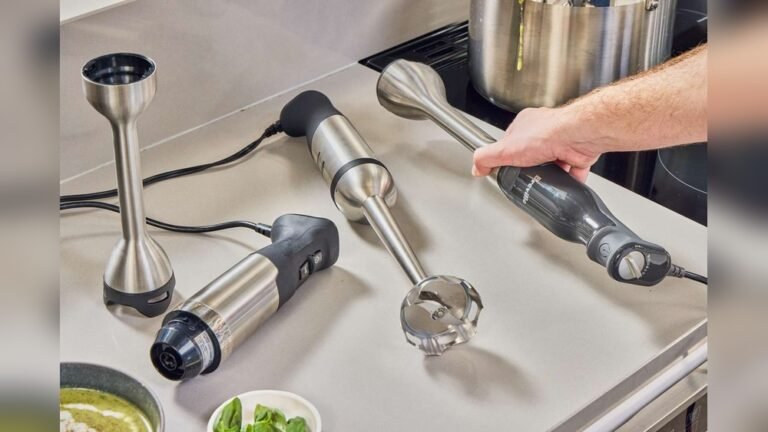
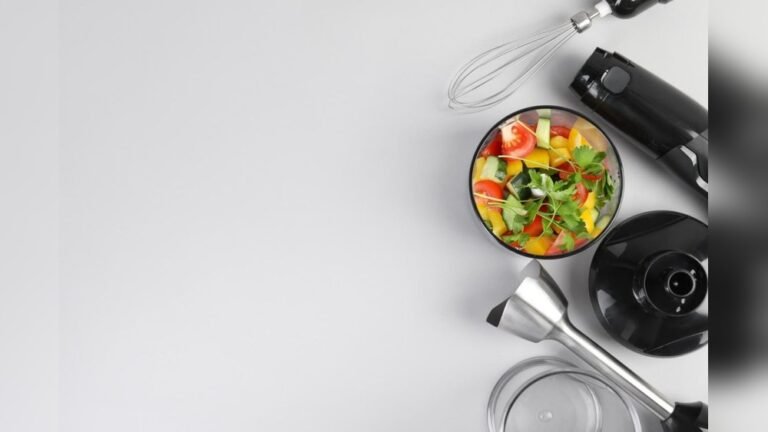
Common Attachments
Some immersion blenders come with extra attachments:
- Whisk: For whipping cream or eggs.
- Chopper: For chopping nuts, herbs, and vegetables.
- Beaker: For blending smoothies or shakes.
Real-world Stats
According to a 2026 kitchen gadget survey, immersion blenders are used by 62% of home cooks in the US. Most people use them for soup, but 41% use them for smoothies, and 28% try sauces and dips.
What Can You Make With An Immersion Blender?
Your immersion blender can help you create many dishes. Here are the most popular and practical options, organized by meal and food type.
Smooth Soups And Purees
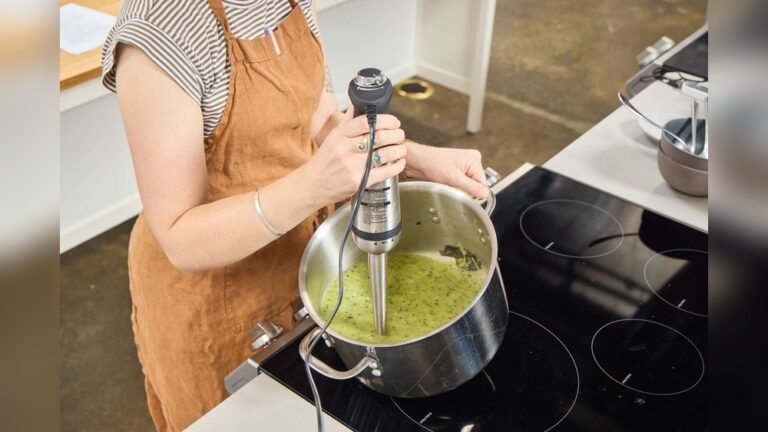
Immersion blenders are famous for turning chunky vegetables into creamy soups. You simply cook your veggies in a pot, then blend them right there.
Examples
- Tomato soup
- Pumpkin soup
- Potato leek soup
- Cauliflower puree
Practical Steps
- Cook vegetables and broth in a pot.
- Lower the immersion blender into the pot.
- Blend until smooth, moving the blender around.
- Taste and adjust seasoning.
Non-obvious Insight
Don’t fill the pot too high. Hot liquid can splash when blending. Start with the blender at the bottom, then move slowly upward.
Fresh Smoothies And Milkshakes
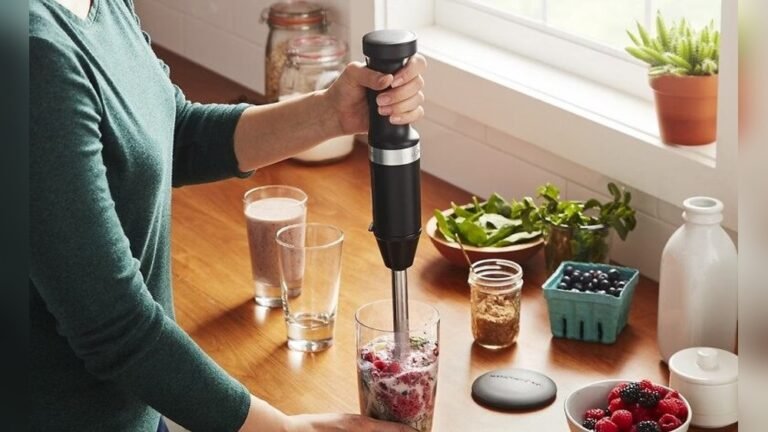
An immersion blender makes quick work of smoothies and shakes. You can blend directly in a tall glass or the provided beaker.
Favorite Recipes
- Banana strawberry smoothie
- Mango lassi
- Chocolate milkshake
Practical Steps
- Add fruit, milk, yogurt, or ice to your glass.
- Insert the immersion blender.
- Blend for 30–60 seconds until creamy.
Pro Tip
Frozen fruit blends best if you let it thaw for a few minutes. This reduces strain on the motor and makes the drink smoother.
Homemade Sauces And Dressings
You can create silky sauces and emulsified dressings easily.
Examples
- Mayonnaise (egg, oil, lemon juice)
- Caesar dressing
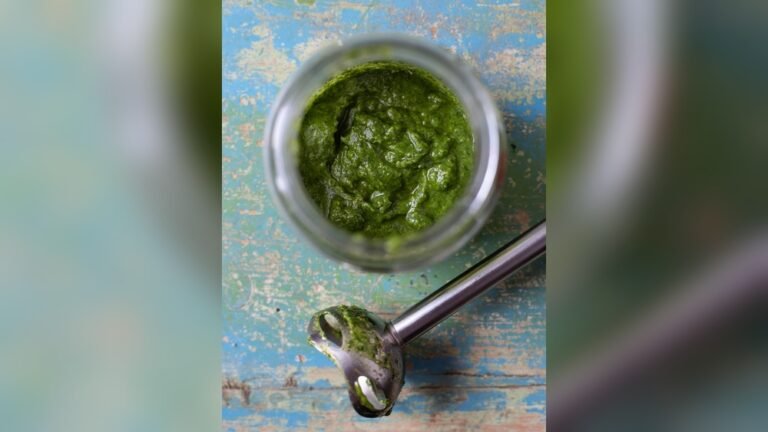
- Pesto
- Hollandaise sauce
How-to
- Place ingredients in a jar or cup.
- Use the immersion blender, starting at the bottom.
- Blend until thick and creamy.
Beginner Mistake
Don’t use a wide bowl. For best results, use a narrow jar. This helps ingredients mix evenly, especially for mayonnaise.
Whipped Cream And Dessert Toppings
With the whisk attachment or regular blade, you can make whipped cream fast.
Steps
- Chill heavy cream in the fridge.
- Pour cream into a mixing cup.
- Blend with the whisk or blade.
- Stop when soft peaks form.
Non-obvious Insight
For best results, chill the cup and blades first. Cold tools help cream whip faster.
Dips, Spreads, And Salsas
You can make smooth or chunky dips in minutes.
Popular Choices
- Hummus
- Guacamole
- Bean dip
- Salsa verde
How-to
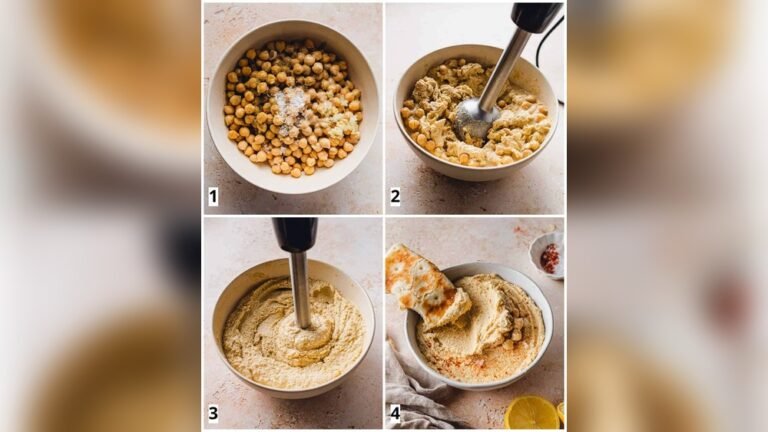
- Place all ingredients in a bowl or jar.
- Blend for a few seconds for chunky texture.
- Blend longer for a smooth spread.
Practical Example
For hummus: Blend chickpeas, tahini, lemon juice, olive oil, and garlic. Adjust blending time for your preferred texture.
Baby Food
Immersion blenders are perfect for pureeing vegetables, fruits, and meats for baby food.
Steps
- Cook or steam ingredients.
- Place in a bowl or jar.
- Blend until smooth.
Pro Tip
You can make large batches and freeze portions for later. Label containers with date and contents.
Pancake And Waffle Batter
Mixing batter is easier and faster with an immersion blender.
Steps
- Add flour, eggs, milk, and baking powder to a bowl.
- Blend until smooth.
- Pour directly onto the griddle or waffle iron.
Beginner Mistake
Don’t overblend. Stop when the mixture is just combined to avoid tough pancakes.
Nut Butters And Spreads
With a powerful immersion blender, you can make nut butters.
Steps
- Roast nuts (optional).
- Place in a narrow jar.
- Add a little oil.
- Blend until smooth.
Pro Tip
Let nuts cool before blending. Warm nuts release oil faster, making a smoother spread.
Salsas And Salad Dressings
For fresh salsa or vinaigrettes, the immersion blender is ideal.
- Blend tomatoes, onions, chili, and cilantro for salsa.
- Blend olive oil, vinegar, mustard, and herbs for vinaigrette.
Table: Immersion Blender Vs. Countertop Blender
Here’s a quick comparison of the main differences:
| Feature | Immersion Blender | Countertop Blender |
|---|---|---|
| Portability | High | Low |
| Cleaning | Easy | More parts |
| Batch Size | Small/Medium | Large |
| Versatility | Soups, sauces, dips | Smoothies, ice crushing |
| Cost | $20–$60 | $40–$200+ |

Credit: myveganminimalist.com
Immersion Blender Recipes: Step-by-step Guides
Let’s look at a few detailed recipes you can make with your immersion blender. Each recipe is designed for beginners and includes tips for success.
Creamy Vegetable Soup
Ingredients
- 2 cups chopped carrots
- 2 cups chopped potatoes
- 1 cup chopped celery
- 1 onion, diced
- 4 cups vegetable broth
- Salt and pepper to taste
- 1 tablespoon olive oil
Instructions
- Heat olive oil in a pot. Add onions, carrots, celery. Cook for 5 minutes.
- Add potatoes and broth. Bring to a boil, then simmer for 20 minutes.
- Remove from heat. Place the immersion blender in the pot.
- Blend until smooth. Taste and adjust salt and pepper.
- Serve hot.
Cooking Time
30 Minutes
Serving Size
4 Servings
Practical Tip
Let the soup cool a bit before blending. Hot liquid can splash and cause burns.
Classic Mayonnaise
Ingredients
- 1 egg
- 1 cup vegetable oil
- 1 tablespoon lemon juice
- 1 teaspoon mustard
- Pinch of salt
Instructions
- Place egg, lemon juice, mustard, and salt in a tall jar.
- Pour oil on top.
- Insert immersion blender, touching the bottom.
- Turn on, blend for 10 seconds. Slowly lift blender upward.
- Mayonnaise will thicken quickly. Store in fridge.
Cooking Time
5 Minutes
Serving Size
1 Cup
Practical Tip
Use room-temperature ingredients for best results. Cold eggs or oil may cause the mayo to split.
Banana Smoothie
Ingredients
- 2 bananas, sliced
- 1 cup milk
- 1/2 cup yogurt
- 1 tablespoon honey
Instructions
- Place bananas, milk, yogurt, and honey in a tall glass.
- Blend for 20–30 seconds until creamy.
- Serve cold.
Cooking Time
5 Minutes
Serving Size
2 Servings
Practical Tip
Add ice cubes for a colder, thicker smoothie.
Whipped Cream
Ingredients
- 1 cup heavy cream
- 2 tablespoons sugar
- 1 teaspoon vanilla extract
Instructions
- Chill mixing cup and immersion blender blade.
- Add cream, sugar, and vanilla to cup.
- Blend with whisk or blade. Stop when soft peaks form.
- Use immediately or store in fridge.
Cooking Time
5 Minutes
Serving Size
1 Cup
Pro Tip
Don’t overwhip. Stop as soon as peaks form to avoid making butter.
Hummus
Ingredients
- 1 cup cooked chickpeas
- 2 tablespoons tahini
- 2 tablespoons olive oil
- 1 tablespoon lemon juice
- 1 clove garlic
- Salt to taste
Instructions
- Place all ingredients in a jar.
- Blend for 30 seconds.
- Add water for a thinner hummus, if needed.
- Serve with pita bread.
Cooking Time
10 Minutes
Serving Size
1.5 Cups
Practical Tip
Use cooked chickpeas for best texture. Canned chickpeas work, but rinse well.
Table: Recipe Yield And Cooking Time
This table shows the average yield and cooking time for common immersion blender recipes.
| Recipe | Serving Size | Cooking Time |
|---|---|---|
| Vegetable Soup | 4 servings | 30 min |
| Mayonnaise | 1 cup | 5 min |
| Banana Smoothie | 2 servings | 5 min |
| Whipped Cream | 1 cup | 5 min |
| Hummus | 1.5 cups | 10 min |
Advanced Uses And Creative Ideas
Your immersion blender is not just for basic recipes. Let’s explore some creative and advanced ways to use it.
Homemade Nut Milk
Blend soaked almonds or cashews with water. Strain through a cheesecloth for fresh nut milk.
Steps
- Soak nuts overnight.
- Blend with water for 1–2 minutes.
- Strain and chill.
Fluffy Eggs And Omelets
Use the immersion blender to mix eggs for omelets. The result is lighter and fluffier than hand mixing.
Steps
- Crack eggs into a bowl.
- Blend for 10 seconds.
- Add milk, cheese, or herbs.
- Pour into pan and cook.
Fruit Sorbet
You can make sorbet by blending frozen fruit with a little sugar and lemon juice.
Steps
- Place frozen fruit in a jar.
- Add sugar and lemon juice.
- Blend until smooth.
- Freeze for 1 hour before serving.
Quick Tomato Sauce
Blend cooked tomatoes, garlic, onion, and herbs for a fast pasta sauce. No need for a separate blender.
Steps
- Cook tomatoes and vegetables in a pan.
- Blend directly in the pan.
- Simmer for 5 more minutes.
Baby Purees
You can make fruit and vegetable purees for babies. Blend cooked apples, carrots, or peas. Freeze in small portions.
Table: Immersion Blender Recipe Variety
This table shows some recipe types and their difficulty level.
| Recipe Type | Difficulty | Time Required |
|---|---|---|
| Soup | Easy | 20–30 min |
| Mayonnaise | Medium | 5 min |
| Smoothie | Easy | 5 min |
| Nut Butter | Hard | 10–15 min |
| Whipped Cream | Easy | 5 min |
Smart Tips For Using Your Immersion Blender
Using an immersion blender is simple, but a few smart tips can help you get better results.
- Move the blender slowly: Don’t rush. Move the blender around the bowl to blend evenly.
- Avoid splashing: Start blending at the bottom. Don’t lift the blender above the surface while running.
- Use the right container: Tall, narrow jars work best for sauces and dressings.
- Pulse for chunky textures: Short bursts (pulses) help keep dips and salsas chunky.
- Clean immediately: Wash the blade after use. Food dries quickly and is harder to clean later.
- Use attachments wisely: Whisk and chopper attachments can expand your recipe options.
- Let hot food cool slightly: Hot liquid can splash and cause burns.
Common Mistakes And How To Avoid Them
Even experienced cooks make mistakes with an immersion blender. Here are a few to watch for:
- Overfilling containers: Too much food leads to splashing.
- Blending hot liquids quickly: Hot liquids can splash. Blend slowly and let cool slightly.
- Using the wrong container: Wide bowls don’t mix ingredients well. Use tall jars.
- Not cleaning immediately: Dried food is hard to remove from blades.
- Overblending batters: Overmixing pancake or waffle batter makes them tough.
- Forgetting to use attachments: Many people never use the whisk or chopper. Try them for new recipes.
Cleaning And Maintenance
Keeping your immersion blender clean is important for safety and performance.
Steps For Cleaning
- Unplug the blender.
- Remove the blade or attachment.
- Wash with warm, soapy water.
- Rinse and dry fully.
- Wipe the handle with a damp cloth.
Pro Tip
Don’t submerge the motor part in water. Only the blade and shaft are safe to wash.
Storage
Store your immersion blender in a drawer or cabinet. Keep attachments together to avoid losing them.
Choosing The Right Immersion Blender
If you’re thinking of buying or upgrading, here’s what matters most:
- Power: 200–500 watts is enough for most home uses.
- Speed settings: Multiple speeds give better control.
- Attachments: Whisk, chopper, and beaker add value.
- Blade shape: Curved blades blend more evenly.
- Ease of cleaning: Detachable blades are easier to wash.
Comparison Of Popular Brands
Here’s a look at three leading immersion blender brands and their features:
| Brand | Power | Attachments | Price Range |
|---|---|---|---|
| Breville | 280 watts | Whisk, chopper, beaker | $80–$120 |
| Cuisinart | 200 watts | Whisk, chopper, beaker | $40–$80 |
| KitchenAid | 200 watts | Whisk, beaker | $60–$100 |
Health And Nutrition Benefits
Immersion blenders help you cook healthier food. Here’s how:
- Control ingredients: Homemade sauces and dressings use less sugar and salt.
- Add vegetables: Puree vegetables into soups, dips, or smoothies.
- Make fresh baby food: Avoid preservatives and control what your child eats.
- Reduce waste: Blend leftover veggies into soup or puree.
Stat
According to the CDC, eating homemade food reduces salt and sugar intake by up to 30%.
Immersion Blender Safety
Safety matters, especially when blending hot foods.
- Unplug when cleaning: Always unplug before washing.
- Keep hands away from blade: Don’t touch blade while running or cleaning.
- Let hot food cool: Blending boiling liquids can cause burns.
- Don’t run for too long: Most immersion blenders can blend for 1–2 minutes at a time. Let cool before repeating.
:max_bytes(150000):strip_icc()/sea-primary-immersion-blenders-sep-24-rkilgore-0658-89167e1e4bd44afb93d9c847674b09e4.jpeg)
Credit: www.seriouseats.com
Immersion Blender For Special Diets
If you follow a special diet, an immersion blender can help.
- Vegan: Blend plant-based soups, nut milks, dips.
- Gluten-free: Puree vegetables for sauces, batters.
- Low-carb: Make cauliflower puree, egg-based sauces.
- Baby food: Puree fruit, veggies, and meats.
Comparing Immersion Blender To Food Processor
Some recipes can be made with both an immersion blender and a food processor. Here’s how they compare:
| Task | Immersion Blender | Food Processor |
|---|---|---|
| Soup | Excellent | Not ideal |
| Nut Butter | Good (small batches) | Excellent |
| Whipped Cream | Good | Good |
| Chopped Veggies | Fair | Excellent |
| Dips | Excellent | Excellent |
Immersion Blender In Everyday Cooking
You don’t need to wait for special occasions to use your immersion blender. Try these everyday uses:
- Blend salad dressings: Homemade vinaigrettes are tastier and healthier.
- Puree leftover veggies: Turn leftovers into soup or dip.
- Make quick breakfasts: Blend eggs, smoothies, or pancake batter.
- Prepare baby food: Puree fruit, veggie, or meat for easy feeding.
- Whip cream for desserts: Fast, fresh whipped cream for cakes or pies.
Immersion Blender In World Cuisine
Different countries use immersion blenders for unique dishes.
- India: Blend chutneys and lassi drinks.
- Mexico: Puree salsas and sauces.
- Italy: Make pesto and tomato sauce.
- Middle East: Prepare hummus and baba ganoush.
Buying Guide Mistakes
When buying an immersion blender, avoid these mistakes:
- Choosing too weak a motor: Low-power models struggle with hard foods.
- Ignoring attachments: Some recipes need a whisk or chopper.
- Buying based only on price: Cheap models may break or blend unevenly.
- Not checking cleaning ease: Hard-to-clean blenders waste time.
Immersion Blender Vs. Stand Mixer
A stand mixer is good for dough and batters, but immersion blenders are better for soups and sauces.
- Immersion blender: Best for blending, pureeing, whipping.
- Stand mixer: Best for mixing dough, batters, whipping large amounts.
Credit: www.asweetpeachef.com
Non-obvious Insights For Better Results
Two tips many beginners miss:
- Layer ingredients: When blending sauces or dressings, put liquid at the bottom, solids on top. This helps the blender pull in everything evenly.
- Rest between blends: If you need to blend for more than 1 minute, pause to prevent overheating and ensure smoother results.
External Link For More Inspiration
For more recipes and ideas, visit Epicurious.
Frequently Asked Questions
What Foods Should I Not Blend With An Immersion Blender?
Avoid blending very hard foods, like frozen fruit or ice cubes, unless your blender is made for it. Also, avoid blending large batches of thick dough—this can overheat the motor.
How Do I Prevent Splashing When Blending Soup?
Start blending at the bottom of the pot. Move slowly and don’t lift the blender above the surface while running. Let hot soup cool a little before blending.
Can I Use An Immersion Blender For Hot Liquids?
Yes, but let hot liquids cool for a few minutes. Always blend slowly and keep the blender deep in the pot to avoid splashes.
How Do I Clean An Immersion Blender Safely?
Unplug the blender. Remove the blade or shaft. Wash with warm, soapy water. Wipe the handle with a damp cloth. Never submerge the motor part in water.
Is An Immersion Blender Good For Making Baby Food?
Yes. It’s ideal for pureeing cooked vegetables, fruits, and meats. Make small batches and freeze portions for later.
Immersion blenders are simple but powerful tools. With smart techniques and creative recipes, they can become one of your most-used kitchen gadgets. Try new dishes, experiment with textures, and enjoy easier cooking every day. Whether you’re preparing soup, sauce, smoothie, or dessert, your immersion blender can help you achieve tasty, healthy results quickly.