How Does An Immersion Blender Work: Unlock Kitchen Magic Fast
Have you ever wondered how an immersion blender works and why it’s become a kitchen favorite? Whether you’re whipping up a creamy soup or making a quick smoothie, this handy tool can save you time and effort.
Understanding how it operates will help you use it better and get the most out of your cooking. Keep reading, and you’ll discover the simple secrets behind this powerful gadget and how it can transform your kitchen experience.
Immersion Blender Basics
An immersion blender is a handy kitchen tool for quick mixing and blending. It lets you blend ingredients directly in a bowl, pot, or cup. This tool saves time and reduces cleanup. Understanding its basics helps you use it better. Let’s explore what makes an immersion blender work and its main features.
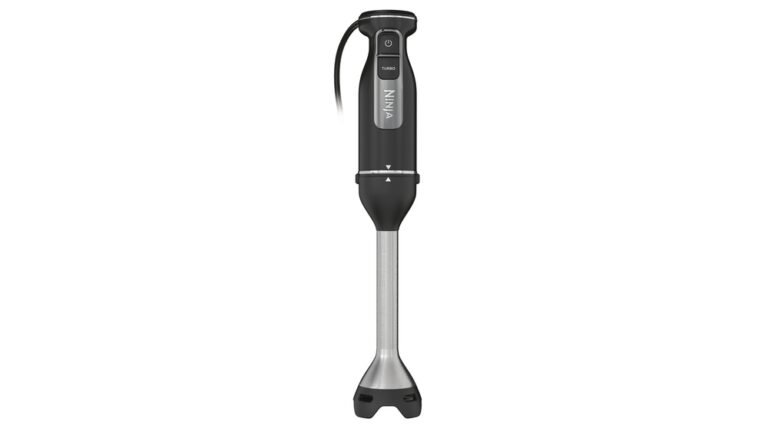
Key Components
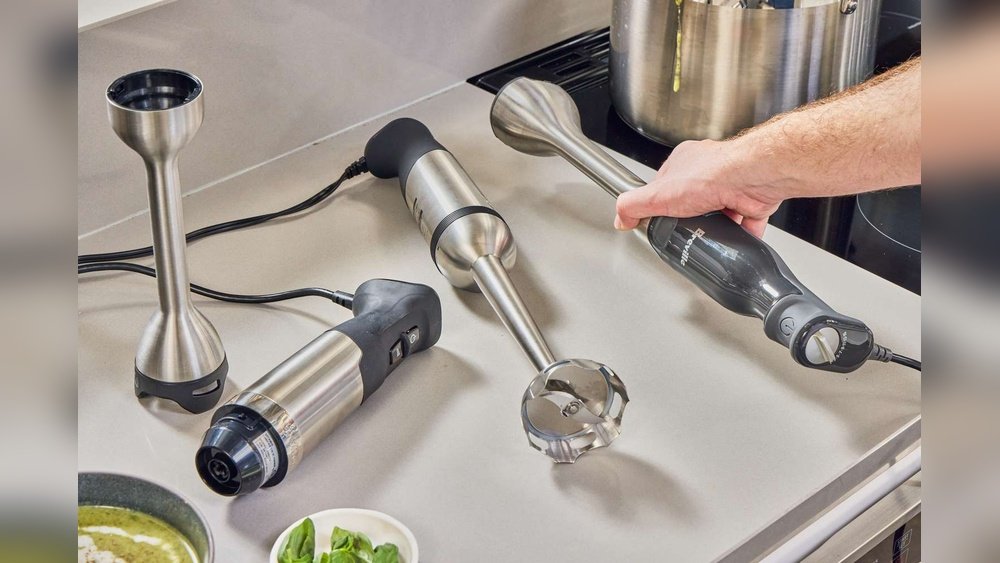
An immersion blender has several key parts that work together to blend food smoothly. Knowing these parts helps in using and maintaining the blender properly.
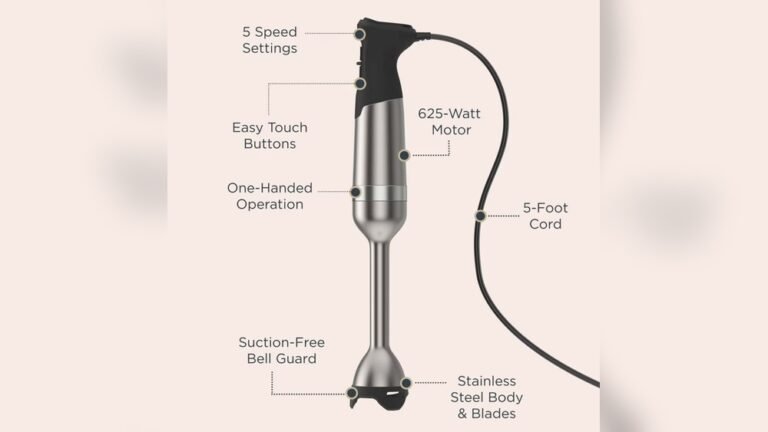
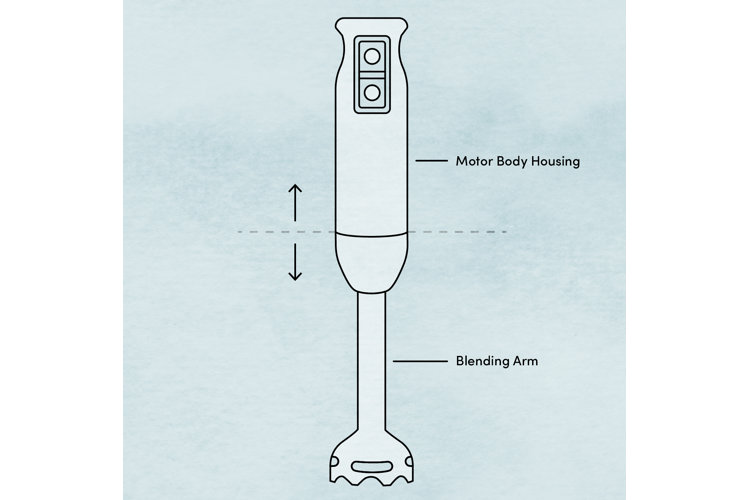
- Motor Housing: This is the top part you hold. It contains the motor that powers the blades.
- Blending Shaft: The long, slim part that connects the motor to the blades. It is usually detachable for easy cleaning.
- Blades: Located at the end of the shaft, these sharp blades rotate quickly to chop and mix food.
- Control Buttons: Located on the motor housing, these buttons control the speed and power of the blender.
- Power Source: Immersion blenders can be corded (plugged into an outlet) or cordless (battery powered).
Here is a simple table summarizing these components:
| Component | Description |
|---|---|
| Motor Housing | Contains the motor and control buttons |
| Blending Shaft | Connects motor to blades; often removable |
| Blades | Sharp rotating blades for blending |
| Control Buttons | Speed and power control |
| Power Source | Electric cord or rechargeable battery |
The motor spins the blades at high speed. This action creates a vortex that pulls food into the blades. The blades chop and mix the food quickly. The blending shaft keeps the motor and blades connected safely. The control buttons let you adjust blending speed. Some models offer multiple speeds for different tasks.
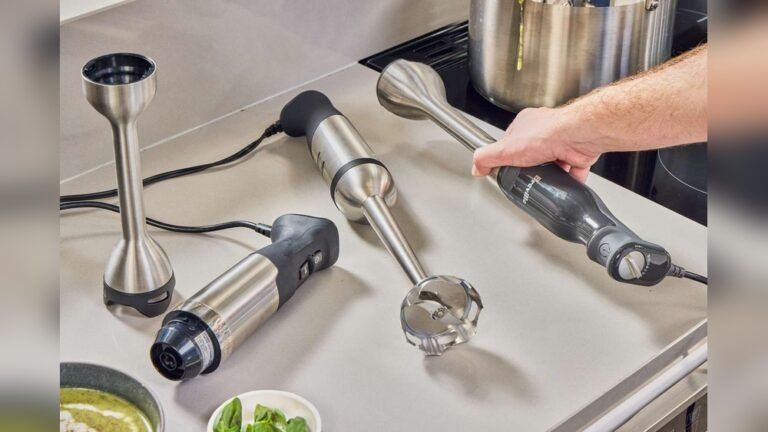
Types Of Immersion Blenders
Immersion blenders come in several types to suit different kitchen needs. Choosing the right type depends on what you want to blend and how often you use it.
- Corded Immersion Blenders: These plug into the wall. They provide constant power and are good for heavy or long blending tasks.
- Cordless Immersion Blenders: Battery-powered and easy to move around. Perfect for quick jobs and small kitchens.
- Variable Speed Models: Allow you to change speed settings. Useful for different textures and recipes.
- With Attachments: Some come with extra tools like whisk or chopper attachments. These add more functions to your blender.
Below is a comparison table of common types:
| Type | Power Source | Best For | Pros | Cons |
|---|---|---|---|---|
| Corded | Electric outlet | Heavy use, long blending | Strong power, unlimited use time | Less portable, cord limits movement |
| Cordless | Rechargeable battery | Quick blending, small kitchens | Portable, no cord hassle | Limited blending time, needs charging |
| Variable Speed | Electric outlet or battery | Different textures | Adjustable power for control | Can be more expensive |
| With Attachments | Electric outlet or battery | Multiple kitchen tasks | Versatile, more functions | More parts to clean and store |
Choosing the right immersion blender helps speed up meal prep. Consider power, portability, and extra features. This knowledge guides you in picking the best tool for your kitchen.
:max_bytes(150000):strip_icc()/__opt__aboutcom__coeus__resources__content_migration__serious_eats__seriouseats.com__images__2017__11__20171019-Immersion-Blender-EmilyDryden-mayo-0063-0cc89227148141558c49adcbb46c3c07.jpg)
Credit: www.seriouseats.com
Mechanism Of Operation
An immersion blender works by combining several simple parts into one handy tool. Its mechanism of operation allows you to blend, puree, and mix foods directly in pots or bowls. Understanding how it works helps users use it safely and effectively. The main parts that make the immersion blender work are the blade movement, motor function, and power source. Each plays a key role in making blending fast and smooth.
Blade Movement
The blade is the part that actually cuts and mixes the food. It is located at the bottom of the blender’s shaft. The blade moves very fast to chop and blend ingredients into smooth textures. Here is how the blade works:
- Rotation: The motor spins the blade in a circular motion.
- Speed: The blade can spin at different speeds, usually from 10,000 to 20,000 rotations per minute (RPM).
- Shape: Most blades have two or more sharp edges angled to create a vortex that pulls food down.
The fast rotation creates a suction effect that pulls food toward the blade. This motion helps to break down solid pieces quickly and mix liquids evenly. The blade’s sharp edges slice through food, while the spinning creates a whirlpool that mixes everything.
| Blade Type | Function | Common Use |
|---|---|---|
| Two-pronged | Basic chopping and blending | Soups, sauces |
| Multi-pronged | More thorough mixing and faster blending | Smoothies, baby food |
| Guarded blade | Prevents splashing and protects from damage | Hot liquids, soft foods |
Motor Function
The motor is the engine that powers the blade. It converts electrical energy into mechanical energy to spin the blade quickly. The motor sits inside the handle of the immersion blender. Its main tasks are:
- Generating torque: The motor produces force to rotate the blade.
- Speed control: It allows the user to adjust the blade speed for different tasks.
- Cooling: The motor has vents or fans to prevent overheating during use.
Most immersion blenders use electric motors, which can be either brushed or brushless:
- Brushed motors are common and affordable but wear out faster.
- Brushless motors last longer, run quieter, and use less energy.
The motor’s power is usually measured in watts. Higher wattage means stronger performance and faster blending. Typical immersion blenders range from 100 to 300 watts. The motor also connects to the blade shaft with gears or direct drive systems, transferring power efficiently.
Power Source
The power source supplies the energy needed to run the motor and blade. Immersion blenders mainly use two types of power sources:
- Electric cord: Plugs into a wall outlet for continuous power.
- Battery-powered: Uses rechargeable batteries for cordless convenience.
Here are the differences:
| Power Source | Advantages | Limitations |
|---|---|---|
| Electric cord | Unlimited runtime, consistent power | Restricted by cord length, less portable |
| Battery-powered | Portable, no cord tangles | Limited runtime, needs charging |
Corded immersion blenders are ideal for long tasks and high power needs. Cordless models suit quick jobs and small kitchens. Both types have safety features like automatic shutoff and insulated handles to protect users from shocks and burns.
Common Uses
An immersion blender is a handy kitchen tool designed to make food preparation faster and easier. It works by using a motorized blade attached to a long stick that you can dip directly into pots, bowls, or cups. This design lets you blend ingredients without transferring them to a separate blender jar. The result is less mess and quicker cleanup. The immersion blender shines in many common kitchen tasks, proving itself useful beyond just blending. Here are some popular uses that showcase its versatility and convenience.
Blending Soups And Sauces
One of the most popular uses of an immersion blender is blending soups and sauces right in the pot. This tool lets you turn chunky soups into smooth, creamy textures without moving hot liquids around. It saves time and cuts down the risk of spills.
Benefits of using an immersion blender for soups and sauces:
- Blend directly in the cooking pot, avoiding extra dishes.
- Control the texture easily, from chunky to silky smooth.
- Quickly mix sauces to a perfect consistency.
- Safer than transferring hot liquids to a countertop blender.
For example, pureeing tomato soup or blending a creamy pumpkin sauce becomes simple. The immersion blender’s quick pulses help achieve the ideal texture without over-processing. You can also use it to emulsify salad dressings or smooth out gravy.
| Type of Soup/Sauce | Common Texture | Immersion Blender Advantage |
|---|---|---|
| Tomato Soup | Smooth and creamy | Quickly breaks down tomato chunks |
| Alfredo Sauce | Velvety and thick | Blends cheese and cream evenly |
| Vegetable Soup | Chunky or pureed | Adjustable texture with easy blending |
Making Smoothies
Immersion blenders can also make smoothies fast and fresh. While they might not crush ice as well as a heavy-duty blender, they work perfectly for soft fruits and liquids. They are ideal for small servings and quick blends.
Tips for making smoothies with an immersion blender:
- Use softer fruits like bananas, berries, or mangoes for best results.
- Add yogurt, milk, or juice to help the blending process.
- Cut fruits into small pieces to reduce blending time.
- Use a tall, narrow container to prevent splashes.
This tool helps create a smooth texture without the fuss of large appliances. It is especially useful for single servings or quick snacks. The immersion blender can also mix protein shakes or frozen fruit drinks with ease.
| Fruit | Best Pairings | Blending Notes |
|---|---|---|
| Banana | Milk, yogurt, honey | Blends smoothly, adds creaminess |
| Strawberries | Orange juice, yogurt | Soft texture, blends quickly |
| Mango | Coconut milk, lime | Sweet flavor, smooth blend |
Pureeing Baby Food
Immersion blenders are perfect for pureeing baby food at home. They help create smooth, fresh, and healthy meals without additives or preservatives. Parents appreciate the control over ingredients and texture.
Why use an immersion blender for baby food?
- Puree fresh fruits and vegetables quickly.
- Adjust texture from chunky to very smooth as baby grows.
- Prepare small portions with minimal waste.
- Clean easily, saving time for busy parents.
Common baby food purees include carrots, sweet potatoes, apples, and peas. The immersion blender breaks down cooked ingredients gently, preserving nutrients. It also avoids the need for bulky kitchen appliances and fits nicely in small kitchens.
| Ingredient | Preparation | Texture Tips |
|---|---|---|
| Carrots | Steam until soft | Blend until smooth for younger babies |
| Apples | Cook and peel | Puree with a bit of water for thinner texture |
| Sweet Potatoes | Bake or steam | Blend well, add breast milk or formula if needed |
Credit: www.wayfair.com
Advantages Over Traditional Blenders
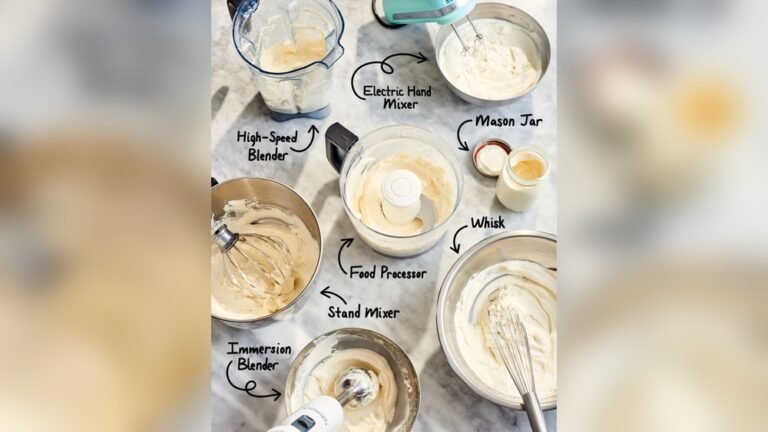
An immersion blender offers several clear advantages over traditional blenders. Its design and functionality make it a smart choice for many kitchen tasks. This tool blends ingredients directly in pots, bowls, or cups. This feature reduces the need to transfer food, which saves time and cuts down on mess. The differences in design lead to benefits in portability, cleaning, and space use. These advantages make immersion blenders popular for quick, everyday kitchen use.
Portability And Convenience
Immersion blenders are lightweight and easy to move around. Unlike traditional blenders, which are bulky and need a flat surface, immersion blenders can be used anywhere. You can blend directly in the pot on the stove or in a tall glass. This feature saves time and reduces extra dishes to wash.
- Lightweight design: Easy to hold for a long time without fatigue.
- Simple operation: One or two buttons to control blending speed.
- Flexible use: Perfect for soups, smoothies, sauces, and baby food.
Portability means you can use an immersion blender at a picnic or while traveling, as many models run on batteries. Traditional blenders require a power outlet and a flat, stable place to work.
| Feature | Immersion Blender | Traditional Blender |
|---|---|---|
| Weight | Lightweight (1-3 lbs) | Heavier (5-10 lbs) |
| Usage Location | Anywhere, handheld | Requires flat surface |
| Power Source | Electric or battery | Electric only |
Ease Of Cleaning
Cleaning an immersion blender is much easier than cleaning a traditional blender. Most immersion blenders have detachable blending arms. You can remove the blade part and rinse it quickly under running water. Some parts are even dishwasher safe.
Traditional blenders often have multiple parts, including the jar, lid, and blade assembly. These parts can be hard to clean, especially if food gets stuck in small crevices.
- Fewer parts: Less time spent washing.
- Quick rinse: Blade section can be cleaned immediately after use.
- Dishwasher safe: Many detachable parts can go in the dishwasher.
For fast cleaning, you can blend soap and water in the immersion blender for a few seconds. This method helps remove food stuck on the blades without disassembly.
| Cleaning Aspect | Immersion Blender | Traditional Blender |
|---|---|---|
| Parts to Clean | 1-2 detachable parts | 3-5 parts including jar and lid |
| Cleaning Time | 1-2 minutes | 5-10 minutes |
| Cleaning Method | Quick rinse or dishwasher | Hand wash or dishwasher, more effort |
Space Efficiency
An immersion blender takes up much less space in the kitchen than a traditional blender. Its slim, handheld design fits easily into drawers or cupboards. Traditional blenders need more countertop or storage space because of their large jars and bases.
Space efficiency is important for small kitchens or crowded cooking areas. The compact size of immersion blenders means they are easy to store and reach quickly. This accessibility encourages frequent use.
- Small footprint: Fits in narrow drawers or small shelves.
- Compact design: Blade and motor are in one slim unit.
- Easy storage: Can hang from hooks or stand upright in containers.
| Storage Feature | Immersion Blender | Traditional Blender |
|---|---|---|
| Storage Size | About 12-15 inches long, slim | Bulky jar and base, up to 18 inches wide |
| Storage Options | Drawer, hook, small container | Countertop or large cupboard space |
| Portability for Storage | Easy to move and store | Harder to move due to size |
Safety Features
An immersion blender is a handy kitchen tool that blends directly in pots, bowls, or pitchers. Safety features are essential in its design to protect users from accidents. These features help prevent injuries and make the blender easier to handle. Understanding these safety aspects helps users use the blender with confidence and care.
Blade Guards
The blade guard is a critical safety part of an immersion blender. It surrounds the sharp blades, stopping direct contact with fingers or other objects. This guard helps reduce the risk of cuts during use or cleaning.
Key benefits of blade guards include:
- Protects hands and fingers from sharp blades
- Keeps blades from scratching pots and pans
- Helps contain splashes and spills during blending
- Allows safe blending in narrow or deep containers
Blade guards come in different shapes and sizes. Some are open at the bottom for easy blending, while others have small holes to control liquid flow. The material is usually stainless steel or durable plastic, which is easy to clean and resistant to damage.
| Blade Guard Type | Advantages | Best Use |
|---|---|---|
| Open Design | Better liquid flow, easier blending | Soups, sauces, smoothies |
| Perforated Design | Reduces splashing, safer handling | Hot liquids, delicate foods |
Always check the blade guard before using the blender. Make sure it is properly attached and free from cracks or damage. This simple check can prevent many accidents.
Auto Shut-off
Auto shut-off is a safety feature that turns off the immersion blender automatically after a set time or if the blender overheats. This feature prevents the motor from burning out and reduces the risk of accidents caused by overheating.
Advantages of auto shut-off:
- Protects the motor from damage
- Prevents fire hazards caused by overheating
- Saves energy by stopping the blender when not in use
- Offers peace of mind during long blending tasks
The auto shut-off system works by monitoring the temperature inside the motor or the usage time. If the blender is used continuously for too long or if the motor gets too hot, the blender stops automatically. Some models beep or flash a light to alert the user.
Here is a simple flow of how auto shut-off works:
- User starts blending
- Motor temperature and usage time monitored
- When limits are reached, blender stops
- User resets blender before continuing
Auto shut-off helps avoid damage and enhances user safety without extra effort. It is especially useful for beginners or those multitasking in the kitchen.
Ergonomic Design
Ergonomic design focuses on making the immersion blender comfortable and safe to hold and use. This design reduces hand fatigue and improves control, lowering the chance of accidents.
Features of ergonomic immersion blenders include:
- Soft, non-slip grips that fit the hand well
- Lightweight bodies that reduce strain
- Buttons placed within easy reach for quick control
- Balanced weight distribution for steady handling
Good ergonomic design helps maintain a firm grip, even with wet or oily hands. It also allows precise movements, which is important when blending hot or thick mixtures.
| Ergonomic Feature | Benefit |
|---|---|
| Soft Rubber Grip | Prevents slipping, increases comfort |
| Lightweight Frame | Reduces hand and wrist fatigue |
| Well-Positioned Buttons | Allows easy, quick operation |
| Balanced Weight | Improves stability and control |
Ergonomic design makes blending safer by reducing user effort and improving precision. It helps users avoid slips and accidental blade contact.
Credit: bakingbites.com
Maintenance Tips
Keeping an immersion blender in good shape ensures it works well and lasts longer. Proper maintenance stops damage and keeps blades sharp. This section shares simple tips to clean, care for blades, and store your blender safely. Follow these steps to enjoy smooth and safe blending every time.
Cleaning Procedures
Cleaning an immersion blender right after use stops food buildup and prevents odors. Start by unplugging the blender to avoid accidents. Detach the blending shaft from the motor part if your model allows. Most blending shafts are dishwasher safe, but hand washing is gentler and safer.
- Rinse the blade end under warm running water immediately after use.
- Use a soft sponge or cloth with mild dish soap to clean the shaft and blade area.
- Avoid submerging the motor part in water; wipe it with a damp cloth instead.
- For stuck food, soak the blending end in warm soapy water for 10 minutes before scrubbing.
- Dry all parts thoroughly with a clean towel to stop rust and mold.
Use this simple cleaning table as a quick guide:
| Part | Cleaning Method | Notes |
|---|---|---|
| Blending Shaft | Hand wash with soap, or dishwasher safe | Remove food bits quickly to avoid buildup |
| Blades | Careful scrubbing with soft brush or sponge | Handle with care to avoid cuts |
| Motor Handle | Wipe with damp cloth only | Never submerge in water |
Blade Care
Blades are the heart of an immersion blender. Sharp blades blend better and require less effort. Keep blades clean and sharp to improve performance and safety. Avoid using metal tools to scrape food off blades; this can dull them.
- Rinse blades immediately after use to stop food from drying on them.
- Use a soft brush to remove stuck food gently.
- Check blades regularly for dullness or damage.
- If blades become dull, some models allow replacement parts to be ordered.
- Do not try to sharpen blades yourself unless you have the right tools.
Follow these tips to protect blades:
- Do not blend very hard items like ice cubes or frozen fruits unless your blender is designed for it.
- Avoid dropping the blender or banging the blades on hard surfaces.
- Store the blender in a way that blades do not touch other objects to prevent damage.
Storage Recommendations
Proper storage keeps your immersion blender ready for use and safe from damage. Store the blender in a dry, cool place to stop moisture damage. If your blender comes with a storage case, use it to protect the blades and motor.
Consider these storage tips:
- Keep the blender upright or hang it using built-in hooks if available.
- Avoid placing heavy items on top of the blender to prevent damage.
- Ensure all parts are dry before storing to avoid mold and rust.
- Separate detachable parts to clean and dry them thoroughly before putting away.
- Label storage containers if you keep multiple kitchen tools together.
Use a small storage station or drawer organizer to keep the blender and accessories together. This saves space and avoids losing small parts.
Frequently Asked Questions
How Does An Immersion Blender Mix Ingredients?
An immersion blender uses rotating blades to chop and blend ingredients directly in the container. Its motor powers the blades to create a vortex that pulls food toward the blades for smooth blending. This design allows quick mixing without transferring contents to another bowl.
Can Immersion Blenders Handle Hot Liquids Safely?
Yes, immersion blenders are designed to blend hot liquids safely. You can use them directly in pots or pans without risk. Their long handle keeps your hand away from heat, and stainless-steel shafts resist high temperatures, making them ideal for soups and sauces.
What Types Of Foods Can Immersion Blenders Blend?
Immersion blenders can blend soups, sauces, smoothies, and purees efficiently. They handle soft and moderately firm foods but struggle with very hard or frozen items. These blenders are versatile for everyday kitchen tasks, especially when you need quick, smooth results.
How Do Immersion Blenders Differ From Traditional Blenders?
Immersion blenders are handheld and blend food in its container, unlike traditional blenders with a fixed jar. This makes them more convenient for small batches and hot liquids. They take up less storage space and are easier to clean than countertop blenders.
Conclusion
An immersion blender works by spinning blades inside the container. It blends food quickly and smoothly. You control the speed to get the right texture. This tool saves time and effort in the kitchen. It is easy to clean and store.
Using it feels natural and simple. Anyone can make soups, sauces, or smoothies fast. Understanding how it works helps you use it better. A good tool for everyday cooking tasks.