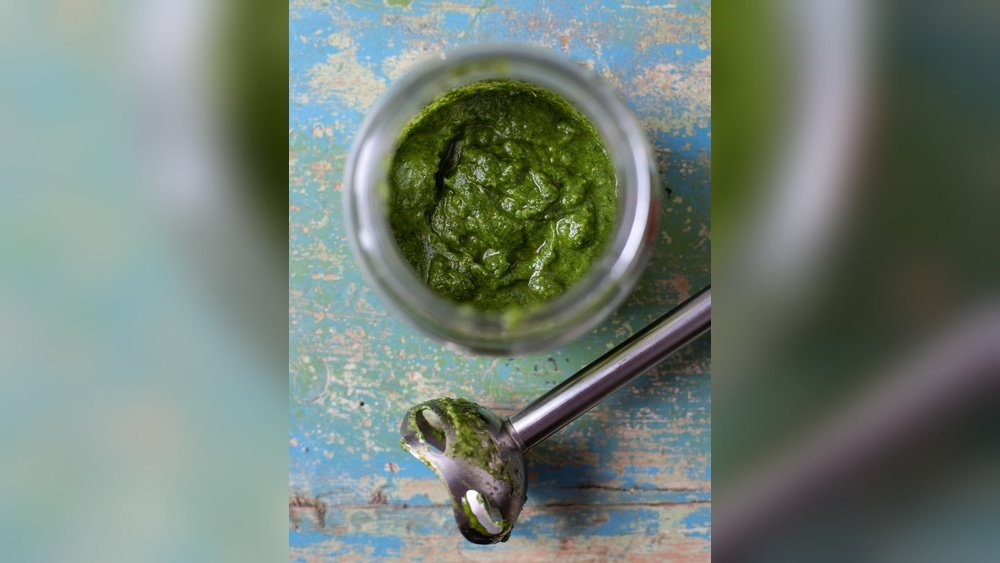
How To Make Pesto With Immersion Blender: Quick & Easy Guide
Making your own pesto at home can completely transform a simple pasta dish, sandwich, or salad into something fresh and unforgettable. If you’ve ever been discouraged by the need for a bulky food processor or expensive blender, there’s good news: you can make delicious, silky pesto with just an immersion blender and a few fresh ingredients. This approach is fast, convenient, and lets you control every detail, from texture to flavor. In this guide, you’ll learn step-by-step how to make pesto with an immersion blender, discover tips that most beginners miss, and get answers to common questions so your pesto always tastes amazing.
Why Make Pesto With An Immersion Blender?
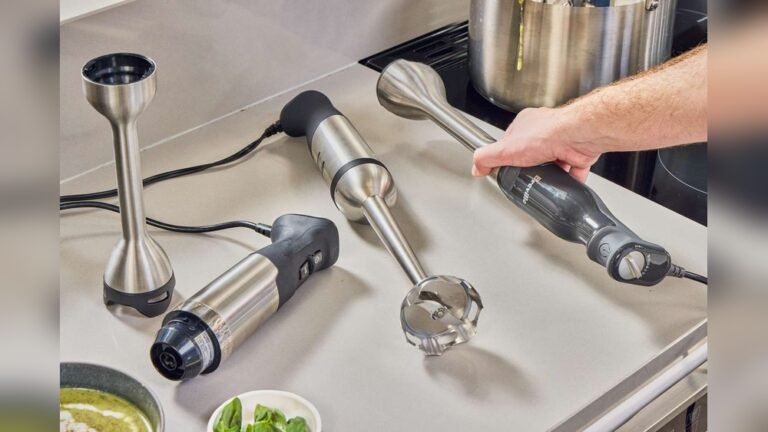
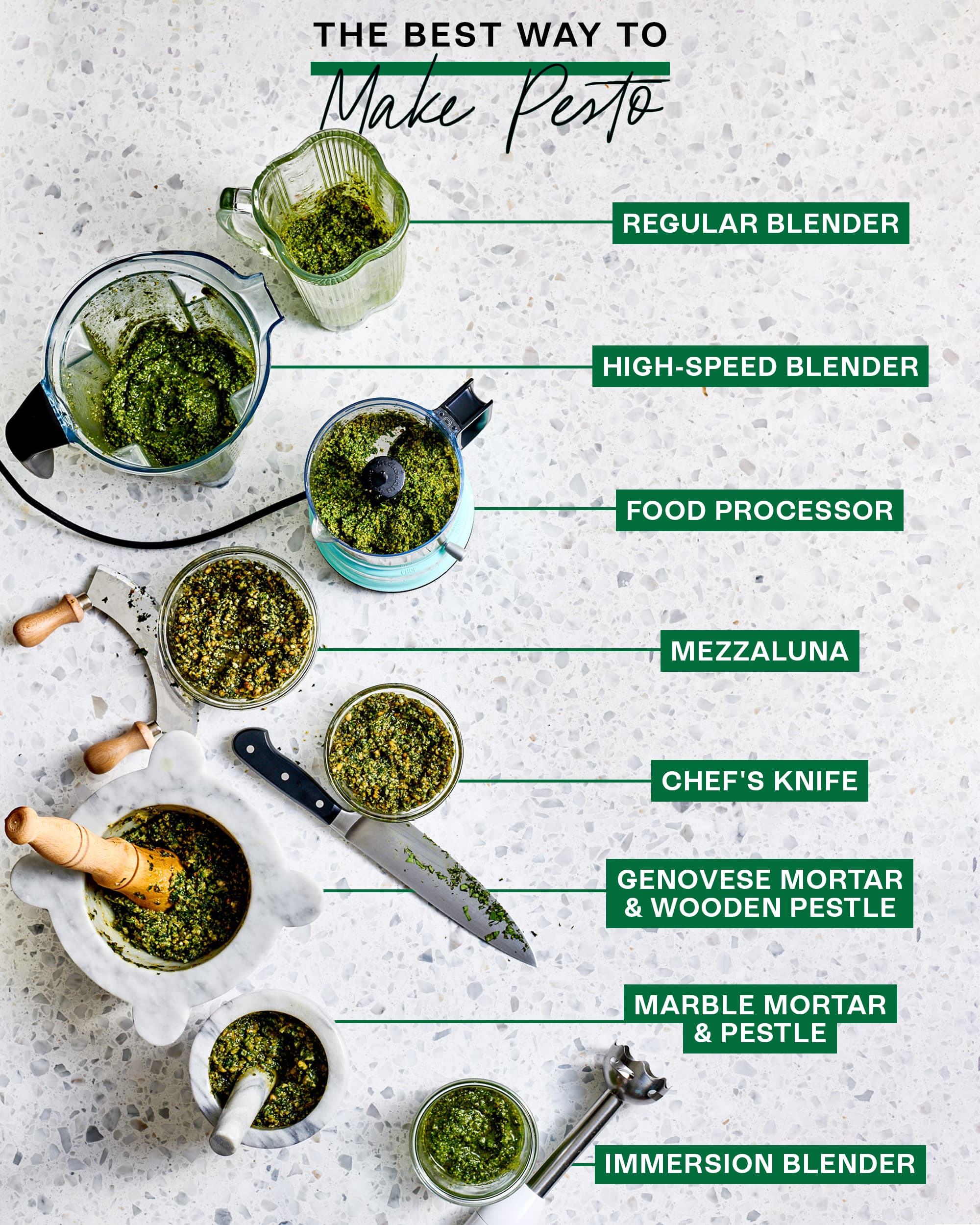
Traditional pesto is often made with a mortar and pestle, which produces a rustic texture and lets you blend ingredients at your own pace. Modern recipes usually call for a food processor, but not everyone has one or wants to clean extra equipment. An immersion blender (sometimes called a stick blender or hand blender) is a compact tool that many people already own for soups or smoothies. It’s easy to use, quick to clean, and gives you precise control over the final texture of your pesto.
More importantly, using an immersion blender means less risk of overheating the basil leaves. Food processors can sometimes bruise herbs, turning them dark and slightly bitter. The immersion blender’s gentle action keeps the basil green and bright.
Essential Ingredients For Classic Pesto
The beauty of pesto is its simplicity. The classic Italian version, pesto alla genovese, uses only a few ingredients. Each one matters, so choosing high-quality options makes a big difference.
Classic Pesto Ingredient List
- Fresh basil leaves – 2 cups, tightly packed (about 60 grams)
- Pine nuts – 1/3 cup (about 40 grams)
- Garlic – 2 small cloves, peeled
- Parmesan cheese (Parmigiano Reggiano) – 1/2 cup, freshly grated (about 40 grams)
- Extra virgin olive oil – 1/2 cup (120 ml)
- Salt – 1/2 teaspoon, or to taste
This recipe makes enough for about 4 servings of pasta or as a topping for 6-8 slices of bread.
Ingredient Selection Tips
- Basil: Use leaves only—remove tough stems. Very fresh basil keeps pesto bright and fragrant.
- Pine nuts: Lightly toast them in a pan for 2-3 minutes for extra flavor.
- Cheese: Freshly grated Parmesan melts better into the sauce and adds more flavor.
- Olive oil: Extra virgin is best. Lower quality oils can make your pesto taste flat or bitter.
- Garlic: Small cloves are less overpowering. If you don’t like strong garlic, use just one clove.
Credit: www.thekitchn.com
Equipment You’ll Need
Making pesto with an immersion blender is simple, but the right equipment helps the process go smoothly.
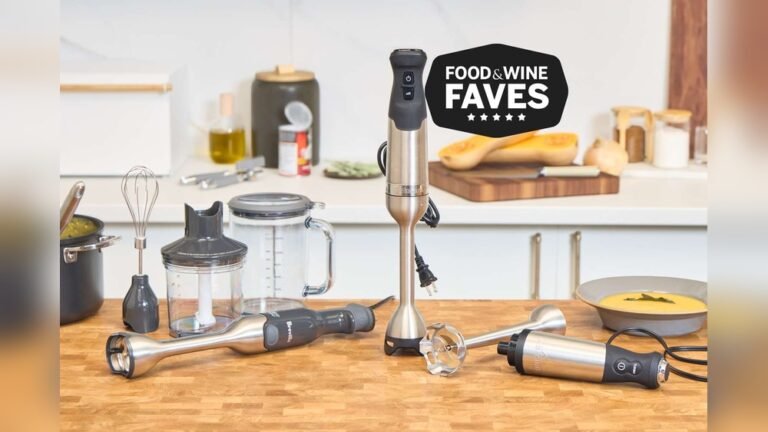
- Immersion blender with a blending cup or tall jar (most come with a cup)
- Measuring cups and spoons for accuracy
- Small skillet for toasting pine nuts
- Sharp knife and cutting board for prepping ingredients
- Spatula for scraping down sides
- Grater for cheese (microplane works well)
- Airtight container for storing pesto
Step-by-step: How To Make Pesto With An Immersion Blender
Let’s walk through the full process, from prepping your ingredients to blending, tasting, and storing your homemade pesto.
1. Prepare The Basil
Wash the basil leaves gently under cold water. Pat them completely dry with a clean kitchen towel or paper towels. Excess water can thin your pesto and make it spoil faster.
Pro tip: Dry leaves blend more smoothly and keep the sauce thick.
2. Toast The Pine Nuts
Place pine nuts in a dry skillet over medium-low heat. Stir constantly for about 2-3 minutes, until they turn light golden and smell nutty. Remove from heat immediately so they don’t burn. Toasting brings out the natural oils and deepens the flavor.
3. Grate The Cheese
Use a microplane or the fine side of a box grater to grate Parmesan cheese. Avoid pre-grated cheese, which often contains anti-caking agents that affect the final texture.
4. Prep The Garlic
Peel the garlic cloves. If you prefer a milder garlic flavor, cut the cloves in half and remove the small sprout (germ) inside. This can reduce bitterness.
5. Add Ingredients To Blending Cup
In your immersion blender’s cup or a tall, narrow jar, add the following in this order:
- Garlic cloves (so they blend first)
- Toasted pine nuts
- Basil leaves
- Grated Parmesan
- Salt
- Olive oil (pour over the top)
Arranging the ingredients this way helps the blender catch and blend everything evenly.
6. Blend Slowly And Pulse
Insert the immersion blender into the cup so the blade is under the oil. Start blending on low speed, pulsing a few times to break up the garlic and nuts. Slowly move the blender up and down, blending until the basil is chopped and the sauce is mostly smooth but still has some texture.
Avoid over-blending, which can make the sauce too thin and heat the basil, changing the flavor.
7. Adjust Consistency And Seasoning
Taste your pesto. If it’s too thick, add a little more olive oil, one tablespoon at a time. If it needs more salt or cheese, add a bit and blend again. Some people like their pesto chunky; others want it silky.
Adjust until you’re happy.
8. Use Or Store Immediately
Pesto tastes best fresh, but you can keep it in an airtight container in the fridge for up to 5 days. Pour a thin layer of olive oil over the top to prevent browning. For longer storage, freeze in ice cube trays, then transfer cubes to a freezer bag.

Credit: food52.com
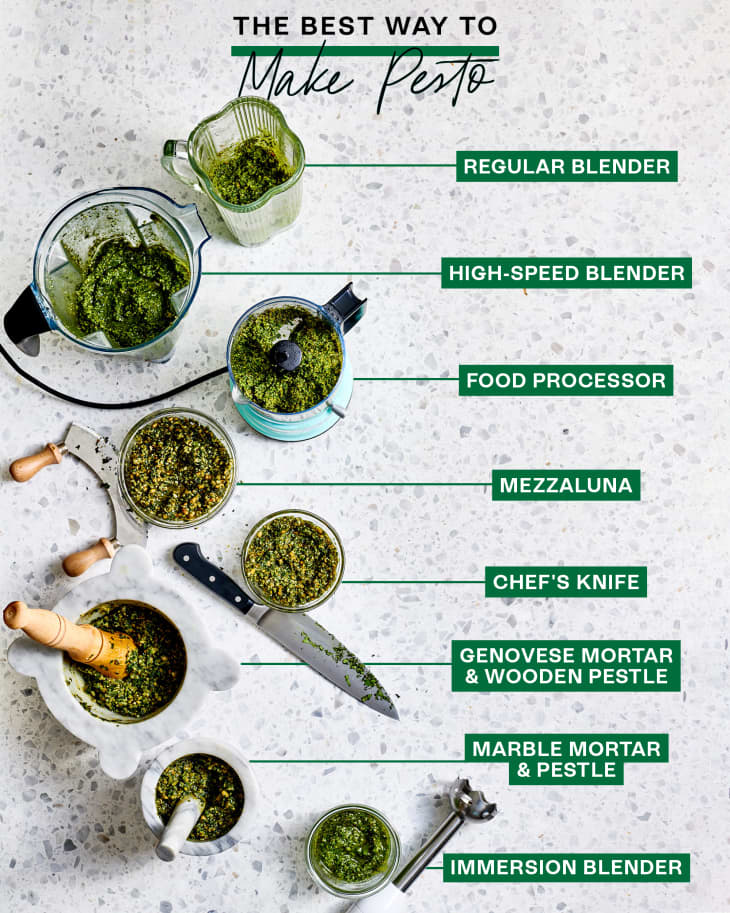
How Does Immersion Blender Pesto Compare?
Wondering how immersion blender pesto stands against other methods? Here’s a quick comparison.
| Method | Texture | Flavor | Ease of Use | Cleanup |
|---|---|---|---|---|
| Immersion Blender | Slightly chunky to smooth | Fresh, bright | Very easy | Minimal |
| Food Processor | Uniform, sometimes too smooth | Great, but can heat basil | Easy | More parts to clean |
| Mortar & Pestle | Rustic, varied | Best, but more work | Time-consuming | Simple, but heavy |
Immersion blender pesto strikes a balance: more control than a food processor, less effort than a mortar and pestle.
Common Mistakes When Making Pesto
Even with a simple recipe, a few missteps can affect the result. Here’s what to watch out for:
- Over-blending: Too much blending heats the basil, making it dark and less fragrant.
- Wet basil: Water on the leaves dilutes the sauce and causes it to spoil faster.
- Using old nuts: Rancid pine nuts ruin the taste—always smell and taste before using.
- Low-quality olive oil: Cheap oil can be bitter or greasy.
- Too much garlic: Start with less; you can always add more.
- Skipping the cheese: Parmesan adds umami and body—don’t leave it out unless you need a dairy-free version.
- Improper storage: Air exposure turns pesto brown. Always cover tightly and add a thin oil layer on top.
Credit: www.thekitchn.com
Variations And Substitutions
Classic basil pesto is just the beginning. You can create new flavors with a few simple changes.
Herb Variations
- Spinach or arugula: Use half basil, half spinach or arugula for a milder, peppery taste.
- Parsley or cilantro: Swap some or all basil for another herb.
- Kale: Blanch kale leaves for 30 seconds, then blend with basil.
Nut Substitutions
- Walnuts or almonds: These are more affordable than pine nuts and add a slightly different flavor.
- Sunflower seeds: Great for nut-free pesto.
Cheese Options
- Pecorino Romano: Stronger and saltier than Parmesan.
- Nutritional yeast: For a vegan, dairy-free pesto.
Garlic Adjustments
- Roasted garlic: Softer, sweeter flavor.
- No garlic: If you’re sensitive, leave it out entirely.
Oil Choices
- Light olive oil: For a milder taste.
- Avocado oil: A neutral, creamy alternative.
Nutritional Facts And Dietary Considerations
Pesto is not just flavorful—it’s also rich in healthy fats, vitamins, and minerals. Here’s a nutritional snapshot for one serving (about 2 tablespoons):
| Nutrient | Amount | Daily Value (%) |
|---|---|---|
| Calories | 180 | 9% |
| Fat | 18g | 28% |
| Protein | 3g | 6% |
| Carbohydrates | 2g | 1% |
| Sodium | 200mg | 8% |
| Vitamin A | 15% | 15% |
| Calcium | 10% | 10% |
Note: Values may vary based on ingredients and substitutions.
Gluten-free: Classic pesto is naturally gluten-free.
Vegetarian: Traditional recipes use animal rennet cheese; for strict vegetarians, use a vegetarian Parmesan.
Vegan: Use nutritional yeast or vegan Parmesan.
Practical Tips For Best Results
Here are two insights that many beginners miss:
- Keep everything cool: If your kitchen is warm or you’re making a big batch, chill the blending cup and even the blender blade in the fridge for 10 minutes. This keeps basil bright green and fresh-tasting.
- Add oil gradually: If you like a chunkier pesto, blend all ingredients except the oil. Stir in the oil by hand at the end. This technique gives a more textured sauce.
How To Use Homemade Pesto
Pesto isn’t just for pasta. Once you have a jar of homemade pesto, you’ll find endless uses. Some favorites include:
- Pasta sauce: Toss with spaghetti or penne, and add a spoonful of pasta water for creaminess.
- Sandwich spread: Spread on toasted bread or in a grilled cheese for extra flavor.
- Pizza topping: Swirl over pizza before or after baking.
- Salad dressing: Mix with lemon juice and a bit more oil.
- Vegetable dip: Serve with raw or roasted vegetables.
- Eggs: Spoon over scrambled eggs or omelets for a herby kick.
- Soup garnish: Drizzle over tomato or vegetable soups.
Storing And Freezing Pesto
Pesto’s shelf life depends on storage. Here’s a quick reference:
| Storage Method | How Long It Lasts | Tips |
|---|---|---|
| Fridge (airtight) | Up to 5 days | Cover with oil to prevent browning |
| Freezer (ice cube trays) | 3-6 months | Thaw cubes as needed |
| Room temp | Not recommended | Can spoil quickly |
Pro tip: Freeze pesto in small portions. That way, you can thaw just what you need without wasting a whole batch.
Cleaning Your Immersion Blender
Pesto is oily and can stick to the blender. Here’s how to clean up fast:
- Unplug the blender.
- Remove the blending arm (if detachable).
- Rinse immediately under warm water.
- Blend soapy water: Fill the blending cup with warm, soapy water and blend for 10 seconds. Rinse again.
- Dry thoroughly before storing.
Cleaning right away prevents stubborn stains and keeps your blender working well.
Troubleshooting: Fixing Common Pesto Problems
Even with care, sometimes things go wrong. Here’s how to solve the most common issues:
- Pesto turned brown: This means air or heat got to the basil. Next time, chill your equipment and cover with oil.
- Too thin: Blend in more basil or nuts, or stir in grated cheese.
- Too thick: Add more olive oil, one tablespoon at a time.
- Bitter taste: Could be old nuts or low-quality olive oil. Try swapping in new ingredients.
- Overpowering garlic: Add more cheese and basil to balance the flavor.
Pesto For Special Diets
Pesto can be adapted for almost any dietary need. Here’s how:
- Nut-free: Substitute toasted sunflower or pumpkin seeds for pine nuts.
- Dairy-free/vegan: Use nutritional yeast or vegan Parmesan instead of cheese.
- Low sodium: Use less cheese and salt, and add a squeeze of lemon for brightness.
These swaps don’t just make pesto accessible—they can also add new flavors and colors.
Best Practices For Serving Fresh Pesto
To get the most from your homemade pesto, keep these serving tips in mind:
- Never cook pesto: High heat destroys the basil’s flavor and color. Add pesto to hot pasta off the heat, or drizzle over dishes just before serving.
- Toss with pasta water: A spoonful of hot, starchy pasta water helps pesto coat noodles smoothly.
- Use immediately: Pesto tastes brightest the day you make it, but storing with a thin oil layer helps preserve it.
- Garnish generously: Sprinkle extra cheese, chopped nuts, or a few whole basil leaves over finished dishes for extra appeal.
Cost Comparison: Homemade Vs Store-bought Pesto
Making your own pesto can save money and give you better flavor. Here’s a quick look at typical costs in the US (2024 prices):
| Ingredient/Option | Average Price | Per 1 Cup Pesto |
|---|---|---|
| Fresh basil (2 cups) | $2.50 | $2.50 |
| Pine nuts (1/3 cup) | $3.00 | $3.00 |
| Parmesan cheese (1/2 cup) | $1.75 | $1.75 |
| Olive oil (1/2 cup) | $1.20 | $1.20 |
| Garlic & salt | $0.10 | $0.10 |
| Total Homemade | $8.55 | |
| Store-bought (7 oz jar) | $5.99–$8.99 | $10–$13 per cup |
Homemade pesto not only costs less, but you get full control over taste, texture, and freshness.
Making Pesto With Kids Or As A Group
Getting friends or family involved can be fun and educational. Here’s how to make it smooth:
- Assign simple jobs: Kids can pick basil leaves, grate cheese, or pour in oil.
- Taste together: Let everyone sample and help adjust seasoning.
- Learn about ingredients: Talk about where basil and pine nuts come from, or the story behind pesto in Italian cooking.
This makes the process more memorable and helps everyone appreciate the results.
Sustainability And Ingredient Sourcing
Making pesto at home is a chance to choose local, organic, or seasonal ingredients. Buying basil at a farmers’ market or growing it yourself can reduce packaging and waste. If pine nuts are expensive or hard to find, try other local nuts. Using fresh, sustainable olive oil also supports responsible farming.
For more about basil and its uses, see the official Wikipedia page on basil.
Frequently Asked Questions
Can I Make Pesto Without Pine Nuts?
Yes, you can use walnuts, almonds, cashews, or even sunflower seeds. The flavor will change slightly, but the sauce will still be delicious. Toast the nuts or seeds first for the best taste.
Is It Safe To Freeze Pesto Made With An Immersion Blender?
Absolutely. Freeze pesto in small portions, such as ice cube trays. Once frozen, transfer cubes to a freezer bag. Thaw only what you need—pesto keeps its flavor and texture well for up to 6 months.
Why Does My Pesto Turn Brown, And How Can I Prevent It?
Basil turns brown when exposed to air or heat. To prevent this, dry the basil well before blending, blend in short bursts, and cover your finished pesto with a thin layer of olive oil. Store in the fridge in an airtight container.
How Can I Make Vegan Or Dairy-free Pesto?
Replace Parmesan with nutritional yeast or a vegan Parmesan cheese. The rest of the ingredients stay the same. You may need to add a little extra salt or lemon juice for brightness.
What’s The Best Way To Use Pesto Besides Pasta?
Pesto is very versatile. Try it as a spread for sandwiches or wraps, a topping for pizza or grilled vegetables, a mix-in for salad dressings, or a dip for bread and crackers. It adds fresh, herby flavor to almost any dish.
Making pesto with an immersion blender is fast, flexible, and rewarding. With the right ingredients and a few smart techniques, you can enjoy this classic Italian sauce at its freshest—no bulky equipment required. Once you taste the difference, you may never go back to store-bought again.