How To Use Kitchenaid Immersion Blender: Easy Guide for Beginners
The KitchenAid immersion blender is much more than a tool for blending soups. It’s a versatile kitchen gadget that saves time, space, and energy for both beginners and advanced cooks. If you have one, or are thinking about buying, this guide will show you exactly how to use it, maximize its features, and avoid common mistakes. You’ll also learn practical tips, safety advice, and ways to use it for more than just blending.
Whether you want to make creamy soups, smoothies, sauces, or even whip cream, the KitchenAid immersion blender is designed to help you do it quickly and easily. In this article, you’ll discover step-by-step instructions, creative uses, cleaning guidance, and answers to common questions.
Let’s unlock the full potential of your immersion blender and make your kitchen experience smoother than ever.
What Is A Kitchenaid Immersion Blender?
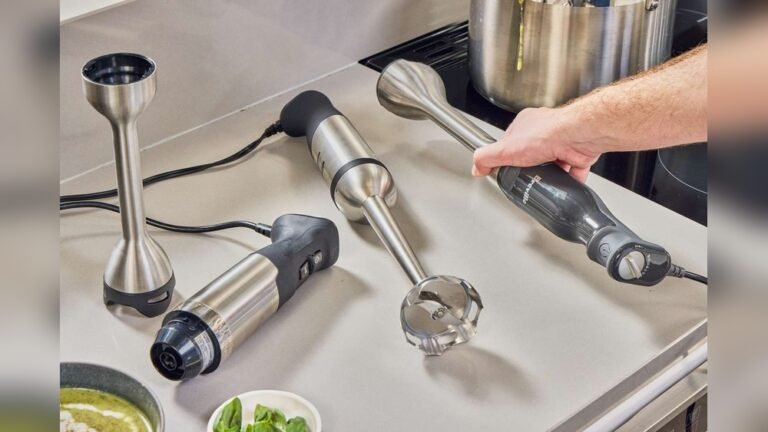
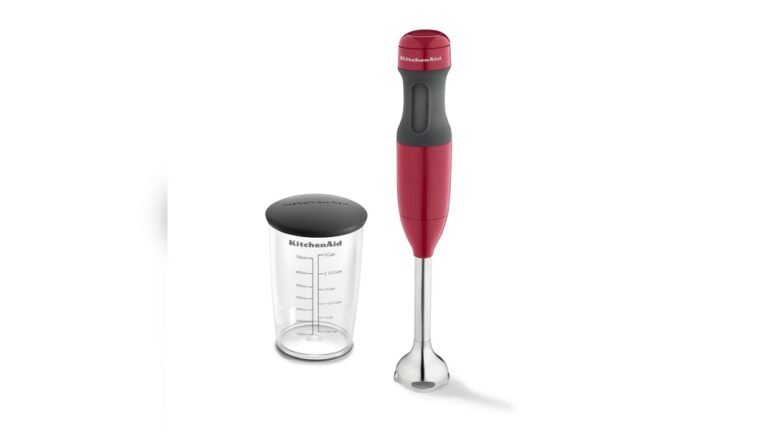
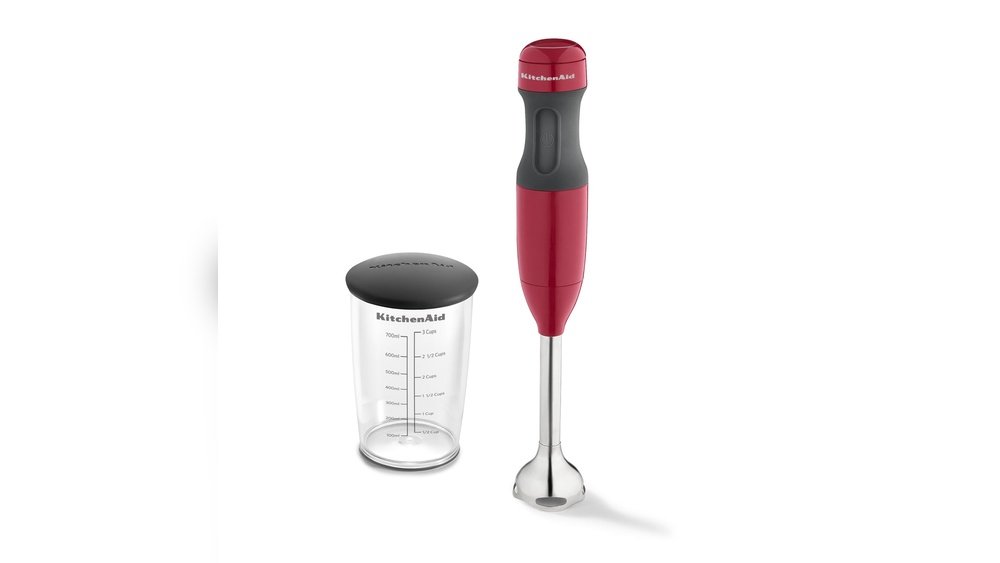
A KitchenAid immersion blender (also called a stick blender or hand blender) is a handheld device with a motor and blade at one end. Unlike traditional blenders, you can use it directly in the pot, bowl, or cup. This saves you from pouring hot liquids, reduces cleanup, and gives more control over texture.
KitchenAid’s immersion blenders come in several models, with different speeds, attachments, and wattage. Most models have a detachable blending arm, variable speed dial, and accessories like a whisk or chopper. Some also include a blending jar.
Key features:
- Handheld design for direct blending
- Detachable blending arm for easy cleaning
- Variable speed control
- Optional attachments (whisk, chopper, blending jar)
Why Use An Immersion Blender Instead Of Traditional Blenders?
Immersion blenders are popular because they are:
- Compact and easy to store
- Quick for small tasks
- Safer for blending hot liquids
- Less messy (no need to transfer food)
- Easier to clean
Here’s a quick comparison of immersion blenders vs. traditional blenders:
| Feature | Immersion Blender | Traditional Blender |
|---|---|---|
| Size | Small, handheld | Large, countertop |
| Cleaning | Easy, fewer parts | More parts, harder |
| Hot Liquids | Safe in pot | Risky, can splash |
| Texture Control | Adjustable, direct | Limited, less control |
| Versatility | Many uses | Mostly blending |
If you cook often, you’ll notice immersion blenders save time and reduce effort—especially for recipes like soups, purees, and sauces.

Credit: www.kitchenaid.com
Getting Started: Setting Up Your Kitchenaid Immersion Blender
Before you use your immersion blender, read the manual. Each KitchenAid model has small differences, but setup steps are similar.
- Assemble the blender: Attach the blending arm to the motor body. Listen for a click—this means it’s locked.
- Choose your attachment: If you want to whisk or chop, connect the whisk or chopper instead.
- Plug in or charge: Most KitchenAid immersion blenders are corded, but some are cordless. Plug in to a safe outlet. If cordless, make sure it’s fully charged.
- Check the speed dial: Set to low or medium for soft foods, high for harder foods.
Tip: Avoid blending hard items (like ice or frozen fruit) unless your model supports it. Otherwise, you risk damaging the blades.
How To Use Your Kitchenaid Immersion Blender: Step-by-step
Using the KitchenAid immersion blender is simple, but following correct steps ensures safety and the best results. Here’s a clear guide:
1. Prepare Your Ingredients
- Cut food into small pieces. This helps blend evenly.
- If blending hot foods (like soup), let them cool slightly. This prevents splashing.
- Use a deep container to avoid spills. The included blending jar works well, but you can use a tall pot or bowl.
2. Insert The Blender
- Place the blender arm into the food before turning it on. This prevents splashing.
- Make sure the blade is fully submerged.
3. Select Speed
- Start at low speed. Increase gradually if needed.
- For smooth textures, use higher speeds.
- For chunky textures (like salsa), pulse at low speed.
4. Move The Blender Slowly
- Move the blender up and down, and around the container.
- Keep the blade submerged to avoid air bubbles and splashing.
- For soups, move slowly to blend all pieces.
5. Stop And Check Texture
- Turn off the blender before removing from food.
- Check consistency. If not smooth, repeat blending.
- For thick foods, scrape sides and blend again.
6. Clean Up
- Unplug or turn off the blender.
- Detach the blending arm and wash in warm, soapy water.
- Wipe the motor body with a damp cloth (never submerge).
Practical example: Making tomato soup. Place cooked tomatoes, broth, and spices in a deep pot. Insert the blender, blend at medium speed, move up and down, stop when creamy.
Kitchenaid Immersion Blender Attachments And Their Uses
KitchenAid immersion blenders often come with extra attachments. Each attachment expands what you can do.
Blending Arm
The main tool for soups, smoothies, purees, baby food, and sauces.
Whisk Attachment
Use for:
- Whipping cream
- Beating eggs
- Mixing batter
Tip: Always use a deep container when whisking, as splashing is common.
Chopper Attachment
Good for:
- Chopping herbs, nuts, onions, garlic
- Making pesto or salsa
Tip: Don’t overfill. Most choppers have a max fill line.
Blending Jar
Ideal for smoothies, shakes, or small batches.
Tip: The jar is designed to minimize splashing and maximize blending efficiency.
Here’s a quick comparison of attachment uses:
| Attachment | Best For | Practical Tip |
|---|---|---|
| Blending Arm | Soups, purees, smoothies | Keep blade submerged |
| Whisk | Eggs, cream, batter | Use deep bowl |
| Chopper | Herbs, nuts, salsa | Don’t overfill |
| Blending Jar | Shakes, small batches | Use correct speed |
Creative Ways To Use A Kitchenaid Immersion Blender
Most people use immersion blenders for soups, but there are many creative uses:
- Smoothies: Blend fruits, yogurt, and ice for quick smoothies.
- Baby food: Puree vegetables and meats for homemade baby food.
- Sauces: Make pesto, tomato sauce, or hollandaise.
- Salad dressings: Mix oil, vinegar, and herbs for fresh dressing.
- Whipped cream: Use the whisk to whip cream in seconds.
- Salsas and dips: Chop ingredients for salsa, guacamole, or hummus.
- Pancake batter: Mix batter without lumps.
- Milkshakes: Blend milk, ice cream, and flavorings.
- Nut butters: For softer nuts, make homemade nut butter.
- Soup thickening: Blend part of a soup to thicken without adding cream.
Non-obvious insight: You can also use the blender to emulsify sauces, like mayonnaise, which is difficult by hand.
Safety Tips For Using An Immersion Blender
Immersion blenders are powerful tools. Here are important safety tips:
- Always unplug before cleaning or changing attachments.
- Never submerge the motor body in water.
- Keep fingers away from blades, even when not spinning.
- Let hot foods cool before blending.
- Use a deep container to prevent splashing.
- Don’t run the blender for more than one minute at a time—let it rest to prevent overheating.
- Store the blender out of reach of children.
Common mistake: Trying to blend hard items (like ice) without checking if your model supports it. This can dull or break the blades.
Cleaning And Maintenance: Keeping Your Blender In Top Shape
Cleaning your KitchenAid immersion blender is easy, but proper technique keeps it working longer.
Basic Cleaning Steps
- Unplug the blender.
- Detach the blending arm and attachments.
- Wash blending arm and attachments in warm, soapy water.
- Rinse and dry completely.
- Wipe the motor body with a damp cloth.
Advanced tip: For tough stains or food stuck on the blade, soak the blending arm in hot water for a few minutes, then clean with a brush.
Deep Cleaning
Once a month, check the blending arm and attachments for buildup. Clean with a small brush. If dishwasher-safe, use the top rack.
Maintenance
- Check for loose parts or cracks before every use.
- Store in a dry place.
- Avoid running the motor without food (can overheat).
Non-obvious insight: If you use the blender for oily foods (like pesto), wipe the blade with a paper towel after cleaning to prevent oil buildup.

Credit: www.amazon.com
Troubleshooting Common Problems
Even quality products like KitchenAid can have issues. Here are solutions for the most common problems:
Blender Not Turning On
- Check if plugged in or battery charged.
- Ensure attachments are locked correctly.
- Try a different outlet.
Blender Won’t Blend Properly
- Cut food into smaller pieces.
- Don’t overfill the container.
- Check if blade is dull or blocked.
Food Splashes Everywhere
- Use a deeper container.
- Start at low speed.
- Insert blender before turning on.
Blade Won’t Detach
- Press the release button firmly.
- Twist gently—don’t force.
Motor Gets Hot
- Blend in short bursts (no more than 1 minute).
- Let rest between uses.
If your blender still doesn’t work, contact KitchenAid customer support or check the manual for model-specific troubleshooting.
Kitchenaid Immersion Blender Models: Which One Is Right For You?
There are several KitchenAid immersion blender models, each with different features. Here’s a comparison of three popular models:
| Model | Speeds | Attachments | Corded/Cordless | Price Range |
|---|---|---|---|---|
| KHB1231 | 2 | Blending arm, blending jar | Corded | $50–$70 |
| KHB2561 | 5 | Blending arm, whisk, chopper, jar | Corded | $90–$110 |
| KHB3581 | Variable | Blending arm, whisk, chopper, jar | Cordless | $120–$150 |
Choosing tips:
- For simple tasks, a basic model is enough.
- For advanced recipes, choose a model with more speeds and attachments.
- Cordless models are easier to use but need charging.
Buyer mistake: Choosing a high-end model for basic tasks. If you mainly blend soups or smoothies, a simple model works well.
Recipes You Can Make With Kitchenaid Immersion Blender
To get the most out of your immersion blender, try these recipes:
Creamy Vegetable Soup
Ingredients:
- 3 cups chopped vegetables (carrots, potatoes, celery)
- 1 onion, chopped
- 4 cups vegetable broth
- 1 cup milk or cream
- Salt and pepper to taste
Steps:
- Cook vegetables and onion in broth until soft.
- Insert immersion blender, blend until smooth.
- Add milk, blend again.
- Season and serve.
Cooking time: 30 minutes
Serves: 4
Fruit Smoothie
Ingredients:
- 1 cup mixed fruit (banana, berries)
- 1 cup yogurt
- ½ cup milk
- 1 tablespoon honey
Steps:
- Add all ingredients to blending jar.
- Blend at high speed until smooth.
Cooking time: 5 minutes
Serves: 2
Homemade Mayonnaise
Ingredients:
- 1 egg
- 1 cup oil (canola or olive)
- 1 tablespoon lemon juice
- ½ teaspoon salt
Steps:
- Place egg, lemon juice, and salt in jar.
- Add oil.
- Blend at low speed, then high, until thick.
Cooking time: 5 minutes
Serves: 1 cup
Practical tip: Always move the blender slowly up and down to ensure emulsification.
Expert Tips For Better Results
- Use the right container: Tall and narrow containers blend best.
- Cut food small: Smaller pieces blend smoother and faster.
- Start slow: Prevent splashing and get smoother texture.
- Pulse for chunky: Use short bursts for salsa, not continuous blending.
- Let hot foods cool: Avoid burns and splashes.
- Clean immediately: Prevent food from drying and sticking.
- Check your manual: Some models have special instructions.
Non-obvious insight: For whipped cream, chill the bowl and whisk before starting. This makes cream whip faster and thicker.
Kitchenaid Immersion Blender Vs. Other Brands
KitchenAid is known for quality, but how does it compare to other brands?
- Build quality: KitchenAid uses strong materials, blades stay sharp longer.
- Attachments: More options compared to most brands.
- Warranty: KitchenAid offers reliable customer support.
Here’s a quick comparison:
| Brand | Build Quality | Attachments | Warranty |
|---|---|---|---|
| KitchenAid | Excellent | Multiple | 1–2 years |
| Cuisinart | Good | Few | 1 year |
| Braun | Very good | Several | 2 years |
| Hamilton Beach | Average | Few | 1 year |
Buying tip: Choose KitchenAid if you want durability and flexibility. For budget options, Hamilton Beach works, but with fewer features.
How To Store Your Kitchenaid Immersion Blender
Proper storage keeps your blender safe and ready to use.
- Detach blending arm and attachments.
- Dry all parts fully before storing.
- Store in a drawer, cabinet, or hang on a hook (some models have loops).
- Keep away from heat or moisture.
- Store attachments together to avoid losing parts.
Practical tip: If your kitchen is small, store the blender in the blending jar to save space.

Credit: www.youtube.com
Avoiding Common Mistakes With Kitchenaid Immersion Blender
Beginners often make these mistakes:
- Using the wrong speed: Always start low, then increase.
- Blending too much at once: Fill only up to the max line.
- Not keeping blade submerged: Leads to splashing.
- Trying to blend hard foods: Can break or dull blades.
- Not cleaning immediately: Food dries and sticks, harder to clean.
- Forgetting to unplug: Always unplug before cleaning.
- Using wrong attachment: Use chopper for solid foods, whisk for liquids.
Non-obvious insight: Never run the blender dry. Blades are designed to work with food, not air.
Kitchenaid Immersion Blender: Frequently Asked Questions
What Foods Can I Blend With Kitchenaid Immersion Blender?
You can blend soups, smoothies, sauces, baby food, whipped cream, pancake batter, salad dressings, and dips. Avoid hard foods like ice unless your model supports it.
Can I Use The Blender In Hot Pots?
Yes, you can use it directly in hot pots. Let food cool slightly, and always keep the blade submerged to prevent splashing.
Are The Attachments Dishwasher Safe?
Most attachments are dishwasher safe (top rack only), but check your manual. The motor body should only be wiped with a damp cloth.
What Should I Do If My Blender Stops Working?
First, check the power, make sure attachments are locked, and look for blockages. If it still doesn’t work, contact KitchenAid support or check the manual.
How Long Can I Run The Blender Continuously?
It’s best to run in short bursts (less than one minute), then let it rest. Continuous use can overheat the motor.
Unlocking the power of your KitchenAid immersion blender transforms your cooking. With the right setup, creative uses, careful cleaning, and a few expert tips, you can make everything from silky soups to fluffy whipped cream. If you want more ideas or troubleshooting help, visit the official KitchenAid site for guides and recipes.
A good immersion blender isn’t just a tool—it’s a kitchen companion. With practice, you’ll find new ways to use it, making your meals quicker, tastier, and more enjoyable. Start experimenting today and make your KitchenAid immersion blender a favorite in your kitchen.