Is Immersion Blender Same As Hand Blender? Key Differences Explained
Is Immersion Blender Same As Hand Blender
Blenders are everywhere in modern kitchens. They help us create smoothies, soups, sauces, and even desserts. But when you walk into a store or browse online, you may see two similar products: immersion blender and hand blender. Are they the same thing? Many people—even experienced cooks—get confused. This article clears the confusion with practical advice, real-world examples, and expert insights. You’ll discover what sets these tools apart, how to choose the right one, and which mistakes to avoid. Whether you are a beginner or a seasoned chef, understanding the difference can improve your cooking and save you money.
What Is An Immersion Blender?
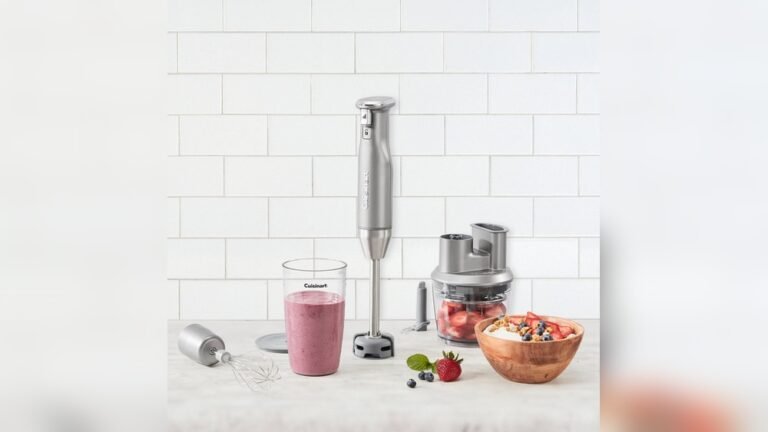
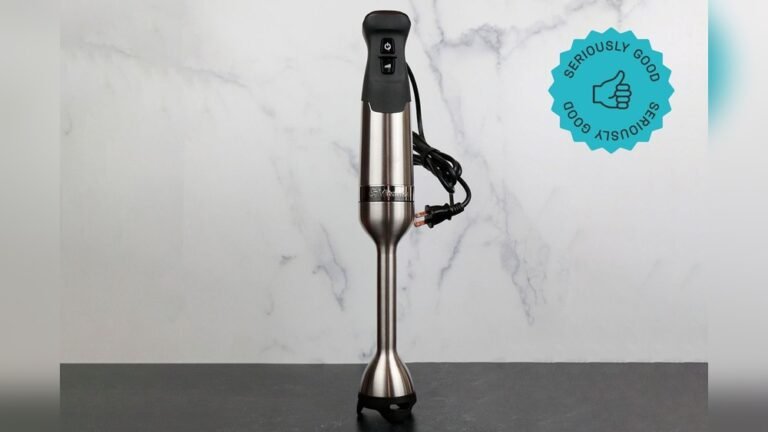
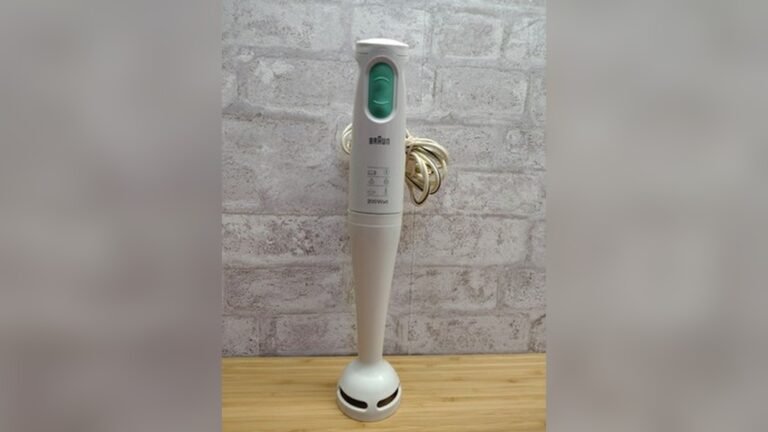
An immersion blender is a kitchen tool used to blend ingredients directly in the container. It’s shaped like a long stick, with blades at the bottom. You hold it in your hand, place it into soups, purees, or sauces, and blend right where the food is. Sometimes, it’s called a stick blender or wand blender.
The main feature is its ability to blend without needing a separate jug or bowl. This makes it easy for tasks like pureeing soup in a pot, mixing baby food, or making mayonnaise. Most immersion blenders are powered by electricity, but some are cordless.
Key Features
- Long shaft: Usually 6 to 12 inches, so you can reach deep pots.
- Blade guard: Protects the blades and prevents splashing.
- Variable speeds: Lets you control blending power.
- Detachable shaft: Makes cleaning easy.
- Lightweight: Comfortable to hold for long periods.
Common Uses
Immersion blenders are best for:
- Pureeing soups directly in the pot
- Making sauces, like tomato sauce or pesto
- Blending smoothies in a glass or cup
- Whipping cream or eggs
- Making baby food
A practical tip: If you blend hot liquids, always keep the blender fully submerged and move it slowly. This prevents splattering and burns.
Real-world Example
Imagine cooking potato leek soup. Instead of transferring hot soup to a traditional blender, you just use an immersion blender right in the pot. It saves time and reduces cleanup.
What Is A Hand Blender?
The term hand blender often creates confusion. In many regions, “hand blender” means the same as “immersion blender.” But sometimes, people use it to refer to handheld electric mixers, which are different tools. For clarity, this article uses “hand blender” as a synonym for “immersion blender,” but we’ll also explain the differences when “hand blender” means something else.
Key Features
- Portable: Held in the hand, easy to move around.
- Electric motor: Powers spinning blades.
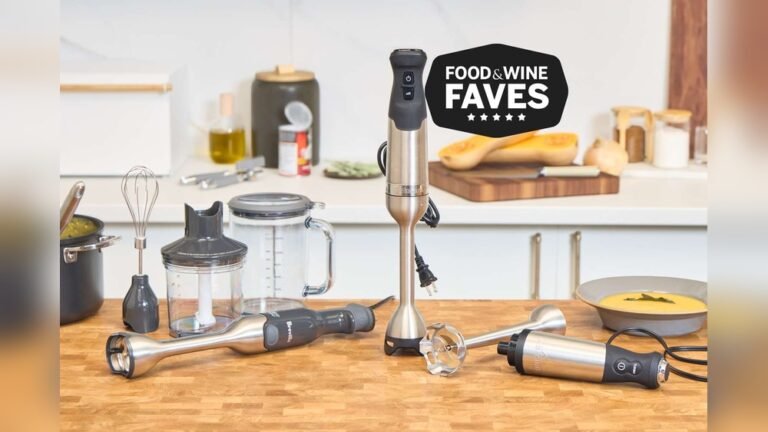
- Interchangeable attachments: Some models come with whisk or chopper accessories.
- Compact design: Fits in kitchen drawers.
Common Uses
Hand blenders are used for:
- Blending soups and sauces
- Making smoothies
- Whipping eggs or cream (with attachments)
- Mixing batter for pancakes or cakes
Where Confusion Happens
Some brands call their immersion blenders “hand blenders. ” This is true for companies like Braun, Philips, and Cuisinart. However, in some countries, “hand blender” means a hand mixer—a tool with beaters for dough or cream. This mix-up leads to misunderstanding among buyers.
Immersion Blender Vs. Hand Blender: Are They The Same?
The big question: Is an immersion blender the same as a hand blender? In most cases, yes. Both terms refer to a stick-like device used for blending in containers. But, the answer depends on the country, brand, and context.
To make things clear, here’s a comparison table:
| Feature | Immersion Blender | Hand Blender |
|---|---|---|
| Shape | Stick with blades at bottom | Usually stick-shaped |
| Main Function | Blend, puree, emulsify | Blend, puree, emulsify |
| Common Names | Stick blender, wand blender | Immersion blender, stick blender |
| Attachments | Sometimes whisk or chopper | Sometimes whisk or chopper |
| Confusion | Rarely confused with hand mixer | Sometimes confused with hand mixer |
Non-obvious Insight
Many buyers think all stick-shaped blenders are equal, but blade quality and motor strength can vary greatly. Cheap models may struggle with tough foods, while premium ones can crush ice or nuts.
Country Differences
- In the US and Europe: “hand blender” and “immersion blender” are the same.
- In India and some Asian countries: “hand blender” often means stick blender, but “hand mixer” means electric beater.
- In Australia: Both terms are used, but “stick blender” is common.
Always check product photos and descriptions before buying.
Immersion Blender Vs. Hand Mixer: Clear Difference
A hand mixer is not the same as an immersion blender or hand blender. Hand mixers have two beaters, used for mixing dough, whipping cream, or making cake batter. They cannot blend soups or sauces.
Here’s a quick comparison:
| Feature | Immersion/Hand Blender | Hand Mixer |
|---|---|---|
| Blades | Rotating, sharp | Wire beaters |
| Main Use | Blend, puree | Mix, whip |
| Can Blend Soup? | Yes | No |
| Can Whip Cream? | Yes (with whisk attachment) | Yes |
| Can Make Batter? | No | Yes |
Common Mistake
Beginners often buy a hand mixer thinking it will blend soups or sauces. This is incorrect. Hand mixers are not made for liquids; they splash and make a mess.
Why The Confusion Exists
The confusion comes from marketing and language differences. Brands use “hand blender” and “immersion blender” interchangeably. Some stores list hand mixers as hand blenders, adding to the mix-up.
Another reason is the similarity in shape. Both are held in the hand, both are powered, and both are used in the kitchen. But their functions are different.
Practical Tip
When shopping, look for these clues:
- If the device has sharp blades and a long shaft, it’s an immersion blender.
- If it has wire beaters and is used for baking, it’s a hand mixer.
How Immersion Blenders Work
Immersion blenders have a simple design. A motor spins sharp blades at the bottom of a shaft. You hold the blender and immerse it in food. The blades create a vortex that pulls food in, chopping and blending.
Motor Power
Most immersion blenders have motors from 200 to 800 watts. Higher wattage means more power for tough foods.
Blade Design
Good immersion blenders have stainless steel blades. Some blades are curved, which helps prevent splashing and improves blending.
Safety
Always unplug before cleaning. Don’t touch the blades while the device is running.
Types Of Immersion Blenders
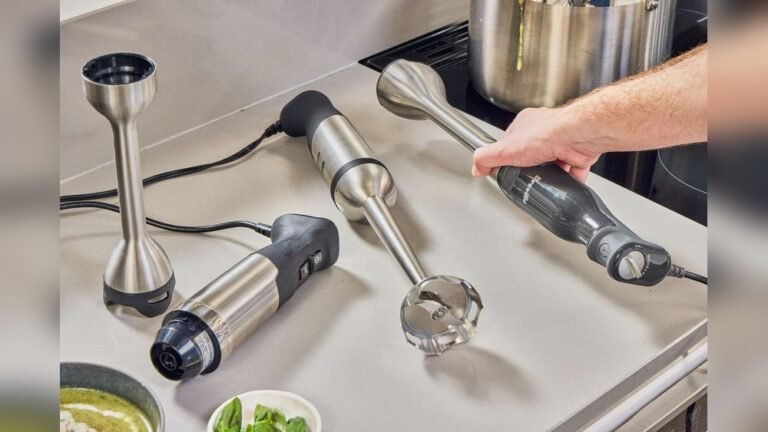
Not all immersion blenders are the same. There are three main types:
- Basic Immersion Blender: Simple stick, fixed blades, one or two speeds.
- Multi-Speed Immersion Blender: Offers variable speeds, better control.
- Immersion Blender with Attachments: Comes with whisk, chopper, or measuring cup.
Comparison Table
| Type | Features | Best For |
|---|---|---|
| Basic | Single speed, fixed blade | Simple soups, sauces |
| Multi-Speed | 2–5 speeds, strong motor | Smoothies, tough veggies |
| With Attachments | Whisk, chopper, cup | Whipping, chopping, blending |
Non-obvious Insight
Many think attachments are just extras, but a whisk attachment can turn an immersion blender into a powerful egg beater. This saves you from buying a separate hand mixer.
Choosing The Right Blender For Your Needs
Before buying, consider how you plan to use the blender. Here are key factors:
1. Power
- For smoothies or tough foods, choose at least 400 watts.
- For soup or sauces, 200–300 watts is enough.
2. Blade Quality
- Stainless steel blades last longer and resist rust.
- Plastic blades may break or dull quickly.
3. Speed Settings
- Multiple speeds give more control for delicate foods.
4. Attachments
- Whisk and chopper attachments expand your blender’s use.
- Some brands offer additional accessories like potato masher.
5. Ease Of Cleaning
- Detachable shafts are easier to clean.
- Dishwasher-safe parts save time.
6. Corded Vs. Cordless
- Cordless models are portable but may have less power.
- Corded models are stronger but need an outlet.
7. Price
- Basic models start at $20.
- Premium models with attachments can cost $80–$150.
Common Buyer Mistake
Many beginners focus only on price. Cheap models often have weak motors and poor blades. It’s better to invest in quality if you plan to use your blender often.
Practical Uses And Recipes
Immersion blenders are versatile. Here are ways to use them:
Soups
- Blend vegetable soup directly in the pot.
- Try tomato basil soup or carrot ginger soup.
Smoothies
- Make fruit smoothies in a tall glass.
- Blend bananas, berries, and yogurt.
Sauces
- Puree pesto, salsa, or tomato sauce.
Whipping
- Whip cream or eggs with a whisk attachment.
Baby Food
- Blend cooked vegetables for homemade baby food.
Practical Cooking Tip
For best results, always cut large food pieces into smaller chunks before blending. This prevents jamming and helps the blender work efficiently.
Cleaning And Maintenance
Keeping your immersion blender clean is important for safety and performance.
Cleaning Steps
- Unplug the blender.
- Detach the shaft.
- Rinse blades and shaft under warm water.
- Use a brush for tough spots.
- Dry completely before storing.
Maintenance Tips
- Avoid blending in metal pots to prevent scratches.
- Don’t immerse the motor in water.
- Check blades for wear every few months.
Non-obvious Insight
Some models have a “turbo” button that pushes extra power for stubborn foods. Use it sparingly; constant use can wear out the motor faster.

Credit: www.tasteofhome.com
Safety Tips
Immersion blenders are safe if used correctly, but accidents can happen.
Tips To Stay Safe
- Always unplug before cleaning.
- Keep fingers away from blades.
- Don’t let children use without supervision.
- Blend hot liquids slowly to avoid splashes.
- Store safely to prevent blade accidents.
Pros And Cons Of Immersion/hand Blenders
It helps to know the advantages and disadvantages.
Pros
- Easy to use
- Saves time and dishes
- Blends directly in containers
- Portable and lightweight
- Versatile with attachments
Cons
- Can’t blend large quantities at once
- May struggle with thick or frozen foods
- Motor can overheat if used too long
- Cheaper models may break easily
Non-obvious Insight
Even premium immersion blenders can’t replace traditional countertop blenders for large batches. If you cook for many people, you may need both.

Credit: www.youtube.com
Popular Brands And Models
Knowing which brands make good immersion blenders helps you choose wisely.
Well-known Brands
- Braun
- Cuisinart
- KitchenAid
- Philips
- Breville
Best-selling Models
- Braun Multiquick 7: Powerful, multiple attachments.
- Cuisinart Smart Stick: Affordable, easy to use.
- KitchenAid 2-Speed: Reliable, simple design.
- Philips ProMix: Good for smoothies and soups.
- Breville Control Grip: Ergonomic, strong motor.
Real-world Data
A 2026 market report showed that immersion blenders are used in 65% of US households. KitchenAid and Braun are top sellers. Most buyers choose models under $100.
Comparing Immersion Blender To Countertop Blender
Immersion blenders and countertop blenders serve different purposes.
| Feature | Immersion Blender | Countertop Blender |
|---|---|---|
| Portability | High | Low |
| Batch Size | Small/Medium | Large |
| Power | Moderate | High |
| Cleaning | Easy | More parts to clean |
| Versatility | Soups, sauces, small smoothies | Smoothies, ice, nut butters |
Practical Guidance
If you mostly cook for one or two people, an immersion blender is perfect. For big families or batch cooking, a countertop blender is better.
Common Mistakes When Using Immersion Blenders
Even experienced cooks make mistakes. Here are some common errors:
- Not keeping the blender fully submerged: This causes splashing.
- Trying to blend too much at once: Overloading leads to uneven results.
- Using in shallow bowls: Blades can cause spills.
- Ignoring speed settings: Always start slow to avoid mess.
- Not cutting food into smaller pieces: Large chunks jam the blades.
- Blending hot liquids too quickly: This can cause burns.
Non-obvious Tip
Always pulse the blender instead of running it continuously. This gives smoother texture and avoids overheating.
Environmental Impact
Immersion blenders use less energy than countertop blenders. They are also smaller and require fewer materials to manufacture. Most parts are recyclable, especially stainless steel shafts.
Sustainable Choices
- Choose models with long-lasting motors.
- Buy blenders with replaceable parts.
- Avoid single-use accessories.
Trends In Blender Technology
Modern immersion blenders are smarter and safer.
New Features
- Cordless models: Rechargeable batteries for easy use.
- Digital controls: Precise speed adjustment.
- Anti-splash blade guards: Cleaner blending.
- Improved ergonomics: Comfortable grips and lighter weight.
Data Point
By 2026, cordless immersion blenders are expected to make up 30% of sales worldwide, according to kitchen appliance forecasts.
Immersion Blender Safety Standards
US and EU require safety certifications for electrical appliances. Look for UL, CE, or equivalent marks on packaging. These ensure the device is tested for electrical and mechanical safety.
Practical Advice
Buy only from reputable brands. Avoid cheap, uncertified imports—they may be unsafe.
How To Store Your Blender
Proper storage increases lifespan.
- Detach shaft and clean thoroughly.
- Store in a dry place.
- Keep away from children.
- For models with attachments, keep all parts together.
Non-obvious Insight
Some immersion blenders come with wall mounts or storage racks. Use these to save space and avoid losing accessories.
Buying Online Vs. In-store
Buying online offers variety and better prices, but you can’t test the device. In-store buying lets you feel the weight and see the build quality.
Tips
- Read reviews for motor strength and durability.
- Check return policy.
- Compare photos and descriptions carefully.
External Source
For more in-depth reviews and safety information, check Consumer Reports.
Using Attachments: Whisk And Chopper
Attachments add value to your immersion blender.
Whisk Attachment
Good for:
- Whipping cream
- Beating eggs
- Mixing batter
Chopper Attachment
Good for:
- Chopping onions, garlic, herbs
- Making salsa or pesto
Practical Tip
Always attach accessories properly. Loose attachments can cause vibration or damage.
Immersion Blender For Special Diets
If you follow special diets—like vegan or gluten-free—an immersion blender can help. Blend chickpeas for hummus, pureed vegetables for gluten-free soup, or nuts for vegan sauces.
Example
Making vegan mayonnaise is easy with an immersion blender. Blend soy milk, oil, lemon juice, and salt until creamy.
:max_bytes(150000):strip_icc()/sea-primary-immersion-blenders-sep-24-rkilgore-0658-89167e1e4bd44afb93d9c847674b09e4.jpeg)
Credit: www.seriouseats.com
Durability And Lifespan
Average lifespan is 3 to 5 years. Premium models last longer. Regular cleaning and proper use extend life.
Non-obvious Insight
Avoid blending ice or frozen fruit unless your model is rated for it. This prevents blade damage.
Immersion Blender In Professional Kitchens
Chefs use immersion blenders for speed and efficiency. Large models are available for commercial use, with stronger motors and longer shafts.
Data Point
Professional kitchens often use immersion blenders with 1000+ watts and 16-inch shafts for large soup pots.
Troubleshooting Common Problems
Immersion blenders can face issues:
- Motor overheating: Let it rest between batches.
- Blades jammed: Remove food and clean thoroughly.
- Attachments not fitting: Check for debris or damage.
- Poor blending: Cut food smaller, check motor power.
Non-obvious Tip
If your blender stops working, check the safety lock. Many models won’t run unless the shaft is attached correctly.
Frequently Asked Questions
Is An Immersion Blender The Same As A Hand Blender?
Yes, in most cases. Both terms refer to a stick-shaped device used for blending in containers. However, some regions or brands use “hand blender” for hand mixers. Always check product details.
Can Immersion Blenders Replace Countertop Blenders?
Not fully. Immersion blenders are best for small batches, soups, and sauces. Countertop blenders handle larger quantities and tougher foods like ice or nuts.
Can I Use An Immersion Blender For Baking?
You can use it for tasks like whipping eggs or cream, especially with a whisk attachment. But for mixing dough or batter, a hand mixer is better.
Are Immersion Blenders Safe For Hot Liquids?
Yes, but always keep the blender fully submerged and blend slowly to avoid splashing. Let hot liquids cool slightly before blending if possible.
How Long Do Immersion Blenders Last?
With proper care, most models last 3 to 5 years. Premium brands may last longer. Avoid overloading and keep blades clean for best results.
Final Thoughts
Immersion blenders and hand blenders are usually the same kitchen tool. The confusion comes from language, branding, and regional differences. Understanding the features, uses, and differences saves you from buying the wrong appliance. Immersion blenders are versatile, easy to clean, and perfect for soups, sauces, and smoothies.
But they cannot fully replace countertop blenders for large batches or tough foods. Before buying, check product details, read reviews, and consider your cooking needs. With the right blender, cooking becomes easier and more enjoyable.