What To Look For In An Immersion Blender: Essential Buying Guide
Choosing the right immersion blender can make cooking at home easier and more enjoyable. Whether you’re making creamy soups, blending smoothies, or whipping up sauces, this small kitchen tool can do a lot. But with so many options, how do you know which immersion blender is best for you?
Many buyers focus on price or popular brands, but there are deeper features that make a big difference in daily use. Let’s explore what to look for in an immersion blender, so you can invest in the right tool for your kitchen—one that lasts and fits your needs.
Understanding Immersion Blenders
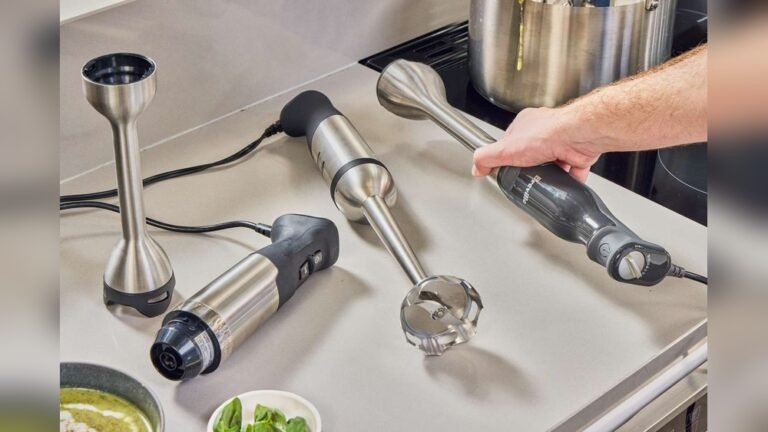
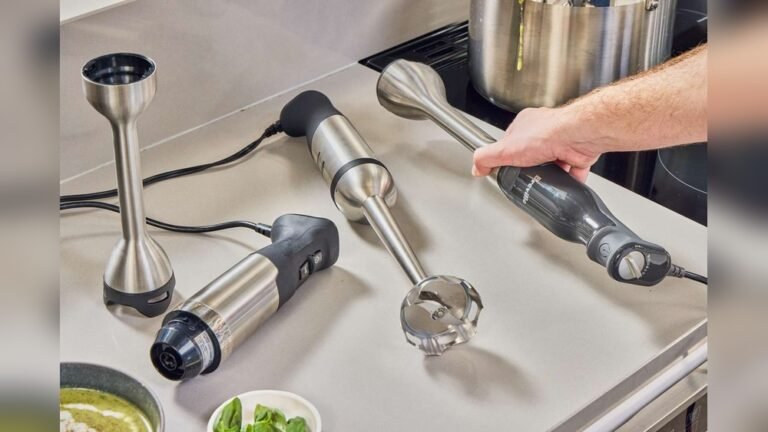
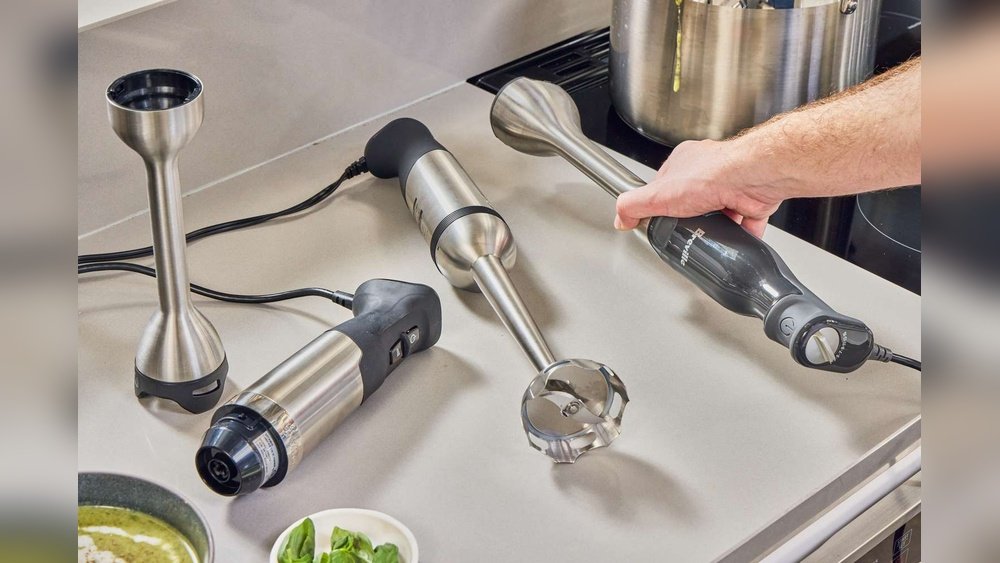
An immersion blender, also known as a stick blender or hand blender, is a handheld device used to blend ingredients directly in bowls, pots, or other containers. It features a motor on one end and a rotating blade on the other. Unlike traditional blenders, you don’t need to transfer food to a separate jar, which saves time and reduces mess.
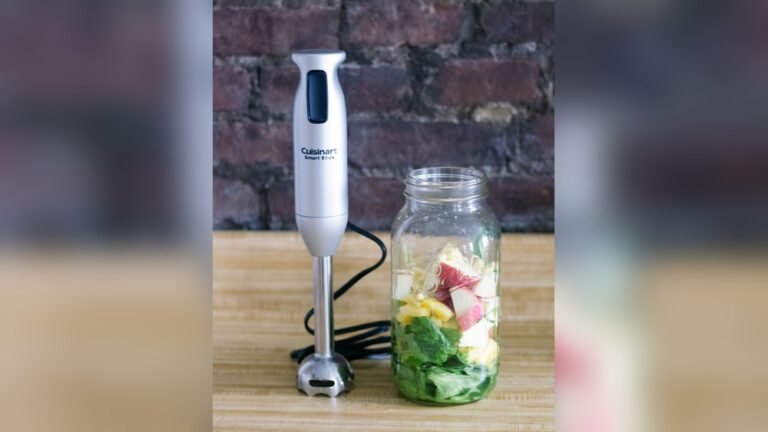
Immersion blenders are popular for their convenience and versatility. They can puree soups right in the pot, whip cream, make smoothies, or even chop nuts—depending on their features. But not all models perform equally well in every task. Understanding the key features helps you avoid common mistakes and choose a blender that works for you, not against you.
Key Features To Consider
The following sections break down the most important factors to evaluate before buying an immersion blender. Each feature impacts performance, safety, or ease of use.
1. Power And Motor Strength
Wattage is a key indicator of an immersion blender’s strength. Most models range from 200 to 1000 watts. More power means the blender can handle tougher tasks, like crushing ice or blending fibrous vegetables.
- 200–300 watts: Good for light tasks (soups, soft fruits).
- 400–600 watts: Handles thicker mixtures (smoothies, baby food).
- 700+ watts: Best for hard ingredients (ice, nuts, root vegetables).
A common mistake is choosing a low-watt model for heavy tasks. This can burn out the motor quickly. For most home cooks, 400–600 watts offers a good balance between power and price.
2. Speed Settings
Blenders come with different speed options. Some have a single speed, while others have two or more. Models with variable speed give you more control.
- Single speed: Simpler, but less flexible.
- Two speeds: Useful for switching between gentle mixing and fast blending.
- Variable speed: Offers the most control, ideal for recipes needing precise texture.
If you often make delicate sauces or want to whip cream, variable speed is a helpful feature.
3. Blade Design And Material
The blades are the heart of the immersion blender. Look for stainless steel blades—they last longer and resist rust. Blade shape also matters. Wider, multi-pronged blades tend to blend more evenly.
- Stainless steel: Durable and safe for hot liquids.
- Plastic: Cheaper, but can warp or stain.
- Detachable blades: Easier to clean, but ensure they lock securely.
Some models have blade guards to protect pots from scratches. This is useful if you blend directly in nonstick or delicate cookware.
4. Shaft Length And Material
The shaft is the long part that reaches into pots or bowls. Shaft length is often overlooked, but it affects comfort and safety.
- Short shaft (6–8 inches): Good for shallow bowls.
- Long shaft (9–12 inches): Reaches deep pots, safer for hot soups.
Shafts made from stainless steel are more durable and safe for hot foods, while plastic shafts may not withstand heat as well.
5. Ergonomics And Comfort
An immersion blender should feel comfortable in your hand, especially if you use it often or for long periods.
- Handle shape: Look for a non-slip, contoured grip.
- Weight: Lighter models are easier to control, but heavy ones may feel sturdier.
Try holding different models in the store. Some people overlook this step and regret buying a blender that strains their wrist or feels awkward.
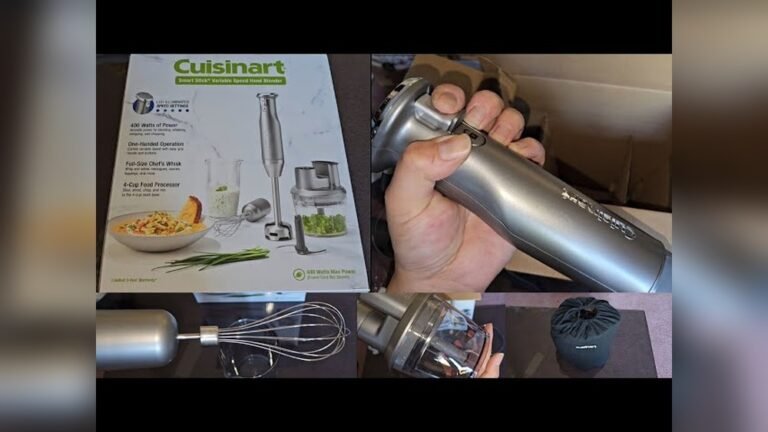
6. Attachments And Accessories
Some immersion blenders come as basic sticks, while others offer a range of attachments. These extras expand what your blender can do.
Common attachments include:
- Whisk: Great for whipping cream or eggs.
- Chopper bowl: Turns the blender into a mini food processor.
- Beaker: Ideal for making smoothies or sauces.
- Potato masher: For creamy mashed potatoes.
Consider which accessories you’ll actually use. More attachments often mean a higher price and more parts to clean.
7. Ease Of Cleaning
Cleaning is important for any kitchen appliance. Detachable parts make washing easier.
- Dishwasher-safe: Many shafts and blades are dishwasher-friendly.
- Sealed buttons: Prevent food from getting stuck.
- Simple design: Fewer crevices mean less scrubbing.
A common mistake is choosing a model with many small parts that are hard to reach. Over time, this makes the blender less hygienic.
8. Build Quality And Durability
A well-built immersion blender should last several years. Look for models with solid construction, especially at connection points (where shaft meets motor).
- Metal parts: Last longer than plastic.
- Good warranty: Shows the manufacturer stands by their product.
Check for user reviews about long-term reliability, not just first impressions.
9. Safety Features
Safety is important, especially if you have children or multitask in the kitchen.
- Locking mechanism: Prevents accidental start.
- Overheating protection: Shuts off motor if it gets too hot.
- Blade guard: Protects fingers and cookware.
Some models have a safety button that must be pressed before operation. While it adds a small step, it prevents accidents.
10. Noise Level
Immersion blenders can be loud, especially more powerful ones. If you have babies, sensitive ears, or an open kitchen, quieter models are worth considering.
- Low-noise motors: Usually found in higher-end models.
- User reviews: Check what others say about noise.
11. Corded Vs Cordless
Most immersion blenders plug into the wall, but some are cordless with rechargeable batteries.
- Corded: Unlimited power, usually lighter.
- Cordless: More portable, but battery life may be limited.
Cordless models are convenient for outdoor cooking or kitchens with few outlets. However, they’re often less powerful and can run out of charge mid-task.
12. Price And Value
Price varies widely, from $20 basic models to $200+ premium sets. More expensive doesn’t always mean better, but ultra-cheap blenders may not last.
- Under $50: Basic, suitable for simple tasks.
- $50–$100: Better build, more features.
- $100+: Premium power, more attachments.
Think about your needs. Spending a bit more can save money in the long run by avoiding replacement costs.
:max_bytes(150000):strip_icc()/sea-immerison-blenders-criteria-b7c39d149076405481659d9eb8b1da10.png)
Credit: www.seriouseats.com
Side-by-side Feature Comparison
To help you see how different features compare, here’s a quick look at three popular models:
| Feature | Basic Model | Mid-Range Model | Premium Model |
|---|---|---|---|
| Power | 250W | 500W | 800W |
| Speed Settings | 1 | 2 | Variable |
| Blade Material | Stainless Steel | Stainless Steel | Stainless Steel |
| Shaft Material | Plastic | Stainless Steel | Stainless Steel |
| Attachments | None | Whisk, Beaker | Whisk, Chopper, Beaker |
| Price | $25 | $70 | $150 |
Common Mistakes When Buying
People often make the same errors when choosing an immersion blender. Avoid these pitfalls to get the best value.
- Ignoring power: Choosing a weak motor leads to frustration and early burnout.
- Overvaluing attachments: Buying a model with many accessories, but only using one or two.
- Focusing only on price: Cheap models can cost more in repairs and replacements.
- Neglecting comfort: An uncomfortable handle makes the blender hard to use, even if it’s powerful.
- Forgetting about cleaning: Complicated designs are annoying to wash and may harbor bacteria.
- Not checking warranty: Some brands offer poor support or no warranty at all.
- Overlooking cord length or battery life: Short cords or weak batteries limit where and how you use the blender.
Practical Use Scenarios
Different cooks have different needs. Here’s how key features matter in real kitchens.
Making Hot Soups
If you love pureed soups, look for:
- Long stainless steel shaft: Safe for hot pots.
- High power: Smooth texture, even with hard vegetables.
- Blade guard: Protects nonstick pans.
Smoothies And Shakes
For daily smoothies:
- Medium to high power: Handles frozen fruits.
- Beaker attachment: Makes blending single servings easy.
- Variable speed: Helps with thick or thin mixtures.
Whipping Cream Or Eggs
If you bake often:
- Whisk attachment: Saves time.
- Variable speed: Prevents over-whipping.
- Lightweight model: Comfortable for long mixing sessions.
Baby Food
For making baby food:
- Detachable, easy-to-clean blade: Hygiene is key.
- Low-noise motor: Less likely to wake the baby.
- Multiple speeds: Adjust consistency for age.
Camping Or Outdoor Cooking
For use away from outlets:
- Cordless model: No need for power.
- Good battery life: Lasts through multiple uses.
- Compact size: Easy to pack.
Top Brands And Their Strengths
Not all brands are equal. Some focus on power, others on design, and a few offer strong warranties. Here’s a summary of what popular brands are known for:
| Brand | Strengths | Typical Price Range |
|---|---|---|
| Breville | Powerful motors, premium build | $90–$200 |
| Braun | Comfortable design, quiet operation | $60–$150 |
| Cuisinart | Value, wide range of models | $30–$120 |
| KitchenAid | Stylish, good attachments | $50–$130 |
| Hamilton Beach | Budget-friendly, simple | $20–$50 |
These are not the only options, but they are reliable for most kitchens. Always check recent user reviews, as models change over time.
How To Test An Immersion Blender Before Buying
If you can visit a store, testing the blender in your hand gives valuable information. Here’s what to check:
- Grip: Is the handle comfortable? Can you hold it securely with wet hands?
- Weight: Does it feel balanced or too heavy?
- Button placement: Can you reach controls easily?
- Noise: Ask for a demo to check sound.
- Attachment fit: Do accessories lock in smoothly?
Even a few minutes of hands-on testing can reveal issues you won’t see in online listings.
Caring For Your Immersion Blender
To keep your blender working well for years:
- Clean immediately: Rinse or wash parts right after use to prevent food from drying.
- Avoid submerging the motor: Only the shaft and blades are safe in water.
- Check for wear: Inspect the blade and shaft regularly.
- Store safely: Keep blades covered or detached to prevent accidents.
Following these steps also keeps your food safe and your blender looking new.

Credit: www.nytimes.com
Environmental Impact And Sustainability
More buyers are thinking about the planet when choosing kitchen tools. Here’s how immersion blenders compare:
- Energy use: Most use little electricity, especially compared to large blenders.
- Materials: Stainless steel lasts longer and is recyclable, while plastic may end up as waste.
- Repairs: Models with replaceable parts are better for the environment.
Choosing a durable model that can be repaired—not just replaced—reduces waste over time.
When To Replace Your Immersion Blender
Even the best blenders wear out eventually. Signs it’s time for a new one include:
- Motor smells or overheats: Indicates internal damage.
- Loose or wobbly shaft: Can be unsafe.
- Blades dull and can’t be replaced: Reduces blending power.
- Cracked plastic: May leak or break during use.
If repairs are possible, ask the manufacturer. Otherwise, recycle metal parts where possible.
Non-obvious Insights Most Buyers Miss
- Blade guard design matters more than you think. A well-designed guard improves blending speed and protects cookware. Some guards create a “vortex” that pulls food toward the blade, making blending smoother and faster.
- Longer warranties can save more than features. A slightly more expensive model with a three-year warranty often outlasts two or three cheaper blenders.
- Cord flexibility is overlooked. A stiff or short cord can make using your blender awkward, especially near hot pots.
- Storage solutions help, especially in small kitchens. Some blenders come with wall mounts or compact cases, keeping counters clear and parts organized.
- Replacement part availability signals quality. Brands offering spare shafts, blades, or seals usually build higher-quality products.
Frequently Asked Questions
How Do I Know If I Need A High-powered Immersion Blender?
If you blend tough foods like ice, nuts, or fibrous vegetables often, you need a high-powered model (700+ watts). For basic tasks like soups or soft fruits, a mid-range blender (400–600 watts) is enough.
Can I Use An Immersion Blender For Hot Soups?
Yes, but choose a model with a long stainless steel shaft. Never use a plastic shaft for hot food, as it can warp or leach chemicals. Always keep the blades fully submerged to prevent splashing.
Are Cordless Immersion Blenders As Good As Corded Ones?
Cordless blenders are convenient and portable, but usually have less power and shorter run times. For daily heavy use, a corded model is more reliable. Cordless is good for quick jobs or outdoor cooking.
How Do I Safely Clean An Immersion Blender?
Unplug the blender first. Detach the shaft and wash it in warm, soapy water or the dishwasher (if allowed). Wipe the motor unit with a damp cloth—never submerge it. Check for food stuck under the blade guard.
Where Can I Find More Information About Kitchen Appliance Safety?
The U.S. Consumer Product Safety Commission provides advice and recalls about kitchen appliances. Learn more at CPSC.gov.
Choosing the right immersion blender means thinking beyond price and brand. Focus on power, build quality, comfort, and features that match your cooking style. A well-chosen blender can become your most-used kitchen tool—making everyday cooking faster, easier, and more enjoyable.

Credit: www.bonappetit.com