How To Use Cuisinart Immersion Blender Like a Pro
If you have ever tried to blend soup in a tall pot or whip up a smoothie in a small kitchen, you know the struggle of moving food to a bulky blender. The Cuisinart immersion blender solves this problem. It is a simple, handheld tool that blends, chops, and mixes right in the bowl, pot, or cup. Whether you are making creamy soups, fresh salsas, or baby food, this device can help you do it faster and cleaner. But many users, especially beginners, miss key steps and safety tips. In this guide, you’ll learn exactly how to use the Cuisinart immersion blender safely and efficiently, understand its features, avoid common mistakes, and discover ways to get the most from your appliance.
Understanding The Cuisinart Immersion Blender
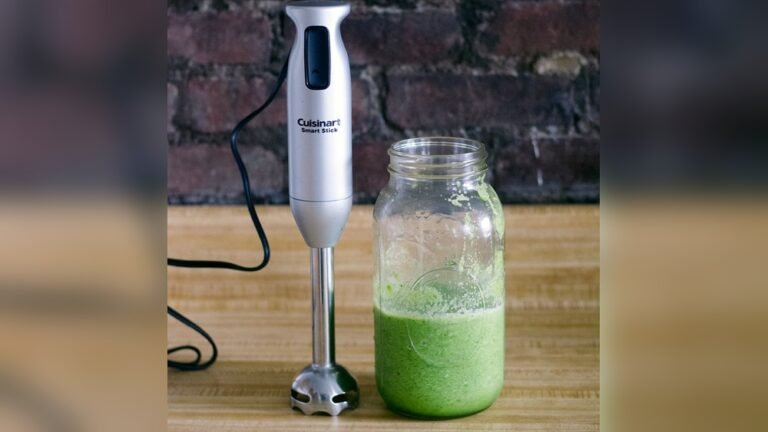
Before you start blending, it’s important to know what makes the Cuisinart immersion blender unique. This device is designed to be held in one hand and used directly in the container of your food. Unlike traditional countertop blenders, it doesn’t require transferring hot liquids or dirtying extra dishes.
Key Features
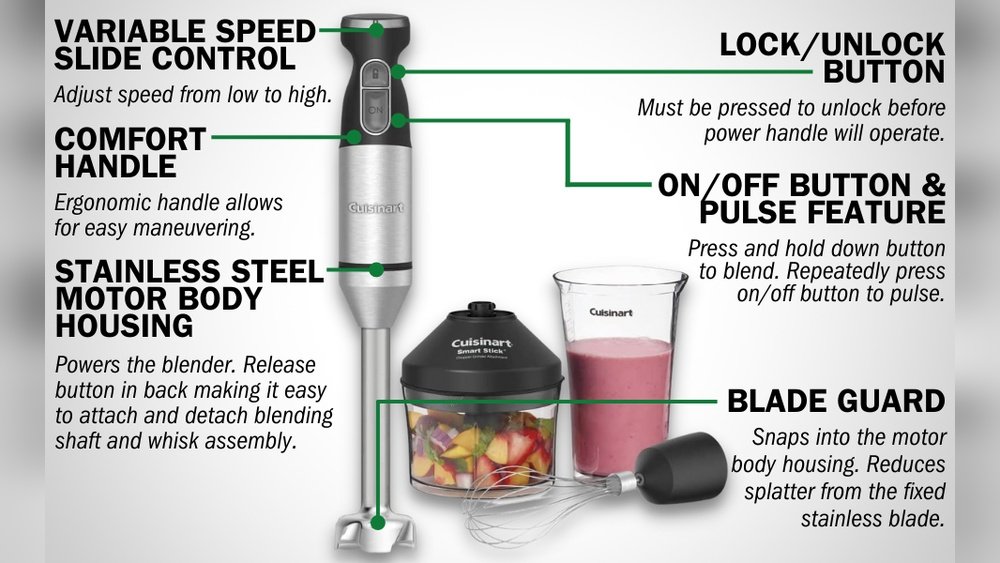
Most Cuisinart immersion blenders include:
- Stainless steel blending shaft: Durable and easy to clean.
- Variable speed control: Lets you adjust blending power for different foods.
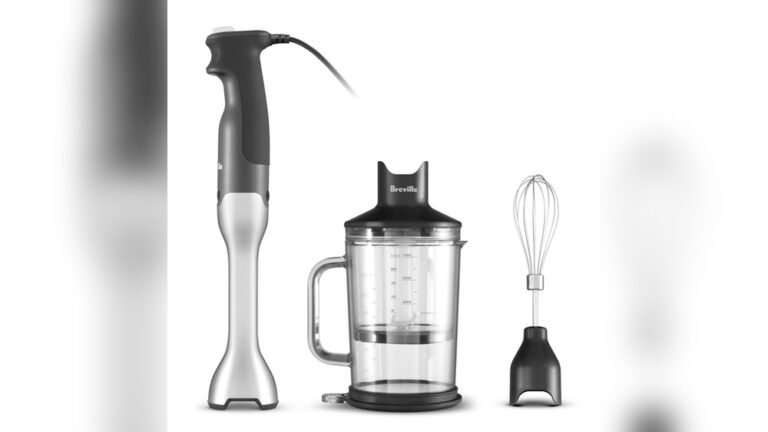
- Detachable attachments: Includes whisk, chopper, or beaker options.
- Ergonomic handle: Designed for comfortable use.
Some advanced models offer cordless operation or extra blades for different textures. Always check your manual for the exact features.
How It Works
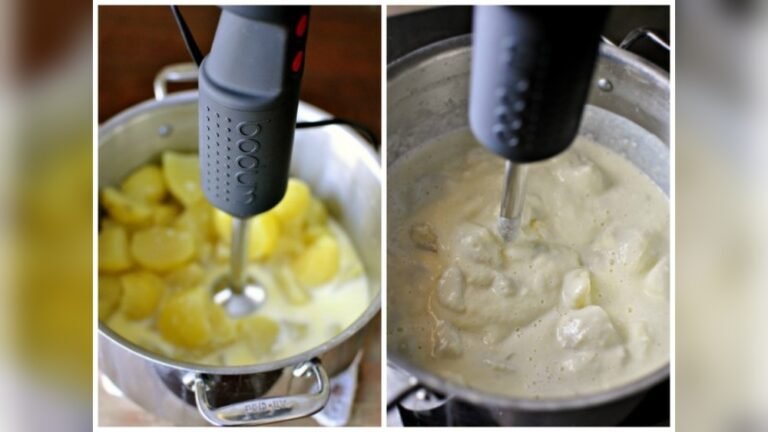
The immersion blender uses a spinning blade at the tip of the shaft. When you press the power button, the blade rotates quickly, chopping and blending ingredients together. You move the blender around your container to reach all the food.
Preparing To Use Your Immersion Blender
Proper preparation is the key to safe, effective blending. Many beginners skip these steps and face splattering, uneven results, or even damage to their device.
Assembling The Blender
- Unpack all parts and make sure everything is clean.
- Attach the blending shaft to the motor body. For most models, you twist and lock the shaft in place.
- If you plan to use other attachments, like the whisk or chopper, follow the instructions in your manual.
Choosing The Right Container
The immersion blender works best in tall, narrow containers. This prevents splashing and keeps food under the blade.
- For soups: Blend directly in the pot.
- For smoothies or sauces: Use the included beaker or a tall glass.
- For small batches: Choose containers at least two inches wider than the blade.
Avoid shallow bowls, which can cause splattering.
Checking Ingredients
Cut large foods into smaller pieces. For example, chop carrots into half-inch chunks for soup. Remove hard pits from fruits. Never use the immersion blender on bones or frozen blocks—these can damage the blades.
Step-by-step: How To Use The Cuisinart Immersion Blender
Now you’re ready to blend. Follow these steps for smooth, safe results.
1. Plug In And Position
Plug the blender into a safe outlet. Hold the handle firmly, keeping your fingers away from the buttons until you are ready. Place the blender tip into your container, making sure the blade is fully covered by food or liquid.
2. Choose Your Speed
Most models have a speed dial or button. Start at a low speed for thin liquids, and a higher speed for thick or chunky foods. If your blender has a turbo or pulse option, use it for short bursts.
3. Begin Blending
Press and hold the power button. Move the blender slowly around the container, making sure all ingredients pass under the blade. For best results:
- Keep the blade just below the surface to avoid splattering.
- Use gentle up-and-down motions for even blending.
- Pause and stir if ingredients stick to the sides.
4. Check Texture
Release the power button and lift the blender to check the food texture. If needed, blend again for a few seconds. For soups, aim for a creamy finish. For salsa, stop when you see small chunks.
5. Remove And Clean
Unplug the blender before cleaning. Detach the blending shaft and rinse it under warm water. For sticky foods, use a brush or mild soap. Dry before storing.
Practical Uses For Your Immersion Blender
The Cuisinart immersion blender is more than a soup maker. It’s a versatile kitchen tool with many uses.
Blending Hot Soups
Many people love the immersion blender for pureeing hot soups right in the pot. It saves time and reduces mess.
- Let the soup cool for a few minutes to avoid steam burns.
- Keep the blade fully submerged.
- Blend in short bursts and check texture often.
Making Smoothies
Add fruits, yogurt, and ice to a tall glass. Blend until smooth. If your model has a beaker, use it for portion control.
Whipping Cream Or Egg Whites
Attach the whisk accessory. Place it in a cold bowl with cream or egg whites. Use a medium speed and move the whisk in circles. Stop when peaks form.
Chopping Vegetables
Use the chopper attachment for onions, garlic, or herbs. Pulse in short bursts for fine or coarse results.
Creating Baby Food
Steam vegetables and blend directly in the cooking pot. For softer texture, add a splash of water or milk.
Making Sauces
Blend tomatoes, garlic, and spices in a deep bowl. For mayonnaise, use the blending shaft and add oil slowly.
Safety Tips And Common Mistakes
The immersion blender is safe if used correctly, but mistakes can cause splattering or injury.
Safety Tips
- Never touch the blade while the blender is plugged in.
- Unplug before changing attachments or cleaning.
- Keep hands, hair, and loose clothing away from the blade.
- Blend hot liquids carefully—steam can burn.
- Do not immerse the motor body in water.
Common Mistakes To Avoid
- Blending in shallow containers: Causes splattering.
- Overfilling: Food spills over when blending.
- Using too high speed: Splashes liquids and makes cleanup harder.
- Not cutting ingredients first: Leaves large chunks and strains the motor.
- Ignoring cleaning: Food stuck in the blade can cause odors and bacteria.
Non-obvious Insights
- For thicker foods like hummus, start blending at the bottom and slowly move up. This prevents air pockets.
- When blending hot soup, tilt the pot slightly so steam escapes away from your hand.
Comparing Cuisinart Immersion Blender Models
Cuisinart offers several immersion blender models, each with different features. Here’s a comparison of three popular models:
| Model | Power (watts) | Speeds | Attachments | Cordless |
|---|---|---|---|---|
| CSB-179 | 300 | Variable | Whisk, Chopper, Beaker | No |
| CSB-400 | 400 | Variable | Whisk, Chopper, Beaker | Yes |
| CSB-75 | 200 | 2 | None | No |
The CSB-400 is cordless, offering more flexibility for big kitchens or outdoor use. The CSB-75 is more basic and budget-friendly. Choose a model based on your cooking needs and kitchen space.

Credit: www.youtube.com
Cleaning And Maintenance
Cleaning your immersion blender quickly after use keeps it working well and prevents odors.
Quick Cleaning Steps
- Unplug and detach the blending shaft.
- Rinse under warm water immediately after use.
- For tougher stains, soak in soapy water for 5 minutes.
- Use a small brush to clean around the blade.
- Dry before reattaching or storing.
Deep Cleaning
If the blender smells or has stuck-on food:
- Fill a tall glass with warm water and a drop of dish soap.
- Immerse the blending shaft and run the blender for 5 seconds.
- Rinse and dry.
Maintenance Tips
- Store the blender in a dry place.
- Check the cord for damage.
- Sharpen or replace blades every 2–3 years for best performance.
| Cleaning Step | Frequency | Benefit |
|---|---|---|
| Rinse after use | Every use | Prevents food buildup |
| Deep clean | Monthly | Removes odors |
| Blade check | Yearly | Ensures smooth blending |
Advanced Tips For Better Results
Many users only use the immersion blender for soups, but you can do much more with a few tricks.
Using The Blender For Cold Foods
When blending cold foods like smoothies or dips, let hard ingredients soften for a few minutes. This reduces strain on the motor and gives a smoother result.
Creating Emulsions
For sauces like mayonnaise, add oil slowly while blending. Use the blending shaft in a tall cup, and keep the blade at the bottom for a creamy texture.
Avoiding Air Bubbles
Air bubbles are common when blending thick foods. To avoid them:
- Move the blender slowly.
- Keep the blade fully submerged.
- Blend in short bursts.
Mixing Dry Ingredients
If you need to mix dry ingredients, pulse in short bursts. Avoid running the blender for too long, as it can overheat.
Making Nut Butters
Use the chopper attachment for nuts. Blend in small batches and scrape down the sides often. For smooth nut butter, add a teaspoon of oil.

Credit: www.amazon.com
Troubleshooting Problems
Sometimes, your immersion blender may not work as expected. Here’s how to solve common issues.
Blender Won’t Start
- Check the outlet and plug.
- Make sure the blending shaft is attached correctly.
- If cordless, charge the battery.
Motor Overheats
- Stop and let the blender cool for 10 minutes.
- Avoid blending thick foods for more than 30 seconds at a time.
- Cut ingredients into smaller pieces.
Blade Not Spinning
- Check for food stuck around the blade.
- Remove and clean the shaft.
- If still stuck, contact customer service.
Uneven Blending
- Move the blender in up-and-down motions.
- Stir ingredients before blending again.
- Use a taller container.
| Problem | Likely Cause | Quick Fix |
|---|---|---|
| Splattering | Shallow container | Use deeper bowl |
| Burning smell | Overuse | Let cool, clean blade |
| Chunky results | Large pieces | Cut smaller, blend longer |
Choosing The Right Model For Your Needs
When buying a Cuisinart immersion blender, consider these factors:
- Power: Higher wattage blends tougher foods.
- Attachments: Whisk and chopper increase versatility.
- Cordless: Great for flexible use.
- Price: Compare features versus cost.
Avoid buying a model with more attachments than you’ll use. For basic soups and smoothies, a simple shaft blender is enough.
For more detailed specs and reviews, visit the official site: Cuisinart Hand Blenders.

Credit: www.youtube.com
Frequently Asked Questions
What Foods Can I Blend With A Cuisinart Immersion Blender?
You can blend soups, smoothies, sauces, baby food, whipped cream, and chopped vegetables. Avoid hard foods like bones or frozen blocks.
Is The Cuisinart Immersion Blender Safe For Hot Liquids?
Yes, but let hot liquids cool slightly and keep the blade submerged. Always blend in deep containers to avoid splattering and burns.
How Do I Clean The Blending Shaft?
Unplug the blender first. Detach the shaft and rinse under warm water. For tough stains, use dish soap and a brush. Never immerse the motor body.
Can I Use The Immersion Blender For Dough Or Thick Batters?
It’s not ideal for dough or very thick batters. The motor can overheat and the blade may get stuck. Use a stand mixer for these tasks.
What Should I Do If My Blender Stops Working?
Check the power source, make sure attachments are locked, and clean any stuck food. If problems persist, contact Cuisinart support.
The Cuisinart immersion blender is a powerful tool for modern kitchens. With the right steps and safety tips, you can blend, chop, and whip almost anything. Its compact design saves space, and the quick cleanup makes it a favorite for busy cooks.
Whether you’re making a creamy soup or a fresh salsa, a little practice will turn you into a pro. Remember to choose the right container, cut ingredients small, and clean your blender after each use. With these tips, your Cuisinart immersion blender can become one of the most valuable tools in your kitchen.