Is A Milk Frother The Same As An Immersion Blender? Key Differences
Is A Milk Frother The Same As An Immersion Blender?
Many people love making coffee, smoothies, and soups at home. Two tools often appear in kitchens for these tasks: milk frothers and immersion blenders. If you have seen both, you might wonder if they are the same or if you need both. The short answer is no, they are not the same, but the reasons why are more interesting than you might think. Understanding the differences can help you make better drinks and food, choose the right tool for your kitchen, and avoid wasting money. Let’s explore what makes these devices unique, how they work, and which one fits your needs best.
What Is A Milk Frother?
A milk frother is a small kitchen tool designed to create foamy milk. It is most commonly used for coffee drinks like lattes, cappuccinos, and macchiatos. The frother works by adding air to milk, making it light and bubbly.
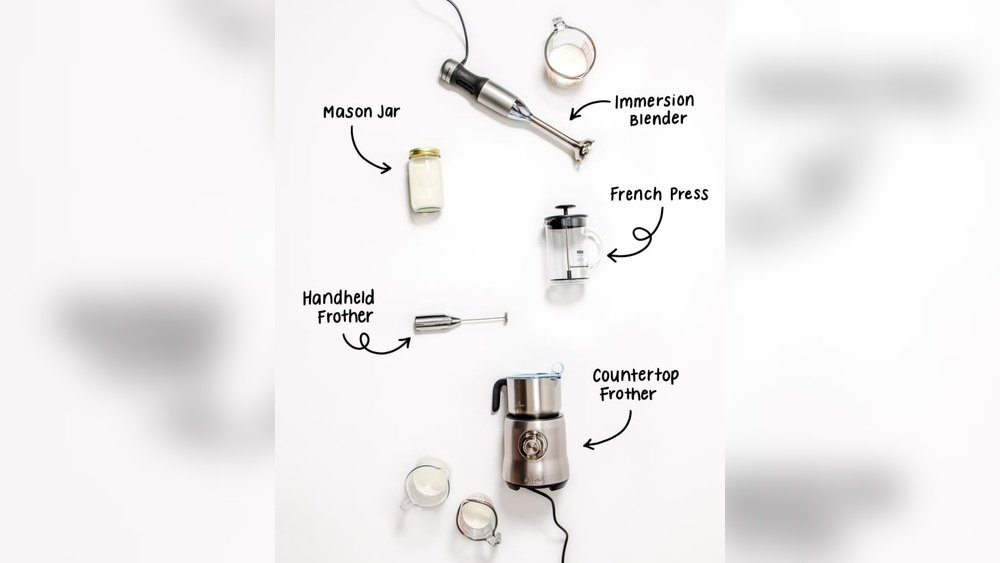
There are three main types:
- Handheld milk frother: Looks like a small whisk with a motor. You dip it into a cup of milk and turn it on. It spins rapidly, creating foam in less than a minute.
- Manual pump frother: Has a plunger and mesh screen. You push the plunger up and down to froth milk.
- Automatic frother: An electric container that heats and froths milk at the same time.
Each version is designed to produce creamy foam quickly and easily. Milk frothers are usually compact, light, and simple to use.
How Milk Frothers Work
Milk frothers use mechanical agitation to mix air into milk. The result is a layer of foam that sits on top. This foam is essential for many coffee drinks. The process is gentle and does not break down the milk or change its texture besides making it bubbly.
Milk frothers are specialized. They are not made for blending or chopping food, and their motor is weak compared to other appliances. Most frothers run at low wattage (often around 15–20 watts), just enough to spin the whisk and froth milk.
Common Uses
Milk frothers are perfect for:
- Making cappuccino or latte at home
- Frothing milk for hot chocolate
- Preparing milk-based tea drinks (like chai)
- Adding foam to desserts and cocktails
Some people also use them to mix powdered drinks, but this is less common.
What Is An Immersion Blender?
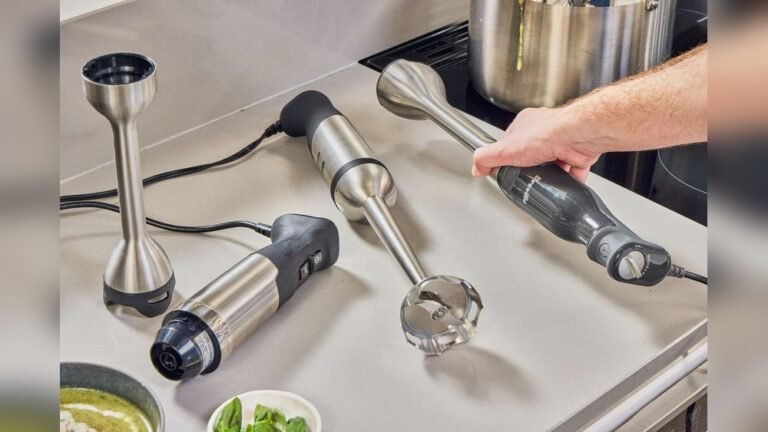
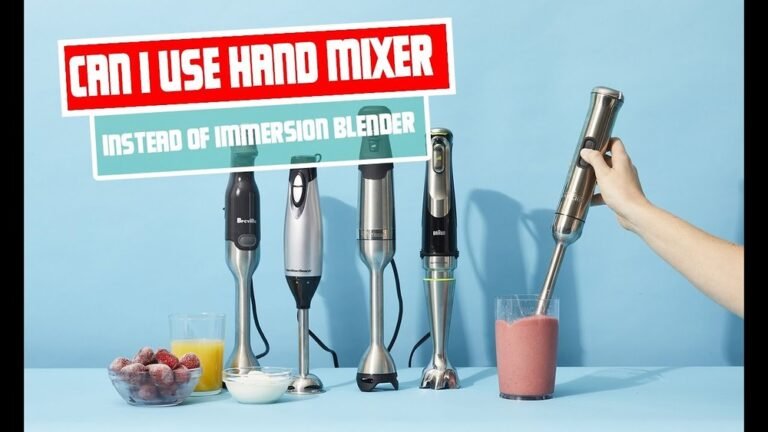
An immersion blender, also called a stick blender or hand blender, is a kitchen tool for blending, pureeing, and chopping food directly in a bowl or pot. Unlike a milk frother, it is powerful and versatile.
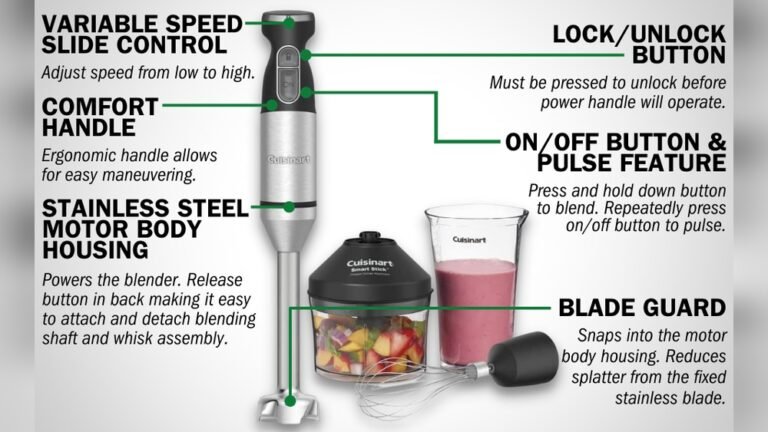
Immersion blenders have a long shaft with blades at the end. You hold the handle and dip the blades into food. When you turn it on, the blades spin fast and blend everything around them.
How Immersion Blenders Work
Immersion blenders use high-speed blades to break down and mix food. The motor is much stronger than a milk frother, usually between 100–600 watts. The blades can crush vegetables, fruits, nuts, and even ice.
They are built for tough jobs. You can use an immersion blender to:
- Puree soups directly in the pot
- Make smoothies and shakes
- Blend sauces and dressings
- Chop soft vegetables
- Whip cream or eggs (with some models)
Immersion blenders are larger and heavier than frothers. They often come with attachments for extra functions, like whisking or chopping.
Common Uses
Immersion blenders are popular for:
- Making creamy soups (like tomato or pumpkin)
- Blending fruit smoothies
- Preparing baby food
- Mixing pancake or cake batter
- Creating sauces (like pesto or mayonnaise)
Their strength is blending and chopping, not frothing.
Key Differences Between Milk Frothers And Immersion Blenders
Now that you know what each tool does, let’s compare them side by side. The differences are clear when you look at their design, power, and purpose.
| Feature | Milk Frother | Immersion Blender |
|---|---|---|
| Main Use | Frothing milk | Blending, pureeing, chopping |
| Motor Power | Low (15–20 watts) | High (100–600 watts) |
| Blade Type | Whisk or mesh | Sharp blades |
| Size | Small and light | Large and heavier |
| Versatility | Limited (mostly milk) | Wide (many foods) |
| Cleaning | Easy | Can be harder |
| Price Range | $10–$50 | $20–$150 |
Design And Construction
Milk frothers are made to whisk milk quickly. Their whisk is thin and not sharp. Immersion blenders have strong, sharp blades for breaking down food. The difference in blade design means that each tool is good at its own job and not at the other’s.
Power And Performance
Immersion blenders are much more powerful. They can crush, blend, and puree. Milk frothers cannot blend solid food or thick liquids. If you try to use a frother for blending soup or fruit, it will fail. The motor is not strong enough, and the whisk is not designed for that purpose.
Functionality
Milk frothers are single-purpose. Immersion blenders are multi-purpose. If you want to make coffee drinks, the frother is best. If you want to make soups or smoothies, the blender is better. Some immersion blenders come with attachments, but these are not as good at frothing as a dedicated frother.
Can You Use A Milk Frother As An Immersion Blender?
It’s tempting to use one tool for many jobs, especially if you don’t want to buy extra appliances. But can you use a milk frother as an immersion blender?
What Happens If You Try
If you use a milk frother to blend soup or fruit, you will see these problems:
- The frother cannot break down solid food.
- The whisk gets stuck or stops spinning.
- The motor overheats or burns out.
- The result is uneven and lumpy.
Milk frothers are not strong enough for blending. They are made for mixing liquids, not crushing food.
Are There Exceptions?
Some people use milk frothers for light mixing, like stirring protein powder into water. This works because both are liquids. But you cannot use a frother for blending thick or chunky ingredients. If you try to make a smoothie or puree, the frother will not work.
Risks And Damage
Using a frother for blending can damage the motor or break the whisk. Manufacturers warn against using frothers for anything except frothing milk or light liquids. If you misuse the device, you may void the warranty.
Can You Use An Immersion Blender As A Milk Frother?
The other question is whether you can use an immersion blender to froth milk. Immersion blenders are powerful, but their blades are sharp, not gentle.
What Happens If You Try
If you use an immersion blender to froth milk:
- The blender will mix and aerate the milk.
- You may get some foam, but it is not as fine or creamy as with a frother.
- The blades may break down the milk too much, making it watery.
- The foam may collapse quickly.
Some immersion blenders come with a whisk attachment. This is closer to a frother, but still not exactly the same.
Tips For Frothing Milk With An Immersion Blender
If you want to try frothing milk with a stick blender:
- Use a whisk attachment if available.
- Heat the milk to 150°F (65°C) for best results.
- Use a tall, narrow container to help create foam.
- Blend for 30–60 seconds, moving the blender up and down.
The foam will not be as rich as with a dedicated frother, but it’s better than nothing.
Practical Examples
Some coffee lovers use immersion blenders for frothing when they don’t have a frother. The foam is enough for home lattes, but not for professional drinks. It is a compromise.
Real-world Performance: Test Results
To see how these tools work in practice, let’s look at real tests:
Milk Frother Test
- Device: Handheld frother, 18 watts
- Milk: 120 ml whole milk, heated to 150°F (65°C)
- Result: Thick, creamy foam in 45 seconds. Foam stayed stable for 5 minutes.
Immersion Blender Test
- Device: Stick blender, 250 watts, whisk attachment
- Milk: Same as above
- Result: Foam formed in 30 seconds, but bubbles were larger. Foam collapsed after 2 minutes.
Blending Soup
- Milk Frother: Failed to blend cooked vegetables. Motor stopped after 10 seconds.
- Immersion Blender: Pureed soup in 60 seconds. Smooth texture.
Making Smoothies
- Milk Frother: Could not blend banana and milk. Ingredients stayed separate.
- Immersion Blender: Blended banana, milk, and ice into a smooth drink in 40 seconds.
These tests show that each tool is best at its own job. Using the wrong tool leads to poor results.

Credit: www.amazon.com
Choosing The Right Tool For Your Kitchen
When deciding which device to buy, consider your needs, budget, and kitchen space.
Questions To Ask Yourself
- Do you make coffee drinks often?
- Do you need to blend soups, smoothies, or sauces?
- Is your kitchen small or large?
- What is your budget?
- Do you prefer simple or multi-purpose tools?
Who Should Buy A Milk Frother?
- Coffee lovers who want café-style drinks at home
- People who only need to froth milk
- Those with small kitchens and limited space
- Anyone on a tight budget
Who Should Buy An Immersion Blender?
- Home cooks who make soups, smoothies, and sauces
- Families with babies (for baby food)
- People who want one device for many jobs
- Those willing to spend more for versatility
Mistakes To Avoid
- Don’t buy a frother hoping to blend food.
- Don’t buy a blender if you only want to make coffee drinks.
- Don’t use either tool outside its intended purpose, or you risk damage.
Comparing Milk Frother And Immersion Blender: Pros And Cons
Both tools have strengths and weaknesses. Here’s a quick comparison:
| Milk Frother Pros | Milk Frother Cons | Immersion Blender Pros | Immersion Blender Cons |
|---|---|---|---|
| Perfect for foaming milk | Limited to light liquids | Versatile for blending | Bulky and heavier |
| Easy to clean | Low power | Powerful motor | Harder to clean |
| Affordable | Cannot blend food | Works with many foods | More expensive |
| Compact | Single purpose | Can puree, chop, whip | Foam is not as fine |
Price And Value
Milk frothers are usually cheaper. You can buy a good handheld frother for $10–$25. Automatic frothers cost up to $50.
Immersion blenders start at $20 for basic models. High-end versions with attachments can cost $100–$150.
Is It Worth Buying Both?
If you love both coffee drinks and homemade soups or smoothies, owning both tools makes sense. Each device does its job well and saves you time. If you only need one function, choose the tool for your main use.
Cleaning And Maintenance
Cleaning is important for any kitchen tool. Milk frothers are simple to clean. Just rinse the whisk under water and wipe the handle. Some models have detachable parts you can wash in the dishwasher.
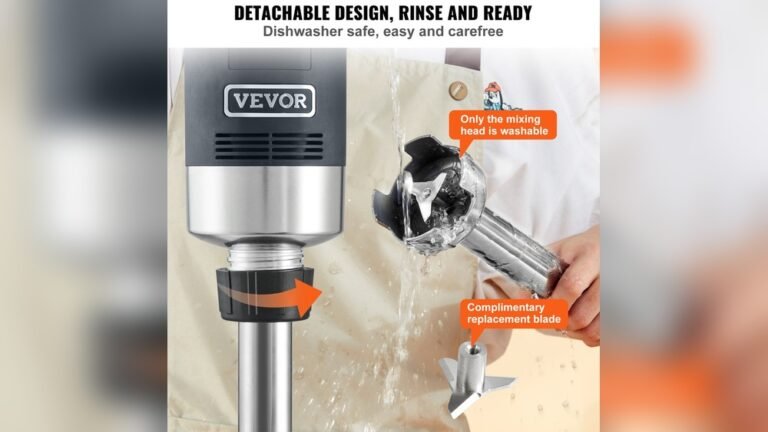
Immersion blenders need more care. The blades can trap food, and you must be careful when washing them. Some blenders have detachable shafts for easier cleaning. Always unplug before cleaning to avoid accidents.
Tips For Keeping Tools In Good Shape
- Clean after every use.
- Avoid using frothers for thick or sticky foods.
- Do not submerge the motor in water.
- For blenders, check for food stuck in the blades.
Regular maintenance helps your tools last longer.

Credit: www.walmart.com
Safety Concerns
Both tools have safety risks. Milk frothers are safe for most people, but the whisk can spin fast. Keep fingers away from the whisk when it is running.
Immersion blenders are more dangerous. The blades are sharp, and the motor is strong. Always unplug before cleaning. Never touch the blades while the device is on.
Children should not use immersion blenders without supervision.
Energy Use And Environmental Impact
Milk frothers use very little electricity, often just 15–20 watts. Immersion blenders use more energy (100–600 watts) but only for short periods.
Using both tools for their intended purpose saves energy and reduces waste. If you try to use a frother for blending, it may break, leading to more waste.
Look for devices with energy-saving features or made from recyclable materials if you care about the environment.
Advanced Features: What’s New?
Modern milk frothers and immersion blenders have new features to make life easier.
Milk Frother Innovations
- Temperature control: Some automatic frothers let you choose hot or cold foam.
- Multiple whisk speeds: Adjustable settings for different foam textures.
- Wireless models: Rechargeable frothers with no cords.
Immersion Blender Innovations
- Multiple speed settings: For precise blending.
- Attachments: Whisk, chopper, and even milk frother add-ons.
- Cordless models: Rechargeable for easier use.
These features are helpful for busy kitchens. They make the devices more flexible and fun to use.
Popular Brands And Models
If you are shopping for a milk frother or immersion blender, here are some well-known brands:
Milk Frother Brands
- Nespresso Aeroccino: Automatic frother, popular for coffee lovers.
- Zulay: Affordable handheld frother, good reviews.
- Breville: High-end models with temperature control.
Immersion Blender Brands
- Braun Multiquick: Strong motor, many attachments.
- KitchenAid: Stylish, reliable, with whisk and chopper.
- Cuisinart Smart Stick: Affordable, good for home cooks.
Check online reviews and compare features before buying.
Non-obvious Insights: What Beginners Miss
Many beginners think they can use a milk frother for everything involving mixing. However, milk frothers are not designed for thick or chunky foods. Trying to use them for smoothies or soup will not work and may break the device.
Another hidden detail: immersion blenders can create foam, but the quality depends on the milk’s fat content and temperature. Whole milk at 150°F produces the best foam, even with a blender. Skim milk or cold milk will not froth well.
One more insight: some automatic frothers can also heat milk, saving time and making drinks taste better. If you only use a handheld frother, you must heat the milk separately. This is a detail many people overlook.
Professional And Home Use Differences
Baristas and professional chefs use tools that are specialized for their tasks. Cafés use steam wands for frothing milk, which create the finest foam. Home users prefer milk frothers because they are easier and safer.
Professional kitchens use immersion blenders for large batches of soup or sauce. The devices are bigger and more powerful. Home immersion blenders are smaller but work well for most tasks.
If you want café-quality drinks or restaurant-level food, look for devices with higher power and extra features.
How To Get The Best Results
To make the most of your milk frother or immersion blender, follow these tips:
For Milk Frothers
- Use whole milk for thick foam.
- Heat milk to 150°F (65°C) before frothing.
- Clean the whisk immediately after use.
- Froth in a tall container for best results.
For Immersion Blenders
- Cut food into small pieces before blending.
- Use a deep container to avoid splashes.
- Move the blender up and down for even blending.
- Start at low speed, then increase as needed.
These tips will help you get professional results at home.
Alternatives To Milk Frothers And Immersion Blenders
If you don’t have these tools, here are some alternatives:
- French press: Can froth milk by pumping the plunger.
- Whisk: Manual frothing, but takes longer and more effort.
- Countertop blender: Good for smoothies, not for frothing.
- Steam wand: Found on espresso machines, makes excellent foam.
Each alternative has pros and cons. For best results, use the tool designed for your purpose.
Environmental And Health Considerations
Choosing the right tool affects not just your kitchen, but also the environment and your health. Milk frothers use less energy, but immersion blenders save time and reduce food waste by making it easy to blend leftovers.
Milk foam made with whole milk has more calories and fat. If you use skim milk, the foam is lighter but not as creamy. Immersion blenders allow you to make healthy soups and smoothies with fresh ingredients.
Look for BPA-free materials and recyclable packaging when buying new tools. Small changes can make a big difference.
Consumer Reviews And Satisfaction
Most users are happy with their milk frothers for making coffee drinks. Common praise includes:
- Easy to use
- Quick results
- Affordable
Some complaints include:
- Weak motor
- Whisk breaks easily
- Limited function
Immersion blenders get positive reviews for versatility. Users like:
- Powerful blending
- Multiple attachments
- Durable
Negative feedback includes:
- Hard to clean
- Heavy to hold
- Noisy
Read reviews before buying. Choose a device that fits your needs.

Credit: www.amazon.com
Frequently Asked Questions
Can A Milk Frother Blend Smoothies?
No, a milk frother cannot blend smoothies. Its motor and whisk are not strong enough to break down fruit or ice. Use an immersion blender or countertop blender for smoothies.
Is It Safe To Use An Immersion Blender In Hot Liquids?
Yes, immersion blenders are designed for hot liquids like soup. Always keep the blender submerged to avoid splashes, and let it cool before cleaning.
Can I Froth Non-dairy Milk With A Milk Frother?
Yes, you can froth almond milk, soy milk, and other non-dairy options. The foam may not be as thick as with whole milk. Heat the milk for best results.
How Long Does The Foam Last When Using A Milk Frother?
Foam made with a milk frother can last 3–5 minutes, depending on the milk type and temperature. Whole milk produces longer-lasting foam.
Are There Immersion Blenders With Frother Attachments?
Yes, some immersion blenders come with whisk or frother attachments. They can froth milk, but the foam is usually not as fine as with a dedicated milk frother.
Final Thoughts
Milk frothers and immersion blenders are both useful kitchen tools, but they are not the same. Milk frothers are perfect for making creamy foam for coffee drinks. Immersion blenders are powerful and versatile, able to blend, puree, and chop many foods. Choosing the right tool depends on your needs, budget, and kitchen space. Using each device for its intended purpose gives the best results and prevents damage.
If you love both coffee and cooking, having both tools makes sense. If you must choose one, focus on your main use. Always read reviews and check product features before buying. For more details on kitchen appliances, visit Wikipedia’s immersion blender page.
With the right tool, you can make delicious drinks and food at home, save time, and enjoy your kitchen more. The difference between a milk frother and an immersion blender is clear—and now you know how to make the best choice.