Is A Stick Blender The Same As An Immersion Blender? Explained
Is A Stick Blender The Same As An Immersion Blender
Many home cooks and kitchen gadget fans often wonder if a stick blender is the same as an immersion blender. You might see both names in recipes, store shelves, and online guides. Some say they are the same tool, while others claim there are differences. If you want to buy a new blender or just want to understand your kitchen gear, it’s important to know the truth. This article gives you a clear answer, explores how these tools work, and helps you decide which is right for your needs.
Both names are common, but confusion can lead to buying the wrong device or not using your blender to its full potential. We’ll go beyond simple definitions and look at real-world uses, design features, and even common mistakes people make.
By the end, you’ll be confident about what you have in your kitchen—or what you should be looking for.
What Is A Stick Blender?
A stick blender is a handheld kitchen device designed for blending, pureeing, and mixing foods directly in the container where they are being prepared. Unlike traditional countertop blenders, a stick blender is shaped like a long stick with rotating blades at one end. Most models are lightweight, portable, and easy to store.
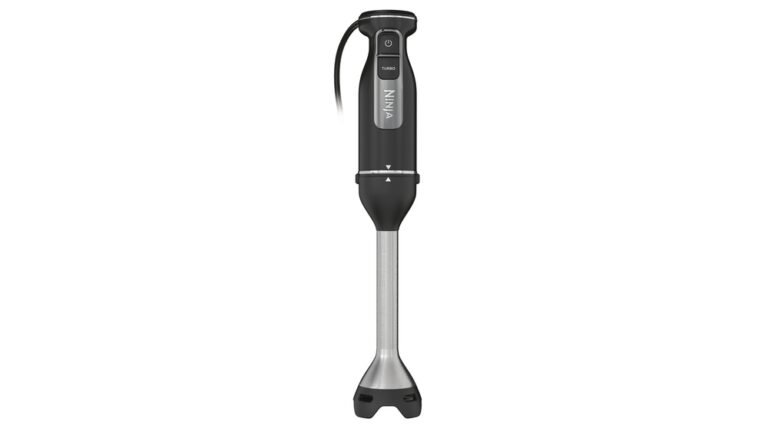
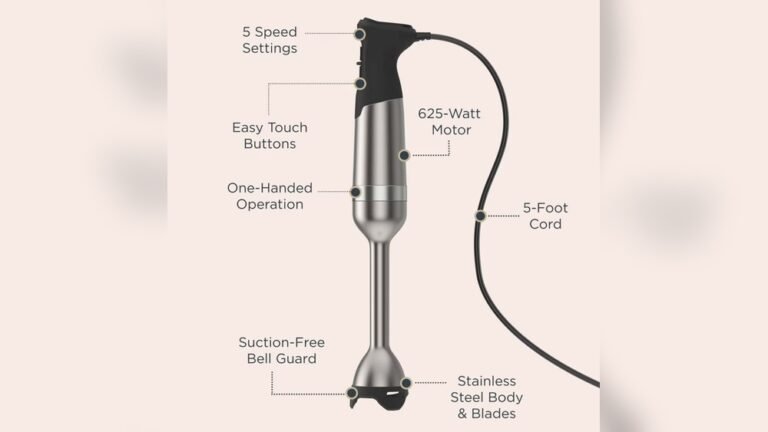
Stick blenders typically have a slim motor housing, a long blending shaft, and a blade guard at the bottom. Users hold the handle and immerse the blades into food to blend soups, smoothies, sauces, and more. The main appeal is that you can blend hot or cold items directly in a pot, bowl, or glass, reducing the need for extra dishes.
Key Features Of A Stick Blender
- Handheld design for easy operation
- Long shaft (usually 6-10 inches) for reaching into deep pots
- Rotating blades protected by a guard
- One or more speed settings
- Usually electric, with corded or cordless options
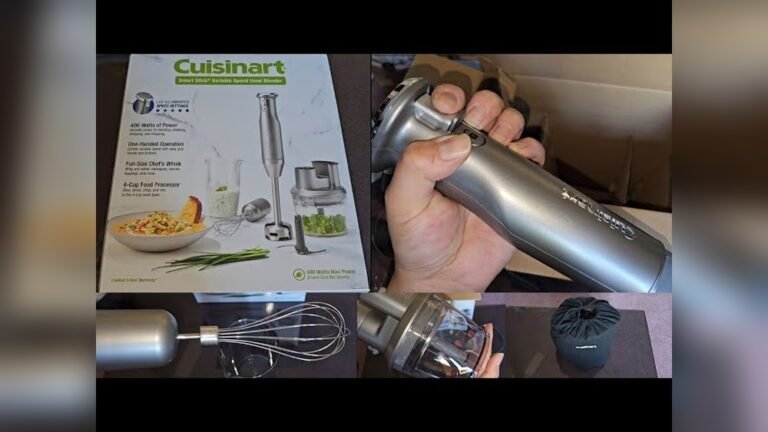
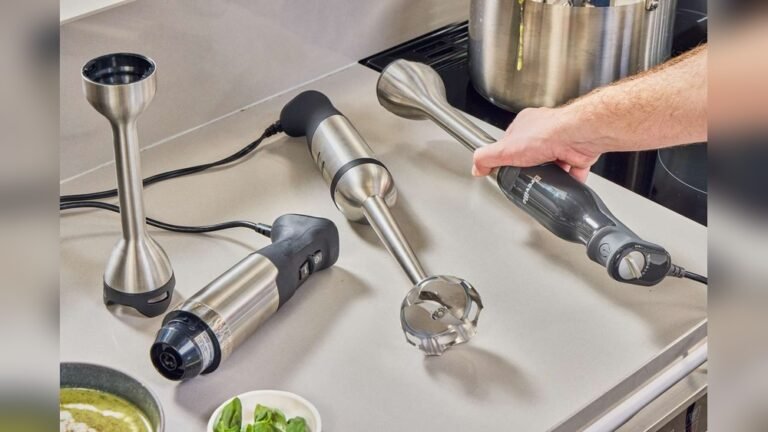
Some stick blenders come with attachments like whisks or mini food processors, making them more versatile. They are usually made with a plastic or metal shaft, and the motor power varies between 150-800 watts.
What Is An Immersion Blender?
An immersion blender is a kitchen tool used for blending ingredients while they remain in the container, just like a stick blender. The term “immersion” comes from the fact that you immerse the blender directly into the food or liquid. It is also a handheld device with a long shaft and spinning blades at the end.
Immersion blenders are popular for making pureed soups, sauces, and smoothies. They can handle both hot and cold mixtures and are valued for their convenience. The shaft can be metal or plastic, and many models offer variable speeds.
Common Features Of An Immersion Blender
- Handheld device with a long shaft
- Can be used in bowls, pots, or pitchers
- Electric motor (corded or cordless)
- Protective blade guard for safety
- Sometimes includes extra attachments
Immersion blenders are found in both home and professional kitchens because they save time and reduce cleanup. Their simple design makes them easy to use for quick blending tasks.
Stick Blender Vs Immersion Blender: Are They The Same?
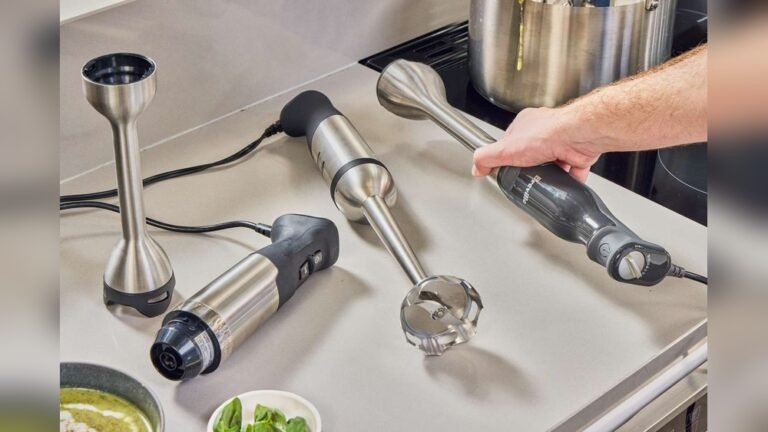
The short answer is yes—a stick blender and an immersion blender are the same type of kitchen tool. The terms are used interchangeably in most countries and by most manufacturers. Both refer to a handheld device with a long shaft and spinning blades, meant for blending food directly in the container.
However, there are a few small differences in how people use these terms:
- Regional language: In the United States and Canada, “immersion blender” is a common term. In the United Kingdom, Australia, and parts of Asia, “stick blender” is often used.
- Marketing: Some brands use “stick blender” to highlight the slim, wand-like shape, while others prefer “immersion blender” to explain the function.
- Slang and alternatives: You might also hear “hand blender,” “wand blender,” or “mini blender.” All of these usually mean the same thing.
No matter the name, the basic design and function are the same. The differences are mostly in language, not technology.
When Are The Terms Not Interchangeable?
Most of the time, “stick blender” and “immersion blender” mean the same thing. Rarely, a manufacturer might use “stick blender” for a slightly different tool, such as a very basic, single-speed model, or a device with a shorter shaft. But this is not standard.
Always check the product description to be sure.
In summary, if you see a recipe or product calling for a stick blender, you can safely use an immersion blender, and vice versa.
How Does A Stick/immersion Blender Work?
Both stick and immersion blenders use a small electric motor to spin sharp blades at high speed. The blades are housed at the end of a long shaft, which you hold by the handle. Here’s what happens when you use one:
- Plug in the blender or insert batteries (for cordless models).
- Place the blade end into the food or liquid you want to blend.
- Press the power button to start the motor.
- Move the blender up and down or in circles for even blending.
- Release the button to stop.
The spinning blades pull food into the guard, chop it finely, and mix it with the rest. The blade guard protects the user and stops splashing. The shaft is long enough to reach into deep pots, letting you blend hot soups or large batches easily.
Key Advantages
- Direct blending: No need to transfer hot soup to a blender jug.
- Easy cleanup: Fewer dishes to wash.
- Control: You can blend as much or as little as you want.
Some models have turbo buttons for extra power, while others offer multiple speeds for better control. The basic operation is the same for both stick and immersion blenders.
Benefits Of Using A Stick/immersion Blender
Using a stick or immersion blender brings many benefits to everyday cooking. Here’s why they are a favorite in many kitchens:
1. Versatility
You can use them for a wide range of tasks:
- Pureeing soups directly in the pot
- Blending smoothies in a glass
- Mixing pancake or cake batter
- Whipping cream or eggs
- Making mayonnaise or salad dressings
- Chopping soft vegetables with attachments
2. Convenience
You don’t need to pour hot liquids into a blender, which can be dangerous and messy. Just blend right in the cooking pot. This saves time and reduces the risk of burns.
3. Easy Storage
Their slim, long shape fits easily in kitchen drawers or cabinets. Most are lighter and smaller than countertop blenders.
4. Simple Cleaning
Most models have a detachable shaft and blade assembly that can be rinsed or placed in the dishwasher. This is much easier than cleaning a large blender jug.
5. Cost-effective
Stick blenders are usually cheaper than traditional blenders, especially for basic models. You can get a good quality device without spending much.
6. Better Control
Because you hold the blender in your hand, you can control the texture more easily. Stop blending when you reach the desired consistency.
7. Quiet Operation
Most stick/immersion blenders are quieter than large blenders, making them better for small kitchens or shared spaces.
Main Uses For Stick/immersion Blenders
Stick and immersion blenders shine in many everyday kitchen tasks. Here are the most common ways people use them:
1. Soup Pureeing
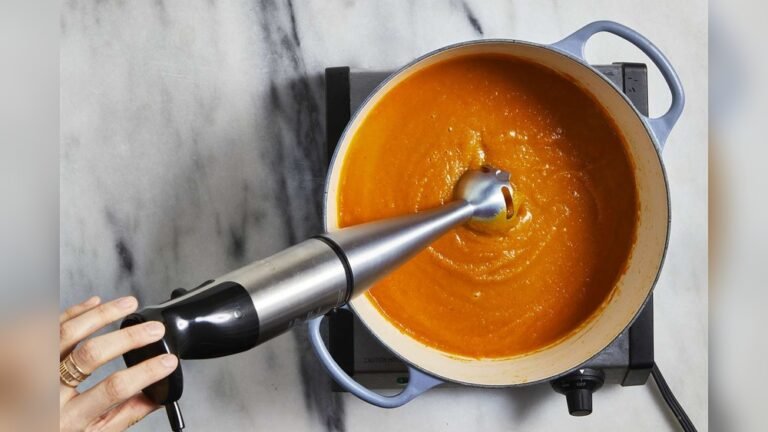
Blending soup right in the pot is probably the most popular use. You can make creamy tomato, pumpkin, or potato soups with almost no mess. Just cook your ingredients, immerse the blender, and blend until smooth.
2. Smoothies And Shakes
For single servings, stick blenders work well. Place fruit, yogurt, and ice in a tall glass and blend. No need to clean a large blender jug.
3. Sauces And Salsas
Stick blenders are perfect for making smooth tomato sauce, pesto, or salsa. You can adjust the texture from chunky to smooth as you like.
4. Baby Food
Parents often use stick blenders to puree steamed vegetables, fruits, or grains for homemade baby food. It’s quick and easy to prepare small batches.
5. Whipping And Mixing
With the right attachment, you can whip cream, beat eggs, or mix pancake batter. This saves time and reduces hand fatigue.
6. Emulsifying
Stick blenders excel at making mayonnaise, aioli, or vinaigrettes. The fast spinning blades combine oil and other liquids smoothly.
7. Chopping (with Attachments)
Some models come with mini food processor bowls. You can chop herbs, nuts, or onions quickly, without taking out a large appliance.
Stick/immersion Blender Vs. Other Kitchen Blenders
Many people wonder if a stick/immersion blender can replace their countertop blender or food processor. Let’s compare these devices to see where each one shines.
Comparison Table: Blender Types
Here’s a quick look at the main differences:
| Feature | Stick/Immersion Blender | Countertop Blender | Food Processor |
|---|---|---|---|
| Design | Handheld, long shaft | Stationary, jug on base | Stationary, bowl with lid |
| Best For | Soups, sauces, small batches | Smoothies, frozen drinks, large batches | Chopping, slicing, shredding |
| Cleaning | Easy, often dishwasher safe | Jug and lid need cleaning | Many parts to wash |
| Storage | Compact | Bulky | Bulky |
| Power | 150–800 watts | 300–1500 watts | 250–1200 watts |
| Cost | Low to medium | Medium to high | Medium to high |
Key Insights
- Stick/immersion blenders are best for small, quick tasks and for blending hot liquids.
- Countertop blenders are better for making large smoothies, crushing ice, or blending tough ingredients.
- Food processors excel at chopping, slicing, and shredding, but not at pureeing liquids.
Many kitchens have more than one type of blender. Each tool has its strengths.
Important Features To Compare
If you want to buy a stick/immersion blender, focus on features that matter. Here’s what to look for:
1. Power (wattage)
A higher wattage (400–800 watts) means the blender can handle tougher jobs, like frozen fruit or cooked meats. For basic soups and sauces, 200–400 watts is enough.
2. Shaft Material
Metal shafts are more durable and can handle hot liquids without warping. Plastic shafts are lighter but may stain or crack with heat.
3. Blade Design
Some models have multiple blades or special shapes for better blending. Look for a blade guard that prevents scratching pots.
4. Speed Settings
More speeds give you better control over texture. Some blenders have just one speed, while others offer several, plus a turbo button.
5. Attachments
Popular attachments include:
- Whisk for whipping cream or eggs
- Mini food processor bowl for chopping
- Beaker or blending cup
More attachments mean more versatility, but also higher price.
6. Corded Vs Cordless
Cordless models are portable, but battery life and power may be lower. Corded models offer consistent power.
7. Handle Comfort
A non-slip grip and balanced weight make the blender easier to use, especially for longer tasks.
8. Cleaning
Detachable shafts and dishwasher-safe parts save time. Check if the blade comes off easily.
Common Mistakes When Using A Stick/immersion Blender
Even experienced cooks can make mistakes with these tools. Here’s what to watch out for:
1. Lifting The Blender While Running
If you lift the blender out of the liquid while it’s spinning, it can splatter hot soup everywhere. Always stop the motor before lifting.
2. Overfilling The Pot Or Bowl
If the container is too full, blending can cause spills. Fill only two-thirds full, especially with hot liquids.
3. Not Moving The Blender
To blend evenly, move the blender around the pot. Don’t keep it in one spot, or the mixture may be lumpy.
4. Using In Nonstick Pans
Some blades or guards can scratch nonstick surfaces. Check if your blender is safe for these pans, or use a deep bowl instead.
5. Ignoring Safety
The blades are sharp. Always unplug the blender before cleaning or changing attachments.
6. Not Using The Right Attachment
If you want to whip cream or beat eggs, use the whisk attachment, not the blade. Using the wrong attachment can damage food texture or the blender itself.
Maintenance And Cleaning Tips
A stick or immersion blender will last longer if you care for it properly. Here are some tips:
1. Clean Right After Use
Food dries quickly and becomes hard to remove. Rinse or wash the shaft and blades immediately.
2. Use Dishwasher If Possible
Many shafts and attachments are dishwasher safe. Check the manual to avoid damaging parts.
3. Avoid Submerging The Motor
Never put the motor part in water. Wipe with a damp cloth instead.
4. Watch For Staining
Tomato sauce and some spices can stain plastic shafts. Soak in a baking soda solution if stains appear.
5. Sharpen Or Replace Blades
If you notice poor blending or dull blades, check if your model allows blade replacement.
Price Range And Value
Stick and immersion blenders are available in many price ranges. Here’s what you can expect:
Price Comparison Table
| Model Type | Average Price (USD) | Main Features |
|---|---|---|
| Basic Single-Speed | $20–$40 | Simple design, low power, no attachments |
| Mid-Range Multi-Speed | $40–$80 | More power, variable speeds, metal shaft |
| Premium with Attachments | $80–$150 | High power, multiple attachments, cordless options |
What Affects Price?
- Motor power
- Build quality (plastic vs metal)
- Number of attachments
- Brand reputation
- Corded or cordless design
A basic model can handle most soup and sauce tasks, but serious cooks may want a premium model with more options.
Popular Brands And Models
Several brands are known for high-quality stick/immersion blenders. Some top choices include:
- Braun Multiquick – Known for powerful motors and smart speed control.
- Cuisinart Smart Stick – Offers good value, many attachments, and easy cleaning.
- KitchenAid Hand Blender – Popular for sturdy metal shafts and stylish colors.
- Breville Control Grip – Ergonomic handle, strong blending performance.
- Hamilton Beach – Affordable, simple models for basic blending.
- All-Clad Stainless Steel – Premium build, strong motor for demanding tasks.
When choosing, consider local availability, warranty, and customer support.
:max_bytes(150000):strip_icc()/sea-primary-immersion-blenders-sep-24-rkilgore-0658-89167e1e4bd44afb93d9c847674b09e4.jpeg)
Credit: www.seriouseats.com
When To Use A Stick/immersion Blender (and When Not To)
These blenders are perfect for many kitchen jobs, but not all. Here’s when to use them—and when to choose another tool.
Ideal Uses
- Blending hot soups and sauces directly in the pot
- Making small batches of smoothies or baby food
- Quickly mixing salad dressings, mayonnaise, or pancake batter
- Whipping cream or eggs with attachments
Not Recommended For
- Crushing ice (unless rated for it; many models can’t)
- Heavy doughs or very thick mixtures
- Large batches (a countertop blender may be faster)
- Hard raw vegetables (unless cooked first)
Trying to use a stick/immersion blender for jobs it’s not designed for can damage the motor or blades.
Safety Tips
Stick and immersion blenders are generally safe, but accidents can happen. Follow these tips to avoid injury:
- Always unplug before cleaning or changing parts.
- Don’t touch the blades, even if they look dull.
- Keep fingers and utensils away from the blade area during use.
- Don’t use in a very shallow container—food can splash.
- Use a deep pot or bowl for hot liquids.
- Store with the blade covered, out of children’s reach.
If your blender comes with a safety lock or child-proof feature, use it.
Real-world Examples And User Experiences
Many home cooks share stories about how a stick or immersion blender changed their kitchen routine. Here are a few examples:
- Soup Lovers: People who make soup often say this tool saves time and reduces mess. Instead of pouring hot soup into a blender, they just blend it in the pot and serve.
- Parents: Making homemade baby food is easier with a stick blender. Parents can quickly puree steamed vegetables or fruits, saving money and controlling ingredients.
- Bakers: Whipping cream or eggs with a stick blender is faster than using a whisk. The texture is smooth, and cleanup is quick.
- Smoothie Fans: For small servings, a stick blender means fewer dishes. Some users keep one at work for quick, healthy snacks.
- Students and Small Kitchens: With limited space, stick blenders are a favorite for quick meals and easy storage.
A common tip from experienced users: always check the blade and shaft are attached tightly before starting, to avoid leaks or splashes.
Non-obvious Insights Most Beginners Miss
1. The Right Container Matters
Many people try to blend in wide, shallow bowls. This can cause splashing and uneven blending. For best results, use a tall, narrow container. Most stick/immersion blenders come with a special beaker for this reason.
2. Let Hot Food Cool Slightly
While these blenders are made for hot soups, blending boiling liquids can still be risky. Let food cool for a few minutes before blending, and keep the blade fully submerged to avoid splashes.
3. Don’t Overwork The Motor
Running the blender for long periods can overheat the motor, especially on cheaper models. Use short pulses and give the motor a rest if blending a large batch.
4. Use Up-and-down Motion
To blend evenly and avoid blade jams, move the blender gently up and down through the mixture. This helps pull all ingredients into the blades.
5. Always Start Slow
If your blender has multiple speeds, start at the lowest setting. This prevents splashing, especially with hot or thin liquids.

Credit: www.goodhousekeeping.com
Environmental Impact: Are Stick/immersion Blenders Sustainable?
Many people are concerned about the environmental effect of kitchen gadgets. Stick/immersion blenders generally have a smaller footprint than large countertop blenders:
- Use less plastic and metal in manufacturing
- Lower energy use due to smaller motors
- Often last many years with proper care
However, battery-powered cordless models require special recycling for batteries. Look for brands that offer recyclable packaging and repair services. Some companies, like Braun and KitchenAid, have recycling programs for old appliances.
How To Choose: Stick Blender Vs Immersion Blender For Your Kitchen
Since the terms mean the same thing, the real choice is about the model and features, not the name. Here’s a checklist to guide your decision:
- What will you blend most? (Soup, smoothies, baby food, sauces)
- How often will you use it? (Daily, weekly, occasionally)
- Do you need attachments? (Whisk, chopper, beaker)
- Is power important? (High power for tough jobs)
- Corded or cordless? (Portability vs unlimited runtime)
- Do you have dishwasher access? (For easy cleaning)
- What’s your budget? (Basic or premium model)
- Do you have storage space? (Stick/immersion blenders fit small kitchens)
Read reviews, check return policies, and consider warranty length before buying.
Stick/immersion Blender Innovations
In recent years, stick/immersion blenders have seen several improvements:
- Variable speed triggers for better control
- Smart speed sensors that adjust power based on food resistance
- Quieter motors
- Cordless lithium-ion batteries for longer run time
- Eco-friendly materials like recycled plastic and metal
- Special attachments for frothing milk or grinding spices
High-end models can even connect to apps for recipe suggestions and blending tips.
What Do Professional Chefs Use?
Many professional kitchens rely on commercial-grade immersion blenders, sometimes called stick blenders or wand blenders. These are larger, more powerful (up to 1000 watts), and designed for heavy use. Brands like Vitamix, Waring, and Dynamic are popular in restaurants.
Chefs choose these blenders for:
- Making large batches of soup or sauce
- Pureeing directly in big pots
- Consistent results, batch after batch
For home use, consumer-grade models are usually enough. But if you cook large amounts often, a commercial model could be worth the investment.

Credit: www.amazon.com
Comparing Top Models: Example Table
Here’s a side-by-side look at three popular immersion/stick blenders:
| Model | Power | Shaft Material | Speeds | Attachments | Price Range |
|---|---|---|---|---|---|
| Braun Multiquick 7 | 500 watts | Stainless Steel | Variable | Whisk, chopper, beaker | $90–$120 |
| Cuisinart Smart Stick | 300 watts | Stainless Steel | 2 | Whisk, chopper, beaker | $50–$70 |
| KitchenAid 2-Speed | 200 watts | Stainless Steel | 2 | Beaker only | $40–$60 |
This shows that even at lower prices, you can find reliable, well-equipped models.
Summary: Are Stick And Immersion Blenders The Same?
After exploring the facts, the answer is clear: stick blender and immersion blender are different names for the same kitchen tool. Both terms refer to a handheld device used for blending food directly in the container. Any small differences are due to language, marketing, or regional preferences, not technology or function.
When you see a recipe or instruction calling for either, you can use your device confidently. What matters most is choosing the features, power, and attachments that fit your cooking style.
If you are buying a new blender, focus on quality, comfort, and the tasks you’ll use it for most. Remember the practical tips and common mistakes discussed above, and you’ll get the best results from your stick/immersion blender for years to come.
For more on kitchen appliances and blending technology, visit Wikipedia’s Immersion Blender page.
Frequently Asked Questions
Is There Any Difference Between A Stick Blender And An Immersion Blender?
No, there is no real difference. Both names refer to the same type of handheld blender. The terms are used interchangeably in most countries and by most brands.
Can A Stick/immersion Blender Replace A Countertop Blender?
For many small tasks—like pureeing soup, making sauces, or blending smoothies—a stick/immersion blender works well. For crushing ice, making nut butters, or large smoothies, a countertop blender is more powerful and faster.
Are Stick/immersion Blenders Safe For Hot Liquids?
Yes, most are designed for hot liquids, especially models with metal shafts. Always let boiling foods cool slightly before blending, and keep the blades fully submerged to avoid splashes.
What Should I Look For When Buying A Stick/immersion Blender?
Focus on motor power (at least 200 watts for basic use), shaft material (metal is best for heat), comfortable handle, easy cleaning, and useful attachments. Cordless models offer portability but may have less power.
How Do I Clean A Stick/immersion Blender Safely?
Detach the shaft and blades, rinse or wash immediately after use, and use the dishwasher if parts are safe. Wipe the motor with a damp cloth. Never submerge the motor in water. Always unplug before cleaning.