How To Make Mayonnaise With An Immersion Blender: Easy Guide
Making mayonnaise at home can seem like a tricky task, especially if you have tried whisking by hand and ended up with a separated, runny mess. But with an immersion blender, the process becomes fast, easy, and almost foolproof. Homemade mayonnaise tastes fresher and richer than store-bought, and you control every ingredient. If you want to learn how to make mayonnaise with an immersion blender, this guide will help you step by step. You will discover why immersion blenders are perfect for this job, get a reliable recipe, and learn how to fix common mistakes.
Why Use An Immersion Blender For Mayonnaise?
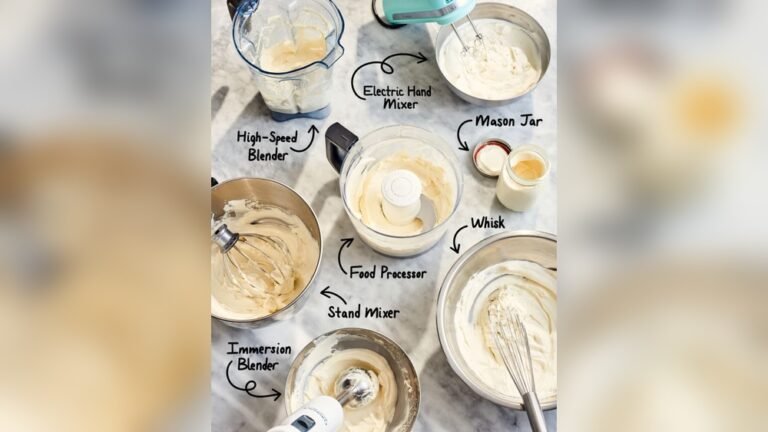
The secret to good mayonnaise is emulsification—mixing oil and egg yolk so they become creamy and smooth. Traditional whisking requires patience, steady hands, and slow oil addition. A food processor works, but cleaning it can be annoying. The immersion blender is different. It is fast, efficient, and less messy.
Here’s why an immersion blender stands out:
- Speed: Mayonnaise is ready in about 1 minute.
- Consistency: The blender creates a thick, creamy texture every time.
- Easy cleanup: Only a jar and blender to wash.
- Small batches: You can make just enough for your meal.
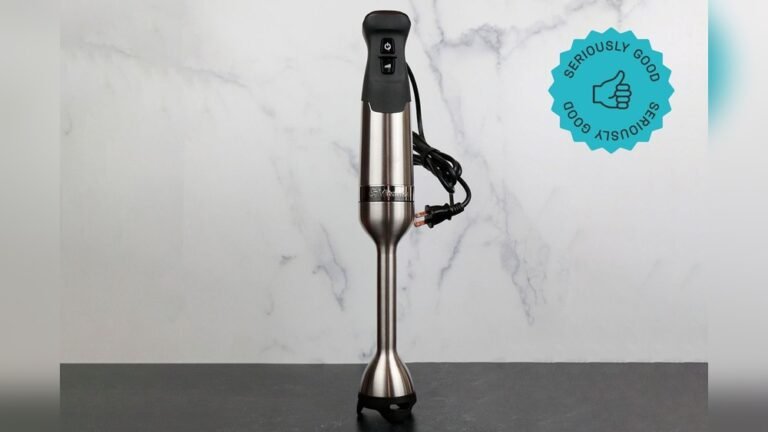
Many chefs and home cooks now use immersion blenders for sauces, soups, and mayonnaise. If you have one, you are already set for success.
Ingredients Needed For Immersion Blender Mayonnaise
Homemade mayonnaise uses simple ingredients. For classic mayonnaise, you need:
- 1 large egg (room temperature)
- 1 tablespoon Dijon mustard (optional, but adds flavor and helps emulsification)
- 1 tablespoon lemon juice (or white vinegar)
- 1 cup neutral oil (like canola, sunflower, or grapeseed; avoid olive oil for the first try)
- Pinch of salt
- Pinch of sugar (optional)
This makes about 1 cup of mayonnaise, enough for 4–6 servings. You can double or halve the amounts as needed.
Choosing The Right Oil
Oil is the main ingredient. The flavor and texture of your mayonnaise depend on the oil. For beginners, neutral oils work best. Olive oil gives a strong taste and can turn mayonnaise bitter if blended too much.
| Oil Type | Flavor | Recommended? |
|---|---|---|
| Canola | Mild, neutral | Yes |
| Sunflower | Light, neutral | Yes |
| Grapeseed | Clean, neutral | Yes |
| Olive (extra virgin) | Strong, grassy | Use partly |
| Coconut | Sweet, coconutty | No |
| Vegetable | Neutral | Yes |

Credit: www.youtube.com
Step-by-step: Making Mayonnaise With An Immersion Blender
Making mayonnaise with an immersion blender is simple. Here is the step-by-step process:
1. Prepare Your Container
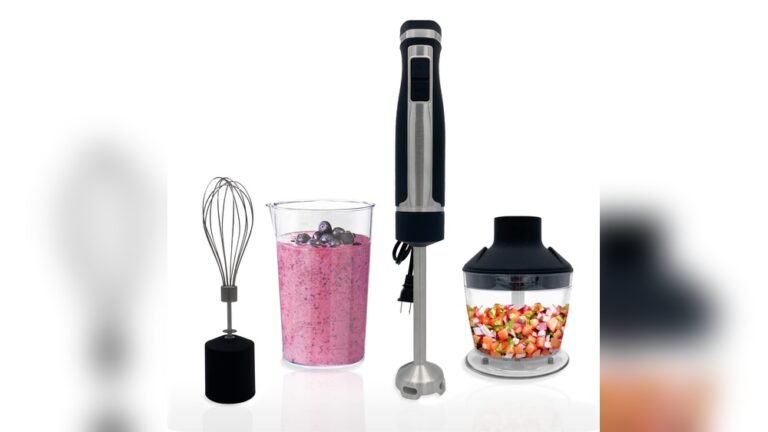
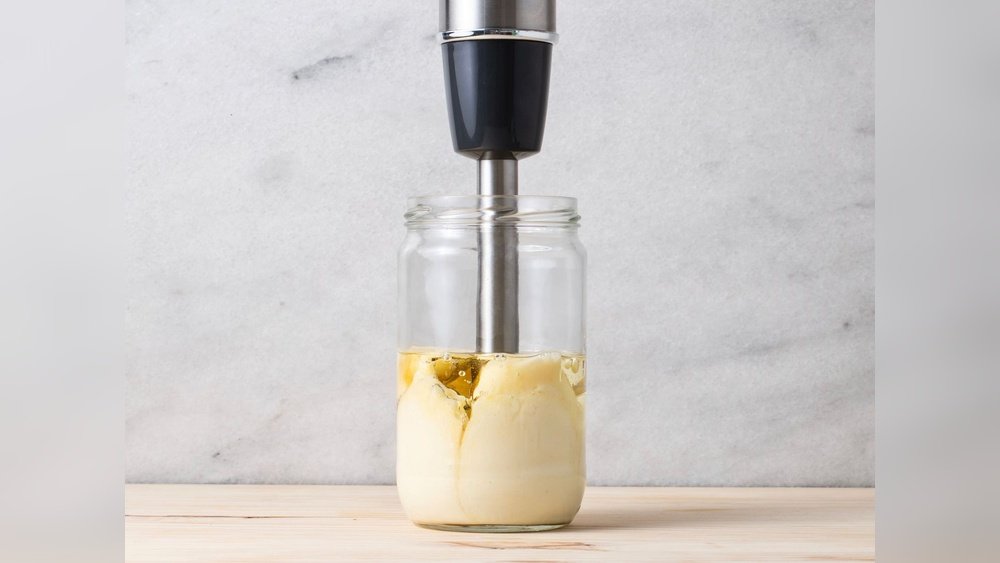
Choose a narrow jar or tall glass just a bit wider than your blender head. The jar should be clear so you can watch the process. Most immersion blenders come with a perfect jar.
2. Add Ingredients
Put the following in the jar:
- 1 egg (whole, not just yolk)
- 1 tablespoon mustard
- 1 tablespoon lemon juice
- Pinch of salt
- Pinch of sugar
Pour 1 cup oil on top. The oil should float above the other ingredients.
3. Insert The Immersion Blender
Place the blender head all the way to the bottom of the jar. Do not tilt it. Make sure the blender is touching the egg.
4. Start Blending
Turn the blender on and hold it still for 10–15 seconds. You will see mayonnaise forming at the bottom. Slowly raise the blender up through the jar until all the oil is mixed.
5. Check Consistency
If your mayonnaise is too thin, blend for another few seconds. If it is too thick, add a few drops of water or lemon juice and blend again.
6. Taste And Adjust
Taste your mayonnaise. Add more salt, lemon juice, or mustard if you wish. Blend to mix.
7. Store Or Use
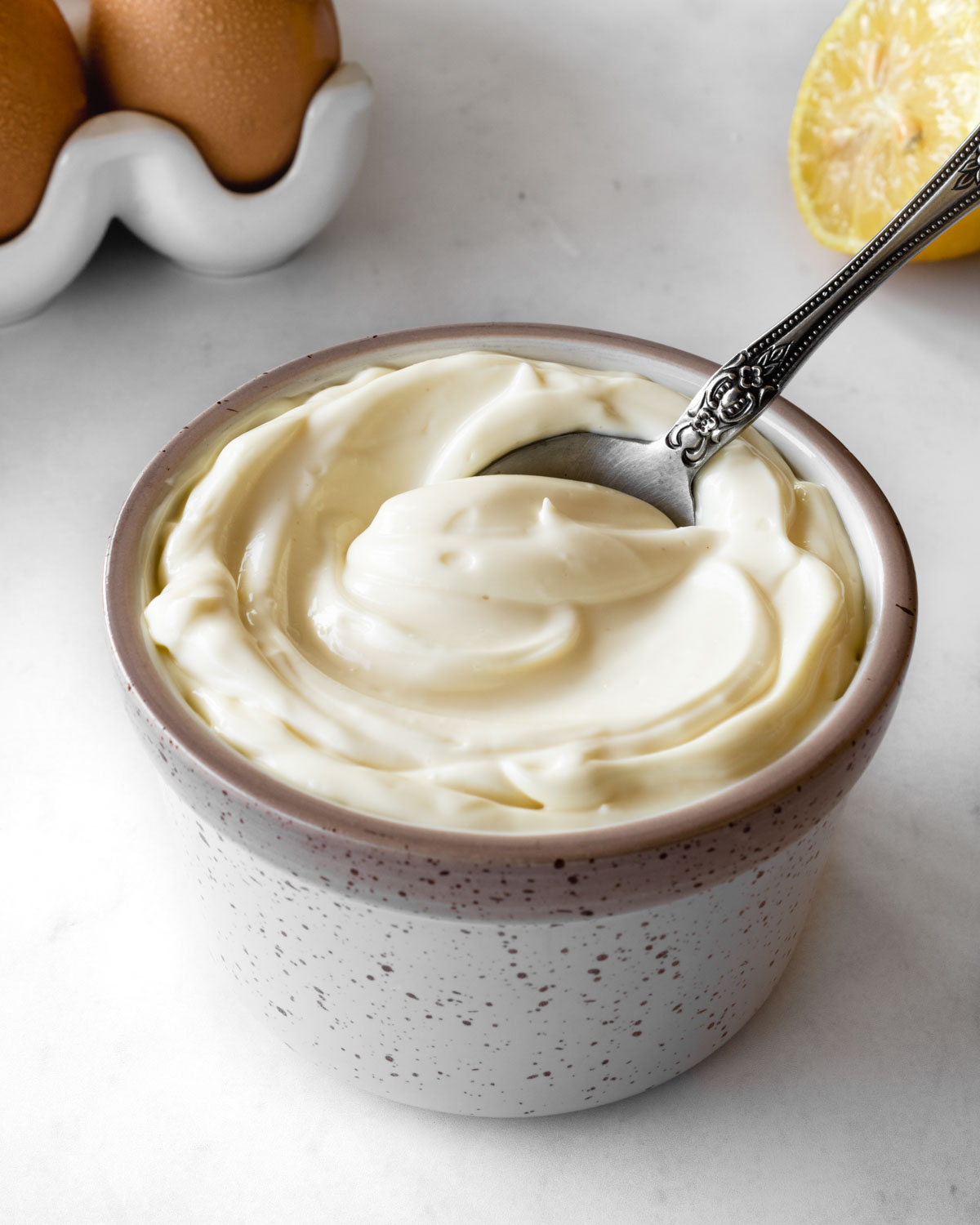
Transfer mayonnaise to a clean container. Homemade mayonnaise keeps for up to 5 days in the refrigerator.
Common Mistakes And How To Fix Them
Even with the immersion blender, mayonnaise can fail. Here are common problems and how to fix them:
1. Mayonnaise Is Runny
If your mayonnaise is liquid and not thick, the emulsion did not form.
- Possible causes: Jar too wide, cold ingredients, not enough mustard or acid.
- Fix: Add another egg or yolk, blend again. Or add 1 teaspoon mustard and blend.
2. Mayonnaise Separates
Sometimes mayonnaise thickens and then breaks apart.
- Possible causes: Oil added too quickly, blender moved too fast.
- Fix: Add a tablespoon water, blend gently. Start with a new egg if needed.
3. Mayonnaise Is Bitter
Using all olive oil or over-blending can cause bitterness.
- Fix: Use only part olive oil (no more than 1/3 cup), or switch to neutral oil.
4. Mayonnaise Too Thick
If it is hard to spread, add a few drops of water or lemon juice and blend.
5. Mayonnaise Too Thin
Blend more or add a bit more oil. Sometimes the mixture needs extra emulsification.
Comparing Homemade Vs Store-bought Mayonnaise
Many people wonder if homemade mayonnaise is worth the effort. Here’s how it compares:
| Factor | Homemade Mayonnaise | Store-Bought Mayonnaise |
|---|---|---|
| Flavor | Fresh, customizable | Consistent, but bland |
| Texture | Thick, creamy | Smooth, sometimes thin |
| Preservatives | None | Many |
| Cost | Cheaper per batch | More expensive |
| Shelf Life | 5 days | 1–2 months |
| Customization | Easy | Difficult |
Homemade mayonnaise is fresher and healthier. You control every ingredient, avoiding unnecessary chemicals and sugars.
Practical Tips For Success
Even if the steps are simple, some practical tips help you make perfect mayonnaise every time.
- Room temperature ingredients: This is key. Cold eggs or oil may prevent emulsification.
- Use the right jar: A tall, narrow jar keeps the mixture tight and helps the blender do its job.
- Mustard or vinegar: Both help stabilize the emulsion.
- Blend gently: Start at the bottom and lift slowly.
- Clean blender head: Rinse after each batch to avoid leftover flavors.
Many beginners miss these details and end up with failed mayonnaise. Always check your jar size and ingredient temperature.
Variations: Flavored Mayonnaise
Once you master basic mayonnaise, you can experiment with flavors. Here are some popular variations:
- Garlic aioli: Add 1 clove minced garlic.
- Spicy mayonnaise: Add 1 teaspoon Sriracha or chili sauce.
- Herb mayonnaise: Add 1 tablespoon chopped dill, parsley, or chives.
- Smoky mayonnaise: Add 1 teaspoon smoked paprika.
- Lemon zest mayonnaise: Add 1 teaspoon grated lemon zest.
Add these extras after the mayonnaise is made, then blend for a few seconds.
How To Store Homemade Mayonnaise
Because homemade mayonnaise does not have preservatives, it lasts less time than store-bought.
- Refrigerate immediately after making.
- Use a clean spoon each time to avoid contamination.
- Discard after 5 days or if you see separation or smell sour.
Storage Data Table
Here’s a quick comparison of storage for different mayonnaise types:
| Mayonnaise Type | Refrigerator Shelf Life | Freezer Shelf Life |
|---|---|---|
| Homemade | Up to 5 days | Not recommended |
| Store-Bought | 1–2 months (opened) | Not recommended |
| Flavored Homemade | 3–4 days | Not recommended |
Mayonnaise does not freeze well. Freezing changes the texture and can break the emulsion.
:max_bytes(150000):strip_icc()/two-minute-mayonnaise-step-2-collage-b3f6dae2881542569a313486733355de.jpg)
Credit: www.seriouseats.com
Safety: Raw Eggs And Mayonnaise
Homemade mayonnaise uses raw eggs. For most people, this is safe, but there is a small risk of salmonella. To reduce risk:
- Use fresh eggs from trusted sources.
- Wash eggs before cracking.
- If concerned, use pasteurized eggs (available in many stores).
If you are pregnant, elderly, or have a weak immune system, pasteurized eggs are best.
Cleaning Up After Making Mayonnaise
Immersion blenders are easy to clean. After making mayonnaise:
- Unplug the blender.
- Remove the blender head.
- Rinse under warm water.
- Wash with soap, scrub away oil.
- Let dry before storing.
The jar can be washed as usual. Since mayonnaise is oily, warm water and soap work best.
Credit: forksandfoliage.com
Why Mayonnaise Made With An Immersion Blender Is More Reliable
Compared to whisking or food processors, immersion blenders rarely fail. Here’s why:
- Direct contact: Blender blade is close to all ingredients.
- Controlled speed: You can blend slowly, reducing mistakes.
- Less air: Mayonnaise stays creamy, not frothy.
Most failures happen because of jar size or cold ingredients, not blender power.
Nutritional Facts: Homemade Mayonnaise
Mayonnaise is rich and calorie-dense. Here’s a typical nutrition breakdown for 1 tablespoon of homemade mayonnaise:
- Calories: 94
- Fat: 10 grams
- Protein: 0.2 grams
- Carbohydrates: 0.1 grams
- Cholesterol: 8 mg
- Sodium: 80 mg
These values depend on your ingredients and oil type.
Healthier Mayonnaise Options
If you want healthier mayonnaise:
- Use lighter oils like grapeseed or avocado.
- Reduce salt and sugar.
- Add Greek yogurt for less fat.
- Use only egg yolk for richer taste, but less volume.
Using Mayonnaise In Recipes
Homemade mayonnaise is more than a sandwich spread. Try these ideas:
- Potato salad: Mix with boiled potatoes, herbs, and onions.
- Coleslaw: Use as a base for cabbage and carrots.
- Dips: Combine with garlic, lemon juice, and spices for veggie dips.
- Dressings: Add vinegar and honey for creamy salad dressings.
- Sauces: Blend with ketchup, relish, and spices for burger sauce.
Mayonnaise adds richness and creaminess to many dishes.
Beginner Insights: What Most People Miss
Many first-timers overlook these points:
- Ingredient order matters: Always add oil last, so it floats above the egg.
- Blender placement is key: Start at the jar’s bottom and hold steady.
- Acid helps emulsification: Lemon juice or vinegar makes the mixture stable.
- Do not over-blend: Too much blending can break the emulsion or turn olive oil bitter.
Knowing these tips can make your first batch a success.
Faqs: Frequently Asked Questions
Can I Make Mayonnaise Without Mustard?
Yes, but mustard helps stabilize the emulsion. If you skip it, use extra lemon juice or vinegar.
Is Homemade Mayonnaise Safe To Eat?
Usually, yes. Use fresh eggs and keep mayonnaise refrigerated. If you worry about salmonella, use pasteurized eggs.
Can I Use Olive Oil For Mayonnaise?
You can use olive oil, but only part of the total oil. Too much olive oil makes mayonnaise bitter. Mix with neutral oil for best results.
How Long Does Homemade Mayonnaise Last?
Homemade mayonnaise lasts up to 5 days in the refrigerator. Always keep it cold and use a clean spoon.
Why Did My Mayonnaise Not Thicken?
Possible reasons: cold ingredients, jar too wide, or not enough acid/mustard. Try adding another egg or yolk and blend again.
If you want extra details on mayonnaise and food safety, visit Wikipedia’s Mayonnaise page.
Making mayonnaise with an immersion blender is fast, reliable, and lets you enjoy fresh, homemade flavor. With the right jar, good ingredients, and these steps, you will impress everyone at your table. Try different oils and flavors to make it your own.
Once you master this method, store-bought mayonnaise may never taste the same again.