Is A Hand Mixer The Same As An Immersion Blender? Key Differences
Is A Hand Mixer The Same As An Immersion Blender?
Many people step into their kitchen and wonder about the tools they have. Two gadgets that often cause confusion are the hand mixer and the immersion blender. Both are small, handheld appliances, but they are not the same. Their designs, uses, and the results they produce are quite different. If you have ever looked at these tools and felt unsure, you are not alone. This article will clarify the differences, similarities, and practical uses for both. You will learn what each tool is, how it works, and which one is best for your needs. By the end, you will feel confident choosing the right gadget for your kitchen.
What Is A Hand Mixer?
A hand mixer is a small, electric device used to mix, beat, and whip ingredients. It usually comes with two detachable beaters or whisks. You hold the mixer in your hand and dip the beaters into a bowl. When you turn it on, the beaters rotate, mixing the ingredients.
Common Uses
Hand mixers are great for tasks that need air incorporated into the mixture. Some typical uses include:
- Mixing cake batter
- Beating eggs
- Whipping cream
- Making cookie dough
- Preparing mashed potatoes
Key Features
Most hand mixers offer several speeds. This lets you control how fast the beaters spin. Some models have up to 9 speeds, while simpler ones have 3. The beaters are usually made of metal, and you can remove them for easy cleaning.
Many hand mixers also come with extra attachments, such as dough hooks or a balloon whisk.
Advantages
Hand mixers are:
- Lightweight and easy to handle
- Affordable (most cost between $20 and $80)
- Simple to clean
- Good for small to medium batches
Limitations
Hand mixers are not suitable for:
- Chopping vegetables
- Pureeing soups
- Crushing ice or nuts
- Mixing very thick dough
Most hand mixers are not powerful enough for heavy-duty blending.
What Is An Immersion Blender?
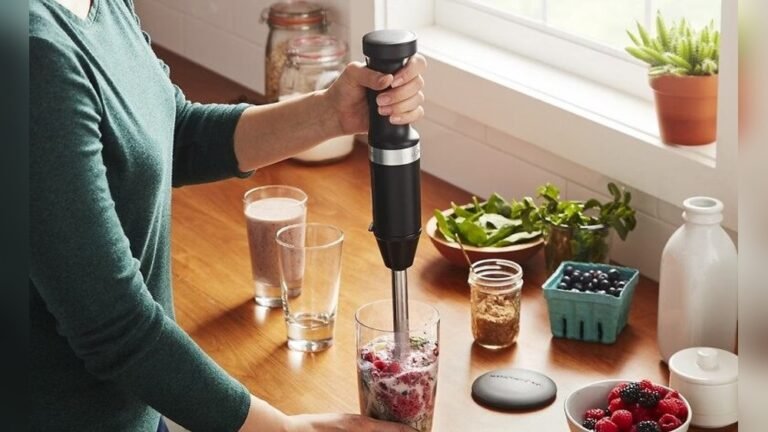
An immersion blender, also known as a stick blender or hand blender, is a long, wand-shaped device. The blade is at the end of the stick. You hold the blender and immerse the blade directly into the food you want to blend.
Common Uses
Immersion blenders are popular for:
- Pureeing soups and sauces
- Making smoothies
- Blending baby food
- Creating salad dressings
- Mixing milkshakes
Key Features
Immersion blenders have a single blade, sometimes covered with a guard. Some models come with extra attachments, such as a whisk or chopping bowl. The main body is usually waterproof, so you can safely immerse the blade end in liquids.
Most immersion blenders have 2–5 speeds. High-end models sometimes feature turbo buttons for extra power.
Advantages
Immersion blenders offer:
- Direct blending in the pot or bowl (no need to transfer hot liquids)
- Easy cleanup (only the blade end touches food)
- Compact storage
- Ability to blend both hot and cold foods
Limitations
Immersion blenders are not suitable for:
- Mixing dough or batter
- Whipping cream or egg whites (unless they have a whisk attachment)
- Chopping hard foods like nuts (unless you use a special attachment)
Immersion blenders are designed for blending and pureeing, not for beating or whipping.
Key Differences Between Hand Mixer And Immersion Blender
These two tools look similar but have important differences. Here are the main points:
| Feature | Hand Mixer | Immersion Blender |
|---|---|---|
| Main Function | Mixing, beating, whipping | Blending, pureeing, chopping |
| Attachments | Beaters, dough hooks, whisks | Blade, whisk, chopper bowl |
| Best for | Baking (batter, dough, cream) | Cooking (soups, sauces, smoothies) |
| Blade Design | Rotating beaters | Sharp spinning blade |
| Cleaning | Beaters removable, body stays clean | Blade end detachable, easy to rinse |
| Handling Hot Food | Not safe for hot liquids | Safe for hot liquids |
How Each Tool Works
Understanding how these appliances operate helps you choose the right one.
Hand Mixer Mechanism
When you turn on a hand mixer, the beaters spin rapidly. This motion incorporates air and mixes ingredients. It is perfect for tasks where you need a light, fluffy texture, such as whipped cream or cake batter.
The beaters work by rotating inside the bowl. You move the mixer around to ensure everything is mixed evenly. The speed settings let you control how much air is whipped in.
Immersion Blender Mechanism
An immersion blender works by spinning a sharp blade at high speed. You hold the blender and immerse the blade into the food. The blade chops, blends, and purees food directly in the container.
The immersion blender is strong enough to break down vegetables, fruits, and even some nuts. You can use it in a hot pot to puree soup, or in a tall glass to make a smoothie. The blade guard protects the container and prevents splashing.
:max_bytes(150000):strip_icc()/sea-primary-immersion-blenders-sep-24-rkilgore-0658-89167e1e4bd44afb93d9c847674b09e4.jpeg)
Credit: www.seriouseats.com
Practical Examples: When To Use Each Tool
Choosing the right tool depends on the task. Here are practical examples:
- Whipping Cream: A hand mixer is the best choice. It adds air and creates a fluffy texture.
- Pureeing Soup: Use an immersion blender. You can blend the soup directly in the pot, even when hot.
- Making Cookie Dough: Go with a hand mixer. It handles thick mixtures and mixes ingredients evenly.
- Blending a Smoothie: An immersion blender works well for single servings. For larger batches, a countertop blender might be better.
- Beating Eggs for Omelet: Both tools can do this, but a hand mixer gives a lighter result.
- Chopping Nuts: Neither tool is ideal unless your immersion blender has a chopping attachment.
- Mixing Pancake Batter: A hand mixer is easier, but an immersion blender can work if you want a very smooth texture.
Safety And Maintenance
Both tools are safe when used properly. Here are some tips:
- Always unplug before cleaning.
- Never immerse the motor body in water.
- Clean attachments right after use.
- Check for damaged cords or parts.
Immersion blenders can handle hot foods, but be careful of splashes. Hand mixers should be kept away from hot liquids to avoid damage.
Comparing Performance: Speed, Power, And Results
Hand mixers and immersion blenders have different strengths. Here’s a comparison of their performance:
| Task | Hand Mixer | Immersion Blender |
|---|---|---|
| Whipping cream | Excellent | Poor (unless whisk attachment) |
| Pureeing soup | Poor | Excellent |
| Mixing dough | Good (for light dough) | Poor |
| Blending smoothies | Poor | Good |
| Making mayonnaise | Poor | Excellent |
Hand mixers are faster for light mixing tasks. Immersion blenders are powerful for blending and pureeing.
Price, Durability, And Value
Kitchen appliances can be a big investment. Let’s look at the costs and durability.
Price Range
- Hand Mixers: $20–$80, depending on brand and features.
- Immersion Blenders: $25–$150, with basic models around $30.
High-end immersion blenders are more expensive, mainly due to extra attachments and stronger motors.
Durability
Both tools last several years with proper care. Stainless steel attachments are more durable than plastic. Hand mixers usually last 5–7 years, while immersion blenders last 3–5 years.
Value
Hand mixers are great for bakers. Immersion blenders are better for cooks who make soups, sauces, and smoothies often. If you bake and cook, having both is ideal.
Which Is More Versatile?
Versatility depends on your kitchen tasks. Here’s a comparison:
- Hand Mixer: Good for baking, mixing, whipping, and light dough.
- Immersion Blender: Good for blending, pureeing, chopping, and making sauces.
Some immersion blenders come with whisk attachments. This makes them more versatile, but the result may not be as fluffy as a hand mixer.
Common Mistakes In Choosing
Many beginners buy the wrong tool. Here are mistakes to avoid:
- Confusing their functions: Don’t expect a hand mixer to puree soup or an immersion blender to whip cream without a special attachment.
- Ignoring attachments: Some immersion blenders have whisks or choppers, but not all models do.
- Buying for the wrong task: Think about what you cook most often before buying.
- Overestimating power: Hand mixers are not strong enough for heavy blending.
- Assuming one tool does everything: Each tool is best for specific tasks.
Real-life Experiences: What Users Say
Many people have shared their experiences online. Here are some examples:
- Sarah, a home baker, says her hand mixer saves time and gives perfect cake batter. She tried using an immersion blender for batter, but it made the mix too dense.
- Mark, a soup lover, uses his immersion blender every week. He blends hot soup directly in the pot. He tried a hand mixer but found it messy and ineffective.
- Maria uses both. She whips cream with her hand mixer and purees baby food with her immersion blender. She recommends having both if you cook and bake often.
Kitchen Workflow: How Each Tool Fits
In a busy kitchen, workflow matters. Here’s how each tool fits:
- Hand mixer: Used for baking tasks, making whipped cream, mixing eggs, and preparing dough.
- Immersion blender: Used for blending soups, sauces, and smoothies. It’s quick for pureeing and doesn’t require transferring food.
If you cook often, an immersion blender speeds up soup and sauce prep. If you bake, a hand mixer is essential.
Cleaning And Maintenance Tips
Keeping your tools clean is important. Here are some tips:
Hand Mixer
- Remove beaters before cleaning.
- Wash beaters in warm, soapy water.
- Wipe the motor body with a damp cloth.
- Dry all parts before storing.
Immersion Blender
- Detach the blade end.
- Rinse immediately after use.
- For tough food, soak the blade end in water.
- Wipe the handle with a damp cloth.
Never put the motor part of either tool in water.
Noise And Comfort
Noise can be a concern in the kitchen. Here’s how the tools compare:
- Hand mixer: Usually quieter, but high speeds can be noisy.
- Immersion blender: Louder due to the blade spinning rapidly. Some models vibrate.
Comfort depends on the handle design. Look for ergonomic handles and lightweight models.
Energy Consumption
Both tools use little energy compared to larger appliances.
- Hand mixer: Uses 100–250 watts.
- Immersion blender: Uses 150–600 watts.
Immersion blenders are more powerful, especially high-end models. For short tasks, energy use is minimal.
Storage And Space Needs
Kitchen space is often limited. Here’s what you need to know:
- Hand mixer: Fits in most drawers. Beaters can be stored separately.
- Immersion blender: Takes up little space. Some models have wall mounts.
If you have a small kitchen, immersion blenders are easier to store.
Which Tool Is Safer?
Both tools are safe, but there are risks:
- Hand mixer: Fingers can get caught in beaters. Keep hands clear when in use.
- Immersion blender: Blade is sharp. Always unplug before cleaning. Do not touch the blade directly.
For hot foods, immersion blenders are safer because you don’t need to transfer liquids.
Popular Models And Brands
Some brands are more reliable than others. Here are popular models:
- Hand Mixer: KitchenAid, Cuisinart, Hamilton Beach, Black+Decker
- Immersion Blender: Braun, KitchenAid, Cuisinart, Breville
KitchenAid is known for durability. Braun and Breville make powerful immersion blenders.
How Attachments Change Functionality
Attachments make these tools more flexible. Here’s how:
Hand Mixer Attachments
- Beaters: For mixing and whipping.
- Dough hooks: For kneading dough.
- Balloon whisk: For whipping cream.
Immersion Blender Attachments
- Whisk: For whipping eggs or cream.
- Chopper bowl: For chopping nuts or vegetables.
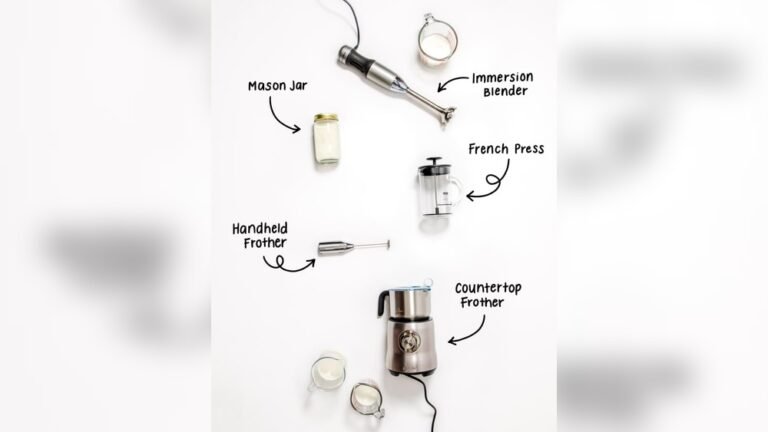
- Milk frother: For making frothy drinks.
Attachments can make an immersion blender almost as versatile as a hand mixer.
Technology And Design Trends
Modern kitchen tools are evolving. Here are some trends:
- Cordless models: Both hand mixers and immersion blenders now come in cordless versions.
- Variable speeds: More speed options for precise control.
- Ergonomic handles: Designed for comfort.
- Easy-clean design: Detachable and dishwasher-safe parts.
Some brands are focusing on sustainability, using recycled materials.
Environmental Impact
Small kitchen tools have a low environmental impact. However, consider:
- Plastic vs. metal: Metal lasts longer and is more recyclable.
- Energy efficiency: Look for models with lower wattage.
- Durability: Choose brands that last to reduce waste.
Buying durable tools reduces landfill waste.
Professional Vs. Home Use
Professional kitchens use bigger tools. Here’s how these compare:
- Hand mixer: Used for small tasks in professional kitchens.
- Immersion blender: Used for blending soups and sauces in large pots.
Home models are smaller and less powerful. Professionals often use commercial-grade appliances.

Credit: www.tasteofhome.com
Comparing Results: Texture And Consistency
Texture is important in cooking. Here’s how each tool affects food:
- Hand mixer: Adds air, making mixtures light and fluffy.
- Immersion blender: Creates smooth, creamy textures.
If you want airy whipped cream, use a hand mixer. For silky soup, use an immersion blender.
Can You Replace One With The Other?
Some people ask if one tool can replace the other. Here’s the truth:
- You can use an immersion blender for some mixing tasks, but the result is often denser.
- You can use a hand mixer for blending soft foods, but it won’t puree as well.
For best results, use each tool for its designed purpose.
Non-obvious Insights
Beginners often miss these points:
- Immersion blenders are safer for hot foods: You can blend hot soup in the pot without spills.
- Hand mixers excel at incorporating air: This is essential for cakes and whipped cream.
- Attachments matter: Buying a basic model without attachments limits versatility.
- Container size affects results: Immersion blenders need tall, narrow containers to avoid splashing.
- Speed control is vital: Higher speeds can cause messes if not used carefully.
Comparing With Other Kitchen Appliances
Hand mixers and immersion blenders are not the only options. Here’s how they compare:
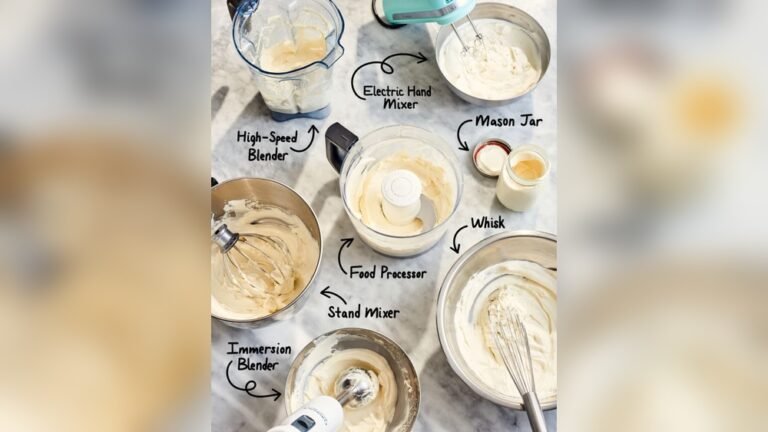
- Stand mixer: Stronger, better for heavy dough, but expensive and bulky.
- Countertop blender: Best for large smoothies, harder to clean, takes more space.
Hand mixers and immersion blenders are smaller and more affordable.

Credit: www.youtube.com
Recipe Examples For Each Tool
Here are recipes you can try:
Hand Mixer Recipe: Whipped Cream
- 1 cup heavy cream
- 2 tbsp sugar
- 1 tsp vanilla
Whip with hand mixer for 2–3 minutes until stiff peaks form.
Immersion Blender Recipe: Creamy Soup
- 4 cups cooked vegetables
- 2 cups broth
- Salt and pepper
Blend with immersion blender until smooth, directly in the pot.
Buying Guide: What To Look For
When buying, consider:
- Power: More watts mean stronger blending or mixing.
- Speed settings: More speeds give better control.
- Attachments: Extra tools increase versatility.
- Material: Metal parts last longer.
- Brand reputation: Choose brands with good reviews.
Don’t buy based only on price. Consider your cooking habits.
User Mistakes To Avoid
Avoid these errors:
- Using a hand mixer for blending soup (messy and ineffective).
- Trying to whip cream with an immersion blender without a whisk.
- Using a cheap, low-power model for tough tasks.
- Not cleaning attachments immediately after use.
These mistakes can lead to poor results and damage.
Expert Tips For Best Results
Here are some expert tips:
- Start at low speed to avoid splashes.
- Use tall containers for immersion blending.
- Chill cream before whipping for better texture.
- Don’t overfill the bowl when mixing dough.
- Clean attachments right away to prevent sticking.
These tips help you get the best from your appliances.
Choosing For Your Kitchen: Step-by-step
- List your main cooking tasks.
- Decide which tool fits those tasks.
- Check available space.
- Compare brands and reviews.
- Look for attachments.
- Buy based on function, not just price.
This method ensures you buy the right tool.
Table: Quick Comparison For Beginners
Here is an easy summary:
| Task | Best Tool |
|---|---|
| Whip cream | Hand mixer |
| Blend soup | Immersion blender |
| Mix dough | Hand mixer |
| Make smoothie | Immersion blender |
| Beat eggs | Hand mixer |
| Chop nuts | Immersion blender (with chopper attachment) |
Frequently Asked Questions
Can I Use A Hand Mixer Instead Of An Immersion Blender?
No, a hand mixer cannot puree or blend soups and smoothies. It is made for mixing and whipping. If you try to use it for blending, the result will be chunky and uneven.
Is An Immersion Blender Good For Baking?
Not really. Immersion blenders are not made for mixing dough or whipping cream. They can blend wet ingredients but won’t give the airy texture needed for cakes or whipped cream.
Which Is Easier To Clean?
Both tools are easy to clean if you remove the attachments right away. Immersion blenders usually have fewer parts to wash. Hand mixers have beaters and sometimes dough hooks or whisks.
Can I Use An Immersion Blender For Hot Liquids?
Yes, immersion blenders are designed to handle hot liquids. You can blend soup directly in the pot. Always be careful to avoid splashes.
What Is The Best Brand For Each Tool?
KitchenAid and Cuisinart are popular for hand mixers. Braun and Breville make strong immersion blenders. Always check reviews and choose based on your needs. For more information, visit Wikipedia.
If you are looking to improve your cooking and baking, understanding the difference between a hand mixer and an immersion blender is essential. Each tool is designed for specific tasks, and using the right one makes your kitchen work easier and more enjoyable.
Whether you are whipping cream or blending soup, choosing the correct appliance helps you get better results, saves time, and reduces mess. With this guide, you can make informed decisions and enjoy your time in the kitchen.