What Can I Use An Immersion Blender For? Top Creative Uses
If you’ve ever wondered how to make creamy soups, silky smoothies, or homemade mayonnaise without much effort, you’re not alone. The immersion blender—also known as a stick blender or hand blender—has become a favorite tool in many kitchens. Its slim design hides a lot of power and versatility, making it much more than a simple soup mixer. If you own one or are thinking about getting one, you may be surprised by just how many tasks this small appliance can handle. Let’s explore the full range of what you can use an immersion blender for, from everyday basics to creative culinary tricks that save you time and effort.
What Is An Immersion Blender?
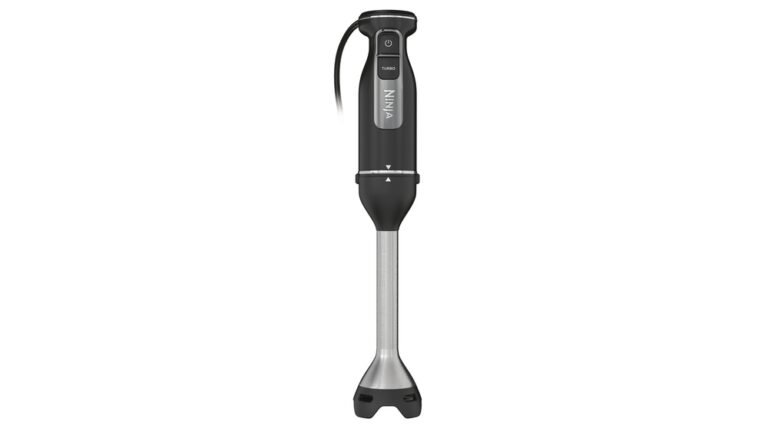
Before diving into its uses, it’s helpful to understand what makes an immersion blender different from other blenders. An immersion blender is a handheld device with spinning blades at the bottom. Unlike a countertop blender, you don’t pour ingredients into a jar. Instead, you put the blender directly into your pot, bowl, or cup. This design means less washing up and more control over texture.
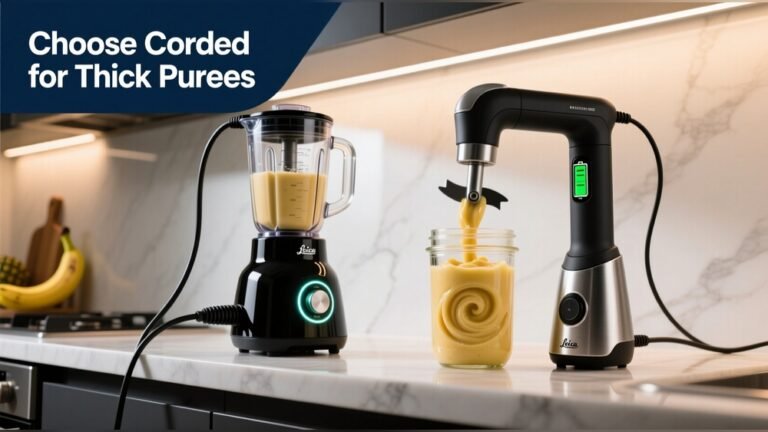
Immersion blenders come in both corded and cordless versions, with prices ranging from $20 to $200 based on power and attachments. Most have removable shafts for easy cleaning. Some models also come with extra tools for whisking, chopping, or frothing.
But even the simplest stick blender can help with dozens of kitchen tasks.
Everyday Uses For An Immersion Blender
Let’s start with the basics. These are the most common and useful ways people use immersion blenders at home.
1. Pureeing Soups Directly In The Pot
One of the top reasons people buy an immersion blender is for soup. Classic favorites like butternut squash, tomato, or potato leek soups become smooth and creamy in minutes. There’s no need to transfer hot liquids to a blender (which can be messy and even dangerous). Just blend right in the pot until you get the texture you want.
Tip: For chunkier soups, pulse the blender briefly instead of running it constantly.
2. Making Smoothies And Shakes
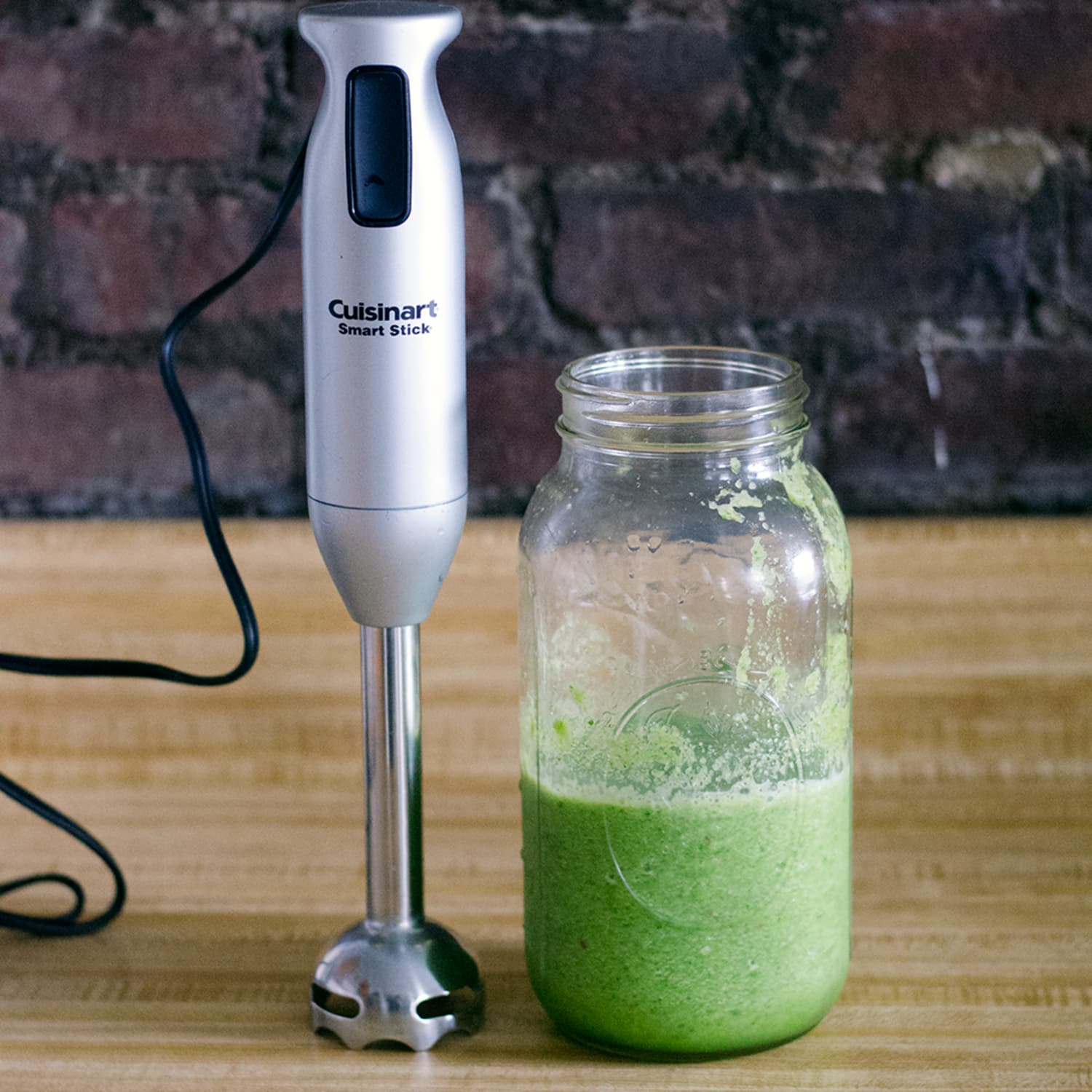
Want a smoothie for breakfast or a post-workout shake? An immersion blender can blend soft fruits, leafy greens, yogurt, and protein powder right in your glass or a tall jar. If you use frozen fruit or ice, make sure your blender is powerful enough to handle it, or let items thaw a bit.
3. Whipping Cream In Seconds
Fresh whipped cream is just a minute away with a stick blender. Use a deep cup and a cold blade for best results. Just pour in cold cream, add sugar, and blend until stiff peaks form.
4. Making Mayonnaise And Sauces
If you’ve tried to make mayonnaise by hand, you know it can be tricky. An immersion blender makes this task simple and almost foolproof. Add oil, egg, and seasoning to a tall jar and blend from the bottom up. In about 30 seconds, you’ll have fresh, creamy mayo.
It’s also perfect for aioli, hollandaise, and salad dressings, where you need to slowly combine oil and other liquids. These sauces often fail in regular blenders due to overmixing, but the immersion blender gives you perfect control.
5. Beating Eggs And Batters
You can quickly beat eggs for omelets, pancakes, or baking. The blender creates a uniform mixture, and there’s less cleanup than with a whisk or stand mixer.
6. Blending Baby Food
Making your own baby food means you know exactly what’s in it. The immersion blender can puree cooked fruits, vegetables, or grains until they’re perfectly smooth for little ones.
7. Mixing Dips And Spreads
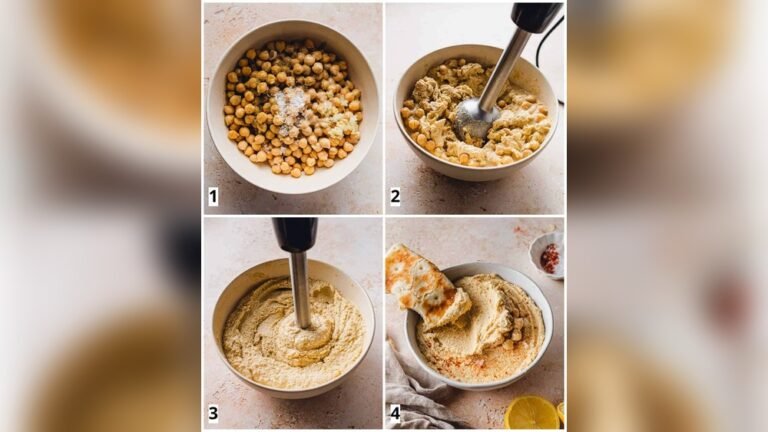
From hummus and guacamole to bean dip and salsa, the immersion blender helps you control the texture. You can blend until completely smooth or leave some chunks, depending on your preference.
:max_bytes(150000):strip_icc()/__opt__aboutcom__coeus__resources__content_migration__serious_eats__seriouseats.com__images__2017__11__20171019-Immersion-Blender-EmilyDryden-mayo-0063-0cc89227148141558c49adcbb46c3c07.jpg)
Credit: www.seriouseats.com
Advanced Cooking Techniques
Once you master the basics, you’ll find even more ways to use your immersion blender for advanced recipes and time-saving tricks.
1. Emulsifying Vinaigrettes And Dressings
Homemade vinaigrettes taste better than bottled ones, and an immersion blender creates a smooth emulsion in seconds. No more shaking jars until your arm hurts. Blend olive oil, vinegar, mustard, and herbs directly in a cup.
2. Creating Silky Custards And Puddings
For custards like crème brûlée, flan, or pudding, the immersion blender helps you mix eggs, sugar, and milk evenly, eliminating lumps and creating a smooth base.
3. Smoothing Out Lumpy Gravy
If your gravy has lumps, a quick blend solves the problem without transferring hot liquid to another appliance. Just be careful to avoid over-blending, which can make gravy too thin.
4. Foaming Milk For Lattes
You don’t need a fancy espresso machine to make a foamy latte. Heat milk, then use the immersion blender to aerate it in a tall cup. You’ll get a nice foam for coffee drinks or hot chocolate.
5. Grinding Small Amounts Of Nuts Or Seeds
Some immersion blenders (with chopping attachments) can handle nuts or seeds. Use short bursts to chop almonds, walnuts, or flaxseed for toppings or baking.
6. Making Tomato Sauce From Scratch
Cooked tomatoes and spices blend into a perfect tomato sauce right in the pot. You control the texture—chunky or smooth—without splattering sauce everywhere.
7. Preparing Pancake Or Waffle Batter
Avoid lumps by mixing batter for pancakes, waffles, or crepes with your immersion blender. The result is a smoother, more even texture than mixing by hand.
Surprising Ways To Use An Immersion Blender
The immersion blender is not just for soups and smoothies. Here are some creative and less obvious uses you might not have considered.
1. Making Homemade Salsa
If you prefer salsa with a smoother texture, blend roasted tomatoes, onions, and peppers to your liking. Pulse for a chunky finish or blend longer for a restaurant-style dip.
2. Preparing Pesto Or Chimichurri
Traditional recipes for pesto or chimichurri use a mortar and pestle, but an immersion blender works well for small batches. Blend basil, oil, nuts, and cheese for pesto, or parsley and garlic for chimichurri.
3. Creating Fluffy Mashed Potatoes
After boiling potatoes, use the immersion blender for creamy mashed potatoes. Be careful not to over-blend, as this can make them gluey.
4. Mixing Protein Shakes
If you’re into fitness, the immersion blender can mix protein powder with milk or water, breaking up clumps better than shaking by hand.
5. Chopping Garlic Or Herbs
Some models come with a mini chopper attachment, perfect for quickly chopping garlic, onions, or herbs—saving time and tears.
6. Making Nut Butters
With a powerful model and patience, you can blend peanut or almond butter in small batches, especially with a chopper bowl attachment.
7. Preparing Quick Salad Dressings
For a fresh salad dressing, blend together olive oil, vinegar, mustard, and herbs. The fast spinning blade creates a stable emulsion.
8. Creating Quick Salsas And Relishes
Pulse tomatoes, onions, and cilantro for fresh salsa or combine cucumber, vinegar, and spices for a quick relish.
9. Frothing Hot Chocolate
Blend hot milk and chocolate for a creamy, frothy hot chocolate. The spinning blade adds air, making drinks lighter and more enjoyable.
10. Blending Soufflé Base
An immersion blender quickly mixes egg yolks and sugar for a soufflé, ensuring an even texture.
Comparing Immersion Blenders To Other Appliances
To help you understand where the immersion blender fits in your kitchen, here’s a comparison with other common appliances.
| Task | Immersion Blender | Countertop Blender | Food Processor | Whisk |
|---|---|---|---|---|
| Blending Soup | Excellent | Good (requires transfer) | Poor | Poor |
| Smoothies | Good for small batches | Best for large batches | Fair | Poor |
| Chopping Veggies | With attachment only | No | Excellent | No |
| Whipping Cream | Good | Fair | Poor | Good |
| Making Mayo | Excellent | Fair | Poor | Poor |
What You Should Not Do With An Immersion Blender
While immersion blenders are versatile, they do have limits. Here are some things to avoid:
- Crushing Ice Directly: Most stick blenders aren’t built for solid ice cubes. They can break or wear out quickly. If you need crushed ice, use a countertop blender.
- Grinding Hard Grains or Coffee Beans: Even with attachments, these are too tough for the blades and motor.
- Heavy Doughs: Don’t try to knead bread or pizza dough. The motor isn’t strong enough.
- Hot Oil or Sugar Syrup: Immersion blenders can splatter hot liquids. Let hot oil or syrup cool before blending.
- Very Large Batches: For big amounts, a countertop blender or food processor is more efficient.
Non-obvious insight: Many beginners don’t realize that blending hot mixtures can cause splattering. Always keep the blade fully submerged and start on the lowest speed.
Cleaning And Maintenance Tips
Proper care keeps your immersion blender safe and working well.
- Unplug before cleaning. Always remove the shaft before washing.
- Wash the blade end immediately after use. Food dries quickly and can be hard to remove.
- Never immerse the motor in water. Wipe it with a damp cloth.
- Check for removable parts. Most models let you take off the blending shaft, making cleaning easier.
- Watch for stuck food. Use a brush for small bits around the blade.
- Dry thoroughly to prevent rust.
Non-obvious tip: If you blend something sticky (like nut butter), soak the blade in warm water with a little soap and run the blender for a few seconds to clean hard-to-reach spots.
Choosing The Right Immersion Blender
With so many models on the market, how do you pick the best one for your needs?
Key Factors To Consider
- Power (Wattage): More watts means more power for tough tasks (like nut butters or frozen fruit). Basic models start at 150 watts; high-end ones go up to 1000 watts.
- Speed Settings: Multiple speeds give you more control for delicate or tough jobs.
- Attachments: Some come with whisks, mini choppers, or frothers. Think about what you’ll use most.
- Blade Design: A wider blade guard prevents suction and splattering.
- Ease of Cleaning: Detachable shafts are easier to clean.
- Corded vs. Cordless: Corded usually offers more power, but cordless models are more flexible.
Comparing Popular Features
Here’s a quick look at how immersion blenders can vary.
| Feature | Basic Model | Mid-Range | High-End |
|---|---|---|---|
| Power | 150–250W | 300–600W | 700–1000W |
| Speeds | 1–2 | 2–5 | Variable |
| Attachments | None/Beaker | Whisk, Chopper | Multiple (frother, masher) |
| Price Range | $20–$40 | $40–$100 | $100–$200+ |
Common Mistakes When Buying
- Choosing the cheapest model: Low power means it might not blend tough ingredients well.
- Ignoring attachments: If you want to chop or whisk, make sure your model includes these.
- Not considering cleaning: Some models are hard to clean, leading to frustration.
- Overestimating needs: Some buyers get expensive models with features they never use.
Immersion Blender Recipes To Try
If you’re ready to put your immersion blender to work, try these simple recipes that show off its versatility.
Creamy Vegetable Soup
- Ingredients: 1 onion, 2 carrots, 2 potatoes, 1 zucchini, 4 cups vegetable broth, salt, pepper, olive oil.
- Instructions: Sauté onion and carrots. Add potatoes, zucchini, broth. Simmer until soft. Use immersion blender in the pot until smooth. Season and serve.
- Tip: For extra flavor, add roasted garlic or a splash of cream.
Quick Mayonnaise
- Ingredients: 1 egg, 1 cup neutral oil, 1 tbsp lemon juice, 1 tsp mustard, salt.
- Instructions: Place all ingredients in a tall jar. Place blender at the bottom, blend and slowly lift up. In 30 seconds, you have mayo.
- Tip: Make sure all ingredients are at room temperature for best results.
Green Smoothie
- Ingredients: 1 banana, 1 cup spinach, 1/2 cup yogurt, 1/2 cup juice or milk, honey.
- Instructions: Add ingredients to a tall cup. Blend until smooth.
- Tip: Add chia seeds for extra nutrition.
Fresh Salsa
- Ingredients: 3 tomatoes, 1/2 onion, 1 garlic clove, 1 jalapeño, cilantro, salt.
- Instructions: Blend all ingredients with short pulses for chunky salsa.
- Tip: Use roasted tomatoes for a smoky flavor.
Whipped Cream
- Ingredients: 1 cup cold heavy cream, 2 tbsp sugar, 1 tsp vanilla.
- Instructions: Blend in a deep cup until stiff peaks form.
- Tip: Chill the blade and cup for fastest results.
Immersion Blender Maintenance: Safety And Longevity
To keep your immersion blender working for years:
- Don’t run the motor continuously for more than 1 minute; let it rest between batches.
- Avoid blending very hot mixtures at full speed; let them cool slightly.
- Check for loose blades or cracks before each use.
- Store with the shaft detached to avoid bending or damaging blades.
- Replace worn or damaged parts immediately.
A well-maintained immersion blender can last 5–10 years, making it a smart investment for frequent cooks.
Real-world Examples And Unexpected Benefits
Many home cooks discover new uses for immersion blenders over time. For example, a parent might start by pureeing baby food, then move on to making smoothies for school lunches. Some people use them for beauty DIY (like blending homemade face masks or lotions), though always use a separate attachment for non-food uses.
Unexpected benefit: Because you blend directly in your pot or jar, there’s much less washing up. This can save 10–15 minutes per meal compared to using a countertop blender.
Immersion Blender Vs. Countertop Blender: Which Should You Choose?
Let’s look at a direct comparison for typical tasks:
| Task | Immersion Blender | Countertop Blender |
|---|---|---|
| Soup (hot) | Blend in pot, less mess | Transfer required, risk of spills |
| Smoothies | Great for 1–2 servings | Best for 3+ servings |
| Nut butter | Small batches only | Larger batches possible |
| Frozen drinks | Not recommended | Excellent |
| Cleaning | Easy, less to wash | More parts to clean |
Expert advice: If you often cook for 1–2 people or want to blend soups and sauces, an immersion blender is a better fit. For frozen drinks or large batches, a countertop blender is best.
Sustainability And Energy Use
Immersion blenders use less energy than big appliances—typically 150–250 watts versus 1000+ watts for countertop blenders. They also help avoid food waste by letting you blend small portions. And because they’re easy to clean, you use less water and soap.
Immersion Blender Safety Tips
- Always keep fingers and utensils away from the blades during use.
- Unplug before cleaning or changing attachments.
- Start at the lowest speed to avoid splattering.
- If blending hot liquids, submerge the blade fully before starting.
- Store out of reach of children.
Credit: www.thekitchn.com
When An Immersion Blender Is Not Enough
Despite its versatility, an immersion blender is not a replacement for every kitchen tool. For example, it won’t knead dough or slice vegetables thinly. If you need a tool for heavy-duty blending, large batches, or hard foods (like ice or raw carrots), a countertop blender or food processor is a better choice.
How To Get The Most From Your Immersion Blender
- Use a tall, narrow container for best blending. This prevents splashing and creates a vortex for even blending.
- Move the blender up and down for even results.
- Don’t overfill the container—leave room for the mixture to move.
- Cut large food into smaller pieces for faster, smoother blending.
- Experiment. Try new recipes or use the blender for tasks you didn’t think of, like blending pancake batter or salad dressing.
Pro insight: Experienced cooks use their immersion blender as their “go-to” tool for last-minute fixes, like smoothing out a lumpy sauce or whipping up a quick dip for guests.

Credit: myveganminimalist.com
Frequently Asked Questions
How Do I Avoid Splattering When Using My Immersion Blender?
To minimize splattering, always submerge the blade fully in the food before turning on the blender. Start at the lowest speed and increase only if needed. Use a tall, narrow container for liquids.
Can I Use An Immersion Blender For Hot Foods?
Yes, but let very hot liquids cool slightly before blending. Keep the blade under the surface to avoid burns from splashes. Some models have heat-resistant shafts—check your manual for limits.
What Foods Should I Not Blend With An Immersion Blender?
Avoid crushing ice, grinding hard grains, or kneading dough. The motor and blades are not designed for these tasks and can wear out quickly.
How Do I Clean My Immersion Blender Safely?
Unplug it first. Detach the blending shaft and wash it in warm, soapy water or the dishwasher (if allowed). Wipe the motor body with a damp cloth. Run the blender in soapy water for sticky foods, then rinse thoroughly.
Do I Need Special Containers For Immersion Blender Use?
No, but a tall, narrow jar works best. Many immersion blenders come with their own beaker. Avoid using shallow bowls to prevent splattering.
For more on immersion blender features and comparisons, see the Wikipedia entry on immersion blenders.
Whether you’re a beginner or seasoned cook, an immersion blender can become one of your most-used kitchen tools. With the right technique and care, it opens up a world of quick, creative, and delicious possibilities—making your time in the kitchen smoother and more enjoyable.