What’S An Immersion Blender: Benefits, Uses, and Top Picks
Imagine you need to make a creamy soup or blend a smoothie right in the pot. You reach for a tool that’s small, powerful, and easy to use—this is where the immersion blender comes in. Many people see it as a simple kitchen gadget, but the immersion blender, also called a hand blender or stick blender, is much more than that. It can change the way you cook, making tasks faster and less messy. Whether you are new to cooking or you have years of experience, understanding how an immersion blender works and what it can do will help you get better results in your kitchen.
What Is An Immersion Blender?
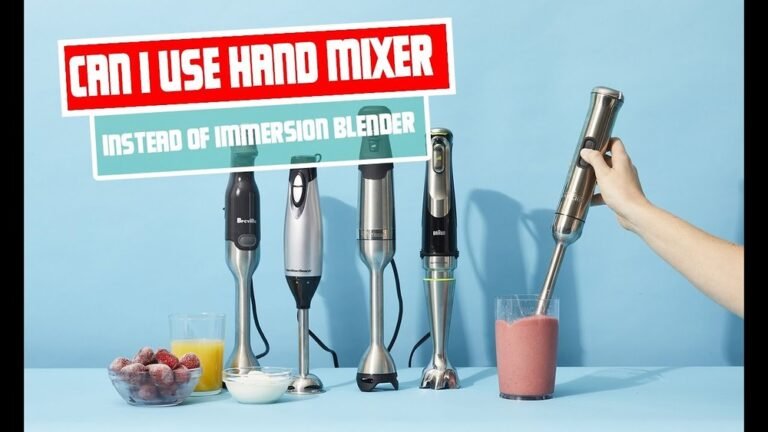
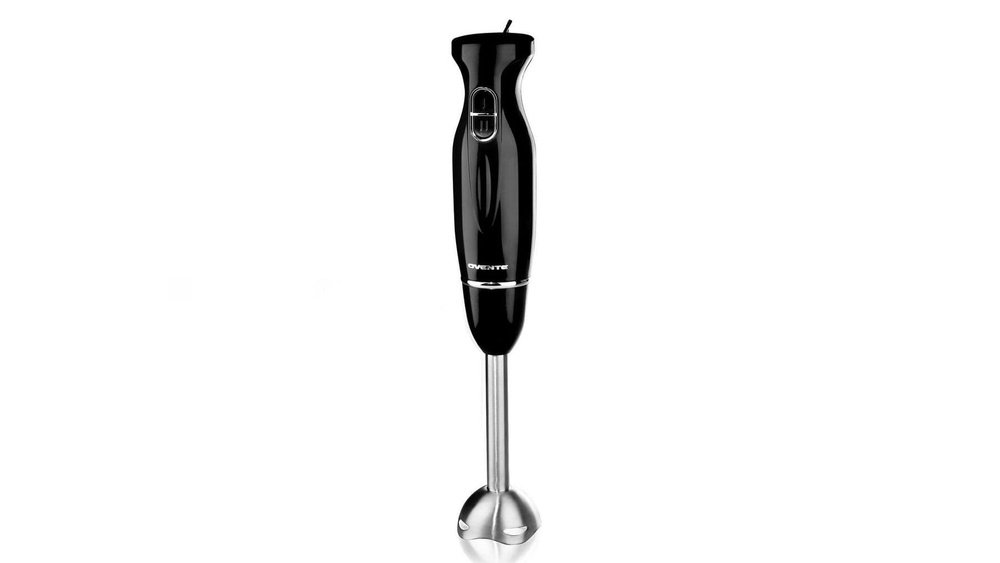
An immersion blender is a handheld kitchen device used to blend ingredients directly in the container where they are being prepared. Unlike traditional blenders, which have a fixed base and require you to pour ingredients into a jug, the immersion blender is shaped like a stick with blades at one end.
You simply dip it into your pot, bowl, or cup and press a button to start blending.
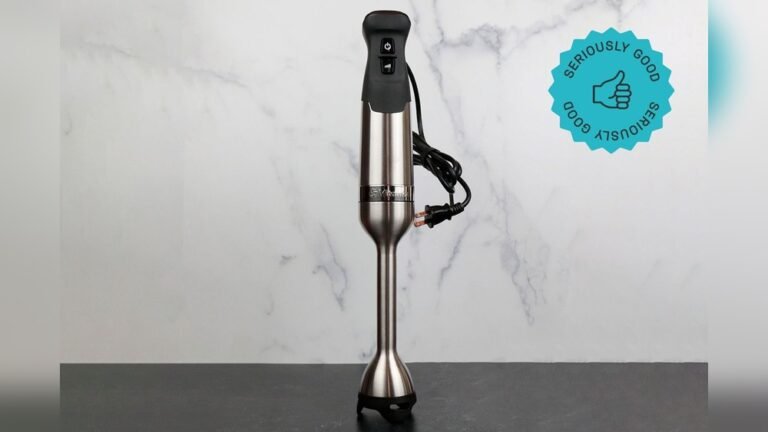
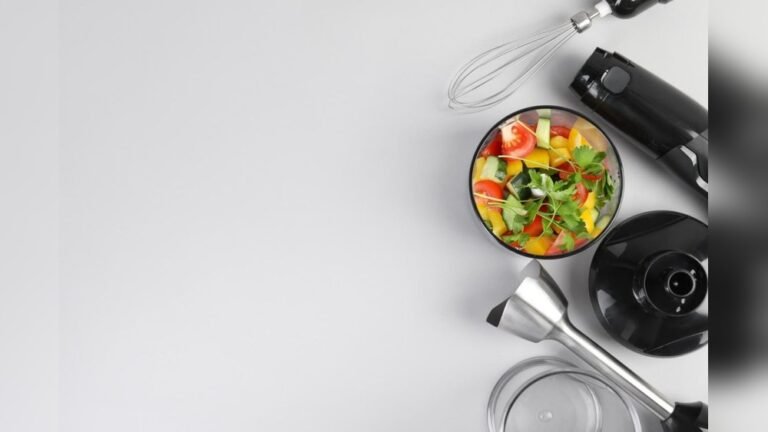
The main parts include a motor housing, a blending shaft, and a blade. Some models come with extra attachments, like a whisk or chopper. The shaft is usually made of stainless steel or plastic. The blades are sharp and spin quickly to chop, puree, or mix foods.
Key Features Of Immersion Blenders
- Portable and lightweight: Easy to move and store.
- Direct blending: You can blend foods right in the cooking vessel.
- Simple controls: Most have one or two speed settings.
- Detachable shafts: For easy cleaning.
- Versatile attachments: Some models offer extra tools for whipping or chopping.
Many cooks prefer immersion blenders because they save time and reduce cleanup. You don’t need to transfer hot soups to another blender, which lowers the risk of spills or burns.
How Does An Immersion Blender Work?
Immersion blenders operate with a small electric motor inside the handle. When you press the power button, the motor spins the blade at the end of the shaft. The blades are placed directly into the food or liquid, breaking down ingredients quickly.
The shaft is usually around 6–12 inches long, making it easy to reach inside deep pots or tall glasses. The blades are protected by a guard or dome, which prevents splashing and helps draw food into the blades.
Steps To Use An Immersion Blender
- Put your ingredients in a deep container, like a pot or mixing bowl.
- Plug in the blender (or use a cordless model if available).
- Insert the blade end into the food.
- Press the power button and move the blender slowly through the mixture.
- Blend until you reach your desired texture.
Some recipes require pulsing, which means turning the blender on and off quickly. Others need continuous blending. You can control the speed on certain models, making it easier to handle delicate or tough ingredients.

Credit: www.amazon.com
Types Of Immersion Blenders
Immersion blenders come in many designs and price ranges. Choosing the right one depends on how you plan to use it and your kitchen needs.
Basic Immersion Blenders
These are simple, affordable models with just one or two speeds. They usually have a plastic shaft and are good for basic tasks like blending soups or making smoothies.
High-powered Immersion Blenders
More advanced models have stronger motors, sometimes up to 500–600 watts. They can handle tougher jobs, like crushing ice or blending fibrous vegetables. These often have stainless steel shafts and multiple speed settings.
Corded Vs Cordless
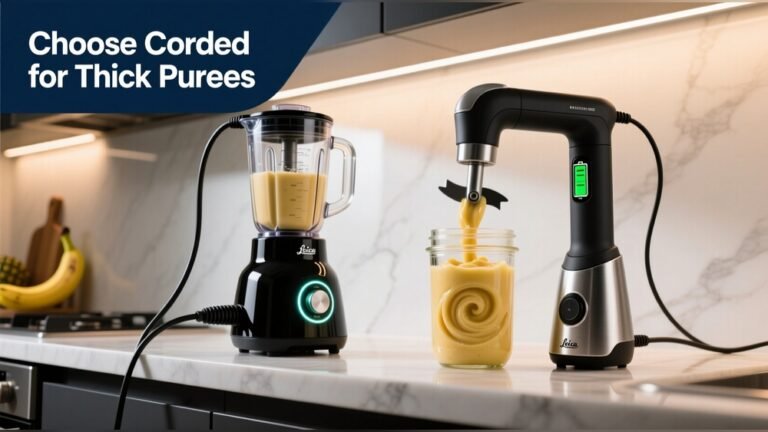
- Corded blenders: Offer steady power and are reliable for long blending sessions.
- Cordless blenders: Run on rechargeable batteries, giving you more freedom to move. However, battery life is limited and may not be ideal for heavy use.
Immersion Blenders With Attachments
Some blenders come with accessories, such as:
- Whisk: For whipping cream or eggs.
- Chopper: For slicing onions or herbs.
- Beaker: A container for blending small amounts.
Attachments make the device more versatile, allowing you to do more than just blend.
Comparison Of Common Types
Here’s a simple table to show differences between basic and advanced immersion blenders:
| Feature | Basic Model | Advanced Model |
|---|---|---|
| Motor Power | 200–300 Watts | 500–600 Watts |
| Speed Settings | 1–2 | Multiple |
| Shaft Material | Plastic | Stainless Steel |
| Attachments | None | Whisk, Chopper, Beaker |
| Price Range | $20–$40 | $50–$120 |
What Can You Do With An Immersion Blender?
The immersion blender is much more than a soup tool. Its design lets you tackle many kitchen tasks with ease.
Blending Soups And Sauces
One of the most common uses is to puree soups directly in the pot. For example, after cooking vegetables and broth, you can blend them into a smooth soup without transferring to another container. This saves time and keeps your kitchen cleaner.
Sauces like tomato sauce or gravies are also easy to smooth out with an immersion blender.
Making Smoothies And Shakes
You can quickly blend fruits, vegetables, yogurt, and ice in a tall glass or beaker. The immersion blender creates a smooth, even texture.
Whipping And Emulsifying
Some models come with a whisk attachment. This lets you whip cream, beat eggs, or make mayonnaise. The blender can also help mix vinaigrettes and salad dressings, creating an even blend.
Pureeing Baby Food
Parents often use immersion blenders to make homemade baby food. You can puree cooked vegetables and fruits to the right consistency. It’s easy to clean and safer than using large blenders.
Chopping And Grinding
Certain immersion blenders have chopper attachments. These are useful for chopping onions, herbs, nuts, or even grinding small amounts of coffee beans.
Mixing Dough And Batter
While not powerful enough for heavy bread dough, immersion blenders can mix pancake or cake batter quickly. Some attachments help prevent lumps.
Creating Foam And Froth
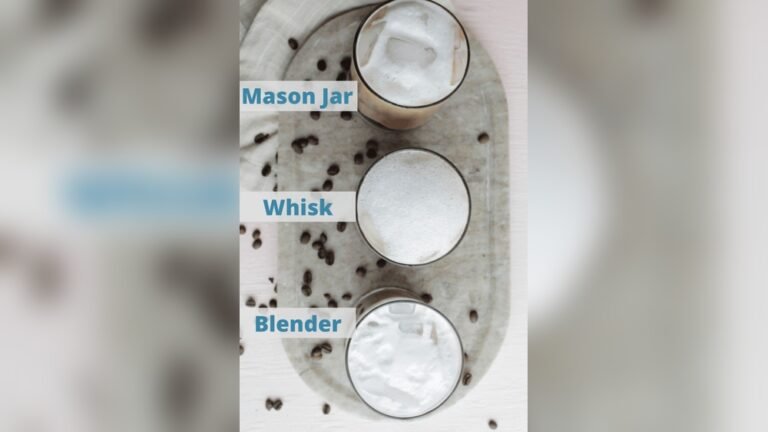
You can froth milk for coffee or make foamy sauces. The high-speed blades introduce air into liquids, adding volume and texture.
Practical Examples
- Creamy tomato soup: Blend cooked tomatoes and onions in the pot.
- Protein shakes: Mix protein powder and milk directly in your shaker.
- Mashed potatoes: Use the blender to make extra smooth mashed potatoes.
- Pesto sauce: Blend basil, nuts, and oil in a bowl.
- Smooth hummus: Puree chickpeas and tahini for a silky texture.
Advantages Of Using An Immersion Blender
The immersion blender stands out among kitchen appliances for several reasons.
Saves Time And Effort
No need to transfer hot liquids from pot to blender. You blend right where you cook, saving steps and reducing mess.
Easy To Clean
Most immersion blenders have detachable shafts. You can wash them by hand or put them in the dishwasher. The main motor part should be wiped clean and never submerged.
Space-saving
Immersion blenders are compact. They fit in a drawer or hang on a hook. They take up less space than traditional blenders.
Versatility
With attachments, you can perform many tasks. One device blends, whips, chops, and mixes.
Safety
Blending hot liquids in a traditional blender can cause splashes and burns. Using an immersion blender in the pot is safer and more controlled.
Cost-effective
Basic models are affordable, making them accessible to most home cooks.
Limitations And Drawbacks
While immersion blenders are useful, they have some limits.
Motor Power
Most immersion blenders are less powerful than countertop blenders. They may struggle with thick mixtures or large quantities.
Blade Size
The small blades may not chop or blend as finely as a food processor. You may need to blend longer or in smaller batches.
Not For All Recipes
Some recipes need a traditional blender or food processor. For example, making nut butter or crushing large amounts of ice.
Cord Length
Corded models can be limited by their cord length. Cordless models may run out of battery during use.
Noisy Operation
Immersion blenders can be loud, especially high-powered models.
Risk Of Splashes
If you blend in a shallow container, liquids can splash. Always use deep pots or bowls.
Durability
Plastic shafts and blades may wear out faster than stainless steel parts.
:max_bytes(150000):strip_icc()/sea-immersion-blenders-sep-24-test-all-clad-rkilgore-0176-5ba26578fe9441fa9a1f86950c123177.jpeg)
Credit: www.seriouseats.com
How To Choose The Right Immersion Blender
Selecting an immersion blender should depend on your needs, budget, and kitchen habits.
Consider Your Cooking Style
If you often make soups, sauces, or baby food, a basic model may be enough. For smoothies, chopping, or heavy blending, choose a high-powered model.
Motor Power
Look for blenders with at least 200 watts for basic tasks. For tougher jobs, 500 watts or more is better.
Shaft Material
Stainless steel shafts are stronger and last longer. Plastic shafts can crack or stain.
Speed Settings
Multiple speeds give you more control. Some models also have turbo or pulse functions.
Attachments
If you want to whip, chop, or mix, look for models with extra tools. Check that attachments are easy to connect and clean.
Ease Of Cleaning
Detachable shafts and dishwasher-safe parts make cleaning easier.
Price
Basic models start at $20. High-end models can cost up to $120. Choose one that fits your budget and needs.
Warranty And Brand
Choose brands known for quality and reliability. A longer warranty offers peace of mind.
Comparison Of Popular Models
Here’s a comparison table of three well-known immersion blender models:
| Brand | Power | Shaft Material | Speed Settings | Attachments | Price |
|---|---|---|---|---|---|
| KitchenAid | 200 Watts | Stainless Steel | 2 | Whisk, Beaker | $40–$60 |
| Breville | 280 Watts | Stainless Steel | 15 | Chopper, Whisk | $80–$120 |
| Cuisinart | 300 Watts | Plastic | 2 | None | $20–$40 |
Safety Tips For Using Immersion Blenders
Immersion blenders are safe if you follow basic guidelines.
Use In Deep Containers
Always use a deep pot or bowl to avoid splashing hot liquids.
Keep Fingers Away From Blades
Never touch the blades while the blender is plugged in. Detach the shaft for cleaning.
Turn Off Before Removing
Always turn off and unplug the blender before taking it out of the food or changing attachments.
Clean Immediately After Use
Cleaning right away prevents food from drying on the blades and shaft.
Store Safely
Store the blender with the shaft detached. Keep blades covered or out of reach of children.
Cleaning And Maintenance
Proper cleaning and maintenance will keep your immersion blender running smoothly.
Cleaning Steps
- Unplug the blender.
- Detach the blending shaft.
- Wash the shaft and attachments in warm, soapy water. Some are dishwasher-safe.
- Wipe the motor housing with a damp cloth.
- Dry all parts completely before storage.
Maintenance Tips
- Check for cracks or damage before each use.
- Avoid blending very hard foods that could damage blades.
- Charge cordless models fully before use.
- Replace worn blades or attachments as needed.
Common Mistakes
- Submerging the motor housing in water.
- Using the blender for tasks it’s not designed for (like crushing large ice cubes).
- Forgetting to unplug before cleaning.
Immersion Blender Vs. Other Blenders
You might wonder how an immersion blender compares to other blending devices.
Immersion Blender Vs Countertop Blender
- Portability: Immersion blenders are smaller and lighter.
- Direct blending: Immersion blenders blend in your cooking pot, while countertop blenders require you to pour ingredients into a jug.
- Power: Countertop blenders are stronger and handle larger quantities.
- Cleanup: Immersion blenders are easier to clean.
Immersion Blender Vs Food Processor
- Chopping: Food processors chop better and handle tougher jobs.
- Blending: Immersion blenders are better for liquids and smooth purees.
- Size: Food processors are bigger and take up more space.
Immersion Blender Vs Stand Mixer
- Mixing: Stand mixers are for heavy dough and mixing large batches.
- Whipping: Immersion blenders with a whisk attachment can whip small amounts.
Comparison Table
Here’s a table showing differences between immersion blenders and other appliances:
| Appliance | Main Use | Power | Cleanup | Size |
|---|---|---|---|---|
| Immersion Blender | Blending, Pureeing | Low–Medium | Easy | Small |
| Countertop Blender | Smoothies, Thick Blends | High | Moderate | Medium–Large |
| Food Processor | Chopping, Slicing | High | Moderate | Large |
| Stand Mixer | Mixing Dough, Whipping | High | Moderate | Large |
Non-obvious Tips And Insights
Many beginners overlook a few key points when using immersion blenders.
1. Move The Blender Slowly
Moving the blender too fast can create air pockets and uneven blending. For a smoother result, move it slowly up and down.
2. Use The Right Container
Tall, narrow containers help keep food close to the blades and reduce splashing. If you use a wide bowl, ingredients may escape the blades.
3. Start With Soft Ingredients
Blend softer foods first. If your mixture is thick, add liquid to help the blades move.
4. Blend In Batches
If you’re making a large amount, blend in smaller batches to avoid overloading the motor.
5. Let Hot Foods Cool Slightly
Blending boiling liquids can cause splashes. Let soups cool for a few minutes before blending.
Real-life Uses And Testimonials
Home cooks, chefs, and even nutritionists praise immersion blenders for their flexibility.
- Chef John uses an immersion blender daily to puree soups. He says it saves time and gives him perfect texture.
- Nutritionist Lisa blends smoothies and baby food for her clients, highlighting the ease of cleaning and portability.
- Home cook Alex found that whisk attachments helped him make fluffy whipped cream in seconds.
A survey by Consumer Reports showed that 67% of immersion blender owners use them at least weekly, mainly for soups and sauces. The average satisfaction rating was 8. 5 out of 10.
:max_bytes(150000):strip_icc()/sea-primary-immersion-blenders-sep-24-rkilgore-0658-89167e1e4bd44afb93d9c847674b09e4.jpeg)
Credit: www.seriouseats.com
Environmental Impact
Immersion blenders are small and use less energy than large appliances. Models with durable parts last longer, reducing waste. Buying a quality immersion blender means fewer replacements and less plastic in landfills.
Some brands offer recyclable packaging and energy-efficient motors. If you care about sustainability, look for eco-friendly models.
Where To Buy An Immersion Blender
You can find immersion blenders in most kitchen appliance stores and online marketplaces. Popular brands include KitchenAid, Breville, Braun, and Cuisinart.
Before buying, check reviews and compare features. For more details, see this Wikipedia article.
Frequently Asked Questions
What Foods Can I Blend With An Immersion Blender?
You can blend soups, sauces, smoothies, purees, pancake batter, whipped cream, and baby food. Avoid blending very hard or frozen foods unless your model is high-powered.
Is It Safe To Blend Hot Liquids?
Yes, but always use a deep pot and let hot liquids cool slightly to avoid splashes. Never fill the pot too full, and keep the blender fully submerged.
Can I Use An Immersion Blender In Any Container?
You can use it in most pots, bowls, and glasses. For best results, choose tall, narrow containers. Avoid fragile glassware that could crack.
How Do I Clean An Immersion Blender?
Detach the blending shaft and wash it in warm, soapy water or in the dishwasher. Wipe the motor housing with a damp cloth. Never submerge the motor part.
Are Cordless Immersion Blenders As Powerful As Corded Ones?
Cordless models are convenient but usually less powerful and have limited battery life. For heavy-duty tasks, corded blenders are better.
Immersion blenders are simple yet powerful tools that make cooking faster and easier. They are perfect for blending soups, making smoothies, or whipping cream. Choosing the right model depends on your needs, but even a basic immersion blender can help you cook more efficiently.
With proper care, these devices last for years and offer many ways to save time and effort in the kitchen. If you want a versatile, space-saving appliance, the immersion blender is a smart choice for any home cook.