How To Store Immersion Blender: Tips for Safe and Easy Storage
Storing your immersion blender the right way can make a big difference in its lifespan and how easy it is to use in your kitchen. Many people buy a hand blender for its convenience but don’t think much about storage until they run into problems: missing parts, dull blades, or even damage from moisture or messy drawers. If you’ve ever wondered why your stick blender seems to lose power or starts to smell, improper storage could be a reason.
Knowing how to store your immersion blender is not just about keeping your kitchen tidy. It’s also about safety, hygiene, and getting the best performance from your appliance every time. Whether you have a basic two-piece blender or a high-end model with multiple attachments, smart storage keeps everything in good condition and ready to use.
In this guide, you’ll learn practical methods, what to avoid, and small tips that even experienced cooks sometimes miss.
Why Storage Matters For Immersion Blenders
Immersion blenders are different from countertop blenders. They are handheld and often have detachable parts. This design makes them easy to use but also easy to damage if not stored with care. Here’s why proper storage is important:
- Prevents damage: The blade and motor are sensitive to bumps and moisture. A dropped blender can bend the blade or crack the housing.
- Reduces rust risk: Immersion blenders often get wet. Storing them incorrectly can lead to rust on the blades or motor shaft.
- Keeps attachments organized: Many blenders come with whisks, choppers, or beakers. Losing these parts makes your blender less useful.
- Improves hygiene: Food residue in awkward places can lead to bacteria or bad smells.
A survey by a popular kitchen magazine found that 37% of users had lost attachments or damaged their stick blender due to poor storage. Simple habits can help you avoid these problems.
Cleaning Before Storage
Always clean your immersion blender right after use. Storing a dirty blender is the fastest way to shorten its life and spread germs. Here’s a quick, effective routine:
- Unplug the blender and detach all removable parts.
- Rinse the shaft and blade under warm water immediately. For sticky or oily foods, use a few drops of dish soap.
- If the blade or shaft is very dirty, fill a tall glass with soapy water, insert the shaft, and blend for 10 seconds. Rinse well.
- Wipe the motor handle with a damp (not wet) cloth. Never immerse the motor in water.
- Dry all parts completely with a towel or air dry before storing.
Non-obvious tip: Pay attention to the joint where the shaft meets the motor. Food can collect here and cause odor or even mold.
Air Drying: The Step Most People Skip
Even if you towel-dry your blender, small drops of water can remain in joints or around the blade. Moisture leads to rust and bacteria. For the best results, let your blender air dry for at least 30 minutes before putting it away.
Set the shaft and attachments on a dish rack or over a towel, blade side down. Make sure air can reach all sides. For stubborn water inside attachments, shake gently or use a paper towel to wick out moisture.
Common mistake: Some people store their blender right after wiping, especially if in a hurry. This traps moisture inside and can damage your blender over time.
Choosing The Right Storage Location
Where you store your immersion blender is as important as how you clean it. The right spot keeps the blender safe from damage, moisture, and dirt.
Key factors to consider:
- Dryness: Moisture is the enemy of electronics and metal blades.
- Accessibility: Store your blender where you can reach it easily, especially if you use it often.
- Protection: Avoid spots where the blade might touch other items or where the cord can snag.
Common Storage Places Compared
Here’s a comparison of popular storage options for immersion blenders:
| Location | Pros | Cons |
|---|---|---|
| Kitchen Drawer | Easy to reach Hidden from view | Blade can hit other tools Risk of tangling cord |
| Cabinet Shelf | Safe from bumps Protects from dust | Hard to reach if used often Attachments may get lost |
| Countertop Stand | Always accessible Organized attachments | Takes up space Exposed to grease/splatter |
| Hanging Rack | Good air flow Saves space | Needs strong hook May look cluttered |
The best location depends on your kitchen layout and how often you use your blender. If you blend daily, a countertop stand or hanging rack is ideal. If you use it less often, a cabinet or drawer may work better.
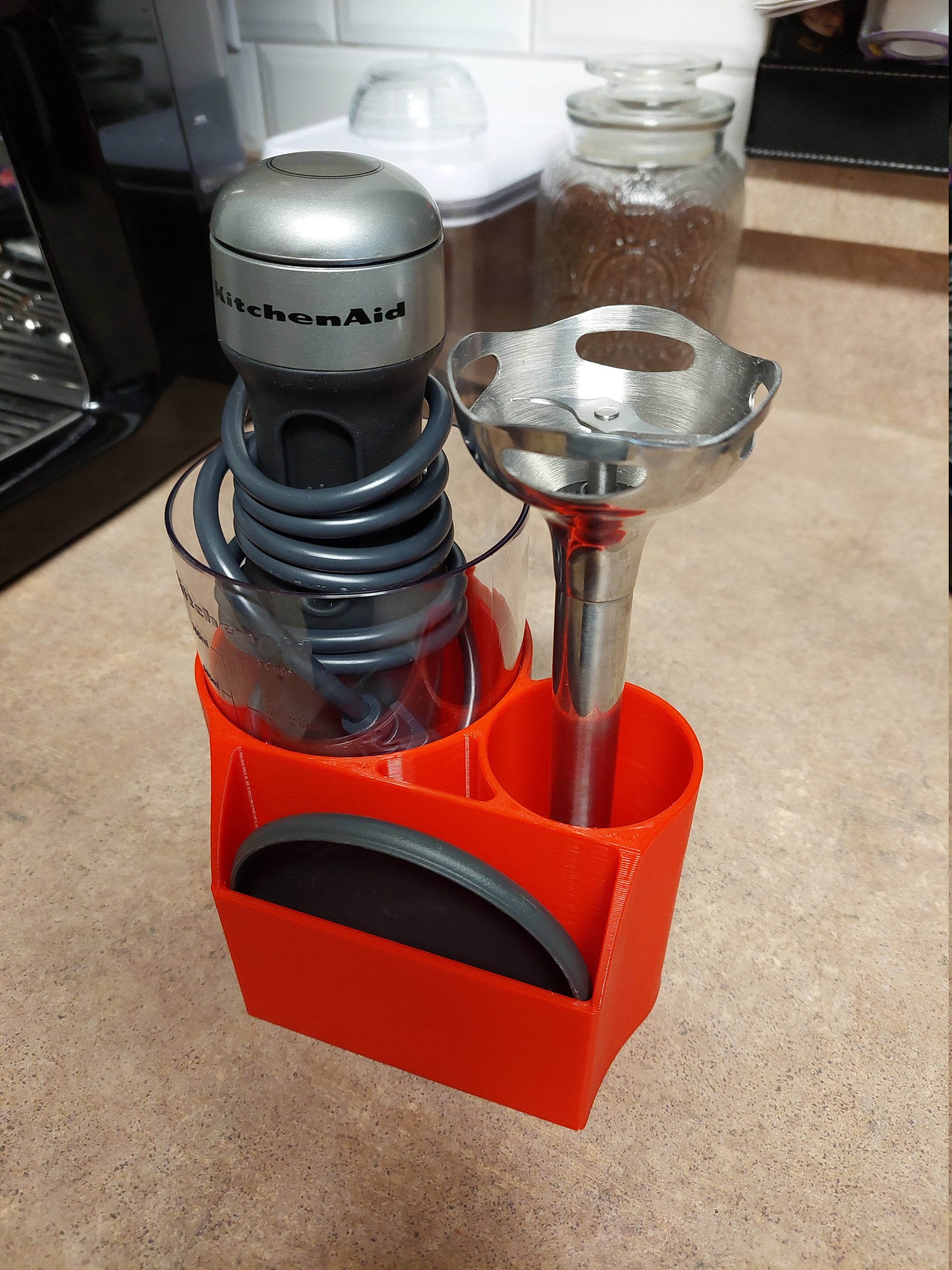
Credit: www.etsy.com
Storage Methods: Pros And Cons
How you store your immersion blender matters just as much as where. Let’s look at the main methods, their benefits, and drawbacks.
1. Keeping In The Original Box
This method protects your blender from dust and bumps. Most boxes have a special spot for each part.
Pros:
- Full protection from impact and dust
- Keeps all attachments together
Cons:
- Takes up space
- Hard to access for daily use
Tip: Only use this method if you don’t use your blender often.
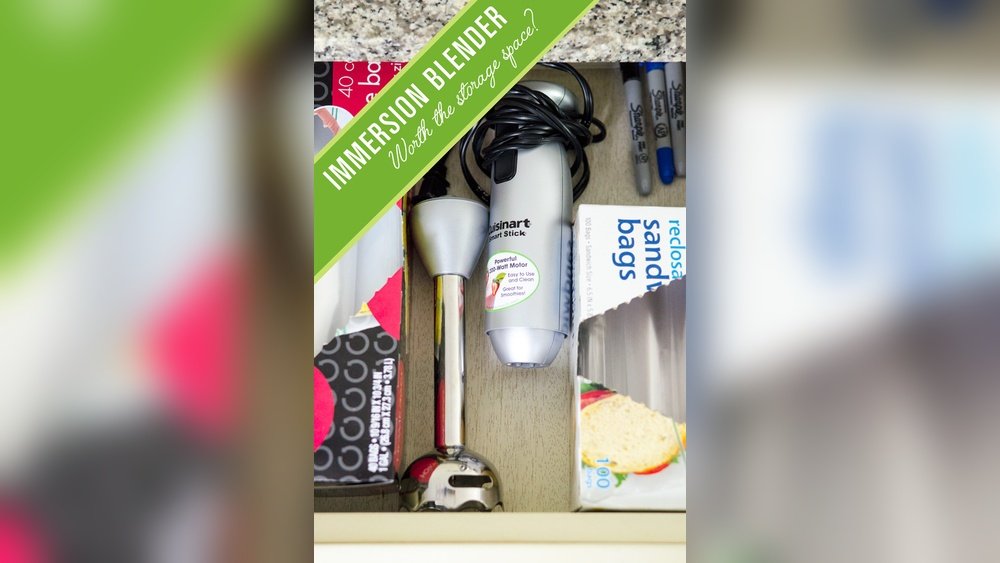
2. Drawer Or Cabinet Storage
Most people keep their immersion blender in a kitchen drawer or cabinet. This is convenient, but only if you organize the space.
Pros:
- Easy to reach
- Hidden from view
Cons:
- Blades can hit other utensils
- Attachments can get lost
How to improve: Use a tray, basket, or soft pouch for the blade and shaft. This prevents scratches and keeps parts together.
3. Wall Or Cabinet Hooks
Some blenders have a loop or hole for hanging. Strong hooks can hold the motor and shaft.
Pros:
- Saves counter space
- Good air circulation for drying
Cons:
- Needs secure installation
- Not all blenders have a hanging loop
4. Countertop Stands
High-end or newer models sometimes come with a stand. This keeps everything together and always ready.
Pros:
- Fast access
- Keeps attachments organized
Cons:
- Takes up counter space
- Needs to be wiped often to stay clean
Non-obvious insight: Even if your blender didn’t come with a stand, you can buy universal stands online or use a simple utensil holder.
5. Magnetic Strips
Some cooks attach the metal shaft to a magnetic knife strip on the wall.
Pros:
- Saves space
- Blades stay sharp (no bumping into other tools)
Cons:
- Only works with steel shafts
- Not safe if children can reach
Warning: Always check your blender’s manual before using a magnetic strip. Some models have electronic parts in the shaft that should not touch magnets.
Storing Attachments And Accessories
Immersion blenders often come with extra parts like whisks, choppers, or beakers. Storing them well prevents loss and damage.
Best practices:
- Keep all attachments in a basket or box next to the blender.
- Use zip bags or small pouches for tiny parts.
- Store sharp attachments with blade guards, if available.
Real-world example: Many people lose their whisk attachment because it’s small and light. Keeping it in a labeled zip bag reduces this risk.
Non-obvious tip: If you use your immersion blender for both sweet and savory foods, keep two separate beakers or containers for each use. This avoids flavor transfer.
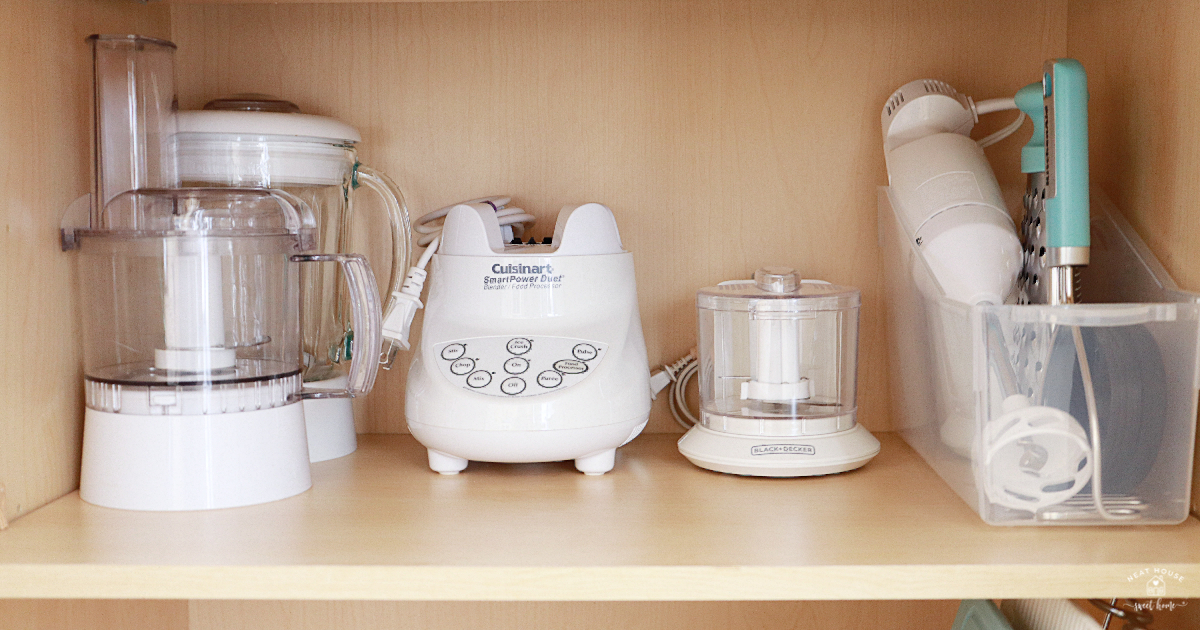
Credit: www.neathousesweethome.com
Cord Management
The cord can be a big problem if not stored correctly. Tangled cords can break, and loose wires can be a safety hazard.
Cord Storage Methods
| Method | Pros | Cons |
|---|---|---|
| Wrap around handle | Quick and simple | Can strain cord at base |
| Velcro tie or twist tie | Prevents tangling Easy to remove | Extra step after each use |
| Detachable cord (rare) | Easier storage Less risk of damage | Not common on most models |
Pro tip: Never pull or yank the cord when removing from storage. Always grip the plug, not the wire.
Storing Cordless Immersion Blenders
Cordless stick blenders are becoming more popular. They have a battery and sometimes a charging base.
- Store the blender on its charging base if possible. This keeps it charged and ready.
- Keep the charging cable neatly coiled and out of wet areas.
- Avoid storing the battery in very hot or cold places, as this can reduce battery life.
Extra insight: For long-term storage, remove the battery if the manual allows. This prevents battery leaks.
Avoiding Common Storage Mistakes
Even experienced cooks can make mistakes with immersion blender storage. Here are the most common errors and how to avoid them:
- Storing while wet: Causes rust and electrical damage.
- Leaving food residue: Attracts pests and causes smells.
- Storing with blade exposed: Risk of cuts when reaching into drawers.
- Forgetting attachments: Leads to lost or broken parts.
- Tight cord wrapping: Damages cord and may cause short circuits.
A simple checklist after each use:
- Clean and dry all parts
- Store attachments together
- Keep blades covered
- Coil cord loosely
Special Storage Tips For Small Kitchens
Not everyone has a big kitchen or lots of storage space. If your kitchen is small, try these tips:
- Use a wall-mounted rack behind the door or inside a cabinet.
- Store the blender shaft and attachments in a tall jar or utensil holder on the counter.
- Hang the blender under an upper cabinet with a strong adhesive hook.
- Keep all parts in a labeled storage basket on a shelf.
- Use vertical space: Stack attachments in a tall container.
Example: One New York chef uses a magnetic knife strip to hold both her blender shaft and whisk, freeing up valuable drawer space.
Traveling Or Long-term Storage
If you only use your immersion blender a few times a year, or need to move, follow these steps:
- Clean and fully dry all parts.
- Store blades with protective covers or wrapped in a cloth.
- Place all parts in a sturdy box with padding.
- Avoid plastic bags for long-term storage—moisture can get trapped.
- Store in a cool, dry place.
Pro tip: Tape a small instruction note inside the box as a reminder to clean and check for rust before next use.
Safety When Storing Immersion Blenders
Safety is often overlooked but very important. Immersion blenders have sharp blades and strong motors. Here’s how to keep your kitchen safe:
- Always unplug before cleaning or storing.
- Keep out of reach of children, especially if stored low.
- Use blade covers or sheaths if available.
- Never store with the blade attached and exposed.
- For seniors or people with reduced grip, use stands or baskets to avoid cuts.
Extending The Life Of Your Immersion Blender
Good storage is part of good maintenance. Here are a few extra steps to help your blender last longer:
- Oil the blade lightly with food-safe oil every few months if you see signs of rust.
- Check the shaft and motor connection for cracks or wear.
- If your blender has dishwasher-safe parts, only run them on the top rack and avoid high heat.
Stat: With proper cleaning and storage, most immersion blenders last 5–8 years, compared to just 3–4 years with poor care.
When To Replace Or Service Your Blender
No matter how well you store it, all appliances wear out. Signs you may need to replace or service your immersion blender:
- Motor makes loud or strange noises
- Shaft or blade is bent or rusted
- Attachments no longer fit securely
- Cord is frayed or damaged
If you’re unsure, check your warranty or visit the manufacturer’s website for support. For more on appliance maintenance, the Consumer Reports blender care guide offers useful tips.

Credit: www.amazon.com
Frequently Asked Questions
How Do I Store My Immersion Blender If I Use It Every Day?
If you use your immersion blender daily, keep it on a countertop stand or hanging rack near your prep area. Make sure it is fully dry before storing. Store attachments in a small basket or container nearby for quick access.
Can I Store My Immersion Blender With The Blade Attached?
You can store your blender with the blade attached if you use a blade cover or store it in a way the blade is not exposed. This prevents accidental cuts and protects the blade from damage. If not, detach the shaft and store separately.
What Is The Best Way To Store Attachments?
The best way is to keep attachments in a labeled basket, box, or zip bag near the blender. This keeps everything together and reduces the risk of losing small pieces. For sharp attachments, use blade guards or wrap in a cloth.
Is It Safe To Hang My Immersion Blender On A Wall Hook?
It is safe to hang your immersion blender if the hook is strong and the blender has a hanging loop. Make sure the area is dry and out of reach of children. Do not hang heavy attachments or the cord.
How Do I Prevent My Immersion Blender From Rusting?
To prevent rust, always dry all parts completely before storage, especially the blade and shaft. Store in a dry place, avoid plastic bags for long-term storage, and lightly oil the blade every few months if your kitchen is humid.
Storing your immersion blender properly is simple but very important. With a few smart habits, you’ll protect your investment, save time, and keep your kitchen both safe and organized. Whether you use your blender daily or just for special recipes, following these tips will help you enjoy smooth soups, sauces, and more for years to come.