Best Use for Immersion Blender: Soups and Sauces
The best use for an immersion blender is making smooth soups and sauces directly in the pot. You save time by avoiding transfers to separate machines, resulting in less mess and fewer dishes. It works best with soft, cooked ingredients but struggles with hard raw vegetables or ice. Use it for purees, emulsions, and quick drinks. This guide covers steps for silky textures without splashing and explains when to switch tools.
What an immersion blender actually does
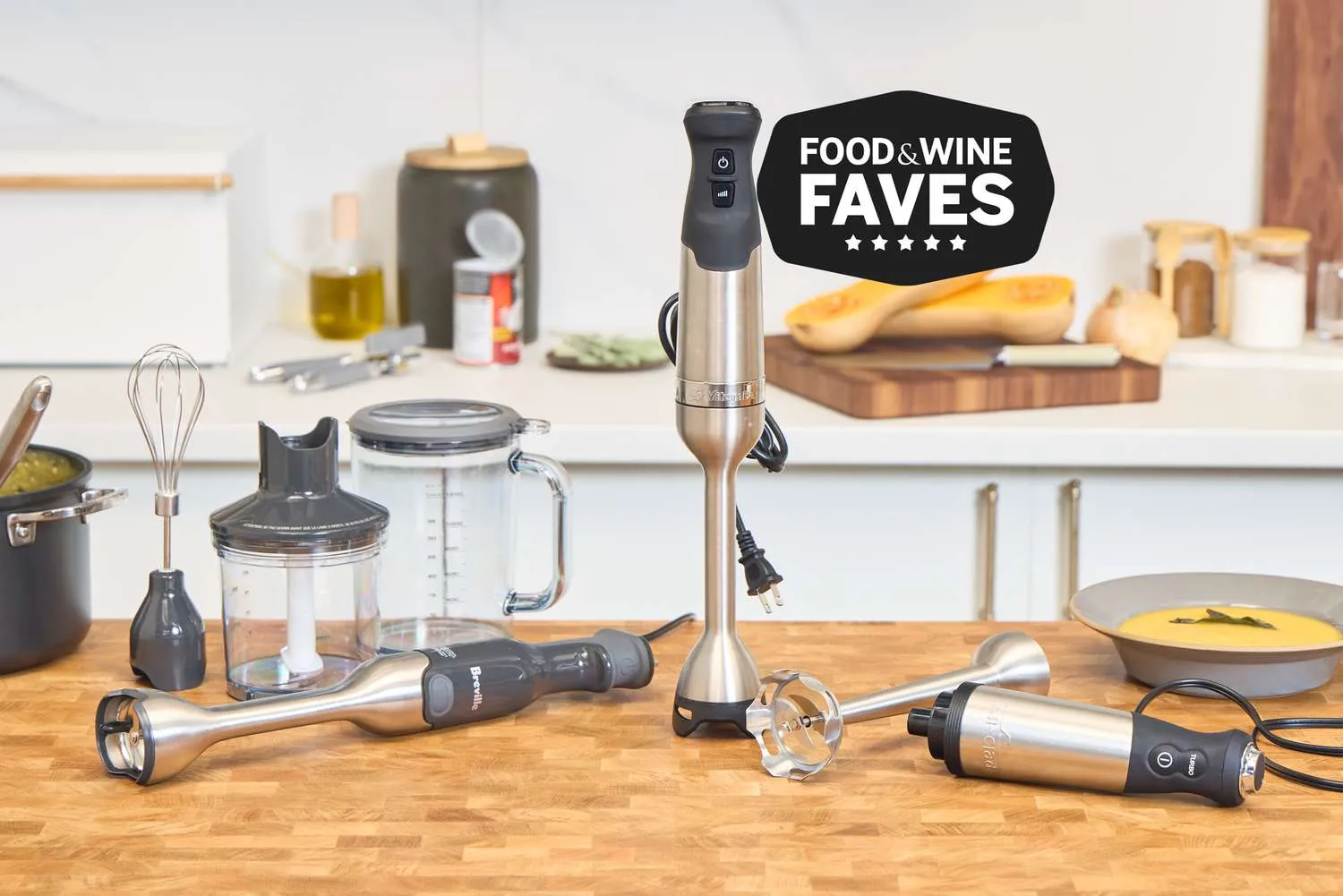
An immersion blender is a handheld stick with blades at the bottom. You hold the motor in your hand and lower the blade end into food. It’s also called a hand blender. People use it to mix, puree, and emulsify ingredients.
The main benefit is convenience. You can blend hot soup in the stockpot on the stove. You don’t have to wait for it to cool down. You don’t have to pour it into a countertop blender jar. This reduces the risk of burns and spills.
Many people think this tool can replace a full-size blender. That’s a mistake. A countertop blender has a powerful motor and a sealed lid. It creates a vortex that pulls food down into the blades.
An immersion blender relies on you moving it around. It can’t crush ice or make nut butter. It isn’t strong enough for heavy doughs. It’s designed for liquids and soft solids. If you try to blend dry ingredients, the motor will overheat. If you try to blend hard items, the blades will dull.
This tool is for home cooks who want speed. It’s great for parents making baby food. It’s useful for anyone who hates washing large appliances. The design is simple. The shaft goes into the pot. The motor stays above the rim. You press a button and move it up and down.
The result is a smooth mixture in seconds. It isn’t for professional chefs who need perfect consistency for every batch. It’s for everyday meals where good enough is great. Accepting this limitation ensures you buy the right tool. Don’t expect it to do everything. Expect it to do one thing very well.
How to blend without making a mess
Blending with a stick blender seems easy, but it can splash hot liquid everywhere if you do it wrong. Follow these steps to keep your kitchen clean and your food smooth.
- Cook your ingredients until they’re very soft. Hard carrots or raw potatoes won’t blend well. Boil them until a fork slides in easily. This ensures the blades can cut through without straining the motor.
- Tilt the pot slightly if possible. If you have a deep stockpot, tilt it so the liquid pools on one side. This gives the blades more depth to work in. It prevents air from getting sucked into the mix, which causes foam.
- Submerge the head completely before pressing power. Push the blade end all the way to the bottom. Turn the motor on only after it’s under the surface. This stops hot soup from spraying across your ceiling.
- Move the blender in a slow circle. Don’t just hold it still. Move it gently around the pot. Lift it up slightly and push it down again. This catches any chunks hiding at the bottom or floating at the top.
- Pulse for thick mixtures. If you’re making mayo or a thick dip, use short bursts. Hold the trigger for one second, then release. Repeat this until the texture is right. Continuous running can heat up the oil and break the emulsion.
- Clean it immediately after use. Rinse the blade end under warm water right away. Food dries fast on the metal guard. If you wait, you’ll have to scrub it. Many models let you detach the shaft for dishwasher cleaning. Check your manual.
The single most important judgment call is knowing when to stop. Beginners often blend too long. This makes soups gluey. Vegetables like potatoes and squash release starch. Over-blending turns them into paste. Stop when you see small, soft bits remaining. These add texture and flavor. A perfectly smooth soup can feel flat. Aim for creamy, not liquid. If you want it smoother, blend half and leave the rest chunky. This gives you control. Trust your eyes, not the clock.
Quick reference for common tasks
Different foods need different speeds and techniques. Use this table to check the right approach for your specific meal. It saves you from guessing and ruining the texture.
| Situation | What to use | How long | What to watch for |
|---|---|---|---|
| Hot vegetable soup | Medium speed | 30-60 seconds | Stop when small chunks remain to avoid gluey texture |
| Mayonnaise or aioli | Low speed, pulse | 10-20 seconds | Watch for separation; stop if oil pools on top |
| Smoothie with soft fruit | High speed | 15-30 seconds | Ensure no leafy greens are stuck under the guard |
| Baby food puree | Medium speed | 20-40 seconds | Check for any hard skins or seeds left behind |
| Whipped cream | High speed | 45-90 seconds | Stop immediately when peaks form to prevent butter |
| Pancake batter | Low speed | 10-15 seconds | Mix just until combined; lumps are okay |
This table assumes standard home appliances. If your blender has variable speeds, start low. You can always go faster. You can’t undo over-blending. For hot liquids, always be careful of steam. Keep your face away from the pot. For cold items, ensure the motor housing doesn’t get wet.
Water in the motor causes shorts. Keep the cord dry. These times are estimates. Your pot size and ingredient amount change the result. A larger pot needs more movement. A smaller cup needs less time. Adjust based on what you see.
Details that change the outcome
Experienced users prepare their ingredients differently than beginners. They know that size matters. Cut vegetables into uniform pieces before cooking. If some pieces are big and others are small, the small ones turn to mush while the big ones stay hard.
Uniformity ensures even blending. Also, let hot food cool slightly before blending. Boiling liquid creates steam pressure. This can force the lid off a countertop blender, but with an immersion blender, it causes violent splashing. Wait two minutes. The temperature drops enough to be safe but stays hot enough to blend easily.
The order of adding ingredients matters for emulsions. When making mayonnaise, put the egg and acid in the cup first. Place the blender head at the very bottom. Cover the blades completely. Start the motor and hold it still for five seconds. Then slowly lift it up. This draws the oil down into the blades gradually.
If you drop all the oil in at once, it won’t mix. It will sit on top. The slow lift creates the vortex needed for thickening. This technique works for vinaigrettes too. Always start at the bottom.
Check the blade guard for debris. Food gets trapped between the metal blades and the plastic cage. This blocks the flow. If your blender seems weak, turn it off and unplug it. Use a brush to clean the guard. Don’t use your fingers. The blades are sharp. A clogged guard reduces efficiency by half.
Clean it after every use. Also, avoid hitting the bottom of non-stick pots. The metal guard can scratch the coating. Use a silicone-tipped model if you have expensive cookware. Or lift the head slightly off the bottom while blending. This protects your pots and keeps your food free of metal flakes.
Troubleshooting common blending issues
Even with care, things go wrong. Here is how to fix the most frequent problems without panic.
| What you notice | What it usually means | What to do first |
|---|---|---|
| Motor smells like burning | Overheating from thick load | Unplug immediately; let it cool for 15 minutes |
| Food sprays out of pot | Blades weren’t submerged | Turn off; push head deeper below surface before restarting |
| Mixture stays chunky | Pieces are too hard or large | Cook ingredients longer until soft; cut smaller next time |
| Blender vibrates heavily | Blade is bent or loose | Stop using; check attachment lock; replace if damaged |
| Oil separates in mayo | Added oil too fast | Add a teaspoon of water; blend again slowly to rebind |
If the motor smells hot, don’t ignore it. This is a safety feature tripping. Let it rest. Forcing it will burn out the motor. If food sprays, you moved too fast. Slow down. Submerge fully. For chunky mixes, don’t keep blending. Cook the food more.
No amount of blending will turn a raw carrot into puree quickly. It takes too long and heats the motor. If the unit vibrates, check the connection. A loose shaft wobbles. Tighten it. If it’s bent, throw it away. A bent blade damages the motor bearings. For separated mayo, water helps re-emulsify. It acts as a bridge between oil and egg. Blend gently.
Safety limits and legal rules
There are no specific federal laws for using blenders in home kitchens. However, safety guidelines from organizations like the Consumer Product Safety Commission warn about hot liquids. Hot soup can cause severe burns. Always treat it with respect. Don’t blend boiling water. It flashes to steam instantly. This can explode the liquid outward.
Wait until the boil stops. The USDA recommends cooking poultry to 165°F. If you blend chicken soup, ensure the meat is cooked before blending. Blending doesn’t kill bacteria. It only mixes. If you’re making baby food, follow FDA guidelines for hygiene. Wash hands and tools thoroughly. Bacteria grow fast in warm purees. Cool them quickly in the fridge.
Don’t use an immersion blender in a glass container that isn’t heat-proof. Thermal shock can shatter the glass. Use stainless steel or ceramic pots. If you use a plastic container, ensure it’s BPA-free and rated for high heat. Cheap plastic can melt or leach chemicals. Check the manufacturer’s rating. Most motors aren’t waterproof. Don’t submerge the handle.
Wipe it with a damp cloth. If water gets inside, unplug it and let it dry for days. Don’t plug it in wet. This voids the warranty. If the cord is frayed, stop using it. Electrical shocks are a real risk. Replace the unit. Don’t try to repair the cord yourself unless you’re a qualified technician.
Care and storage after use
Proper care extends the life of your blender significantly. After cleaning, dry the shaft thoroughly with a lint-free cloth. Water spots can corrode the metal over time, leading to pitting that traps bacteria. Store the unit in a dry place away from direct sunlight. Don’t wrap the cord tightly around the motor base. This practice stresses the internal wires and often causes fraying near the entry point. Instead, loop it loosely or use the provided tie.
Keep the blade guard covered at all times. Many models come with a plastic cap for this exact purpose. Use it consistently. This protects the sharp edges from dulling against other utensils in the drawer. It also protects your hands when you reach for it blindly.
Check the rubber seals on the detachable shaft weekly. Food particles get stuck there and harden, compromising the seal. Remove the ring if possible and wash it separately. If it’s cracked or stiff, replace it immediately. A bad seal lets liquid into the motor connection during blending. This causes hidden corrosion that ruins the drive socket. Lubricate the connection point with a tiny drop of food-safe oil only if the manual suggests it.
Most modern units don’t need this. Just keep the area clean and dry. Store the motor unit upright if possible. This orientation keeps dust out of the bottom vents. Dust clogs the fan and causes overheating under load. Wipe the vents with a dry brush monthly. This simple habit keeps the motor cool and efficient. Regular maintenance prevents these small issues from becoming expensive repairs.
When to choose a different tool
An immersion blender isn’t the right choice for every job. Know when to switch tools to save time and frustration. First, don’t use it for crushing ice. The blades aren’t hardened steel. They will chip. Ice requires a high-powered countertop blender with a dedicated ice crush setting.
Second, don’t use it for grinding dry spices or coffee beans. The open design lets powder fly everywhere. It also lacks the torque to grind hard seeds. Use a spice grinder or mortar and pestle.
Third, avoid it for large batches of dough. Bread dough is too thick. It will stall the motor. Use a stand mixer with a dough hook. If you try to force it, you risk burning out the internal wiring. That repair often costs more than a new unit.
If you need to make nut butter, use a food processor. An immersion blender can’t handle the viscosity. The nuts will just stick to the blades. You might scrape them down repeatedly, but the friction heat won’t distribute evenly. The result is often a gritty paste rather than a smooth cream. A wide-bowl processor allows the oils to release properly without constant intervention.
If you’re making a large volume of smoothie for a party, use a pitcher blender. It’s faster and holds more. An immersion blender is for small to medium tasks. It’s for one or two servings. If you have ten people to feed, it will take too long. You’ll spend twenty minutes blending in shifts while your guests wait. The texture will also suffer as the early batches sit and separate.
Recognize these limits. Using the right tool makes cooking enjoyable. Using the wrong tool makes it a chore. Be honest about what you’re making. Choose the tool that fits the job. Don’t let brand loyalty dictate your method. If the task involves heavy resistance or large volumes, step away from the hand-held stick. Your wrists and your appliance will last longer if you avoid forcing the motor.
Frequently asked questions
Can I blend hot soup safely?
Yes, but you must be careful. Wait until the soup stops boiling vigorously. Submerge the blender head completely before turning it on. Tilt the pot to create depth. This prevents hot liquid from splashing onto your skin. Steam can burn you, so keep your face back. Use a deep pot to minimize spill risk.
How long does an immersion blender last?
Most quality units last three to five years with regular use. Cheaper models may fail sooner. The motor is the weak point. If you overload it with thick foods, it burns out faster. Clean it well to prevent corrosion. Store it properly to protect the cord. Check the warranty for specific coverage details.
Is it safe to put in the dishwasher?
It depends on the model. Many detachable shafts are dishwasher safe. The motor handle is never dishwasher safe. Water will ruin the electronics. Check your user manual. If unsure, hand wash the shaft with warm soapy water. Dry it immediately. This is safer for the seals and connections.
Why is my mayonnaise separating?
You likely added the oil too fast or didn’t start at the bottom. To fix it, add a teaspoon of water or lemon juice. Blend again slowly. Start with the head at the bottom of the cup. Lift slowly. This re-emulsifies the mixture. Go slowly to stabilize thick sauces.
What happens if I hit the pot bottom?
You might scratch the pot or damage the blade guard. If you have a non-stick pot, use a silicone guard or lift the blender slightly. Metal on metal creates sparks and scratches. Keep the head moving. Don’t press hard against the bottom. Let the blades do the work.
Can I crush ice with this tool?
No. Immersion blenders aren’t designed for hard frozen items. The blades will chip or bend. The motor isn’t powerful enough. Use a countertop blender with an ice crush setting. If you need crushed ice for a drink, buy a bag or use a manual crusher. Don’t risk breaking your appliance.
Conclusion
Try blending a simple tomato soup tonight to see how easy it can be. You’ll love the smooth result and the quick cleanup. Once you’re comfortable, experiment with homemade mayo or frothy lattes. It’s a small tool that makes a big difference in your daily cooking routine.