What Can I Use Instead Of An Immersion Blender: Top Alternatives
Finding yourself without an immersion blender can be frustrating, especially when a recipe calls for smooth soups, creamy sauces, or perfectly blended smoothies. Maybe your immersion blender broke, or you never owned one. But don’t worry—there are several practical and effective substitutes in most kitchens.
The key is understanding how to achieve similar textures and results, even with different tools. This guide will show you what you can use instead of an immersion blender, how to use each option, and tips to get the best results, whether you are blending soups, sauces, or batters.
What Is An Immersion Blender And Why Is It Popular?
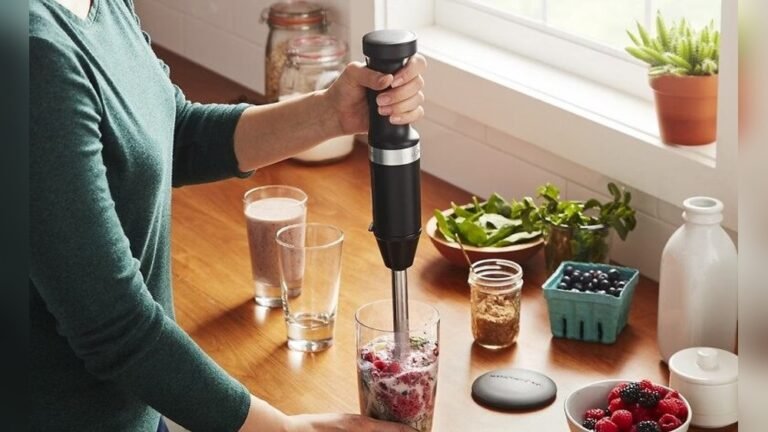
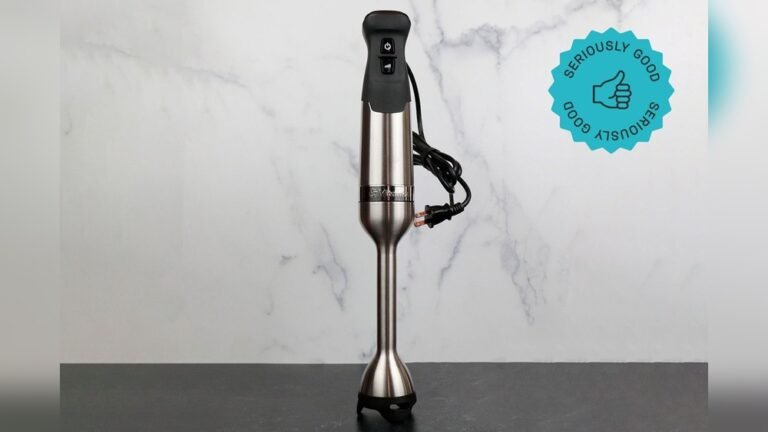
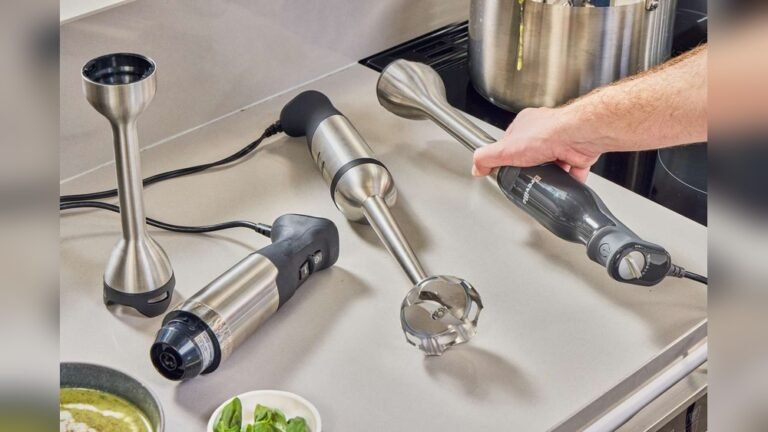
An immersion blender, also called a stick or hand blender, is a handheld kitchen tool that blends or purees ingredients directly in the container. It’s loved for its convenience—no need to transfer hot soup from pot to blender, and cleanup is quick. Immersion blenders are used for:
- Blending hot soups in the pot
- Making smooth sauces
- Whipping cream
- Mixing pancake batter
- Creating smoothies
But what if you don’t have one? Let’s explore your best alternatives.
Main Alternatives To An Immersion Blender
Some kitchen appliances and even simple tools can give you similar results to an immersion blender. The best option depends on what you’re making and what equipment you have.
1. Countertop Blender
A countertop blender is the closest match to an immersion blender for most blending tasks. It has a motor base and a pitcher with blades at the bottom. These are great for smoothies, pureeing soups, and making sauces.
How to use:
Let the hot mixture cool a bit before transferring to the blender. Fill only halfway to prevent splashing. Blend in pulses until smooth.
Pros:
- Powerful and efficient
- Can handle hot and cold mixtures
- Smoothest texture
Cons:
- More cleanup
- Moving hot liquids can be risky
Tip: Always hold the lid down with a towel when blending hot liquids to avoid burns.
2. Food Processor
A food processor uses rotating blades to chop, slice, and blend. It’s excellent for thicker mixtures like hummus, pesto, or nut butters.
How to use:
Add ingredients to the bowl, secure the lid, and pulse until you reach the desired texture.
Pros:
- Great for chunky salsas or purees
- Handles large quantities
Cons:
- Doesn’t blend liquids as finely as a blender
- May leak if overfilled with liquids
Tip: For soup, blend in small batches and strain if you want a smoother result.
3. Stand Mixer With Attachments
Some stand mixers have blending or whisking attachments. While not perfect for pureeing, they can help with batters, creams, or even chunky salsas.
How to use:
Fit the correct attachment and run at medium speed. Scrape the bowl sides as needed.
Pros:
- Good for mixing or whipping
- Hands-free operation
Cons:
- Not for fine blending
- Attachments may not reach all ingredients
4. Manual Whisk Or Potato Masher
If you don’t have electric appliances, manual tools like a whisk, fork, or potato masher can break down soft foods. They work best for mashed potatoes, chunky soups, or partially blended sauces.
How to use:
Mash or whisk cooked ingredients until you reach the texture you want.
Pros:
- No electricity needed
- Easy cleanup
Cons:
- Texture is not completely smooth
- Takes more effort
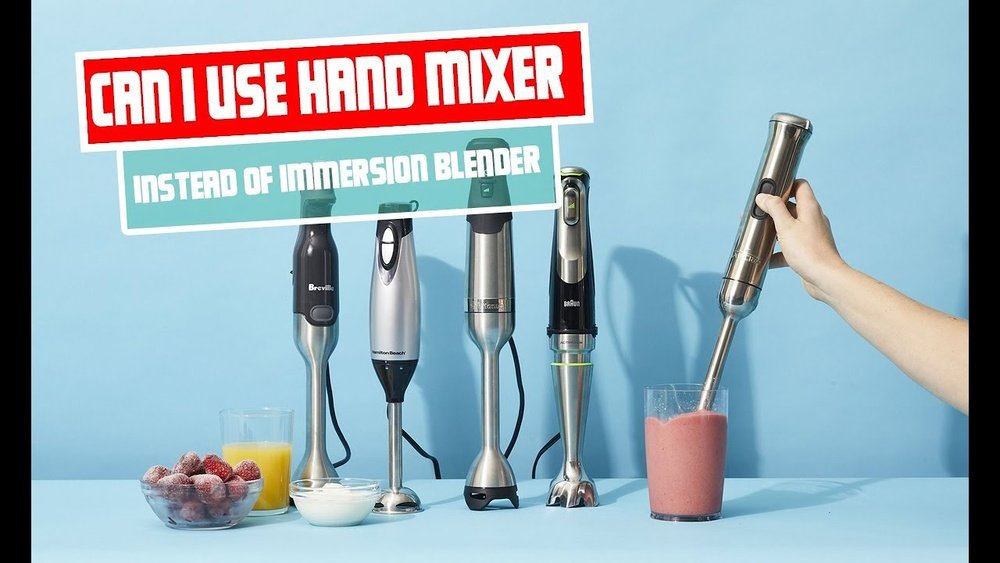
5. Electric Hand Mixer
An electric hand mixer is common for baking, but can also blend soups or sauces if ingredients are soft.
How to use:
Insert beaters, lower into mixture, and start on low speed. Move the mixer around for even blending.
Pros:
- Quick and easy for soft foods
- Lightweight
Cons:
- Not as powerful as a blender
- May splash if used with liquids
6. Chopper Or Mini Food Processor
A mini chopper or small food processor is handy for small batches—think baby food, salad dressing, or a single smoothie.
How to use:
Add ingredients, pulse until combined.
Pros:
- Good for small quantities
- Simple to clean
Cons:
- Not suitable for large amounts
- May not puree very smooth
7. Mortar And Pestle
For certain recipes like pesto, salsa, or guacamole, a mortar and pestle can give you a rustic, chunky blend.
How to use:
Add ingredients and press or grind until you reach the desired texture.
Pros:
- Full control over texture
- No electricity
Cons:
- Labor-intensive
- Not practical for large batches or liquids
8. Sieve Or Food Mill
A fine-mesh sieve or food mill can make purees and remove lumps, especially for soups or tomato sauces.
How to use:
Push cooked foods through the sieve or mill using a spoon or pestle.
Pros:
- Smooth results
- Removes skins and seeds
Cons:
- Slower process
- Some food waste
9. Shaker Or Mason Jar (for Emulsions)
If you need to mix dressings or small amounts of sauce, a shaker or mason jar works well.
How to use:
Add ingredients, seal tightly, and shake until well mixed.
Pros:
- No electricity
- Great for dressings
Cons:
- Not for thick mixtures
- Can’t puree solids
Comparing Immersion Blender Alternatives
Choosing the best substitute depends on the recipe and the tools you have. Here’s a quick comparison to help you decide:
| Alternative | Best For | Texture | Ease of Use | Cleanup |
|---|---|---|---|---|
| Countertop Blender | Soups, smoothies, sauces | Very smooth | Moderate | More parts |
| Food Processor | Hummus, pesto, purees | Chunky to smooth | Moderate | Several parts |
| Hand Mixer | Batters, creams | Semi-smooth | Easy | Easy |
| Whisk/Masher | Mashed potatoes, soups | Chunky | Easy | Minimal |
| Mini Chopper | Dressings, small portions | Semi-smooth | Very easy | Quick |
| Mortar & Pestle | Pesto, salsa, spices | Chunky | Manual effort | Easy |
| Sieve/Food Mill | Soups, sauces | Very smooth | Time-consuming | Easy |
| Shaker/Jar | Dressings, vinaigrettes | Mixed | Very easy | Minimal |
When To Use Each Alternative
Not every alternative is perfect for every recipe. Here’s how to choose the right tool:
For Soups And Purees
If you need a silky-smooth soup like tomato or butternut squash, a countertop blender is your best bet. For a chunkier texture, use a potato masher or food processor. Food mills and sieves are perfect when you want no skins or seeds.
For Sauces And Dressings
A mini chopper, small food processor, or even a sealed jar are good choices for vinaigrettes and thinner sauces. For thick sauces like mayonnaise, a food processor or hand mixer works well.
For Batters And Creams
A stand mixer or hand mixer is great for whipping cream, making pancake batter, or mixing cake mix. You won’t get a puree, but you will get a uniform mix.
For Dips And Spreads
For hummus, pesto, or guacamole, a food processor or mortar and pestle is ideal. The food processor gives a consistent blend, while the mortar and pestle let you control the texture.
Step-by-step: How To Blend Soup Without An Immersion Blender
Let’s look at a practical example. Suppose you want to make a creamy vegetable soup but don’t have an immersion blender. Here’s how to do it safely with a countertop blender:
- Let the soup cool for 5–10 minutes.
- Fill the blender pitcher no more than halfway.
- Remove the center cap from the blender lid to let steam escape.
- Cover the lid with a folded towel to prevent splashes.
- Start blending at low speed, then increase to high.
- Pour the pureed soup into a clean pot.
- Repeat with the rest of the soup.
Tip: Never fill a blender with hot liquid to the top. It can burst the lid and cause burns.
Common Mistakes When Substituting An Immersion Blender
Switching tools can lead to problems if you’re not careful. Beginners often make these mistakes:
- Transferring liquids when too hot: This can cause blender lids to pop off. Always let mixtures cool a bit.
- Overfilling blenders or processors: Leads to messes and uneven blending. Work in small batches for best results.
- Using the wrong tool: A hand mixer won’t puree chunky soup. A mortar and pestle won’t whip cream.
- Ignoring texture differences: Some substitutes make food chunkier. Adjust your expectations or strain your mixture for a smoother finish.
Cleaning Tips For Each Substitute
One reason people love immersion blenders is easy cleanup. Here’s what to expect from each alternative:
| Tool | Cleaning Time | Dishwasher Safe? | Tips |
|---|---|---|---|
| Countertop Blender | 2–4 min | Pitcher often is | Blend soapy water for easy cleaning |
| Food Processor | 3–5 min | Some parts | Wash blades carefully, dry well |
| Hand Mixer | 2 min | Beaters usually | Wipe motor base, wash beaters |
| Whisk/Masher | 1 min | Yes | Rinse right after use to prevent sticking |
| Mini Chopper | 1–2 min | Usually | Disassemble for thorough cleaning |
| Mortar & Pestle | 1–2 min | Usually | Use brush for sticky foods |
| Sieve/Food Mill | 2–3 min | Yes | Soak if food dries in mesh |
| Shaker/Jar | 1 min | Yes | Rinse immediately to prevent odors |
Safety Tips When Using Alternatives
Safety is always important, especially when handling hot liquids or sharp blades.
- Let mixtures cool before blending to avoid pressure build-up.
- Secure lids tightly on blenders and food processors.
- Hold a towel over the lid for extra protection.
- Don’t overload appliances to prevent spills and uneven blending.
- Keep hands and utensils away from moving blades at all times.
How Texture And Results Differ By Tool
Not all substitutes will give you the exact same results as an immersion blender. Here’s what to expect:
- Countertop blenders usually give a smoother puree than food processors.
- Manual tools (whisk, masher, mortar and pestle) create a chunkier, rustic texture.
- Food mills and sieves remove skins and seeds, making soups extra smooth.
- Electric hand mixers are best for batter and cream, not purees.
Non-obvious insight: If you want the smoothest possible soup without an immersion blender, blend it in a countertop blender and then pour it through a fine-mesh sieve. This double step removes any last bits.
Special Situations: Blending Without Any Appliances
Sometimes, there’s no blender, processor, or mixer—just basic tools. Here’s what you can do:
- For mashed potatoes, use a potato masher or fork.
- For salsa, finely chop ingredients and mash with a fork or pestle.
- For soups, mash cooked vegetables as much as possible, then pass through a sieve for a finer texture.
- For pesto, chop herbs and nuts finely, then crush with a mortar and pestle, adding oil slowly.
It won’t be identical to a machine-blended result, but it’s tasty and often more authentic.
Smart Shopping: What To Look For In A Substitute
If you’re thinking of buying a tool to use instead of an immersion blender, consider:
- Capacity: Will you blend large batches or just a cup at a time?
- Power: Higher wattage handles tougher jobs.
- Ease of cleaning: Fewer parts mean easier washing.
- Safety features: Non-slip bases and locking lids add security.
- Versatility: Some appliances have multiple attachments for other tasks.
Common mistake: Buying a mini chopper for soup, then realizing it’s too small for your needs. Check size before buying.
Real-world Examples: Which Substitute Works Best?
Let’s look at some practical recipes and the best substitute for each:
- Smoothie: Countertop blender or mini chopper
- Tomato soup: Countertop blender, food mill, or sieve
- Pesto: Food processor or mortar and pestle
- Whipped cream: Hand mixer or stand mixer
- Mashed potatoes: Potato masher or ricer
- Salad dressing: Mason jar or mini chopper
:max_bytes(150000):strip_icc()/sea-primary-immersion-blenders-sep-24-rkilgore-0658-89167e1e4bd44afb93d9c847674b09e4.jpeg)
Credit: www.seriouseats.com
Why You Might Not Need An Immersion Blender
While immersion blenders are convenient, they’re not essential for every kitchen. Many traditional recipes were made before these tools existed. Sometimes, a chunkier or rustic texture adds character to a dish.
Also, using alternative tools can deepen your understanding of food texture and flavor. For example, mashing soup by hand gives you more control and can create a unique mouthfeel.
How To Get The Best Results With Any Substitute
Here are some expert tips to get the most from whatever tool you use:
- Cut ingredients small: Smaller pieces blend more evenly, no matter the tool.
- Cook foods until very soft: Softer ingredients are easier to blend or mash.
- Work in batches: Don’t overload the appliance or tool.
- Season after blending: Flavors can change after pureeing, so taste and adjust.
- Strain if needed: For extra-smooth results, pour pureed mixtures through a sieve.
Non-obvious insight: Adding a splash of liquid (broth, milk, or water) can help foods blend smoother with manual tools. This is a common chef’s trick for creamy soups and sauces.
Credit: www.reddit.com
What Recipes Are Best With Each Substitute?
Some dishes are better suited to certain tools. Here’s a quick guide:
- Countertop blender: Smooth soups, smoothies, purees
- Food processor: Nut butters, hummus, thick dips
- Hand mixer: Pancake batter, whipped cream
- Whisk or masher: Chunky soups, mashed potatoes
- Mortar and pestle: Pesto, guacamole, spice blends
- Sieve or food mill: Tomato sauce, baby food
- Mason jar/shaker: Salad dressings, simple sauces
Choosing The Right Substitute For Your Kitchen
Every kitchen and cook is different. If you rarely make purees or blended soups, a potato masher might be all you need. If you love smoothies and sauces, investing in a countertop blender or food processor makes sense.
Pro tip: If you cook for one or two people, a mini chopper or small food processor saves space and time.
When To Invest In An Immersion Blender
If you find yourself making creamy soups, sauces, or baby food often, an immersion blender is worth considering. It’s also handy for quick tasks like blending a smoothie or making mayonnaise. If you only need it once or twice a year, try the alternatives above first.
For more detailed information about various blenders and their uses, see Wikipedia’s blender article.
Frequently Asked Questions
What Is The Best Substitute For An Immersion Blender For Soup?
A countertop blender is usually the best substitute for pureeing soups. It gives the smoothest texture. Remember to let the soup cool slightly and blend in small batches for safety.
Can I Use A Food Processor Instead Of An Immersion Blender?
Yes, you can use a food processor for many tasks like pureeing cooked vegetables, making hummus, or thick sauces. It may not give as fine a texture with liquids, but works well for thicker foods.
Is It Safe To Blend Hot Liquids In A Regular Blender?
Blending hot liquids can be risky if not done carefully. Always let the mixture cool a bit, fill the blender only halfway, and hold the lid down with a towel. This prevents steam from pushing the lid off.
Will A Hand Mixer Blend Soup Smooth?
A hand mixer can help break down soft foods, but it won’t create a truly smooth soup. It’s better for mixing batters or whipping cream.
What Can I Use For Small Blending Tasks If I Don’t Have A Blender?
For small quantities, a mini chopper or a mason jar (for mixing liquids) works well. For pastes or dressings, try a mortar and pestle or whisk.
Switching tools may seem tricky, but with the right approach, you can make almost any recipe work. Whether you’re making a creamy soup or a chunky dip, there’s always a way to blend, mix, or puree your food—no immersion blender needed.
Experiment with different tools, and you might find a new favorite method for your kitchen.
:max_bytes(150000):strip_icc()/GettyImages-186872166-5756276a3df78c9b46d3d5b6.jpg)
Credit: www.thespruceeats.com