Is Immersion Blender Good For Making Whipped Cream? Find Out Now
Making whipped cream at home can feel like a small luxury. The rich, airy texture adds a special touch to desserts, coffee, and even fruit. Many home cooks wonder if an immersion blender is up to the task. After all, most kitchens have one. But is it really the best tool for making whipped cream? Or will it disappoint when you need that perfect, fluffy result?
This article dives deep into whether an immersion blender is good for making whipped cream. You’ll discover how it works, see real comparisons with other tools, and learn what to expect in your own kitchen. We’ll cover common problems, tips for success, and answer the questions people often ask.
By the end, you’ll know if this small appliance deserves a spot in your whipped cream routine.
What Is An Immersion Blender?
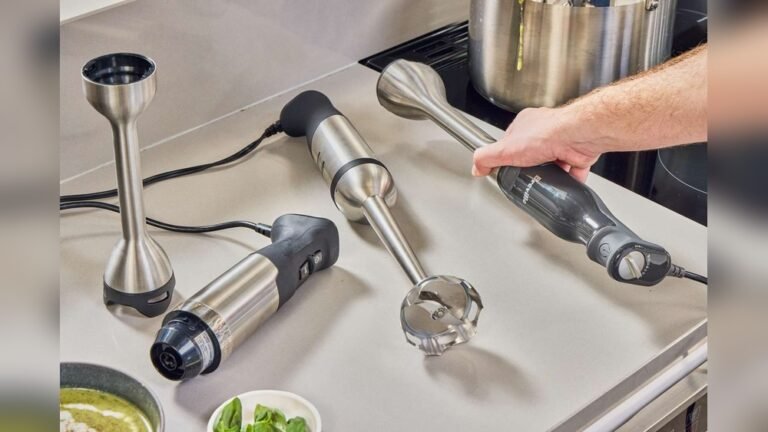
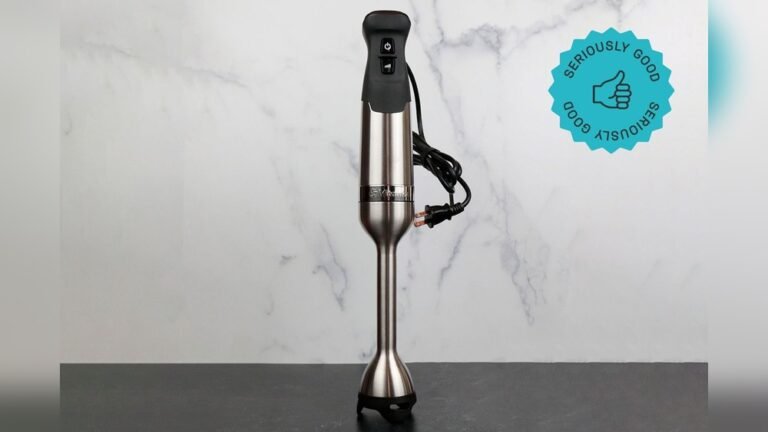
An immersion blender (also known as a stick blender or hand blender) is a small kitchen tool with a long stick-like body and sharp blades at the end. Unlike traditional blenders or stand mixers, you hold it in your hand and move it around inside the bowl or container. It’s great for soups, sauces, smoothies, and, as some people hope, whipped cream.
How An Immersion Blender Works
When you press the power button, the blades spin quickly, chopping and mixing whatever is in the container. The blending happens directly in the bowl, so you don’t need to pour ingredients into a separate jar. This makes it easy to blend hot or cold mixtures, and clean-up is often simpler.
Immersion blenders usually have different speed settings. Some come with extra attachments like whisks or mini food processors. Most models are lightweight and easy to store.
Main Uses In The Kitchen
- Blending soups directly in the pot
- Making smoothies in a glass or jar
- Pureeing baby food
- Mixing salad dressings
- Emulsifying sauces
But what about whipping cream? That’s where the debate starts.
The Science Of Whipped Cream
Before we test if an immersion blender is a good choice, it helps to understand how whipped cream forms. The magic happens when you beat heavy cream until it holds soft or stiff peaks. But what’s really going on?
What Makes Cream Whippable
Heavy cream (also called whipping cream) contains at least 30–36% milk fat. When you whip it, air gets trapped inside the fat molecules, turning the liquid into a light, fluffy foam. The fat holds the structure together.
Key things for whipped cream:
- High fat content (at least 30%)
- Cold temperature (cream whips faster and holds shape when cold)
- Steady, fast whipping to trap air
Why The Tool Matters
If you beat cream too slowly, it takes longer and the texture may be dense. If you over-whip, the fat separates and you get butter. The tool you use must whip quickly and evenly—without overheating or splattering.
Immersion Blender Vs. Other Tools
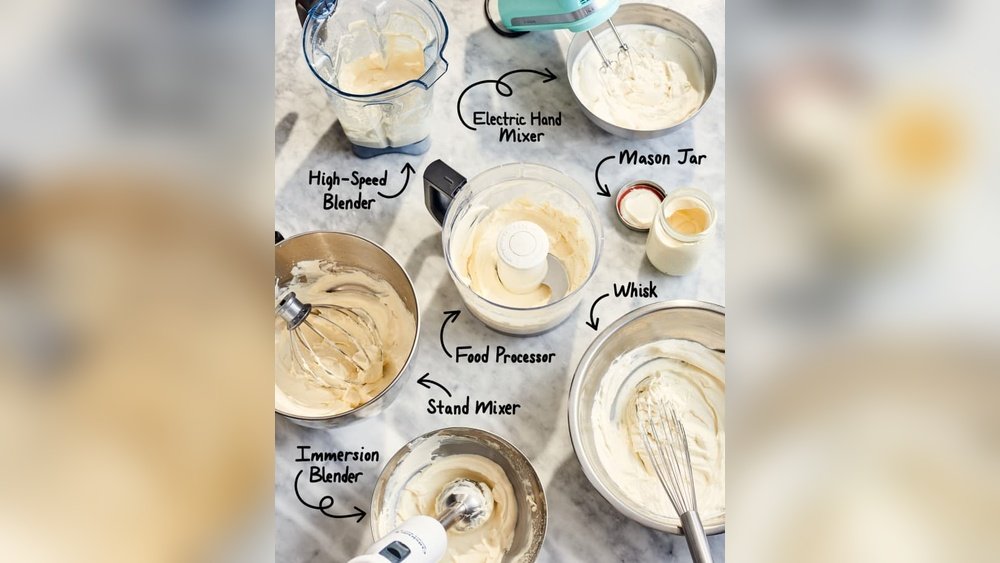
How does an immersion blender compare to other popular ways of making whipped cream? Let’s look at the most common options.
Common Tools For Whipped Cream
- Whisk (by hand)
- Hand mixer (electric beaters)
- Stand mixer
- Immersion blender
- Food processor
Comparing The Tools
Here’s a quick comparison of each method for making whipped cream:
| Tool | Time Needed | Texture Control | Ease of Cleaning | Noise Level | Best for |
|---|---|---|---|---|---|
| Whisk | 5–10 min | Excellent | Easy | Low | Small batches |
| Hand Mixer | 2–4 min | Very Good | Moderate | Medium | Most home cooks |
| Stand Mixer | 1–3 min | Very Good | Moderate | Medium | Large batches |
| Immersion Blender | 1–2 min | Good | Easy | Medium | Quick results, small batches |
| Food Processor | 2–4 min | Good | Difficult | High | Large batches |
What Makes The Immersion Blender Different?
The immersion blender’s blades spin very fast, which can whip cream quickly. However, it doesn’t add air as gently as a whisk or mixer. The result is usually slightly denser whipped cream, sometimes with less volume.
But it is very convenient—especially if you want whipped cream in a hurry, or don’t want to clean big machines.
How To Make Whipped Cream With An Immersion Blender
If you have an immersion blender, you can use it for whipped cream. But following the right steps is key for success.
Ingredients
- Heavy cream or whipping cream (minimum 30% fat): 1 cup (240 ml)
- Powdered sugar: 2–3 tablespoons (optional, for sweetness)
- Vanilla extract: 1 teaspoon (optional, for flavor)
Equipment
- Immersion blender
- Tall, narrow container (such as a mason jar or blending cup)
- Spoon or spatula
Steps
- Chill everything. Place the cream, your container, and the immersion blender’s blending arm in the fridge for at least 30 minutes. Cold helps cream whip faster and keeps the texture light.
- Pour cream into container. Use a tall, narrow container. This helps the cream whip evenly and prevents splattering.
- Add sugar and vanilla (if using). Stir gently.
- Insert the immersion blender. Make sure the blades are fully under the cream.
- Pulse in short bursts. Start on low speed, pulsing for 2–3 seconds at a time. Move the blender slightly up and down if needed.
- Watch the texture. In about 30–60 seconds, soft peaks should form. Stop and check often—over-whipping happens quickly.
- Stop at desired consistency. When the cream holds its shape but is still smooth, you’re done. For stiffer peaks, blend a few seconds more.
- Spoon out and serve. Use right away or refrigerate for up to 8 hours.
Helpful Tips
- If your blender comes with a whisk attachment, try it for lighter texture.
- Only whip small batches (up to 1 cup) at a time for best results.
- Clean the blades right after use—dried cream is hard to remove.
Pros Of Using An Immersion Blender
Many people love the immersion blender for its speed and convenience. Here’s why you might want to try it for whipped cream.
1. Fast Results
You can whip cream in as little as 30–60 seconds. That’s faster than by hand and often quicker than a hand mixer.
2. Easy Clean-up
The blending arm rinses clean under water, and most parts are dishwasher-safe. No need to wash a big bowl or beaters.
3. Takes Little Space
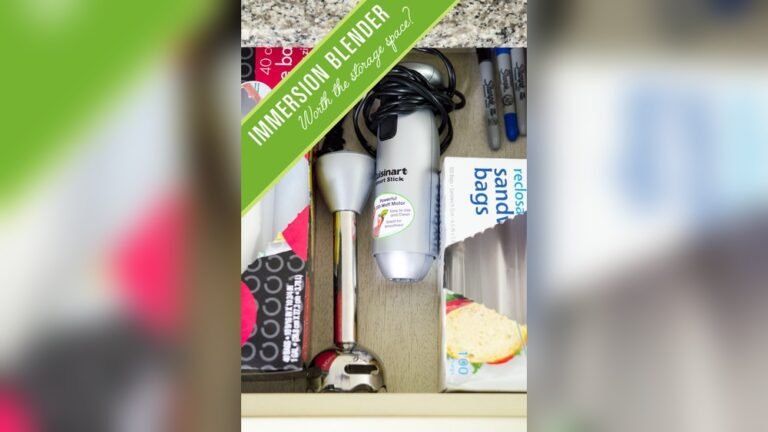
If your kitchen is small, the immersion blender is a space saver. No need to pull out a stand mixer or store extra parts.
4. Perfect For Small Batches
If you just need enough for a cup of hot chocolate or a small dessert, the immersion blender works well.
5. Versatile Appliance
You can use the same tool for soups, sauces, and more—not just whipped cream.
Cons Of Using An Immersion Blender
Of course, the immersion blender isn’t perfect for every whipped cream job. Here’s what to watch out for.
1. Texture May Be Denser
The whipped cream is sometimes less airy or fluffy than with a whisk or mixer. The fast blades can break up the fat structure more than traditional methods.
2. Can Over-whip Quickly
Immersion blenders work fast. If you blend just a few seconds too long, you’ll pass the “stiff peaks” stage and start making butter. There’s less room for error.
3. Batch Size Is Limited
Most immersion blenders can only handle 1–2 cups of cream at a time. If you need whipped cream for a party, it’s not the best choice.
4. Splattering Is A Risk
If your container isn’t tall and narrow, cream can splatter—making a mess. It’s less of an issue with a stand mixer or hand mixer.
5. Not All Models Are Suitable
Some basic immersion blenders may not have enough power, or their blades may not be shaped well for whipping cream. Results can vary.
Practical Tips For Best Results
If you decide to use an immersion blender, a few expert tips can make a big difference.
Use A Tall, Narrow Container
This helps the cream whip evenly and keeps it from splattering. Mason jars or the blending cup that came with your blender work well.
Keep Everything Cold
Chill the cream, container, and blender arm. Warm cream won’t whip well and can turn greasy.
Watch Closely
Check the cream every few seconds. It can go from soft peaks to over-whipped quickly.
Don’t Overfill
Stick to small batches. If you try to whip too much cream, the blender can’t circulate it properly.
Try The Whisk Attachment
If your immersion blender has a whisk attachment, use it. It creates more air and lighter whipped cream.
Clean Immediately
Whipped cream dries quickly and can be hard to clean off the blades. Rinse right after use.
Common Mistakes To Avoid
Even experienced cooks sometimes run into trouble with whipped cream. Here are mistakes people often make with an immersion blender—and how to avoid them.
1. Over-whipping
Immersion blenders are fast. Over-whipping can happen in seconds, turning your cream into butter. Always check after 20–30 seconds, then every 5 seconds.
2. Using The Wrong Container
A wide bowl makes it hard to whip cream evenly and increases splatter. Use a tall, narrow jar or cup.
3. Not Chilling Equipment
If your cream or blender is warm, the fat won’t trap air well. The result: runny or greasy whipped cream.
4. Whipping Too Much At Once
Stick to 1–2 cups of cream per batch. More than that, and you’ll end up with uneven results.
5. Using Light Cream
Only heavy cream (or “whipping cream” with at least 30% fat) will hold its shape. Light cream or half-and-half won’t whip properly.
Real-world Results: What To Expect
Many home cooks have tried making whipped cream with an immersion blender. Here’s what they actually see.
Time To Whip
In most cases, it takes 30 seconds to 1 minute to reach soft peaks. That’s faster than hand whisking and close to a hand mixer.
Texture
The whipped cream is usually a bit denser, with smaller bubbles. It holds its shape well for topping desserts, but may not be as light as stand mixer whipped cream.
Batch Size
Small batches (1 cup or less) work best. Large batches tend to whip unevenly.
Cleanup
Most users love how easy it is to rinse the blending arm and container.
Satisfaction
People who want quick, homemade whipped cream for coffee, fruit, or a few desserts are usually happy. Perfectionists who want ultra-light, airy cream may prefer a whisk or hand mixer.
Comparing Immersion Blender To Hand Mixer And Whisk
To help you decide, here’s a side-by-side look at what you’ll get with three common tools.
| Feature | Immersion Blender | Hand Mixer | Whisk (Hand) |
|---|---|---|---|
| Time to Whip | 30–60 sec | 2–3 min | 5–10 min |
| Texture | Dense, smooth | Light, fluffy | Very light, airy |
| Batch Size | Small (1–2 cups) | Medium (up to 3 cups) | Small (1 cup max) |
| Clean-Up | Very easy | Moderate | Very easy |
| Risk of Over-Whipping | High | Medium | Low |
When Is An Immersion Blender The Best Choice?
The immersion blender shines in certain situations:
- You need whipped cream fast (under a minute).
- You only want a small amount (1 cup or less).
- You don’t have space or time to set up a mixer.
- You want easy cleanup.
- You don’t mind slightly denser whipped cream.
But for big batches, or when you want the lightest texture, a hand or stand mixer is better.
Non-obvious Insights About Using An Immersion Blender
Many articles stop at the basics. Here are two key insights that beginners often miss:
1. The Container Shape Affects The Final Texture
Most people grab any bowl in the kitchen. But using a narrow, tall container (like the beaker that comes with most immersion blenders) forces the cream into the blades, whipping it more evenly. A wide bowl spreads the cream too thin and can leave you with a runny, uneven mix.
2. Stopping Early Is Better Than Over-whipping
It’s easy to think, “One more second for extra thickness. ” But with an immersion blender, the change from perfect peaks to butter happens fast. It’s better to stop when the cream is just thick enough, then finish by hand with a spatula if you want more firmness.
This saves many batches from going to waste.
How To Fix Common Problems
Even with the right steps, things can go wrong. Here’s how to rescue whipped cream made with an immersion blender.
Problem: Over-whipped To Butter
If your cream starts to look grainy or watery, you’ve gone too far. You can’t go back to whipped cream, but you can use the butter! Pour off the liquid (that’s buttermilk), and save the solids as homemade butter.
Problem: Too Runny
If your cream isn’t thickening, check:
- Is the cream cold enough?
- Did you use heavy cream (not light cream)?
- Is your blender strong enough?
- Are you using a tall, narrow container?
Try chilling everything longer, and blend in short bursts.
Problem: Uneven Whip
If some cream is thick and some is liquid, your batch is too big or your container is too wide. Next time, use a smaller batch and a narrower jar.
Is Whipped Cream From An Immersion Blender Stable?
Stability means how long whipped cream holds its shape. Whipped cream from an immersion blender is usually stable for a few hours in the fridge. But because the texture is a bit denser, it may “weep” (release liquid) sooner than cream whipped with a mixer.
Tips for stability:
- Use powdered sugar—it contains cornstarch, which helps hold shape.
- Add a teaspoon of cream of tartar or instant pudding mix for extra stability.
- Serve soon after whipping, or re-whip briefly if needed.
Is It Worth Buying An Immersion Blender For Whipped Cream?
If you already own an immersion blender, it’s a handy tool for whipped cream. But should you buy one just for this purpose?
- If you make a lot of soups, sauces, or smoothies, an immersion blender is worth it. The whipped cream is a bonus.
- If you only want whipped cream, a hand mixer or balloon whisk may be a better first purchase.
- For large families or frequent parties, a stand mixer is best.
Still, immersion blenders are affordable (often $20–$60), easy to store, and very versatile.
How To Choose The Right Immersion Blender For Whipped Cream
Not all immersion blenders perform equally. Here’s what matters most when buying one for whipped cream.
Power
Look for at least 200 watts of power. Weak motors may not whip cream well.
Blade Design
Some blades are flat; some are curved. Curved blades usually whip more air into the cream.
Speed Settings
Multiple speeds (at least two) give you more control. Start slow to avoid splatter, then increase.
Attachments
A whisk attachment is a big plus for whipped cream. Some models include mini whisks, which make lighter cream.
Build Quality
Choose a model with a stainless steel blending arm. Plastic parts can break or absorb odors.
Brand Reputation
Stick with trusted brands like Braun, Cuisinart, KitchenAid, or Breville. Read reviews to see how well they whip cream.

Credit: www.thekitchn.com
Comparing Popular Immersion Blenders For Whipped Cream
To help you choose, here’s a look at how three top immersion blenders stack up for making whipped cream.
| Brand & Model | Power | Whisk Attachment | Speed Settings | Best For |
|---|---|---|---|---|
| Braun MultiQuick 5 | 350 W | Yes | 2 | Quick, light cream |
| Cuisinart CSB-179 | 300 W | Yes | Variable | Versatility |
| KitchenAid KHB1231 | 200 W | No | 2 | Basic whipping |
Creative Uses For Immersion Blender Whipped Cream
Whipped cream isn’t just for pies and cakes. Here are a few creative ideas:
- Coffee topping: Add a swirl to hot or iced coffee for a café treat.
- Fruit parfaits: Layer with berries and granola.
- Hot chocolate: Spoon on top for a rich finish.
- Waffles or pancakes: A dollop adds decadence.
- Breakfast bowls: Mix with yogurt or cottage cheese.
You can also flavor your whipped cream with cocoa, cinnamon, or citrus zest for something special.

Credit: www.youtube.com
How Chefs Use Immersion Blenders For Whipped Cream
Professional chefs value speed and consistency. Many use immersion blenders in busy kitchens, especially for small batches or plating desserts. They love how easy it is to make fresh whipped cream on demand, and they often use the whisk attachment for the best texture.
However, for large events, most chefs still choose a stand mixer for big quantities and ultra-light texture.
Cleaning And Maintenance
To keep your immersion blender working well, clean it right after use:
- Unplug and remove the blending arm.
- Rinse under warm water, using a brush if needed.
- For stuck cream, soak in hot water for a few minutes.
- Avoid submerging the motor or handle.
- Dry fully before storing.
With regular cleaning, your blender will last for years.
:max_bytes(150000):strip_icc()/The-Best-Way-to-Make-Whipped-Cream-FT-DGTL1125-Hero-e9d74edd74cf4995bafbacbffbefb64b.jpg)
Credit: www.foodandwine.com
Sustainability And Cost
Making whipped cream at home with an immersion blender is sustainable and affordable:
- Less packaging waste than store-bought whipped cream cans.
- No additives—just cream, sugar, and flavor.
- Lower cost per serving, especially if you use leftover cream.
Over time, you save money and reduce waste.
When Not To Use An Immersion Blender
There are times when another tool is better:
- Large batches (more than 2 cups): Use a hand or stand mixer.
- Ultra-light texture needed: Use a balloon whisk or mixer.
- Unstable or old cream: A whisk gives more control.
If your blender is weak, or if you’re in a rush and don’t want to watch closely, choose another method.
Summary: Is Immersion Blender Good For Making Whipped Cream?
So, is an immersion blender good for making whipped cream? The answer is yes, for many situations—but not all.
- It’s fast, easy to clean, and great for small batches.
- The texture is slightly denser than mixer-whipped cream, but still delicious.
- It works best with cold, heavy cream in a tall, narrow container.
- Watch the cream closely to avoid over-whipping.
- For large amounts or the lightest texture, use a mixer or whisk.
In short, if you want fresh whipped cream in under a minute and don’t mind a slightly heavier texture, your immersion blender is a reliable tool.
Frequently Asked Questions
Can I Make Whipped Cream With Any Immersion Blender?
Most immersion blenders can whip cream if they have enough power (at least 200 watts). Models with a whisk attachment make the lightest cream. Very basic or underpowered models may struggle, especially with small amounts or thicker cream.
How Do I Avoid Over-whipping With An Immersion Blender?
Use short pulses and check the texture every few seconds. Stop when the cream forms soft or stiff peaks—don’t wait for it to get extra firm. If you want more control, finish by hand with a spatula.
Is Whipped Cream From An Immersion Blender As Good As From A Mixer?
It’s close, but not exactly the same. Immersion blender whipped cream is usually denser and less airy, but still holds its shape and tastes great. For the lightest, fluffiest texture, a hand or stand mixer is best.
What Is The Best Container To Use For Whipping Cream With An Immersion Blender?
A tall, narrow container (like a mason jar or the cup that comes with your blender) works best. It helps whip the cream evenly and prevents splatter. Wide bowls don’t work as well.
Can I Add Sugar Or Flavorings While Using An Immersion Blender?
Yes! Add powdered sugar and vanilla extract before you start whipping. Powdered sugar dissolves easily and helps stabilize the cream. You can also add cocoa, cinnamon, or citrus zest for special flavors.
For more information about the science of whipped cream and kitchen appliances, see Wikipedia: Immersion Blender.
Making whipped cream at home can be simple and fun. With an immersion blender, you can enjoy fresh, delicious whipped cream any time—with just a few smart tips and a little practice.