What’S A Good Immersion Blender: Top Picks for Every Kitchen
A good immersion blender can change the way you cook. It makes soups creamy, sauces smooth, and smoothies quick. This tool is powerful, easy to use, and saves time. But with so many models on the market, it’s hard to know which one is best.
What features matter? How do you pick the right one? And what mistakes should you avoid?
Let’s explore what makes a good immersion blender, how to choose one, and why it’s a must-have in kitchens of all sizes. You’ll discover practical tips, real-life examples, and clear advice for buying and using this handy appliance.
What Is An Immersion Blender?
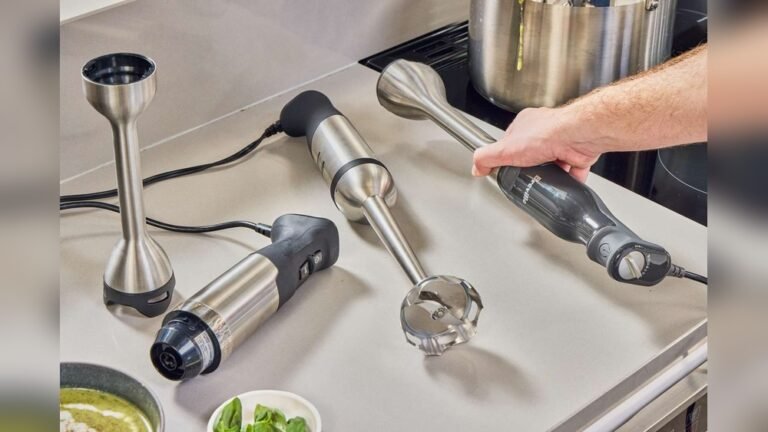
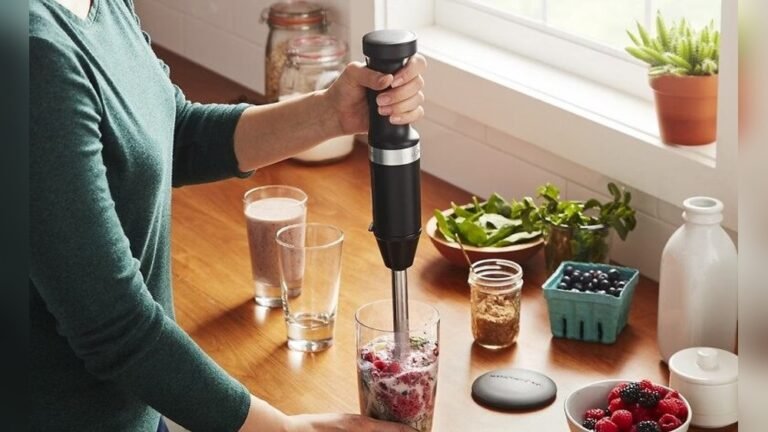
An immersion blender is also known as a hand blender or stick blender. It is a kitchen tool used to blend ingredients directly in bowls, pots, or pitchers. Unlike traditional blenders, which have a jar and sit on the counter, immersion blenders have a long stick design with blades at the bottom. You hold it in your hand and move it around the food.
Immersion blenders are popular because they are:
- Easy to clean
- Simple to store
- Great for small or large batches
They are perfect for making soups, purees, smoothies, sauces, and even some batters.
Key Uses
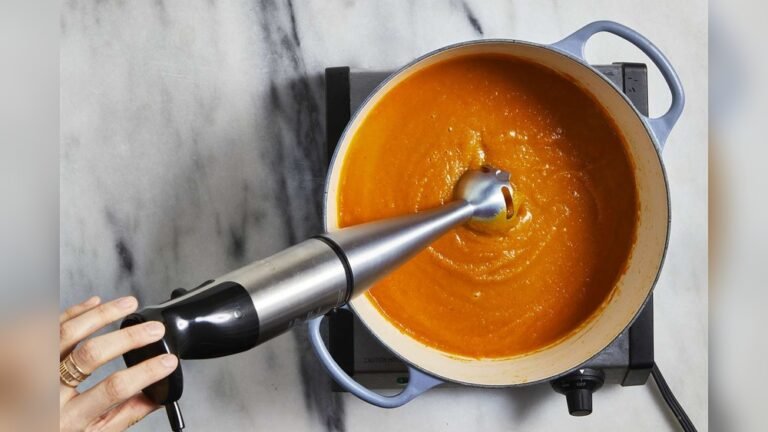
- Blending soups right in the pot
- Making smoothies in a glass or pitcher
- Whipping cream or eggs
- Pureeing baby food
- Mixing salad dressings
Some models come with extra attachments like whisk or chopper for more tasks.
Why Immersion Blenders Are Popular
Immersion blenders have become kitchen favorites because they solve common problems:
- No need to transfer hot soup to a blender jar
- Less mess and fewer dishes to clean
- Works with small and large quantities
- Lightweight and easy to store
Many chefs use them for their speed and flexibility. Home cooks love them for everyday tasks. If you want quick blending without fuss, this tool is perfect.
Interesting Fact
In the US, over 60% of households own some type of blender. But immersion blenders are growing fast in popularity, especially in urban kitchens with limited space.
Main Features That Matter
Not all immersion blenders are the same. Here are the most important features to check before buying:
Motor Power
Motor power is measured in watts. Most immersion blenders range from 200W to 1000W. Higher wattage means more strength, faster blending, and better results with tough ingredients.
- 200–350W: Good for light tasks (soups, soft fruit)
- 400–600W: Handles most jobs, including tougher vegetables
- 700–1000W: Great for heavy use and thick mixtures
If you plan to blend nuts or frozen fruit often, look for at least 600W.
Blade Design
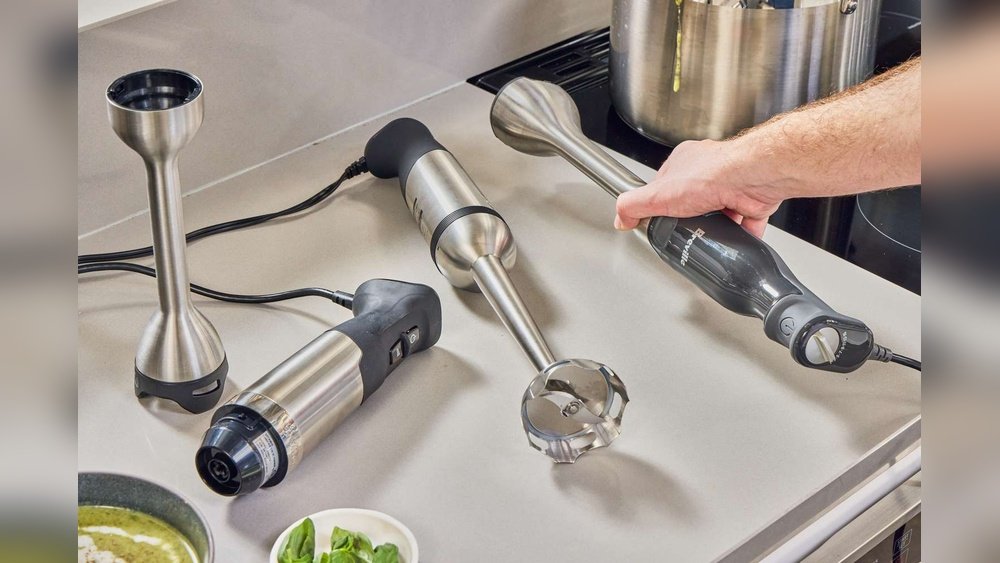
Blades are usually made of stainless steel. Some are basic, others have special shapes for smoother blending. Good blade design reduces splashing and makes blending faster.
Look for:
- Strong, sharp blades
- Protective guard to prevent scratching pots
- Wide opening for food flow
Speed Settings
Many models have just one speed, but better ones offer multiple speeds. This helps control texture and prevent over-blending.
- 1 speed: Simple, less control
- 2+ speeds: More flexibility
- Variable speed: Dial or trigger lets you adjust as needed
Speed control is useful for whipping cream, making chunky salsa, or blending thick soups.
Build Quality
A good immersion blender feels solid and well-made. The best models use:
- Stainless steel shaft: Strong, easy to clean
- Plastic shaft: Lighter, but may stain or crack
- Ergonomic handle: Comfortable grip
Check for waterproofing and easy-to-detach parts for cleaning.
Attachments
Some immersion blenders come with extras:
- Whisk: For whipping cream or eggs
- Chopper: Small food processor for nuts, veggies
- Measuring cup: Helps blend small amounts
Attachments add value and make the blender more versatile.
Corded Vs Cordless
- Corded: Stronger, unlimited power, cheaper
- Cordless: Portable, convenient, but shorter battery life
Cordless models are handy for outdoor cooking or small kitchens, but may not handle tough jobs as well.
Safety Features
Some blenders include lock buttons, overheat protection, or special blade guards. These keep you safe, especially when blending hot liquids.
Comparing Popular Immersion Blenders
To see how key features differ, here’s a comparison of three popular models:
| Model | Power (Watts) | Speeds | Material | Attachments | Price Range |
|---|---|---|---|---|---|
| Breville Control Grip | 280 | 15 | Stainless Steel | Whisk, Chopper, Jug | $80-$100 |
| KitchenAid KHB2351 | 200 | 3 | Plastic/Steel | Whisk, Chopper, Cup | $60-$80 |
| Mueller Ultra-Stick | 500 | 9 | Stainless Steel | Whisk, Milk Frother | $30-$40 |
Notice the differences in power, speed, and attachments. Higher power usually means better performance, but price and extras matter too.
How To Choose A Good Immersion Blender
Picking the right immersion blender depends on your needs. Here are practical steps:
1. Identify Your Main Use
Are you making soups? Smoothies? Baby food? If you mostly blend soft foods, a low-power model is fine. For harder tasks like nuts or frozen fruit, get more power.
2. Decide On Attachments
Do you need a whisk, chopper, or other extras? Many people don’t use attachments often, but they are helpful for multitasking.
3. Check Build And Comfort
Hold the blender in your hand. Is it comfortable? Too heavy? The best models have a soft grip and good balance. Test the buttons if possible.
4. Look For Easy Cleaning
Choose a model with detachable shafts. This makes cleaning simple. Stainless steel shafts are easiest to wash and less likely to stain.
5. Compare Corded And Cordless
Cordless blenders offer freedom but may run out of power. Corded models are usually stronger. If you blend large batches often, corded is safer.
6. Read Reviews And Ratings
Check feedback from real users. Look for comments about noise, durability, and performance. Brands like Breville, KitchenAid, Cuisinart, and Mueller are well-known for quality.
7. Avoid Common Mistakes
- Buying a weak model for tough jobs
- Picking too many attachments you won’t use
- Choosing a blender that is hard to clean
- Ignoring warranty and customer support
Real-life Examples
Let’s see how different people use immersion blenders:
Busy Parents
Sarah, a mother of two, uses her immersion blender every day. She blends soups, purees baby food, and makes smoothies. She chose a model with a chopper for quick vegetable prep. The detachable shaft makes cleaning easy even with sticky foods.
College Students
Jake lives in a small apartment. He picked a cordless immersion blender because there’s little counter space. He uses it for shakes and salad dressings. Battery life is short, but he only blends small amounts.
Chefs
Chef Marco uses a high-power corded blender in his restaurant. He blends large batches of soup and sauces. He needs reliability and speed. Stainless steel build and multiple speeds are essential for him.
Performance: What Makes A Good Blender Stand Out?
A good immersion blender does more than just mix. Here’s what separates the best from the rest:
Speed And Power
Strong blenders finish tasks faster. For example, blending a pot of tomato soup takes just 20 seconds with a high-power model, compared to over a minute with a weaker one.
Consistency
Smooth, even blends are important. Some models leave chunks behind. Good blade design and strong motors make the difference.
Durability
Cheap models often break after a few months. Quality brands last longer—sometimes 5 years or more with regular use.
Noise Level
Many blenders are loud, but some are quieter. This matters if you cook early or late.
Versatility
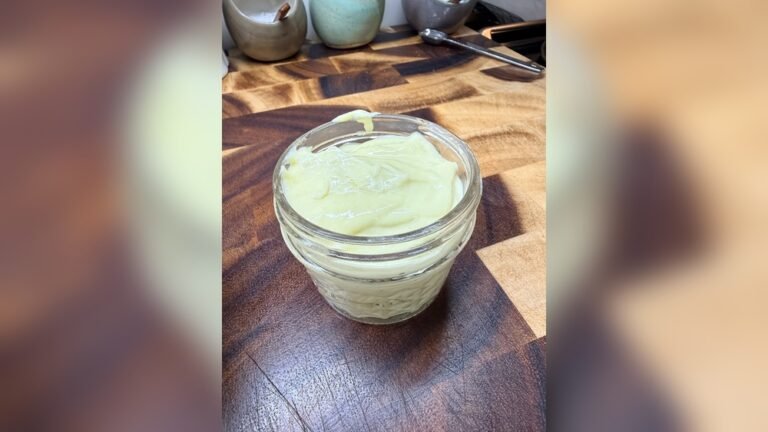
A good immersion blender can do more than soups. It whips cream, makes mayonnaise, and even crushes ice with the right attachments.
Comparing Corded Vs Cordless Immersion Blenders
To help you choose, here’s a simple comparison:
| Type | Power | Portability | Battery Life | Price Range | Best For |
|---|---|---|---|---|---|
| Corded | High | Less portable | N/A | $30-$150 | Large batches, tough jobs |
| Cordless | Medium | Very portable | 20-40 min | $60-$200 | Small kitchens, travel |
Corded models are best for heavy blending. Cordless is great for flexibility.
Cleaning And Maintenance Tips
Keeping your immersion blender clean extends its life and keeps food safe. Here’s how:
- Unplug or detach battery before cleaning.
- Remove the shaft and wash it with warm, soapy water.
- Rinse blades carefully—watch your fingers.
- Wipe handle with damp cloth; do not submerge.
- Dry all parts fully before reassembling.
Some shafts are dishwasher safe. Check the manual.
Extra Advice
- Clean right after use to avoid stuck-on food.
- If you blend hot soup, let it cool a bit before cleaning.
- Avoid blending very hard items (like bones) to protect blades.
Price Vs. Quality: What Should You Spend?
Immersion blenders range from $20 to over $200. More expensive models offer stronger motors, better build, and more attachments. But you don’t always need the top-end model.
- Under $40: Basic, good for soft foods.
- $40–$80: Stronger, more features, best for most homes.
- $80–$150: Premium, extra attachments, heavy-duty build.
If you use your blender daily, invest in quality. For occasional use, a mid-range model is enough.

Credit: www.goodhousekeeping.com
Non-obvious Insights: What Beginners Miss
Many new buyers miss these points:
- Splash guard design: Some blenders splash less. Look for blade guards with curved edges.
- Size of blending shaft: Long shafts reach deep pots; short ones are easier for small bowls.
- Noise level: Not all blenders are equally loud. Quiet models are worth extra money if you blend often.
- Warranty length: Some brands offer 2–3 years warranty. This is a sign of quality.
- Weight: Heavier blenders can cause wrist fatigue if you blend large batches.
Comparing Immersion Blender Vs. Regular Blender
A lot of people wonder: why not just use a regular blender? Here’s a quick comparison:
| Feature | Immersion Blender | Regular Blender |
|---|---|---|
| Portability | High | Low |
| Cleaning | Easy | More parts |
| Batch Size | Small/Large | Large only |
| Blending Hot Foods | Yes (in pot) | No (must cool) |
| Versatility | Medium | High |
| Price | $20–$200 | $50–$400 |
Immersion blenders win for convenience, while regular blenders are better for smoothies and ice.
:max_bytes(150000):strip_icc()/faw-primary-immersion-blenders-sep-24-rkilgore-592-1-176e1a463d65454ab01e437914f9eab0.jpeg)
Credit: www.foodandwine.com
Most Trusted Brands
When you buy an immersion blender, stick to proven brands:
- Breville – High performance, strong build
- KitchenAid – Reliable, good attachments
- Mueller – Affordable, strong motor
- Cuisinart – Balanced features, good price
- Braun – Premium, quiet operation
These brands offer good warranties and customer support. Avoid unknown brands with poor reviews.
Common Mistakes When Using Immersion Blenders
Even experienced cooks make mistakes. Here are common problems and how to avoid them:
- Blending hot liquids too fast: This can cause splashing and burns. Start slow.
- Not fully submerging the blade: Leads to splashing and uneven blending.
- Using wrong container: Too small or too wide bowls make blending harder.
- Ignoring blade care: Blades can dull or rust if not cleaned well.
- Overfilling containers: Leave room for the blender to move.
Always read the manual and follow safety tips.
:max_bytes(150000):strip_icc()/sea-immersion-blenders-sep-24-test-all-clad-rkilgore-0176-5ba26578fe9441fa9a1f86950c123177.jpeg)
Credit: www.seriouseats.com
Practical Tips For Better Blending
To get the best results:
- Move the blender up and down slowly while blending.
- Use tall, narrow containers for liquids to reduce splashing.
- Start with the blender off, place in food, then turn it on.
- Pulse for chunky salsa, blend longer for smooth sauces.
- Clean immediately to prevent food sticking.
When Should You Upgrade?
If your immersion blender is:
- Struggling with tough ingredients
- Making loud noises or overheating
- Leaving chunks in food
- Difficult to clean
It’s time to upgrade. New models offer better power, safer design, and easier cleaning.
Where To Learn More
For detailed reviews, recipes, and guides, visit Cooks Illustrated. They test kitchen products and give unbiased advice.
Frequently Asked Questions
What Can I Blend With An Immersion Blender?
You can blend soups, sauces, smoothies, baby food, whipped cream, and even some batters. With the right attachments, you can chop vegetables and nuts too.
Is A Corded Or Cordless Immersion Blender Better?
Corded blenders have more power and don’t run out of battery. Cordless models are portable and good for small kitchens. Choose based on your cooking style.
How Do I Clean An Immersion Blender Safely?
Unplug or remove the battery. Detach the shaft and wash with warm, soapy water. Dry fully before storing. Never submerge the handle.
Can Immersion Blenders Crush Ice?
Some high-power models can crush small amounts of ice, but most are not designed for this. Check the manual. For large quantities, use a regular blender.
What Attachments Are Useful?
A whisk is handy for whipping cream or eggs. A chopper attachment can process nuts, herbs, and small vegetables. Some models include measuring cups for easy blending.
A good immersion blender makes cooking faster, easier, and more fun. Whether you’re a chef, parent, or student, it’s a tool worth having. Choose wisely, care for it, and enjoy smooth blends every time.