How Long Should A Ninja Blender Last? Expert Insights & Tips
A Ninja Blender sits on many kitchen counters today, making smoothies, soups, and sauces with ease. But how long should it really last? Most buyers hope their blender will be a reliable helper for years. Yet, the true lifespan depends on how you use it, maintain it, and what type of Ninja model you own.
Understanding this can help you get the most value from your blender, avoid early breakdowns, and decide if Ninja is the right brand for your needs. This guide will break down the real-world lifespan of Ninja Blenders, the factors that affect their durability, and practical ways to extend their life.
If you’re considering a Ninja, or already own one, here’s everything you need to know.
What Is The Average Lifespan Of A Ninja Blender?
When people ask how long a Ninja Blender should last, they’re usually thinking of daily use. Most Ninja Blenders are designed for household use, not commercial kitchens. Data from user reviews, warranty information, and manufacturer specs show that the average Ninja Blender lasts 3 to 5 years with regular use.
Some users report their blenders lasting up to 7 years. Others face issues in just over a year. The main reason for this variation is how often you use the blender, what you blend, and how carefully you clean it. For example, a blender used twice a day for tough ingredients will wear out faster than one used just for occasional smoothies.
Ninja offers a one-year limited warranty for most models. This warranty covers defects, not normal wear-and-tear. The company expects its blenders to last beyond the warranty period if used as directed.
Comparing Ninja Blender Lifespan To Other Brands
It’s helpful to compare Ninja with other popular blender brands. Here’s a simple table showing average lifespan by brand:
| Brand | Average Lifespan | Warranty Length |
|---|---|---|
| Ninja | 3–5 years | 1 year |
| Vitamix | 7–10 years | 7 years |
| NutriBullet | 2–4 years | 1 year |
| Blendtec | 6–8 years | 8 years |
Ninja’s lifespan is solid for its price. Higher-end brands like Vitamix and Blendtec last longer, but cost much more. Ninja offers a good balance of performance and affordability.
Key Factors That Affect Ninja Blender Longevity
Frequency Of Use
How often you use the blender has a big impact. Using it every day, especially for hard foods like ice or nuts, wears out the motor and blades faster. Infrequent use means less wear, so the blender can last longer.
What You Blend
Blending tough ingredients like ice, frozen fruits, or raw vegetables is harder on the motor and blades. Smooth liquids, such as milkshakes or protein shakes, are easier. Overloading the blender or blending hot liquids can damage parts. If you use your Ninja for heavy-duty tasks often, expect a shorter lifespan.
Cleaning Habits
Proper cleaning keeps parts free from buildup and prevents rust. Most Ninja Blenders have dishwasher-safe parts, but washing by hand is gentler. Neglecting to clean the blender after each use, or letting residue dry inside, can cause wear and lead to smells or mold.
Storage Conditions
Storing your blender in a dry, cool place protects the motor and plastic parts. Heat or humidity can cause parts to warp or the motor to overheat. Never leave the blender plugged in when not in use, and avoid placing it near ovens or stoves.
Assembly And Use Errors
Incorrect assembly, such as not locking the pitcher or lid properly, can cause leaks or stress on the motor. Running the blender empty or for too long at high speeds overheats the motor and shortens its life.
Power Surges
Sudden changes in electricity, like power surges, can damage the motor. Using a surge protector is a smart way to guard your Ninja Blender from unexpected electrical issues.
Common Problems That Shorten Ninja Blender Life
Blenders rarely just “die.” Usually, small issues build up. Here are the most common problems that shorten Ninja Blender lifespan:
- Motor burnout – Happens when the blender is overworked or overheated.
- Blade dullness – Blending hard items can dull blades, making them less effective.
- Leaking base – Caused by worn gaskets or improper assembly.
- Broken pitcher – Dropping or washing with harsh chemicals damages the plastic.
- Faulty buttons – Moisture or dirt inside the control panel leads to sticky or broken buttons.
Understanding these issues helps you spot early warning signs and take action before your blender fails.
Real-life Examples: Ninja Blender Durability Stories
Thousands of Ninja Blender owners share their stories online. Here are a few common situations:
- Smoothie lovers: Users who make daily smoothies with fruits and yogurt report their Ninja lasting about 4 years. The blender shows signs of slowing down after that, but often keeps working with regular cleaning.
- Ice crushers: People who use their Ninja to crush ice or frozen fruits frequently notice blade dullness and motor strain after 2 years. Some replace the blade assembly to extend life.
- Family cooks: Families using the blender for soups, sauces, and purees find that it lasts closer to 5 years. The main issue is gasket wear, leading to leaks.
- Bakers: Users blending thick dough or batters report that the motor sometimes struggles, causing early failure after 18–24 months.
These stories show that user habits play a big role. A well-treated Ninja Blender can outlast the average, while heavy-duty use may shorten its life.

Credit: www.ninjakitchensa.com
Ninja Blender Models And Their Expected Lifespan
Ninja makes many blender models, each with unique features. Some models are built for tougher jobs, with stronger motors and better materials. Here’s a table comparing popular Ninja Blender models:
| Model | Motor Power | Pitcher Material | Average Lifespan |
|---|---|---|---|
| Ninja Professional BL610 | 1000 watts | BPA-free plastic | 4–5 years |
| Ninja Foodi Power Pitcher | 1400 watts | Tritan plastic | 5–6 years |
| Ninja Nutri Pro | 900 watts | BPA-free plastic | 3–4 years |
| Ninja Mega Kitchen System | 1500 watts | BPA-free plastic | 5–6 years |
| Ninja Personal Blender | 700 watts | BPA-free plastic | 2–3 years |
Models with higher wattage motors and tougher pitcher materials generally last longer. The Mega Kitchen System and Foodi Power Pitcher are top choices for durability.
How To Make Your Ninja Blender Last Longer
You can extend your Ninja Blender’s life with a few smart habits:
1. Clean After Each Use
Wash the pitcher, blades, and lid right after blending. Avoid letting food dry inside. Dishwasher-safe parts can go in the dishwasher, but hand-washing is gentler and prevents scratches.
2. Avoid Overfilling
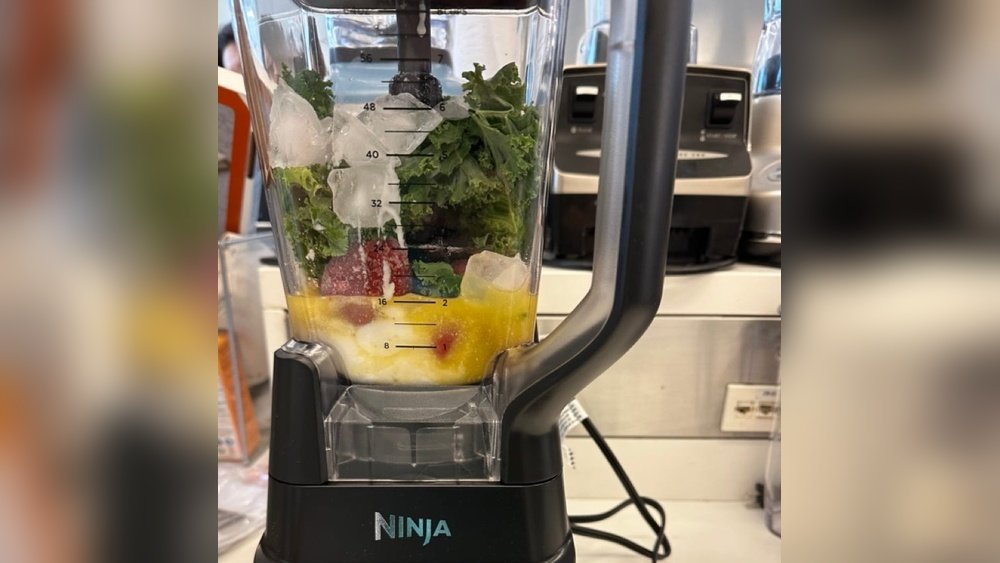
Follow the max fill lines. Overfilling puts stress on the motor and can cause leaks.
3. Use Proper Blending Techniques
Start with soft ingredients at the bottom. Add harder items like ice last. Use pulse settings for tough ingredients instead of running the blender at high speed for long periods.
4. Give The Motor A Rest
If blending tough items, pause every 30–60 seconds. This prevents overheating. Let the motor cool before using again if it feels hot.
5. Store Smart
Keep the blender in a dry place. Don’t leave it plugged in. Store with lid off to air out the pitcher.
6. Inspect And Replace Worn Parts
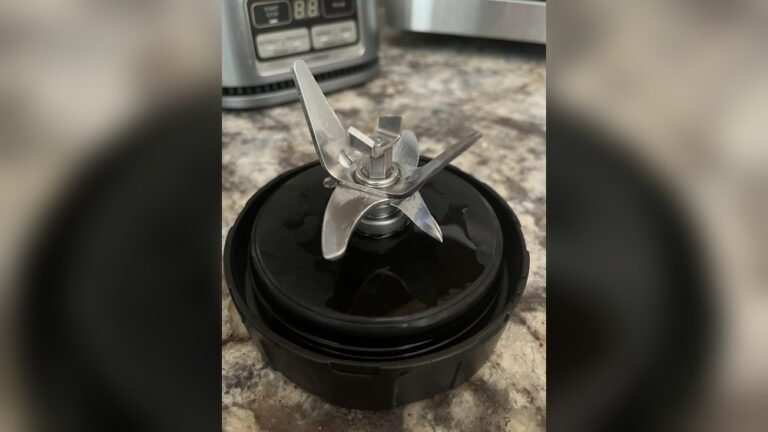
Check blades, gaskets, and pitcher for signs of wear. Ninja sells replacement parts online. Swapping out a dull blade or leaky gasket can add years to your blender’s life.
7. Use A Surge Protector
Protect the motor from electrical damage by plugging the blender into a surge protector.
8. Avoid Blending Hot Liquids
Ninja Blenders are not designed for hot liquids. Blending hot food can warp the pitcher or cause leaks.
9. Follow Manufacturer Instructions
Read the manual and stick to recommended settings and assembly steps. This prevents avoidable mistakes.
Ninja Blender Maintenance Tips
Cleaning Best Practices
- Use warm, soapy water for hand-washing.
- Remove the blade assembly and wash separately.
- Don’t use harsh chemicals or abrasive sponges.
- Dry all parts fully before reassembling.
Blade Sharpening
Ninja Blender blades are not meant to be sharpened at home. If blades get dull, replace the assembly. Trying to sharpen them yourself can damage the blender or cause injury.
Motor Care
Keep the base dry. Wipe with a damp cloth, but never submerge it. If the motor smells like burning or slows down, stop using and let it cool.
Gasket Replacement
Gaskets seal the base and prevent leaks. If you see leaks or the gasket looks worn, order a replacement. Ninja’s website lists compatible parts.
Pitcher Safety
Avoid dropping the pitcher or exposing it to extreme temperatures. If the pitcher cracks, replace it to avoid leaks and unsafe blending.
Signs Your Ninja Blender Needs Replacement
Blenders don’t last forever. Here are signs your Ninja Blender is nearing the end of its life:
- Motor struggles or makes loud noises
- Blades don’t blend smoothly
- Pitcher leaks despite new gaskets
- Buttons stick or stop working
- Plastic parts crack or warp
- Burning smell during use
If several of these happen at once, it’s time to consider a new blender. Replacing parts can help, but after a certain point, full replacement is best.
:max_bytes(150000):strip_icc()/sea-personal-blenders-lead-image-nutribullet-smeg-ninja-ashia-aubourg-02-2fe28ce691d047cb956a51c541330b3d.jpeg)
Credit: www.seriouseats.com
Is It Worth Repairing A Ninja Blender?
Ninja Blenders are affordable, so people wonder if repairs are worth it. Simple fixes, like replacing blades or gaskets, are often cost-effective. But if the motor fails or the pitcher cracks, repairs may cost almost as much as a new blender.
Here’s a quick comparison:
| Problem | Repair Cost | New Blender Cost | Recommendation |
|---|---|---|---|
| Blade replacement | $15–$25 | $70–$120 | Repair |
| Gasket replacement | $8–$12 | $70–$120 | Repair |
| Pitcher replacement | $30–$40 | $70–$120 | Repair if motor is good |
| Motor failure | $60–$80 | $70–$120 | Replace |
Simple repairs make sense if the rest of the blender is still in good condition. For expensive fixes, buying a new blender is usually the better choice.
Ninja Blender Warranty And Support
Most Ninja Blenders come with a one-year limited warranty. This covers defects in materials or workmanship. It does not cover normal wear, damage from misuse, or repairs made by unauthorized technicians.
To use the warranty, register your product on Ninja’s website. Keep your receipt and packaging. If your blender fails within the warranty period, contact Ninja support for repair or replacement.
Ninja’s customer service is rated well for fast responses and helpful solutions. However, after the warranty ends, repairs are not covered. Buying extended warranties is possible through third-party sellers, but these can be costly.
Comparing Ninja Blender Durability To Price
Ninja Blenders cost $70–$150 for most home models. Higher-end brands like Vitamix cost $300–$600. For the price, Ninja offers good durability. If you use your blender daily and need it to last 10 years, a more expensive brand may be better. But for normal household use, Ninja is a smart choice.
Value For Money
- Ninja Blenders last 3–5 years on average.
- Cost per year is around $20–$40.
- Repairs are low-cost for simple parts.
- Good for regular smoothies, sauces, and soups.
Ninja is not the best choice for heavy blending, like thick dough or nut butters every day. For that, invest in a commercial-grade blender.
How Often Should You Replace Your Ninja Blender?
If you use your blender daily, expect to replace it every 3–5 years. For light use, it may last longer. Replace the blender when:
- Repairs are more expensive than a new unit.
- The motor is weak and blades don’t blend well.
- Leaks or cracks can’t be fixed.
Keeping the blender clean and replacing parts can add years to its life. But even the best-maintained Ninja will eventually wear out.
Non-obvious Insights: Ninja Blender Longevity
Many users miss these points:
- Power cycles matter: Turning the blender on and off repeatedly wears the motor more than longer, steady blending. Try to blend in one session instead of several short bursts.
- Pitcher shape affects blending: Wide pitchers spread ingredients more, making the motor work harder. Smaller, narrower pitchers can last longer because the motor blends more efficiently.
- Altitude and climate: Using your blender in high humidity or at high altitudes affects motor cooling and pitcher durability. If you live in a very hot or humid place, store the blender extra carefully.
These details can help you tweak your usage and get extra years from your Ninja.
Environmental Impact: Should You Keep Or Replace?
Replacing appliances has an environmental cost. Ninja Blenders use plastic and metal parts that are not always recyclable. If your blender still works, replacing parts rather than buying new is better for the planet.
Disposing of your blender responsibly is important. Check local recycling programs for small appliances. Some cities offer electronics recycling days.

Credit: www.torhoermanlaw.com
Ninja Blender Upgrades: When To Upgrade
Upgrading to a newer model can offer better motor power, quieter operation, and more blending options. If your old Ninja lacks features like single-serve cups, auto-iQ programs, or stronger blades, upgrading may be worth it.
Look for deals on new models. Sometimes stores offer trade-in programs or discounts for old appliances.
Ninja Blender Lifespan In Commercial Settings
Ninja Blenders are meant for home use. Using them in a café or restaurant wears them out fast. In commercial settings, Ninja Blenders typically last 6–12 months. For business use, buy a commercial-grade blender with a longer warranty and tougher parts.
Frequently Asked Questions
How Do I Know If My Ninja Blender Motor Is Failing?
Signs of a failing motor include loud grinding noises, slow blending, or a burning smell. If the motor doesn’t start or stops during use, it may be overheated or damaged. Let the motor cool and try again. If problems continue, replacement is likely needed.
Can I Buy Replacement Parts For Ninja Blenders?
Yes, Ninja sells replacement blades, pitchers, gaskets, and lids online. Always buy genuine parts for your model. Using third-party parts can cause fitting problems or void your warranty.
Does Blending Ice Regularly Harm The Ninja Blender?
Blending ice is tough on any blender. Ninja Blenders can handle ice, but doing it often dulls the blades and strains the motor. For best results, blend ice with liquids and use pulse settings. Avoid blending large amounts of ice at once.
Is It Safe To Put Ninja Blender Parts In The Dishwasher?
Most Ninja Blender pitchers, blades, and lids are dishwasher-safe. However, hand-washing keeps them in better condition. Avoid washing the motor base in water—wipe with a damp cloth only.
What Should I Do If My Ninja Blender Leaks?
Check the gasket and blade assembly for wear or improper fit. Make sure the pitcher and lid are locked in place. Replace worn gaskets and tighten parts. If leaks continue, the pitcher may be cracked and needs replacement.
Ninja Blenders are trusted tools for many kitchens. With smart use and care, your blender can last for years, making healthy meals and drinks every day. If you treat it well, follow these tips, and watch for early signs of wear, your Ninja Blender will reward you with long, reliable service. For more information on appliance durability, you can visit Wikipedia.