How To Clean Ninja Hot And Cold Blender: Quick & Easy Steps
Keeping your Ninja Hot and Cold Blender clean is not just about making it look good. It’s about protecting your health, making your blender last longer, and getting the best taste from your drinks and soups. Many people use this popular blender for smoothies, hot soups, nut milks, and more. But after blending, residue can build up, smells can linger, and even bacteria can grow if you don’t clean it well. If you want your Ninja blender to work perfectly every time, you need to know the right cleaning steps, tricks, and tips. This guide will show you how to clean every part, avoid mistakes, and keep your blender fresh—whether you use it for cold drinks or hot recipes.
Why Cleaning Your Ninja Hot And Cold Blender Matters
The Ninja Hot and Cold Blender is designed for both hot and cold blending. This means it handles everything from ice for smoothies to hot soups. Because it does both, cleaning is extra important. Hot foods can leave grease and strong smells. Cold ingredients, like fruits, can leave sticky residue. If you don’t clean well, bacteria and mold can grow inside the pitcher, lid, or blades.
Proper cleaning:
- Stops bad odors
- Prevents mold and germs
- Protects blade sharpness
- Keeps motor running smoothly
- Makes every blend taste fresh
A study from NSF International found that blender gaskets are one of the most germ-filled spots in the kitchen. Cleaning these parts well can reduce your risk of foodborne illness.
What You Need Before You Start
Before you begin cleaning, gather these supplies:
- Mild dish soap (no bleach, no harsh chemicals)
- Soft sponge or brush
- Bottle brush (for tight spots)
- Microfiber cloth
- White vinegar (for deep cleaning)
- Warm water
- Towel (for drying)
- Small toothbrush (for blade area)
- Rubber gloves (optional for safety)
Make sure your blender is unplugged before cleaning.
Step-by-step: How To Clean Ninja Hot And Cold Blender
Cleaning your Ninja blender is simple, but there are a few key steps. The process changes slightly depending on whether you blended hot or cold recipes.
1. Unplug And Disassemble
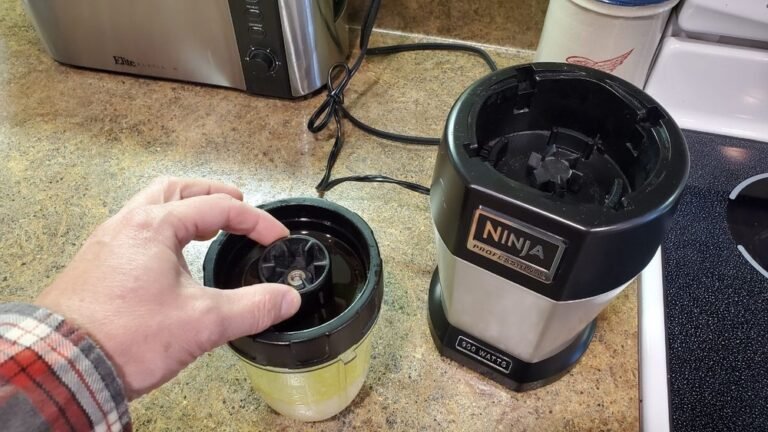
Always unplug your blender before cleaning. Take apart:
- Pitcher
- Lid and cap
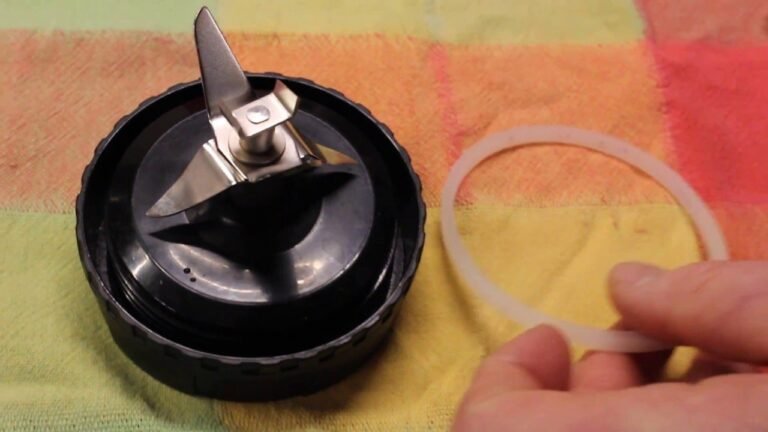
- Blade assembly
- Gasket/seal
Removing every piece helps you reach hidden spots. The blade is sharp, so handle it with care.
2. Rinse Right Away
If you blended something sticky or hot, rinse the pitcher and blades immediately with warm water. This stops residue from drying and makes cleaning easier.
3. Wash Pitcher And Lid
Use a soft sponge and mild dish soap. Scrub inside and outside the pitcher. Wash the lid and cap. For hot blends, pay extra attention to greasy spots.
- For stubborn stains, fill the pitcher with warm water and add a few drops of dish soap. Let it soak for 10–15 minutes.
- For odors, add a splash of white vinegar and let it sit.
4. Clean Blade And Gasket
Blades can hide food and bacteria. Use a small toothbrush or bottle brush to scrub around the blade. Remove the gasket if possible and wash it separately.
Tip: Never submerge the blade base in water if it has electrical parts. Only wash the removable blade.
5. Deep Clean For Tough Stains And Smells
If your blender smells or has stains:
- Mix 1 cup warm water and 2 tablespoons white vinegar in the pitcher.
- Blend for 30 seconds.
- Rinse well and dry.
For cloudy pitcher:
- Mix baking soda and water to make a paste.
- Rub gently inside the pitcher, then rinse.
6. Dry All Parts Completely
Use a towel or microfiber cloth to dry each part. Let parts air dry fully before reassembling. Moisture can cause mold or damage the motor.
7. Reassemble And Store
Put all clean, dry parts back together. Store with the lid off to allow air flow and prevent odors.
Cleaning Hot Blend Residue: Extra Steps
Hot soups and sauces leave oily residue and strong smells. If you use your Ninja for hot blends:
- Let the pitcher cool before cleaning (never use cold water on hot glass)
- Use vinegar or lemon juice to cut grease
- Scrub the lid and cap, as steam can carry splatter to these parts
Example: After blending tomato soup, you may notice a red stain or smell. Soak the pitcher in warm water with vinegar, scrub gently, and rinse.
Cleaning Cold Blend Residue: Special Tips
Cold blends, like smoothies, often leave sticky sugar and pulp.
- Rinse right after blending to prevent dried residue
- Use a bottle brush for corners and under the blade
- For protein shake residue, use warm water and soap
Insight: Many users forget to clean under the blade, where pulp and seeds can stick. Use a toothbrush for this area.
How Often Should You Clean Your Ninja Blender?
After every use, wash the pitcher, lid, and blade. For deep cleaning:
- Every week if used daily
- After blending strong-smelling or greasy foods
Never skip cleaning the gasket. Even if you don’t see dirt, bacteria can build up.
Dishwasher Safety: What Can Go In?
Many Ninja Hot and Cold Blender parts are dishwasher safe. But not all parts.
| Part | Dishwasher Safe? | Top Rack Only? |
|---|---|---|
| Pitcher | Yes | Yes |
| Lid & Cap | Yes | Yes |
| Blade Assembly | Yes | Yes |
| Gasket/Seal | No | – |
| Motor Base | No | – |
Always check your model’s manual. The motor base should never be washed in the dishwasher or submerged in water.
Cleaning The Motor Base
The motor base is not dishwasher safe and should not get wet.
- Wipe with a damp microfiber cloth
- Never use abrasive cleaners
- If spills occur, unplug and wipe immediately
Tip: Clean the base regularly to prevent dust and food from entering the air vents.
Common Cleaning Mistakes To Avoid
Many people make mistakes that can damage their blender or leave it dirty. Here are the most common:
- Using harsh chemicals: Bleach or strong cleaners can damage plastic.
- Leaving parts wet: Moisture grows mold.
- Not cleaning the gasket: This area is often missed but collects germs.
- Submerging the motor base: This ruins the electronics.
- Scrubbing with rough pads: This scratches the pitcher.
Avoid these mistakes to keep your blender working well.
Ninja Hot And Cold Blender Cleaning: Quick Comparison
Let’s compare cleaning steps for hot and cold blends:
| Cleaning Step | Hot Blends | Cold Blends |
|---|---|---|
| Rinse after use | Let cool, then rinse | Rinse immediately |
| Soak for stains | Use vinegar/lemon juice | Use soap/warm water |
| Odor removal | Vinegar soak | Baking soda paste |
| Blade cleaning | Extra scrubbing | Standard scrubbing |
| Drying | Air dry fully | Air dry fully |
Credit: www.sharkninja.co.uk
Deep Cleaning: When And How
Deep cleaning is needed when:
- You notice smells or stains
- You blended dairy, eggs, or raw foods
- You haven’t cleaned for a week
How to deep clean:
- Disassemble everything
- Soak pitcher and blades in warm water with vinegar
- Scrub every part, especially under the blade and gasket
- Rinse and dry fully
Deep cleaning removes stubborn bacteria and keeps your blender safe.
Dealing With Cloudy Pitchers And Stubborn Stains
Over time, the pitcher may look cloudy or stained, even after washing. This is common with hard water or frequent hot blending.
Cloudy Pitcher Fix
- Mix 2 tablespoons baking soda with a little water to form a paste.
- Rub inside the pitcher with a soft cloth.
- Rinse well.
Stubborn Stains
- For tough stains, use vinegar and soak overnight.
- Rinse and wash as usual.
Non-obvious insight: Cloudy pitchers are often caused by mineral buildup, not just food residue. Baking soda helps remove these minerals.

Credit: www.amazon.ie
Preventing Odors And Mold
Odors and mold can make your blender unpleasant and even unsafe.
- Dry every part fully before reassembling
- Store with lid off for air flow
- Clean gasket and under blade after every use
If you notice a musty smell, do a vinegar soak.
How To Clean Ninja Blender Accessories
Some Ninja Hot and Cold models come with extra accessories, like personal cups or tamper tools.
- Wash cups and tools with soap and warm water
- Rinse and dry fully
- For cups used with protein shakes, clean immediately to avoid odor
Accessories are often dishwasher safe, but check your manual.
Cleaning Frequency: Data And Recommendations
According to the CDC, regular cleaning of kitchen appliances reduces the risk of illness. For blenders:
| Blender Use | Recommended Cleaning Frequency |
|---|---|
| Daily use | Wash after every use, deep clean weekly |
| Weekly use | Wash after every use, deep clean monthly |
| Occasional use | Wash after every use, deep clean every 3 months |
Most people miss deep cleaning. Set a reminder to keep your blender in top shape.
Practical Tips For Faster, Easier Cleaning
Cleaning doesn’t have to be a chore. Here are practical tips:
- Blend soapy water: After use, fill pitcher with warm water and a drop of soap, blend for 30 seconds, then rinse.
- Use a bottle brush: Reaches under blades and corners.
- Let parts air dry: Prevents mold, saves time.
- Store with lid off: Stops odors from building up.
Non-obvious tip: Always clean after blending sticky or protein-rich foods. These leave residues that are hard to remove later.
Ninja Blender Cleaning: Real-world Examples
- Smoothie residue: Sticky pulp under blade. Solution: Use a toothbrush and warm soapy water.
- Hot soup stains: Greasy film in pitcher. Solution: Vinegar soak and gentle scrub.
- Protein shake smell: Persistent odor in cup. Solution: Baking soda paste and air dry.
Many users only clean what they see. But hidden spots matter most.
Safety Precautions When Cleaning
Safety is important when handling sharp blades and electrical parts.
- Always unplug before cleaning
- Handle blades with care
- Never submerge motor base
- Wear gloves if you have sensitive skin
Proper safety keeps you and your blender safe.
Maintaining Your Ninja Hot And Cold Blender For Longer Life
A clean blender lasts longer. Here’s how:
- Clean after every use
- Deep clean weekly
- Check blade sharpness
- Inspect gasket for mold
- Avoid harsh chemicals
If you follow these steps, your blender can last for years.
Troubleshooting: Common Cleaning Problems
Sometimes you may run into issues:
- Stuck residue: Soak and use a brush
- Persistent smell: Vinegar soak and air dry
- Cloudy pitcher: Baking soda rub
- Gasket mold: Replace gasket if cleaning doesn’t help
If parts are damaged, order replacements from Ninja’s website.
Where To Find More Cleaning Resources
For more official cleaning advice, check out the Ninja Kitchen site. They offer manuals, videos, and troubleshooting for every model.
Frequently Asked Questions
How Do I Remove Strong Smells From My Ninja Blender?
Use a vinegar soak: Fill the pitcher with warm water and 2 tablespoons white vinegar, let sit for 30 minutes, then rinse and air dry. Baking soda also works for tough odors.
Can I Put Ninja Hot And Cold Blender Parts In The Dishwasher?
Most pitchers, lids, and blades are dishwasher safe (top rack only). Gaskets and motor base are not. Always check your model’s manual to be sure.
How Do I Clean Under The Blade?
Use a small toothbrush or bottle brush to reach under the blade. Soak in warm soapy water for tough residue. Always handle the blade carefully.
What Should I Do If Mold Appears On The Gasket?
Remove the gasket, wash with soap and warm water, and let air dry. If mold remains, replace the gasket. Clean this area after every use to prevent mold.
Is It Safe To Use Bleach On Ninja Blender Parts?
No. Bleach can damage plastic and leave harmful residue. Use mild dish soap, vinegar, or baking soda for cleaning.
Keeping your Ninja Hot and Cold Blender clean is easy if you follow the right steps. Clean after every use, deep clean regularly, and always dry fully. With these habits, your blender will stay fresh, safe, and ready for your next recipe.

Credit: www.amazon.sa