What Can You Blend With An Immersion Blender: Top 15 Ideas
Blending Made Simple: What Can You Blend With An Immersion Blender
If you own an immersion blender, you might wonder what foods and drinks you can actually blend with it. These handy tools, sometimes called stick blenders or hand blenders, are popular for their speed and flexibility. But their real power is in how many jobs they can do in your kitchen. From soups to smoothies, dips to desserts, an immersion blender can handle a surprising range of tasks—often with less mess and effort than a traditional countertop blender.
Many people only use their immersion blender for soups, but that’s just the beginning. With the right technique and a bit of creativity, you can blend, puree, whip, and emulsify many types of food. In this guide, you’ll discover what you can blend, how to get the best results, and which foods might be tricky or unsafe.
You’ll also learn practical tips that even experienced cooks often miss.
The Basics: How Immersion Blenders Work
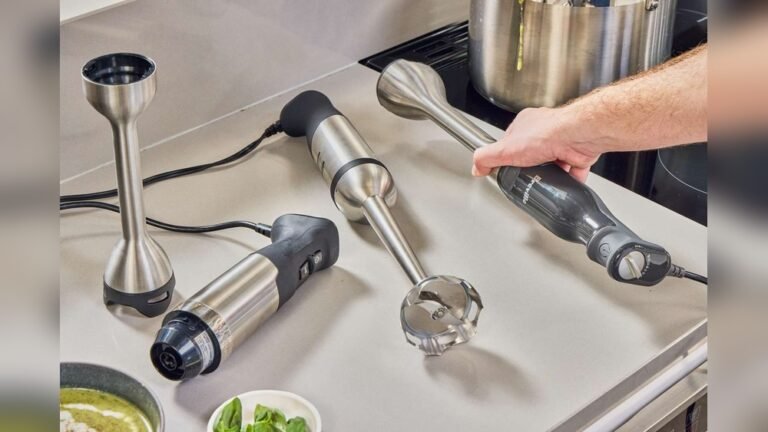
An immersion blender is a compact appliance with a motor on one end and a blade on the other. You hold it by the handle and dip the blade directly into your food. This makes it perfect for blending inside pots, bowls, or measuring cups—no need to transfer hot liquids or dirty extra dishes.
Most immersion blenders have:
- Variable speed settings for control
- Detachable blades for easy cleaning
- Lightweight design for comfortable use
What makes them different from traditional blenders is their portability and convenience. You can blend soups right in the pot, whip up a smoothie in your glass, or make sauces in a mixing bowl.
Foods And Drinks You Can Blend
Immersion blenders are more versatile than most people expect. Here’s a look at what you can blend, with examples and practical advice.
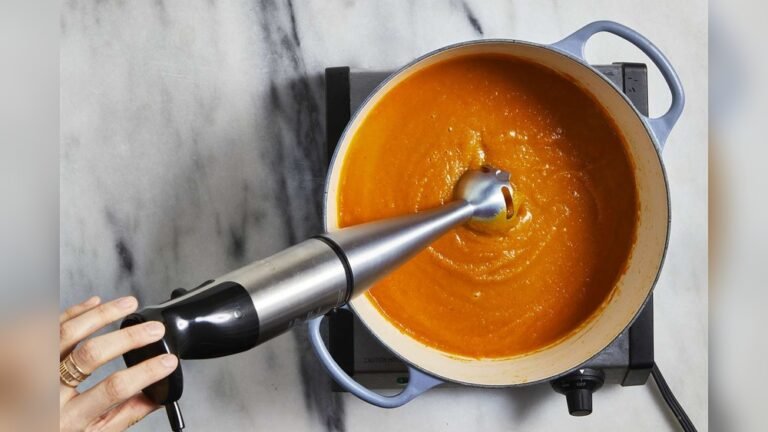
Blending Soups
One of the most common uses is blending soups directly in the pot. Immersion blenders are perfect for:
- Creamy vegetable soups like butternut squash or potato leek
- Tomato soup for a smooth finish
- Lentil or bean soups to thicken and add texture
For best results, make sure the soup is not too thick. If you want a silky texture, blend in small batches and move the blender slowly. It’s important to keep the blade submerged to avoid splashing hot liquid.
Non-obvious tip: Let the soup cool slightly before blending to prevent burns. Also, tilt the pot at a slight angle for better blade coverage.
Smoothies And Shakes
You can make fruit smoothies, protein shakes, and even milkshakes. Immersion blenders do well with soft fruits, yogurt, milk, and protein powders.
To blend harder ingredients like frozen fruit or ice, use a tall, narrow container. This helps keep the ingredients close to the blade. You might need to pulse several times and move the blender up and down.
Insight: Many people forget that immersion blenders can blend single servings right in the glass, saving time and cleanup.
Sauces And Dressings
Immersion blenders are ideal for making:
- Mayonnaise (emulsifies oil and egg quickly)
- Pesto (blends basil, nuts, cheese, and oil)
- Salad dressings (vinaigrettes, creamy ranch)
- Tomato sauce (smooths out chunks)
If you want a stable, creamy sauce, start with the blade at the bottom and slowly lift as you blend. This technique is especially important for emulsified sauces like mayonnaise.
Dips And Spreads
Popular dips and spreads you can make include:
- Hummus (blends chickpeas, tahini, lemon, and garlic)
- Guacamole (smooth or chunky, depending on your taste)
- Bean dips (black bean, white bean)
- Nut butter (with pre-roasted nuts and a bit of oil)
Immersion blenders are best for small batches. For tougher ingredients, add a little liquid to help the blade move smoothly.
Baby Food
Homemade baby food is easy with an immersion blender. You can puree cooked vegetables, fruits, or meats to a smooth texture. The blender’s size is perfect for blending small amounts and cleaning quickly.
Tip: Use a deep bowl and blend cooked food with a little water or broth for smoother results.
Whipped Cream And Eggs
You can whip cream or beat eggs for omelets, meringue, or baking. Immersion blenders with whisk attachments are especially good for this.
- For whipped cream, use cold cream and a tall container.
- For eggs, blend them quickly for a fluffy texture.
Purees And Mashed Foods
Immersion blenders make quick work of mashed potatoes, sweet potatoes, or root vegetables. You can also puree fruits for desserts or jams.
If you want a chunkier texture, pulse gently and don’t over-blend.
Drinks And Cocktails
Mixing drinks like bloody marys, margaritas, or even frozen cocktails is easy with an immersion blender. You can blend ingredients directly in the glass or pitcher.
Insight: Add ice last and pulse, as immersion blenders can struggle with large amounts of ice.

Credit: www.breville.com
Foods That Are Challenging Or Unsafe
Immersion blenders are powerful, but they have limits. Some foods don’t blend well, while others can damage the blade or motor.
Hard And Fibrous Foods
Avoid blending raw carrots, celery, or other hard vegetables unless they’re chopped small or pre-cooked. Fibrous foods like raw kale, celery strings, or pineapple cores can jam the blade.
Large Amounts Of Ice
Immersion blenders can handle a few cubes, but not large amounts. Too much ice can dull the blade or strain the motor.
Heavy Doughs
Don’t try to mix bread dough or thick batters with an immersion blender. The motor isn’t strong enough, and the blade isn’t designed for heavy mixing.
Bones And Seeds
Never blend bones, pits, or hard seeds. These can break the blade or cause injury.
Hot Oil
Avoid blending hot oil directly. It can splash and burn, and the blender may not emulsify oil well unless combined with other ingredients.
Getting The Best Results: Practical Tips
Even experienced cooks sometimes miss key details when using an immersion blender. Here’s how to get better results:
1. Use The Right Container
Tall, narrow containers work best. They keep ingredients close to the blade and reduce splashing.
2. Submerge The Blade
Always keep the blade fully submerged, especially when blending liquids.
3. Move Slowly
Blend in small circles and move up and down gently. This ensures even blending.
4. Pulse When Needed
For tough ingredients, use short bursts (pulses). This prevents overheating and helps break down chunks.
5. Clean Immediately
Rinse the blade and shaft right after use. Dried food is hard to clean and can damage the motor.
6. Don’t Overfill
Blend smaller batches. Overfilling can cause spills and uneven results.
7. Check Attachments
Some immersion blenders come with whisk or chopper attachments. Use the right tool for the job.
:max_bytes(150000):strip_icc()/sea-primary-immersion-blenders-sep-24-rkilgore-0658-89167e1e4bd44afb93d9c847674b09e4.jpeg)
Credit: www.seriouseats.com
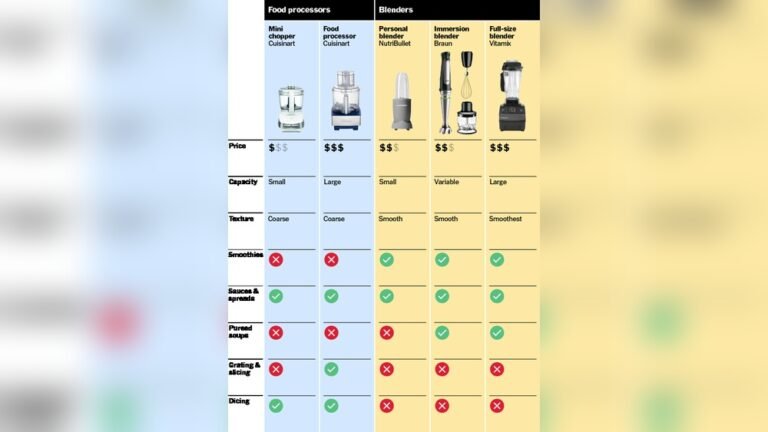
Comparing Immersion Blender Vs. Countertop Blender
Many people ask how immersion blenders compare to traditional countertop blenders. Here’s a quick look:
| Feature | Immersion Blender | Countertop Blender |
|---|---|---|
| Portability | Lightweight, handheld | Bulky, stays on counter |
| Cleanup | Easy, fewer parts | More parts, more cleanup |
| Batch Size | Small to medium | Medium to large |
| Hot Foods | Blend directly in pot | Must transfer to jar |
| Power | Lower wattage | Higher wattage |
Non-obvious insight: Immersion blenders are better for hot, small batches, while countertop blenders excel with large, cold, or tough ingredients.
Immersion Blender Attachments And Accessories
Some immersion blenders come with extra attachments. These can expand what you can blend or prepare.
Whisk Attachments
Good for whipping cream, beating eggs, or making meringue.
Chopper Attachments
Let you chop nuts, herbs, onions, or garlic. Not suitable for hard ingredients like ice or bones.
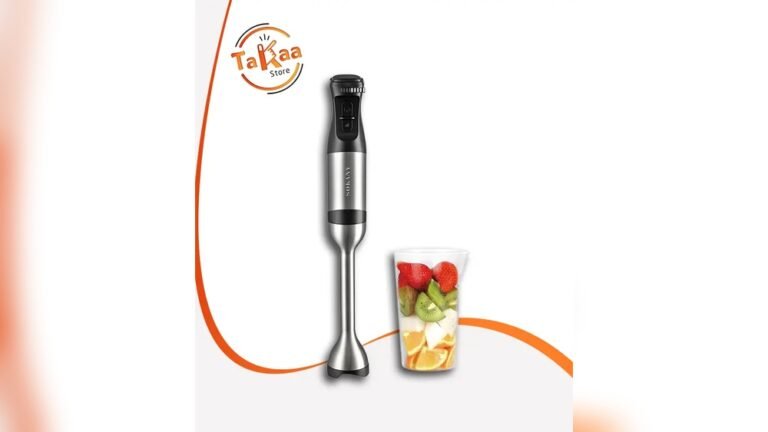
Beaker Or Cup
A tall, narrow container designed for blending drinks, sauces, or dressings.
Blade Variations
Some models have different blade shapes for pureeing, chopping, or whisking.
Tip: Use the beaker for smoothies and dressings, as it gives the best texture.
Blending Techniques: Getting Creative
Immersion blenders aren’t just for basic recipes. You can use them for creative cooking and baking.
Layered Smoothies
Blend each layer separately, then pour in the glass for a colorful effect.
Soufflé Base
Whip eggs and fold them into the base for a fluffy texture.
Homemade Nut Milk
Blend soaked nuts with water, then strain for fresh almond or cashew milk.
Quick Sorbet
Blend frozen fruit with a little sugar and lemon juice for instant sorbet.
Insight: Experiment with blending at different speeds or using pulse mode for new textures.
Cleaning And Maintenance
Proper cleaning keeps your immersion blender working longer and safer.
1. Unplug Before Cleaning
Never clean while plugged in.
2. Detach Blade
If possible, remove the blade and wash it separately.
3. Rinse Immediately
Wash right after use to avoid stuck-on food.
4. Avoid Immersing Motor
Only the blade and shaft are safe for washing. Never submerge the motor.
5. Check For Cracks
Inspect attachments regularly. Damaged blades can be unsafe.
6. Store Safely
Keep the blender and attachments dry and away from heat.
Popular Recipes You Can Make
To give you more ideas, here are some recipes you can easily prepare with an immersion blender:
- Creamy Tomato Soup
- Tomatoes, onion, garlic, broth, and cream. Blend directly in the pot.
- Fresh Fruit Smoothie
- Banana, berries, yogurt, milk. Blend in a tall cup.
- Classic Hummus
- Chickpeas, tahini, lemon juice, olive oil, garlic. Blend until smooth.
- Homemade Mayonnaise
- Egg, oil, vinegar, mustard. Blend slowly to emulsify.
- Whipped Cream
- Heavy cream, sugar, vanilla. Use whisk attachment.
- Pesto
- Basil, pine nuts, parmesan, olive oil. Blend for a smooth sauce.
- Mashed Potatoes
- Cooked potatoes, butter, milk. Blend for creamy texture.
- Baby Food Puree
- Cooked carrots, peas, or apples. Blend with a bit of water.
- Guacamole
- Avocado, lime, onion, tomato. Blend for desired consistency.
- Quick Salad Dressing
- Olive oil, vinegar, herbs, mustard. Blend for smooth texture.
Safety Tips For Using Immersion Blenders
Immersion blenders are safe if used correctly, but accidents can happen.
- Keep fingers away from the blade when operating.
- Unplug before changing attachments.
- Don’t blend hot liquids at high speed—start slow to avoid splashes.
- Only use in containers that are deep enough to cover the blade.
- Never use in nonstick pots if the blade can scratch.
Pros And Cons: Immersion Blender Overview
Here’s a summary of the main advantages and disadvantages:
| Pros | Cons |
|---|---|
| Portable and easy to use | Not for heavy-duty blending |
| Quick cleanup | Limited batch size |
| Good for hot foods | Can splash if not used carefully |
| Multiple attachments | Blade can jam with fibrous food |
| Affordable compared to countertop blenders | Lower power for tough jobs |
How To Choose The Right Immersion Blender
If you’re thinking about buying one, here’s what matters most:
- Power: Look for at least 200–300 watts for most kitchen tasks.
- Blade Quality: Stainless steel blades last longer and resist rust.
- Speed Settings: Multiple speeds allow more control.
- Attachments: Whisk, chopper, or beaker for extra versatility.
- Ease of Cleaning: Detachable blades and dishwasher-safe parts help.
- Corded vs. Cordless: Cordless models are portable, but may have less power.
Common mistake: Many people buy cheap models without checking blade quality. Weak blades can dull quickly and won’t blend tough ingredients.
Immersion Blender Myths And Misconceptions
Some myths still surround immersion blenders:
- Myth: They can replace all countertop blenders.
- Truth: They’re best for small batches and softer foods.
- Myth: Only good for soups.
- Truth: They can make smoothies, dips, sauces, and desserts.
- Myth: Unsafe for hot foods.
- Truth: Safe if used carefully and blade is submerged.
Real-life Use: Data And Trends
Immersion blenders are found in over 60% of American homes (Statista, 2026). They’re especially popular for quick meal prep and for people living in small spaces. Most home cooks use them at least once a week, mainly for soups and smoothies.
Sales data shows a steady increase in immersion blender purchases, with a 15% rise from 2026 to 2026. Models with extra attachments have become more popular, offering added value and flexibility.
For more details on kitchen appliance trends, visit Statista.

Credit: www.kingarthurbaking.com
Frequently Asked Questions
Can I Blend Hot Soup With An Immersion Blender?
Yes, you can blend hot soup directly in the pot. Always keep the blade submerged and start at low speed to avoid splashing. Let the soup cool slightly for safety.
Will An Immersion Blender Crush Ice?
It can handle small amounts of ice, but not large quantities. For bigger jobs or smoothies with lots of ice, use a countertop blender.
How Do I Clean My Immersion Blender?
Unplug the blender and detach the blade. Wash the blade and shaft with warm water and soap. Never submerge the motor. Clean right after use for best results.
Can I Make Nut Butter With An Immersion Blender?
Yes, but only in small batches and with roasted nuts. Add a bit of oil for smoother blending. For large amounts or tougher nuts, a food processor works better.
What Is The Difference Between A Hand Mixer And An Immersion Blender?
A hand mixer is used for mixing and whipping, while an immersion blender is for blending and pureeing. Immersion blenders can blend soups, smoothies, and sauces, while hand mixers work best for batters and doughs.
Immersion blenders are powerful tools that open up many possibilities in the kitchen. With the right technique, you can blend a wide variety of foods and drinks—often with less mess and more speed. Whether you want creamy soups, fresh smoothies, homemade dips, or whipped desserts, this tool can help.
The key is knowing its strengths and limits, and experimenting with new recipes. If you use it carefully and choose the right ingredients, your immersion blender will become one of your most-used kitchen gadgets.