What Vitamix Should I Buy: Choosing the Right Model for You
If you have a small kitchen, a model with a lower profile container is essential. If you frequently make large batches for a family, you’ll need a full-sized machine with a wider base.
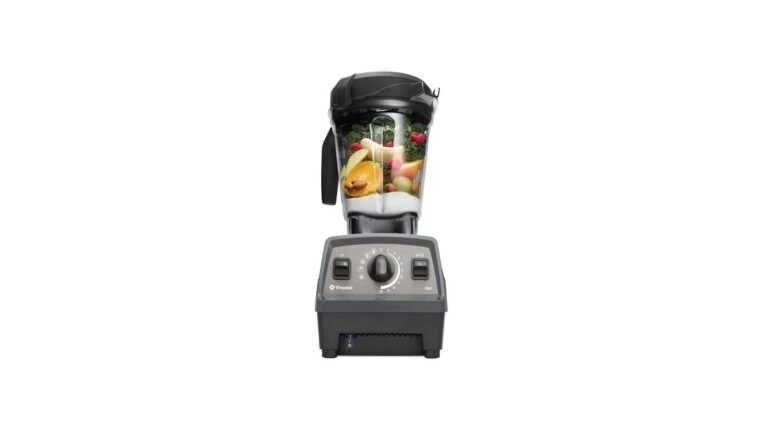
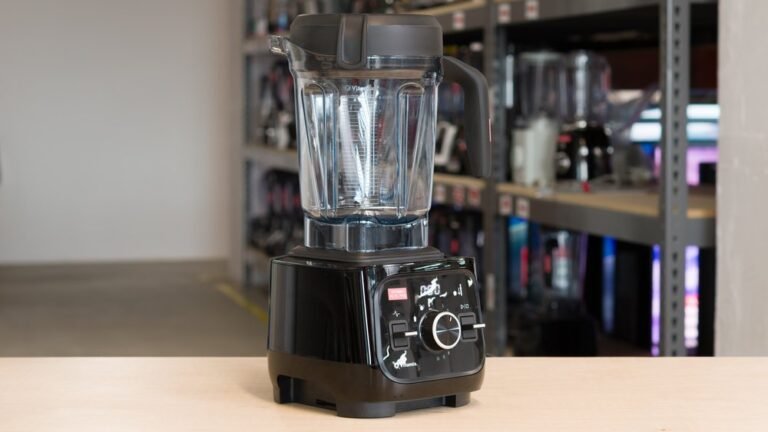
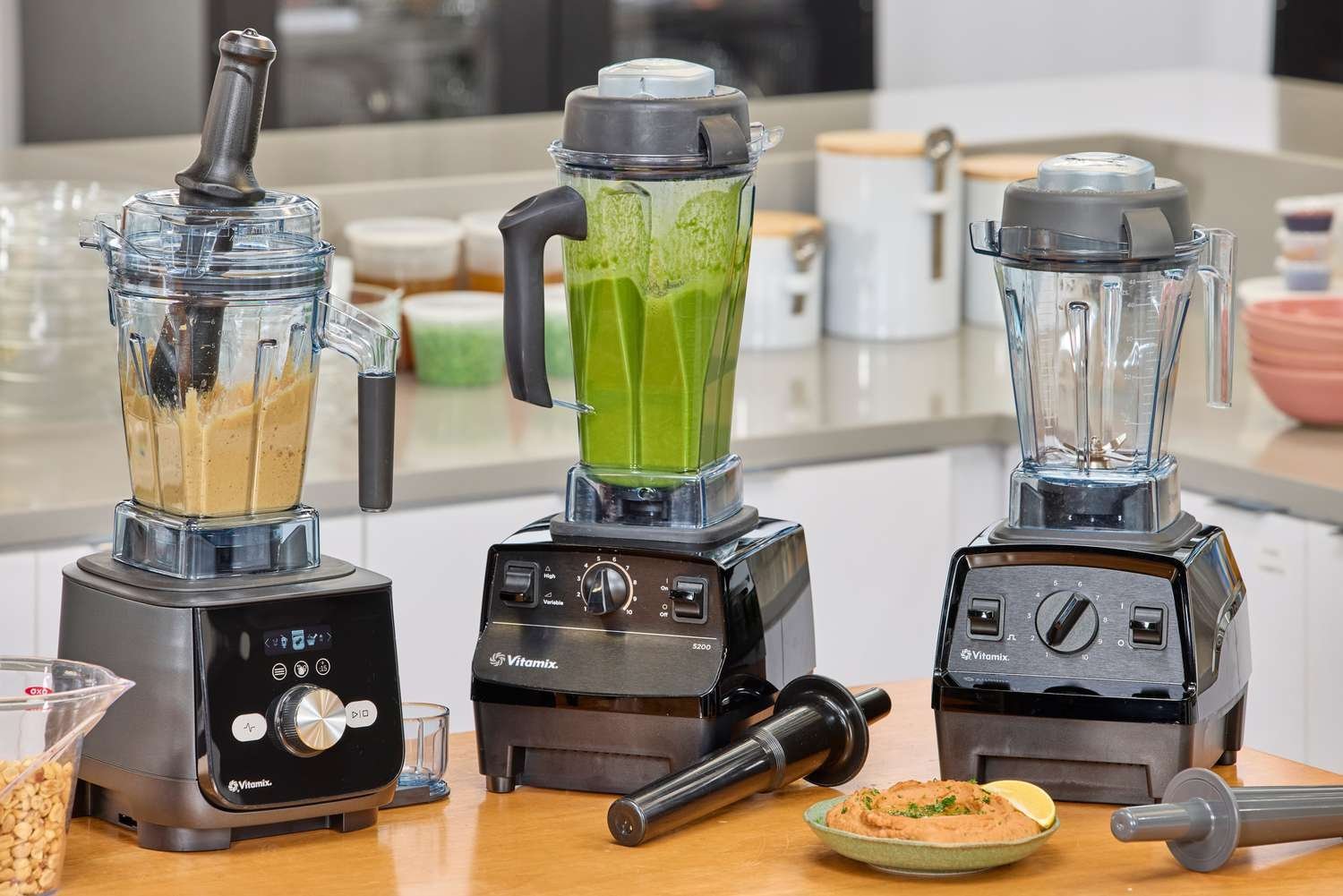
These machines vary by motor power, container design, and preset settings. You should choose based on whether you prefer manual control or automated programs.
Finding the right blender for your kitchen
The right choice depends on your specific cooking habits and the layout of your kitchen. Many people buy a high-end model only to find it doesn’t fit under their cabinets, while others buy a compact model that struggles with large, thick batches of dough or nut butter. You must measure the clearance between your countertop and the bottom of your upper cabinets before you make a purchase.
This page serves the home user who wants a reliable, long-term machine for daily kitchen tasks. If you’re a professional chef looking for a commercial-grade unit for a restaurant, you should consult the specific commercial catalog from the manufacturer instead. We assume you’re a home cook who prioritizes durability and ease of use over extreme aesthetic customization.
Factors that change your blender choice
Your daily volume of food is the most important factor. If you blend for one or two people, a smaller 48-ounce container is often better because it handles smaller amounts without splashing. If you have a family of four or more, you need the standard 64-ounce container to avoid running multiple cycles for a single recipe.
Motor power is another critical difference. Entry-level models typically use a 2.0-horsepower motor, while professional-grade models use 2.2 or even 2.4-horsepower motors. If you plan to blend frozen fruit, ice, or thick grain flours every day, the extra power prevents the motor from overheating. People often make the mistake of buying the cheapest model only to realize it lacks the torque needed for heavy-duty nut butters.
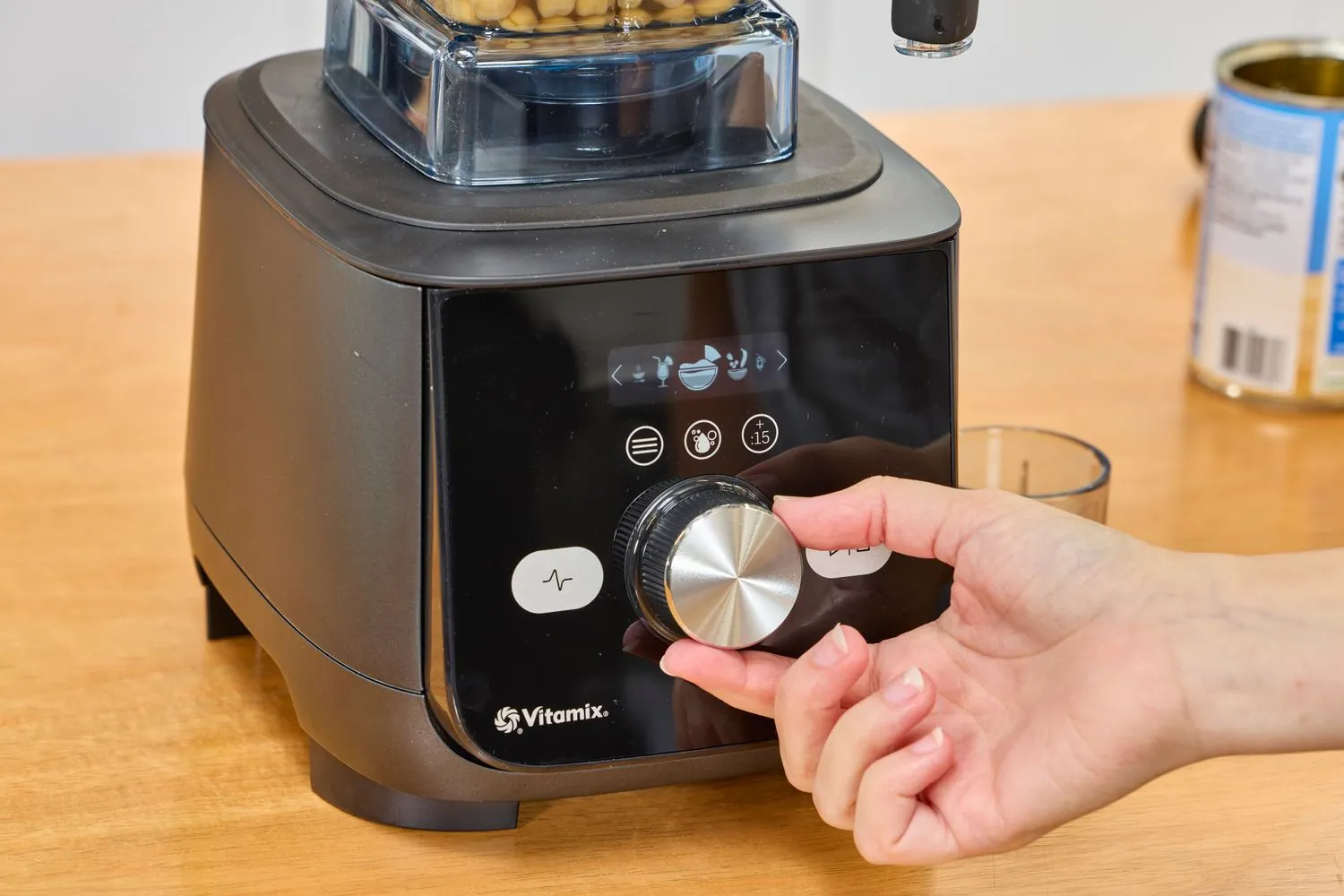
The interface type changes how you interact with the machine. Manual switches are durable and simple, but they require you to stand by the blender while it works. Digital presets allow you to start a cycle and walk away, as the machine will stop automatically when the task is complete. Check your own preference for “set and forget” convenience versus total manual control.
Evaluating your blending needs
| Situation | Recommended Series | Key Advantage |
|---|---|---|
| Small kitchen space | Explorian series | Fits under low cabinets |
| Large family batches | Ascent series | High-capacity wide container |
| Frequent frozen drinks | Professional series | High-torque motor power |
| Daily simple smoothies | Explorian series | Simple, reliable controls |
| Advanced recipe automation | Ascent series | Built-in smart programs |
The height of the blender base plus the container is the limit that varies for every kitchen; you can find the exact height for each model on the official website by checking the “dimensions” tab. If you don’t check this, you risk buying a unit that stays in your pantry rather than on your counter.
How to choose the right model
- Measure the distance from your counter to your upper cabinets.
- Check the product specifications on the official site for the total height.
- Determine if you want a physical dial or a touchscreen interface.
- Decide if you need automated timers or prefer manual speed control.
- Review the warranty length, which typically ranges from 3 to 10 years depending on the specific model.
- Confirm the included container size matches your typical batch volume.
- Verify if the model is compatible with the smaller accessories you might want later.
The main judgement call is whether you value the “smart” features that detect which container is attached. If you only ever use one container, these features are unnecessary and add to the cost. If you plan to use specialized bowls for baby food or dressings, the smart-detect technology is worth the investment. Always check the official product page to confirm if your desired accessories are compatible with your chosen model.
Essential differences in design
Motor and cooling systems
Experienced users look for the cooling fan efficiency. A stronger motor produces more heat, so the internal fan must be robust to prevent the machine from shutting down during long blends. Beginners often ignore this, but a machine that shuts off mid-blend is a sign the motor is being pushed past its thermal limit.
Container shape and blade geometry
The shape of the container forces ingredients toward the blades. A narrow container creates a vortex that’s perfect for smoothies, while a wider container is better for thick mixtures like hummus. You can’t swap the blades yourself, so choose the container shape that matches the type of food you make most often.
Troubleshooting common blender issues
| What you notice | What it usually means | What to do first | How to stop it |
|---|---|---|---|
| Blending stops early | Overheating protection | Let it cool down | Use more liquid |
| Ingredients stay stuck | Air pockets forming | Use the tamper | Add liquid first |
| Loud rattling noise | Worn drive socket or bearing | Check drive socket | Contact support |
| Leaking from bottom | Worn seal ring | Inspect bottom seal | Replace rubber gasket |
| Uneven texture | Dull blades | Check for chips | Avoid hard stones |
If your blender cuts out mid-cycle, wait at least fifteen minutes before restarting. Attempting to force the motor while it’s thermally tripped can permanently fuse the internal windings. Always add your base liquid before solids to ensure the blades have a medium to pull ingredients downward.
When ingredients hover above the blades, stop the machine immediately. Running it dry for more than ten seconds risks burning out the motor’s drive socket. If you lack a tamper, use a silicone spatula only while the power is completely disconnected.
A rattling sound often indicates that the jar hasn’t been seated flush against the motor base. A brittle seal will leak dark, metallic-tasting fluid into the motor housing, which is a terminal failure.
If you blend ice or frozen fruit daily, expect blade edges to dull within six months. Never sharpen them at home, as this ruins the factory-balanced angle.
Rules for blender maintenance
The company provides a specific warranty that covers the base, the motor, and the container, but this is void if you use the machine for commercial purposes. You must read the user manual for your specific model to understand the cleaning instructions. Some containers are dishwasher-safe according to the manufacturer, but washing by hand with warm water and a drop of soap is the safest way to extend blade life.
If you’re in a region with specific electrical requirements, ensure the model you choose matches your local voltage. Using a converter can void your warranty and may damage the motor. Always check the official regional site for your country to see which models are certified for your local power grid.
Understanding the real cost
The price of these blenders isn’t just the sticker cost, but also the longevity of the machine. A cheaper blender might cost less initially but may need replacement frequently, whereas a durable model is designed to last for a long time. You should compare the cost-per-year by dividing the total price by the number of years the warranty covers. If the resulting annual figure is high, you’re paying for brand prestige rather than mechanical endurance.
The cost also changes based on whether you buy a new, certified refurbished, or used unit. Certified refurbished machines from the company itself come with a shorter but valid warranty and offer a significant discount. If you’re budget-conscious, this is the best way to get a professional-grade machine without the full price tag.
Avoid buying used units from third-party marketplaces unless you can verify the motor’s internal seal integrity. If the base shows signs of leaking or discoloration, the bearings are likely failing. Replacing these components often costs more than the machine’s purchase price. Only buy used if you can test the motor under a heavy load before handing over cash.
Keeping your blender in peak condition
To keep your machine running, clean the container immediately after every use. Don’t let food dry on the blades, as this makes them harder to clean and can cause residue to build up around the seals.
A quick rinse with warm water and a drop of dish soap, followed by a thirty-second pulse cycle, prevents stubborn buildup that eventually compromises the gasket’s integrity. If you notice the blender isn’t performing as well as it used to, check the blades for any visible dullness or chips.
If the machine starts making a different sound or vibrates more than usual, stop using it immediately. This often indicates a worn drive socket, which is a simple plastic part that wears out over time. If the motor smells like ozone or burning rubber, however, don’t attempt a repair. That scent signals an internal electrical failure that requires professional service to avoid a fire hazard.
When to look for an alternative
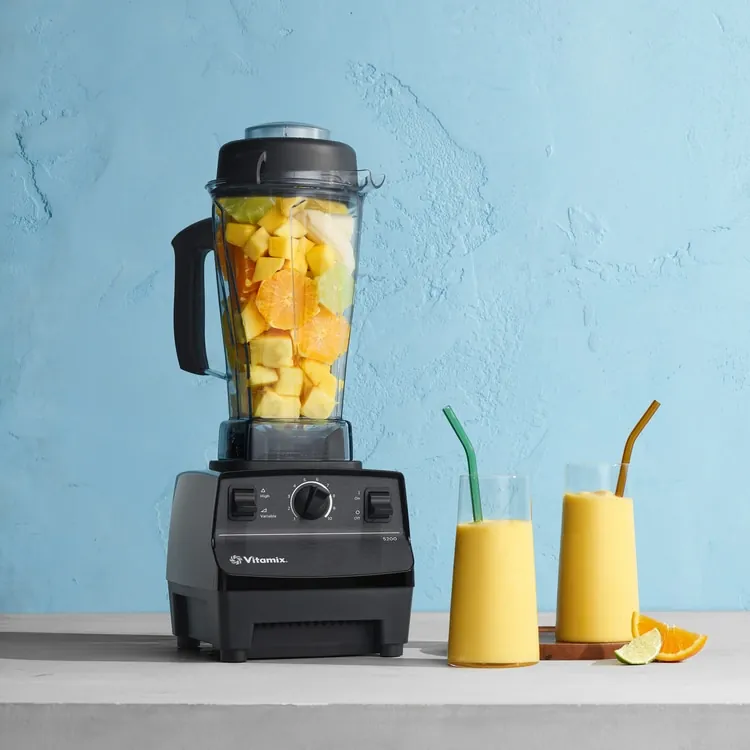
If you only need a blender for very occasional, light tasks like making a single smoothie once a week, this is the wrong approach. A high-performance blender is designed for daily, heavy-duty use.
You’re better off buying a basic, inexpensive blender from a general appliance brand if you don’t plan to process tough ingredients like frozen fruit, seeds, or nuts. Spending hundreds on a machine that sits idle for six days a week is a mistake that costs you precious counter space and unnecessary capital.
Additionally, if you want a machine that’s extremely quiet, you might find these blenders too loud. They’re designed for power, and that power creates noise. If you live in an apartment with thin walls and need a silent blender, you’ll need to look at dedicated sound-dampened models from other manufacturers.
If you can hear your neighbor’s television through the wall, these high-performance motors will certainly disturb them. In that case, prioritize a model with a sealed sound enclosure to avoid friction with your neighbors.
Related guides
Frequently asked questions
How long does a vitamix last?
These machines typically last for a long period with regular home use, provided you follow the maintenance schedule in the manual. The lifespan depends on how often you process heavy ingredients like nut butters, which put the most strain on the motor and drive socket.
Is it safe to put the container in the dishwasher?
Most modern containers are dishwasher-safe, but you should check the user manual for your specific model to confirm. Hand-washing with warm, soapy water is the best way to prevent the plastic from becoming cloudy and to keep the blade bearings lubricated for longer.
Can I blend hot liquids?
You can safely blend hot liquids if you remove the center plug from the lid to allow steam to escape. Always start the blender on the lowest speed and slowly increase it to high to prevent the pressure from blowing the lid off the container.
Why is my blender smoking?
Smoking usually happens when the motor is overloaded or the drive socket is spinning against a stuck blade assembly. Stop the machine immediately, unplug it, and check that the blades can spin freely by hand before you attempt to use it again.
How often should I replace the blades?
You rarely need to replace the blades unless they have been damaged by hard objects like metal spoons or fruit pits. If you notice the blender is struggling to chop food, it’s more likely that the drive socket is worn rather than the blades being dull.
Does it matter if I buy a refurbished model?
A certified refurbished model is a great choice because it’s inspected and tested by the manufacturer to meet their performance standards. You get the same blending power as a new unit, though the warranty period is typically shorter than that of a brand-new machine.
Conclusion
Start by measuring your counter space to see which models fit your kitchen. Expect a powerful, consistent blend that breaks down even the toughest ingredients into a smooth texture. If the machine starts making a loud, grinding noise or refuses to start, stop using it immediately and contact the official support team for an inspection.