Best Value Immersion Blender: The Mid-Range Fix
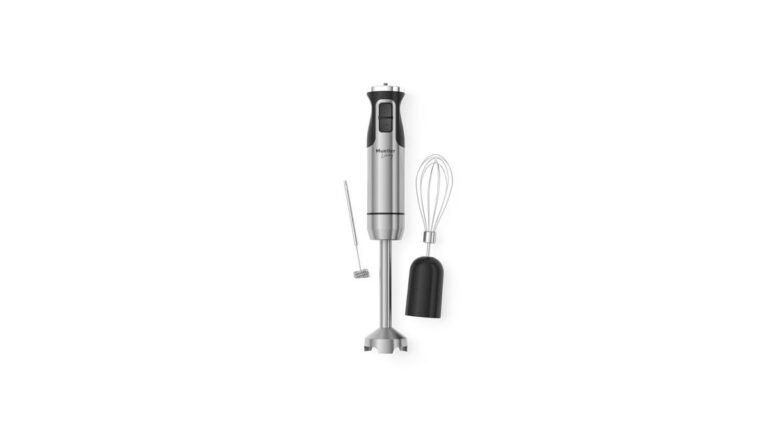
The best value immersion blender is a mid-range model with a 220-watt motor, stainless steel blades, and a price between $30 and $50. This range balances power and durability without paying for unused professional features. Cheap models burn out quickly, while expensive units add unnecessary weight.
What Makes a Blender Good Value
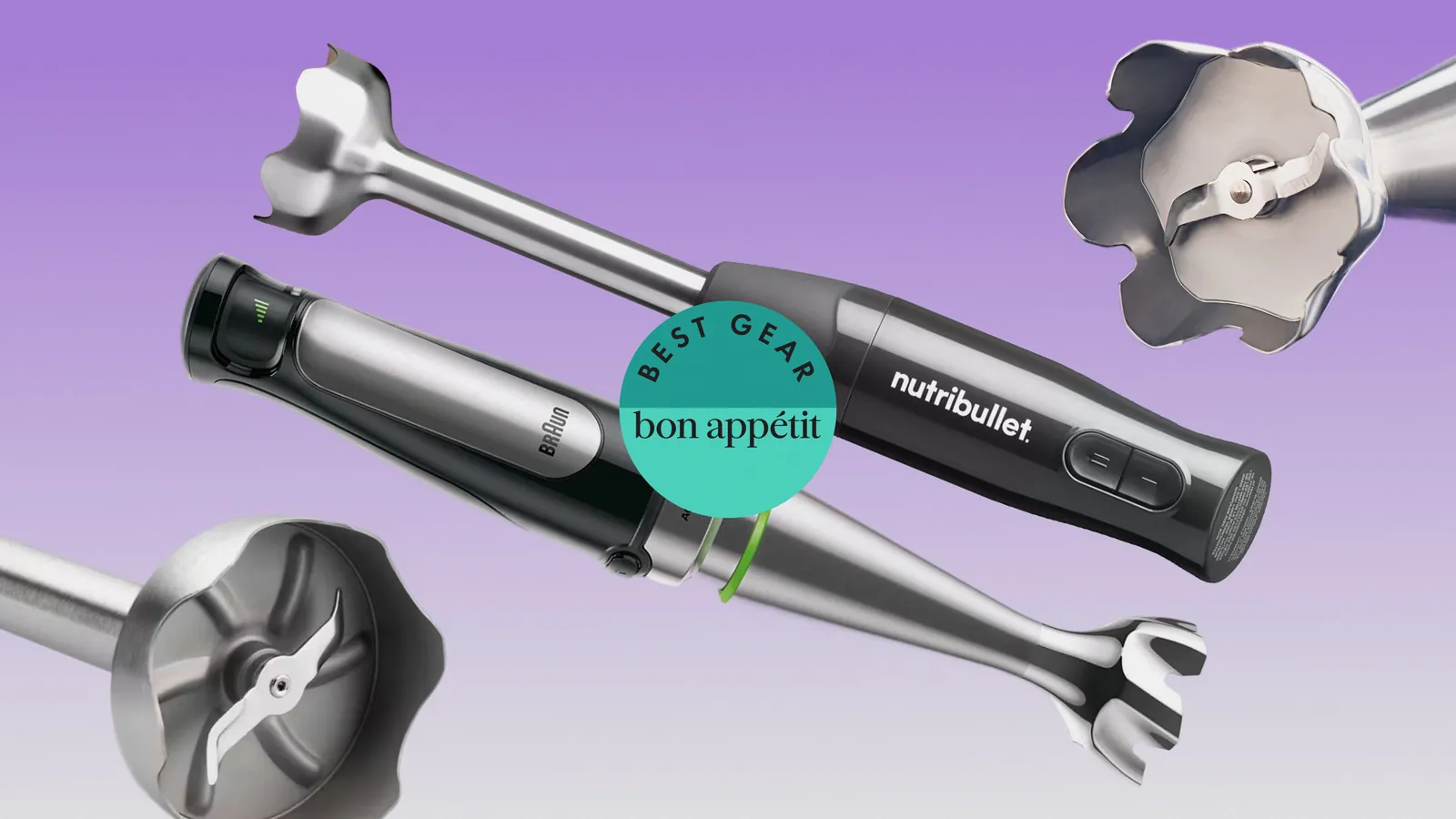
Value isn’t just about the lowest price tag. It’s about how long the tool lasts and how well it performs daily tasks. An immersion blender, also called a hand blender, lets you mix ingredients directly in the pot or cup. This saves time on cleanup because you don’t need to transfer hot soup to a bulky countertop machine.
The main misconception people have is that more watts always mean better blending. While power matters, the design of the blade guard and the quality of the motor housing are more important for longevity. A cheap plastic gear inside a high-watt motor will still strip if the blade hits a hard object.
Home cooks preparing soft fruits, cooked vegetables, and dairy need a blender focused on shaft material rather than ice-crushing power. Stainless steel shafts resist heat and stains better than plastic ones, which can warp in hot soup. Choose a lightweight body with a metal drive shaft for durability.
How to Choose the Right Model
Picking the right blender requires looking at specific features rather than just the brand name. Follow these steps to find a unit that fits your needs and budget.
- Check the motor power. Look for a rating between 200 and 300 watts. This is enough for most kitchen tasks. Motors below 200 watts struggle with fibrous vegetables like kale. Motors above 400 watts are often overkill for simple purees and cost more.
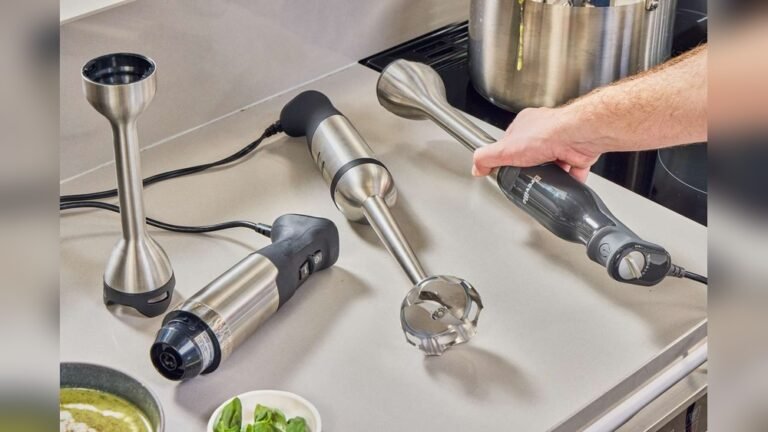
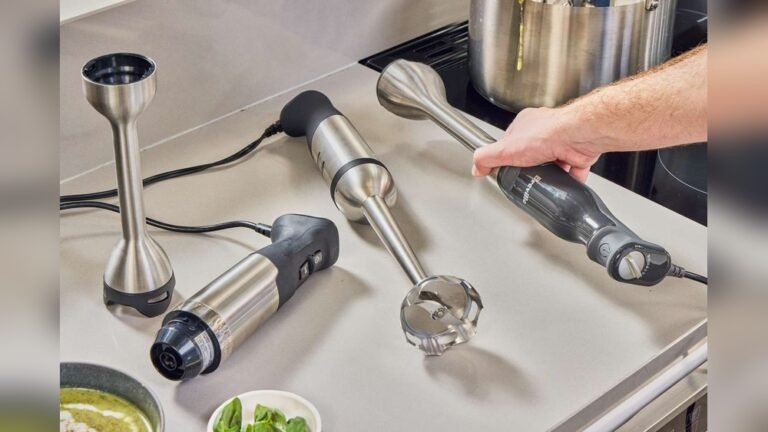
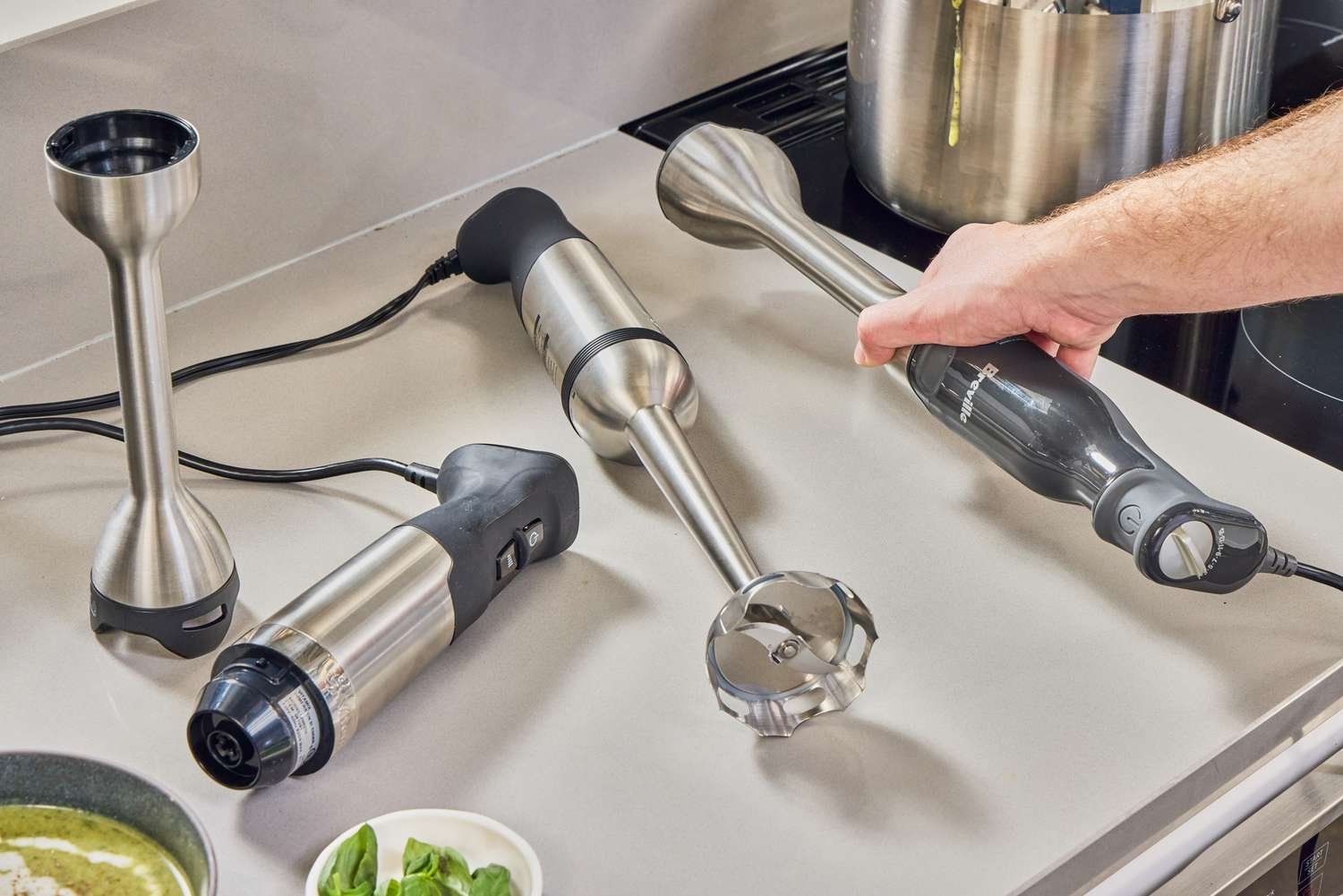
- Inspect the blade guard. The metal cage around the blades should have wide openings. Narrow openings clog easily with thick mixtures like hummus or mashed potatoes. Wide openings allow food to flow freely to the blades.
- Test the button placement. The power button should be easy to press with your thumb while holding the handle. Avoid models where you must hold a trigger tightly for the whole time. This causes hand fatigue. A lock-on feature is useful for long blending sessions.
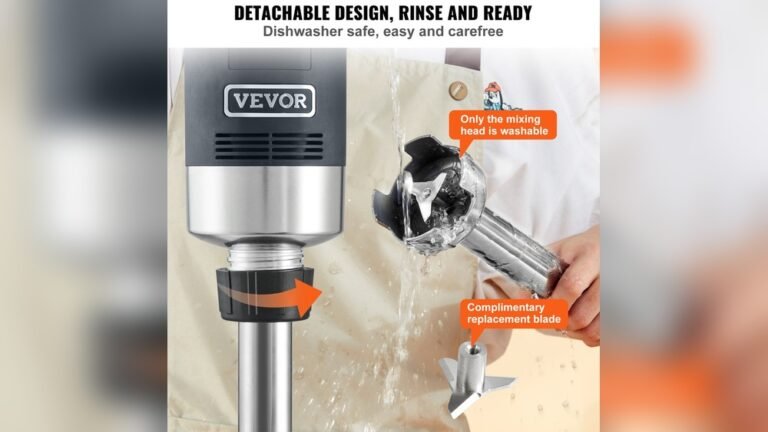
- Look for detachable parts. The shaft and blade assembly should come off the motor body. This makes cleaning much easier. You can wash the metal part in the sink or dishwasher without getting the motor wet.
- Check the cord length. A cord shorter than three feet limits where you can plug it in. You want at least four to five feet of reach so you can move around the kitchen.
- Verify the warranty. A one-year warranty is standard. Two years is better. No warranty means the manufacturer doesn’t trust their own product.
The single judgment call that separates a good result from a bad one is patience. Don’t rush the blending process. Move the blender up and down slowly. If you push it down too fast, you create air pockets and leave chunks unblended. Let the blades do the work.
If the motor sounds strained, stop and stir the mixture manually. Forcing the blender damages the gears. If you’re unsure about the electrical safety of a used model, buy new. Never open the housing of a blender to fix it yourself. Leave repairs to a technician.
Key Numbers and Settings at a Glance
Different tasks require different approaches. Use this table to match your food type with the right settings and expectations.
| Situation | What to use | How long | What to watch for |
|---|---|---|---|
| Hot Soup | Standard blade stick | 30-60 seconds | Steam rising; keep lid slightly ajar to vent |
| Smoothie | Whisk attachment first, then blade | 45-90 seconds | No large fruit chunks remaining |
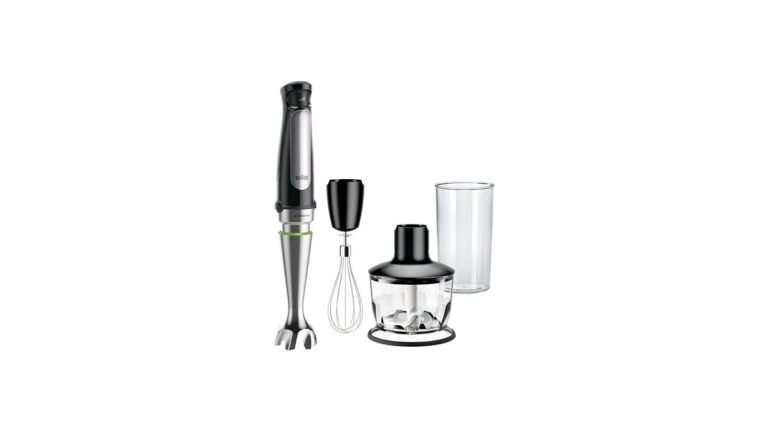
| Mayonnaise | Small chopper bowl + blade | 20-30 seconds | Mixture thickens and pulls away from sides |
| Mashed Potatoes | Standard blade stick | 15-30 seconds | Stop before it becomes gluey |
| Baby Food | Standard blade stick | 30-45 seconds | Completely smooth texture with no lumps |
| Whipped Cream | Whisk attachment | 2-3 minutes | Soft peaks form; don’t overbeat |
These times assume a standard 250-watt motor. If your model is weaker, add 15 seconds to each task. If it’s stronger, check 10 seconds early. Always start on the lowest speed setting. High speed splashes hot liquid and creates messes. Increase speed only if the mixture is too thick for low speed.
Watch the texture closely. Over-blending potatoes makes them sticky. Over-whipping cream turns it into butter. The goal is consistency, not maximum power. Keep the blender moving in a circular motion. This ensures all ingredients get blended evenly. Don’t leave the blender in one spot. This creates a vortex that leaves food at the edges untouched.
Details That Separate Good From Bad
Experienced users know that preparation matters as much as the tool itself. Cut ingredients into uniform pieces before blending. Large chunks jam the blades and strain the motor. If you’re making soup, let it cool slightly before blending. Boiling liquid can splash and burn you. It also creates pressure that can blow the lid off a container.
Warm soup blends safely and effectively. Clean the blender immediately after use. Dried food sticks to the blades and guard. Soak the shaft in warm soapy water for five minutes if food is stuck. Use a brush to clean between the blade guards. Don’t use steel wool on stainless steel. It scratches the surface and creates places for bacteria to hide.
The angle of entry matters: hold the blender at a slight tilt to pull food into the blades. Holding it vertically can trap air bubbles in the mixture, leading to a frothy texture rather than a smooth puree. Lower the blender until the sound drops to a normal hum, indicating proper engagement.
Common Problems and Quick Fixes
Even good blenders have issues. Here is how to solve the most common problems without calling support.
| What you notice | What it usually means | What to do first |
|---|---|---|
| Motor hums but blades don’t spin | Food jammed in blade guard | Unplug and remove debris with a fork |
| Blender stops after 30 seconds | Thermal overload protection triggered | Let it cool for 15 minutes |
| Leaking from the shaft seal | Seal worn or cracked | Replace the shaft assembly; don’t use |
| Loud grinding noise | Gear damage or foreign object | Unplug and inspect blades for damage |
| Weak blending power | Dull blades or low voltage | Check outlet; sharpen or replace blades |
If the motor smells like burning plastic, stop using it immediately. This indicates internal electrical failure. Don’t try to fix it. Dispose of it safely. If the blades are dull, they won’t cut food. They will just mash it. This results in a chunky texture.
Most value models don’t have replaceable blades. If the blades are dull, you need a new blender. Keep the blade guard clean. Food buildup reduces efficiency. Rinse it after every use. Don’t put the motor body in water. Wipe it with a damp cloth. Water inside the motor causes short circuits.
Safety Rules and Limits
Safety rules exist to prevent injury, not just to satisfy legal requirements. The Consumer Product Safety Commission recalls blenders with faulty switches that cause unexpected startup. Always unplug the blender before attaching or removing parts. This single step prevents accidental activation while your fingers are near the cutting edge. Never touch the blades with your hands, even when the unit is off. They’re sharp enough to slice skin on contact. Use a brush or sponge to clean them safely.
Keep the blender away from children at all times. The cord can be a strangulation hazard if pulled. Don’t use the blender in a metal bowl if the shaft touches the sides. This contact can create dangerous sparks or damage the motor housing. Use glass, ceramic, or plastic containers instead. Ensure the container is deep enough for the volume you’re processing. Shallow containers cause violent splashing that ruins countertops and wastes food.
Hot liquid can cause severe burns if it erupts from the lid. Fill the jar no more than halfway and remove the center cap to let steam escape. Cover the opening with a folded towel to catch splatters. Wear an apron and use caution during this process. If you have a pacemaker, consult your doctor before using high-powered models. This is rare, but worth checking to ensure personal safety.
Keeping It Working Afterwards
Proper care extends the life of your blender significantly. After each use, detach the shaft immediately. Rinse it under warm water to remove residue. Use a small brush to clean the blade guard thoroughly. Dry every component completely before storing them away.
Lingering moisture causes rust on the metal parts quickly. Store the motor body in a dry, cool place. Never wrap the cord tightly around the motor base. This practice stresses the internal wires and leads to failure. Loop it loosely or secure it with a soft tie.
Check the rubber seals on the shaft occasionally. If they look cracked, brittle, or discolored, replace the shaft at once. Most manufacturers sell these replacement parts separately online. This repair is far cheaper than buying a new unit. Don’t use abrasive cleaners or scouring pads on the plastic housing. They scratch the surface and create hiding spots for bacteria. Use mild soap and water with a soft cloth instead.
If your blender includes a whisk attachment, always wash it by hand. Dishwashers generate heat that can bend the thin metal wires permanently. Straighten them gently with pliers if they become misshapen. Store all attachments in a dedicated drawer or box.
Loose items left on counters get lost or damaged easily. Keep the lid vent clear of dried food particles too. A clogged vent creates pressure buildup during blending. This strain damages the motor over time. Clean the vent with a toothpick after heavy use. Regular maintenance prevents costly repairs later.
When to Use a Different Approach
An immersion blender isn’t the right tool for every job. If you need to crush ice, use a countertop blender. Immersion blenders can’t handle hard ice cubes. The blades will chip or break. This damage is rarely covered by warranty because it counts as misuse.
If you need to grind dry ingredients like coffee beans or spices, use a spice grinder. Immersion blenders are designed for wet ingredients. Dry grinding creates fine dust that gets into the motor housing. This dust ruins the electronics over time. You might not notice the damage immediately, but the motor will eventually fail.
If you need to knead dough, use a stand mixer or your hands. Immersion blenders don’t have the torque to handle thick dough. The motor will burn out quickly under this strain. Even stiff mashed potatoes can stall a weak unit. Watch for the sound of the motor slowing down. Stop immediately if you hear this change in pitch.
If you’re making large batches of soup for a crowd, use a countertop blender. It’s faster and handles larger volumes safely. Immersion blenders are best for small to medium batches. They struggle with more than two quarts of liquid. Know the limits of your tool. Using it for the wrong task wastes time and money. It also risks permanent damage to the appliance.
Frequently asked questions
How long does a value immersion blender last?
A good value immersion blender lasts three to five years with regular use. Proper cleaning and avoiding motor overload extend this lifespan significantly. Daily use wears gears faster than weekly use, so listen for strange noises as a warning sign.
Is it safe to blend hot soup?
Yes, but let hot soup cool for five minutes to prevent dangerous splashing. Keep the blender fully submerged and start on the lowest speed. Never blend boiling liquid, as steam pressure can explode the container, so always leave space for movement.
Can I put the whole blender in the dishwasher?
No. Only the detachable shaft and blade guard are dishwasher safe. The motor body contains electrical components. Water damages these parts. Wipe the motor body with a damp cloth. Check the manual for your specific model. Some shafts aren’t dishwasher safe either. Hand washing is safer for the blades. It keeps them sharper for longer.
Why does my blender leak?
Leaking usually means the seal between the shaft and the motor is worn. Or the seal on the blade guard is cracked. Stop using it immediately. Liquid inside the motor causes short circuits. It’s a fire hazard. Replace the shaft assembly if possible. If the leak comes from the motor body, discard the blender. Don’t try to repair it yourself. Electrical repairs require a technician.
What wattage do I need for smoothies?
You need at least 200 watts for smoothies. This handles soft fruits and yogurt. For frozen fruit, you need 300 watts or more. Lower wattage motors struggle with frozen items. They may stall or overheat. Cut frozen fruit into small pieces first. Add liquid to help the blades move. Don’t force the blender. Let it work at its own pace. If it struggles, add more liquid.
Can I use it to chop onions?
Yes, if it has a chopper attachment. Don’t use the stick blade alone. It will splash onion juice everywhere. Use the small bowl attachment. Pulse the blender in short bursts. Don’t run it continuously. This turns onions into mush. You want small, even pieces. Check the texture after each pulse. Stop when it reaches the size you want. Over-chopping releases bitter compounds.
Conclusion
A best value immersion blender balances cost, power, and durability. It doesn’t need to be the cheapest or the most expensive. It needs to fit your cooking habits. Look for stainless steel, a comfortable grip, and a warranty. Clean it well and store it safely. It will serve you well for years.