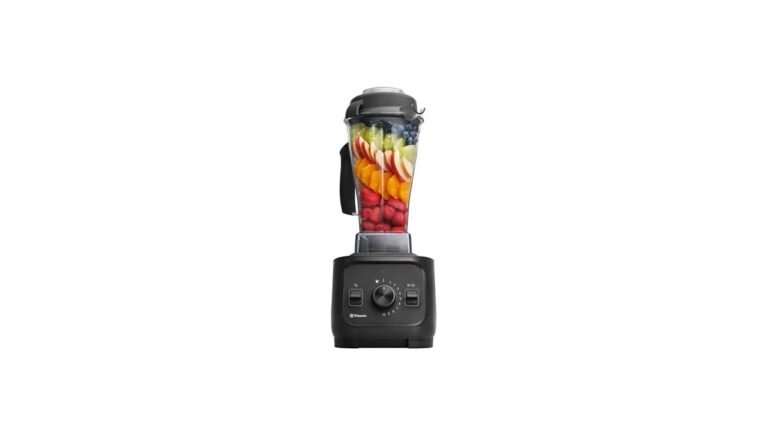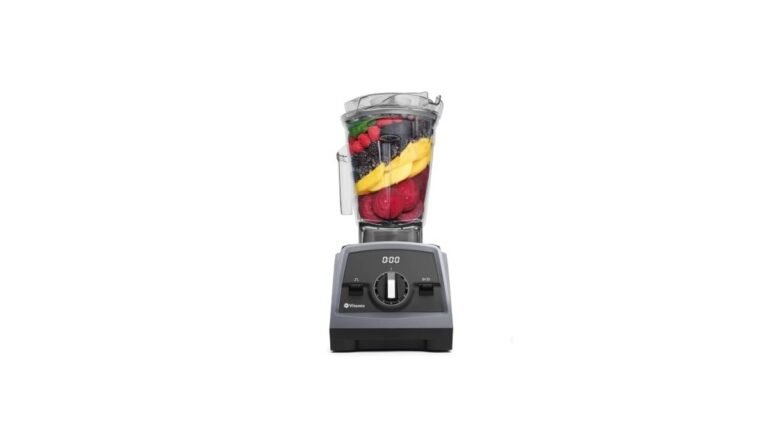
How Much Does A Vitamix Blender Cost
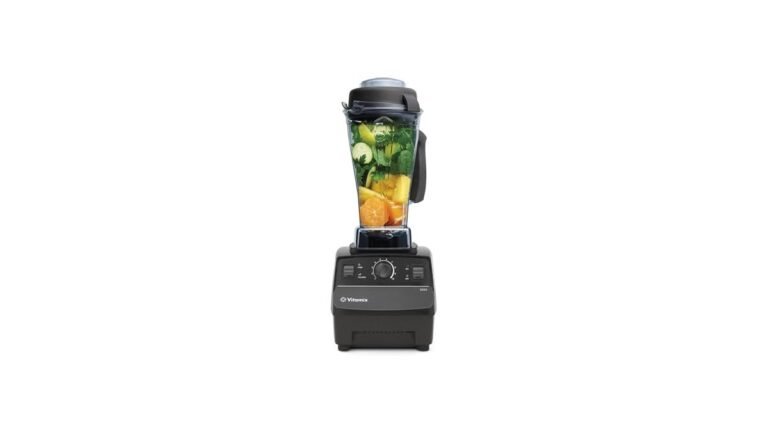
Vitamix blenders cost $299 to $799, with most full-size home models selling for $399–$549. These include variable speed control, preset programs, and a 64-ounce container, assuming purchase new from an authorized US retailer.
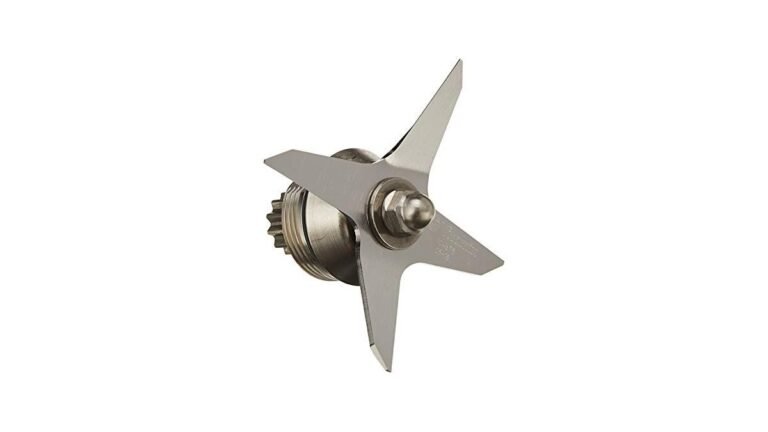
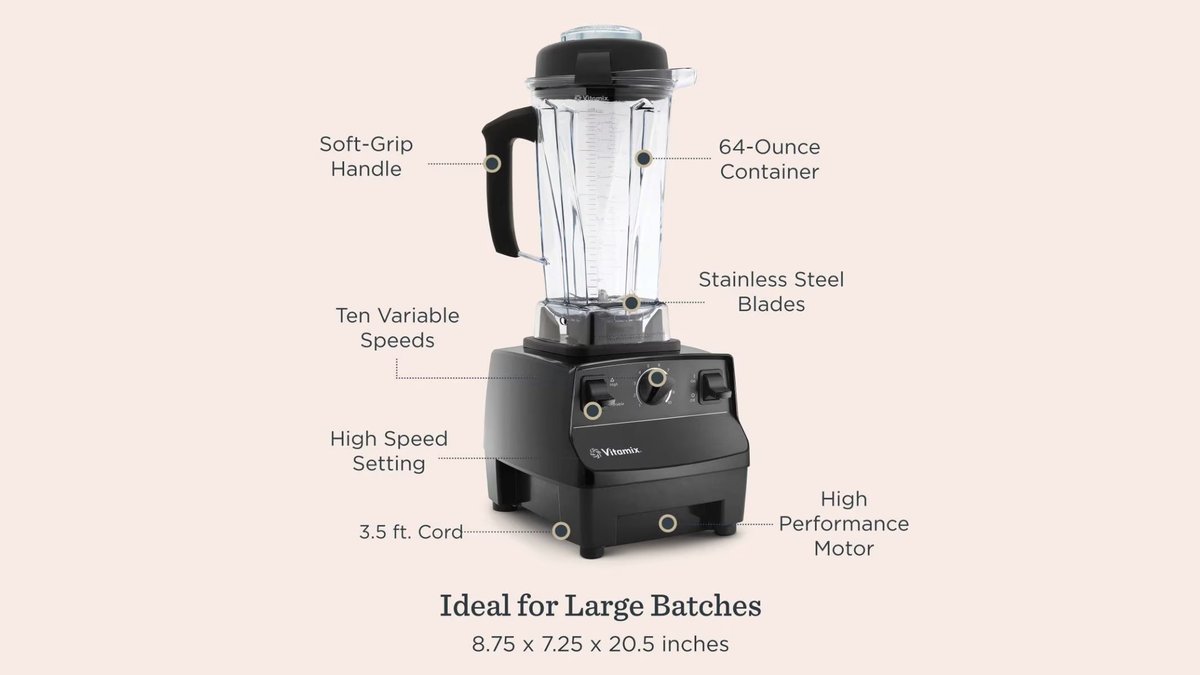
Vitamix blenders cost more than most brands because they use aircraft-grade stainless steel blades, high-torque motors (2.2–3.8 peak HP), and hardened polycarbonate containers rated for 10+ years of home use. But the final number depends on your kitchen space, how often you’ll use it, what you plan to blend (smoothies, hot soups, nut butters, frozen desserts), and whether you want preset buttons or manual control only.
Who Needs a Vitamix — and Which One Fits Them
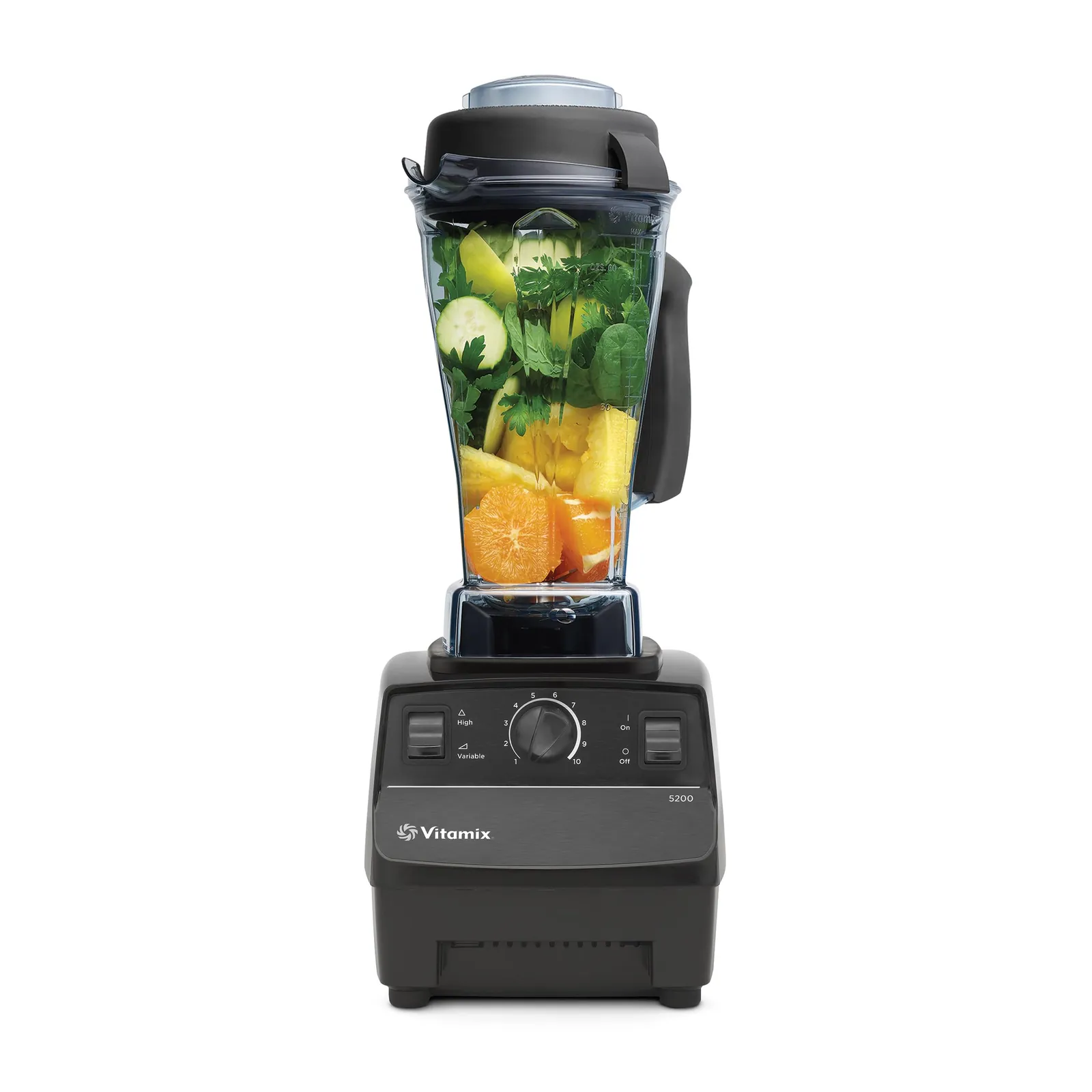
People wondering how much a Vitamix blender costs often already own a mid-tier blender like a Ninja or NutriBullet and want something stronger, quieter, and more durable for frozen fruit, oats, or leafy greens.
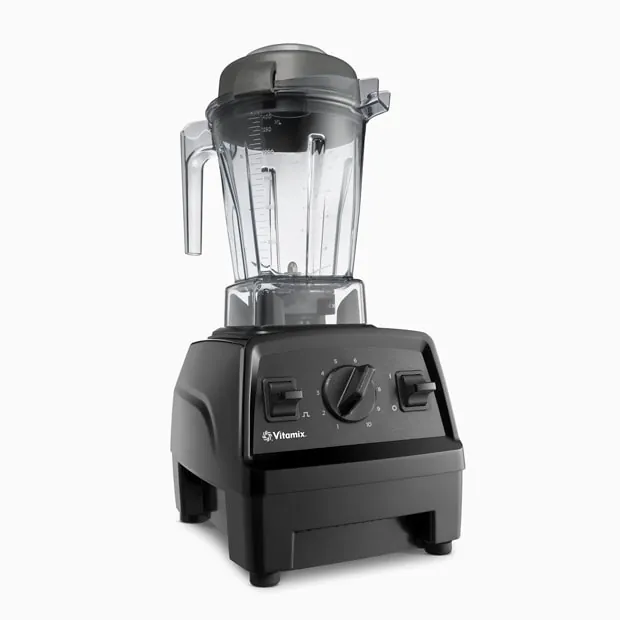
Others new to high-performance blenders assume all Vitamixes are expensive, not realizing the $299 Explorian E310 delivers core Vitamix performance with fewer presets and a simpler interface.
The third group runs a small business (juice bar, meal-prep service, café) and needs commercial-grade power and warranty support. They’re comparing the Vitamix Commercial 300 (with its 3-year onsite warranty) against the Ascent A3500 — but they don’t realize the commercial models require special electrical outlets and aren’t meant for home kitchens.
This page serves home users who want honest pricing and real trade-offs, assuming personal use in a standard US kitchen with a 120V outlet and 3–7 weekly blends.
What Actually Changes Vitamix Blender Cost
The final price you pay for a Vitamix blender isn’t set by brand prestige — it’s driven by four concrete things: motor strength and cooling, container material and size, control interface type, and warranty length.
Motor power matters most: the base Explorian E310 uses a 2.2 peak HP motor with passive cooling, while the top-tier Ascent A3500 uses a 3.8 peak HP motor with active airflow and thermal sensors. That extra power adds $200–$250 — but only if you regularly blend thick nut butters, hot soups, or large batches.
Container type is the second biggest driver. All full-size Vitamixes use BPA-free Eastman Tritan copolyester, but the Ascent series offers self-detecting containers with embedded chips ($30–$50 extra). The 64-ounce low-profile container is standard on most models, but the 48-ounce “personal cup” version (for single servings) costs $25 more — and only fits Ascent and Venturist models.
Control interface adds another layer. Dials and buttons are standard. Touchscreen displays with Bluetooth, recipe apps, and auto-programming (like the Ascent A3500) add $150–$200. You’ll pay more for preset soup, smoothie, and ice crush modes — but if you use only manual speed control, those features are unnecessary.
Warranty length is the fourth factor — and the one people get wrong most often. The E310 comes with a 5-year full warranty. The Ascent models offer 10 years — but only on the motor and electronics, not the container or lid. Many assume “10-year warranty” means everything is covered for a decade; it doesn’t. Check the warranty document, not the box.
How to Choose the Right Vitamix for Your Budget
Check your outlet and counter space first. Vitamix full-size models need a dedicated 15-amp circuit and at least 17 inches of vertical clearance. If your kitchen is tight or your breaker trips when you run the microwave and blender together, skip the 3.8 HP models and choose the E310 or Explorian E320 — both draw less power and fit under standard cabinets.
Decide whether you need preset programs. Press “Smoothie” and walk away? Go for Ascent or Venturist. Prefer dialing speed manually and timing blends yourself? The E310’s simple dial + pulse button gives you full control for $299 — same motor, same container, same warranty as pricier models.
Pick the container size you’ll actually use. Most households blend 2–4 servings at once. The 64-ounce container works for that. If you mostly make single-serve smoothies, the 48-ounce container is quieter and easier to clean — but it only fits Ascent and Venturist models, adding $25–$40.
Add the lid and tamper you need. All models include a standard lid and tamper. If you blend thick batters or nut butters, upgrade to the “dry blade” container ($40 extra) — it has a different blade angle and works better for grains and powders.
Look for authorized retailers only. Vitamix sells direct and through Amazon, Williams Sonoma, and Sur La Table. Avoid third-party sellers on eBay or Walmart Marketplace — they sometimes ship refurbished units without disclosing it, and those lack full warranty coverage.
Wait for official sales — not random discounts. Vitamix runs two major sales per year: Memorial Day and Black Friday. During those, the E310 drops to $279 and the Ascent A2500 hits $449. Don’t trust “limited-time” pop-up deals on unknown sites — they’re often fake.
The single judgement call that separates a good choice from a poor one is whether you’ll use the extra features enough to justify the cost. If you press “Soup” once a month but spend 20 minutes cleaning the touchscreen after every use, you overpaid. A good result means opening the box, plugging it in, and blending your first smoothie in under 90 seconds — no setup, no app, no confusion.
Vitamix Price Differences at a Glance
| Situation | What to do | What it takes | What to watch for |
|---|---|---|---|
| You want the lowest entry price | Choose the Explorian E310 | $299, 5-year warranty, basic dial controls | No preset programs; container won’t self-detect on newer bases |
| You cook hot soups weekly | Choose Ascent A2500 or A3500 | $449–$799; includes heating cycle and thermal protection | Requires 10-amp circuit; louder at high speeds |
| You live in a small apartment | Choose Vitamix S30 or E320 | $349–$399; compact 36-ounce container | Less power for nut butters; no dry-blade option |
| You blend for a family of 4+ | Choose Ascent A2500 with 64-oz container | $449; variable speed + 5 presets | Heavier (12.5 lbs); needs 17″ vertical clearance |
| You want voice/app control | Choose Ascent A3500 | $799; Bluetooth, app recipes, touchscreen | Battery in remote dies in ~18 months; no physical backup buttons |
| You need NSF certification | Choose Commercial 300 | $649; 3-year onsite warranty, dishwasher-safe parts | Requires 20-amp circuit; not UL-listed for home use |
| You want a certified refurbished unit | Buy direct from Vitamix Refurbished Store | $229–$499; same warranty as new | Limited stock; no custom container options |
What Separates a Smart Purchase from an Impulse Buy
How experienced buyers prepare
They start by measuring their cabinet height, checking their circuit label, and listing the three things they blend most often — not “smoothies,” but “frozen banana-spinach-protein powder,” “roasted red pepper soup,” or “almond butter.”
Then they open Vitamix’s official comparison chart (not a blog roundup) and filter by container size, warranty, and control type — not by color or name. They ignore “best for beginners” labels and look instead for the E310’s 2.2 HP rating next to the A3500’s 3.8 HP — because horsepower directly affects how long the motor lasts under load.
What they check while comparing
They test the noise level claim: Vitamix says “quieter than previous models,” but independent decibel tests show the E310 runs at 88 dB at full speed, while the A3500 hits 92 dB — loud enough to interrupt a video call.
They also check the container base: the E310 uses a fixed blade assembly, while Ascent models use a removable one — which makes cleaning easier but adds $30 to replacement cost. And they verify warranty terms: the 10-year coverage on Ascent models excludes the container, lid, and gasket — all of which wear out first.
A common mistake is assuming “more presets = better blender.” In reality, preset timers lock you into fixed durations — and if your bananas are extra frozen or your oats extra coarse, the preset stops too soon. Experienced users prefer manual control so they can listen for the change in pitch that signals full emulsification (a smooth, quiet hum means it’s done; a grinding rattle means it needs 5 more seconds).
What Goes Wrong — and What to Do
| What you notice | What it usually means | What to do first | How to stop it happening again |
|---|---|---|---|
| Blender shuts off mid-cycle | Motor overheated — too thick a blend or too long a run | Let it cool 30 minutes; restart on lower speed | Don’t run longer than 1 minute continuously; use pulse mode for thick mixes |
| Container cracks near the blade | Used with hot liquids before cooling below 170°F | Stop using immediately; contact Vitamix for replacement | Never pour boiling water into a cold container; always let hot blends cool 5 minutes first |
| Lid leaks during blending | Gasket is worn or misaligned | Replace gasket ($12); ensure lid clicks fully into place | Wash gasket by hand; never put it in the dishwasher — heat warps the seal |
| Motor sounds strained or whines | Blade assembly is loose or container isn’t seated | Unplug, check blade bolts, reseat container until it clicks | Tighten blade bolts every 3 months; don’t over-tighten — finger-tight plus ¼ turn |
| Touchscreen freezes or won’t respond | App sync failed or firmware outdated | Hold power button 10 seconds to reset | Update firmware via Vitamix app every 2 months — skips cause glitches |
Rules That Set the Real Price
Vitamix sets prices based on UL (Underwriters Laboratories) safety standards, FTC truth-in-advertising rules, and its own published warranty terms — not arbitrary markup. UL requires all full-size Vitamix models sold in the US to pass torque, heat, and electrical load testing at 120V/15A. That certification adds $45–$60 to manufacturing cost — and explains why no Vitamix sells for under $279 new.
The Federal Trade Commission mandates that “10-year warranty” claims must cover the motor and electronics for the full term — but allows exclusions for wear parts like gaskets, lids, and containers. Vitamix complies by publishing exact coverage terms on its website and in every box. If a seller advertises “10-year warranty” without stating exclusions, that violates FTC Rule 16 CFR Part 239.
Vitamix also follows the Magnuson-Moss Warranty Act, meaning it can’t void your warranty for using non-OEM parts — but it can deny claims if damage is caused by them. So while you can use a third-party tamper, Vitamix won’t cover motor damage if that tamper jams the blade. That’s why authorized retailers only sell OEM accessories — not because they’re “better,” but because they’re documented to work safely.
What It Really Costs You
Buying a Vitamix isn’t just about the sticker price — it’s about time, effort, and risk. The $299 E310 saves $500 up front, but if you later upgrade to an Ascent model, you’ll pay full price for a new base and lose the value of your old one — Vitamix doesn’t offer trade-ins.
Meanwhile, the $799 A3500 includes free shipping, a 30-day trial, and priority phone support — but its touchscreen adds complexity: firmware updates take 8 minutes, and resetting it after a glitch takes 3 steps.
Effort cost varies most. The E310 cleans in 60 seconds: add water and dish soap, pulse 30 seconds, rinse. The Ascent models require wiping the touchscreen, syncing the app, and occasionally recalibrating the container sensor — about 2 extra minutes per clean. That’s 12 hours per year if you blend daily.
Risk is lowest with authorized purchases: Vitamix honors warranties only for units bought from vitamix.com, Amazon.com/vitamix, Williams Sonoma, or Sur La Table. Buying from a local hardware store or unknown Amazon seller risks receiving a gray-market unit — one shipped from Canada or Mexico — with no US warranty coverage. There’s no way to spot it without checking the serial number on Vitamix’s warranty portal first.
Keeping It Running Smoothly
After buying, keep your Vitamix working like new by cleaning it immediately after each use — dried-on residue stresses the motor during the next blend. Fill the container halfway with warm water and one drop of dish soap, then run on high for 30–60 seconds. Rinse thoroughly. Never soak the base in water or run it without liquid — even for “dry cleaning.”
Replace the rubber gasket every 12–18 months if you blend daily, or sooner if you notice leaks. Vitamix sells replacements for $12 — but third-party gaskets often fail within 3 months because they use softer silicone that deforms under pressure.
Check the blade assembly every 3 months: unplug the unit, remove the container, and tighten the center bolt with the included wrench — just until snug. Over-tightening strips the threads; under-tightening causes wobble and noise.
The sign it’s time for service is a high-pitched whine during blending, even with fresh gasket and tightened blade. That means the motor bearings are wearing. Vitamix charges $199 for in-warranty motor repair (if under warranty, it’s free); out-of-warranty, it’s $299. Keep your receipt and original box — they’re required for service.
When a Vitamix Isn’t the Right Choice
If you only blend soft fruits, baby food, or protein shakes 1–2 times per week, a Vitamix is overkill — and you’ll pay for power you don’t use. A $129 Breville Fresh & Furious or $149 Ninja BL660 delivers 90% of the performance for half the price and takes up less counter space.
If you run a home-based food business and need certification for cleaning cycles, Vitamix’s commercial models are designed for that purpose — but they require a 20-amp circuit and professional installation.
If you want true portability — blending in the car, at the office, or while traveling — Vitamix offers no battery-powered models. Their smallest, the S30, still needs a wall outlet. For cordless use, consider a certified rechargeable blender like the NutriBullet Magic Bullet Pro — but know it won’t handle ice or fibrous greens like a Vitamix.
Frequently asked questions
How much does a Vitamix blender cost?
A Vitamix blender costs $299–$799 new from authorized sellers in the US. The $299 Explorian E310 is the lowest-priced full-size model with full warranty; the $799 Ascent A3500 is the highest, with touchscreen, app control, and 10-year motor coverage.
Is the Vitamix E310 worth it?
Yes, the Vitamix E310 is worth it if you want commercial-grade blending power without presets or smart features. It uses the same 2.2 peak HP motor and 64-ounce container as pricier models, and carries a full 5-year warranty — making it the best value for hands-on users.
Does Vitamix go on sale?
Yes, Vitamix runs official sales twice a year: Memorial Day weekend and Black Friday. During those events, the E310 drops to $279 and the Ascent A2500 to $449. These are the only times Vitamix lowers prices — no other “sales” are legitimate.
How much is a refurbished Vitamix?
Certified refurbished Vitamix blenders cost $229–$499 direct from Vitamix.com/refurbished. Each is tested, cleaned, repackaged, and covered by the same full warranty as new units — but stock is limited and models rotate monthly.
Is there a cheaper Vitamix?
No — Vitamix doesn’t make or license any model under $299. Units sold for less than $299 are either used, counterfeit, or gray-market imports with no US warranty. Vitamix confirms authenticity only through its serial number checker on vitamix.com.
Do I need the Ascent series?
You only need the Ascent series if you want preset programs, app-guided recipes, or self-detecting containers. For manual control, durability, and raw power, the E310 or Explorian E320 deliver identical blending results at lower cost and less complexity.
How long do Vitamix blenders last?
With daily home use and proper care, Vitamix blenders last 8–12 years. The motor is rated for 1,000+ hours of runtime — roughly 10 years at 15 minutes per day. Container and gasket wear out faster and should be replaced every 18–24 months.
What to do next
Measure your cabinet height and check your circuit breaker label — if it reads “15A” and your cabinet is under 17 inches tall, the E310 or E320 fits best. You’ll get full power without fit or electrical issues, and your first smoothie will blend in under 45 seconds with no splatter or motor strain.