What Makes A Vitamix Better Than A Blender: Performance Analysis
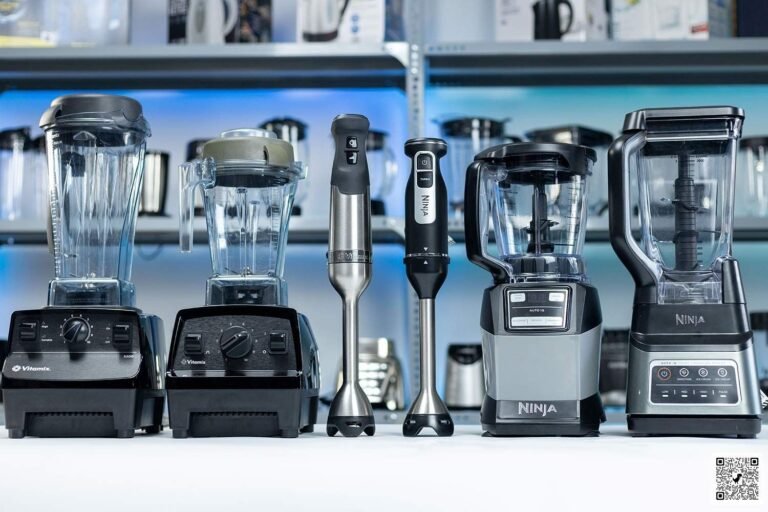
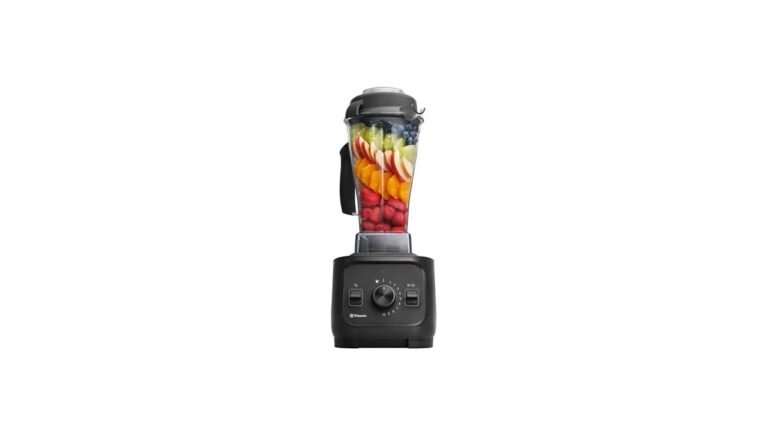
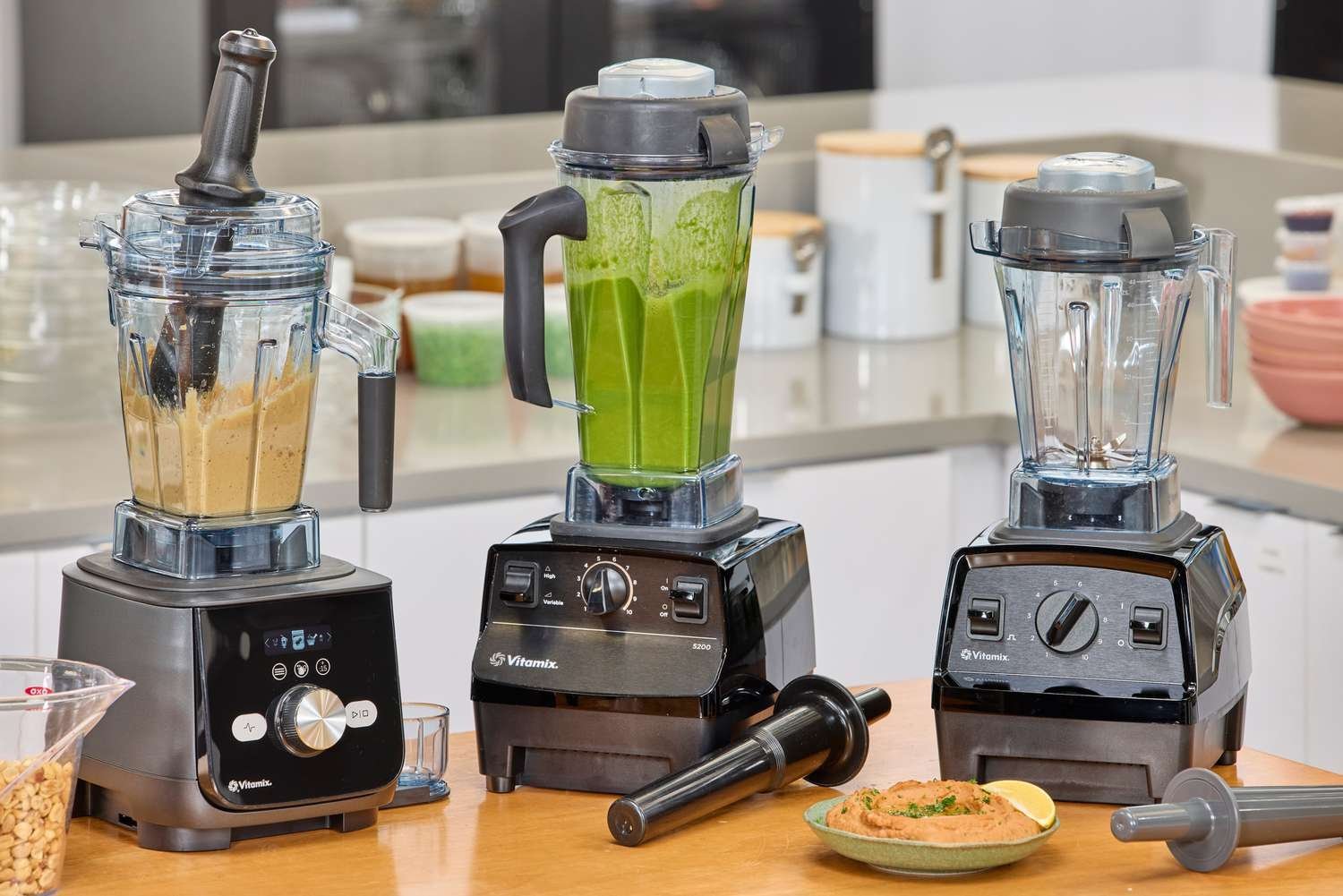
A vitamix is better than a standard blender because it pulverizes tough ingredients into a smooth consistency. While standard blenders often struggle with fibrous greens or ice, a high-performance machine uses a high-torque motor and angled stainless steel blades to create a vortex that pulls food down repeatedly.
This comparison depends on the motor power, blade speed, and the durability of the jar construction. If you only need to blend soft fruit for a simple smoothie, a basic model is enough; if you plan to crush frozen fruit, nuts, or hard vegetables daily, a high-performance blender is required.
Why a Vitamix makes blending better
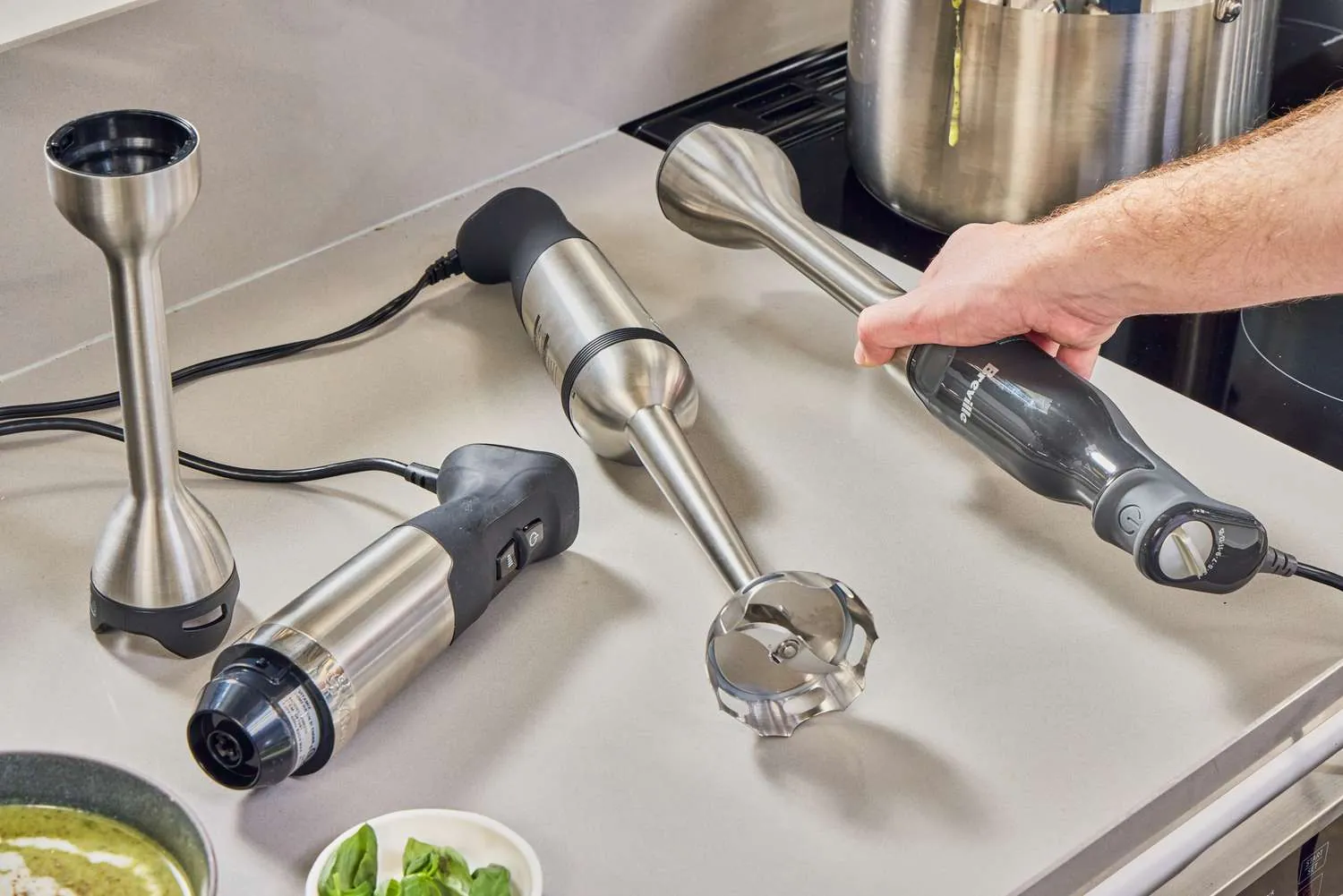
People searching for this information usually fall into one of two groups. The first group owns a basic blender and is frustrated because it leaves chunks in their smoothies or overheats when processing thick mixtures like nut butter. The second group is preparing to spend money on a new kitchen appliance and wants to know if a high-end machine is worth the higher price tag.
This page serves both groups by explaining the mechanical differences that lead to different texture results. The assumption here is that you want to move from occasional blending to daily use where texture and speed are the top priorities. If you only make a smoothie once a month, you likely don’t need the power of a professional-grade unit.
Factors that change the outcome
The motor wattage is the first thing that changes the outcome. A standard blender often uses a 300 to 500-watt motor, which can stall when it hits frozen items. A high-performance unit typically offers 1,200 to 1,500 watts, allowing it to maintain high speed under heavy loads. You can check the motor rating on the base of your unit or in the manual.
Blade design is the second factor. Standard blenders rely on sharp edges that eventually dull, while high-performance machines use thicker, blunt stainless steel blades that rely on sheer speed to pulverize food. The blunt edges don’t lose effectiveness over time, which is why these machines stay consistent for years.
Jar geometry is the third factor. A container designed for a vortex shape creates a path that forces ingredients back toward the blades. If the container is too wide or lacks this specific shape, food gets stuck on the sides and never reaches the blades. Most people ignore this, but it’s why some blenders require a tamper tool to keep ingredients moving.
Cooling systems matter for long runs. If you blend for an extended period, a weak motor may overheat and trigger a thermal shutoff. A professional-grade machine includes a dedicated fan to keep the motor cool during long tasks. You can verify this by checking if the base has visible vents for airflow.
How to use a high-performance blender
- Add liquids to the container first to help create the initial vortex.
- Place soft ingredients like yogurt or leafy greens next.
- Add frozen fruit or ice cubes last to provide weight that pushes items down.
- Secure the lid tightly and place the blender on its lowest speed setting.
- Turn the machine on and immediately increase to the highest speed.
- Use the tamper to push ingredients into the blades if a pocket of air forms.
- Blend for 45 to 60 seconds until the mixture is uniform and smooth.
- Turn the speed dial back to the lowest setting before you switch the power off.
The single judgement call that separates a professional result from a poor one is the timing of the high-speed setting. If you leave the machine on a low setting for too long, the motor will work harder and generate more heat without ever reaching the speed needed to break down cellular walls in fibrous vegetables. Always move to the maximum speed quickly to ensure the vortex does its work.
Performance comparison at a glance
| Situation | What to do | What it takes | What to watch for |
|---|---|---|---|
| Daily smoothies | Use max speed | 60 seconds | Texture smoothness |
| Nut butters | Use tamper | 3 minutes | Motor temperature |
| Hot soups | Blend on high | 5 minutes | Steam pressure |
| Crushing ice | Pulse mode | 30 seconds | Blade wear |
| Pureeing herbs | Low speed | 15 seconds | Over-processing |
For nut butters, if the motor housing feels hot to the touch after two minutes, stop immediately.
When crushing ice, avoid adding more than two cups at once. Overloading the container causes the blades to cavitate, leaving large, jagged chunks at the bottom while turning the top layer into water. If the blades spin freely without catching the ice, stop and redistribute the load.
For pureeing herbs, use the pulse button rather than a continuous setting. Continuous blending creates enough friction to cook the delicate leaves, turning them a dull, unappetizing brown. If you see the color shift from vibrant green to olive, you have already gone too far. Always prioritize short, sharp bursts to maintain both the structural integrity and the fresh flavor profile of your ingredients.
Quality of the final result
Blade speed and texture
Experienced users know that high speed is the secret to a silky texture. A fast blade speed, usually over 20,000 rotations per minute, breaks down the fibers in kale, spinach, and seeds so thoroughly that you can’t taste them.
Beginners often make the mistake of using a medium speed for too long, which results in a grainy texture and forces the motor to run hotter than necessary. If you can still see bits of fruit skin, the speed was likely too low for the load.
Managing ingredient density
Reliable results depend on how you load the container. Experienced users always put the heaviest items on top, letting gravity assist the blades in pulling the contents down into the vortex. Beginners often fill the container to the brim, which stops the vortex from forming and creates air bubbles around the blades. A good rule is to fill the container no more than three-quarters full if you’re processing thick mixtures like hummus or nut butter.
Troubleshooting common blending issues
| What you notice | What it usually means | What to do first | How to stop it happening again |
|---|---|---|---|
| Air pocket forms | Not enough liquid | Add more water | Use the tamper |
| Burning smell | Motor overheating | Turn off immediately | Blend for less time |
| Leaking base | Worn seal | Inspect the gasket | Hand wash container |
| Loud rattling | Loose blade nut | Check for debris | Tighten carefully |
| Uneven chunks | Speed too low | Increase to max | Load liquids first |
If your blender stalls, don’t force it. Pushing the motor when it’s stuck creates friction that can permanently damage the internal coils. If the blades stop moving, unplug the machine, remove the container, and stir the contents manually before restarting.
When you smell burning, check your cycle length. If you ignore this, the thermal fuse will trip to prevent a fire.
Leaking at the base often stems from the dishwasher. High heat cycles warp the rubber gasket and degrade the plastic seal. Always hand wash the container in warm, soapy water to maintain the integrity of these components.
If you encounter uneven chunks, check your loading order. Liquids must hit the blades first to create a vortex. If you add heavy frozen items before the liquid, the blades will spin in a vacuum, creating cavitation that leaves large pieces behind.
Industry rules and standards
The safety standards for these machines are often set by the Underwriters Laboratories, which tests for electrical safety and thermal protection. You can find the specific safety certification on the bottom of the base unit. If you’re in the European Union, look for the CE mark, which indicates the product meets the health and safety requirements of the European Commission.
These machines carry a risk of injury if the lid is removed while the blades are turning, so always wait for the motor to stop completely before opening the container. Never attempt to service the motor or the internal wiring yourself; if the machine fails, contact the manufacturer’s authorized service center.
The real cost of ownership
The cost of a high-performance blender is measured in both the initial purchase price and the long-term utility. While a basic unit is inexpensive, a high-performance model requires a larger upfront investment.
The cost changes based on the warranty length and the included accessories, such as different container sizes. You can check the current price and warranty terms on the official website of the manufacturer.
A longer warranty usually signals that the manufacturer expects the motor and the drive socket to last through years of daily use. While the upfront cost is higher, you save money if you don’t have to replace a burnt-out motor frequently.
Most buyers fail to account for the hidden cost of replacement parts. If you blend frozen fruit or ice, a cheap motor will likely fail. You then face the choice of buying a new machine or paying for a repair. If you use your blender frequently, the professional model is the more economical investment, though the maintenance schedule depends on your usage and the guidelines provided in the owner’s manual.
Maintaining your machine
To keep your blender running well, you must clean the container after every use. The most effective way is to fill the container halfway with warm water and a drop of dish soap, then run it on high for 30 seconds. This removes food particles from the underside of the blades without you needing to touch them.
Check the drive socket, which is the plastic gear on the base, for any signs of wear. If you notice the plastic teeth are thinning or chipped, the blender will become noisy and lose efficiency. You can order replacement parts from the manufacturer’s website if you see this damage. Avoid putting the container in a high-heat dishwasher cycle, as this can degrade the seals and the plastic over time.
When to avoid this equipment
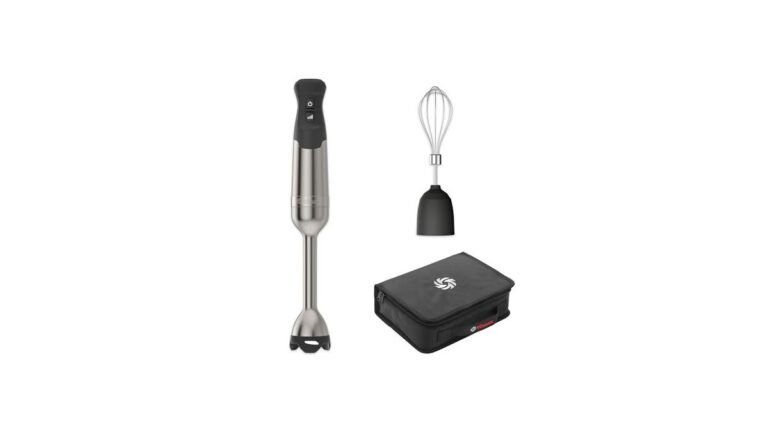
If you only need to mix thin liquids like protein shakes or pancake batter, this level of power is unnecessary. A simple immersion blender or a basic countertop unit is easier to clean and takes up much less storage space in your kitchen.
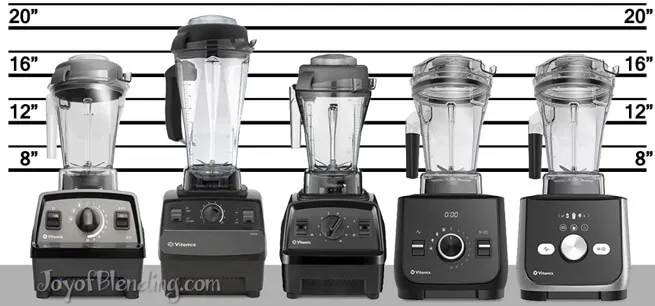
If you have limited counter space, a large, heavy base might be a burden rather than a benefit. In these cases, a compact model is the better choice because it performs the simple tasks you need without the bulk.
Avoid this equipment if your daily workflow involves fewer than three batches per week. The time saved during the actual blending process is quickly lost to the secondary effort of scrubbing the heavy-duty blades and the oversized canister. If you find yourself washing more plastic than you’re drinking, you have over-purchased. Stick to a model with simpler controls and a smaller motor if you aren’t comfortable handling high-speed equipment.
Frequently asked questions
Can a regular blender make nut butter?
Most regular blenders can’t make nut butter because they lack the necessary torque to process thick, dry ingredients. The motor will likely overheat and trigger a safety shutoff before the nuts reach a creamy consistency. A high-performance blender is designed with enough power to handle the resistance of thick pastes.
How long should a blender last?
You can verify the expected lifespan by checking the length of the manufacturer’s warranty, which is often a strong indicator of the internal component quality.
Is it safe to blend hot liquids?
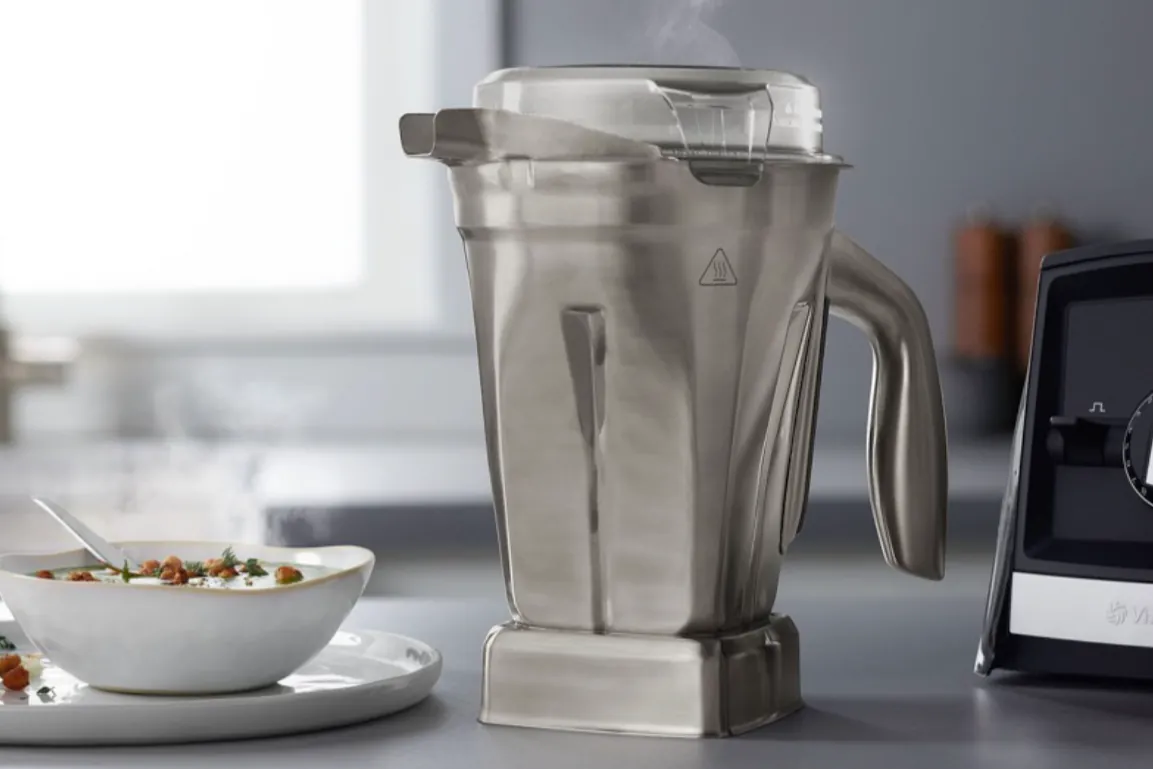
It’s safe to blend hot liquids if you use a container specifically rated for heat and leave room for steam to escape. Always fill the container no more than halfway and start on the lowest speed to prevent pressure buildup. Check your specific manual for the maximum temperature limit.
Why does my blender smell like burning?
A burning smell usually means the motor is struggling against a load that’s too thick or the blades are jammed. Turn the machine off immediately and add more liquid to help the ingredients move freely. If the smell persists after the motor cools, contact the manufacturer for a safety inspection.
Does the blade shape matter for smoothies?
The blade shape matters because it dictates how the vortex pulls ingredients into the cutting zone. A high-performance blender uses a design that creates a constant downward pull, which is essential for a consistent texture. Standard blenders often have blades that simply spin the food around without pulling it down.
What happens if I overfill the container?
Overfilling the container stops the vortex from forming, which prevents the ingredients from reaching the blades. This leads to uneven blending and puts extra strain on the motor as it tries to force the mass to move. For best results, keep the volume at or below the maximum fill line.
Conclusion
Start by placing your liquid ingredients in the container, followed by your solids and frozen items. Once you turn the machine on, watch for the vortex to form in the center of the mixture. If the vortex stops, use your tamper to keep the ingredients moving until the texture is perfectly smooth.