How To Fix A Vitamix Blender: Simple Steps And Quick Fixes
You can often fix a Vitamix blender by checking the power cord, clearing the base vents, or resetting the overload protector. This simple process solves most common issues without needing tools or a service center. The exact solution depends on whether the motor hums but won’t spin, if it makes a grinding noise, or if it simply refuses to turn on at all.
Three main factors decide your path: is the blade assembly stuck, is the safety switch disengaged, or is the internal fuse blown? If the unit is under warranty, you shouldn’t attempt any repair yourself. If it’s out of warranty and the problem is minor, you might save money by doing the check yourself.
When you need to fix your Vitamix blender
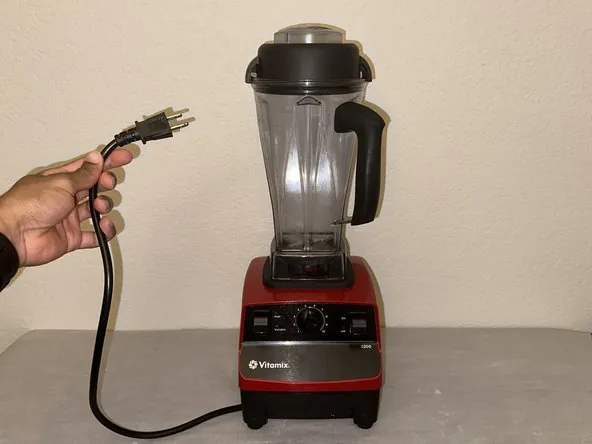
This page serves home cooks who own a standard Vitamix model that suddenly stops working and need clear steps to rule out simple errors before calling a professional, assuming a basic understanding of how to use the machine but no technical training for electronics.
If you’re a commercial kitchen owner with heavy daily use, this guide may miss complex wear-and-tear issues specific to industrial models. A professional technician is better suited for units that have been dropped or suffered liquid damage inside the motor housing. Users with older, discontinued models might find parts unavailable, making replacement the only real option.
We assume your blender is plugged into a working outlet and that you have already tried restarting it after a brief pause. We also assume the container is seated correctly on the base, as this is the most common reason for a “no power” error. If these basics aren’t true, the rest of the advice won’t apply.
Safety: Inside a mains-powered machine, the parts behind the outer cover can hold a dangerous electrical charge even after it has been unplugged — that’s why they sit behind a cover. Opening the housing, or testing or replacing anything behind it, is a job for a qualified technician, never a home repair.
What decides the outcome
The single biggest factor is whether the motor receives electricity or if the mechanical path is blocked. Many users blame the motor when the issue is actually a jammed blade or a tripped thermal protector. If the blades are stuck, the motor will try to start, trip the safety, and shut down immediately. This happens often with thick mixtures like nut butters or frozen fruit.
The second factor is the age of the unit and its warranty status. Vitamix warranties cover defects for five to ten years depending on the model. If your machine is within this window, opening it voids the coverage. In this case, the correct move is always to contact support rather than trying to fix it yourself. Older units outside the warranty period require a different approach focused on cost-benefit analysis.
The third factor is the type of noise or symptom you hear. A humming sound usually means the motor is alive but the drive coupling is broken or the blades are seized. A complete silence suggests an electrical fault, a blown fuse, or a bad power cord. A grinding noise from the bottom often points to worn bearings or debris caught in the drive shaft. Knowing which sound you hear tells you exactly where to look first.
Most people get the first factor wrong by assuming the motor is dead when it’s just protecting itself from a jam. They force the lid or keep pressing buttons until the unit overheats further. Always let the machine cool down completely before testing again. This simple pause saves many motors from permanent burnout.
Step by step troubleshooting
- Unplug the blender and wait at least 30 minutes to let the internal thermal protector reset.
- Check the power cord for any visible cuts, frays, or loose connections near the plug end.
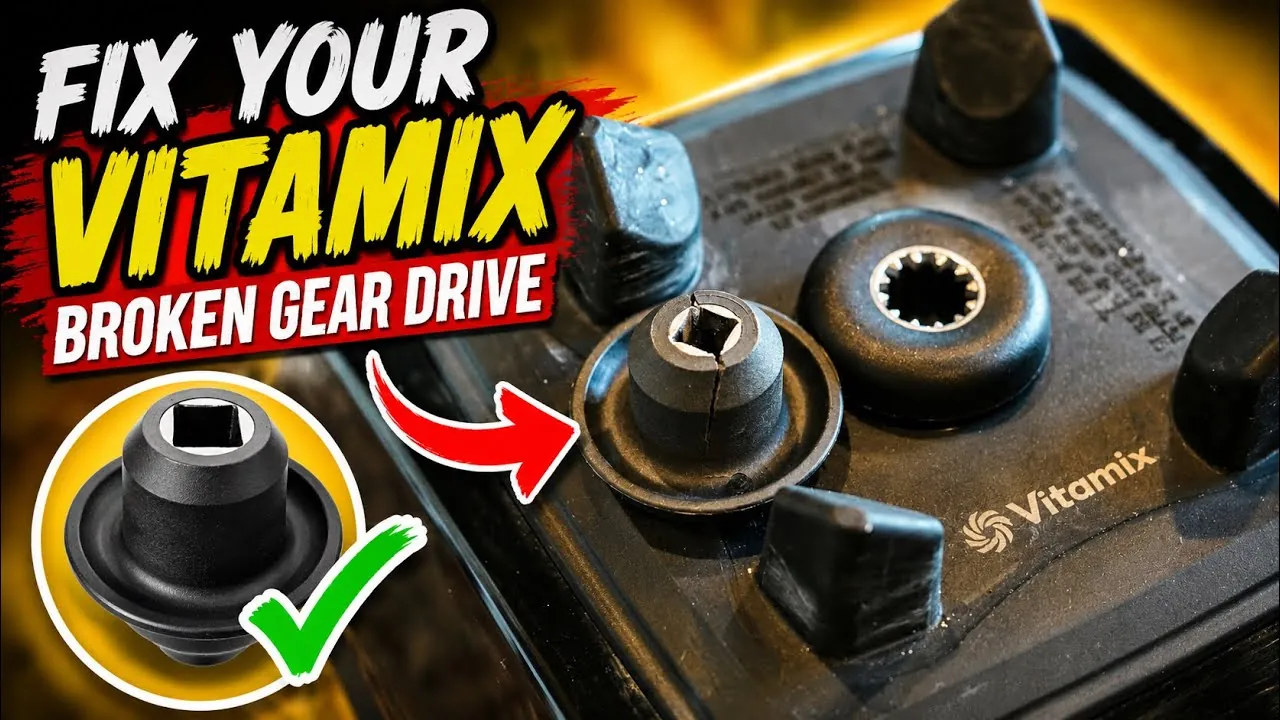
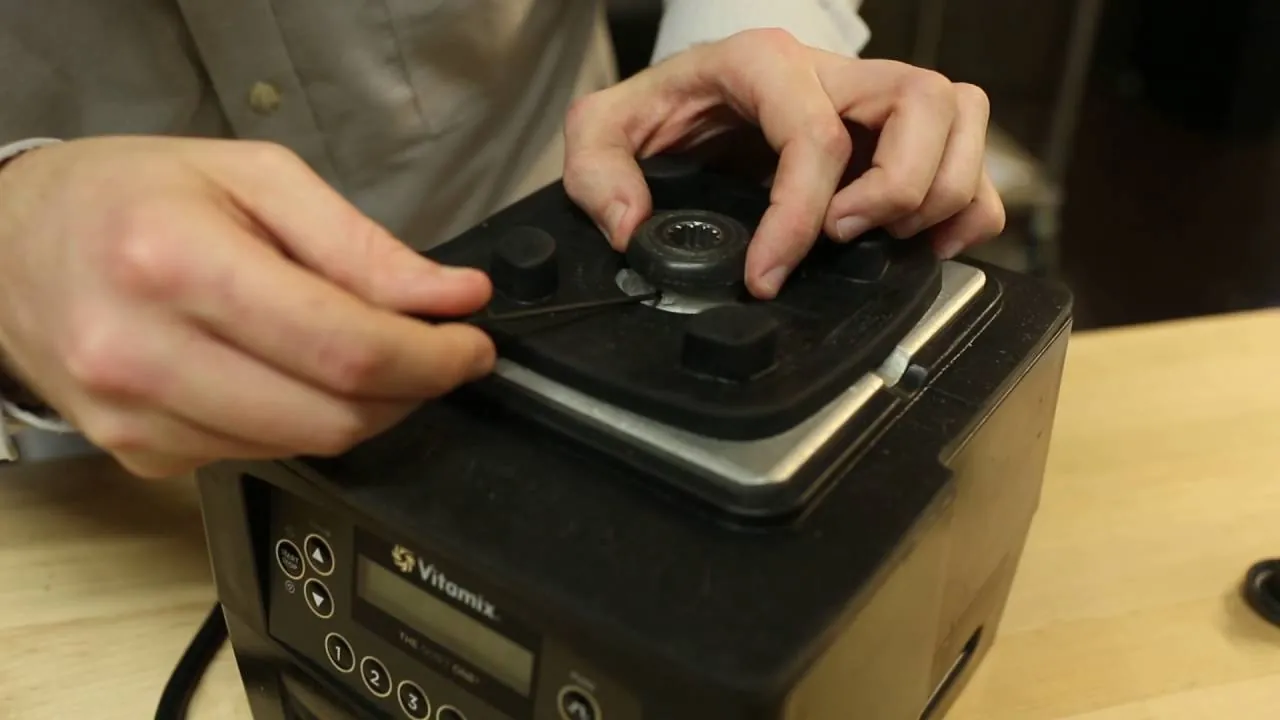
- Remove the container and inspect the drive socket on the base for cracks or food debris.
- Manually rotate the blade assembly through the bottom opening; it must spin freely without resistance.
- Reassemble the unit ensuring the container sits flat and the locking tabs click into place.
- Plug the unit back in and try the lowest speed setting before moving to higher speeds.
- Listen carefully for a hum; if present, gently push the tamper down while the motor runs.
- If it still fails, check your home circuit breaker to ensure the outlet has power.
- Smell the air around the base for a distinct burnt plastic or ozone odor indicating internal failure.
- Stop immediately if you see smoke or feel excessive heat coming from the motor housing.
The single judgment call here is deciding between a simple jam and a broken drive coupling. If the blades spin freely by hand but the motor hums without turning them, the coupling is likely stripped. This is a mechanical failure that requires a new part, not a cleaning job.
Variations at a glance
| Situation | What to do | Time/Cost | Watch for |
|---|---|---|---|
| Motor hums, blades stuck | Clear debris, let cool | 10 mins / free | Don’t force blades |
| No power, no light | Check outlet, reset breaker | 5 mins / free | Try a different wall |
| Grinding noise | Inspect base socket | 15 mins / free | Loose plastic pieces |
| Burning smell | Unplug, don’t use | Immediate / free | Call support if hot |
| Container leaks | Check gasket seal | 5 mins / free | Tighten lid firmly |
| Overheating frequently | Reduce load size | 1 min / free | Wait longer between cycles |
| Intermittent power | Wiggle cord gently | 2 mins / free | Replace cord if damaged |
Good results vs poor ones
Preparation matters
Experienced users always unplug the unit before touching anything below the container. They never force a jammed blade with a spoon or knife, risking damage to the stainless steel shaft. Instead, they remove the container and manually rotate the blade hub from the bottom. This prevents stripping the plastic gears inside the drive coupling.
Beginners often skip the cooling time, leading to repeated trips of the thermal sensor. If the motor hums but doesn’t spin after five seconds, wait at least ten minutes for the internal thermostat to reset rather than hitting it again. Forcing the machine while hot will permanently degrade the windings.
Checking the fit
A good result comes from ensuring the container locks perfectly onto the base. The metal disc on the bottom must align with the drive socket without wobble. Poor results happen when users force the container on crookedly, causing the safety switch to fail. They might also ignore small food particles trapped under the rubber gasket, which prevents a tight seal.
Always wipe the base clean before reattaching the jar. If the lid clicks once but feels loose, don’t proceed; lift the container off and check that the locking tabs are free of debris. A single crumb can break the circuit. When in doubt, hold the container steady with one hand while twisting the base clockwise until you feel distinct resistance, then stop immediately.
What goes wrong, and what to do
| What you notice | What it usually means | What to do first | How to stop it happening again |
|---|---|---|---|
| Humming but no spin | Blades jammed or coupling broken | Let cool, clear debris | Avoid overfilling thick mixes |
| No lights or sound | Power loss or tripped breaker | Check outlet and cord | Use a dedicated circuit |
| Burning smell | Motor overheating or short | Unplug immediately | Give full 30-min cooldown |
| Loud grinding | Worn bearings or loose parts | Stop use, inspect base | Clean base socket regularly |
| Leaking fluid | Bad gasket or cracked jar | Check seal, replace parts | Hand wash gaskets gently |
| Intermittent power | Loose cord connection | Wiggle cord, test outlet | Secure cord away from edges |
| Slow blending | Dull blades or low speed | Check speed setting | Use highest speed for ice |
Rules that apply
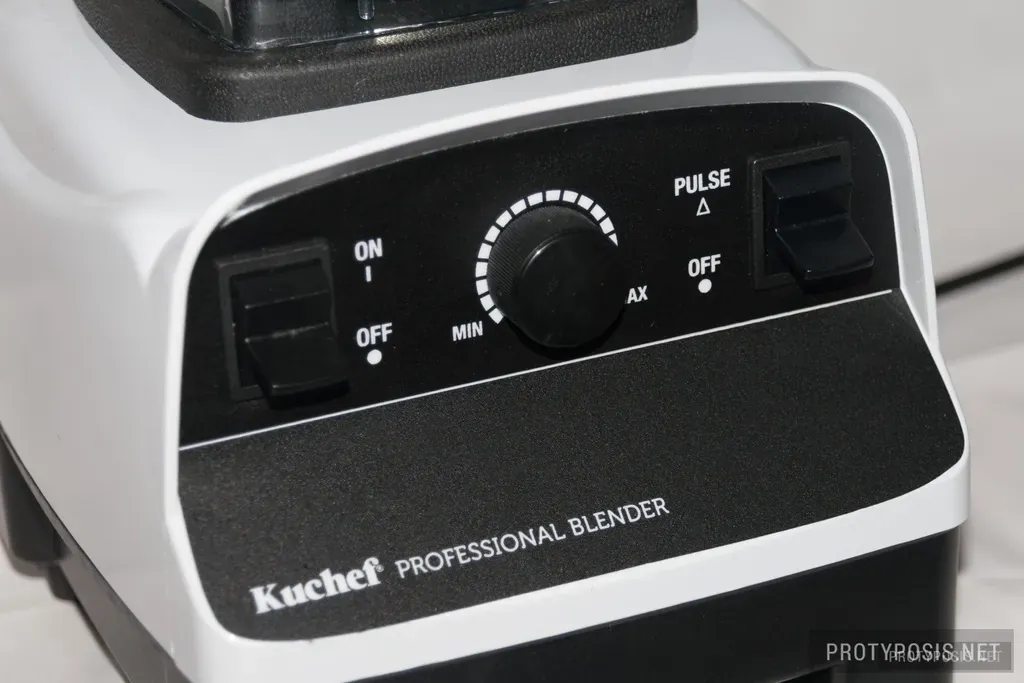
Vitamix machines contain a thermal overload protector that shuts off the motor if it gets too hot. This is a standard safety feature found in almost all high-performance blenders. You must allow the unit to cool for at least 30 to 45 minutes before attempting to restart it. Ignoring this rule causes the protector to trip repeatedly, delaying your work unnecessarily.
Electrical repairs involving the internal wiring or the motor windings are strictly prohibited for home users. The Consumer Product Safety Commission advises against opening mains-powered appliances due to the risk of electric shock. Only certified technicians should handle internal components like fuses, capacitors, or the magnetron equivalent in motors. If you suspect an internal electrical fault, contact Vitamix customer support directly.
Warranty terms vary by region and model year, so always check the official documentation for your specific unit. In the US, domestic models typically carry a five-year full warranty, while commercial models may differ. Opening the base plate or removing screws usually voids this protection immediately. Keep your receipt and serial number handy when contacting support for any claim.
What it costs you
Fixing a jam or resetting a breaker costs nothing but your time, usually taking less than 15 minutes. Cleaning the base socket and replacing a worn gasket is inexpensive relative to the alternative if you buy the part online. These are the only expenses you should expect for minor issues.
If the drive coupling is stripped or the motor has burned out, the cost jumps significantly. A new drive coupling kit is inexpensive relative to the alternative, but installation requires specialized tools and skill. Buying a replacement motor alone can be expensive, often approaching the price of a new entry-level blender. In these cases, the financial risk of DIY repair often outweighs the benefit.
Time is also a hidden cost. If you spend hours troubleshooting a complex electrical fault, you lose valuable prep time. For older units, the effort might not be worth it compared to buying a newer, more efficient model. Always weigh the repair cost against the current market price of a replacement unit.
Keeping it right afterwards
After fixing the issue, run the blender empty for 30 seconds to ensure everything spins smoothly. This brief cycle clears any loose debris from the blade assembly that might cause vibration later. Store the unit with the cord loosely coiled to prevent stress on the internal wires. Never wrap the cord tightly around the base, as this can damage the insulation over time and create a fire hazard during storage.
Check the rubber gasket on the lid for cracks or stiffness, as how often you need to do so depends on use and the owner’s manual is the authority. A failing gasket can cause leaks and moisture to enter the base, leading to future electrical problems that are often irreversible.
Clean the base socket with a damp cloth to prevent food buildup from hardening into a conductive paste, though how frequently depends on use and the owner’s manual is the authority. If the unit feels hot during normal use, give it a longer break next time to extend its life. Specifically, wait until the motor housing returns to room temperature before attempting another blend cycle, as repeated overheating degrades the windings faster than you might expect.
When this is the wrong approach
Don’t attempt this guide if your blender was dropped or has visible water damage inside the motor housing. Liquid intrusion creates a severe shock hazard that can’t be fixed by simple checks. If the unit smells strongly of burning plastic even after cooling, the internal windings are likely damaged beyond repair.
Also, avoid DIY repairs if your blender is still under the manufacturer’s warranty. Opening the case or attempting to fix the motor yourself will void your coverage immediately. In these situations, the correct path is to register the issue with Vitamix and ship the unit for service. Professional handling ensures safety and maintains your warranty rights.
If the base feels warm to the touch but doesn’t smell like burning, you might be dealing with a thermal overload rather than permanent failure. Wait thirty minutes for the internal fuse to reset before trying again, as forcing it while hot can melt the circuit board permanently. This temporary pause saves hours of troubleshooting on a problem that resolves itself once the motor cools down naturally.
Check the date code stamped on the bottom plate to confirm age. Older units often have brittle wiring that snaps when you twist the cord during disassembly. Replacing a single wire in an old unit costs more in time and risk than buying a new one, so consider the total cost before cutting into the casing.
Frequently asked questions
Why does my Vitamix hum but not blend?
The motor is receiving power but the blades are physically blocked or the drive coupling is broken. Clear any debris from the jar and let the unit cool for 30 minutes before trying again.
How long should I wait after it stops?
Wait at least 30 to 45 minutes for the thermal protector to reset fully. Rushing this step often leads to immediate re-tripping of the safety mechanism.
Is it safe to open the base myself?
No, opening the base exposes you to dangerous electrical components and voids your warranty. Leave internal repairs to certified technicians only.
What happens if I force a jammed blade?
Forcing the blade can strip the plastic drive coupling or bend the metal shaft permanently. This turns a simple cleaning job into a costly replacement part issue.
Does a bad outlet cause this problem?
Yes, a faulty outlet or tripped breaker can make the blender appear dead. Always test the outlet with another device before blaming the machine.
Can I replace the motor myself?
Replacing the motor requires disassembling the entire base and soldering electrical connections. This isn’t recommended for home users due to safety risks and complexity.
What if the blender works intermittently?
Intermittent power usually indicates a loose cord or a failing internal switch. Wiggle the cord gently while it’s plugged in to check for connection issues.
Does overloading the blender cause damage?
Yes, constantly overfilling the container strains the motor and triggers the thermal protector. Stick to the recommended fill lines for best performance.
Next steps
Start by unplugging the unit and letting it cool for 30 minutes. This pause allows the internal thermal protector to fully reset, which is the specific mechanism that prevents overheating damage during operation. Expect the machine to restart normally once this safety cycle completes without any further intervention from you.
If the problem persists after clearing jams, stop and contact Vitamix support for help immediately. Don’t attempt to force the blades or bypass the safety switch, as this voids your warranty and risks severe injury. The issue likely stems from a motor failure rather than a simple blockage if cooling doesn’t resolve the silence.
You can tell the difference by listening for a faint hum when power returns; a silent motor indicates an electrical fault requiring professional repair. If the blades spin freely by hand but the machine still fails to start, the issue is internal wiring. In these cases, only certified technicians should open the housing to ensure you don’t compromise the sealed safety components.