How To Use Braun Immersion Blender: Step-by-Step Guide
Using a Braun immersion blender can completely change how you prepare food at home. This small but powerful kitchen tool can blend, puree, chop, and mix right in your pot or bowl. But while the idea sounds simple, many users don’t use their immersion blender to its full potential.
Some even struggle with splatters, uneven textures, or don’t know how to clean it properly. If you want to make creamy soups, smooth sauces, or quick smoothies, understanding your Braun immersion blender is essential.
This article will guide you step by step, from the basics of assembly to advanced techniques. You’ll learn how to get the best results, avoid common mistakes, and keep your appliance in great shape for years. Whether you just bought your first immersion blender or want to improve your skills, this guide will make the process easy and enjoyable.
Getting To Know Your Braun Immersion Blender
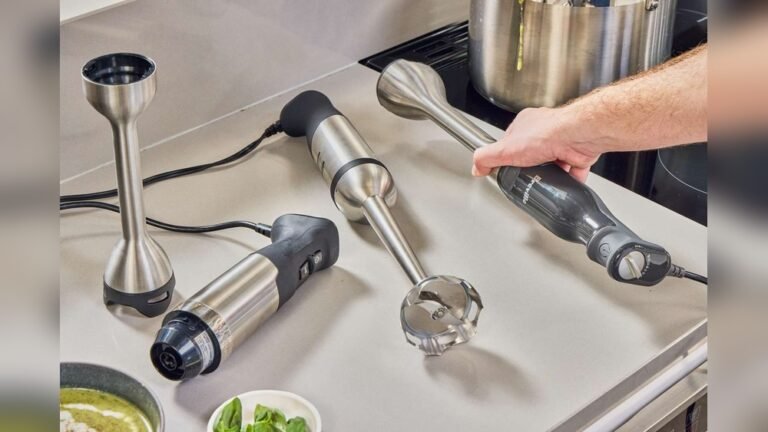
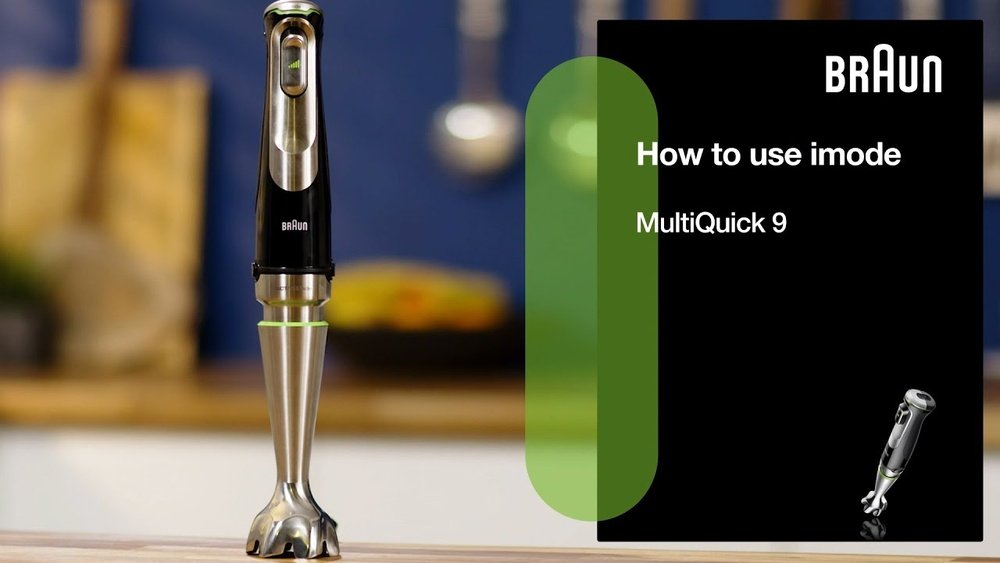
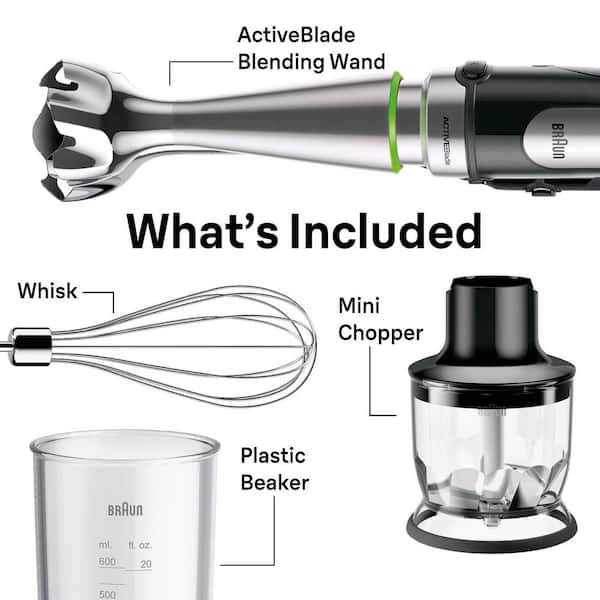
Before you start blending, it’s important to understand what makes the Braun immersion blender different from other blenders. Braun is known for its German engineering, user-friendly design, and durable materials. Most Braun models come with a main motor unit, a detachable blending shaft, and often extra accessories like a whisk or chopper.
The immersion blender, sometimes called a stick blender or hand blender, is designed to be held directly in your hand. Its blending shaft can be placed right into pots, bowls, or cups, making it much more versatile than a traditional countertop blender.
Main Parts And Their Functions
- Motor unit: This is the main body of the blender. It contains the motor and controls.
- Blending shaft: This long, metal or plastic tube houses the blades at the end.
- Control buttons: Usually, there are two: a regular speed and a turbo or pulse button for extra power.
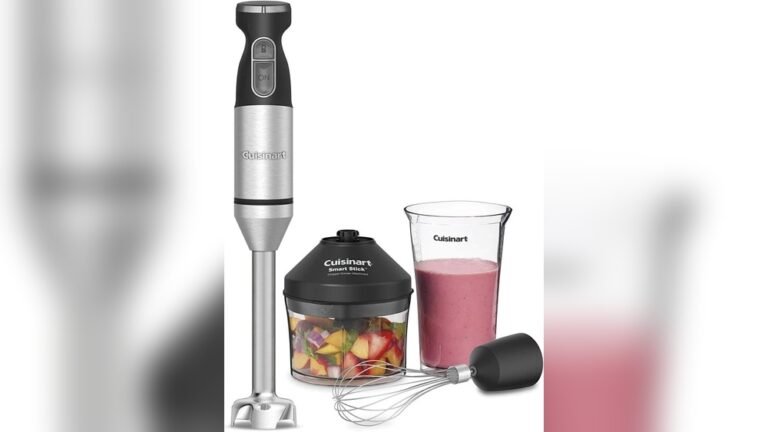
- Attachments: Some models include a whisk, chopper, or beaker for different tasks.
Why Choose Braun?
Braun models often feature PowerBell technology, which helps pull food toward the blades for smoother results. They are also designed for easy assembly and cleaning. Compared to other brands, Braun immersion blenders are known for their comfortable grip and efficient blending.
First Steps: Unboxing, Assembling, And Safety
When you open the box, you’ll see the motor unit, the blending shaft, and any extra attachments. Even if you’re excited to start, take a few minutes to read the manual and wash all parts (except the motor) with warm, soapy water.
How To Assemble
- Connect the blending shaft: Align the shaft with the motor unit and twist or click it into place, depending on your model.
- Check the lock: Make sure the shaft is securely attached before plugging in the blender.
- Select your attachment: If you want to use the whisk or chopper, attach them according to the instructions.
Safety Tips
- Never plug in the blender before attaching or detaching parts.
- Keep fingers away from the blades, even when the blender is off.
- Do not submerge the motor unit in water.
- Unplug the blender before cleaning or changing attachments.
Choosing The Right Container
One of the biggest advantages of an immersion blender is that you can blend right in the pot or bowl. Still, the container you use affects your results.
Best Containers For Blending
- Tall, narrow beakers: Most Braun blenders come with a special beaker. These help avoid splattering and give the best blending action.
- Metal or glass pots: For soups or sauces, blend directly in your cooking pot. Make sure the blade and shaft are fully submerged before turning on.
- Large mixing bowls: For big batches, use a deep bowl to keep splashes low.
Avoid using shallow plates or wide, flat containers. The blades may not be fully covered, leading to splatters and uneven blends.
Basic Techniques: Blending, Pureeing, And Mixing
Using the Braun immersion blender is simple once you get the hang of it. Here are the basic steps for smooth, even blending.
How To Blend Properly
- Prepare your ingredients: Cut large items into smaller pieces for even results.
- Submerge the shaft: Place the blade end fully under the food’s surface.
- Start at low speed: Hold the blender at a slight angle and use the regular speed to begin.
- Move slowly: Move the blender up and down and around the container to blend all parts evenly.
- Use turbo for tough jobs: For nuts or hard vegetables, press the turbo button for extra power.
Pureeing Soups
To puree soup, let it cool slightly, then insert the blender. Start blending at the bottom, lifting slightly as the soup becomes smoother. This helps prevent hot splashes. Blend until you reach your desired texture.
Making Smoothies
Add liquids first (milk, juice, yogurt), then fruits or greens. Insert the blender and blend until smooth. Use short pulses to break up ice or frozen fruit, then blend continuously.
Mixing Batters And Sauces
For pancake or cake batter, place all ingredients in a deep bowl. Insert the blender and mix until just combined—overmixing can make batter tough. For sauces like mayonnaise, use the beaker and keep the blender still for a few seconds before moving.

Credit: www.youtube.com
Using Attachments: Whisk, Chopper, And More
Many Braun models include extra attachments. These can expand what your immersion blender can do.
Whisk Attachment
Use the whisk for whipping cream, beating eggs, or making meringues. Attach the whisk to the motor, place in a deep bowl, and start at low speed. Gradually increase speed as the mixture thickens.
Chopper Attachment
The chopper is great for nuts, herbs, onions, or even small amounts of meat. Place food in the chopper bowl, attach the lid, and connect to the motor unit. Use short pulses for coarse chopping, longer for finer results.
Beaker
The beaker is perfect for making smoothies, dressings, or baby food. Its tall shape helps prevent splashes and ensures everything blends evenly.
Non-obvious Insight: When Not To Use Attachments
Many users try to chop tough foods like ice or hard cheese with the chopper. This can damage the blades. For these, use the regular blending shaft or a full-size food processor instead.
Advanced Tips: Getting The Best Results
With practice, you’ll discover the Braun immersion blender can handle more than you expect. Here are some advanced tips to help you get even better results.
Layering Ingredients For Best Blending
Always add liquids first, then soft ingredients, and finally hard items. This lets the blender work through tough foods more easily. For example, in a smoothie, add milk first, then banana, then frozen berries.
Pulse Function For Texture
Instead of running the blender continuously, use short bursts, or pulses. This helps control the texture—especially for chunky salsas, guacamole, or pesto.
Making Emulsions
Emulsions like mayonnaise or aioli can be tricky. The key is to add oil slowly and keep the blender still at the start. Once the mixture thickens, move the blender up and down gently.
Avoiding Splatters
A common beginner mistake is turning the blender on before it’s fully submerged. Always place the blade end under the food’s surface, then start blending. If you need to lift the blender, stop first, then lift.
Cleaning Mid-recipe
If you’re switching from a soup to a smoothie, rinse the blending shaft under running water. For a deeper clean, run the blender in a cup of soapy water, then rinse.

Credit: www.ebay.com
Cleaning And Maintenance
Proper cleaning keeps your Braun immersion blender working well and prevents food buildup.
Basic Cleaning Steps
- Unplug the blender.
- Remove the blending shaft or attachment.
- Wash the shaft and attachments in warm, soapy water.
- Wipe the motor unit with a damp cloth—never submerge it.
- Dry all parts thoroughly before reassembling.
Dishwasher Use
Most blending shafts and attachments are dishwasher safe. Check your manual to be sure. Place them on the top rack.
Removing Stubborn Stains
If the shaft gets stained by carrots or tomatoes, soak it in a mix of baking soda and water. For stuck-on food near the blades, use a brush (not your fingers).
Maintenance Tips
- Check the shaft and blades for damage regularly.
- Avoid blending very hard items that can bend the blades.
- Store the blender with the shaft detached to prevent stress on the connection.
Troubleshooting Common Issues
Even high-quality tools like Braun immersion blenders can have problems. Here’s how to solve the most common ones.
Blender Won’t Start
- Make sure it’s plugged in.
- Check that the shaft or attachment is fully connected.
- If it still won’t start, try another outlet.
Food Isn’t Blending Evenly
- Cut large pieces smaller.
- Add more liquid to help food move toward the blades.
- Move the blender around the container as you work.
Splatters Or Spills
- Make sure the shaft is fully submerged before starting.
- Use a deeper container.
- Start at low speed.
Unusual Noises
If you hear grinding or clicking, stop and check for stuck food or damaged blades. Do not use the blender if parts are broken.
Motor Overheating
If the blender gets hot, unplug it and let it cool for 10–15 minutes. Avoid running it for long periods without breaks.
Recipes You Can Try With Your Braun Immersion Blender
To help you get started, here are three simple recipes that show off what your Braun immersion blender can do. Each one takes less than 15 minutes and uses common ingredients.
Creamy Tomato Soup
Ingredients:
- 2 tbsp olive oil
- 1 small onion, chopped
- 2 garlic cloves, minced
- 1 can (28 oz) crushed tomatoes
- 2 cups chicken or vegetable broth
- 1/2 cup heavy cream
- Salt and pepper to taste
- Fresh basil (optional)
Instructions:
- In a large pot, heat olive oil. Add onion and garlic, cook until soft.
- Add crushed tomatoes and broth. Simmer for 10 minutes.
- Remove from heat. Insert the immersion blender, blend until smooth.
- Stir in cream, salt, and pepper. Blend again briefly.
- Garnish with basil.
Serves: 4
Cooking time: 15 minutes
Simple Green Smoothie
Ingredients:
- 1 cup spinach leaves
- 1 banana
- 1/2 cup Greek yogurt
- 1 cup milk or non-dairy milk
- 1 tbsp honey (optional)
Instructions:
- Add all ingredients to the beaker or a tall glass.
- Insert the immersion blender, blend until smooth.
Serves: 1
Cooking time: 5 minutes
Quick Homemade Mayonnaise
Ingredients:
- 1 large egg
- 1 tbsp lemon juice
- 1 tsp Dijon mustard
- 1 cup vegetable oil
- Salt and pepper
Instructions:
- Place egg, lemon juice, mustard, and a pinch of salt in the beaker.
- Pour oil on top.
- Insert the blender, keep it at the bottom, and blend for 10 seconds.
- Once it thickens, slowly lift the blender to mix in all the oil.
Serves: Makes about 1 cup
Cooking time: 5 minutes
Tip: If your mayonnaise does not thicken, try adding a little more mustard or blending for a few more seconds.
Comparing Braun Immersion Blender Models
Braun offers several models, each with different features and accessories. Below is a comparison of three popular options to help you choose the right one:
| Model | Power (Watts) | Speed Settings | Attachments Included | Best For |
|---|---|---|---|---|
| MQ505 | 350 | 2 | Blender, Whisk, Beaker | Everyday Use |
| MQ7035 | 500 | 21 | Blender, Whisk, Chopper, Beaker | Advanced Cooking |
| MQ9097 | 700 | Variable | Blender, Whisk, Chopper, Masher, Food Processor, Beaker | Heavy Duty & Variety |
Non-obvious insight: More power does not always mean better results for every recipe. For example, delicate sauces or whipped cream are best made at lower speeds to avoid overmixing.
When To Use An Immersion Blender Instead Of A Regular Blender
Many people already own a countertop blender. So, when is the Braun immersion blender the better choice?
Immersion Blender Advantages
- Hot liquids: You can blend hot soups directly in the pot, avoiding dangerous transfers to a countertop blender.
- Small batches: Perfect for making a single smoothie, baby food, or a small amount of sauce.
- Less cleanup: Fewer parts to clean compared to a full-size blender.
- Versatility: With attachments, you can whisk, chop, and puree.
Regular Blender Advantages
- Large quantities: Better for making big batches.
- Crushing ice: Countertop blenders are usually stronger for ice-heavy drinks.
- Very fine purees: For ultra-smooth textures, a countertop blender may be best.
Side-by-side Feature Comparison
| Feature | Immersion Blender | Regular Blender |
|---|---|---|
| Blending Hot Liquids | Yes, safe | Risk of splatter |
| Batch Size | Small to medium | Medium to large |
| Ease of Cleaning | Very easy | More parts |
| Versatility | High (with attachments) | Medium |
Common Mistakes To Avoid
Even experienced cooks make mistakes when using a Braun immersion blender. Avoid these for the best results:
- Starting in a shallow bowl: This leads to splatters. Always use a deep container.
- Overfilling: Leave space for food to move. Don’t fill containers to the top.
- Not cutting food small enough: Large pieces can jam the blades.
- Lifting the blender while running: This creates a mess. Stop before lifting.
- Ignoring attachments: The whisk and chopper expand what you can do. Don’t forget to try them.
Pro tip: If you’re blending something sticky or thick, tilt the blender slightly and move it around. This helps food circulate and blend evenly.
Credit: www.americanmusicabroad.com
Cleaning And Storage Comparison For Braun Vs. Other Brands
How does Braun compare to other brands when it comes to cleaning and storage? Here’s a quick overview:
| Brand | Detachable Shaft | Dishwasher Safe | Storage Solutions |
|---|---|---|---|
| Braun | Yes | Yes (most parts) | Compact, attachments nest together |
| Cuisinart | Yes | Yes (some parts) | Basic storage |
| KitchenAid | Yes | Yes (most parts) | Some models with storage case |
Braun stands out for its easy assembly, simple cleaning, and smart storage design. This makes it a favorite for busy kitchens.
Smart Safety Reminders
While the Braun immersion blender is safe, always keep these tips in mind:
- Unplug before cleaning or changing attachments.
- Keep hands and utensils away from blades during use.
- Do not operate with wet hands to avoid electric shock.
- Use only for intended foods—do not blend bones, frozen blocks, or very hot oil.
- Keep out of reach of children when not in use.
Extra Uses For Your Braun Immersion Blender
Besides soups and smoothies, you can use your Braun immersion blender in creative ways:
- Baby food: Puree cooked vegetables or fruits for quick homemade baby meals.
- Nut butters: Make small batches of almond or peanut butter.
- Pancake batter: Mix without lumps in seconds.
- Salad dressings: Emulsify oil and vinegar easily.
- Salsas and dips: Pulse to your desired chunkiness.
Surprising tip: You can even use the blender to make fluffy scrambled eggs or froth milk for coffee drinks.
Where To Learn More
Want to dive deeper? Braun’s official site offers video tutorials and recipe ideas. For more tips, visit Braun Household.
Frequently Asked Questions
How Do I Avoid Splatters When Using The Braun Immersion Blender?
Always start blending with the blade fully submerged in the food. Use a tall, narrow container. Start at low speed and move the blender around gently. If you need to lift the blender, stop it first, then lift.
Can I Blend Hot Soups Directly In The Pot?
Yes, the Braun immersion blender is designed for hot liquids. Let soup cool slightly to avoid steam burns. Make sure the blade is fully covered before blending. Do not fill the pot too high to prevent spills.
Are The Attachments Dishwasher Safe?
Most Braun blending shafts, whisks, and chopper bowls are dishwasher safe. The motor unit is not—wipe it with a damp cloth only. Always check your user manual for specific cleaning instructions.
What Foods Should I Not Blend With The Braun Immersion Blender?
Avoid blending ice cubes, bones, or very hard, dry foods. These can damage the blades. For thick dough, use a traditional mixer instead. Also, do not blend hot oil or boiling liquids for safety.
Why Does My Blender Stop Working Or Overheat?
If the blender stops, it may be overheated from long use. Unplug and let it cool for at least 10 minutes. Always use short bursts for tough foods and avoid running the motor continuously for more than a minute or two.
Using your Braun immersion blender opens up many new possibilities in the kitchen. With good care and the right techniques, you’ll enjoy smooth soups, quick smoothies, and much more—making your cooking faster, easier, and more creative.