Can I Use An Immersion Blender While Food Is Cooking? Safety Tips
Many home cooks love how an immersion blender makes soups creamy and sauces smooth. You can blend right in the pot—no need to pour hot liquids into a blender. But a common question comes up: can you use an immersion blender while your food is still cooking on the stove? The answer isn’t as simple as yes or no. It depends on safety, the type of food, your cookware, and even the recipe itself.
This article will guide you through everything you need to know about using an immersion blender during cooking. We’ll look at safety, practical tips, mistakes to avoid, and even science behind the process. With clear advice and real-life examples, you’ll know exactly when and how to use your immersion blender while food is still hot and bubbling.
What Is An Immersion Blender?
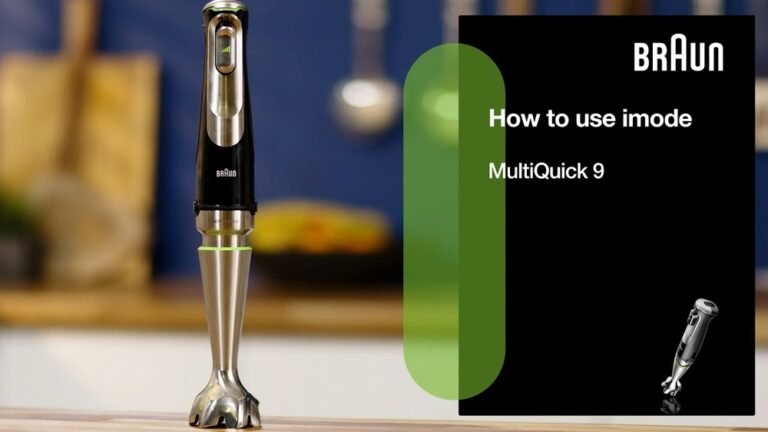
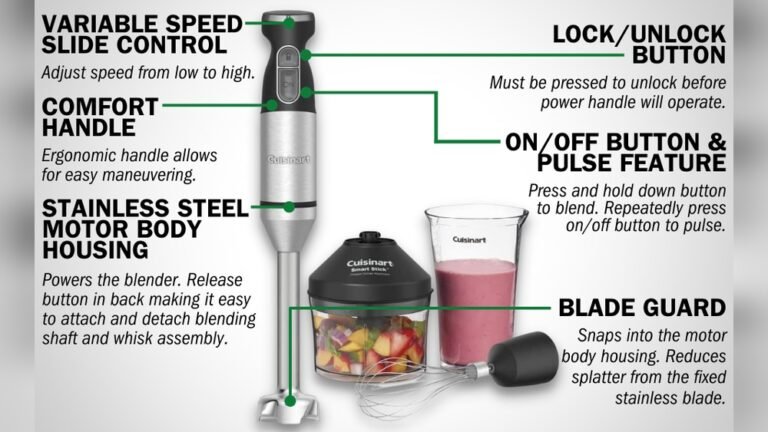
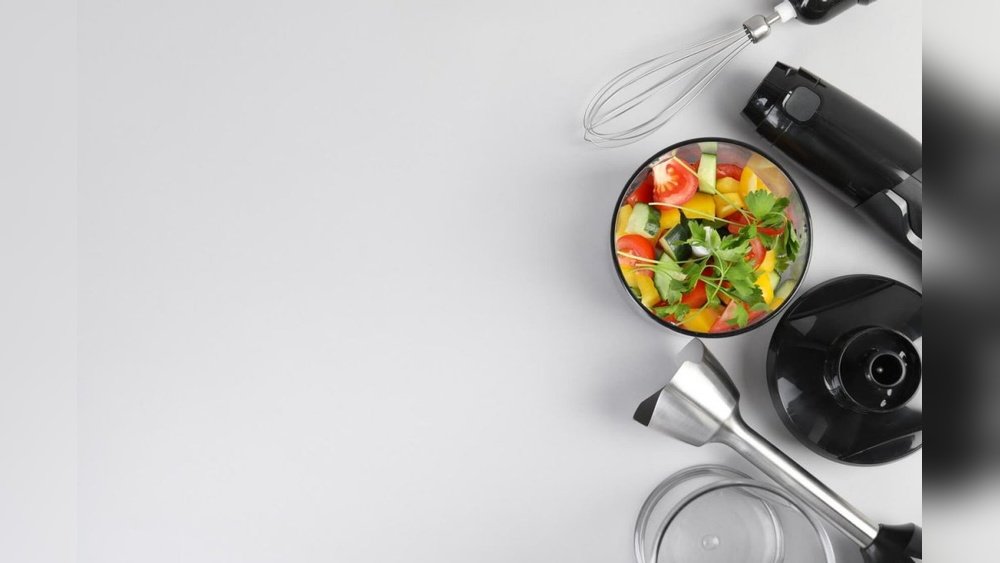
An immersion blender, sometimes called a stick or hand blender, is a kitchen tool with a motor on one end and spinning blades on the other. You hold it in your hand and lower it into food to blend right where it cooks. Unlike a countertop blender, you don’t need to move food to another container.
This tool is perfect for pureeing soups, making sauces, blending cooked vegetables, and even whipping cream. Some models come with different speed settings or attachments for more control.
Why People Want To Blend Food While Cooking
Blending while food is still cooking saves time and effort. Imagine making butternut squash soup: you can cook, blend, and finish the soup in one pot. This reduces cleanup and keeps your kitchen safer—no hot splashes from transferring soup to a blender.
Here are some common reasons people blend food during cooking:
- Smooth textures: Puree soups, sauces, or baby food right away.
- Thicken sauces: Blend part of a stew to make it thicker.
- Emulsify: Mix oil and water-based ingredients for creamy dressings or gravies.
- Save time: No need to wait until food is cool.
However, blending during cooking also brings risks you should know before starting.
Safety Concerns: What You Must Know
Using an immersion blender in hot, cooking food can be safe—but only if you follow important rules. Many kitchen accidents happen when people ignore these basics.
Hot Liquids And Splattering
When you blend hot soup or sauce, steam and bubbles can cause splattering. The spinning blades force air into the liquid, which may splash burning food onto your hands, arms, or face. Even a small splash can cause serious burns.
Example
If you try to blend a boiling tomato sauce, the high temperature and bubbling increase the risk of splatter. Tomato sauce sticks to skin and burns quickly.
How to Reduce Splatter:
- Lower the blender gently into the food before switching it on.
- Start at the lowest speed.
- Keep the head of the blender fully submerged.
- Tilt the blender slightly to let air escape.
Electric Safety
Immersion blenders are electrical devices. Combining electricity and liquid is always risky. If the power cord or motor gets wet, you could get shocked.
Key Tips:
- Make sure your hands are dry before plugging in or unplugging.
- Never submerge the motor part in water or soup.
- Check the blender for cracks in the cord or housing before use.
Damage To Cookware
Some immersion blenders have metal blades or guards. If you use them in nonstick pots, you might scratch or damage the surface.
Solutions:
- Choose a blender with a plastic or silicone guard.
- Keep the blades off the bottom of the pan.
- Move the blender in gentle circles instead of pushing down.
Overheating The Blender
Most immersion blenders are designed for short bursts of use. Running the motor for several minutes in hot food can overheat it.
What to Do:
- Blend in short pulses (10–30 seconds), then rest the motor.
- Check your blender’s manual for maximum run time.
Summary Table: Safety Risks And Solutions
Here’s a quick comparison of common risks and how to manage them.
| Risk | What Can Happen | How to Prevent |
|---|---|---|
| Splattering | Burns from hot liquid | Start on low speed; keep blender submerged |
| Electric shock | Injury from wet cord or motor | Dry hands; keep motor dry |
| Damaged cookware | Scratched pots/pans | Use silicone guard; avoid scraping |
| Overheating | Motor burnout | Pulse blending; let motor rest |
When It’s Safe To Use An Immersion Blender While Cooking
You can use an immersion blender during cooking in many situations. But safe use depends on food type, temperature, and your equipment.
Best Foods To Blend While Cooking
Some foods are perfect for blending while still hot and cooking. These include:
- Soups (e.g., tomato, squash, carrot)
- Sauces (e.g., tomato, cream, curry)
- Purees (e.g., beans, lentils, potatoes)
These foods are mostly liquid and don’t have hard chunks that could fly out or damage the blender.
Foods To Avoid Blending While Cooking
Some foods are not safe to blend while cooking:
- Very hot oil (like frying oil): Can splash and cause burns.
- Thick, sticky mixtures (like caramel): May gum up blades.
- Large, hard pieces (bones, frozen food): Can damage the blender.
Temperature Matters
Most immersion blenders can handle hot—but not boiling—liquids. Check your manual, but a safe rule is to wait until food is simmering (about 180–200°F or 82–93°C), not boiling vigorously.
If you see large bubbles or lots of steam, turn the heat down before blending.
Cookware Considerations
Not all pots are created equal. Thin aluminum pans heat up quickly and may not protect you from splashes. Heavy pots like enameled cast iron or stainless steel are better for blending.
Table: When To Blend And When To Wait
Here’s a quick guide to help you decide.
| Food Type | Blend While Cooking? | Notes |
|---|---|---|
| Soup | Yes | Let soup simmer, not boil |
| Sauce | Yes | Works best with thin sauces |
| Oil (deep frying) | No | Dangerous splatter risk |
| Caramel | No | Too sticky, can damage blades |
| Stews with bones | No | Remove bones before blending |
Step-by-step: How To Use An Immersion Blender Safely While Cooking
Blending hot food in the pot is easier if you follow a simple process. Here’s how to do it safely and get the smoothest results.
- Check the pot’s fill level: Don’t fill your pot more than two-thirds full. This leaves room for liquid to move without spilling over.
- Turn off the burner or lower heat: You don’t need a rolling boil. Simmer or turn off the heat to reduce splatter.
- Insert the blender head fully: Place the blades under the surface of the food before starting.
- Start at low speed: Many blenders have different speeds. Begin with the slowest to avoid splashing.
- Blend in short bursts: Use 10–30 second pulses. This keeps the motor cool and gives you control.
- Move the blender around: For even blending, move the stick slowly in circles and up and down.
- Lift carefully: Stop the blender before lifting it out. Otherwise, food on the blades may fly everywhere.
Pro Tips
- For chunky soups, blend only part of the soup. Leave some texture for better mouthfeel.
- If you want an extra-smooth result, pass the soup through a fine sieve after blending.
- Some immersion blenders have a “turbo” mode. Use this only for a few seconds at a time.
Example: Blending Potato Leek Soup
Once your leeks and potatoes are soft, turn the heat to low. Insert the immersion blender, making sure the head is below the surface. Blend in pulses, moving up and down, until smooth. Taste and adjust seasoning. If you want a rustic soup, blend just half.
Mistakes To Avoid When Blending Food While Cooking
Even experienced cooks make mistakes with immersion blenders. Here’s what to watch out for:
1. Blending At Full Boil
Many people think it’s faster to blend while food is boiling. This is dangerous. Boiling food splatters more and can burn you or make a mess.
2. Not Checking For Bones Or Hard Objects
Hard chunks can break your blender and hurt you. Always check soups and stews for bones or pits before blending.
3. Overfilling The Pot
If the pot is too full, liquid can spill out when you blend. This is messy and unsafe.
4. Using The Wrong Pot
Thin pots don’t protect against splashes, and nonstick pots can get scratched. Use a heavy-bottomed pot.
5. Running The Motor Too Long
Immersion blenders need rest. Blend in short bursts and let the motor cool if you’re blending large amounts.
6. Lifting The Blender While On
If you remove the blender while it’s spinning, hot food will fly everywhere. Always stop the motor before lifting.
Practical Insights Most Beginners Miss
Some details are easy to overlook, especially if you’re new to immersion blenders.
Steam Burns Are A Hidden Risk
Steam from hot food can burn your fingers or hand. If you’re blending thick soup, steam builds up under the blades and can shoot out the sides. Always grip the blender by the handle and keep your fingers away from the bottom.
The Importance Of Blade Guard Design
Not all immersion blenders have the same blade guard shape. Some allow liquid to flow better, while others trap food. A poor design causes more splatter. If you use your blender often, investing in a model with a well-designed blade guard is wise.
Cleaning Is Easier Right Away
Blended food dries quickly on the blades and guard. Rinse or wash the blending end as soon as you finish, before the food hardens.
Immersion Blender Vs. Countertop Blender: When To Use Each
Some recipes are better with an immersion blender, but others need a countertop blender. Here’s how they compare.
| Feature | Immersion Blender | Countertop Blender |
|---|---|---|
| Where to blend | In the pot | Separate container |
| Best for | Soups, sauces, small batches | Smoothies, large batches, ice |
| Cleanup | Easy, quick rinse | More parts to wash |
| Hot food safety | Good if careful | Risk of steam build-up, explosion |
| Texture | Some texture can remain | Very smooth |
Real-world Examples
Blending Tomato Soup
When making tomato soup, you can blend while the soup simmers. Lower the heat, then blend until you reach the texture you want. If you prefer a chunkier soup, only blend part of it.
Making Smoothies In Hot Weather
If you want a hot smoothie (like a cocoa drink), it’s best to let it cool slightly before blending. Immersion blenders are not meant for blending boiling liquids—let the temperature drop to around 180°F.
Pureeing Baby Food
You can cook vegetables until soft, then blend them right in the pot. This saves time and keeps nutrients in the food.
Recipes That Work Well With Immersion Blending During Cooking
Some recipes almost seem designed for an immersion blender. Here are a few:
- Creamy Butternut Squash Soup: Roast squash, simmer with broth, blend in the pot.
- Potato Leek Soup: Cook potatoes and leeks, then blend to desired texture.
- Carrot Ginger Soup: Simmer carrots and ginger, then puree.
- Refried Beans: Cook beans until soft, blend partway for creaminess.
- Tomato Sauce: Blend cooked tomatoes for a smooth pasta sauce.

Credit: www.cnn.com
Choosing The Right Immersion Blender For Cooking
Not all immersion blenders are the same. Here’s what matters most when you’ll use one while food is cooking.
Heat Resistance
Look for a model with a heat-resistant blending shaft. Stainless steel is best for high temperatures; plastic can warp.
Blade Guard Shape
A wide, open guard lets food flow and reduces splatter. Avoid small, tight guards that trap food.
Motor Power
A motor with at least 200 watts handles hot, cooked food better. Lower-powered models may struggle with thick soups.
Speed Control
Multiple speed settings give you control when blending hot food.
Corded Vs. Cordless
Corded models provide steady power for longer blending. Cordless is more flexible but can run out of battery during longer jobs.
Accessories
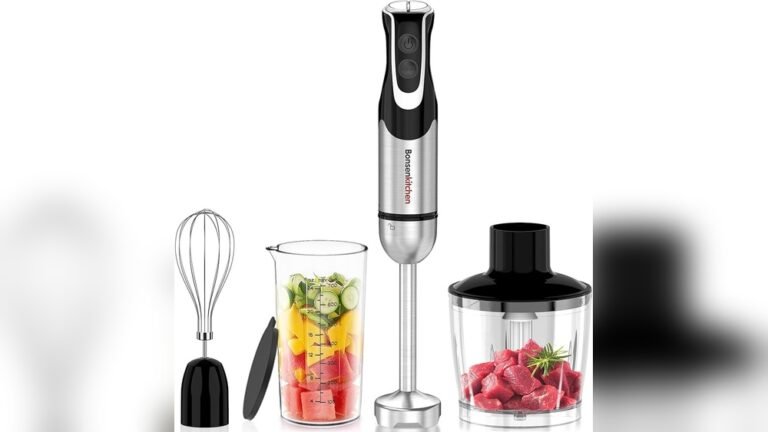
Some come with a whisk or chopper. These are less useful for blending hot food but great for other tasks.
Cleaning Your Immersion Blender After Cooking
Blending hot food can leave food stuck on the blades. Here’s how to clean up safely:
- Unplug the blender.
- Remove the blending arm (if possible).
- Rinse under warm water immediately.
- Use a brush to clean around the blades.
- For dried-on food, soak in warm soapy water.
Never put the motor in water. Some blending arms are dishwasher-safe—check your manual.
Is It Worth Blending While Food Is Still Cooking?
In many cases, yes. Here’s why:
- Saves time: No waiting for food to cool.
- Fewer dishes: Blend in the same pot.
- Better flavor: Blending while hot can help flavors combine.
- Less risk: Fewer spills and burns from moving hot food.
However, it’s not always the best choice. If your recipe contains hard objects, lots of oil, or a sticky caramel, it’s safer to wait until the food cools.
Science Behind Blending Hot Food
When you blend hot food, the blades create a vortex that pulls food down and pushes air out. This makes for smoother texture, but also increases the risk of splatter if not done carefully.
Emulsification happens more easily when food is hot. For example, blending hot butter into a sauce makes it creamier than adding it cold.
:max_bytes(150000):strip_icc()/sea-immersion-blenders-sep-24-test-all-clad-rkilgore-0176-5ba26578fe9441fa9a1f86950c123177.jpeg)
Credit: www.seriouseats.com
Expert Tips For Success
- Always check your pot size. A wide, deep pot reduces splatter.
- Use a ladle to remove some liquid if your soup is too thin before blending; add back as needed.
- If you want a completely smooth soup, blend longer and at a higher speed—but only when safe.
- For chunky sauces, blend only part of the mixture, then stir back into the pot.
How To Handle Common Problems
Splattering
If you notice splatter, turn down the heat and blend in shorter bursts.
Motor Stopping
If your blender stops, unplug it and let it cool. Check for food stuck in the blades.
Uneven Texture
Move the blender around the pot. For extra-smooth results, pass through a sieve.
:max_bytes(150000):strip_icc()/sea-primary-immersion-blenders-sep-24-rkilgore-0658-89167e1e4bd44afb93d9c847674b09e4.jpeg)
Credit: www.seriouseats.com
Cleaning Tips Most People Miss
- If you forget to clean right away, soak the blending arm in hot, soapy water for 10 minutes.
- For stubborn bits, use a soft brush—never metal, as it can damage the blades.
- Dry all parts before storing to prevent rust.
What The Experts Say
Professional chefs often use immersion blenders for convenience, but they follow strict safety rules. According to the Culinary Nutrition website, many commercial kitchens use stick blenders in large pots, but only after turning down the heat and ensuring safety.
They recommend:
- Always using a deep pot
- Keeping the blender head under the surface
- Never forcing the blender through thick mixtures
Frequently Asked Questions
Can I Use An Immersion Blender In A Nonstick Pot?
Yes, but use caution. Metal blades can scratch nonstick surfaces. Look for a blender with a plastic or silicone guard, and don’t press down on the bottom.
What’s The Maximum Temperature For Using An Immersion Blender?
Most immersion blenders can handle hot food up to 200°F (93°C), but check your manual. Avoid blending at a rolling boil to reduce splatter and protect the blender.
Can I Use An Immersion Blender For Deep-fried Foods?
No. You should never blend hot oil or deep-fried foods while cooking. The risk of splashing is too high and could cause serious burns.
Why Does My Immersion Blender Overheat While Blending Soup?
Immersion blenders are designed for short use. Blending thick or large amounts of hot food can overwork the motor. Blend in short pulses and let the blender cool between uses.
Do I Need To Cool Food Before Blending?
In most cases, you do not need to cool soups or sauces before using an immersion blender—just reduce the temperature to a simmer. For very thick or sticky mixtures, let them cool to avoid damaging the blender or causing splatter.
Blending while cooking can make your kitchen life easier, but only if you use the right technique and safety steps. With practice, you’ll be able to create smooth soups, sauces, and purees right in the pot—saving time and cleanup, and enjoying restaurant-quality results at home.