Is An Immersion Blender Better Than A Hand Mixer? Find Out Now
Is An Immersion Blender Better Than A Hand Mixer?
When you walk into any kitchen store, you’ll see rows of shiny gadgets promising to make cooking easier. Two of the most popular are the immersion blender and the hand mixer. Both are handheld, both have electric motors, and both claim to help you whip, blend, and mix your way to delicious food. But when it comes down to it, which one is actually better for your kitchen and your needs?
The answer isn’t as simple as “one is always better.” Your cooking style, the recipes you love, and even how much cleaning you want to do all matter. This article digs deep into how immersion blenders and hand mixers compare, what each does best, and what most people overlook when choosing between them. Whether you’re a baking fan, a soup lover, or just want a tool to help with daily meals, you’ll learn what really matters—and what doesn’t—when picking your next kitchen helper.
What Is An Immersion Blender?
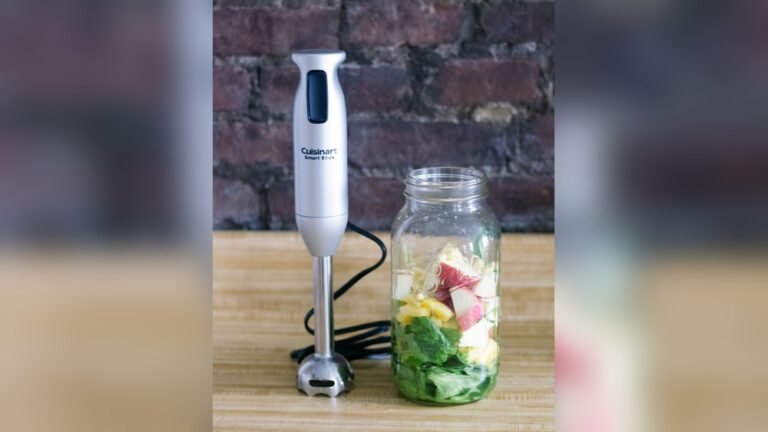
An immersion blender is also called a stick blender or hand blender. It’s a handheld device with a long shaft and spinning blades at the bottom. You hold it directly in a pot, bowl, or cup and press a button to blend.
This tool is great for making smooth soups, sauces, and even some drinks. You can put it right into a hot pot of soup and puree everything with just one hand. Most immersion blenders have detachable shafts for easy cleaning.
Main Features Of Immersion Blenders
- Motor power: Ranges from 200 to 1000 watts. More power means faster blending.
- Blade style: Usually two or four blades at the end.
- Attachments: Some models come with whisk or chopper attachments.
- Cleaning: Most shafts are dishwasher safe.
Common Uses
Immersion blenders shine when you need to puree or blend things right in the cooking container. Examples include:
- Creamy vegetable soups (like tomato or butternut squash)
- Smoothies or protein shakes directly in your glass
- Homemade mayonnaise or salad dressings
- Pureeing cooked beans for dips or spreads
What Beginners Often Miss
- Immersion blenders can handle hot foods safely. You don’t need to wait for soup to cool before blending. This is a big time-saver.
- Not all immersion blenders are equal. Cheaper ones may struggle with thick mixtures or leave chunks.
What Is A Hand Mixer?
A hand mixer is a handheld electric tool with two beaters. You use it to mix, whip, and beat ingredients in a bowl. Unlike an immersion blender, it does not blend or chop solid foods—its job is to mix batters, doughs, or creams.
Main Features Of Hand Mixers
- Motor power: Usually between 100 and 400 watts.
- Speeds: Most hand mixers have 3 to 9 speed settings.
- Attachments: Beaters for general mixing, whisks for whipping, dough hooks for kneading.
- Cleaning: Beaters and hooks are usually dishwasher safe.
Common Uses
Hand mixers are made for baking and mixing tasks such as:
- Whipping cream or egg whites
- Mixing cake, cookie, or pancake batter
- Making mashed potatoes
- Kneading small batches of dough
What Beginners Often Miss
- Hand mixers don’t blend solid foods. They can’t puree vegetables or make smoothies.
- They’re better for airy mixtures. If you want fluffy whipped cream or light cake batter, a hand mixer is the best choice.
Core Differences: Immersion Blender Vs Hand Mixer
Understanding the main differences helps you choose wisely. Here’s a quick side-by-side look:
| Feature | Immersion Blender | Hand Mixer |
|---|---|---|
| Blending/Chopping | Yes | No |
| Mixing/Aerating | Limited | Yes |
| Works With Hot Foods | Yes | No |
| Best For | Soups, sauces, smoothies | Cakes, batters, whipped cream |
| Attachments | Blending shaft, sometimes whisk/chopper | Beaters, whisks, dough hooks |
| Cleaning | Easy (detachable shaft) | Easy (removable beaters) |
When To Choose An Immersion Blender
If your kitchen life is full of soups, sauces, or anything you want pureed until silky-smooth, the immersion blender is a hero. Here’s when it stands out:
Making Soups And Sauces
You can blend a big pot of tomato soup right on the stove. No pouring hot liquid into a countertop blender (which can be dangerous and messy). One press, and your soup is smooth.
Blending Hot Foods
Immersion blenders are designed for hot environments. If you cook a lot of vegetable purees, baby food, or hot sauces, this tool is much safer than transferring hot food to another blender.
Small-batch Smoothies
If you want a smoothie for one, you don’t need to drag out a big blender. Stick the immersion blender into a cup, blend, and drink.
Homemade Mayonnaise Or Emulsified Sauces
Immersion blenders make it easy to combine oil and egg yolk into mayonnaise. They’re also good for hollandaise or vinaigrettes.
Space-saving And Quick Cleanup
Most immersion blenders are slim and easy to store. The shaft detaches, so you just rinse or put it in the dishwasher.
Non-obvious Insight
Many people don’t realize you can use an immersion blender to crush cooked beans for refried beans or hummus, or even blend cooked tomatoes for homemade pasta sauce—right in the pan.

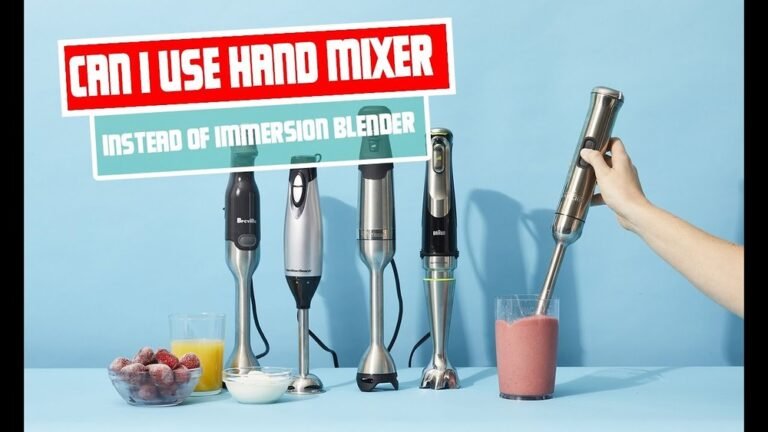
Credit: www.youtube.com
When To Choose A Hand Mixer
If you love baking or make foods that need air whipped in, the hand mixer is your best friend.
Whipping Cream And Egg Whites
A hand mixer creates fluffy whipped cream in minutes. It’s also perfect for meringues, soufflés, or any dessert needing stiff peaks.
Mixing Batters And Doughs
From cake and cookie batter to pancake or waffle mix, a hand mixer handles all kinds of batters. It’s less messy than mixing by hand and faster than using a spoon.
Mashing Potatoes
Hand mixers make ultra-smooth mashed potatoes. You avoid lumps and get a restaurant-quality texture.
Kneading Dough
Some hand mixers come with dough hooks that can knead small amounts of bread or pizza dough. It’s not as powerful as a stand mixer, but good for small jobs.
Non-obvious Insight
A hand mixer can help with savory dishes, too. For example, you can shred cooked chicken breasts quickly with the beaters—just put the cooked meat in a bowl and run the mixer on low.
What Each Tool Can’t Do
It’s important to know what these tools can’t do.
Immersion Blender Limitations
- Can’t whip cream or egg whites well (not enough air).
- Struggles with thick doughs or batters.
- Not great for mixing dry ingredients.
Hand Mixer Limitations
- Can’t puree vegetables or hot soups.
- Won’t chop or blend solid foods.
- Not safe for hot liquids (could splash or burn).

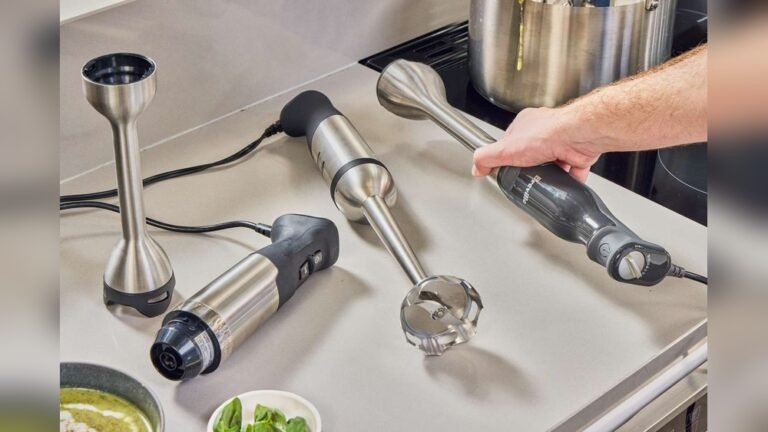
Credit: www.tasteofhome.com
Cleaning And Maintenance
Both tools are easy to clean, but there are differences.
- Immersion blender: Detachable shaft means you can rinse it under water or put it in the dishwasher. The motor part should never be submerged.
- Hand mixer: Beaters and hooks come off and are dishwasher safe. The main unit wipes clean.
One thing people often miss: immersion blender blades can trap food inside the blade guard. You may need a small brush to get everything out.
Price Comparison
Prices for both tools range widely based on brand, power, and attachments.
| Type | Low-End Price | High-End Price | Average Lifespan |
|---|---|---|---|
| Immersion Blender | $15 | $150 | 3-5 years |
| Hand Mixer | $20 | $120 | 5-8 years |
High-end immersion blenders have more power and attachments, while expensive hand mixers offer more speeds and sturdier build. Most home cooks find good quality in the $30–$60 range for either tool.
Performance: Power, Speed, And Control
- Immersion blenders are more powerful for blending. They can crush cooked vegetables, ice, and even nuts.
- Hand mixers offer more speed settings. This means you have more control when mixing delicate batters or adding air.
Some hand mixers now reach 9 speeds, while immersion blenders usually have 1–3 speed options.
Versatility: Attachments And Functions
Many modern models come with extra attachments.
- Immersion blender attachments: Whisk, chopper, frother, or mini food processor bowls.
- Hand mixer attachments: Dough hooks, balloon whisks, blending rods.
However, even with attachments, each tool’s core strength doesn’t change. For example, a whisk on an immersion blender won’t whip cream as well as a hand mixer.

Credit: www.youtube.com
Safety Considerations
- Immersion blenders: Use with care, as the blades are sharp and exposed.
- Hand mixers: Beaters are safe but can splash ingredients if used at high speed.
For both, always unplug before attaching or removing parts.
Storage And Space Needs
- Immersion blenders are slim and fit in drawers or hang on hooks.
- Hand mixers are bulkier, but most come with a case or cord wrap.
If your kitchen is small, an immersion blender usually takes less space.
Real-world Examples: Which Tool Wins?
Let’s look at some common kitchen tasks:
- Pureeing Soup: Immersion blender is the clear winner—you can blend directly in the pot.
- Whipping Cream: Hand mixer wins—faster, fluffier results.
- Making Smoothies: Both work, but immersion blenders are easier for single servings.
- Mixing Cake Batter: Hand mixer wins—better for combining flour and sugar with eggs and butter.
- Making Mayonnaise: Immersion blender wins—easier and less likely to split.
- Mashing Potatoes: Hand mixer wins for smoothness, but immersion blender works if you like them extra creamy.
- Shredding Cooked Chicken: Hand mixer with beaters wins—done in seconds, no forks needed.
Which Tool Is Better For You?
It depends on what you cook most.
- If you love baking: Get a hand mixer. It’s better for cakes, cookies, and whipped foods.
- If you make a lot of soups or sauces: Choose an immersion blender.
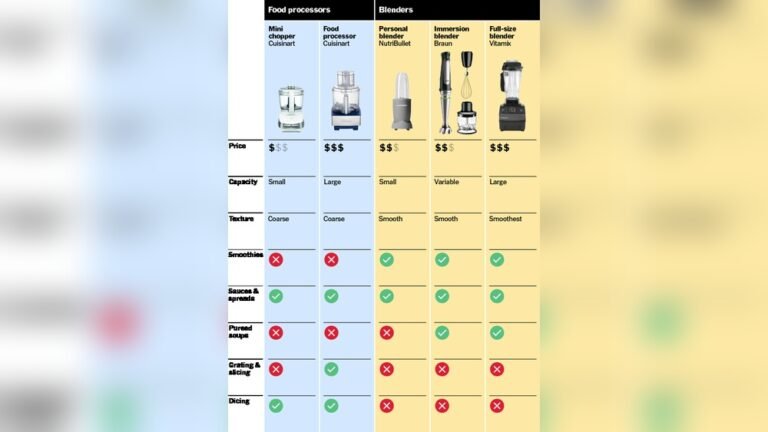
- If you want one tool for everything: You may need both. Or, consider a food processor or stand mixer for even more power.
Common Mistakes When Choosing
Many buyers regret their choice because they:
- Don’t consider what they cook most. Buying an immersion blender for baking will disappoint, and vice versa.
- Ignore power ratings. A weak motor means poor performance.
- Overlook cleaning needs. Some immersion blenders are harder to clean around the blade guard.
- Forget about attachments. Not every model includes the same extras.
- Buy based on price alone. Cheaper models may not last or perform well.
Who Should Own Both?
Some kitchens need both tools. If you cook a wide range of recipes—bake cakes, whip cream, and make blended soups—each tool does its job best. Professional chefs usually have both.
Environmental Impact
Both tools are small electric devices with a similar carbon footprint. Choosing a durable, repairable model reduces waste. Stainless steel shafts or beaters last longer than plastic.
User Reviews And Satisfaction
Most users are happy with their purchase when they match the tool to their main cooking tasks. One non-obvious tip: check how loud the motor is. Some immersion blenders are very noisy, which can be a problem in open kitchens or small apartments.
A Closer Look At Attachments
Attachments can boost the value of your tool, but not all are equal.
| Attachment | Immersion Blender | Hand Mixer | Best For |
|---|---|---|---|
| Whisk | Yes (some models) | Yes | Whipped cream, meringue |
| Chopper | Yes (some models) | No | Salsa, nuts, herbs |
| Dough Hooks | No | Yes (some models) | Bread, pizza dough |
| Milk Frother | Yes (rare) | No | Coffee foam |
If you know you want to whip cream, get a hand mixer. If you want to chop nuts or herbs, look for an immersion blender with a chopper bowl.
How To Pick A Quality Model
Here’s what really matters:
- Motor power: Choose at least 200 watts for an immersion blender, 250 watts for a hand mixer.
- Speed settings: More speeds give more control, especially for baking.
- Build quality: Metal shafts last longer than plastic. Stainless steel beaters are sturdier.
- Ease of cleaning: Dishwasher-safe parts save time.
- Ergonomics: Comfortable handle reduces hand fatigue.
- Warranty: Good brands offer at least one-year warranty.
Brands To Consider
Some trusted names for immersion blenders are Braun, Breville, and KitchenAid. For hand mixers, Cuisinart, KitchenAid, and Hamilton Beach are popular.
Always read user reviews, not just the product description. Look for comments about durability, noise level, and ease of cleaning.
How Professionals Use Them
Chefs use immersion blenders for finishing sauces, blending soups, and even making foams for fancy dishes. In bakeries, hand mixers are used for small batches of batter or cream, especially when a stand mixer would be overkill.
Practical Tips For Everyday Use
- For extra-smooth soup, use an immersion blender, then strain through a fine mesh.
- To avoid splashing, always keep the immersion blender head fully submerged.
- When whipping cream, chill your bowl and beaters first for faster results.
- For mashed potatoes, don’t overmix or they can become gluey.
Are There Any Health Or Safety Concerns?
Both tools are generally safe if used properly. The main risks are cuts from the immersion blender blades or burns from hot splashes. Always unplug before cleaning or changing attachments.
Energy Consumption
Both tools use little electricity. An immersion blender uses about 150–300 watts, and a hand mixer 100–250 watts. Even with daily use, they add only a few dollars a year to your electric bill.
Alternatives To Consider
If you want a single tool to do it all, consider a stand mixer (best for heavy mixing and doughs) or a food processor (for chopping, slicing, and shredding). They are more expensive and take more space, but offer more power and flexibility.
The Bottom Line: Which Is Better?
There’s no single answer. If your main need is blending, pureeing, or making sauces, an immersion blender is better. If you bake, whip, or mix batters, a hand mixer is better. For all-purpose kitchens, having both is ideal.
Before you buy, think about your most common recipes. If you’re still unsure, try borrowing each tool from a friend or neighbor before investing.
Frequently Asked Questions
Can I Use An Immersion Blender Instead Of A Hand Mixer For Baking?
Not really. While you can use an immersion blender to mix some wet batters, it won’t whip cream or beat egg whites well. It also can’t handle thick doughs. For cakes, cookies, and whipped foods, a hand mixer is much better.
Is A Hand Mixer Good For Making Soup?
No. A hand mixer can’t puree cooked vegetables or blend soup. It’s designed for aerating and mixing, not chopping or blending solids. You need an immersion blender or countertop blender for smooth soups.
Which Tool Is Easier To Clean?
Both are easy to clean, but immersion blenders can sometimes trap food inside the blade guard, needing extra attention. Hand mixers usually have removable beaters that go in the dishwasher. If quick cleanup matters, check user reviews for cleaning tips on specific models.
Can I Use A Hand Mixer For Smoothies?
A hand mixer doesn’t have blades and can’t crush ice or blend fruit into a smooth drink. For smoothies, an immersion blender or countertop blender is a better choice.
Which Tool Lasts Longer?
With proper care, both tools can last several years. Hand mixers tend to have a slightly longer lifespan—often 5 to 8 years—because they face less stress from blending hard foods. Choosing a sturdy, reputable brand and following care instructions will extend the life of either tool.
For more information on kitchen appliances and their uses, you can check the detailed guides at Wikipedia.
Choosing between an immersion blender and a hand mixer doesn’t have to be confusing. Look at what you cook most, consider the key differences, and invest in the tool that truly fits your kitchen routine. With the right choice, you’ll save time, get better results, and maybe even enjoy cooking a little more.