How Do I Use A Ninja Blender: Easy Steps for Perfect Results
Using a Ninja Blender can change the way you cook and eat at home. It makes preparing smoothies, soups, sauces, and even dough much easier. But many beginners are unsure how to use it safely and effectively. If you’re one of them, this article will guide you step-by-step, from setting up your Ninja Blender to cleaning it and making the most of its features.
Along the way, you’ll learn practical tips, avoid common mistakes, and see how this powerful appliance can fit into your daily routine. Whether you just bought your first Ninja Blender or want to use it more confidently, you’ll find everything you need right here.
Getting To Know Your Ninja Blender
Before you start blending, it’s important to understand the parts of your Ninja Blender and what they do. This helps you use it safely and get better results.
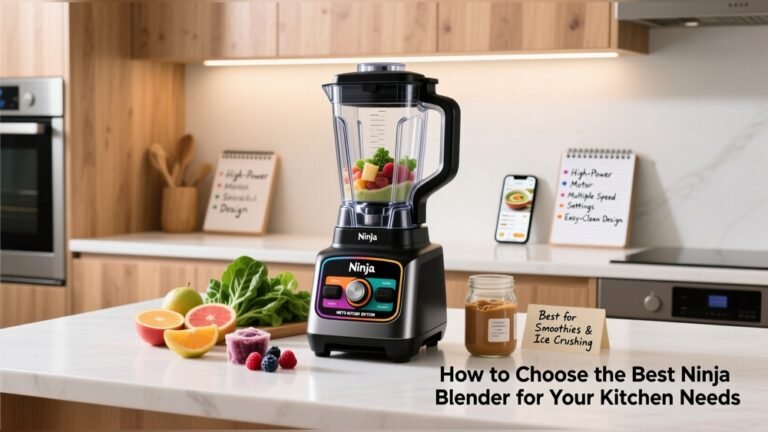
Main Parts And Their Functions
Most Ninja Blenders include:
- Motor base: The heavy part at the bottom. This holds the motor and powers the blades.
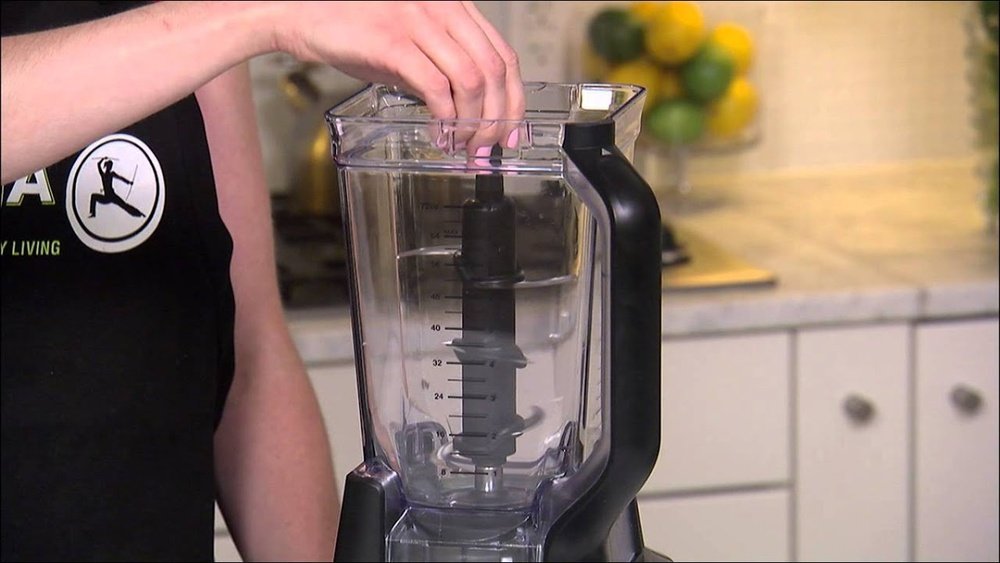
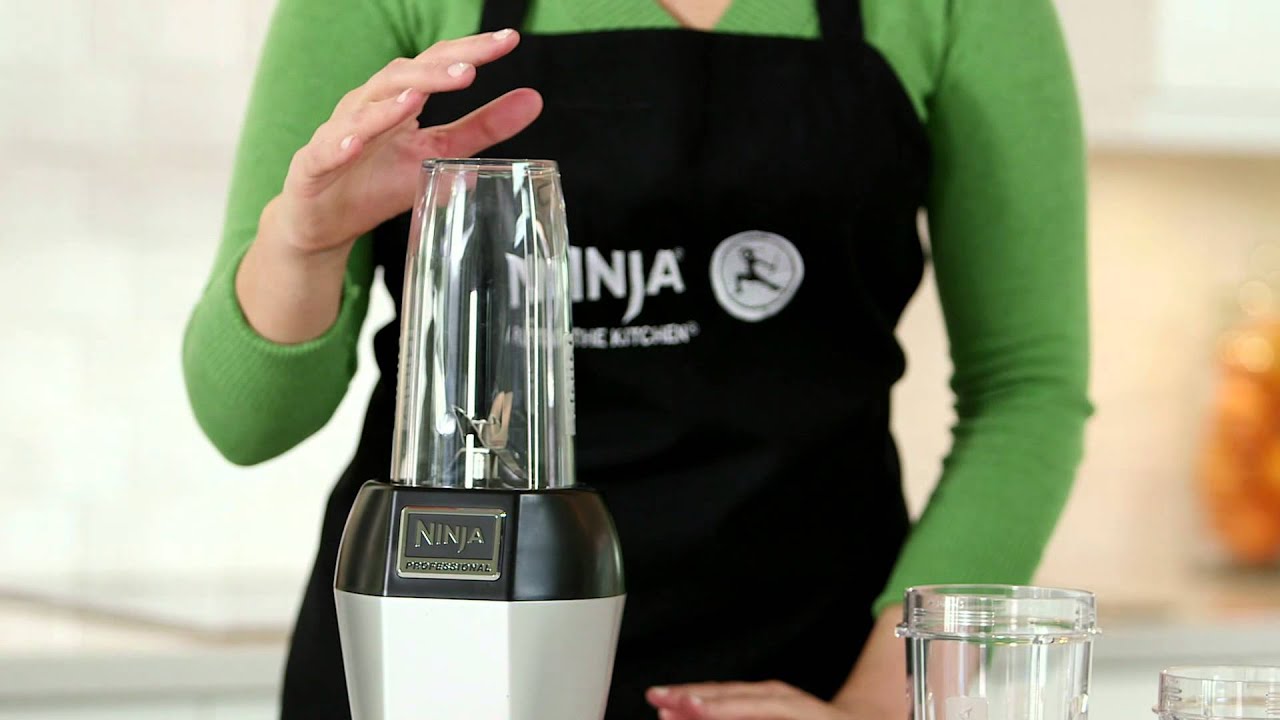
- Pitcher or cup: Where you put your ingredients. Some models use a large pitcher, while others use single-serve cups.
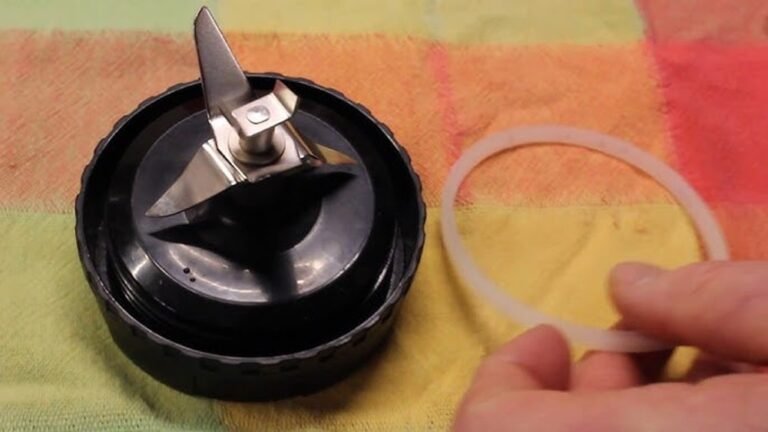
- Blades: Sharp metal pieces that chop, blend, or crush food. Ninja blades often have a unique stacked design.
- Lid: Covers the pitcher or cup to prevent spills. The lid usually has a locking mechanism.
- Control panel: Buttons for speed, pulse, and special functions. Some models have touchscreens or digital displays.
There are many Ninja Blender models: Nutri Ninja, Ninja Foodi, Ninja Professional, and more. Most work in similar ways, but features and controls can differ.
Types Of Ninja Blenders
Here’s a quick comparison of popular Ninja Blender types:
| Model | Capacity | Main Features |
|---|---|---|
| Ninja Professional | 72 oz pitcher | High power, large batches, multiple speeds |
| Nutri Ninja | 24 oz cups | Single-serve, Auto-iQ programs |
| Ninja Foodi Power Pitcher | 72 oz pitcher | Blending & food processing, dough mixing |
Each model suits different needs. If you want smoothies for one or two people, the Nutri Ninja is handy. For big families or meal prep, the Professional or Foodi models are better.
How Powerful Are Ninja Blenders?
Most Ninja Blenders have motors from 700 watts (small models) up to 1500 watts (large, professional models). This makes them strong enough for ice, frozen fruit, and thick mixtures. Some models can even knead dough or chop vegetables for salsa.
A common beginner mistake is underestimating power. If you use the wrong speed for tough ingredients, you might get uneven blends. Always check your model’s wattage and use the right settings for your recipe.
Preparing Your Ninja Blender For Use
Setting up your Ninja Blender correctly is important for safety and performance. Here’s how to do it:
- Place the motor base on a flat surface. Make sure it’s stable and close to a power outlet.
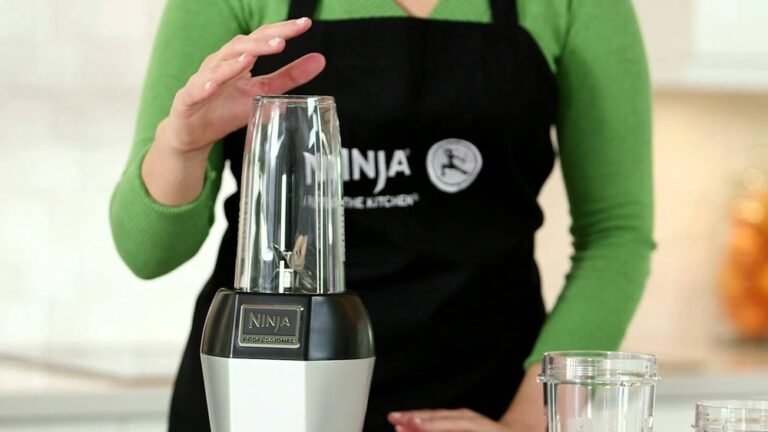
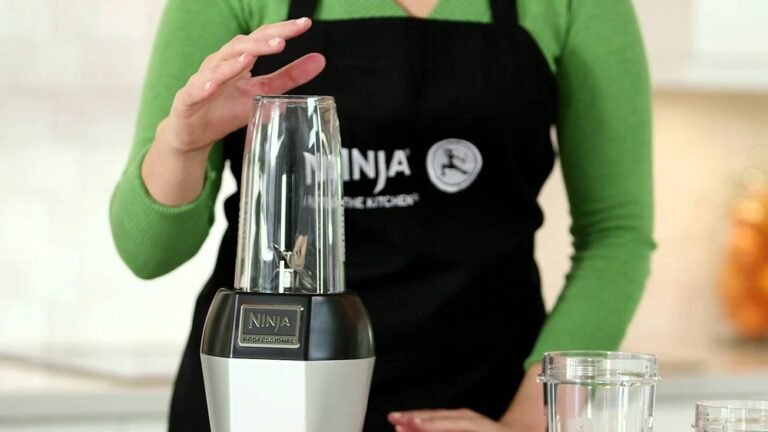
- Assemble the pitcher or cup. Fit the blades securely inside. For pitchers, blades usually slide onto a spindle; for cups, blades screw onto the cup.
- Add your ingredients. Put liquids first, then soft ingredients, then harder ones like ice or frozen fruit. This helps the blades work smoothly.
- Attach the lid. Lock it firmly. Most Ninja Blenders won’t start unless the lid is locked.
- Plug in the blender. Make sure your hands are dry to avoid electric shocks.
Safety Tips
- Never touch the blades with your hands. They are very sharp.
- Don’t overload the pitcher or cup. Follow the max fill line.
- Make sure all parts are locked before blending.
- Unplug the blender before cleaning or changing parts.
These steps prevent leaks, accidents, and poor blending results.
Using Your Ninja Blender: Step-by-step
Now that your blender is ready, let’s look at the basic process for blending.
Choosing The Right Settings
Ninja Blenders have various speed settings and programs. Here’s what they mean:
- Low speed: Good for soft fruits, light sauces, or mixing liquids.
- Medium speed: Works for smoothies, purees, and thicker mixtures.
- High speed: Best for crushing ice, frozen fruit, or tough vegetables.
- Pulse: Short bursts of power. Use this for chopping, salsa, or when you want control.
Some models have Auto-iQ programs. These are preset cycles for smoothies, frozen drinks, or food processing. Press the button, and the blender runs a mix of speeds and pauses to get the best result.
Basic Blending Process
Here’s a typical blending routine:
- Add ingredients to the pitcher or cup.
- Lock the lid.
- Select your speed or program.
- Start blending. Watch the mixture. If needed, stop and scrape the sides or add more liquid.
- When done, unlock the lid and pour out your blend.
If your mixture is too thick, add a bit more liquid and blend again. If ingredients aren’t moving, use the pulse function or stop and shake the cup (for single-serve models).
Practical Example: Making A Smoothie
Let’s make a classic fruit smoothie:
- 1 cup milk or almond milk
- 1 cup frozen berries
- 1/2 banana
- 1/2 cup Greek yogurt
- 1 tablespoon honey (optional)
Put the milk first, then yogurt, banana, berries, and honey. Use the smoothie program or medium/high speed for 45–60 seconds. If the smoothie is too thick, add a splash more milk.
Many people forget to add liquids first. This can cause the blades to jam, especially with frozen ingredients.
Advanced Functions And Recipes
Ninja Blenders are not just for smoothies. You can use them for soups, sauces, nut butters, and even dough. Let’s explore a few advanced uses.
Making Hot Soups
Some Ninja models, like the Foodi, can blend hot ingredients. To make soup:
- Cook vegetables and broth on the stove.
- Add them (not boiling hot) to the blender.
- Use the puree or soup function. Blend for 1–2 minutes until smooth.
Don’t put boiling liquids in the blender. Steam can build up and cause the lid to pop off.
Preparing Nut Butters
You can make peanut or almond butter at home:
- Add 2 cups roasted nuts to the pitcher.
- Use pulse and then high speed.
- Stop every 30 seconds and scrape the sides.
- Blend until smooth (2–3 minutes). Add a little oil if needed.
Beginners often miss the step of scraping the sides. Nut butter sticks to the pitcher, so you need to scrape for an even blend.
Mixing Dough
Some Ninja Blenders (like the Foodi Power Pitcher) can mix dough:
- Add flour, water, yeast, and salt to the pitcher.
- Use the dough program or pulse.
- Blend until the dough forms.
Don’t overmix. Too much blending makes dough tough.
Credit: www.youtube.com
Cleaning And Maintaining Your Ninja Blender
Proper cleaning keeps your blender safe and working well. Here’s how to do it:
Quick Cleaning Routine
- Unplug the blender.
- Take apart the pitcher/cup, blades, and lid.
- Rinse all parts with warm water.
- Use a soft sponge and dish soap to clean the blades and pitcher.
- Dry all parts before reassembling.
Most Ninja Blenders have dishwasher-safe parts (except the motor base).
Removing Tough Stains And Odors
Sometimes, after blending strong-smelling foods, odors linger. To remove them:
- Fill the pitcher with warm water and a few drops of dish soap.
- Blend for 30 seconds.
- Rinse and dry.
For stubborn stains, use baking soda and water. Let it sit for 10–15 minutes, then wash.
Maintaining The Motor
- Don’t let water get near the motor base.
- Wipe with a damp cloth (never submerge).
- Store the blender in a dry place.
If you notice any burning smells or poor performance, check for blockages or contact Ninja customer support.
Troubleshooting Common Problems
Even the best blenders can have issues. Here are solutions to common Ninja Blender problems:
Blender Won’t Start
- Check if the lid is locked.
- Make sure the pitcher/cup is seated correctly.
- Ensure the power cord is plugged in.
- Some models have a safety switch. Make sure all parts are aligned.
Poor Blending Results
- Ingredients may be too dry. Add more liquid.
- Overloading the pitcher can cause uneven blends.
- Use the correct speed or program for your ingredients.
Leaks
- Don’t overfill. Stay below the max line.
- Make sure the lid and blades are properly fitted.
- Check for cracks in the pitcher.
Strange Noises
- Remove hard objects (like pits or seeds).
- Make sure blades aren’t damaged or bent.
- Don’t blend frozen items without liquid.
If problems continue, check the user manual or visit the official Ninja website for support.

Credit: edibleethics.com
Comparing Ninja Blender To Other Brands
Ninja Blenders are popular, but how do they compare to similar brands? Here’s a quick look:
| Brand | Power (Watts) | Price Range | Unique Features |
|---|---|---|---|
| Ninja | 700–1500 | $50–$200 | Stacked blades, Auto-iQ, dough mixing |
| Vitamix | 1000–1800 | $250–$600 | Variable speed, self-cleaning, pro quality |
| Blendtec | 1200–1800 | $300–$700 | Touchscreen, pre-programmed cycles |
Ninja Blenders are more affordable and have unique blade designs. Vitamix and Blendtec offer higher power and more professional features. For most home users, Ninja gives great performance for the price.
Tips For Better Blending
Even with a powerful Ninja Blender, your results depend on technique. Here are some tips:
- Layer ingredients properly: Liquids first, then soft items, then hard or frozen ones.
- Don’t overfill: Use the max fill line.
- Cut large ingredients: Chop fruits and veggies into smaller pieces for smoother blends.
- Use the right speed: Start low, then increase if needed.
- Pulse for control: If you want chunky salsa or chopped nuts, use the pulse function.
- Scrape sides: For thick recipes, stop and scrape the pitcher to mix evenly.
- Add ice last: Ice crushes better when added on top.
- Let the blender rest: For big batches, pause every minute to prevent overheating.
- Clean promptly: Rinse and wash right after blending to prevent stains and smells.
- Experiment: Try different recipes, speeds, and ingredient combos.
A non-obvious tip: If you want a creamier smoothie, blend for an extra 30 seconds. This breaks down fibers and air bubbles for a smoother texture.
Creative Recipes To Try With Your Ninja Blender
If you only use your Ninja Blender for smoothies, you’re missing out. Here are some easy, delicious recipes you can make:
Homemade Salsa
- 4 medium tomatoes
- 1/2 onion
- 1 jalapeño
- 1/4 cup cilantro
- Juice of 1 lime
- Salt to taste
Add all ingredients to the pitcher. Pulse 5–6 times. Serve with chips.
Pancake Batter
- 1 cup flour
- 1 egg
- 1 cup milk
- 1 tablespoon sugar
- 1 teaspoon baking powder
- Pinch of salt
Blend all ingredients for 20 seconds. Pour onto a hot griddle.
Green Detox Smoothie
- 1 cup spinach
- 1/2 apple
- 1/2 banana
- 1 cup water
- Juice of 1 lemon
Blend until smooth. Drink right away for best taste.
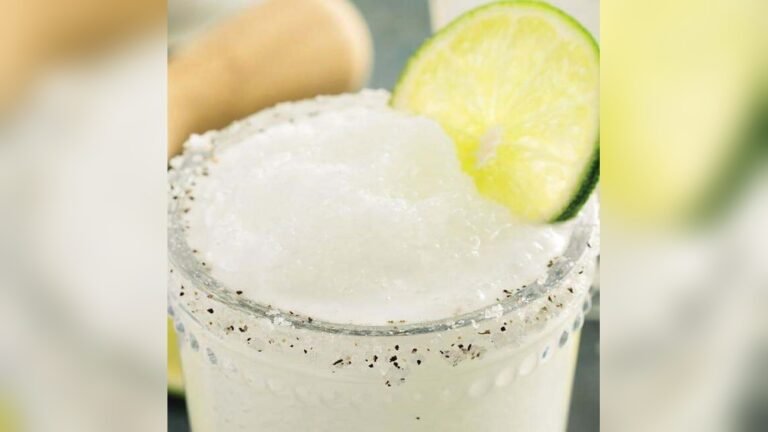
Frozen Margarita
- 2 oz tequila
- 1 oz lime juice
- 1 oz triple sec
- 1 cup ice
- 1 tablespoon sugar
Blend on high until slushy. Pour into a glass and garnish with lime.
Chocolate Protein Shake
- 1 cup milk
- 1 scoop chocolate protein powder
- 1/2 banana
- 1 tablespoon peanut butter
Blend for 30–40 seconds. This is great after workouts.
If you want more inspiration, check out recipes on the official Ninja Kitchen website: Ninja Kitchen Recipes.
Using Ninja Blender For Meal Prep
Meal prep is easier with a Ninja Blender. You can make big batches of smoothies, soups, dips, and sauces. Here’s how to use your blender for meal prep:
- Batch smoothies: Blend several servings at once. Store in jars in the fridge for 2–3 days.
- Soup bases: Puree vegetables for soup. Store in airtight containers and reheat as needed.
- Nut butters and dips: Make a jar of peanut butter or hummus. Keeps well for a week.
- Pasta sauce: Blend tomatoes, garlic, and herbs. Pour into jars for quick meals.
A smart tip: Freeze smoothie packs. Add chopped fruits and veggies to freezer bags. In the morning, dump into the blender, add liquid, and blend.
Ninja Blender Accessories And Upgrades
Many Ninja Blender models offer accessories:
- Extra cups: For single-serve blending.
- Blade attachments: For dough, chopping, or slicing.
- Travel lids: To take smoothies on the go.
- Food processor bowls: For chopping or shredding.
If you use your blender daily, investing in accessories can save time and add convenience. But make sure the accessories fit your model.
Some beginners forget to check compatibility. Always read the product description or ask Ninja support before buying extras.
Energy Efficiency And Safety
Ninja Blenders are designed to be energy efficient. Most models use less than 1.5 kWh per hour of blending. That’s less than your microwave or oven.
To use your blender safely and efficiently:
- Blend in short bursts rather than running for many minutes.
- Don’t use damaged cords or plugs.
- Keep the motor base dry.
- Use only Ninja-approved accessories.
A surprising fact: Using the pulse function for chopping uses less energy than running at high speed for several minutes.

Credit: thedaringkitchen.com
Frequently Asked Questions
How Do I Clean The Blades Safely?
Always unplug the blender first. Remove the blades from the pitcher or cup. Use a soft brush or sponge and warm, soapy water. Never touch the sharp edges with your fingers. Let the blades dry completely before reassembling.
Can I Crush Ice With My Ninja Blender?
Yes, most Ninja Blenders can crush ice easily. Use the high-speed or dedicated ice-crushing function. Always add a little liquid to help the blades move. Do not overload with too much ice—this can stress the motor.
What If My Ninja Blender Smells Burnt?
A burnt smell usually means the motor is overworked or blocked. Stop blending, unplug, and check for stuck ingredients or blockages. Clean the pitcher and blades. If the smell continues, contact Ninja customer support for help.
Is It Safe To Blend Hot Liquids?
You can blend warm (not boiling) liquids in some Ninja models, but never blend boiling-hot ingredients. Steam can build up and pop the lid off, causing burns. Let ingredients cool slightly before blending.
How Do I Know Which Ninja Blender Model Is Best For Me?
Think about your needs. For single-serve smoothies, the Nutri Ninja is convenient. For meal prep and big batches, the Professional or Foodi models are better. Compare capacity, power, and features. Read reviews and check the Ninja website for guidance.
Ninja Blenders make blending easy, fast, and fun. By following these steps and tips, you’ll get the best results every time. With practice, you can use your Ninja Blender for everything from smoothies to dough, and even meal prep for the week.
Enjoy exploring new recipes and techniques—your kitchen routine will never be the same.