How To Use Ninja Professional Blender: Step-by-Step Guide
The Ninja Professional Blender is a favorite kitchen tool for many people around the world. It stands out because of its strong motor, sharp blades, and easy-to-use controls. If you want to make smoothies, soups, sauces, or even crush ice for drinks, this blender can do it all.
But to get the best results, you need to know how to use it the right way. This guide will show you everything you need to know about using the Ninja Professional Blender—from setup to cleaning, with tips for getting the most out of your machine.
Whether you’re new to blenders or just want to improve your skills, you’ll find practical advice, clear steps, and helpful examples here.
What Makes Ninja Professional Blender Special
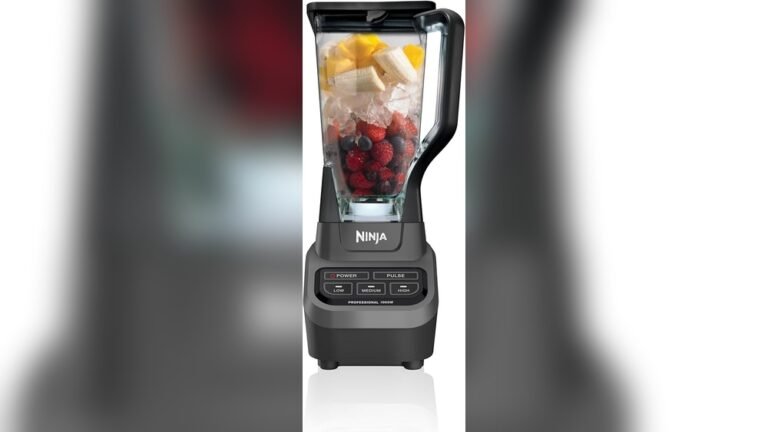
The Ninja Professional Blender is not just another kitchen gadget. It’s designed for powerful blending, making it easy to handle tough ingredients like frozen fruit, nuts, and ice. The motor ranges from 900 to 1100 watts depending on the model, which is much higher than many basic blenders. This means it can blend faster and smoother.
Its six-blade assembly is unique. Most blenders have just two or four blades at the bottom, but the Ninja’s blades are stacked, so they cut through everything in the jar. This makes it easier to get a consistent texture and avoids leaving chunks behind.
The large capacity—usually 72 ounces—lets you make drinks for a group or prep meals in advance. The pitcher is made from BPA-free plastic, which is safer for your health.
The controls are simple: three speeds, a pulse button, and sometimes a dedicated ice crush or smoothie button. Even if you’re not used to kitchen appliances, you’ll find the Ninja easy to work with.
Setting Up Your Ninja Professional Blender
Before you start blending, you need to set up your machine correctly. Doing this ensures safety and better performance.
- Unboxing and Inspection: When you first open the box, check for all parts: the base (motor), pitcher, lid, blade assembly, and any accessories. Make sure nothing is cracked or broken.
- Washing Before Use: Wash the pitcher, lid, and blade in warm soapy water. Dry them well. Don’t submerge the motor base in water; just wipe it with a damp cloth.
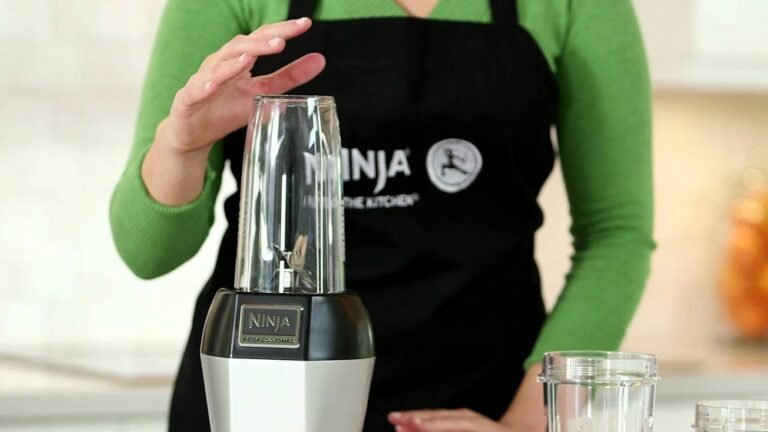
- Assembly Steps:
- Place the base on a flat, dry surface near an outlet.
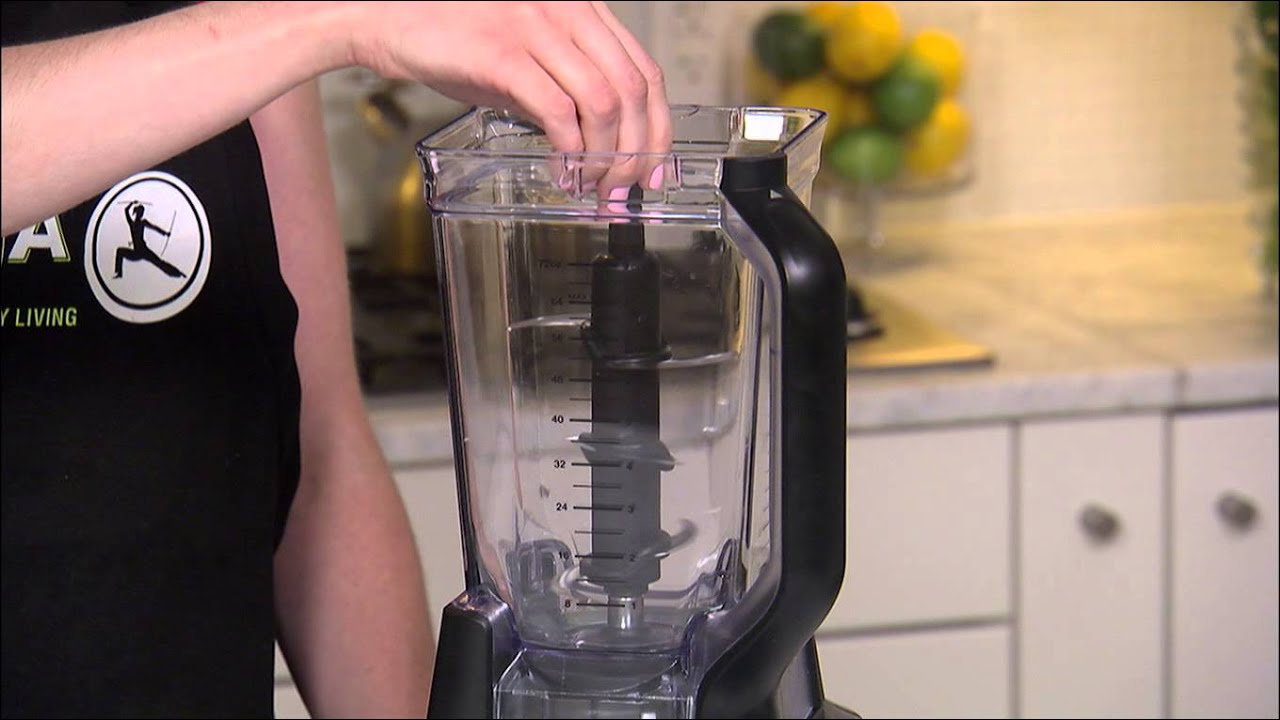
- Insert the blade assembly into the pitcher.
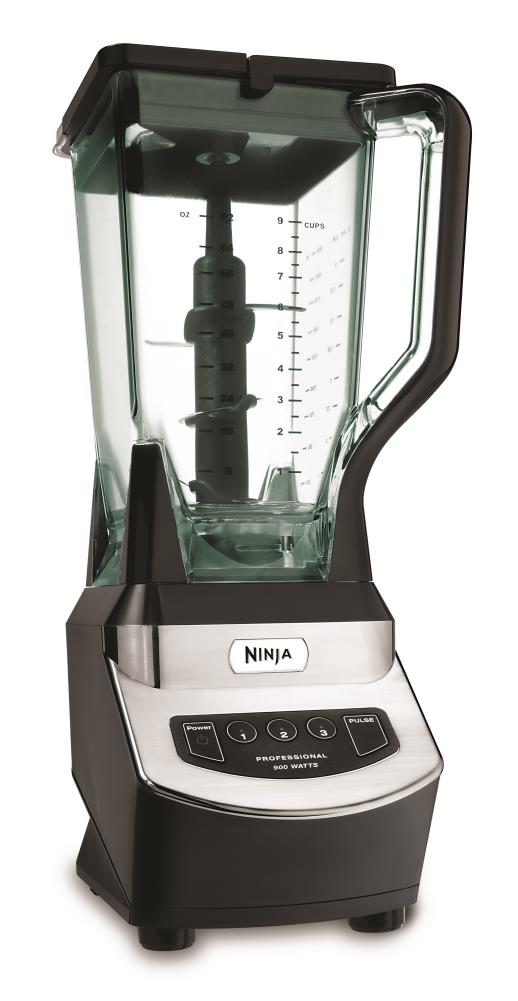
- Fill the pitcher with ingredients, but never above the MAX line.
- Put the lid on and lock it. The Ninja lid has a safety lock—you must hear a click before it will work.
- Place the pitcher on the base. Turn it until it locks in place.
- Power Connection: Plug in the blender. Make sure your hands are dry for safety.
Non-obvious insight: Many beginners forget to check the lid’s lock. The Ninja won’t start if the lid isn’t clicked into place. Always check for the click sound.
Understanding The Controls And Features
The Ninja Professional Blender is designed to be simple, but knowing what each button does will help you get better results.
- Speed Settings: There are usually three. Low speed is for soft foods, medium for most tasks, and high for tough ingredients or bigger batches.
- Pulse Button: This gives short bursts of power. Use it to chop vegetables or mix ingredients without pureeing them.
- Ice Crush/Smoothie Button: Some models have special buttons for these tasks. They’re programmed to work best for drinks.
Blender safety tip: Never run the blender for more than one minute at a time, especially on high. Let it rest for 1–2 minutes between long blends to avoid overheating.
Example Of Controls
Imagine you want to make salsa. Start with pulse to chop onions and tomatoes without making them mushy. For smoothies, use the high speed for a creamy texture.
Choosing Ingredients And Preparing Them
You can blend almost anything in the Ninja Professional Blender, but some ingredients need special care.
- Fruits and Vegetables: Wash and cut them into chunks. Hard ingredients (like carrots) should be smaller for smoother blending.
- Ice and Frozen Foods: Add these last, on top of softer ingredients. This keeps the blades from jamming.
- Liquids: Always add some liquid, like water, juice, or milk, for better blending. Dry ingredients alone can stall the blades.
Non-obvious insight: Layering matters. Put liquids at the bottom, soft foods in the middle, and hard/frozen items on top. This helps the blades pull everything down for even blending.
Credit: www.lowes.com
Making Smoothies And Shakes
Smoothies are one of the most popular uses for the Ninja Professional Blender. Here’s how to get perfect results:
Basic Smoothie Recipe Example
- 1 cup frozen fruit (berries, mango, or banana)
- 1 cup fresh spinach (optional for nutrition)
- 1 cup milk or plant-based milk
- ½ cup yogurt
- 1 tablespoon honey (optional)
- Add all ingredients into the pitcher, starting with the liquid.
- Secure the lid.
- Use medium speed for 10 seconds, then high speed for 30–40 seconds.
- Check texture. If too thick, add more milk and blend again.
Tip: For creamier smoothies, use frozen bananas or avocado.
Protein Shake Example
- 1 scoop protein powder
- 1 cup milk
- ½ cup ice
- ½ cup fruit (optional)
Blend on high for 30 seconds. The Ninja’s blades break down powder well, so you don’t get lumps.
Making Soups, Sauces, And Purees
The Ninja Professional Blender is great for making soups and sauces. However, avoid blending hot liquids directly—let them cool first.
Tomato Soup Example
- 2 cups chopped tomatoes
- 1 cup cooked onions
- 1 cup vegetable broth
- 1 teaspoon salt
- 1 teaspoon olive oil
Blend on high for 40–60 seconds. For a smoother soup, strain after blending.
Salsa Example
- 2 cups chopped tomatoes
- ½ cup chopped onions
- 1 jalapeño, seeded
- ¼ cup cilantro
- 1 tablespoon lime juice
- Salt to taste
Use the pulse button for 5–10 seconds. Stop and check consistency; pulse again if needed.
Practical tip: Always let hot ingredients cool to room temperature before blending. The pressure from hot steam can make the lid pop off.
Credit: www.youtube.com
Crushing Ice And Making Frozen Drinks
The Ninja Professional Blender is famous for its ability to crush ice. You can make snow-like ice for slushies or cocktails.
How To Crush Ice
- Add 2–3 cups ice cubes to the pitcher.
- Use the ice crush button or pulse on high speed.
- Blend for 10–20 seconds, shaking the pitcher gently if ice gets stuck.
Frozen drink example: For a margarita, add 2 cups ice, ½ cup lime juice, ½ cup tequila, and blend until smooth.
Data: The Ninja can crush ice in under 20 seconds, while many basic blenders take 40–60 seconds and often leave chunks.
Blending Nuts, Seeds, And Hard Ingredients
You can use the Ninja Professional Blender to make nut butter, grind seeds, or blend tough ingredients.
Nut Butter Example
- 2 cups roasted peanuts (no shells)
- 1 tablespoon oil (optional for smoothness)
Blend on high for 1 minute, scrape sides, then blend again for 30 seconds. Repeat until creamy.
Non-obvious insight: The Ninja works best for nut butters when you add a little oil. Dry nuts can stick to the sides and stall the blades.
Cleaning And Maintenance
Keeping your blender clean is important for both safety and performance.
Cleaning Steps
- Unplug the base before cleaning.
- Remove the pitcher and blade assembly.
- Wash the pitcher, lid, and blade in warm soapy water. Use a brush for tight spots.
- Rinse and dry all parts.
- Wipe the motor base with a damp cloth.
Many Ninja pitchers and lids are dishwasher safe (top rack only). Check your manual to be sure.
Deep Cleaning
If your blender smells or has stuck-on food:
- Fill the pitcher halfway with warm water and a drop of dish soap.
- Blend on medium for 30 seconds.
- Rinse and dry.
Maintenance tip: Check the blade assembly for wear or damage every month. Replace blades if they are dull or chipped.
Safety Tips For Using Ninja Professional Blender
Blenders are powerful machines. Follow these safety tips to avoid accidents:
- Always lock the lid before blending.
- Never put hands or utensils in the pitcher while the blender is running.
- Don’t blend boiling liquids.
- Unplug before cleaning or moving parts.
- Keep the base dry.
Data: According to Consumer Reports, most blender injuries come from people trying to remove stuck food while the blender is plugged in.
Common Mistakes And How To Avoid Them
Even experienced users make mistakes with blenders. Here are some of the most common:
- Overfilling the pitcher: This causes leaks and uneven blending. Always stay below the MAX line.
- Blending dry ingredients only: This stalls the blades. Add some liquid every time.
- Ignoring the safety lock: If the lid isn’t locked, the blender won’t start.
- Running too long: Overheating can damage the motor. Blend in short bursts.
- Not cleaning after use: Food dries and sticks, making cleanup harder.
Non-obvious insight: If your blender stops working, check for overheating. Let it cool for 10 minutes before trying again.
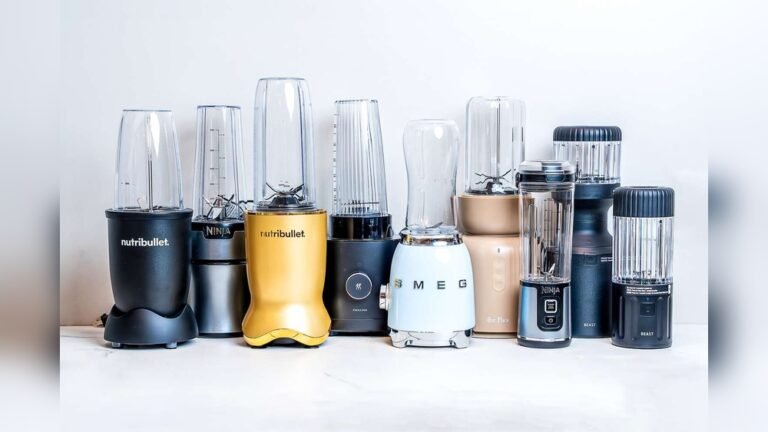
Comparing Ninja Professional Blender To Other Models
If you’re thinking about buying a Ninja Professional Blender, you might wonder how it compares to other brands. Here’s a quick look at some popular models.
| Blender Model | Motor Power (Watts) | Blade Design | Capacity | Price (USD) |
|---|---|---|---|---|
| Ninja Professional | 1000–1100 | Six-blade stacked | 72 oz | 95–120 |
| Vitamix E310 | 1400 | Four-blade flat | 48 oz | 350–400 |
| Oster Pro 1200 | 1200 | Dual blade | 48 oz | 80–110 |
| NutriBullet | 900 | Four-blade flat | 32 oz | 60–80 |
Insight: The Ninja offers a strong balance of power, capacity, and price. For most home users, it’s more than enough for daily tasks.
Using Accessories And Extra Functions
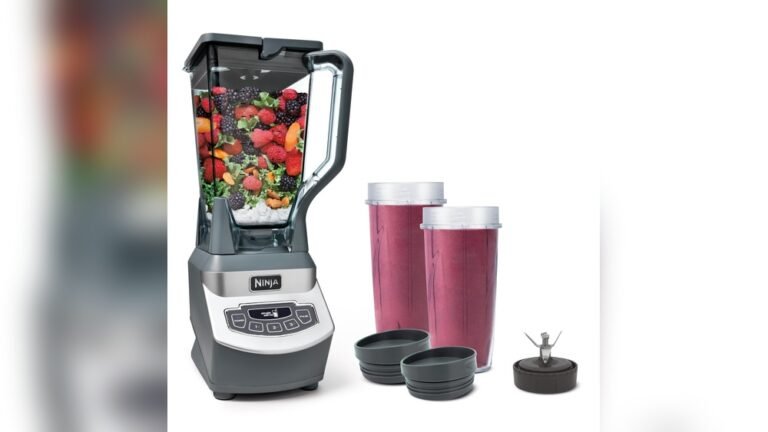
Some Ninja Professional Blender models come with extra accessories, like single-serve cups or food processor attachments. Here’s how to use them:
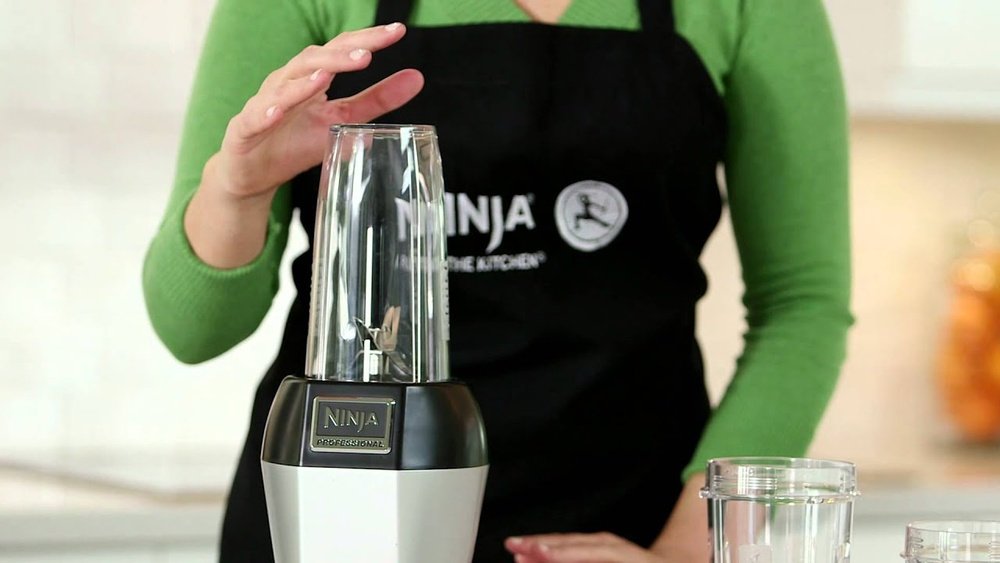
- Single-Serve Cups: For small batches, smoothies, or sauces. Fill the cup, screw on the blade assembly, and lock onto the base. Blend as usual.
- Food Processor Attachment: For chopping, slicing, or mixing dough. Follow the manual for assembly. Use pulse for chopping, low speed for mixing.
Tip: If you want to blend hot soup, use the food processor bowl for cooled ingredients, then heat after blending.
Troubleshooting Ninja Professional Blender Problems
Sometimes, things don’t go as planned. Here are solutions for common issues:
Blender Won’t Start
- Check if the pitcher and lid are locked.
- Make sure the base is plugged in.
- Look for error lights—some models flash if something isn’t locked.
Blender Stops Mid-blend
- Unplug and let cool for 10 minutes. This happens if the motor overheats.
- Check for stuck food under blades. Clean and try again.
Leaks
- Don’t overfill.
- Check the rubber seal under the blade. If damaged, replace it.
Loud Noise
- Hard ingredients like ice can make the blender noisy. This is normal, but if you hear grinding or rattling, check for loose parts.
Non-obvious insight: Always check the rubber gasket inside the blade assembly. A worn gasket can cause leaks and noise.
Maximizing Blender Performance
To get the most from your Ninja Professional Blender, follow these tips:
- Use fresh ingredients: Fresh fruits and vegetables blend smoother.
- Cut ingredients small: Even tough foods blend better when cut into 1–2 inch pieces.
- Layer ingredients: Liquids first, soft foods next, hard/frozen last.
- Blend in short bursts: Use pulse or blend in cycles for better texture.
- Add ice last: This prevents jamming and keeps drinks cold.
Example: Making Smooth Peanut Butter
- Use roasted peanuts.
- Add a tablespoon of oil for creaminess.
- Blend on high, scrape sides, then blend again.
Data: In tests, the Ninja Professional Blender made smooth peanut butter in under 3 minutes, while some blenders took over 5 minutes.
Blender Care For Long Life
Proper care can make your Ninja Professional Blender last for years.
- Clean after every use.
- Dry all parts before reassembly.
- Store with lid off to avoid odors.
- Check blade sharpness every 3–6 months.
Tip: If you use the blender daily, consider replacing blades once a year.
Environmental Impact And Bpa-free Materials
The Ninja Professional Blender pitcher is made from BPA-free plastic, which is safer for health and better for the environment. BPA (Bisphenol A) is a chemical used in many plastics, but it can be harmful if it gets into food.
Data: According to the FDA, BPA-free plastics reduce health risks and are safer for long-term use (FDA).
Tip: If you care about the environment, recycle old blender parts properly.
Ninja Professional Blender For Meal Prep
You can use the Ninja Professional Blender to make meal prep easier. Here are examples:
- Smoothies for breakfast: Blend and store in bottles for busy mornings.
- Soup bases: Blend vegetables for quick cooking.
- Sauces and dips: Make in batches and refrigerate.
Insight: Many meal prep experts use blenders to save time. The Ninja’s large capacity is perfect for prepping food for several days.
Blender Recipes For Beginners
Here are some easy recipes you can try:
Green Smoothie
- 1 cup spinach
- 1 cup frozen pineapple
- 1 cup water
- ½ banana
Blend on high for 40 seconds.
Hummus
- 1 can chickpeas (drained)
- 2 tablespoons tahini
- 2 tablespoons olive oil
- 1 tablespoon lemon juice
- Salt to taste
Blend on medium for 1 minute.
Milkshake
- 2 cups ice cream
- 1 cup milk
- ½ cup strawberries
Blend on high for 30 seconds.
Tip: For thicker shakes, use less milk.
Advanced Ninja Blender Techniques
If you’re comfortable with basic blending, try these advanced techniques:
- Layering flavors: Add spices or herbs in stages, blend, then taste and adjust.
- Emulsifying sauces: Blend oil and vinegar slowly for creamy dressings.
- Grinding grains: Use the Ninja to grind oats or rice for homemade flour.
Non-obvious insight: You can use the Ninja to make pancake batter. Blend flour, eggs, milk, and baking powder for 30 seconds.
Comparing Ninja Blender Pitcher Sizes
Different Ninja models have different pitcher sizes. Here’s a comparison:
| Model | Pitcher Size (oz) | Best For |
|---|---|---|
| Ninja Professional BL610 | 72 | Large batches, meal prep |
| Ninja Professional BL660 | 72 + 16 (cup) | Large + single serve |
| Ninja Compact BL480 | 24 | Single serve, smoothies |
Tip: Choose the size based on your needs. If you often blend for one person, a smaller model is more convenient.
Ninja Professional Blender For Special Diets
If you follow a special diet—like vegan, gluten-free, or keto—the Ninja can help:
- Vegan: Blend nuts for milk, tofu for sauces, beans for dips.
- Gluten-free: Grind gluten-free oats for flour, make batters.
- Keto: Make fat-rich smoothies, blend avocados, mix nut butters.
Example: For a keto smoothie, blend avocado, coconut milk, spinach, and protein powder.
Smart Shopping: What To Look For When Buying
If you’re buying a Ninja Professional Blender, keep these factors in mind:
- Motor power: Higher watts mean better blending.
- Blade assembly: Six-blade design is best for tough jobs.
- Pitcher size: Choose based on family size or meal prep needs.
- Accessories: Single-serve cups and food processor bowls add value.
- Warranty: Ninja offers 1–2 years warranty. Always check.
Common mistake: Don’t buy just based on price. Cheap blenders often lack power and durability.
Using Ninja Blender For Baby Food
Making baby food at home is easy with the Ninja Professional Blender.
- Blend cooked vegetables, fruits, and grains for purees.
- Always use soft, cooked ingredients and let them cool.
- Store purees in airtight containers.
Tip: For extra smoothness, strain after blending.

Credit: www.amazon.com
Cleaning Tricks For Busy People
If you’re short on time, here’s a fast cleaning method:
- Fill the pitcher with warm water and a little dish soap.
- Run on medium for 30 seconds.
- Rinse and dry.
This cleans most messes without scrubbing.
Frequently Asked Questions
How Do I Know If My Ninja Professional Blender Is Assembled Correctly?
Check the pitcher and lid locks. The pitcher should click onto the base, and the lid should lock with a snap. If either is not locked, the blender won’t start. Look for the safety indicators on the base—some models have lights that show when it’s ready.
Can I Blend Hot Soup In The Ninja Professional Blender?
It’s best to avoid blending hot liquids. Let soup cool to room temperature before blending. Hot liquids build pressure and can cause the lid to pop off, making a mess and posing a safety risk.
What Is The Best Way To Clean The Blade Assembly?
Remove the blade from the pitcher and wash with a brush in warm soapy water. Be careful; blades are sharp. For deep cleaning, blend soapy water for 30 seconds, then rinse. Check for stuck food under the blades.
Why Does My Blender Leak Sometimes?
Leaking usually happens when you overfill the pitcher or if the rubber gasket under the blade is worn out. Always stay below the MAX line and check the gasket. If damaged, replace it to prevent leaks.
Can I Use The Ninja Professional Blender For Dough Or Baking?
Yes, with the food processor attachment (available for some models). Use low speed or pulse to mix dough, batter, or cake mixes. Do not overload; follow the manual for best results.
The Ninja Professional Blender is a strong, versatile tool that can help you make everything from smoothies to soups, sauces, and more. With its powerful motor, unique blade design, and simple controls, it’s easy for anyone to use. Remember to set up your blender carefully, follow safety tips, and clean after every use.
With these steps, you’ll get the best results every time and enjoy your blender for years. If you want more details or recipes, check the official Ninja website for inspiration and support.