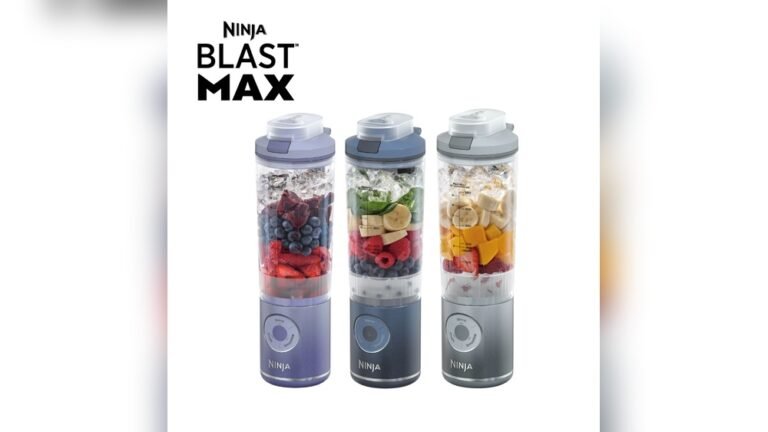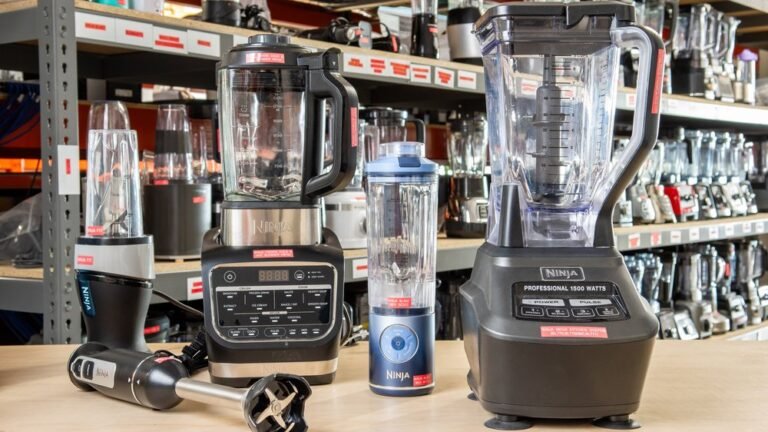
How To Make Beet Juice In A Ninja Blender: Easy Recipe Guide
If you’ve ever tasted fresh beet juice, you know it has a vibrant color and a unique, earthy sweetness. Beet juice is rich in nutrients, especially nitrates, which can boost blood flow, lower blood pressure, and even enhance exercise performance. Many people think you need a fancy juicer to make beet juice at home. But with a Ninja blender, you can easily make delicious, nutrient-packed beet juice in your own kitchen—no juicer required. In this guide, you’ll learn exactly how to do it step by step, with practical tips, ingredient ideas, and answers to common questions. Whether you’re a beginner or just want to make the process easier, you’ll find everything you need right here.
Why Make Beet Juice At Home?
Store-bought beet juice is convenient, but it often contains added sugars and preservatives. The flavor can also taste less fresh compared to homemade juice. Making beet juice at home in a Ninja blender lets you control the ingredients, flavor, and freshness.
It’s a cost-effective way to enjoy a high-quality drink, tailored to your taste and dietary needs.
Here are a few key benefits of homemade beet juice:
- No added sugars or artificial flavors
- Maximum nutrient retention (especially when consumed fresh)
- Customizable with fruits, veggies, or spices
- More affordable over time
A 16-ounce bottle of beet juice at the store can cost $4–$8. Making your own costs less than $1 per serving and takes under 15 minutes.
Understanding Beet Juice: Nutrition & Benefits
Beets are a superfood for a reason. One cup (about 136 grams) of raw beets contains:
- 58 calories
- 13 grams carbohydrates
- 2 grams protein
- 4 grams fiber
- High levels of folate, vitamin C, potassium, and manganese
The main star is dietary nitrate. When you drink beet juice, your body converts these nitrates into nitric oxide, which can:
- Lower blood pressure (studies show reductions of up to 4–10 mmHg)
- Improve blood flow
- Boost athletic endurance
- Support heart health
Research published in the journal *Hypertension* found daily beet juice reduced blood pressure in people with hypertension. Another study in *Nutrients* showed beetroot juice improved running performance in athletes.
What You Need: Equipment & Ingredients
Essential Equipment
To make smooth beet juice in your Ninja blender, you’ll need:
- Ninja blender (any model with at least 900 watts is ideal)
- Fine mesh strainer, nut milk bag, or cheesecloth (for removing pulp)
- Cutting board and knife
- Large bowl or jug (to catch strained juice)
- Peeler (optional, for peeling beets)
Choosing The Best Beets
Pick fresh, firm, medium-sized beets. Small beets are sweeter, while large ones can be woody or bitter. Organic beets are best if you want to juice with the skin on.
Look for:
- Deep, rich color (red or golden)
- Smooth, unblemished skin
- Fresh green tops (if attached)
Other Optional Ingredients
Beets have a strong, earthy taste. Many people mix them with other fruits or vegetables for a milder flavor. Here are some great additions:
- Carrots (add sweetness)
- Apples (balance earthiness)
- Oranges (bring citrus brightness)
- Ginger (adds spice and aids digestion)
- Lemon or lime (cuts sweetness, adds Vitamin C)
- Cucumber (refreshing and hydrating)
- Celery (mild, savory flavor)
- Pineapple (tropical sweetness)
Ingredients List For Basic Beet Juice
For about 2 servings (16–20 ounces):
- 2 medium beets (about 8 oz each)
- 1 large apple (or 2 small)
- 1/2 lemon (peeled, seeds removed)
- 1-inch piece of fresh ginger (optional)
- 1 cup cold water
Preparing Beets For Juicing
Washing & Peeling
Beets grow underground, so they can be very dirty. Scrub them well under running water. If your beets are organic and you like an earthier flavor, you can leave the skin on. Otherwise, peel with a vegetable peeler.
Cutting
Cut off the root and leafy tops. Slice the beets into 1-inch cubes. Smaller pieces blend more easily and help protect your blender’s motor.
If you’re using apples, core and chop them. Peel ginger if you’re adding it. Remove seeds from citrus fruits.
Pro Tip
Always cut beets on a plastic or glass cutting board—the pigment can stain wood.

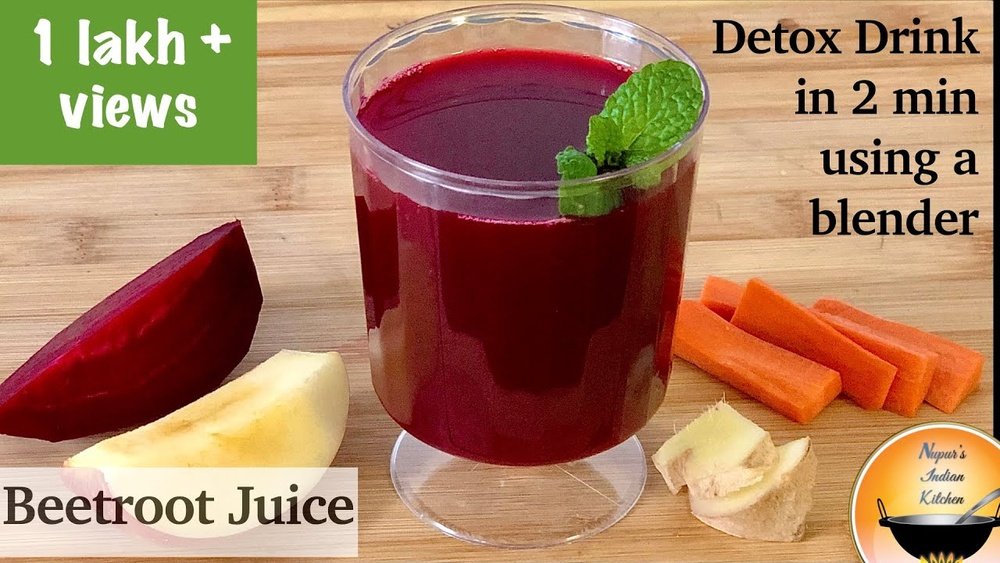
Credit: www.youtube.com
How To Make Beet Juice In A Ninja Blender: Step-by-step
1. Add Ingredients To Blender
Place the beet cubes, apple pieces, lemon, ginger, and water into the Ninja blender. Water is essential; it helps everything blend smoothly. If your blender is smaller, blend in batches.
2. Blend Until Smooth
Start on low, then increase to high speed. Blend for 1–2 minutes, or until the mixture looks like a thick, smooth purée. If you see large chunks, stop and scrape down the sides, then blend again.
3. Strain The Juice
Place your strainer, cheesecloth, or nut milk bag over a large bowl. Pour the blended beet mixture through. Use a spoon, spatula, or your hands (if using a bag) to squeeze out as much juice as possible. The leftover pulp will be quite dry.
4. Taste And Adjust
Pour the strained juice into glasses. Taste it. If it’s too strong, add a little more water or a splash of orange juice. If it’s not sweet enough, stir in a teaspoon of honey or maple syrup.
5. Serve Or Store
Drink your juice immediately for the most nutrients and best flavor. If you need to store it, put it in a sealed glass container in the fridge. It will keep for up to 48 hours, but the color and flavor may fade.
Step-by-step Recap Table
Here’s a quick summary of the key steps:
| Step | Action | Tips |
|---|---|---|
| 1 | Add chopped beets, fruit, water to blender | Don’t overfill blender jar |
| 2 | Blend on high until smooth | Scrape sides as needed |
| 3 | Strain mixture through cloth or strainer | Use spatula to press out juice |
| 4 | Taste and adjust sweetness or dilution | Add citrus or honey if desired |
| 5 | Serve immediately or refrigerate | Best within 24–48 hours |
Customizing Your Beet Juice: Flavor Ideas
The flavor of beet juice is bold, so many people like to mix it with other ingredients. Here are a few delicious combinations:
- Beet-Apple-Carrot (“ABC” Juice): 2 beets, 2 apples, 2 carrots, 1/2 lemon, 1 cup water.
- Beet-Orange-Ginger: 2 beets, 1 orange, 1-inch ginger, 1/2 cup pineapple, 1 cup water.
- Beet-Cucumber-Celery: 2 beets, 1 cucumber, 2 celery stalks, 1 apple, 1 cup water.
- Tropical Beet Juice: 2 beets, 1 cup pineapple, 1/2 cup mango, 1/2 lime, 1 cup water.
For a spicier juice, add 1/4 teaspoon of cayenne pepper or a pinch of black pepper. A small handful of fresh mint or basil can also add a fresh, cooling note.
Beet Juice Without Straining: Smoothies & Fiber
You don’t have to strain your juice if you don’t mind a thicker texture—just blend the ingredients with a little more water and drink as a beet smoothie. This way, you keep all the fiber, which can help digestion and keep you full longer.
Beet Smoothie Tips
- Use frozen fruits to chill and thicken the drink.
- Add yogurt or plant milk for creaminess.
- Include a tablespoon of chia or flax seeds for extra nutrition.
Common Mistakes When Making Beet Juice
Many beginners make small errors that affect taste, texture, or nutrition. Here are some mistakes to avoid:
- Not adding enough water: Without enough liquid, the mixture may not blend smoothly and can overwork your blender.
- Forgetting to strain: Beet pulp is very fibrous. If you want clear juice, straining is essential.
- Blending too long: Over-blending can warm the juice, which can degrade some nutrients and affect flavor.
- Not using fresh ingredients: Older beets can taste woody or bitter. Always use the freshest beets you can find.
- Skipping the taste test: The earthy flavor is strong. Always taste and adjust before serving.
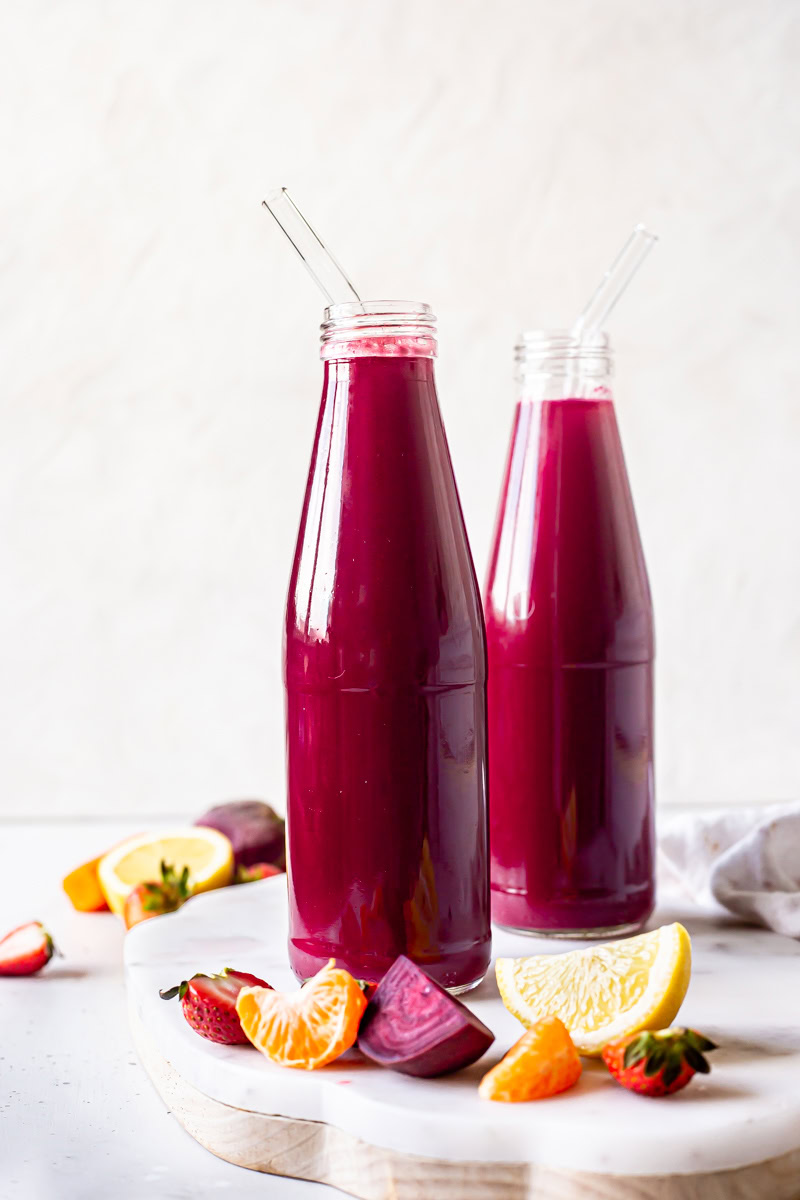
Credit: healthylittlevittles.com
Cleaning Your Ninja Blender After Juicing
Beet juice stains easily, so you’ll want to clean your blender right away. Here’s the fastest way:
- Rinse the blender jar and lid with cold water immediately.
- Add a drop of dish soap and fill halfway with warm water.
- Blend on high for 30 seconds.
- Rinse thoroughly and air dry.
If you have stubborn stains, make a paste of baking soda and water, rub it on the stains, let sit for 10 minutes, and rinse off. Lemon juice can also help remove stains and odors.
Using Beet Pulp: Waste Less, Benefit More
Don’t throw out the leftover beet pulp after straining. It’s packed with fiber and micronutrients. Here are some creative ways to use it:
- Stir into soups or stews for extra nutrition.
- Mix into muffin or pancake batter for color and fiber.
- Add to veggie burgers or meatballs.
- Blend with hummus or yogurt for a colorful dip.
- Compost it for your garden.
Using the pulp can help reduce food waste and add value to your homemade juice.
Comparing Juicers Vs. Ninja Blenders For Beet Juice
Wondering if a blender can really compete with a juicer? Here’s a side-by-side look:
| Feature | Ninja Blender | Traditional Juicer |
|---|---|---|
| Cost | Usually $60–$150 | $100–$400+ |
| Versatility | Can make smoothies, soups, sauces, and more | Mostly juices only |
| Cleanup | Easy—just one jar and blade | More parts to clean |
| Juice Yield | Needs straining; slightly less clear juice | Higher yield, less pulp |
| Fiber Content | Option to include more fiber | Mostly removes fiber |
| Prep Time | Quick; chop ingredients only | May require peeling, extra steps |
Key insight: For most home users, a Ninja blender is more versatile and easier to clean. The only downside is the extra step of straining if you want clear juice.
How To Store Homemade Beet Juice
Freshly made beet juice is best enjoyed immediately. But if you need to store it, here’s how to keep it fresh:
- Use a glass jar or bottle with a tight lid.
- Fill to the top to reduce air exposure (slows oxidation).
- Store in the refrigerator for up to 48 hours.
- Shake well before drinking—natural separation is normal.
- Don’t freeze beet juice; it can lose texture and flavor.
If you want to prepare juice for the week, consider making smaller batches every 2–3 days for maximum freshness.
Safety Tips: Handling Beets & Drinking Beet Juice
Beets are safe for most people, but there are a few things to keep in mind:
- Red urine or stool: Drinking beet juice can cause your urine or stool to turn pink or red. This is harmless and called *beeturia*.
- Kidney stones: Beets are high in oxalates. If you have a history of kidney stones, limit your intake and talk to your doctor.
- Blood pressure: Beet juice can lower blood pressure. If you’re on medication for hypertension, monitor your levels closely.
Pro tip: Start with small servings (4–6 ounces) if you’re new to beet juice. Too much at once can cause stomach upset.
Nutritional Comparison: Beet Juice Vs. Whole Beets
You might wonder if drinking beet juice is as healthy as eating whole beets. Here’s a direct nutritional comparison:
| Form | Calories (per cup) | Fiber | Nitrates | Sugar |
|---|---|---|---|---|
| Whole raw beets | 58 | 4g | High | 9g |
| Beet juice (strained) | ~80 | 0g | Very high | 13g |
| Beet smoothie (unstrained) | ~90 | 3g | High | 13g |
Juicing increases the concentration of some nutrients, especially nitrates and sugars, but removes most of the fiber. Smoothies keep more fiber, making them more filling.

Credit: true-north-kitchen.com
Practical Tips For Better Beet Juice
- Chill ingredients: Cold beets and fruit make your juice more refreshing.
- Add citrus: Lemon or lime brightens the flavor and helps preserve color.
- Use sweet fruits: Apples, pears, or pineapple mellow the earthiness.
- Don’t over-blend: Too much blending can heat the juice and change the taste.
- Rotate ingredients: Mix up your recipes to avoid boredom and get a wider range of nutrients.
- Drink on an empty stomach: Some people report better absorption and more energy.
When Is The Best Time To Drink Beet Juice?
There’s no “wrong” time to enjoy beet juice, but you might get the most benefit if you:
- Drink in the morning for energy and focus
- Consume 2–3 hours before exercise for a stamina boost
- Have as an afternoon pick-me-up instead of coffee
Studies show drinking beet juice before workouts can enhance performance, thanks to the nitrate boost.
Inspiring Beet Juice Recipes To Try
If you want to take your beet juice to the next level, try these creative recipes:
Beet-pineapple-ginger Power Juice
- 2 medium beets, peeled and chopped
- 1 cup pineapple chunks
- 1-inch ginger root
- 1/2 lemon, peeled
- 1 cup cold water
Blend, strain, and enjoy a tropical twist that’s great for digestion and energy.
Green Beet Detox Juice
- 2 beets
- 1 green apple
- 1 celery stalk
- 1/2 cucumber
- Juice of 1 lime
- 1 cup water
This recipe is hydrating and packed with antioxidants.
Spicy Beet-carrot Juice
- 2 beets
- 2 carrots
- 1 orange
- 1/4 teaspoon cayenne pepper
- 1 cup water
Perfect for boosting your immune system and waking up your taste buds.
Troubleshooting: Common Problems & Solutions
Even with a good blender, sometimes things don’t go as planned. Here’s how to fix common issues:
- Juice is too thick: Add more water or strain again through a finer mesh.
- Juice tastes bitter: Use smaller, younger beets and add more sweet fruit like apple or pineapple.
- Color fades quickly: Add a splash of lemon or lime to preserve the vibrant color.
- Blender jams: Cut ingredients smaller, add more water, and don’t overload the blender jar.
Non-obvious tip: Letting beet juice sit for 5–10 minutes before drinking can mellow the flavor and make it taste smoother.
Environmental Impact: Home Juicing Vs. Bottled Juice
Juicing at home with a Ninja blender is not just healthier—it’s also better for the environment. Store-bought juices often come in single-use plastic bottles and are shipped long distances. By making juice at home, you:
- Reduce plastic waste
- Lower your carbon footprint
- Support local farmers by buying fresh beets
If you compost your beet pulp, you’re further reducing waste and helping the planet.
Resources For More Information
If you want to learn more about the health benefits of beets, check out this research-based guide from the Harvard T.H. Chan School of Public Health.
Frequently Asked Questions
Can I Make Beet Juice In Any Ninja Blender Model?
Yes, you can make beet juice in almost any Ninja blender with at least 900 watts of power. Stronger models (like the Ninja Professional or Ninja Foodi) handle tough beets more easily. If you have a smaller or less powerful blender, cut your beets into small pieces and blend in batches for the smoothest result.
Do I Have To Cook Beets Before Blending?
No, you don’t have to cook beets before juicing. Raw beets give the freshest flavor and highest nutrients. However, if you find raw beets too hard on your blender or stomach, you can steam them lightly for 10 minutes and let them cool before blending.
This makes them softer and a bit sweeter, but slightly reduces the vitamin C content.
How Can I Make Beet Juice Less Earthy?
To reduce the earthy taste, mix beets with sweet fruits (like apples, pears, or pineapple) and a splash of citrus (lemon or orange). Adding a small piece of fresh ginger or mint can also mask the earthiness. Younger, smaller beets tend to have a milder flavor.
Is It Safe To Drink Beet Juice Every Day?
For most people, yes, it’s safe to drink a small glass (4–8 ounces) of beet juice daily. It’s rich in nutrients and can support heart health. However, if you have kidney stones, low blood pressure, or are on certain medications, ask your doctor first.
Drinking too much at once can cause stomach upset or temporary pink urine.
Can I Freeze Beet Juice For Later?
It’s not ideal to freeze beet juice. Freezing can change the texture, flavor, and reduce some nutrients. If you must freeze, use airtight glass containers, leave space for expansion, and thaw in the fridge. For best quality, enjoy your juice fresh or refrigerated for up to 48 hours.
With these tips and step-by-step instructions, making beet juice in a Ninja blender is simple, affordable, and rewarding. Enjoy experimenting with flavors and reap the health benefits of this vibrant superfood drink—right from your own kitchen.