Best Blender: Ninja or Nutribullet? How to Choose
For most people, the best blender between Ninja and Nutribullet is a Ninja — specifically a Ninja with a 1,000-watt motor or more. It handles ice, frozen fruit and thick nut butters without stalling, and the pitcher models hold enough for a family. A Nutribullet wins in one case: you live alone, you mostly make single smoothies, and you want a small cup you can drink from and rinse in seconds.
Ninja vs Nutribullet: side-by-side comparison
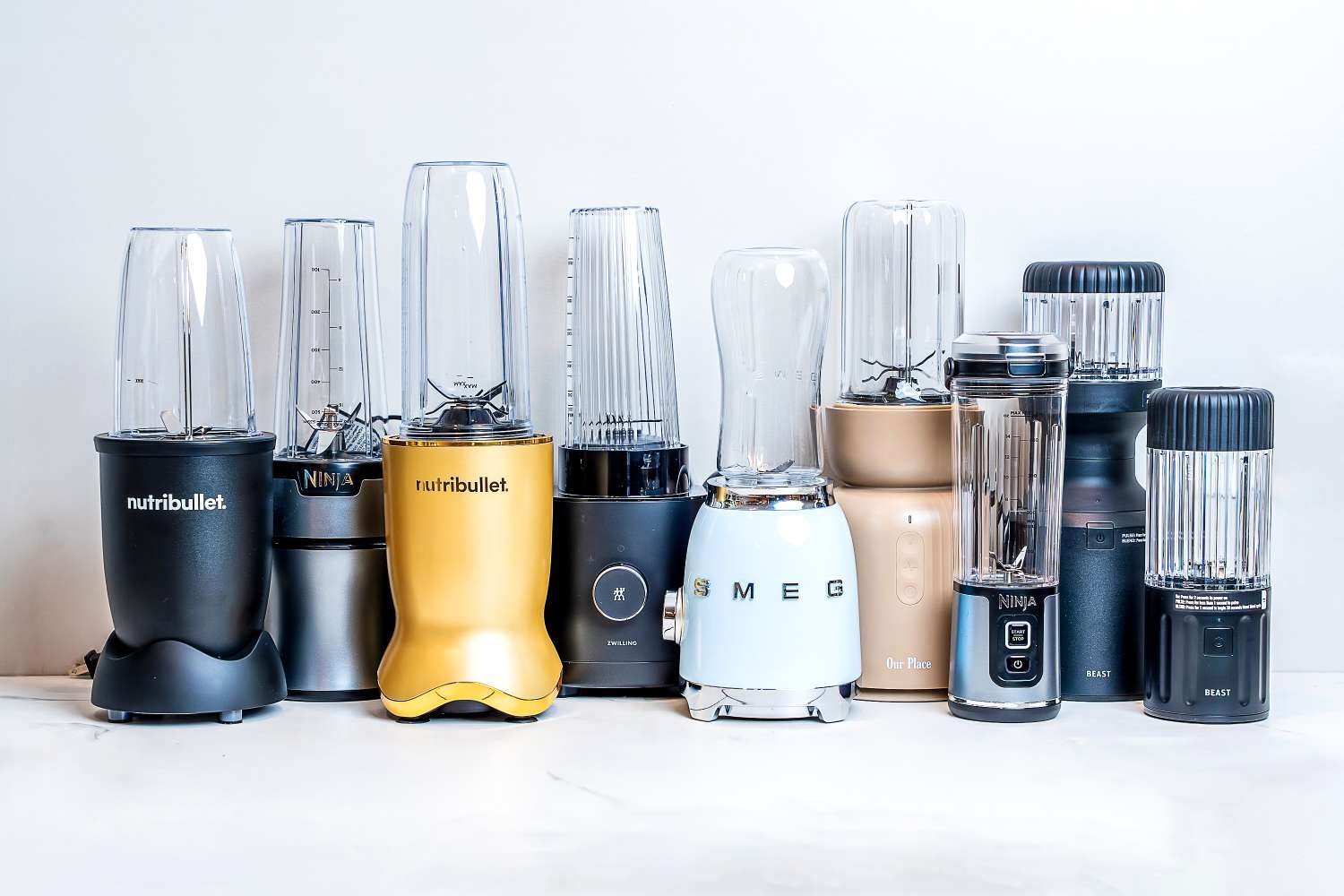
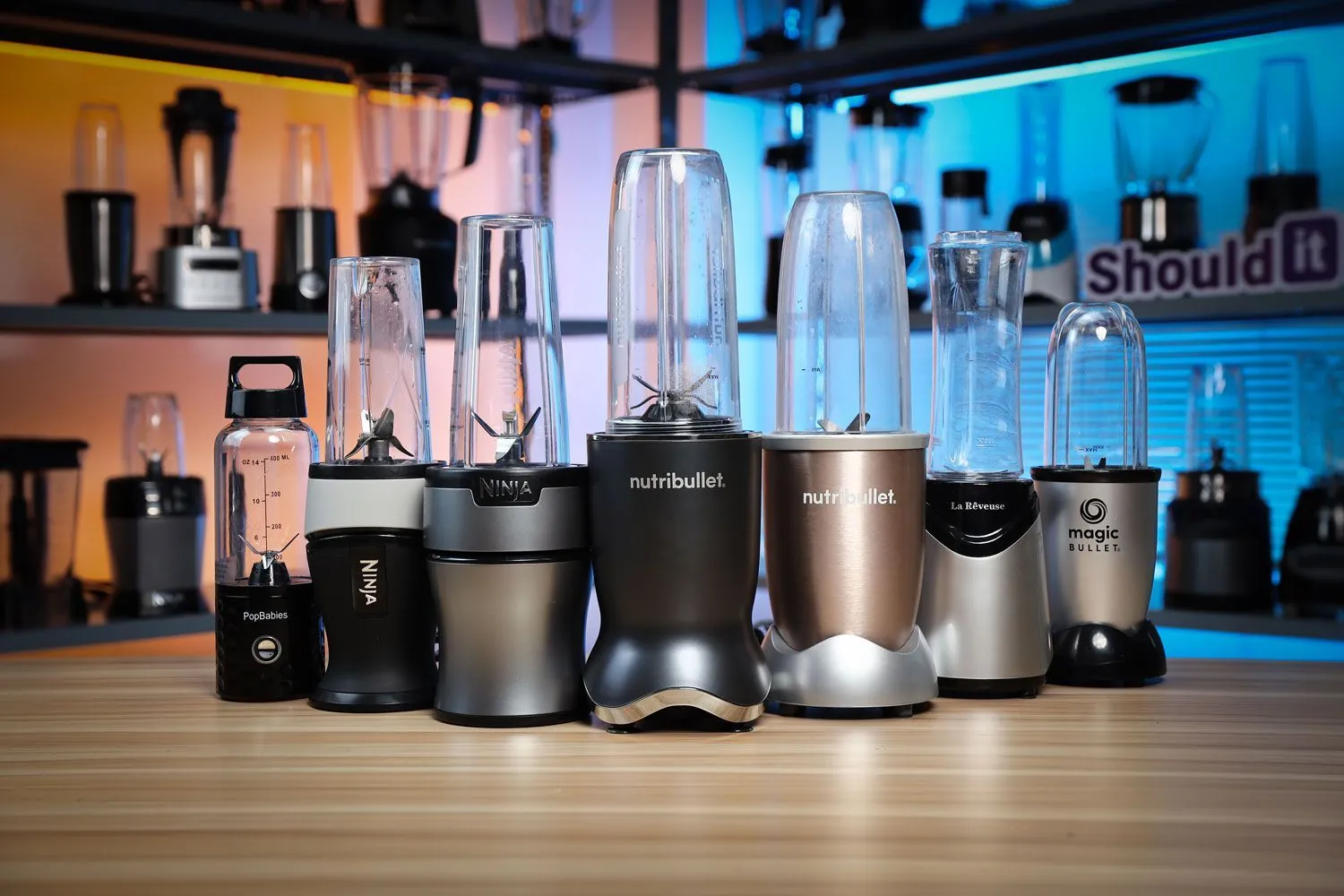
Both brands sell several models, so the name on the box matters less than the motor wattage and the jar size. A 900-watt Nutribullet and a 900-watt Ninja behave in similar ways. The table below compares the real options you’ll see on a shelf.
| Method | How long | Effort | Cost | Best for |
|---|---|---|---|---|
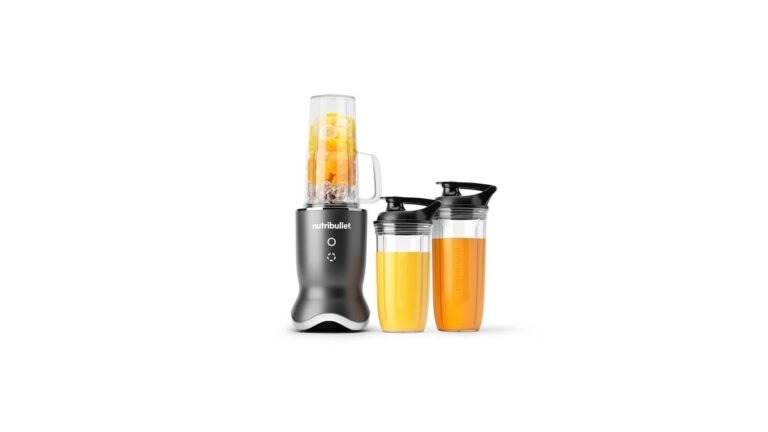
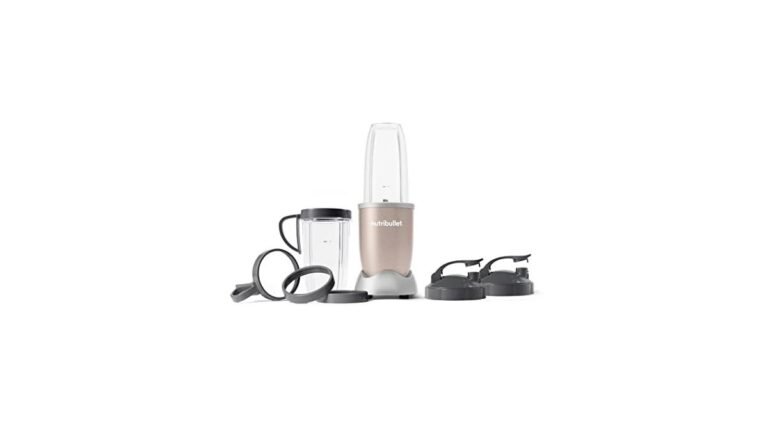
| Nutribullet personal cup (600–900W) | 30–60 seconds per drink | Very low — twist, blend, rinse | Low | One person, one smoothie, tiny kitchens |
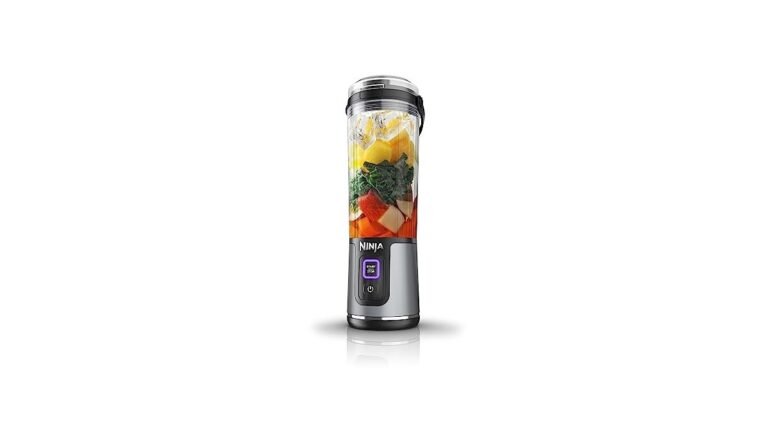
| Ninja personal cup (900–1,100W) | 30–60 seconds per drink | Low — twist, blend, rinse | Medium | One or two people who want more power |
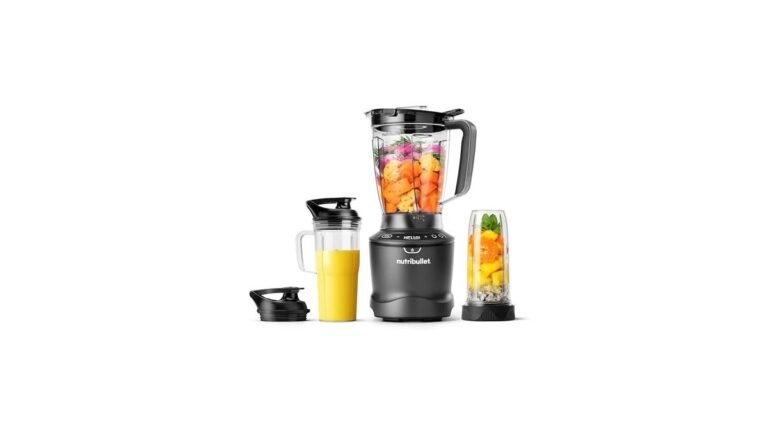
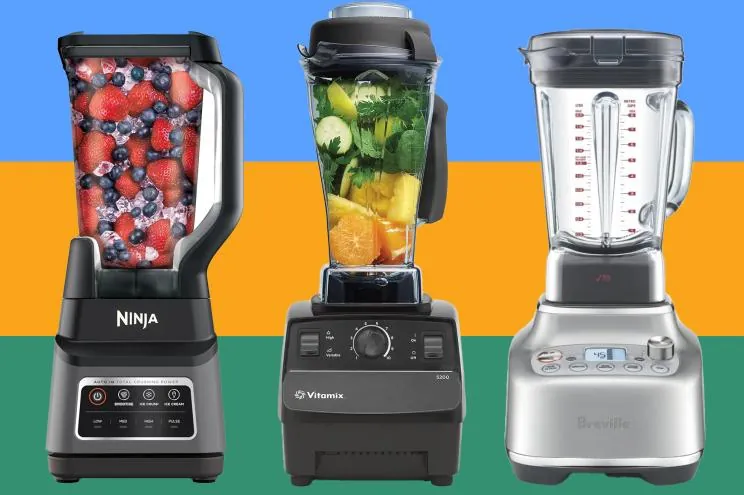
| Ninja pitcher blender (1,000–1,400W) | 45 seconds to 2 minutes | Medium — more parts to wash | Medium | Families, soups, frozen batches |
| Ninja Foodi or high-power blender (1,400W+) | 1–3 minutes, plus cooking cycles | High — big, heavy, more cleaning | High | Hot soups, nut butter, daily heavy use |
Every row loses somewhere. The personal cups are cheap and quick but can’t crush a full tray of ice. The big pitchers do more, but you’ll wash a blade assembly, a lid and a jug each time.
Prices move around a lot with sales, so check the current listing rather than trusting a number someone wrote months ago.
How a personal cup blender works
A personal cup blender is the simplest of the three. You fill a cup, screw on a blade lid, flip it onto the motor base and press down.
- Add liquid first — about 1 cup (240 ml) of milk, water or juice. Liquid at the bottom stops the blades from spinning in air.
- Add soft items next: yogurt, banana, spinach. Then frozen fruit or ice on top, no more than about 1 cup.
- Screw the blade lid on tight. You’ll feel it stop against the cup.
- Press and hold for 30–60 seconds. If the motor sounds like it’s straining, stop, shake the cup and go again in short bursts.
This method is good at small jobs, and it’s good at cleaning — most cups rinse under a tap in under a minute. Its weakness is volume and heat. You can’t blend a hot soup safely in a sealed cup, because steam builds pressure inside and the lid can blow.
Nutribullet states in its own manual that you shouldn’t blend hot liquids in the sealed cup. Follow that. If you want hot soup, use a pitcher with a vented lid instead.
The order matters more than the recipe. Drop the frozen fruit in first and the blades cut a pocket around it, leaving the leafy greens whole at the top. Pack the cup past the max line and the motor stalls before the ice breaks down.
If your cup has a fill line, treat it as the limit, not a suggestion. A cup filled to the top and sealed has nowhere for the air to go.
Two habits keep the cups alive. Never run it empty, and never run it longer than a minute without letting the motor rest. Burnt-smelling motors are almost always from back-to-back runs with no pause.
For a single smoothie, a cup blender beats a full-size pitcher on every count: less to wash, less to store, nothing left over. For four servings, it’s the wrong tool and you’ll run it three times.
Blending in a full pitcher
A pitcher blender trades speed for capacity. You’ll spend more time loading and washing, but you can do four servings at once.
- Fill the pitcher no more than two-thirds full. Overfilling is the number one reason blenders leak out of the lid.
- Put liquid in first, then soft food, then hard food and ice on top. Same order as a cup, just bigger.
- Start on the lowest speed for 10–15 seconds to break up the big pieces, then move to high for 30–60 seconds.
- For ice, use the pulse button in 1-second bursts, about 5–8 times. Holding the button down just melts the ice into water.
- Stop and scrape down the sides with a spatula once, with the motor off.
Pitchers are strong at batch work: smoothies for four, pancake batter, blended soups you then heat on the stove. Ninja’s own manuals say not to fill above the maximum line, and that line is there for a reason — the motor pulls harder and the lid can lift.
Two-thirds is a starting point, not a rule for every jar. A wide pitcher with a narrow blade can take more; a tall narrow one needs less, because the blades only reach the bottom third. If the motor changes pitch or the jar walks across the counter, you’re over the line no matter what the markings say. Stop, pour some out, and start again.
The weakness is cleaning. A blade assembly, a lid, a jug and sometimes a gasket. That’s four parts, every time.
Most people rinse the jug and leave the blade assembly and gasket for later. That’s the mistake. Pulp dries under the gasket and around the base of the blades, and by the next morning it has set hard enough to need a soak.
Wash all four parts the same day, every time. If you blend anything with protein powder, dairy or nut butter, add warm water and a drop of soap to the pitcher, run it on low for 10 seconds, then pour it out and rinse. That rinse takes half a minute and saves the scrub.
If you only ever make one smoothie at a time, a cup blender is the better tool. Buy the pitcher when you regularly feed three or four people, or when you want batter and soup in the same machine.
When a high-power blender is worth it
A high-power blender — 1,400 watts and up, often with a heating cycle — is the option most people don’t need. It’s worth it if you blend every single day and you’re tired of stopping to scrape.
The daily part matters more than the wattage. Someone who makes one smoothie on weekend mornings is paying for motor they will never use. Someone who runs a shake every morning, plus soup twice a week, gets the money back in saved minutes.
- Load the same way: liquid, soft, then hard.
- Run on the preset for smoothies, or manual high for 1–2 minutes.
- For nut butter, blend 2–3 cups of nuts for 3–5 minutes, stopping every 60 seconds to scrape down. It’ll look like powder, then a ball, then finally a smooth butter. That’s normal.
- For hot soup, use the soup preset if your model has one, or blend cold and heat on the stove. A sealed blender full of hot liquid can pop its lid and scald you.
These machines are excellent at the hard jobs and terrible at small ones. A tiny 8-ounce smoothie in a huge jug just splashes up the sides.
One more option rarely worth it: a cheap 300–500W blender with a glass jug. It’ll do soft fruit and nothing else. If ice or frozen fruit is in your plan, skip it.
If you mostly crush ice for cocktails, buy a dedicated ice crusher instead. It costs less and does that one job without the jug.
Buy the mid-size jug, not the largest one your model offers. A 64-ounce jar that’s never more than a third full blends worse than a 48-ounce jar that’s filled properly.
Which one fits your kitchen
If you’re in a hurry, take the personal cup. Fill, twist, 45 seconds, drink from the same cup. There’s no jug to wash, and no pouring. That’s the whole reason these sell.
One warning: the cup rewards soft ingredients and punishes frozen ones. Bananas, yogurt, protein powder and ice cubes crush fine. Whole frozen strawberries or a block of frozen mango will stall a 600W motor, and you’ll end up stopping to shake it.
If it’s your first blender, start with a personal cup too — but check the wattage before you buy. Below 600W it’ll struggle with frozen fruit. Between 600W and 900W you’ll get smooth results for one person. Ninja and Nutribullet both publish wattage on the box, so read it.
If you want the best result whatever it takes, buy a Ninja pitcher model at 1,200W or higher, or a high-power machine with presets. You’ll get smoother texture, you can do bigger batches, and you won’t be shaking the cup every 10 seconds.
The pitcher also earns its counter space if you’re blending for two or more people, or if you want to make soup, nut butter or a full batch of sauce in one go. A cup can’t do any of that.
Here’s the trade-off in plain words: the small cup saves you time and washing but limits what you can make; the big pitcher makes more but costs more and takes longer to clean. You’re not choosing a better brand. You’re choosing which of those two problems you’d rather have.
If you’re still unsure, ask yourself one question: how often do you blend for more than one person? Once a week or less, buy the cup. Most days, buy the pitcher.
What matters no matter which you pick
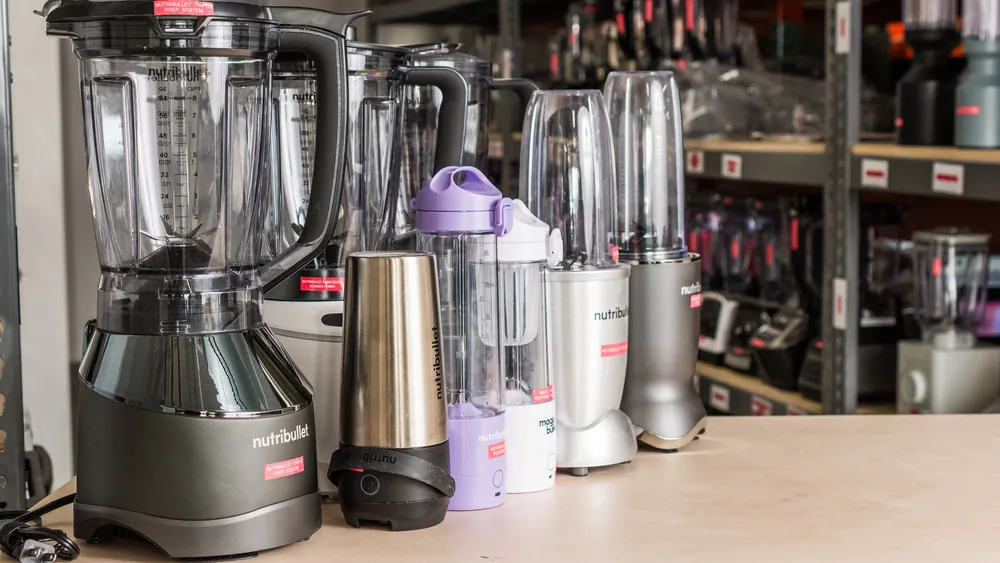
Wattage beats brand. A 900W Nutribullet outperforms a 700W Ninja, and the reverse is also true. Look at the number on the box, not the logo.
Follow the fill lines. Both brands print a maximum line on every cup and jug. Going past it causes leaks, and leaks near a motor base are how blenders die early. Ninja and Nutribullet both cover this in their manuals.
Never blend hot liquid in a sealed cup or pitcher. Steam expands, pressure builds, and the lid can come off. Let soup cool to warm first, or blend cold and heat it after. If you’re burned badly, that’s a medical matter — see a doctor, not a forum.
Check the blade and gasket regularly. How often depends on your use, so the owner’s manual is the authority. A worn gasket leaks. A dull or bent blade smears instead of cutting. Replacement parts are sold separately by both brands.
Unplug before you clean around the blade. The blades are sharp even when the machine is off, and the base holds a charge risk if it’s wet. Never put the motor base in water.
Match the cup to the job. The small cup is for a single shake or a spice grind. The tall cup is for a full smoothie. Overfilling the small one is the most common cause of a leak that has nothing to do with a bad gasket.
Give the motor a break. Run it in bursts of a minute or less, then let it rest. Running one continuously for several minutes heats the base and shortens its life. If the machine smells hot, stop and let it cool.
Watch for the warning signs. A burning smell, a grinding noise, or liquid pooling under the base means stop using it. A gasket that has gone hard or cracked won’t seal no matter how hard you tighten the lid.
Keep the receipt. Both brands honor a warranty, but only with proof of purchase. Most failures in the first year are covered. After that, a replacement gasket is inexpensive relative to a new blender.
Frequently asked questions
Is Ninja or Nutribullet better for smoothies?
It depends on wattage, not the brand name. For a single smoothie, a Nutribullet at 900W and a Ninja personal cup at 900W give you nearly the same result. For family-size batches, Ninja wins because it sells larger pitchers. Compare the watts on the specific model you’re holding, and pick the higher one.
Can a Nutribullet crush ice?
Yes, if the model is 600W or higher and you use short pulses. Add a little liquid first, then pulse in 1-second bursts about 5–8 times. Cheaper 300–500W models will struggle and may leave chunks. Check your model’s manual — some Nutribullet manuals tell you to add ice in small amounts only.
How long does it take to blend a smoothie?
About 30–60 seconds in a personal cup, and 45 seconds to 2 minutes in a full pitcher, assuming frozen fruit and a motor of 900W or more. At 600W, expect closer to 90 seconds with stops to shake the cup. Soft fruit only takes about 20–30 seconds.
Why does my smoothie come out lumpy?
Usually too little liquid, too much frozen fruit, or a weak motor. Start with 1 cup of liquid per 1 cup of frozen fruit, and add more liquid a splash at a time. If it’s still lumpy at 900W, your blade may be dull — check it against a new one.
Is it safe to blend hot soup in these blenders?
No, not in a sealed cup or pitcher. Steam builds pressure and the lid can blow off, scalding you. Let the soup cool to warm first, or blend it cold and heat it on the stove. Some high-power models have a vented lid and a soup setting — use only those, and follow that model’s manual exactly.
What happens if I overfill the cup or pitcher?
It leaks, and sometimes the lid lifts off mid-blend. Liquid gets into the motor base, which can shorten its life or stop it working. Stay under the maximum line printed on the cup. If you need more, blend in two batches instead.
Do I need a high-power blender for nut butter?
No, but it helps a lot. A 1,000W+ machine can make nut butter in 3–5 minutes with scraping. A 600–900W personal cup can do small amounts, but it’ll need more stops and the motor may get warm.
Conclusion
Think about what you’ll actually blend each week, then pick the one that fits your counter and your habits. If you’re still torn, buy from a store with easy returns, so you can try it and swap it if it doesn’t feel right.