What Is the Best Wattage for an Emulsion Blender?
For a home emulsion blender, the best wattage is 300 to 500 watts for everyday sauces, soups, and dressings, and 700 to 1,000 watts if you blend thick mixtures like nut butter, frozen fruit, or fibrous vegetables every week. Below 200 watts, most motors stall and overheat.
Three things change that answer: how thick your mixtures are, how often you blend, and how long each run lasts. A 300-watt motor handles thin liquids fine but struggles with anything stiff. A 1,000-watt motor gives you headroom, but it costs more and often weighs more in your hand.
Which blender buyer are you?
Three kinds of people search for this. The first is someone who blends salad dressing or a quick soup a few times a week. They want something cheap, light, and easy to rinse. A 300 to 400-watt stick blender fits them well.
The second is someone who makes smoothies with frozen fruit, blends hummus, or works with soaked cashews. They need more torque, not just more speed. For them, 700 watts and up is the honest starting point.
The third is someone replacing a blender that died.
This page serves the first two readers best. If you’re blending only baby food in small 100 ml batches, almost any wattage works and you can stop reading here.
The rest of this page assumes you’re blending in a normal 500 ml to 1 liter jug, with mixtures ranging from thin to moderately thick.
What actually decides the result
How thick your mixture is. Wattage only matters when the motor has to work hard. Water and stock need almost no power. Nut butter, frozen fruit, and cooked potato need a lot. If your mixtures are thin, a 300-watt motor won’t struggle. If they’re thick, that same motor will stall, smell hot, and eventually burn out. Test: try blending 200 g of soaked cashews. If the motor slows down or smells warm, you’re at its limit.
How long each run lasts. Push it to 60 seconds and the windings heat up. Wattage and run time trade off against each other. If your recipe needs a full minute of blending, buy more watts.
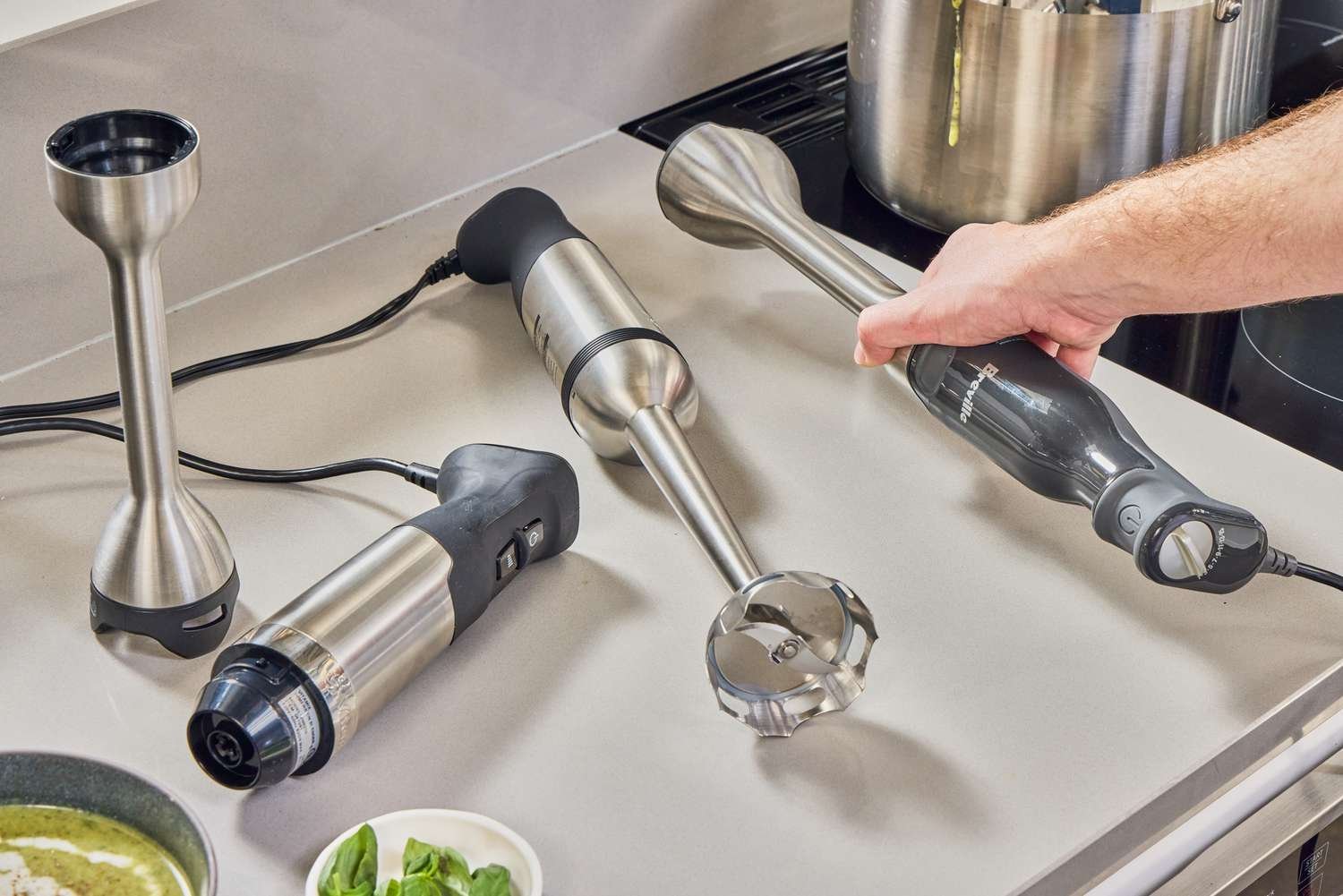
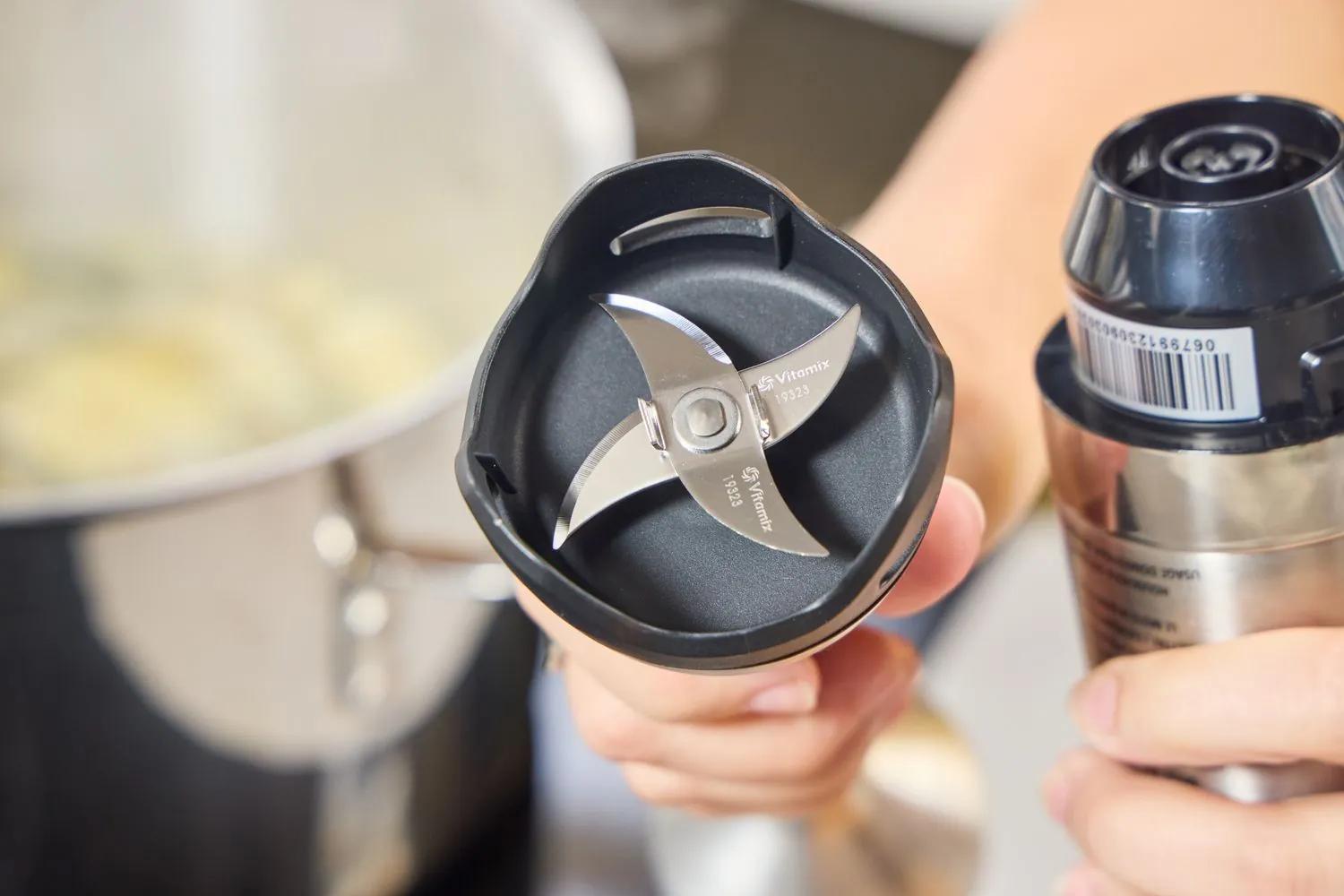
The blade and shaft design. A sharp four-blade bell chops better than a dull two-blade one at the same wattage. Bell shape and vent holes also affect how food circulates. This is why two 500-watt blenders can perform very differently.
Motor type. Many budget stick blenders use a universal motor, which is loud and wears faster. Higher-end models sometimes use induction motors, which run quieter and last longer. The label or product page usually states which type.
Speed settings vs. raw wattage. A single-speed 800-watt motor is less useful than a variable 600-watt one for delicate tasks. People get this wrong most often — they buy the highest wattage they can afford and then can’t blend a small amount of mayonnaise without splashing.
Step by step: choosing and using yours
- Check your thickest regular recipe. Write down the heaviest thing you blend in a normal week — nut butter, frozen fruit, or thick soup. This sets your minimum wattage.
- Pick your wattage band. Thin liquids only: 300–400 W. Mixed use: 500–700 W. Thick or frozen often: 800–1,000 W. Write the number down before you shop.
- Check the shaft length. Measure your tallest pot and match it.
- Look at the blade count and shape. Four blades with a slight curve chop better than two flat ones at the same wattage.
- Confirm the jug or beaker size. Most stick blenders ship with a 500 ml to 1 liter beaker. If you blend bigger batches, check the maximum fill line.
- Test with a small batch first. Blend 200 ml of water for 10 seconds. The motor should sound steady, not strained.
- Blend thick mixtures in short bursts. Run 10 seconds, stop 5 seconds, repeat. This keeps the motor cool and gives you control.
- Keep the bell fully submerged. Air pockets make the motor race and the mixture splash. The bell should sit under the surface the whole time.
- Clean the bell and blade right away. Starch and protein dry hard. Rinse under warm water within 5 minutes of finishing.
- Stop if the motor smells hot or slows sharply. Unplug it, let it cool 15 minutes, and reduce your batch size next time.
The judgement call that separates a good result from a poor one is knowing when to stop blending. Over-blending thick mixtures heats the motor and turns smooth pastes grainy. Pull the blender out when the texture looks right, not when the timer says so.
The variations at a glance
| Situation | What to do | What it takes | What to watch for |
|---|---|---|---|
| Thin soups and dressings | 300–400 W is enough | Low cost, light weight | Motor strain on thicker batches |
| Weekly smoothies with frozen fruit | 700 W or more | Mid cost, more weight | Ice jams the blade |
| Nut butter and thick pastes | 800–1,000 W | Higher cost, heavier | Motor overheating in long runs |
| Baby food in small batches | 200–300 W works | Very low cost | Uneven texture if rushed |
| Occasional use, once a month | 300 W is plenty | Cheapest option | Motor may seize from sitting |
| Replacing a dead blender | Match old wattage plus 200 W | Similar cost | Same failure repeats |
| Large 2-liter batches | 1,000 W and a long shaft | Highest cost | Splashing over the rim |
What separates a good result from a poor one
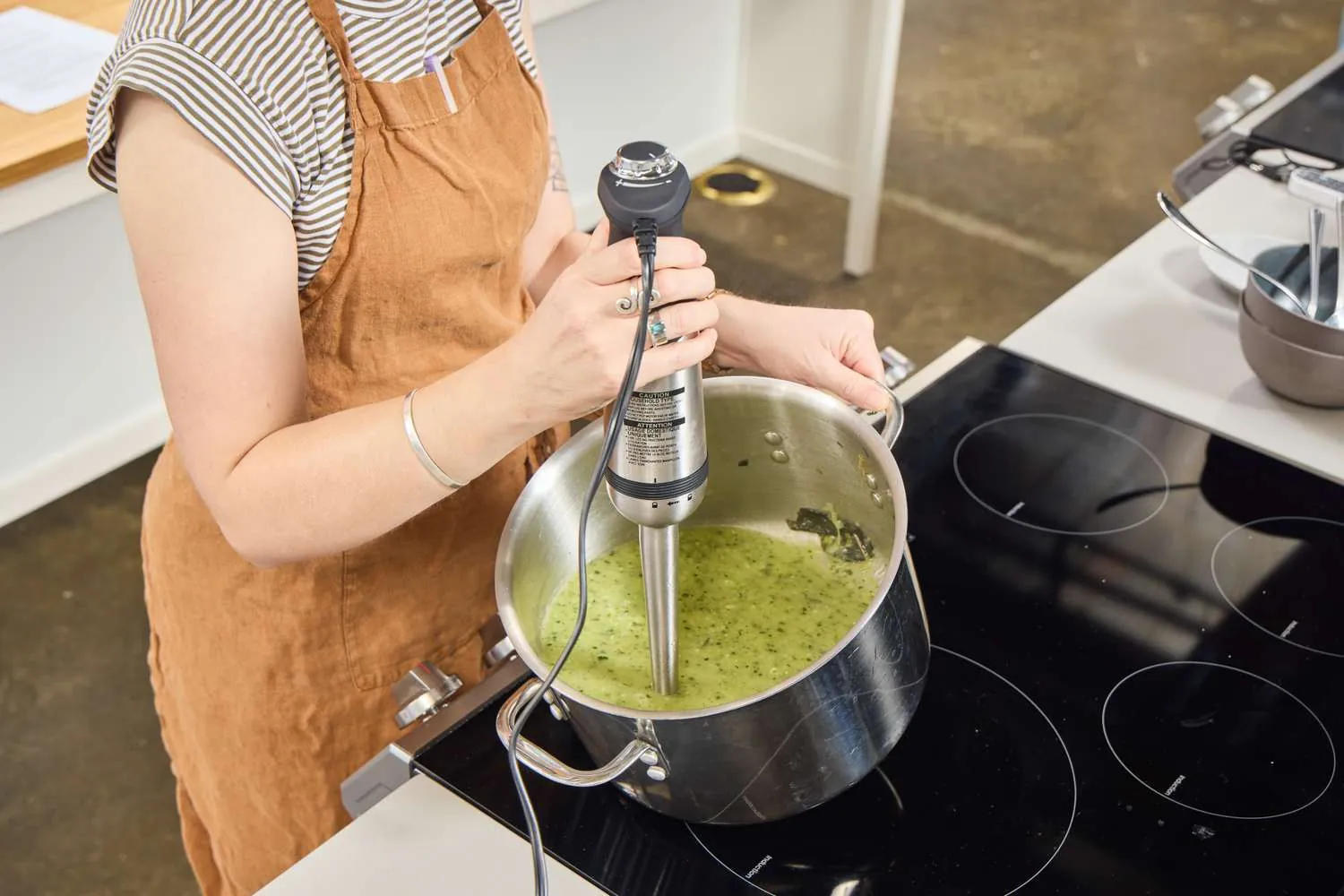
Preparation before you switch on
Cut fibrous vegetables into 2 cm pieces before blending. Frozen fruit goes in loose, not in one solid block. Experienced users also add liquid first, then solids — this keeps the blade from cavitating in air.
Order of work and what to leave alone
Blend the softest items first, then add harder ones in stages. Run the motor in 10-second bursts for thick mixtures and continuous for thin ones. What experienced users leave alone: they don’t chase the highest wattage number. A 600-watt blender with good blades beats a 1,000-watt one with dull blades for most home tasks. They also don’t blend boiling liquid in a sealed jug — pressure builds and it can blow the lid.
What goes wrong, and what to do
| What you notice | What it usually means | What to do first | How to stop it happening again |
|---|---|---|---|
| Motor smells hot | Running too long or too thick | Stop, unplug, cool 15 min | Use shorter bursts, smaller batches |
| Blender stalls on frozen fruit | Wattage too low for the load | Thaw fruit slightly | Buy 700 W or higher |
| Mixture splashes out | Bell not submerged | Push bell under surface | Fill beaker to the marked line |
| Grainy texture in pastes | Not enough blending time | Blend 20 more seconds | Add a little liquid |
| Motor runs but blade spins slow | Worn coupling or gear | Check warranty | Avoid long continuous runs |
| Burning smell from new unit | Manufacturing residue | Run once with water, discard | Normal on first use only |
| Loud rattling sound | Loose shaft or blade | Twist shaft to lock | Check fitting before each use |
The rules that apply
Electrical safety rules differ by country, and the label on your blender is the source that matters. In the US, blenders sold legally carry a UL or ETL mark showing they passed safety testing by Underwriters Laboratories or Intertek. In the EU, look for the CE mark and check the rated wattage printed on the rating plate — this is the true input wattage, not the “peak power” some brands advertise.
If the cord is damaged, the plug is cracked, or the unit trips your breaker, stop using it. A qualified electrician or the manufacturer’s service center handles that repair — never open the housing yourself. The motor and capacitor inside can hold a charge even when unplugged.
What it costs you
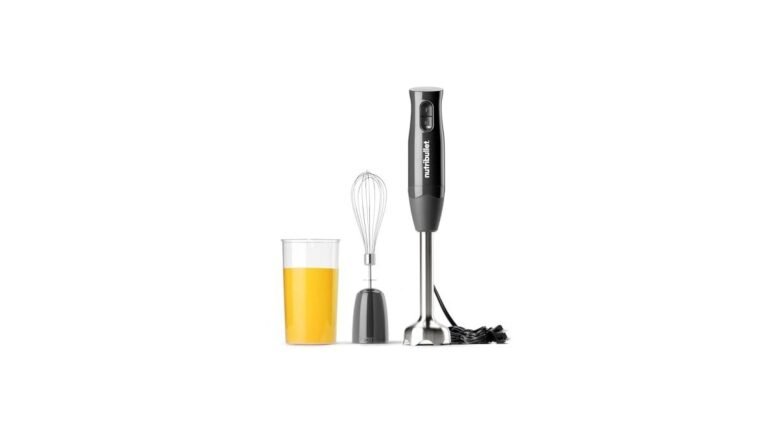
A stick blender typically costs little compared with a more powerful model, which runs considerably more, and professional-grade ones go higher. Prices move with brand, shaft material (plastic vs. stainless steel), and included accessories like a whisk or chopper bowl.
The real cost isn’t the sticker price — it’s how often you replace it. Check today’s prices on the manufacturer’s own site or a major retailer, since these ranges shift with sales and model years.
Effort also counts. Heavier motors mean heavier blenders.
Keeping it right afterwards
Rinse the bell and blade under warm water within 5 minutes of use — before starch dries. For a deeper clean, blend warm water with a drop of dish soap for 10 seconds, then rinse. Never put the motor unit in water; only the detachable shaft and blade go near the sink.
Store the blender upright with the shaft attached, or detached and dry. A damp shaft left in place can grow mold around the seal.
The sign it needs attention again: the motor sounds different, the blade wobbles, or blending takes noticeably longer than it did a month ago. Fix the blade first — a replacement shaft is often cheaper than a new unit. If the motor itself is failing, that’s usually the end of the road for a budget model.
When a stick blender is the wrong tool
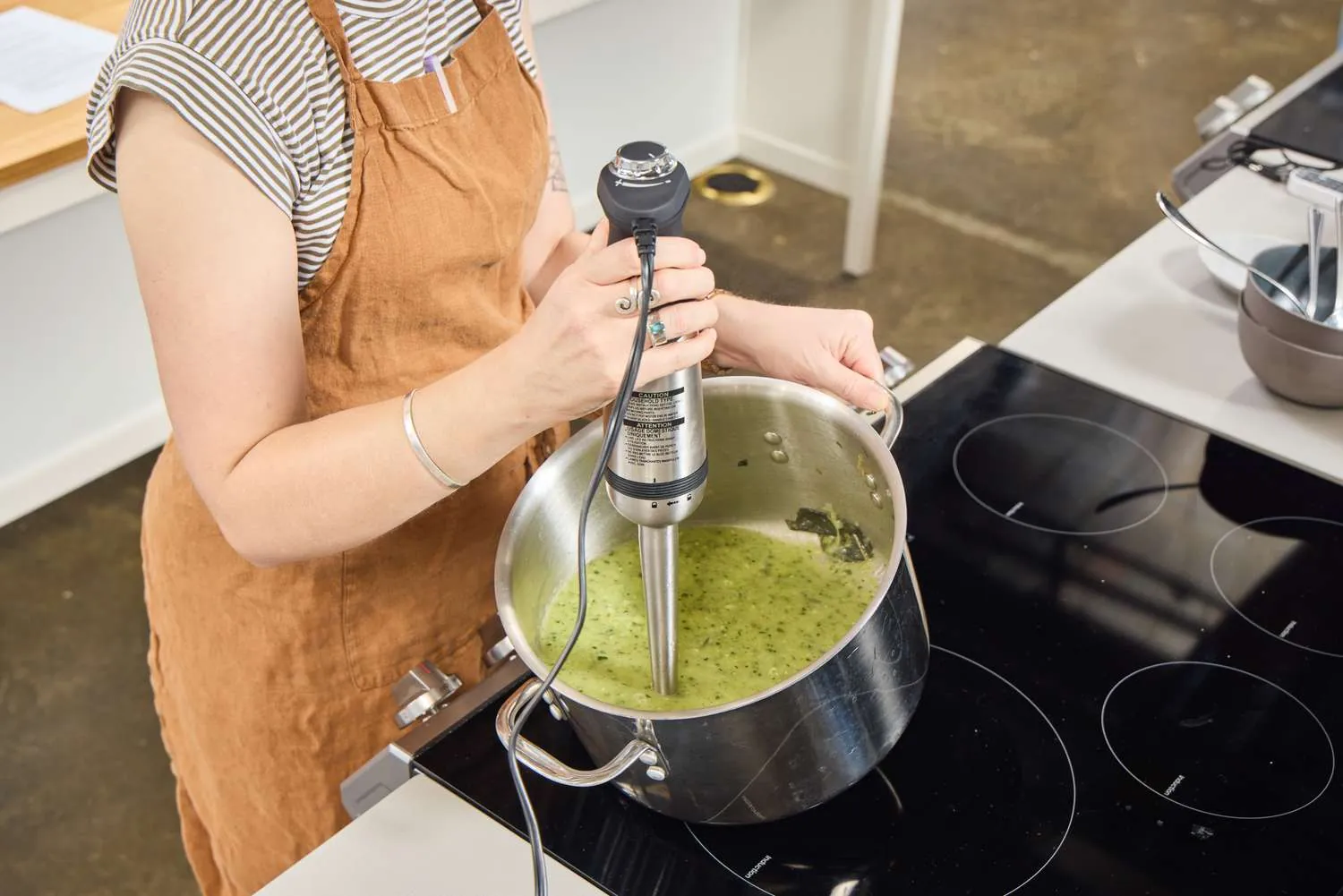
If you’re blending more than 2 liters at a time, a countertop blender with a 1.5 to 2 liter jar handles the load better and won’t overheat. Stick blenders are built for smaller batches.
If you need to crush ice daily or make frozen desserts, a full-size blender or a dedicated ice crusher does that job without straining the motor. Stick blenders can handle a few ice cubes, not a full tray.
If you’re blending hot soup in a sealed container, use a countertop blender with a vented lid, or let the soup cool first. Sealed hot liquid builds pressure and can scald you when opened. For commercial-scale work, talk to a restaurant equipment supplier — home models aren’t rated for continuous professional use.
Related guides
- Best Wattage For Immersion Blender: The Ideal Range
- Is More Wattage For An Immersion Blender Better? Expert Guide
- Ninja Blender Best Price
Frequently asked questions
What wattage do I need for a stick blender to blend soup?
300 to 500 watts handles most soups fine, because cooked vegetables are soft. If your soup has chunks of raw root vegetable, go up to 700 watts. The bell must stay fully submerged so the blade pulls liquid through, not air.
Can a 200-watt stick blender blend frozen fruit?
Barely, and not for long. Thaw the fruit for 10 minutes first, or choose a 700-watt model if frozen fruit is a regular part of your cooking.
Why does my blender smell like burning?
The motor is overheating from too long a run or too thick a mixture. Stop, unplug it, and let it cool for 15 minutes. Next time, blend in 10-second bursts and reduce your batch size by half.
How long can I run a stick blender continuously?
Check your manual — the duty cycle is usually printed in the specifications.
Is higher wattage always better?
No. Higher wattage means more power, but also more weight, more noise, and higher cost. If you blend thin liquids, a 300-watt blender does the job. Buy more watts only when your recipes are thick or frozen.
What happens if I use a blender with too little wattage?
The motor stalls, heats up, and eventually burns out. The windings inside can fail after repeated overheating. You’ll notice slower blending, a hot smell, and a change in motor sound before it dies completely.
Does wattage matter more than blade quality?
Both matter, but blade quality often matters more for texture. A sharp four-blade bell at 500 watts produces smoother results than a dull two-blade bell at 800 watts. Check the blade shape before you check the wattage.
Is it safe to blend hot liquid in a stick blender?
Yes, if you keep the bell submerged and use a deep pot. Never blend hot liquid in a sealed jar or with the blade near the surface — steam pressure and splashing can burn you. Let very hot soup cool for 5 minutes first.
Start with your thickest recipe
Pick your wattage by looking at the heaviest thing you blend in a normal week, then add 200 watts of headroom. Expect steady, even blending with no hot smell and no stalling — that’s the sign you got it right. If the motor still smells hot or slows down after a 15-minute cool-down, stop and take it to a service center or replace it.