How To Fix A Ninja Blender: Easy Troubleshooting Guide
A Ninja blender is a reliable kitchen tool. It can crush ice, blend smoothies, and help prepare sauces or soups. But like any appliance, your Ninja blender may stop working well over time. Sometimes it won’t start, the blades get stuck, or it makes strange noises.
If you are reading this, you likely want to fix your Ninja blender yourself before spending money on repairs or buying a new one.
This article will guide you through the process of fixing a Ninja blender. You’ll learn how to spot the problem, try simple solutions, and know when professional help is better. You’ll see step-by-step instructions, common mistakes, and practical tips. Even if you’re not familiar with appliances, you’ll find this guide easy to follow.
Let’s get started and bring your Ninja blender back to life.
Understanding Your Ninja Blender
Before you start fixing, it’s important to know the main parts of a Ninja blender and how they work. Most Ninja blenders, whether personal or full-size, have similar parts.
- Base: Contains the motor and power switch.
- Pitcher/Jar: The container where ingredients are placed.
- Blades: Sharp metal pieces for chopping and blending.
- Lid: Covers the pitcher to prevent spills.
- Gasket/Seal: A rubber ring that prevents leaks.
- Control Panel: Buttons or dials for speed and function.
- Safety Lock System: Prevents the blender from running unless parts are correctly assembled.
Knowing these parts helps you understand where problems might start. For example, if the base is damaged, the blender may not turn on. If the lid is not secured, safety systems may stop it from running.
Safety Precautions Before You Start
Fixing a blender involves handling sharp blades and electricity. Safety should always come first.
- Unplug the blender before any repair or cleaning.
- Let moving parts stop before touching or removing them.
- Wear gloves when handling blades to avoid cuts.
- Dry hands before plugging or unplugging the blender.
- Don’t use water near the electrical base.
If you feel unsure at any point, it’s best to ask a professional or contact Ninja customer support.
Credit: www.youtube.com
Common Problems With Ninja Blenders
Ninja blenders are well-built, but some issues happen more often than others. Below are the most common problems owners face.
| Problem | Possible Causes | Difficulty to Fix |
|---|---|---|
| Blender won’t turn on | Power supply, safety lock, faulty cord, motor issue | Easy to Moderate |
| Blades not spinning | Jammed blades, worn drive socket, motor problem | Easy to Moderate |
| Leaking from base | Damaged gasket, cracked pitcher, loose blade assembly | Easy |
| Strange noises | Debris, worn gears, loose parts | Easy to Moderate |
| Burning smell | Overheating, motor issue, jammed blades | Moderate |
| Buttons not responding | Control panel fault, electrical issue | Moderate to Hard |
Many owners are surprised to learn that simple assembly errors or a dirty safety sensor cause most problems. Checking these first can save a lot of time.
Tools And Supplies You’ll Need
You don’t need special equipment to fix most blender problems. Here’s what usually helps:
- Screwdriver set (Phillips and flathead)
- Needle-nose pliers
- Soft brush or toothbrush
- Dish soap and sponge
- Cotton swabs
- Multimeter (for electrical tests, optional)
- Replacement gasket or blade assembly (if needed)
- Food-grade lubricant (for stuck parts)
Having these tools ready makes repair smoother. If you lack a tool, you can often borrow or buy it cheaply online.
How To Fix A Ninja Blender: Step-by-step Solutions
Let’s go through the most common Ninja blender problems and how to fix them. Each section below addresses a specific issue.
Blender Will Not Turn On
If your Ninja blender won’t start, don’t panic. This is often a simple fix.
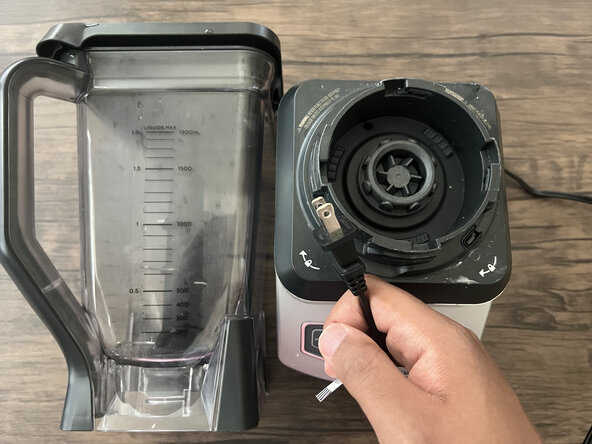
1. Check The Power Source
- Plug another device into the same outlet to confirm power.
- Inspect the blender’s power cord for damage or cuts.
- If you find damage, the cord needs to be replaced. Do not use electrical tape for a long-term fix.
2. Reset The Blender
Some Ninja blenders have a resettable fuse in the plug. Unplug the blender for 5 minutes, then plug it back in. This can clear minor electrical faults.
3. Confirm Assembly And Safety Locks
Ninja blenders have safety lock systems. The blender will not run unless the pitcher, lid, and sometimes the blade assembly are seated correctly.
- Remove and reattach the pitcher.
- Make sure the arrow on the lid lines up with the handle.
- Listen for a “click” to confirm parts are in place.
This step alone fixes many non-start problems, especially for new users.
4. Test The Control Panel
If the display stays blank or buttons don’t work, the control panel may be faulty. Sometimes, moisture or food debris gets inside.
- Unplug the blender.
- Wipe the control panel with a dry cloth.
- Let the base sit upside down for a few hours to dry out.
If this does not help, further internal electrical repair may be needed.
Blades Are Not Spinning
If you hear the motor but the blades don’t move, or they’re stuck:
1. Unplug And Inspect For Jams
- Remove the pitcher and check for food or ice blocking the blades.
- Use a wooden spoon or spatula (not your fingers) to clear jams.
2. Check The Blade Assembly
- Remove the blade unit.
- Spin the blades by hand (with gloves). They should turn smoothly.
- If they feel stuck, soak in warm, soapy water to dissolve dried food.
3. Examine The Drive Socket
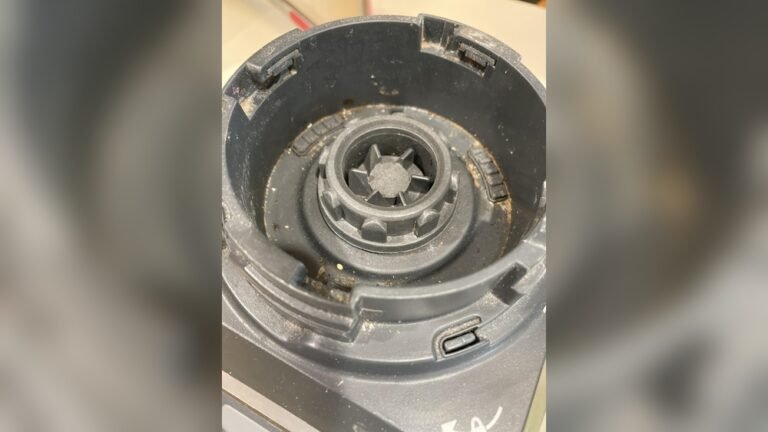
- Look at the part where the blade connects to the motor (usually a small gear under the pitcher).
- If it’s cracked or worn out, you’ll need a replacement part.
- Most Ninja blender drive sockets are user-replaceable.
4. Test The Motor Coupling
The motor coupling connects the motor to the blade. If it’s stripped, the motor will run but the blades won’t move.
- Replacement couplings are available online.
- Use pliers to remove the old coupling (some twist off, some pull off).
This problem is common if the blender was run with a jammed blade.
Blender Leaking From The Base
Leaks make a mess and can damage the motor.
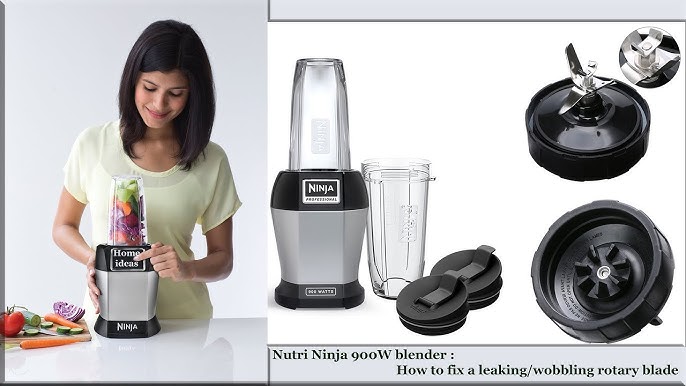
1. Check The Rubber Gasket
- Remove the blade assembly.
- Look for a thin rubber ring (gasket) under the blade or inside the pitcher.
- If cracked or missing, order a new gasket.
2. Inspect The Pitcher
- Check for hairline cracks, especially near the base.
- A cracked pitcher cannot be repaired safely; replace the pitcher.
3. Tighten The Blade Assembly
- Make sure the blade assembly is screwed in tightly.
- Hand-tighten, but don’t over-tighten.
4. Apply Food-grade Lubricant
For stuck blade assemblies, a drop of food-safe lubricant can help you remove or reseal parts.
Strange Noises During Operation
A healthy Ninja blender should sound smooth. Grinding, rattling, or squeaking noises are not normal.
1. Remove Debris
- Unplug and remove the pitcher.
- Check the base and drive socket for food bits or debris.
- Use a brush or cotton swab to clean.
2. Check For Loose Parts
- Shake the pitcher gently. If something rattles, inspect for loose blade assemblies or broken pieces.
3. Replace Worn Gears
- If the drive socket gear is worn, replace it.
- Unusual noises can also come from the motor; if you suspect this, professional service is best.
4. Use Correct Food Quantities
Overfilling or underfilling the pitcher can cause odd sounds. Follow the manufacturer’s fill lines.
Burning Smell Or Overheating
A burning smell is a warning. Stop using the blender immediately.
1. Let The Blender Cool
- Unplug and let it sit for 30 minutes.
- Ninja blenders have thermal protection and will reset after cooling down.
2. Check For Jammed Blades
Blades stuck with ice or thick food can overwork the motor. Remove the jam as described earlier.
3. Avoid Overloading
Never fill the pitcher beyond the maximum line. Overloading strains the motor and causes overheating.
4. Replace The Motor (advanced)
If the blender continues to overheat or smells burnt after cooling, the motor may be damaged. At this point, consider buying a new blender or contacting customer support.
Buttons Not Responding
If the control buttons don’t work, the problem may be with the control panel or internal wiring.
1. Power Cycle The Blender
- Unplug for 10 minutes, then plug back in.
2. Clean The Control Panel
- Wipe with a soft, dry cloth.
- Do not spray water or cleaner directly.
3. Inspect For Moisture
- If liquid has spilled onto the panel, let it dry upside down for 24 hours.
4. Test With A Multimeter
If you’re comfortable, use a multimeter to check for continuity in the control panel wiring.
5. Replace The Control Board
If the panel is unresponsive, you may need a new control board. This is more complex and often costs as much as a new blender.
When To Replace Parts Vs. Repair
Not every part is worth fixing. Some repairs are simple and cheap, others are not.
| Part | Repair Cost (approx.) | Replace or Repair? |
|---|---|---|
| Gasket/Seal | $5 – $10 | Replace |
| Blade Assembly | $15 – $30 | Replace |
| Pitcher/Jar | $25 – $50 | Replace |
| Power Cord | $10 – $20 | Repair/Replace |
| Control Panel | $40 – $60 | Replace |
| Motor | $60 – $100+ | Replace Blender |
Many users try to fix motors or control panels but end up spending more than the cost of a new blender. For small parts like the gasket or blade, replacement is easy and affordable.
Practical Tips For Ninja Blender Maintenance
You can avoid many problems with regular maintenance. Here are some proven tips:
- Clean after each use: Rinse the pitcher and blades immediately after blending.
- Do not submerge the base: Wipe with a damp cloth only.
- Check the gasket often: Replace if it shows signs of wear.
- Do not blend hot liquids: Sudden temperature changes can crack the pitcher.
- Avoid overfilling: Follow the fill lines to protect the motor.
- Pulse hard foods: Use the pulse function for ice or nuts to reduce strain.
- Store with the lid off: This helps prevent odors and mold.
Many new users overlook the importance of gasket care and avoiding hot liquids. Both mistakes can shorten the blender’s life.
Troubleshooting Advanced Problems
If simple fixes don’t work, the problem may be more complex. Here’s how to approach advanced issues.
Diagnosing Motor Problems
If the motor hums but doesn’t spin, or it stops suddenly:
- Smell for burning or hot plastic.
- Listen for “clicks” or “pops” from inside the base.
- Check for visible smoke.
If you notice any of these, stop using the blender. Internal motor repair is rarely cost-effective for home users.
Fixing The Power Cord
A damaged cord is dangerous. Here’s how to replace it safely:
- Unplug the blender.
- Remove screws at the bottom of the base.
- Note the wiring connections (take a photo).
- Disconnect the old cord and attach the new one.
- Reassemble and test.
If you are not comfortable with electrical repairs, ask a professional.
Replacing The Blade Assembly
Blunt or damaged blades don’t blend well. Here’s the process:
- Unplug and remove the pitcher.
- Unscrew the blade assembly.
- Insert the new blade unit and tighten.
- Test with water before blending food.
Always use official Ninja replacement parts for safety and best performance.
Sealing Leaks Permanently
If a new gasket does not stop leaks, check for:
- Warped pitcher bases (common after dishwasher use).
- Faulty blade assembly threads.
If the problem remains, replacing the pitcher is usually the only lasting solution.
How To Find Replacement Parts
Getting the right part is important. Here’s where to look:
- Official Ninja website: Best for genuine parts.
- Major retailers: Amazon, Walmart, and others carry common parts.
- Appliance repair shops: Some stores stock common gaskets and blades.
- Online parts stores: Search for your exact Ninja model number.
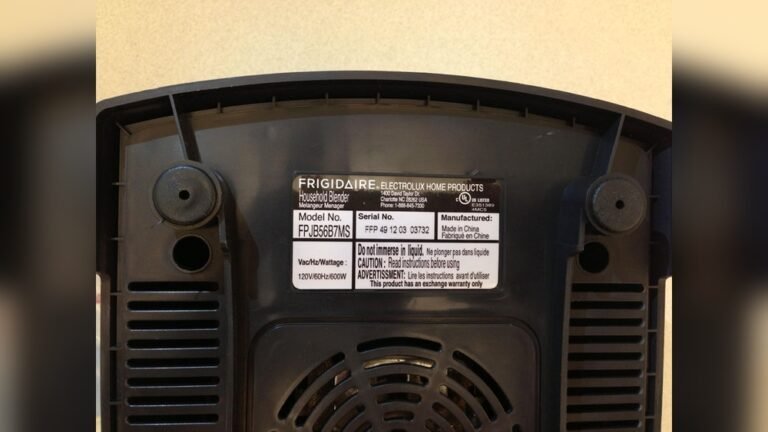
Always check your blender’s model number, usually found on the bottom of the base. Using incorrect parts can cause leaks or safety problems.
How To Know If It’s Time To Replace Your Blender
Sometimes, it’s smarter to buy a new blender. Here are signs yours is past its best:
- The motor smells burnt or runs weakly even after repairs.
- The pitcher is cracked and leaks after gasket replacement.
- Multiple issues (like buttons failing and blades stuck) happen at once.
- The cost of repair parts is more than half the price of a new blender.
Modern Ninja blenders last 3–5 years with regular home use. If yours is older, a new model may offer better performance and safety.
When To Contact Ninja Customer Support
Ninja offers good customer support and warranties. Contact them if:
- Your blender is under warranty (usually 1 year).
- You need help finding the right part.
- You want official repair service.
Keep your receipt and blender model number ready when you call or email.
You can find contact details at the official Ninja website or in your user manual.
Real-world Examples: Fixes That Worked
Sometimes, seeing how others solved similar problems can help.
Case 1: Ninja won’t turn on after cleaning
Sara cleaned her Ninja pitcher in the dishwasher. After, it wouldn’t start. She found the pitcher was not aligned properly on the base, so the safety lock wasn’t engaged. After realigning the pitcher, the blender worked perfectly.
Case 2: Leaking after a year of use
James noticed his blender leaked from the bottom. He removed the blade assembly and saw the gasket had a small tear. After buying a $7 replacement gasket online, the leak stopped.
Case 3: Blades stuck after blending ice
Maria’s blender blades stopped moving after blending frozen fruit. She unplugged the blender, removed the pitcher, and found a large ice chunk wedged under the blades. She cleared the jam and the blender worked again.
Case 4: Burning smell during use
After making nut butter, Tom’s blender started to smell burnt. He had been running the blender for 3 minutes straight. After letting it cool and cleaning out thick residue from the blades, the smell was gone.
Case 5: Control panel not responding
Leah spilled smoothie over the control buttons. She unplugged the blender, wiped it, and let it dry upside down overnight. The next day, the buttons worked again.
These examples show most Ninja blender problems have simple solutions if you check step by step.

Credit: www.wikihow.com
What Beginners Often Miss
While many fixes seem obvious, here are two tips beginners often overlook:
- Pitcher alignment matters: If the pitcher is not seated perfectly, the safety system will stop the blender from running. Always check the arrows and “click” when attaching parts.
- Gasket cleaning is critical: Old food or smoothie residue under the gasket can cause leaks, bad smells, and even blade jams. Remove and clean the gasket every few weeks.
Many new owners throw out a perfectly good blender over issues that could be fixed in minutes.
How To Keep Your Ninja Blender Running For Years
Blenders are not just tools; they are investments in your kitchen. With a few good habits, you can keep your Ninja working well.
- Regular cleaning keeps parts moving smoothly.
- Gentle use (no overfilling or running with jams) prevents most damage.
- Using the right parts avoids dangerous mistakes.
- Proper storage (dry and with lid off) stops mold and odors.
- Quick fixes for small issues (like a gasket change) can save you from big repairs later.
If you treat your blender well, it can last far beyond the typical warranty period.
For more appliance repair tips, check out Consumer Reports.
Credit: www.ifixit.com
Frequently Asked Questions
Why Does My Ninja Blender Only Work When I Press Down On The Pitcher?
This usually means the safety lock is not fully engaged. Ninja blenders need the pitcher, lid, and sometimes the blades to be lined up correctly. Make sure all parts are seated until you hear a “click. ” If the problem continues, the safety sensor or locking tabs may be worn or broken.
Can I Use My Ninja Blender If It’s Leaking A Little?
No. Even a small leak can allow liquid to enter the base and damage the motor. Most leaks are due to a worn gasket or loose blade assembly. Stop using the blender and fix the leak before blending again.
Is It Safe To Sharpen Ninja Blender Blades At Home?
It’s not recommended. Ninja blades are specially shaped and balanced. Sharpening them at home can create uneven edges or cause safety risks. If the blades are dull or bent, it’s safer to buy a replacement blade assembly.
How Do I Find My Ninja Blender Model Number?
You’ll find the model number printed on a sticker or plate on the bottom of the blender base. It’s usually a combination of letters and numbers (for example, BL610, BL770). You’ll need this number to order the correct parts or get support.
What Foods Should I Avoid Blending In My Ninja?
Avoid blending hot soups or liquids (let them cool first), sticky doughs, or hard items like bones. These can damage the pitcher or motor. Stick to the recommended uses in your Ninja manual for best results.
Fixing a Ninja blender is usually simple with the right approach. With careful steps and regular care, you can save money and enjoy years of reliable blending. Remember, most problems have easy solutions—just work through them one by one.