How To Make Applesauce In A Ninja Blender: Quick & Easy Recipe
Making applesauce at home is easier than most people think. With a Ninja blender, you can turn fresh apples into smooth, tasty applesauce in just a few minutes. Whether you want a healthy snack, a topping for pancakes, or a way to use up extra apples, blending is fast and simple. But to get applesauce that’s both delicious and safe for storage, there are a few key steps you should know. I’ll guide you through every stage—from choosing apples, prepping them, blending, storing, and customizing flavors.
Many people believe homemade applesauce is too much work or takes special skills. That’s not true. In fact, using a Ninja blender removes most of the hassle. You don’t need to cook apples for hours or use fancy tools. With the right tips, you’ll get a perfect texture, save money, and enjoy a fresher taste than store-bought jars.
This article will help you become confident with your blender, show you how to avoid common mistakes, and even share ways to make your applesauce unique.
Let’s dive into the world of homemade applesauce, step by step.
Why Make Applesauce In A Ninja Blender?
The Ninja blender is popular because it’s powerful and easy to use. Making applesauce with this tool offers several benefits:
- Speed: You can make applesauce in less than 15 minutes, including prep and blending. This is much faster than traditional stovetop methods, which can take over an hour.
- Freshness: Homemade applesauce tastes much better than store-bought versions. The flavor is brighter, and you can smell the apples as you blend.
- Control: You decide the sweetness, texture, and flavor. Adjust ingredients based on your taste or dietary needs.
- Healthier: No preservatives or extra sugar unless you want it. You avoid artificial ingredients and chemicals found in many commercial brands.
- Versatility: You can add other fruits or spices easily. It’s simple to create new flavors by adding berries, peaches, or spices like cinnamon.
Most store-bought applesauce contains added sugar and preservatives. According to the USDA, the average jar contains about 15 grams of sugar per serving. Homemade applesauce can have as little as 2 grams if you skip the sugar. Plus, it’s a good way to use apples before they spoil.
If you have apples that are getting soft, making applesauce is a smart way to avoid waste.
Another bonus: you can make applesauce for special diets. For example, if you need low-sugar or gluten-free snacks, homemade applesauce is perfect. You can also make a batch for babies and toddlers, using just apples and water, so you know exactly what they’re eating.
Choosing The Right Apples
The apple variety you pick changes the flavor and texture of your applesauce. Some apples are sweet, some are tart, and some blend smoother than others. Here’s how to choose:
Sweet Vs. Tart Apples
- Sweet apples: Fuji, Gala, Honeycrisp, Golden Delicious, Pink Lady
- Tart apples: Granny Smith, Jonathan, McIntosh
If you want a mild, sweet applesauce, go for Gala or Fuji. For a tangy flavor, mix in Granny Smith or McIntosh. Many people use a blend of both for a balanced taste. Blending sweet and tart apples gives a more complex flavor that isn’t too bland or too sharp.
Texture
Some apples break down easily when blended; others stay chunky. For smooth applesauce, use apples like McIntosh or Golden Delicious. If you prefer a thicker texture, try Honeycrisp or Granny Smith. The texture also depends on how you prep the apples—peeling makes for smoother sauce, while leaving skins gives a chunkier result.
Freshness Matters
Always use apples that are firm and free from bruises. Overripe apples can give a mushy, watery sauce. If you use apples that are starting to go soft, taste them first. Sometimes they’re still good for applesauce, but avoid apples with any mold or off smell.
Data Table: Apple Varieties For Applesauce
| Apple Variety | Flavor Profile | Texture When Blended | Best For |
|---|---|---|---|
| Fuji | Very sweet | Smooth | Kids’ applesauce |
| Granny Smith | Tart | Chunky | Mixed blends |
| McIntosh | Mild tart | Smooth | Classic applesauce |
| Honeycrisp | Sweet-tart | Thick | Bold flavor |
| Golden Delicious | Sweet | Smooth | Basic applesauce |
If you’re unsure which apples to use, ask at your local market or grocery store. Many sellers can recommend varieties for sauce. Farmers markets sometimes have apples not found in stores, and these can make your applesauce taste unique.
Ingredients And Equipment
To make applesauce in a Ninja blender, you need only a few basic items.
Ingredients
- Apples: 4–5 medium apples (about 2 pounds). This makes about 2 cups of sauce.
- Water: ¼ cup (adjust as needed). Add more for thinner sauce or less for thicker.
- Lemon juice: 1 tablespoon (optional, helps preserve color and freshness). Lemon juice is also useful if you want to freeze or store applesauce longer.
- Sugar: 1–2 tablespoons (optional, adjust to taste). You can use brown sugar for a deeper flavor.
- Cinnamon: ½ teaspoon (optional, for extra flavor). Cinnamon pairs well with apples, but you can skip it if you prefer plain sauce.
- Salt: Pinch (optional, enhances taste). Salt makes flavors pop, but use sparingly.
You can add other spices—nutmeg, cloves, ginger—or mix in fruits like pears or berries for variety. If you want a richer taste, try adding a few drops of vanilla extract.
Equipment
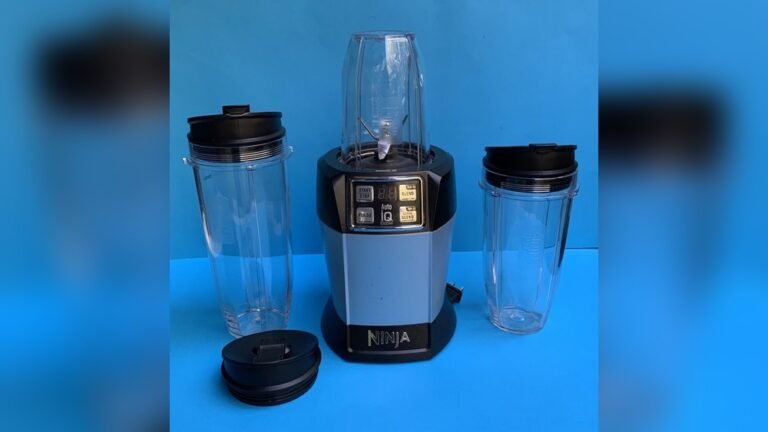
- Ninja blender: Any model works, but stronger motors give smoother sauce. If your blender struggles, blend smaller batches.
- Cutting board and knife: For prepping apples. Use a sharp knife for easier chopping.
- Peeler: If you want to remove skins. Some apples have tough skins that don’t blend well.
- Measuring cups/spoons: Accurate measurements help you repeat your favorite recipes.
- Bowl: For collecting chopped apples. You can also use a colander to rinse apples before chopping.
Comparison Table: Ninja Blender Models
Here’s a look at how different Ninja blender models perform for applesauce.
| Model | Motor Power | Capacity | Best Feature |
|---|---|---|---|
| Ninja Professional 1000 | 1000 watts | 72 oz | Large batches |
| Ninja Foodi Power Blender | 1400 watts | 64 oz | Pulse & variable speed |
| Ninja Nutri Pro | 900 watts | 24 oz | Small batches |
Pro Tip: The Ninja Professional and Foodi models handle tough apples and peels better. If you use older models, peel apples for smoother sauce. If you only have a small blender, divide apples into two batches and blend separately.
Preparing Your Apples
Good applesauce starts with proper apple prep. Here are the steps:
- Wash apples: Rinse under cool water, scrub gently to remove dirt and wax. Some apples have a natural wax layer—washing removes it for better blending.
- Peel (optional): If you want very smooth applesauce or have tough-skinned apples, peel them. Keeping skins adds fiber and color. For kids or babies, peeling is usually better.
- Core and chop: Cut apples into quarters, remove the core and seeds. Chop into 1-inch chunks. Uniform pieces blend more evenly and prevent the blender from jamming.
- Prevent browning: Toss chopped apples in lemon juice. This keeps sauce bright and fresh. You can also sprinkle a little salt to slow browning.
Insight: Why Peeling Matters
Many beginners don’t realize apple skins can affect texture. If you like chunky applesauce or want more fiber, keep skins. For silky sauce, peel them. Skins also add a slightly earthy taste. If you’re blending for a baby or someone with sensitive digestion, peeling is best.
Common Mistake
Don’t over-chop apples. Very small pieces can turn watery and stick to blender blades. Aim for chunks about the size of a walnut. If apples are chopped too small, they may also release more juice, making your sauce thinner.
Another mistake is forgetting to remove all seeds. Apple seeds contain small amounts of a natural chemical that is best avoided, especially in large batches.

Credit: thetastytravelers.com
Blending Applesauce In A Ninja Blender
Now comes the main step—blending.
Step-by-step Blending Process
- Add apples: Place chopped apples in the blender jar. Don’t overfill; work in batches if needed. Overfilling can cause uneven blending.
- Add water: Pour in ¼ cup of water. This helps blades move smoothly. You can add apple juice instead of water for more flavor.
- Add extras: Include lemon juice, sugar, cinnamon, and salt if desired. For extra spice, sprinkle nutmeg or ginger before blending.
- Start blending: Use the ‘Pulse’ setting for 5–10 seconds to break up apples. Pulsing helps apples settle and avoids overheating.
- Blend on medium: Run blender for 30–45 seconds on medium power. Stop and check texture. If you want to control thickness, pause and scrape down the sides with a spatula.
- Adjust: If applesauce is too thick, add more water (1–2 tablespoons at a time). For chunkier sauce, pulse instead of blending continuously. If you want extra smooth sauce, blend a few seconds longer.
- Taste and tweak: Taste applesauce. Add more sugar or spices if needed. Blend again for a few seconds.
Insight: Avoid Over-blending
A common mistake is blending too long. Over-blending makes applesauce watery and can heat it, changing the flavor. Blend just enough for your preferred texture. If the blender gets warm, let it rest before finishing.
Example: Customizing Texture
If you want chunky applesauce, pulse in short bursts and stop when you see small pieces. For smooth applesauce, blend a bit longer but pause to scrape sides with a spatula. You can even use a mesh strainer to remove any remaining chunks for ultra-smooth sauce.
Data Table: Blending Times For Texture
| Texture | Blending Time | Tips |
|---|---|---|
| Chunky | 15–20 sec pulse | Stop and check often |
| Smooth | 30–45 sec blend | Scrape sides, add water |
| Extra smooth | 60 sec blend | Peel apples, blend in small batches |
If you want to make applesauce for babies, blend until completely smooth and strain if needed.
Cooking Applesauce: Optional Step
Some people prefer to cook applesauce after blending. Cooking can:
- Thicken the sauce and remove excess water, especially if apples are juicy.
- Enhance flavor by caramelizing sugars in apples and spices.
- Make it safer for long-term storage by killing bacteria.
How To Cook Applesauce
- Pour blended applesauce into a saucepan.
- Heat on medium, stir occasionally. Don’t let it stick or burn.
- Simmer for 10–15 minutes. This reduces excess water and concentrates flavor. If sauce is too thick, add a splash of water.
- Let cool before storing. Cooling lets flavors settle.
Note: You can skip cooking if you plan to eat applesauce within a week or store it in the fridge. Cooking is more important if you want to can applesauce or store it for months.
Non-obvious Insight
Cooking applesauce after blending also helps preserve it. If you want to store applesauce for more than a week, always cook it. Cooking also helps flavors develop—cinnamon and other spices taste richer after simmering.
Storing And Preserving Applesauce
Homemade applesauce needs proper storage to stay fresh.
Short-term Storage
- Refrigerator: Store applesauce in airtight containers. It lasts 7–10 days. Use glass jars for best taste, but plastic works if you clean thoroughly.
- Glass jars: Use clean, dry jars for best results. Plastic containers work but can absorb odors. Glass is easier to sanitize and keeps applesauce fresher.
Long-term Storage
- Freezing: Applesauce freezes well. Use freezer-safe containers or bags. Leave space for expansion. Frozen applesauce may change texture, but it’s still good.
- Canning: For shelf storage, cook applesauce and process in hot jars. Follow USDA canning guidelines. Proper canning prevents spoilage and keeps applesauce safe for months.
Storage Data Table
| Storage Method | Duration | Tips |
|---|---|---|
| Refrigerator | 7–10 days | Use airtight jar |
| Freezer | 6–12 months | Leave space for expansion |
| Canning | Up to 1 year | Cook sauce, use sterile jars |
Practical Tips
- Label jars with date and contents. This helps you use oldest jars first.
- Use smaller containers for easy thawing. Single-serve jars are great for kids.
- If applesauce changes color, texture, or smell, discard it. Never eat applesauce that tastes sour or looks moldy.
Another tip: If freezing, divide applesauce into portions for smoothies or baking. This saves time later.
Flavor Variations And Add-ins
Once you master basic applesauce, try these creative twists:
Fruit Add-ins
- Pears: Add 1–2 pears for mild sweetness. Pears blend smoothly and give a creamy texture.
- Berries: Blend in strawberries or blueberries for color and flavor. Berries add antioxidants and make applesauce look pretty.
- Peaches: Great for summer applesauce. Peaches add fragrance and rich flavor.
Mixing fruits lets you use what’s in season or what’s leftover in your kitchen.
Spice Variations
- Nutmeg: ¼ teaspoon per batch for warmth. Nutmeg pairs well with cinnamon.
- Ginger: Pinch of ground ginger for zest. Ginger helps digestion and gives applesauce a spicy kick.
- Cloves: Just a touch for depth. Cloves are strong, so use sparingly.
Try mixing two or three spices for a unique blend. For holiday applesauce, add cinnamon, nutmeg, and cloves together.
Sweeteners
- Honey: 1–2 tablespoons for floral sweetness. Good for allergy-friendly sauce.
- Maple syrup: Adds a rich flavor. Maple pairs well with tart apples.
- Stevia: For a sugar-free option. Stevia is much sweeter than sugar, so use less.
You can also skip sweeteners completely. Many apples are sweet enough on their own.
Insight: Balancing Flavors
Mixing sweet and tart apples helps balance flavor. Beginners often miss this, but it makes applesauce less bland. Try two varieties for best results—one sweet, one tart.
Example Recipe: Cinnamon-pear Applesauce
- 3 apples (mixed varieties), 2 pears, ½ teaspoon cinnamon, ¼ cup water, lemon juice.
- Blend together, add more cinnamon to taste. This sauce is smooth, mild, and great for kids.
Using Applesauce In Recipes
Applesauce is more than just a snack. Here are ways to use it:
- Baking substitute: Replace oil or eggs in cakes, muffins, or brownies. ¼ cup applesauce = 1 egg or 1/4 cup oil. This makes baked goods moist and reduces fat.
- Pancake topping: Spread applesauce instead of syrup. Add cinnamon for extra flavor.
- Yogurt mix: Stir applesauce into plain yogurt for healthy flavor. Add granola for crunch.
- Smoothies: Add applesauce for fiber and sweetness. It blends easily and doesn’t overpower other flavors.
- Sauces: Use applesauce as a base for pork or chicken dishes. Warm applesauce with a pinch of sage for savory meals.
Example: Applesauce Muffins
Replace half the oil with applesauce for moist, lower-fat muffins. Applesauce keeps muffins soft and adds gentle sweetness.
Data: Health Impact
Replacing oil with applesauce can reduce calories by 40–50%. For example, 1/4 cup oil = 480 calories; 1/4 cup applesauce = 25 calories. This is a smart tip for anyone watching calories or cholesterol.
Some people use applesauce to replace eggs in vegan baking. Applesauce binds ingredients and adds moisture.
Cleaning Your Ninja Blender
After making applesauce, cleaning is easy but important.
- Rinse immediately: Applesauce dries quickly, so rinse blender jar right away. Dried applesauce is hard to remove.
- Disassemble parts: Remove lid, blades, and jar. Check for apple pieces under blades.
- Wash with warm water and soap: Use a soft brush or sponge. Avoid abrasive pads—they scratch jars.
- Dry completely: Air dry or towel dry before storing. Moisture can cause odors or mold.
Insight: Avoiding Odors
Sometimes apples and spices leave odors. Clean with a mix of water and lemon juice. This keeps your blender smelling fresh. You can also blend a little water with baking soda, then rinse.
If you blend apples with strong spices, wash blender twice to remove all scent.

Credit: thetastytravelers.com
Troubleshooting: Common Applesauce Problems
Even with a Ninja blender, issues can happen.
Problem: Applesauce Too Watery
- Cause: Too much water added, over-blended, or apples were overripe.
- Solution: Cook sauce for 10 minutes to thicken, or blend in another apple. If sauce is thin, let it cool in the fridge—it often thickens overnight.
Problem: Applesauce Too Chunky
- Cause: Not blended enough, tough apple variety, or kept skins.
- Solution: Blend longer, peel apples, or add a splash of water. Use a sieve for extra smooth sauce.
Problem: Bland Flavor
- Cause: Only sweet apples used, not enough spices or lemon juice.
- Solution: Mix tart apples, add cinnamon, or a pinch of salt. Taste before storing—flavors can fade after chilling.
Problem: Brown Color
- Cause: Apples oxidized, not enough lemon juice.
- Solution: Add more lemon juice, blend quickly, store in airtight containers. If applesauce turns brown after storage, it’s usually safe, but check for off smells.
Another tip: To fix bland applesauce, blend in berries or a splash of apple juice.
Safety Tips For Making Applesauce
Food safety is important, especially if you store applesauce.
- Use clean equipment: Wash blender, jars, and utensils before starting.
- Check apples: Avoid bruised or moldy fruit. Mold can spread quickly—use only fresh apples.
- Store properly: Don’t leave applesauce at room temperature for long. Always refrigerate or freeze within an hour.
- Cook for canning: Always cook applesauce if you want to can it. Raw applesauce can spoil quickly.
For more details, check the USDA home canning safety guide: USDA Home Canning Guide.
If you’re making applesauce for babies, sanitize all tools and jars. Babies are sensitive to bacteria.
Credit: bitzngiggles.com
Frequently Asked Questions
Can I Make Applesauce Without Peeling The Apples?
Yes, you can leave the skins on. This adds fiber and color. However, applesauce may be chunkier and have a slightly earthy taste. For smoother applesauce, peel the apples. If you have a high-powered blender, skins blend better.
How Long Does Homemade Applesauce Last In The Refrigerator?
In a sealed container, applesauce lasts about 7–10 days in the refrigerator. Always check for changes in smell, color, or texture before eating.
Is It Possible To Make Applesauce Without Adding Sugar?
Absolutely. Apples alone have natural sweetness. If you use sweet varieties like Fuji or Gala, you don’t need extra sugar. For a tangy sauce, mix in tart apples. You can also use honey or maple syrup if you prefer.
Can I Freeze Applesauce Made In A Ninja Blender?
Yes, applesauce freezes well. Let it cool, then store in freezer-safe containers. Leave some space for expansion. Frozen applesauce stays good for 6–12 months. Thaw in the fridge overnight before using.
What Can I Do If My Applesauce Turns Brown?
Brown applesauce is safe but less attractive. To prevent browning, add lemon juice during blending and store applesauce in airtight containers. If it turns brown, it’s usually because apples oxidized. Stir well before serving.
Making applesauce in a Ninja blender is simple, quick, and fun. You control every ingredient, from the apples to the spices. Whether you want a healthy snack or a versatile ingredient for baking, homemade applesauce is a smart choice. With just a few steps and some creativity, you’ll enjoy fresher, tastier applesauce than anything you’ll find in stores.
And with your Ninja blender, even beginners can get great results every time. Homemade applesauce also makes thoughtful gifts—just fill a jar, add a ribbon, and share your creation with friends or family. Enjoy experimenting and making applesauce your own!